


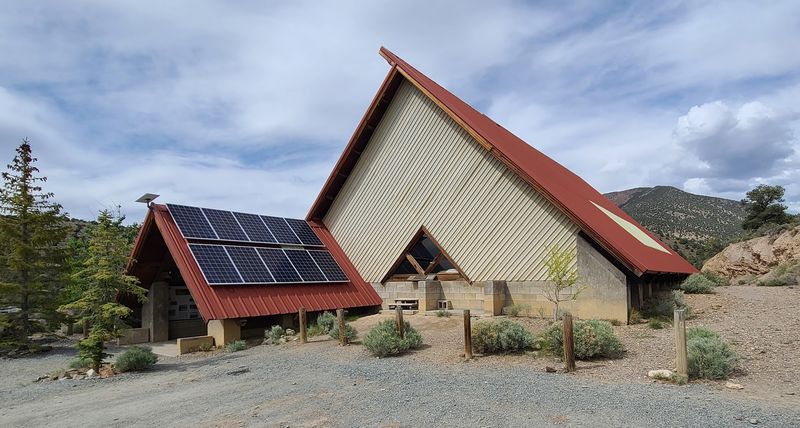
Out in central Nevada, a long backroad leads to a place where an old mining town still stands and giant sea creatures lie in the rock of a mountain. Yes, sea creatures, in the middle of the desert.
Some of their skeletons stretch around 50 feet long, and they rest inside a building you can tour with a ranger. Just down the hill, a ghost town waits with weathered buildings you can actually walk into.
There are no crowds pushing for photos, few stores nearby, and skies dark enough for serious stargazing. Some folks who visited as kids decades ago still talk about it.
Keep reading to learn where this park is, what makes its fossils famous, how the ghost town survived, when the fossil tours run, what camping costs, and how to plan a trip so you arrive ready for a quiet adventure.
A Park at the End of NV-844
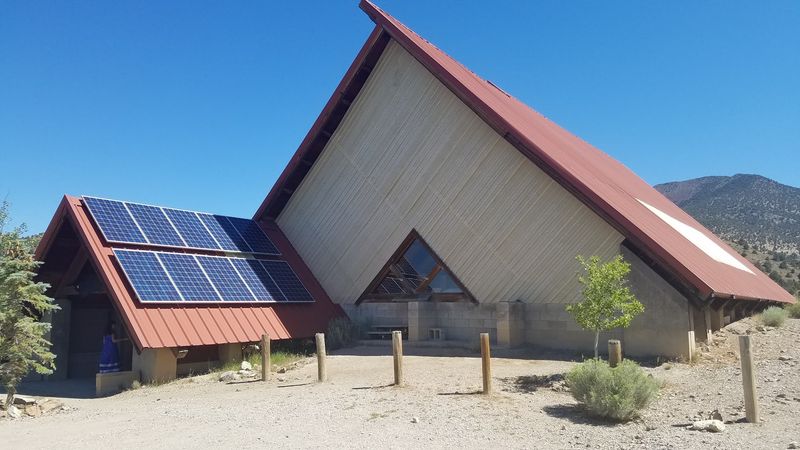
Some destinations sit beside a highway exit. Berlin-Ichthyosaur State Park asks for a little more commitment.
The park is found at NV-844, Austin, NV 89310, in the remote heart of Nevada. It covers more than 1,500 acres and combines two very different stories in one spot.
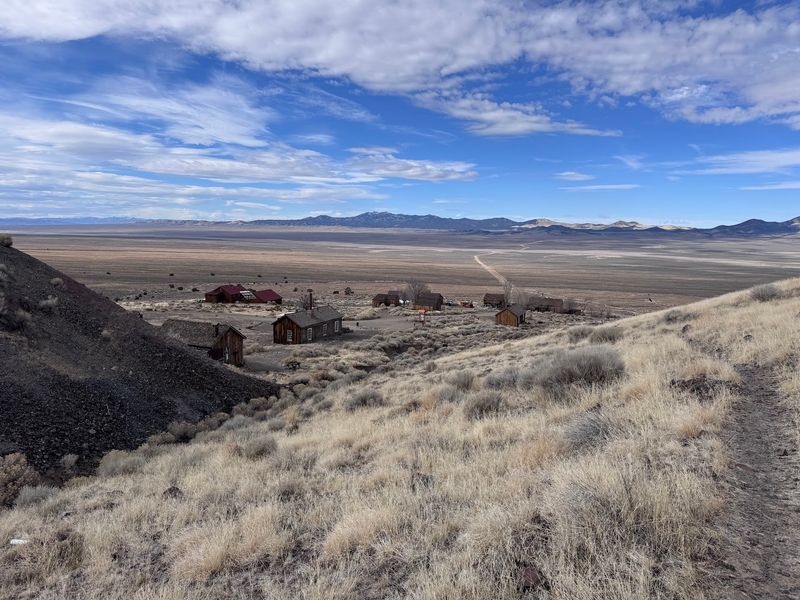
On one side is Berlin, an old mining town preserved in what is called arrested decay. On the other is a fossil site holding the remains of ichthyosaurs, ancient marine reptiles that once swam where mountains now rise.
The park stays open 24 hours a day, every day of the week. That makes it easy to arrive on your own schedule, even after a long drive.
Just know that the phrase middle of nowhere gets used a lot about this place, and for good reason. Gas stations and stores are scarce in the area, so filling the tank and packing supplies before heading out is a smart move.
The official park page from Nevada State Parks offers current details and updates. Checking it before you go helps avoid surprises, especially since the park has closed in the past for road upgrades.
Remote, yes. Forgotten, not quite.
Fish on Top of a Mountain
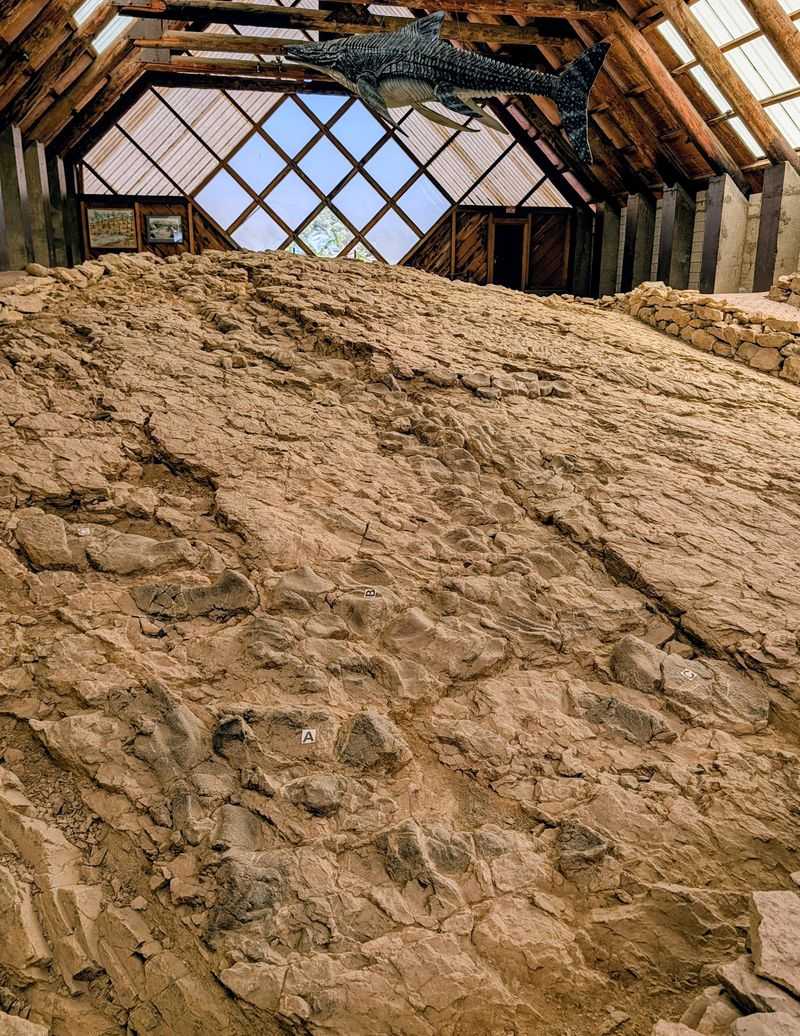
Nevada has a state fossil, and it never walked on land. The ichthyosaur was a large marine reptile, and the park protects a quarry where several of them were uncovered.
Some of the skeletons here reach around 50 feet long. They are often called dinosaurs by excited families, though these creatures were ocean dwellers with a shape that brings whales to mind.
A big part of the story is the setting itself. This mountain was once deep underwater, and the guided tour explains how so many of these animals ended up in the same place.
That question is one of the most interesting puzzles at the site. Rangers walk groups through the evidence and the theories, and the explanation brings the scene to life in a way a sign alone cannot.
It is a strange thought, standing in a dry Nevada landscape and learning that giant swimmers once filled the area. Plenty of guests leave talking about that contrast more than anything else.
Fossils are the most talked about feature of the whole park. Kids tend to love them, and adults usually end up asking just as many questions.
Not bad for a fish story that turned out to be true.
Inside the Fossil House
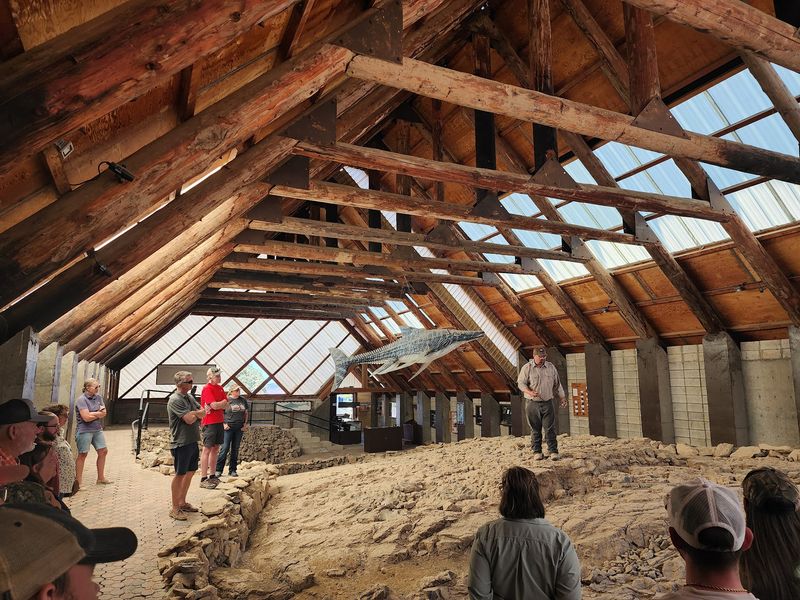
Timing matters here more than almost anywhere else in the park. The fossils sit inside a locked building known as the Fossil House, built right over the excavation site.
Guided tours run at 10 a.m. and 2 p.m., and they have been noted on Saturdays and Sundays. The tour costs $5 per adult, a small fee for the amount of context you get.
Rangers lead the tours, and they are frequently described as friendly, patient, and full of knowledge. Questions from all ages are welcome, and the group setting makes it easy to learn without feeling rushed.
Missed the tour time? There are large viewing windows at each end of the building, plus info plaques you can read from outside.
The window view does have limits. The bones are at a distance, sunlight can glare on the glass, and without a guide it can be hard to understand what you are seeing.
That is why so many people recommend planning the day around a tour slot. Confirming the current schedule before the drive is the best way to get inside.
The Fossil House also has a gift shop with books and souvenirs. A little reading material makes a handy reminder of the trip.
Berlin, Frozen in Arrested Decay
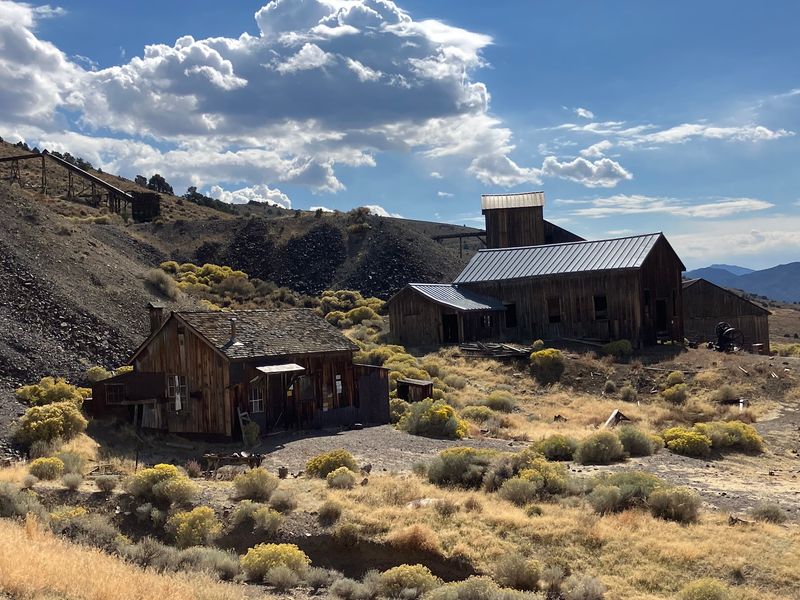
Ghost towns often sit behind ropes and fences. Berlin is different, and that is a big part of its charm.
The old mining town is kept in a state of arrested decay. Buildings are stabilized but not restored, so the place shows how life looked in a hard working desert settlement.
Guests can explore at their own pace and even step inside some of the buildings. Compared with better known ghost towns, that level of access stands out.
The town is on the smaller side in terms of building count. Still, there are plenty of artifacts and pieces of mining equipment to study, and some describe it as feeling more like an old mining plant than a neighborhood.
Signs help explain what each structure was. The site is well marked, and the upkeep clearly takes serious effort.
A word of caution comes with the freedom. Rusty nails and debris are scattered around, so sturdy shoes and careful steps are a must.
Access depends on respect. The town stays open for exploring as long as people treat it gently and leave everything in place.
History here is not behind glass. It is right underfoot, so watch where those feet go.
Union, Trails, and a Quiet Cemetery
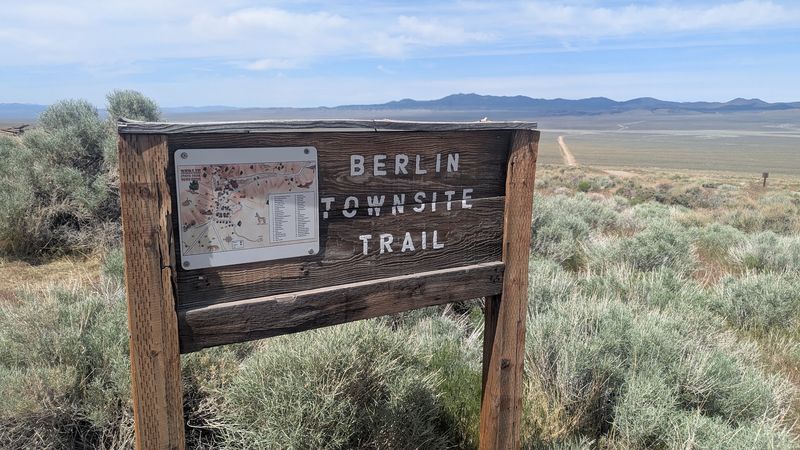
Berlin gets most of the attention, but it is not the only old town inside the park. A second site called Union sits within the boundaries too, along with a cemetery.
Union is a much sparser stop. Only one building still stands, and a walking trail uses signs to mark where other structures once were.
That trail can be harder to follow, and some markers are not as clear as those in Berlin. Bringing a map or downloading park info ahead of time helps.
There is also a trail looping around Berlin itself. It is easy to run out of time for it, so starting early makes sense.
Beyond the towns, the park has other hiking routes and driving trails. They are known for being well kept and cleared, with long views through open areas on each side.
Shady spots for picnics are scattered around as well. A packed lunch and a slow afternoon fit the setting nicely.
With so many paths, a single day can feel short. Some groups say a full weekend works better, and a longer stay would not run out of ground to cover.
Campsites Tucked Among the Trees
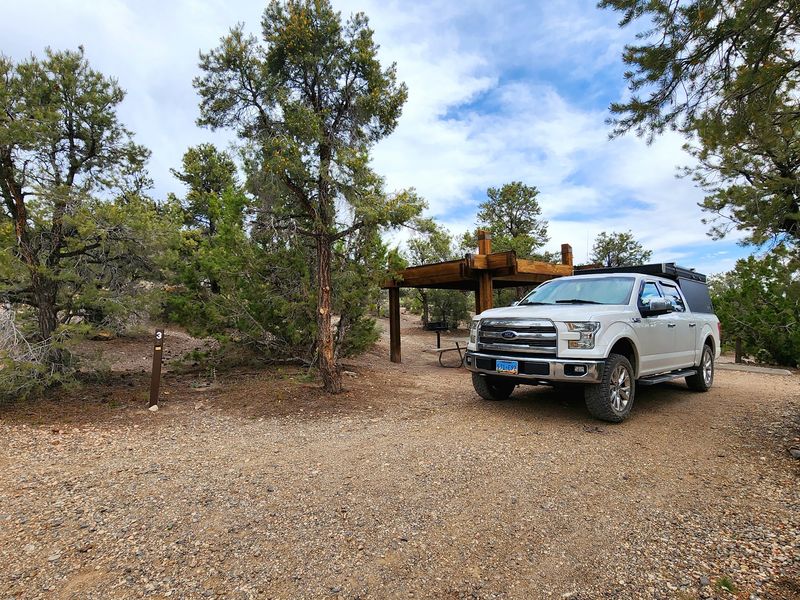
Camping here earns a lot of praise, and cleanliness comes up again and again. The campground is often called one of the best kept around.
Each site comes with a table, a shade structure, a grill, and a fire ring. Sites are tucked among trees and spaced well apart, so neighbors do not feel close.
There is no electricity or water hookup at individual sites. Water spigots are placed throughout the campground, and vault toilets are spread around and kept notably clean.
There are no showers, so plan accordingly. Dry camping fans tend to feel right at home.
Camping costs $15 per night, and reservations can be made online through the state parks system. A group campsite is also available and gets strong praise from families who travel together.
Trailers may find some sites tricky to back into, and the campground road is a little narrow. Smaller rigs make life easier.
Spring is called an ideal season to camp, with fall another good option. For those quiet winter trips, check conditions and park updates first.
Despite the remote setting, the campground can be surprisingly busy. Booking ahead is a good habit.
Dark Skies and a Slow Backroad
After sunset, the park reveals a second attraction. With almost no towns nearby, the dark skies are excellent for stargazing and amateur astronomy.
Bring a star chart or an app, and give your eyes time to adjust. It can be one of the most memorable parts of an overnight stay.
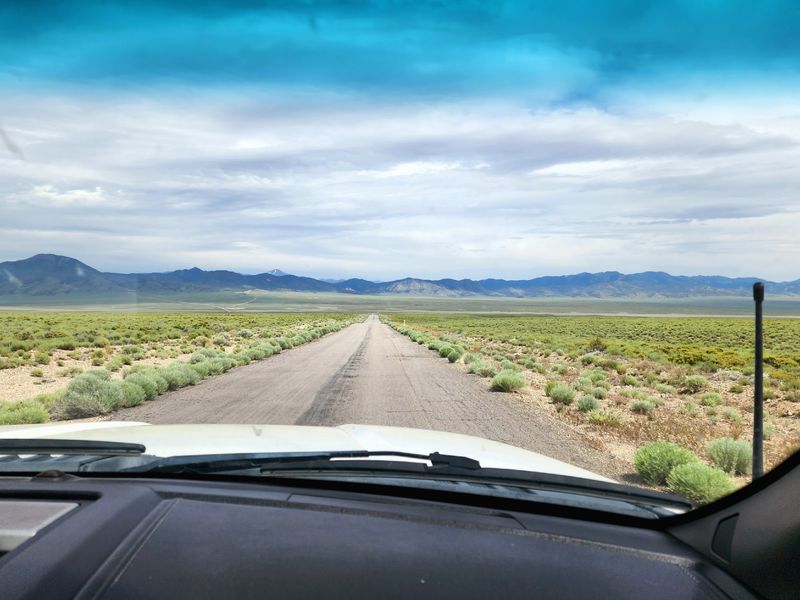
Getting here is part of the adventure. One common approach runs from the Fallon area through Middlegate and past Gabbs on rural roads.
Roads off NV-844 are generally manageable for most vehicles. Some potholes and rough patches appear, and small RVs may find it bumpy, so slow and steady is the way to go.
Cell service is limited. Some carriers get a single bar at parts of the campground, enough for texts and calls, but it comes and goes on the trails.
Wildlife in the region includes deer, coyotes, mountain lions, and rattlesnakes. Staying on cleared trails and watching your step is wise, even though encounters are not common.
The quiet is a big reason people come back. It is a place for unplugging, whether the plan is a hike, a book, or a long look upward.
Worth the Long Drive
Some memories last a lifetime. One longtime fan recalls a trip more than six decades ago, when an older couple lived on site, there were no rangers, and kids could find fossils just by picking up stones.
Much has changed since then. Rangers now care for the park, the trails are maintained, and the fossils are protected for the future.
What has not changed is the sense of discovery. Families, history buffs, campers, and stargazers all find something here.
Kids enjoy the fossil tour and the freedom of the ghost town. Adults appreciate the mining history and the calm pace.
Planning is the key ingredient. Bring fuel, food, water, sturdy shoes, and a schedule built around the 10 a.m. or 2 p.m. fossil tours.
A day trip covers the highlights in a few hours. A weekend allows time for trails, Union, and a night under the stars.
The park holds a strong 4.6 star standing from hundreds of guests, and the praise centers on its care and its rare mix of stories. Few places put ancient seas and old mines on the same hillside.
When winter keeps the crowds away, the silence here feels like a reward for making the trip.
Enjoyed this story?
Add Fast Food Club as a preferred source to see more of our reporting on Google.