


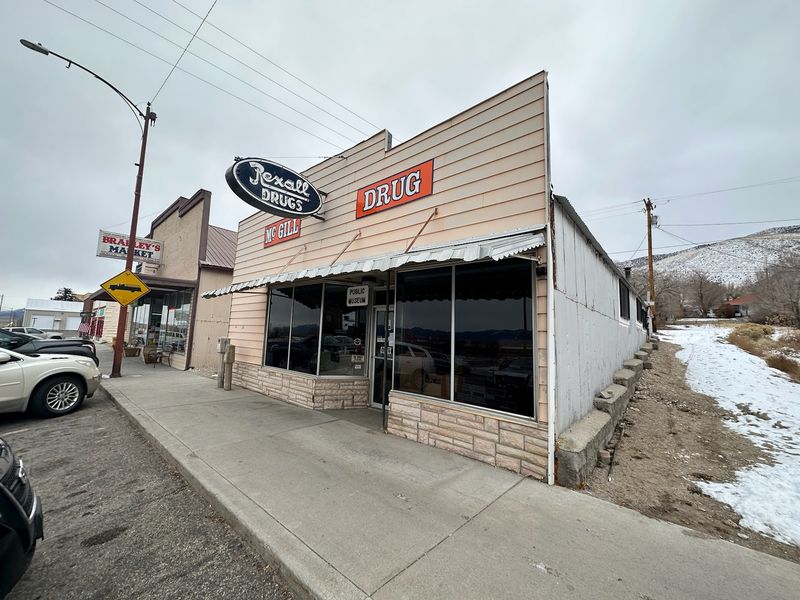
A small-town pharmacy in McGill, Nevada, locked its doors decades ago, and almost nothing inside was moved after that. The old bottles, counters, and brand-name boxes are still sitting right where they were left.
Today the building is a free museum, guided by a local historian who grew up in town and knows its stories by heart. Read on to learn what waits behind those doors, when you can get in, and why so many travelers on US 93 call it the highlight of their trip.
A Pharmacy on South 4th Street
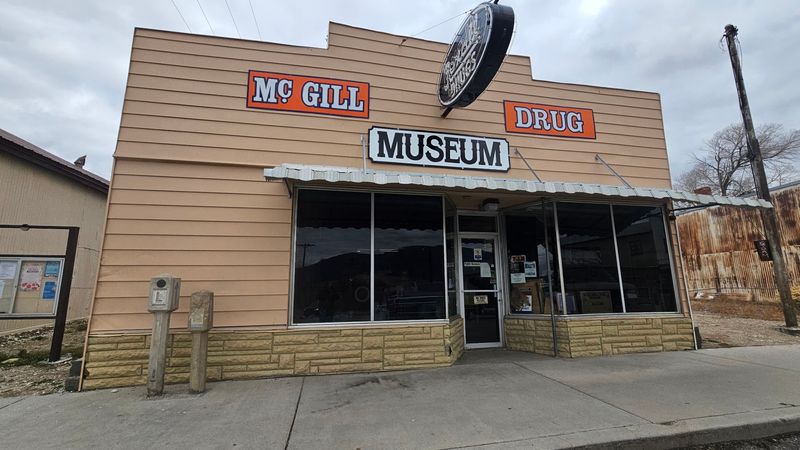
Small towns sometimes keep their best secrets in plain sight. The McGill Drugstore Museum sits at 11 S 4th St, McGill, NV 89318, in White Pine County, a short drive north of Ely.
McGill is a former company town, and its quiet streets still hold historic buildings and old mining equipment. The drugstore is one of the standouts, and it rests just off US 93, the main highway through this part of eastern Nevada.
The museum is set up inside the original pharmacy building. Instead of a modern gallery with glass walls and printed panels everywhere, it presents the store largely as it was on its final working day.
That approach makes it different from most roadside stops. Shelves, counters, and stock remain in place, so the whole building acts as the main exhibit.
Travelers heading to Great Basin National Park often pass right through McGill. Many of them pull over here on purpose, and plenty more simply stumble onto it while exploring the side streets.
A quick detour off the highway is all it takes. The payoff is a full-sized pharmacy frozen in time, waiting a few blocks from the road.
The Day the Doors Were Locked
Most businesses close and get cleared out within weeks. The McGill drugstore took a very different path.
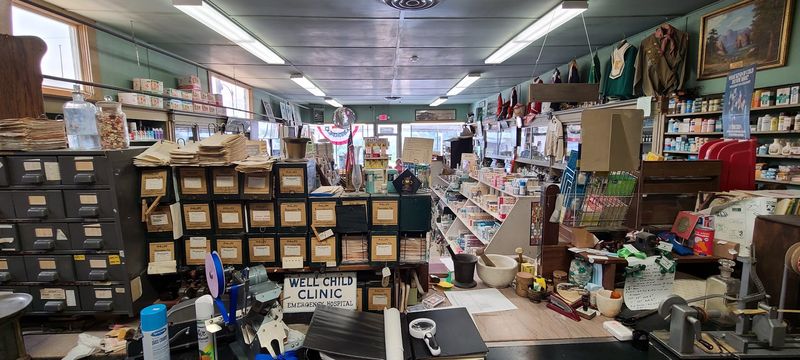
When the owner passed around the late 1970s, the store was locked up with its contents still inside. It shut down for good around 1980, and the merchandise, fixtures, and paperwork simply stayed put.
Years later, that lucky pause turned the building into something rare. What could have been an empty storefront became a near-complete record of how a small-town pharmacy operated.
The store was never just a place to pick up prescriptions. In rural communities like this one, a pharmacy often served as a social hub where neighbors met, talked, and caught up on local news.
That role helps explain why the building matters so much to McGill. It holds a piece of the town’s shared memory, not just old stock.
Here is a fun fact worth tucking away. Items in the store span many decades, with relics from the 1970s and well before, so one shelf can hold products from several different eras side by side.
The result feels less like a staged display and more like a pause button pressed long ago.
Shelves Full of Forgotten Brands
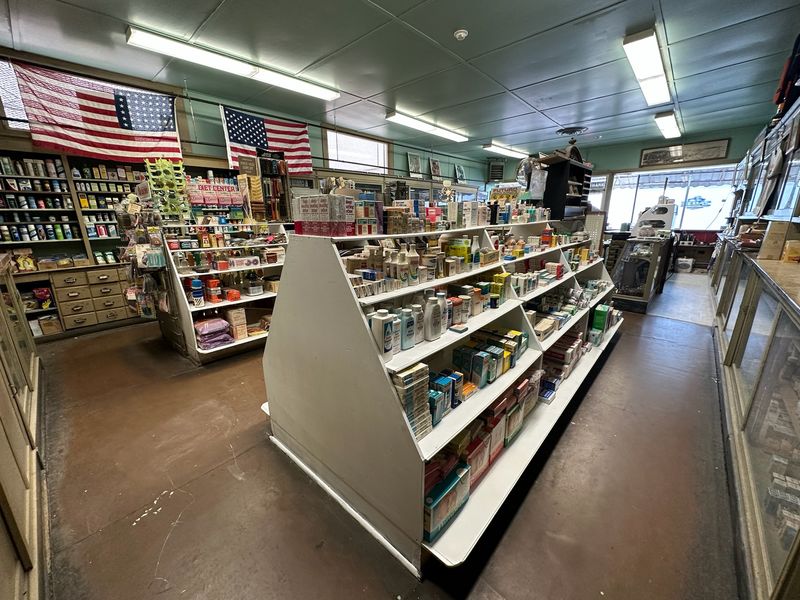
Old packaging has a way of starting conversations. Inside this museum, the shelves are packed with brands from decades past, and many of them look nothing like their modern versions.
Comparing those labels to what is still sold today becomes a game of its own. Some names have vanished completely, while others have survived with fresh logos and new boxes.
Older guests often spot products they remember from childhood. That flash of recognition is one of the most common reactions inside the store.
The collection goes beyond everyday goods. Vintage medicine bottles, old prescriptions, and medical devices show how health care worked in a remote Nevada town.
Remedies from earlier eras sit near tools that were once considered cutting edge. Together they trace how medicine and daily life changed over the years in a frontier setting.
There is a lot to take in, so a slow pace helps. Every case and shelf seems to hold another detail worth a second look.
Fair warning for the browsing type: none of it is for sale. Everything stays right where it belongs, as part of the exhibit.
Keith Gibson, McGill’s Walking Archive
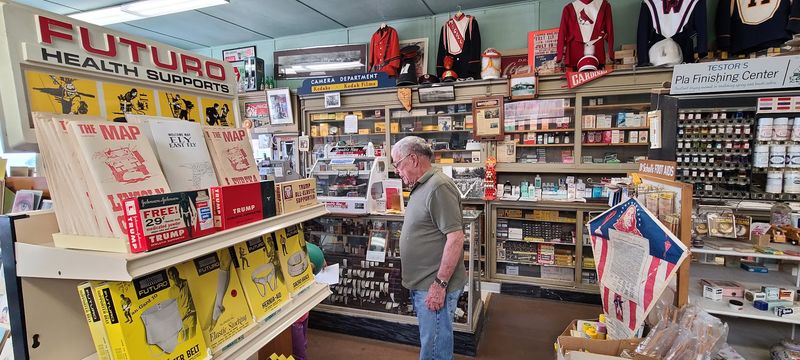
Plenty of museums have plaques. This one has Keith Gibson.
Keith serves as the lead volunteer, curator, and local historian, and he is the reason many people leave McGill talking about their visit for weeks. He grew up in town and has deep knowledge of both the drugstore and McGill itself.
Tours with Keith tend to wander in the best way. He covers the history of the pharmacy, then branches into the story of the town and even wider chapters of American history through personal anecdotes.
One of the most memorable moments tied to the museum involves an old friend. A man who spent his first ten years in McGill returned at age 90 with his family, and Keith recognized him at the door after not seeing him since 1945.
The hour that followed turned into a full tour mixed with shared memories. Moments like that show how personal this place can be.
Other volunteers have also guided guests over the years, and the friendly staff come up again and again in praise of the museum.
Bring questions. The answers usually arrive with a story attached.
Stools, Counters, and an Old Soda Fountain
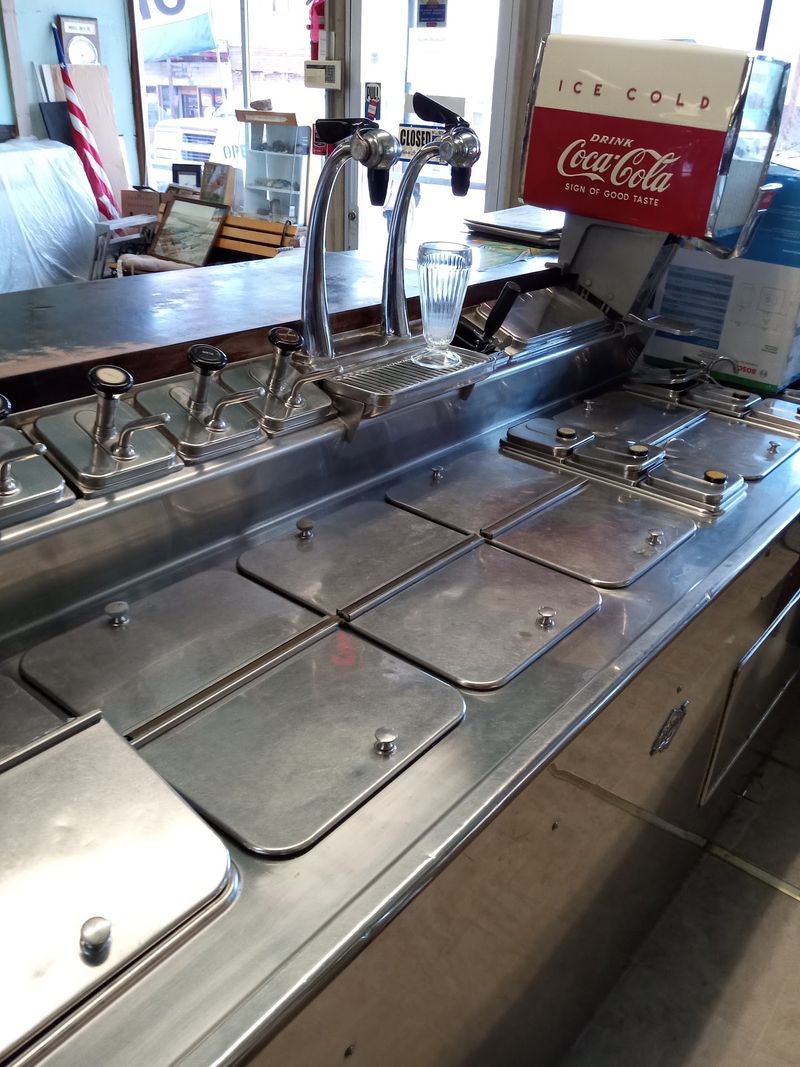
Long before phones kept people connected, a counter and a row of stools did the job. The drugstore’s original soda fountain still stands inside, and it remains one of the most photographed spots in the building.
In its working years, the fountain served as a community gathering place. Locals who were children back then remember sitting on those stools while the pharmacist or his wife prepared drinks for them.
The original counters are also preserved. They show how the store was laid out and how customers moved between the pharmacy, merchandise, and fountain areas.
Hosts have been known to take group photos behind the fountain. It is a simple touch, but it gives families a keepsake from a place where they cannot take anything else home.
Near the counters, displays of nostalgic candy jars add to the mid-century setting. They help round out the picture of a business that mixed health care with small everyday comforts.
For anyone curious about how small-town social life worked decades ago, this corner tells the story clearly. The fountain was the heart of the room, and it still is.
Old Photos and a Bow-Making Machine
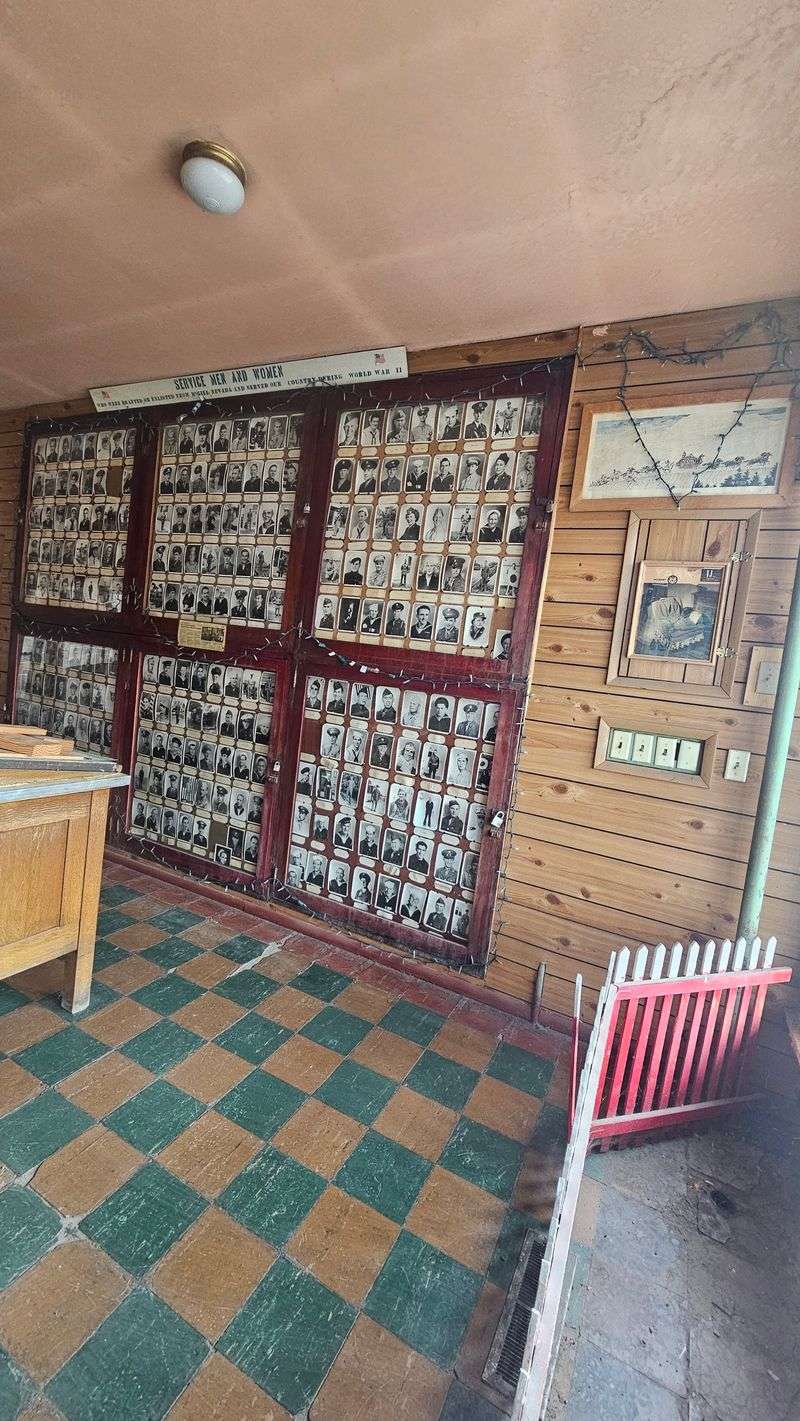
Some of the best surprises here are easy to miss. Old photographs around the store date back to the 1920s and show McGill in its earlier days.
Taking time with those pictures pays off. They offer a direct look at the people and streets that once kept this company town running.
Authentic photographs and stories from locals sit alongside the store’s original goods. The mix helps connect the merchandise on the shelves with the real community that once shopped here.
Then there is the bow maker. This vintage machine was once used to make ribbon bows, and hosts have let kids try it out during visits.
It is a small hands-on moment in a museum that is mostly about looking. For younger guests, turning out a bow on equipment older than their grandparents can be the most talked-about part of the trip.
Families with kids tend to find a good balance here. There is plenty to see, a few chances to engage, and a guide who knows how to keep things lively.
Not bad for a building that closed its register decades ago.
Hours Worth Double-Checking
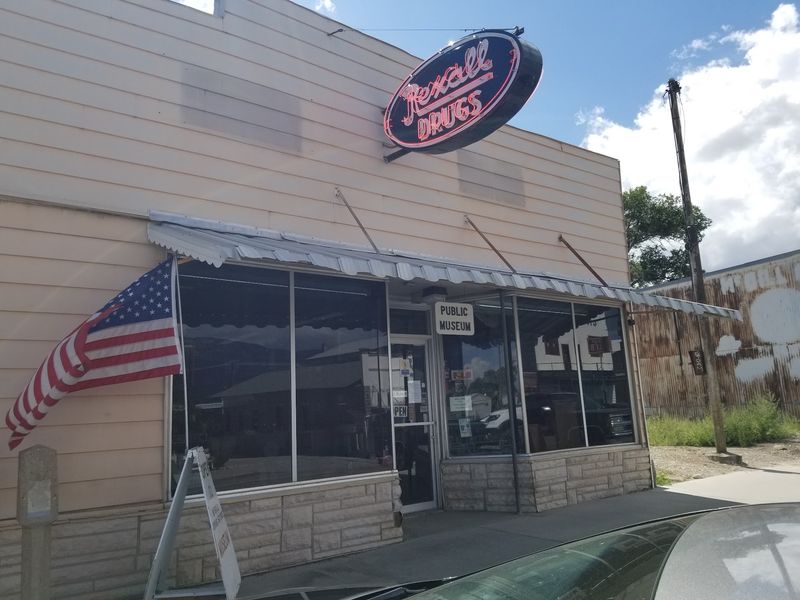
Timing matters more here than at most attractions. The museum keeps a short weekly schedule, and arriving on the wrong day means looking through the windows only.
Current hours are Thursday through Sunday, 10 AM to 3 PM. The museum is closed Monday, Tuesday, and Wednesday.
Schedules at small volunteer-run spots can shift, and posted hours online have not always matched reality. At least one traveler showed up early in the week expecting it to be open and found the doors shut.
Calling ahead or checking the latest information before driving out is a smart move. That is especially true for anyone making a special trip from Ely or Great Basin National Park.
Admission is free, which makes the stop an easy yes for budget-minded road trippers. Supporting small local museums in other ways is always appreciated when possible.
Plan for more time than expected. Between the shelves, the photos, and the stories, an hour can pass quickly, and many guests linger longer.
Arriving well before closing helps too. A rushed tour here would leave too many stories untold.
Why McGill Earns the Detour
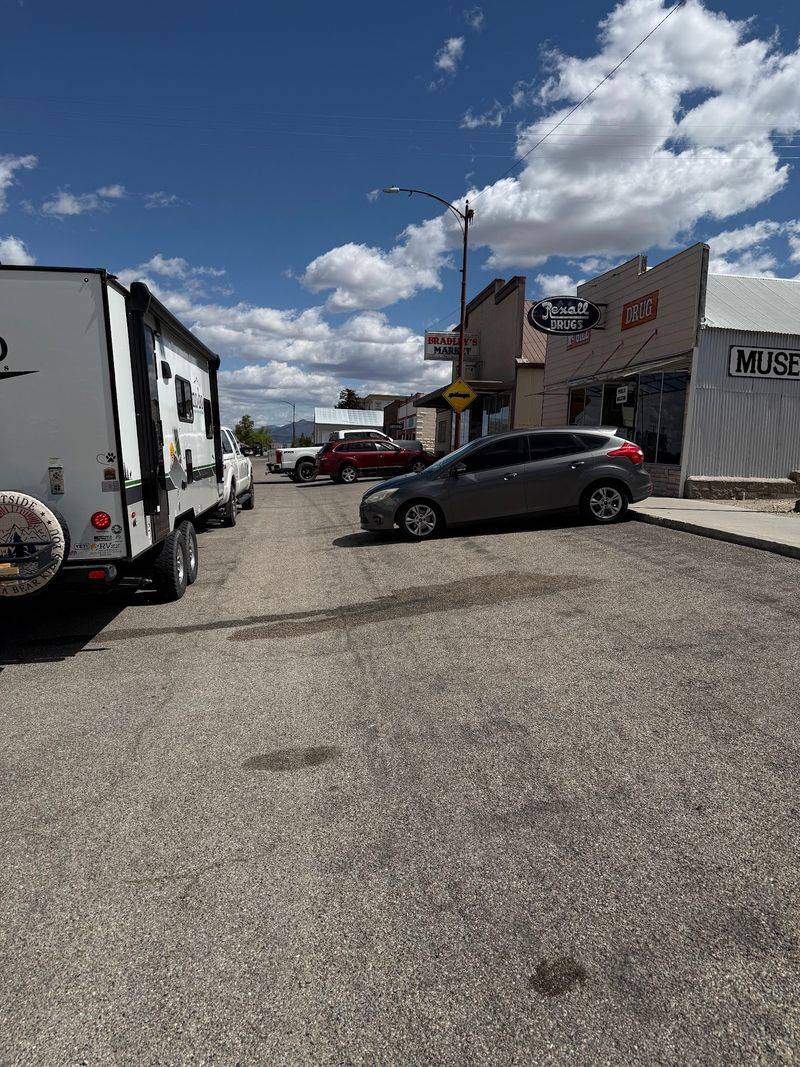
Road trips through eastern Nevada can stretch for long, empty miles. McGill offers a reason to slow down, and its old drugstore is the main event.
The museum suits history fans, families, and anyone who enjoys a little nostalgia. Older travelers often recognize the products, while younger ones get a clear look at how daily life used to work.
It also fits neatly into a larger trip. Great Basin National Park and the town of Ely are both within reach, so the stop rarely feels out of the way.
After the tour, a short drive around McGill’s side streets adds more context. Historic buildings and mining equipment help tell the rest of the town’s story.
The museum is small, quiet, and free, but it leaves a big impression. Its highest praise often comes from people who never planned to stop at all.
For a town this size, holding onto a fully stocked pharmacy from decades ago is no small feat. It is a preserved piece of community life that still welcomes people in four days a week.
Catch it on an open day, bring your curiosity, and let the past do the talking.
Enjoyed this story?
Add Fast Food Club as a preferred source to see more of our reporting on Google.