


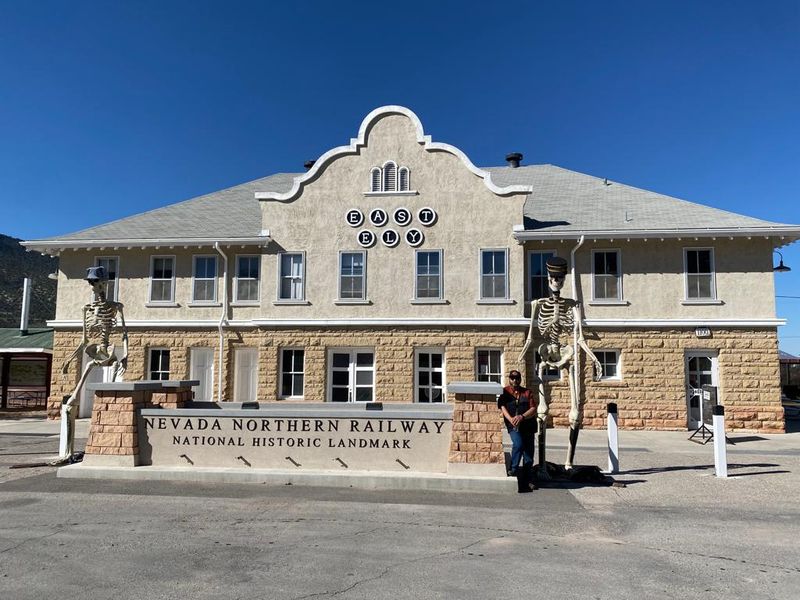
Out in the high desert of eastern Nevada, a steam whistle still cuts across a working rail yard that time seems to have skipped. In Ely, a small railroad town far from any big city, century-old locomotives are not just parked for photos.
They still pull passenger cars up the canyon and through a tunnel, even when winter turns the hills white. The site holds more than 70 historic buildings, a machine shop with tools in use since the early 1900s, and a rare steam crane that still works.
There is also a legendary shop cat, special night trains, and a holiday ride that families plan for all year. Keep reading to learn what makes this rail yard tick, how to plan a trip, and which rides sell out months ahead.
A Rail Yard at the Edge of Ely
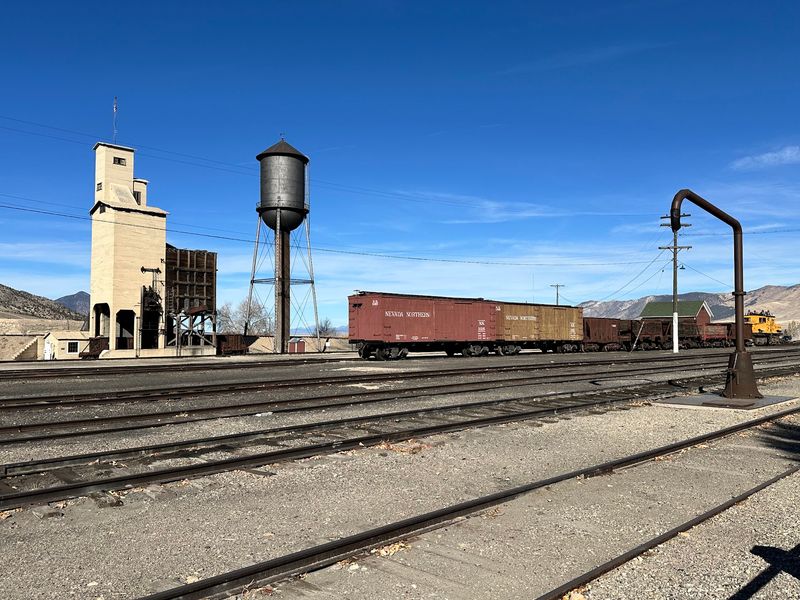
Some museums hang history on a wall. This one keeps it on the tracks.
The Nevada Northern Railway Museum sits at 1100 Ave A, Ely, NV 89301, in the state of Nevada in the United States. It is a 56-acre historic site that operates historic trains and facilities.
The museum offers rides aboard classic steam locomotives along old rail routes. It also lets guests explore the depot, the engine house, and a large rail yard on their own.
The setting is a big part of the appeal. Old tracks, weathered buildings, and mountain views fill nearly every direction.
Ely itself is a small railroad town, and the museum sits close to the center of its story. The town has been busy with upgrades, including new roads, sidewalks, and parks.
With 1,729 Google ratings and an average of 4.7 stars, the place has earned a loyal following. Many people return to Ely again and again just to ride or wander the grounds once more.
A stop here is less like visiting a museum and more like being let into a working railroad’s backyard, which is exactly where the fun starts.
The Day the Railroad Stopped
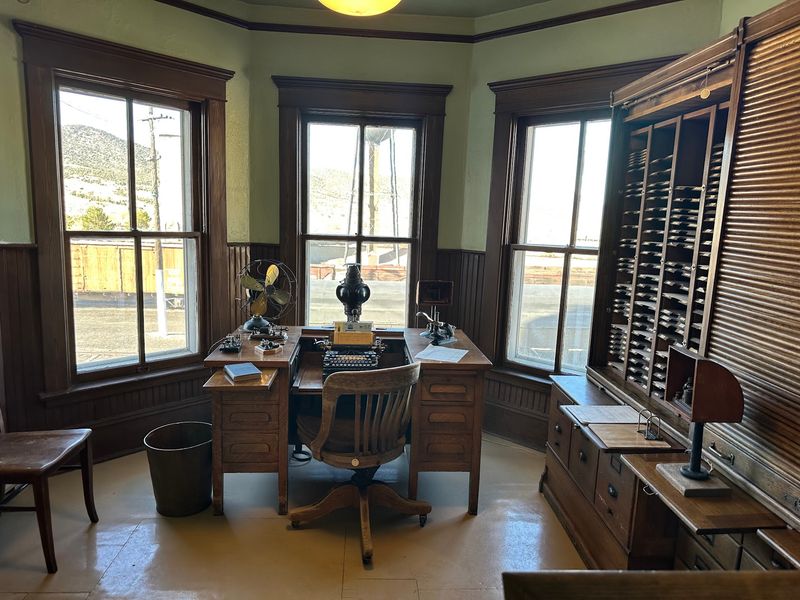
In 1983, operations here came to an abrupt halt. Nobody cleared out the desks or packed up the shops.
That sudden stop turned the site into something close to a time capsule. Buildings stayed largely undisturbed until the property reopened as a museum.
Today, some of those buildings look exactly as they did when commercial work ended. Plaques explain what each structure did and why it mattered.
Upstairs in the depot, above the gift shop, the preserved offices feel like a trip back to the 1940s. The climb is just one flight of stairs, and the museum there is free, with donations welcome.
A telegraph machine is one of the standout pieces. Kids often get a kick out of seeing how messages traveled long before phones and screens.
Short, well-made videos in a seating area share the history of the railroad. Signs across the grounds cover rail in northern Nevada, the local mining community, and the locomotives themselves.
History buffs may find the paperwork as interesting as the engines. The railroad clocked out decades ago, yet its office never quite got the memo.
Steam, Snow, and the Canyon Run
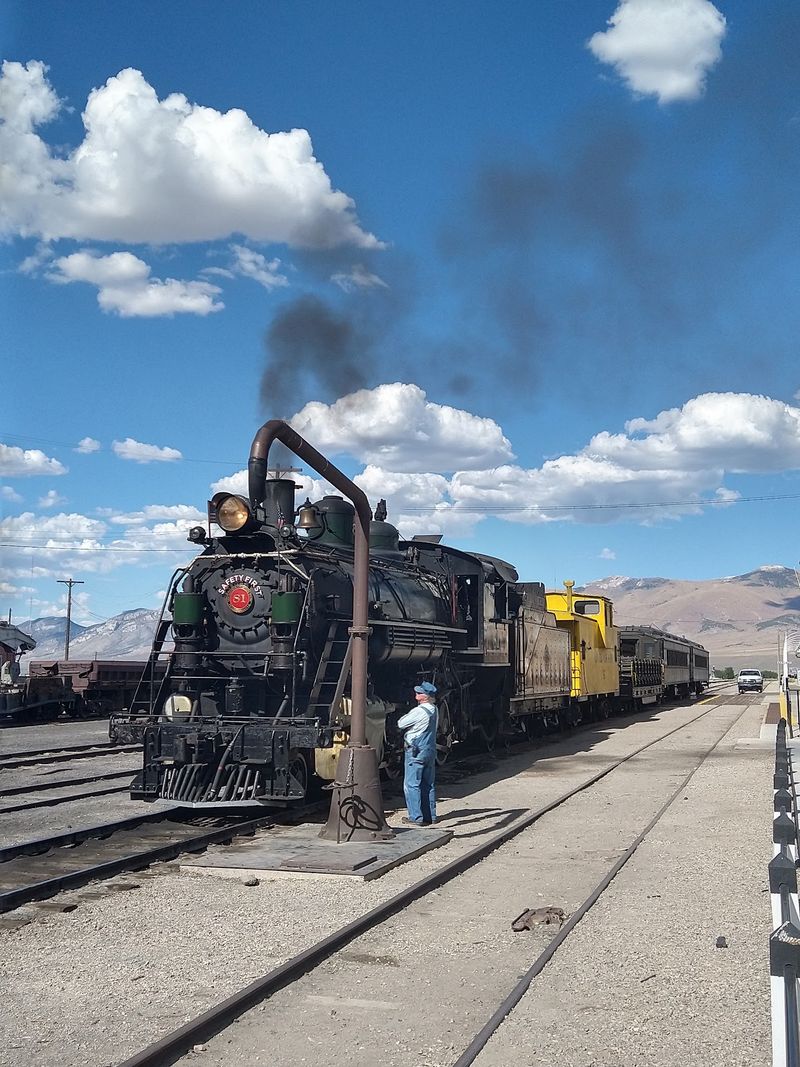
Coal still fuels the main event. The steam train is the reason many people drive hundreds of miles to Ely.
One popular trip is a 90-minute excursion up the canyon. Along the way, the train passes through a tunnel, which tends to be a favorite moment for kids.
Another route heads toward McGill, and tickets are needed for that ride. The grounds themselves are free to wander, so the train is where the ticket money goes.
In past seasons, the museum has offered two train tours priced at $39 each. A second tour on a different route through the valley has been offered at half off.
Winter adds snow to the canyon, and the trains keep their schedules for special events through the colder months. Riders choose between enclosed passenger cars and an open car.
A word of advice for the open car: bundle up. It gets very cold outside, while the inside cars stay warm.
Off-season days can be quiet, and train rides are more limited then. Checking the schedule at nnry.com before the trip saves a lot of disappointment, and a lot of shivering on the platform.
Inside a Machine Shop Still on the Clock
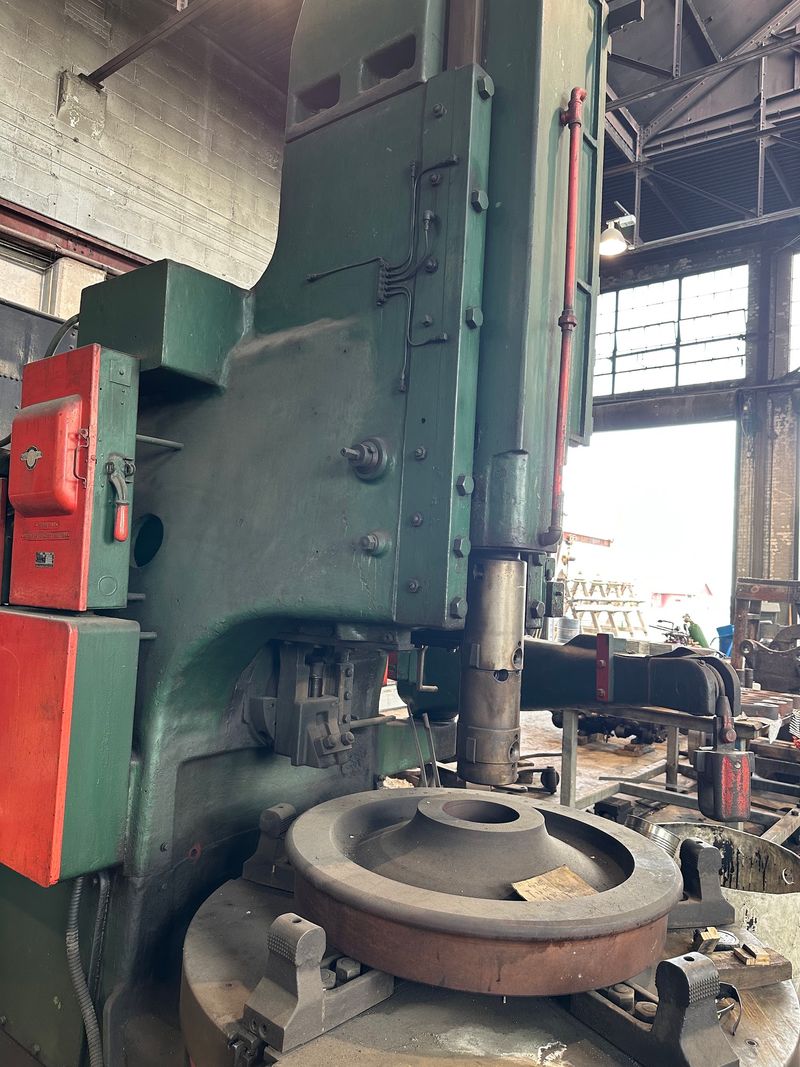
Grease, gears, and a whole lot of patience keep these engines running. The machine shop is where that work happens every day.
Its tools and machines have been in continuous use since the early 1900s. Some machining tools are around 100 years old.
Guests can walk through and watch mechanics and volunteers rebuild steam engines in various stages of repair. Those workers are often happy to stop and answer questions.
A diagram in the shop explains how a steam engine works. It even clears up where the phrase blow off steam comes from.
The boiler room is a highlight for many. So is the rotary snow plow, a machine built for clearing heavy snow off the tracks.
The site also holds the only functioning steam-powered crane in the United States. That alone makes the shop worth a slow lap.
Watch your step, though. There are open pits for working under the trains, so it pays to stop and look around before backing up for a photo.
For anyone who loves old machines, this room tends to eat up more time than planned.
Engine House Treasures
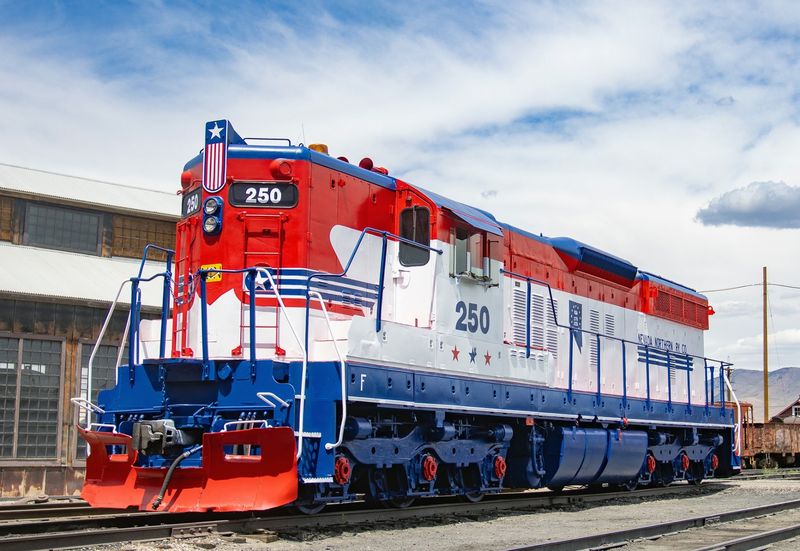
Rows of locomotives wait inside the engine house, and each one has a story.
Both the steam and diesel eras are on display. Some engines are fully preserved, while others are mid-restoration with volunteers hard at work.
A freshly painted America 250-themed steam locomotive has recently drawn plenty of attention. It has been a long project for the volunteers who care for it.
Outside, the rail yard holds old boxcars with swinging doors rather than sliding ones. There is also a very old wooden caboose from the days before metal took over.
Passenger cars and train cars around the grounds are kept in tidy condition. The care shows in the paint, the signage, and the paths.
Out of more than 70 buildings, about 10 are open for the public to explore. Some others are in active use and limited to staff.
Photographers tend to stay a while. Tracks, equipment, old buildings, and mountain backdrops provide plenty of material without much effort.
Few places let a train fan get this close to the real thing, so a full lap of the barn is time well spent.
Dirt, the Shop Cat Legend
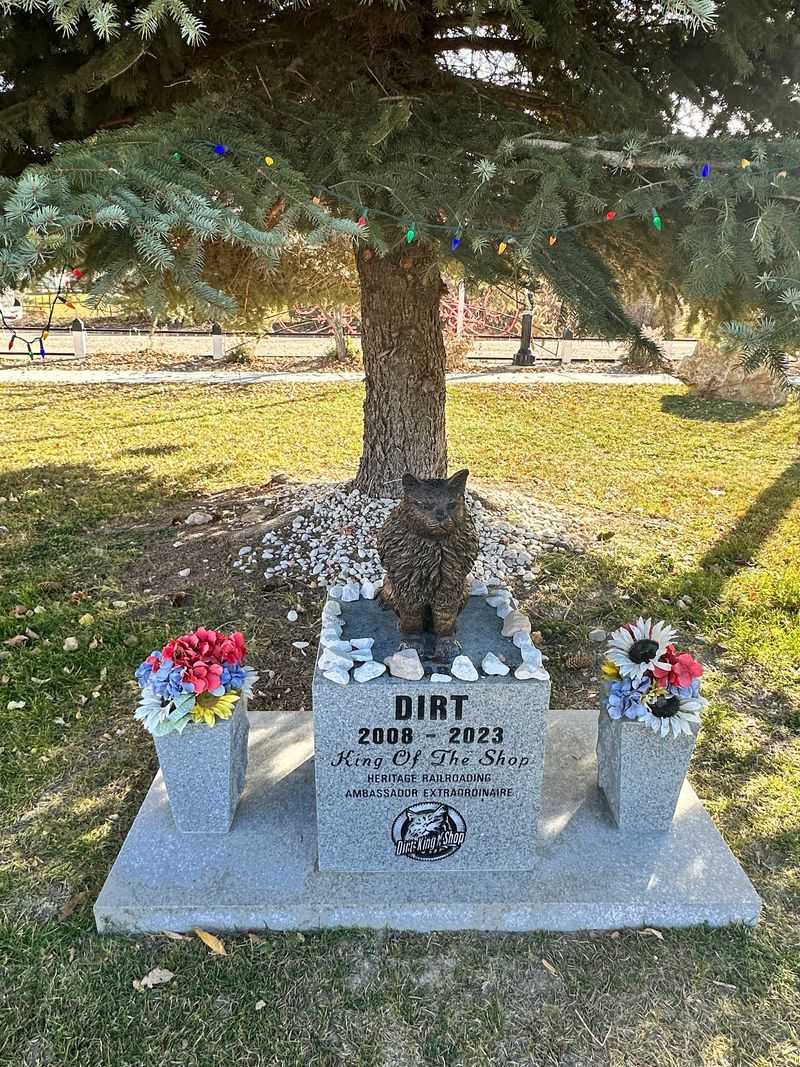
Not every railroad celebrity has wheels. One of the best-known names here belonged to a cat called Dirt.
Dirt was a beloved shop cat who became part of the museum family. His story is shared during shop tours, and it often surprises people who came only for trains.
The museum keeps his memory alive alongside the history of the railroad. New cats on the property now have some big paws to fill.
Dirt and his story come up again and again among those who visit. For many, the tale turns a technical tour into something warmer and more personal.
A cat earning a spot in railroad lore says a lot about the culture here. This is a place run by people who care about the details, furry ones included.
Families with young kids may find the cat story is the part retold on the drive home. It is a small, charming thread that ties the working yard to the people behind it.
Steam may power the trains, but purr power keeps the legend going.
Star Trains and Holiday Rides
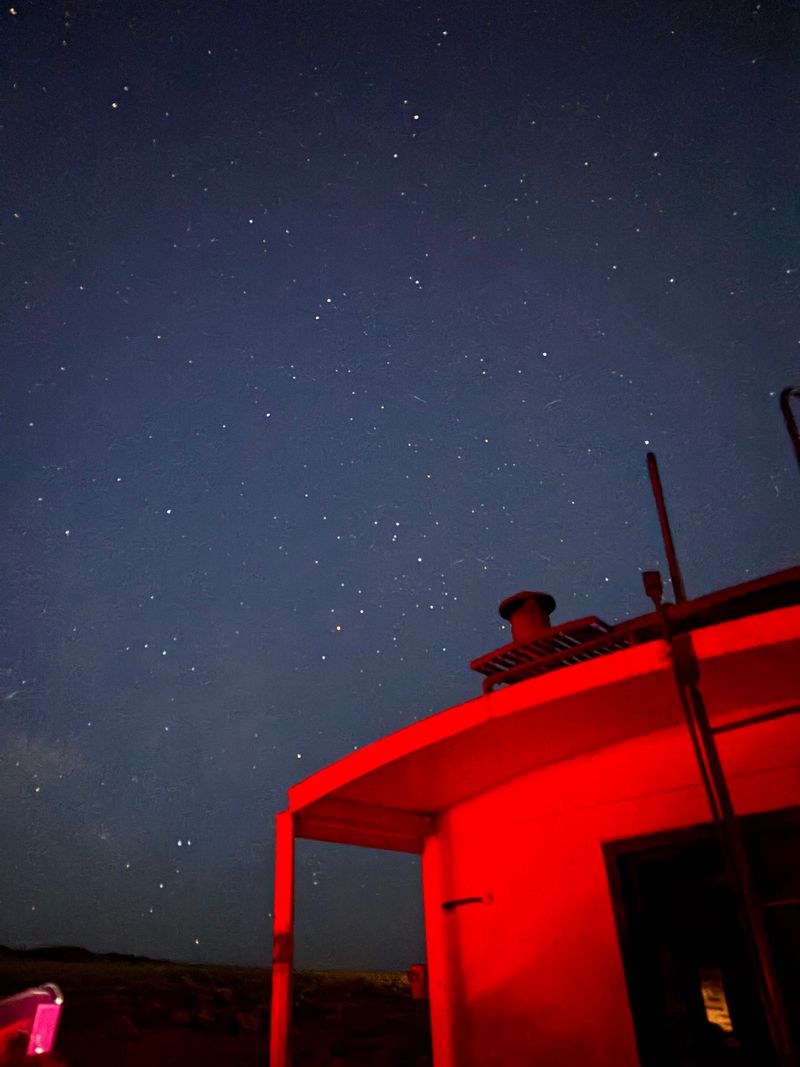
When the sun goes down over eastern Nevada, the railroad finds new reasons to roll.
The Star Train is one of the most talked-about rides. Telescopes are set up along the trip, and an astronomer explains what shows up in the night sky.
Weather can be a factor. Even on cloudy nights, the crew works to show and explain whatever peeks through.
Tickets for the next year go on sale in September. They sell out far in advance, and people travel from places like Southern California just to ride.
Around Halloween, a haunted train takes over. Volunteers put on a full show from start to finish, cold weather or not, and it suits all ages.
December brings a Christmas train, which ranks among the most loved rides of the year. A dinner train is offered too, and it can sell out months ahead.
The takeaway is simple. Special rides reward early planners, so booking online at nnry.com before the trip is the smartest move a family can make.
Room to Roam for All Ages
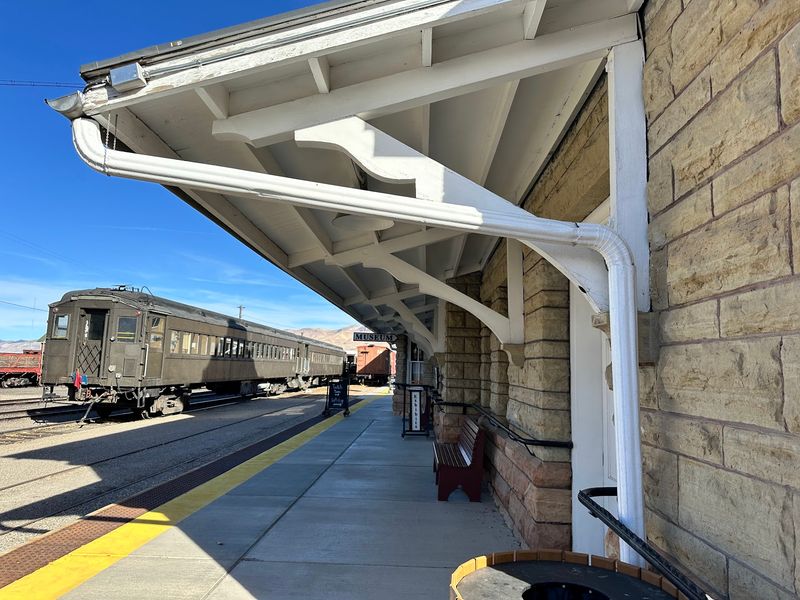
Freedom is the quiet perk of this place. Guests can wander the grounds at their own pace without being herded along.
Self-guided tours work well, even for solo travelers who know little about trains. Plaques explain each building, so nobody gets lost in the jargon.
Public pathways are flat, safe, accessible, and clearly marked. That makes the grounds easy for strollers, grandparents, and curious kids alike.
A park with play equipment gives children a break between exhibits. It also doubles as a pleasant picnic spot.
There is a garden and shaded porches for resting. A small gift shop rounds things out.
Guided tours are offered on some days, often led by knowledgeable volunteers. Staff and volunteers earn steady praise for being friendly and eager to share what they know.
Plan on at least two hours to see the grounds properly. Rail fans can easily stretch that further.
From first-time explorers to longtime regulars, nearly everyone finds a pace that fits, and that is no small feat for a working rail yard.
Planning the Trip and Final Thoughts
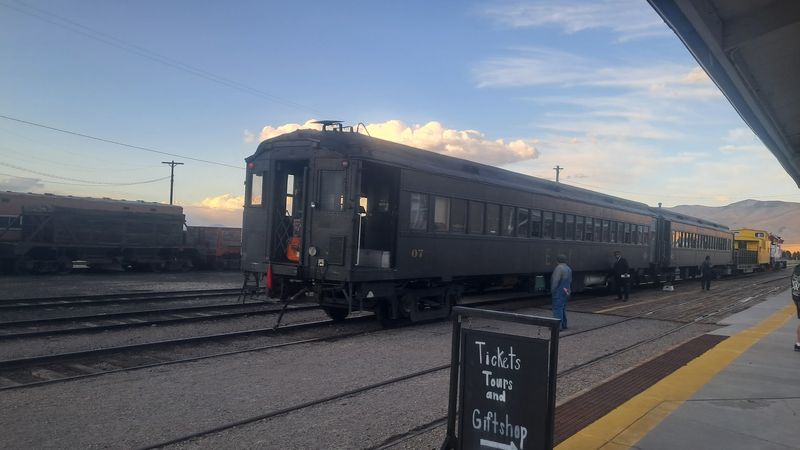
A little planning goes a long way in Ely. Here are the basics.
Hours run 8 am to 5 pm Monday through Wednesday. Thursday through Saturday, the site stays open until 7:30 pm, and Sunday hours are 8 am to 4 pm.
The upstairs museum is free with donations welcome. In past seasons, about $10 has covered access to the rail yard and maintenance shop.
Train tickets are sold at the gift shop, not in the museum itself. Special rides should be booked online well in advance through nnry.com.
Winter trips call for warm layers, especially for the open car. Off-season days are quieter, with fewer rides, so check the calendar first.
The museum sits at 1100 Ave A in Ely. Parking near the depot makes it easy to start exploring right away.
Put it all together and the verdict is clear. Between steam engines, snowy canyon runs, a starry night train, and a cat with a legacy, this rail yard delivers far more than a quick stop.
Ely may be remote, but this ride is right on track.
Enjoyed this story?
Add Fast Food Club as a preferred source to see more of our reporting on Google.