


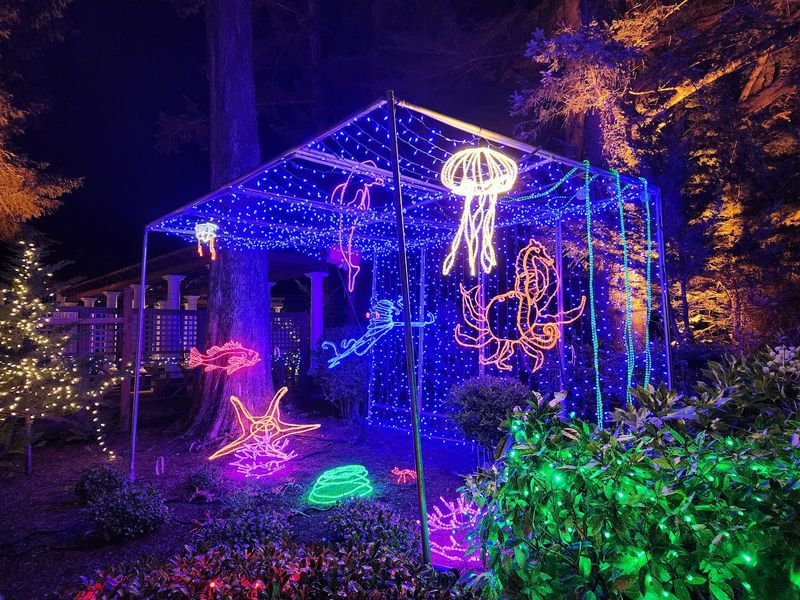
Winter on the southern Oregon Coast usually means early sunsets and quiet roads. Near Coos Bay, though, one clifftop spot turns the dark season into a reason to get in the car.
Glowing koi swim in a garden pond, lit butterflies rest on the branches, and whales made of tiny bulbs seem to drift past the trees. Families return to this display year after year, and it has become one of the most talked-about holiday traditions on the coast.
The setting behind the lights is just as impressive, with formal gardens, a rose garden, wave-battered cliffs, and a hidden cove. Keep reading to learn where it is, what makes it special, when to go, and how to plan a visit that lasts well beyond the light show.
A Former Estate Above the Pacific
Few state parks begin with a timber fortune, but this one does. Shore Acres State Park sits at 89526 Cape Arago Hwy, Coos Bay, OR 97420, on the southern stretch of the Oregon Coast.
The park is a day-use area with formal gardens, coastal trails, and wide ocean views. It is reached by heading west from U.S.
Route 101 toward Cape Arago.
The land has a story worth knowing before you arrive. In the early 1900s, it was the private estate of Louis J.
Simpson, a timber and shipping businessman.
Later, the estate was donated and became a state park. Signs and staff help explain the role Shore Acres played in shaping the development of the coastal region.
Today, the grounds feel like two worlds stitched together. On one side are tidy garden beds and lawns, and on the other is a raw, rocky coastline.
That contrast is the reason so many people put this park on their Oregon Coast list. It also sets the stage for the holiday lights, which take that garden setting and give it a whole new evening personality.
The Glowing Garden Tradition
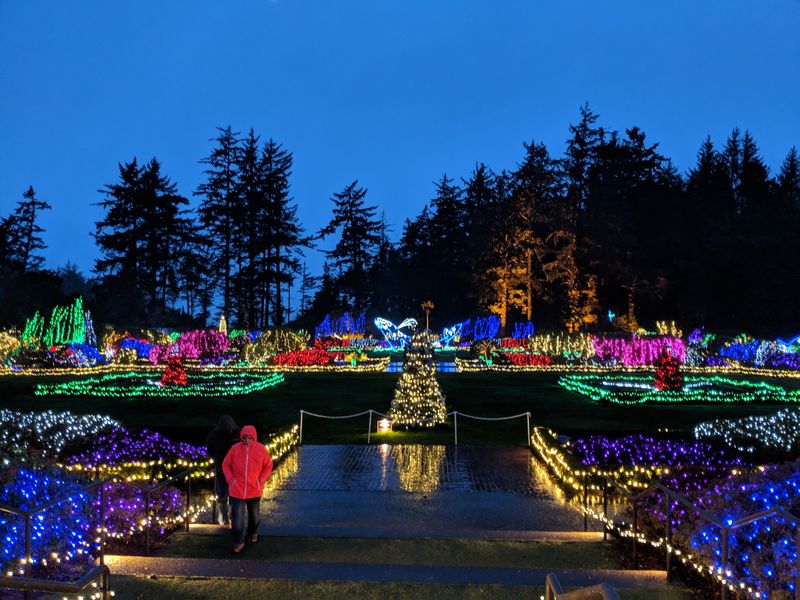
Christmas lights are the single most talked-about topic tied to this park, and that says a lot for a place famous for its waves. Each holiday season, the botanical garden becomes a nighttime display that draws families from across the region.
The detail is what sets it apart. Light shapes of koi fish appear in the water, butterflies rest on the trees, and bees seem to hover in midair.
Turtles, birds, and whales join the scene too. Each figure is designed to look lifelike, and the effort behind the setup is easy to appreciate.
The garden is already lovely by day. With the lights in place, it takes on a magical feel that makes the trip worth planning around.
For many households, this is not a one-time outing. It has become a yearly family highlight, the kind of event that shows up on the calendar right next to holiday dinners.
Check the Oregon State Parks website before heading out, since display dates and evening details are set each season. A little planning goes a long way toward a bright night.
Formal Gardens With Year-Round Surprises
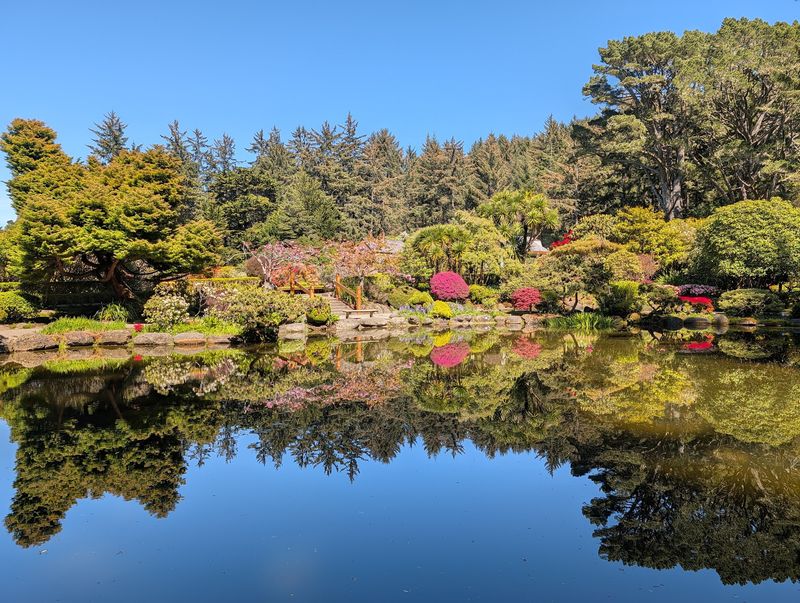
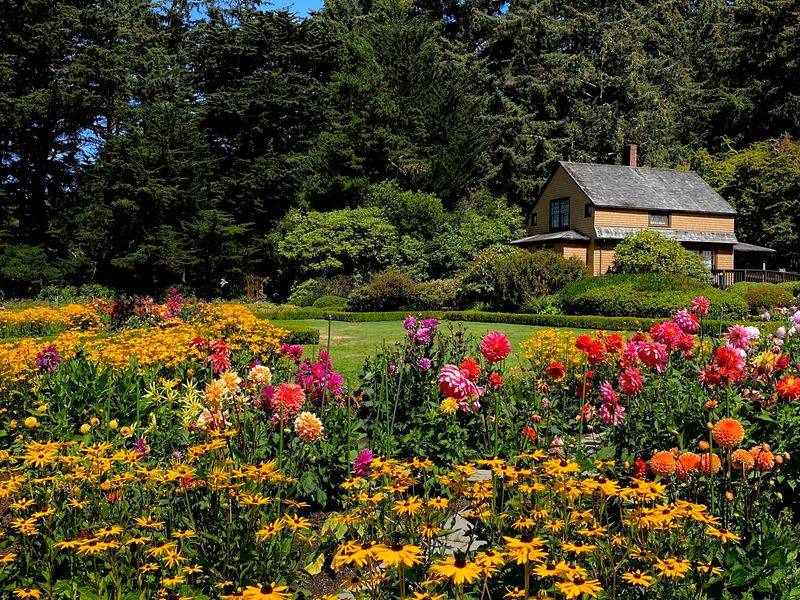
Gardens on a windswept cliff sound unlikely, yet here they are, neat and well cared for. The botanical garden is a short walk from the parking area and is included with the parking fee.
Inside, paths wind past flower beds, a pond, and a fountain. A bench by the pond makes a quiet place to sit and think.
A Japanese garden adds another layer to the grounds. It rewards anyone who slows down instead of rushing through.
There is also a greenhouse that is easy to miss. When open, it is full of old, very large houseplants that are fun to browse.
The gardens change with the calendar. Rhododendrons hit full bloom in spring, while August still brings plenty of color across the beds.
Wildlife makes cameo appearances too. Hummingbirds visit the flowers, and a rabbit or two may hop across the lawn.
Nobody needs a green thumb to enjoy this place. A little patience and comfortable shoes are plenty.
Roses Worth the Detour
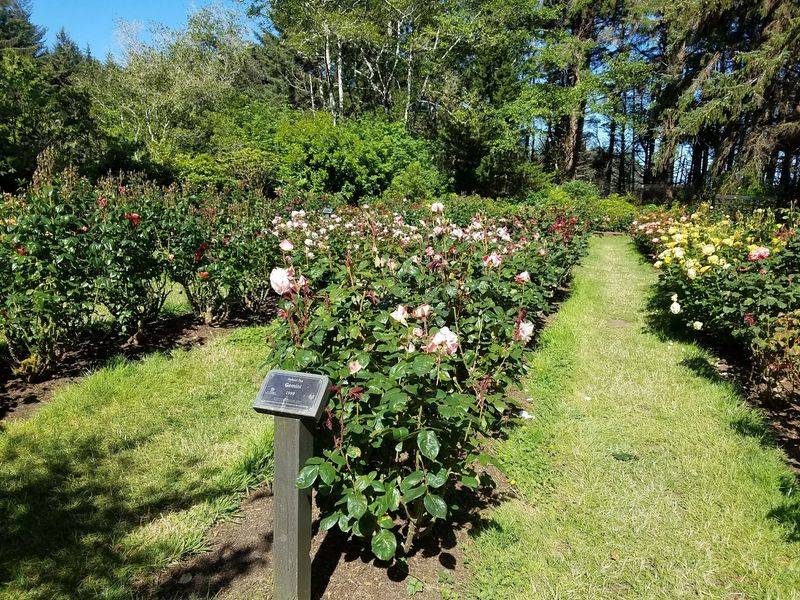
Plenty of people come for the ocean and leave talking about the roses. The rose garden is one of the most loved corners of the park.
Timing matters here. In late spring, the rhododendrons may be blooming while the roses are still just budding.
By summer, the beds fill out. Even in August, the roses can still surprise guests with strong color.
Families enjoy this area for more than flowers. Hummingbirds dart between plants, which keeps younger kids watching closely.
Take time to stroll slowly through the rows. Stopping to smell the roses is practically the house rule here.
A return trip in a different month can feel like visiting a new garden. That makes the rose garden a fine excuse to come back again.
Cliffs, Crashing Waves, and King Tides
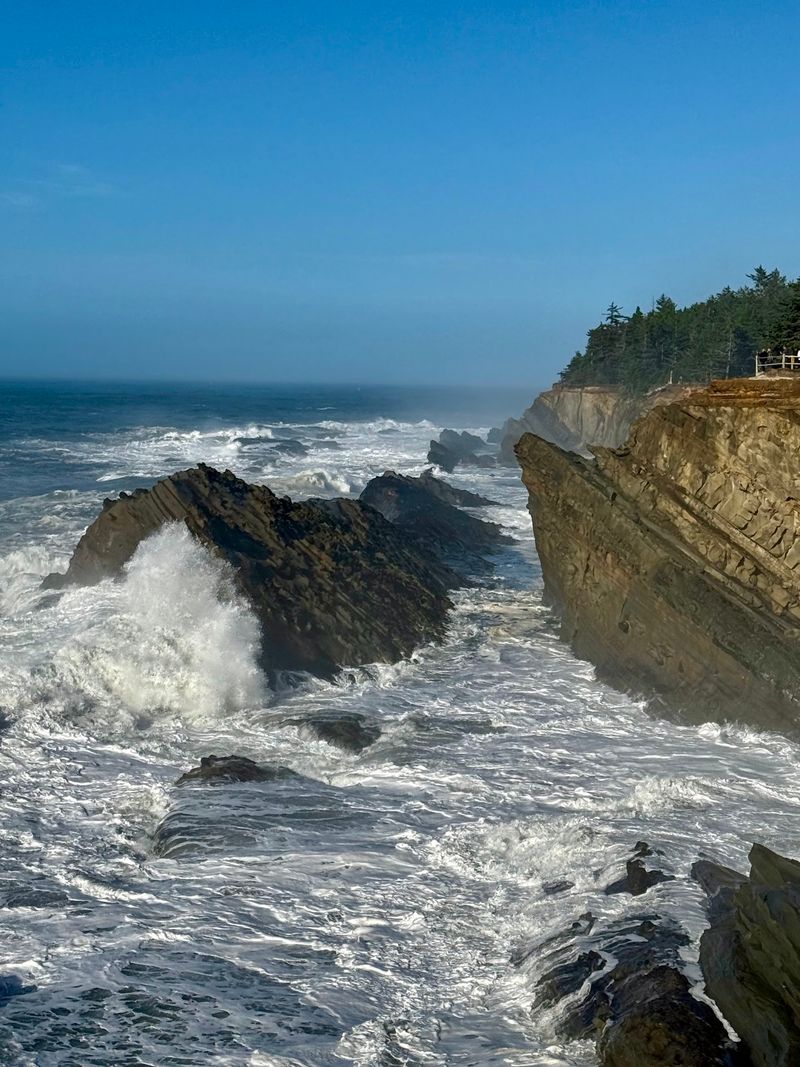
Winter storms turn this coastline into a stage. People come during the roughest weather to watch waves slam into the rocks and send spray as high as 50 feet.
The geology helps explain the show. Hard volcanic rock is embedded in softer sandstone, creating unusual shapes and patterns.
Some outcroppings act almost like ramps. Big waves hit them and get launched into the air.
King tides are a special draw. Even on a sunny day, the waves during these high tides can be massive.
Caution is wise near the edges. Standing in the wrong spot behind the main viewing area can earn a serious soaking.
An observation building and overlook give safer vantage points. They also make it easier to take in the whole sweep of the coast.
Calm days have their own appeal, with the rock formations on full display. Stormy or still, the ocean here rarely disappoints.
Trail Down to Simpson Beach
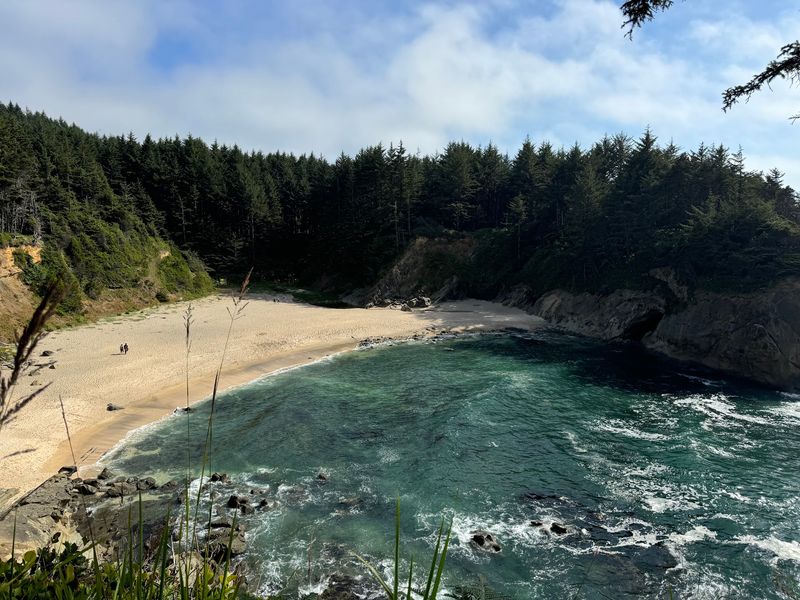
Hidden below the cliffs is a small cove that rewards a bit of effort. Simpson Beach is reached by trail, and the route itself is part of the fun.
The path heads south through forest and along the rugged cliffside. Trails are well maintained and clearly marked.
Expect some work on the way. The beach is a little hard to get to, so sturdy footwear makes sense.
Once there, the cove has a quaint, tucked-away feel. Tide pools nearby invite some careful exploring.
Trails also run north from the main area. Shorter wanders lead to quiet perches above the sea.
Some guests even carry chairs a few minutes up the trail to read and relax. A view of the water and odd rock formations makes for a fine reading room.
Sea Lions, Seals, and Other Neighbors
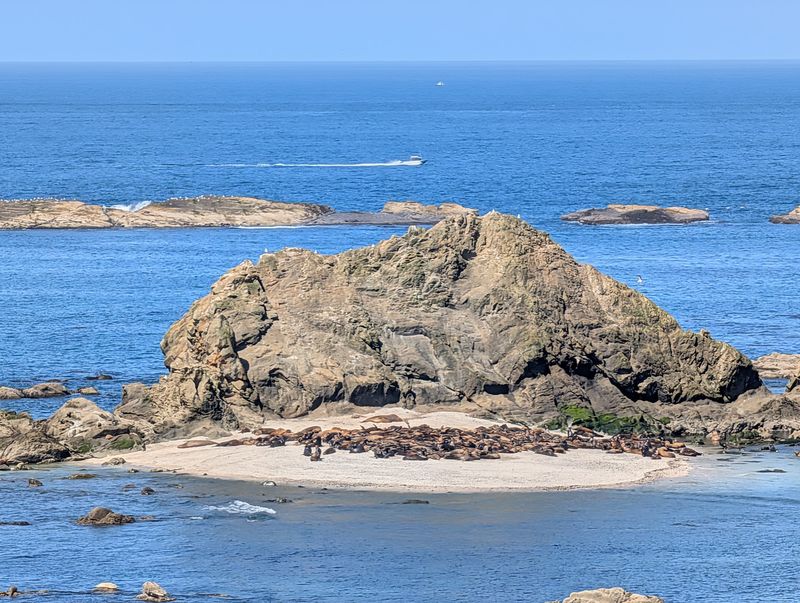
Bring binoculars, because the locals here have flippers. Sea lions are close by, and patient eyes can spot them from the walking areas.
Just up the road, a viewing area offers looks at harbor seals, elephant seals, and sea lions. Pupping season adds extra interest for wildlife fans.
On land, the cast changes. Deer, including a doe with fawns, have been seen wandering near the grounds.
Birds are common throughout the park. Hummingbirds stick close to the flowers, while other species work the coastline.
Wildlife sightings are never guaranteed. Still, the mix of forest, garden, and shore gives animals plenty of reasons to stop by.
Kids tend to treat it as a scavenger hunt. Adults usually end up just as invested in spotting one more seal.
Hours, Fees, and Handy Details
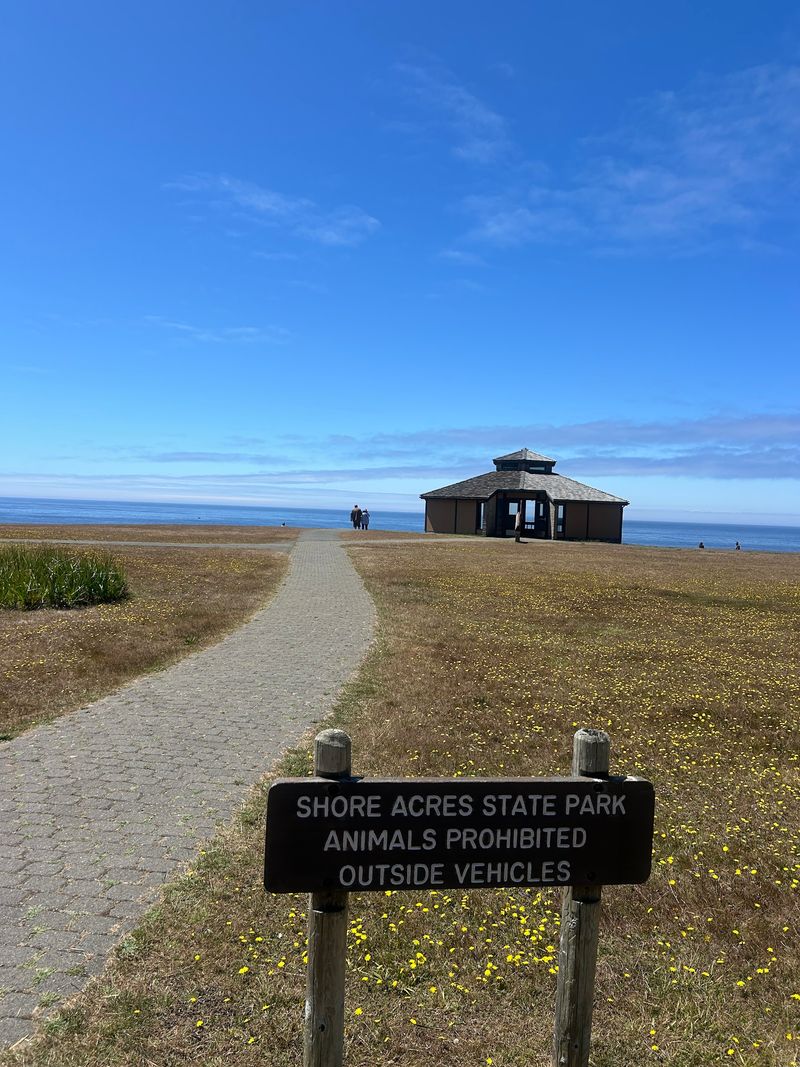
A smooth visit starts with a few basics. The park opens at 8 a.m. daily and closes at 7 p.m., except Saturday, when hours run until 9 p.m.
Parking costs $10, and that fee also covers garden entry. A booth at the entrance accepts cash or card.
The parking area is roomy. Walk straight ahead from the lot to reach the main coastal viewpoints.
Restrooms are clean and well kept. Paths near the main areas are easy to access.
Dogs are not allowed in the park. Plan ahead if traveling with a four-legged companion.
A gift shop sits near the gardens, staffed by friendly folks who also help with information. It makes a pleasant final stop.
Most people spend an hour to a few hours here. Holiday display dates are worth confirming on the Oregon State Parks website.
Why the Drive Pays Off
Some places check one box, and this park checks several. Gardens, trails, wildlife, and pounding surf all share the same grounds.
The holiday lights add a seasonal reason to visit. Glowing koi, butterflies, and whales give the gardens a cheerful evening glow.
Families with young kids, garden lovers, hikers, and storm watchers all find something to enjoy. Quiet early mornings suit anyone who likes a calmer pace.
Each season brings a different version of the park. Spring brings rhododendrons, summer brings roses, and winter brings king tides and lights.
That variety explains why so many people plan return trips. One visit rarely covers everything.
The road out toward Cape Arago is not the fastest detour on the coast. For a holiday outing that blends history, gardens, and ocean views, it is a drive that earns its miles.
Enjoyed this story?
Add Fast Food Club as a preferred source to see more of our reporting on Google.