


Some breakfasts get eaten and forgotten by lunch. Others become the story your family tells on the drive home.
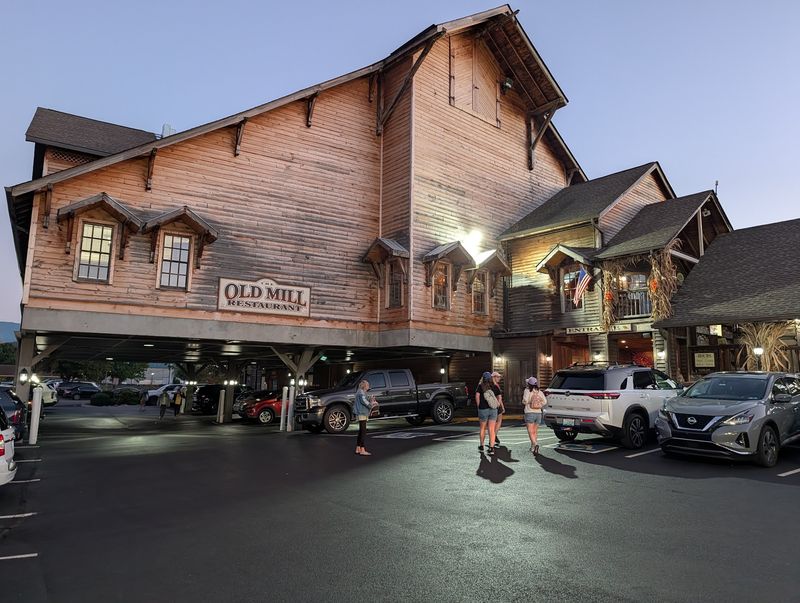
In Pigeon Forge, Tennessee, one riverside restaurant has spent decades serving the second kind, with pancakes so wide they barely leave room for the bacon. The building has roots older than most towns in the region, and the line out front tells you plenty about its popularity.
People wait, chat, browse nearby shops, and then sit down to plates that could feed a small hiking crew. Keep reading to learn where this beloved spot sits, why its history matters, what lands on the table besides those famous pancakes, and how to plan a visit without spending your whole morning in line.
Come hungry, and bring a little patience too.
A Riverside Landmark on Old Mill Avenue
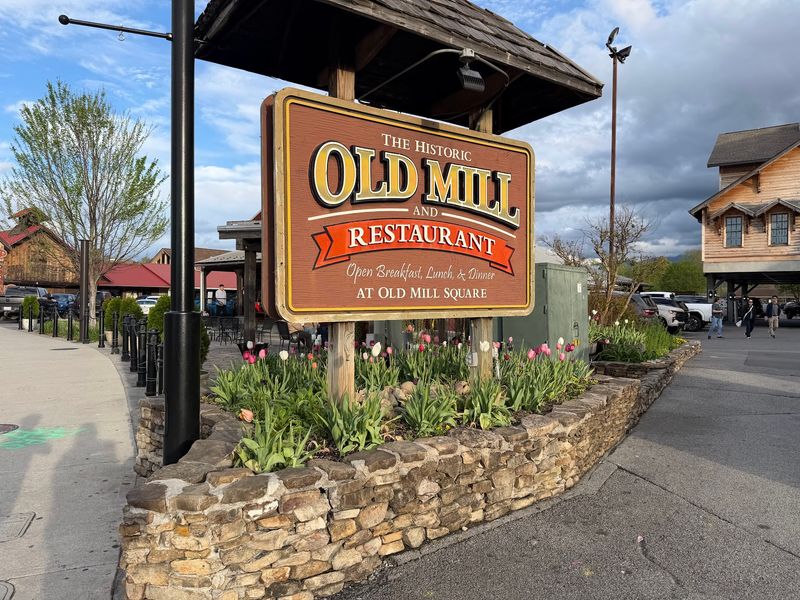
Every tradition needs a home base, and this one has an address worth writing down. The Old Mill Restaurant sits at 164 Old Mill Ave, Pigeon Forge, TN 37863, in the heart of the Smoky Mountain tourist town.
The restaurant is part of a larger complex anchored by a gristmill dating back to 1830. Around it, you will find two country cooking eateries plus pottery, candy, and toy shops.
It is classified as a country food restaurant, and that label fits neatly. The menu leans on Southern comfort cooking served in generous amounts.
The building sits right along the Little Pigeon River. That setting gives the whole place a rural charm that stands apart from the busier stretches of town.
The spot is also listed as a registered U.S. historic place. So breakfast here comes with a side of history, no extra charge.
With more than 34,000 public opinions and a 4.6-star average on Google Maps, it has clearly earned its spot on many trip itineraries. The real question is what keeps people coming back, and the answer starts long before the first pancake hit the griddle.
Nearly Two Centuries of Grinding History
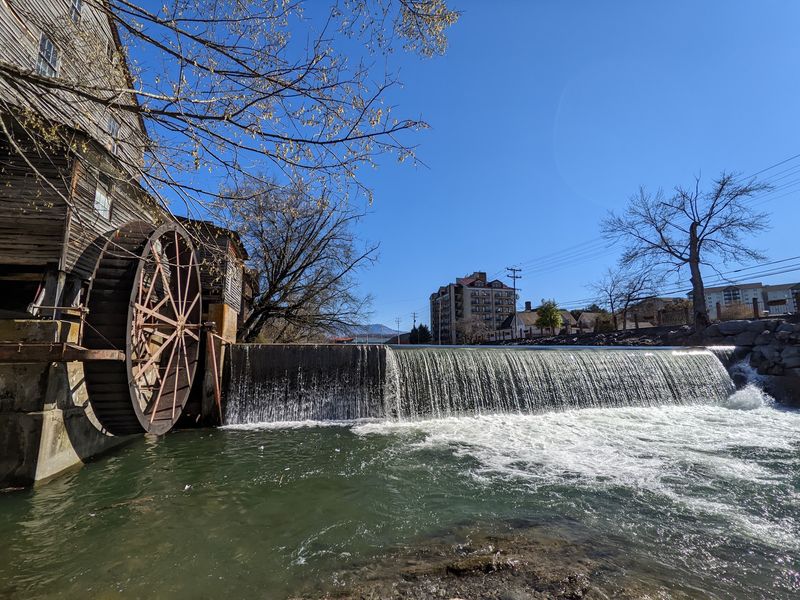
Long before anyone ordered pancakes here, the mill had a job to do. The gristmill at the center of this complex dates to 1830, making it one of the oldest working pieces of the town’s story.
That kind of age is rare in a place better known today for attractions and shows. The mill gives Pigeon Forge an anchor to its past.
The restaurant grew out of this historic setting rather than copying it. The building was converted into a dining spot, and it has become a staple of the local restaurant lineup.
Its listing as a registered U.S. historic place adds weight to the experience. Diners are eating inside a piece of Tennessee heritage, not a theme park version of one.
That history also explains the strong country identity of the menu. A mill once tied to grain and flour now serves heaping plates of Southern cooking, which feels like a natural next chapter.
Families who visit often treat the meal as part of a larger history lesson. Kids get pancakes, parents get context, and everyone walks away knowing a little more about the town.
Of course, history only gets you through the door. What happens inside the dining room is where the tradition really takes shape.
Beams, Benches, and a River View
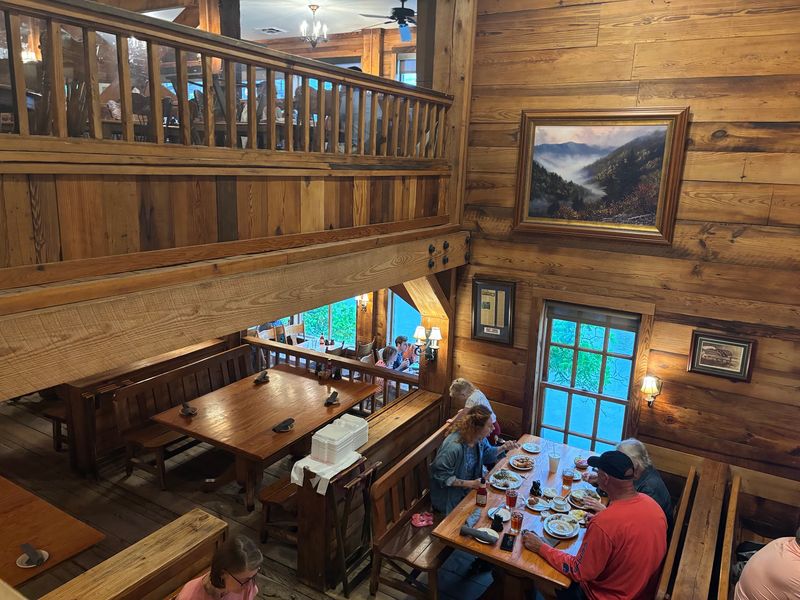
Exposed beams overhead, wooden benches below, and floors stacked on several levels give the dining room its personality. The layout feels like a country building that grew over time, because in many ways it did.
Windows open onto the Little Pigeon River, and those river views come up again and again among regulars. Seats by the glass are a favorite at breakfast.
The third floor offers a look at the river with the mountains in the distance. If you have a choice, it is worth asking about.
The overall mood is warm and cozy in a classic Smoky Mountain way. It is busy, yet the space still feels homey rather than hectic.
Restrooms and the waiting area are kept clean and up to date. That matters when you might spend some time hanging around before your table opens up.
The restaurant handles large groups and small parties with equal ease. Big family reunions, couples, and solo travelers all fit in without feeling out of place.
Sometimes staff will offer to seat you at a shared table to get you in sooner. Strangers from other states can turn into breakfast buddies, which is a fun bonus for chatty types.
Once settled, the main event arrives, and it rarely arrives small.
The Famous Plate-Sized Pancakes
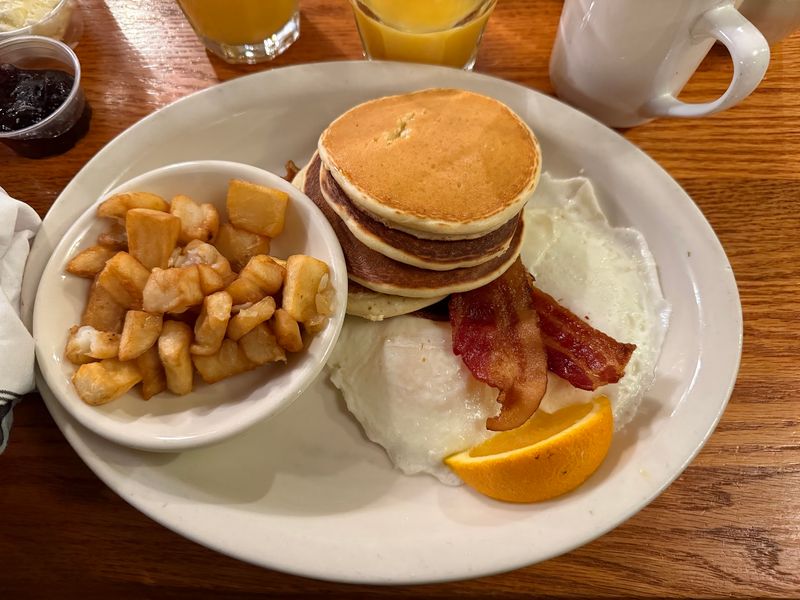
Size matters at breakfast here, and the pancakes prove it. They stretch to the edges of the plate, which is exactly why they became a calling card for the restaurant.
The kitchen opens at 8 AM, so morning crowds arrive early for a classic Southern breakfast. Pancakes share the spotlight with cinnamon raisin French toast, bacon, eggs, biscuits and gravy, and grits.
Put together, the spread feels like a huge home-cooked meal. Portions are famously generous, so sharing is a smart move for lighter appetites.
Breakfast by a window overlooking the river adds to the old-school mountain atmosphere. Many guests rank it among the more memorable breakfasts in Pigeon Forge.
The best advice is simple. Arrive hungry, because a short stack here is not really short at all.
Families often split plates between kids, and couples sometimes order one sweet dish and one savory one to trade bites. That flexibility keeps the bill friendly and the table happy.
Pancakes may have made the reputation, but the restaurant keeps the feast going all day. Lunch and dinner bring a whole different set of crowd favorites to the table.
Fritters, Chowder, and Country Classics
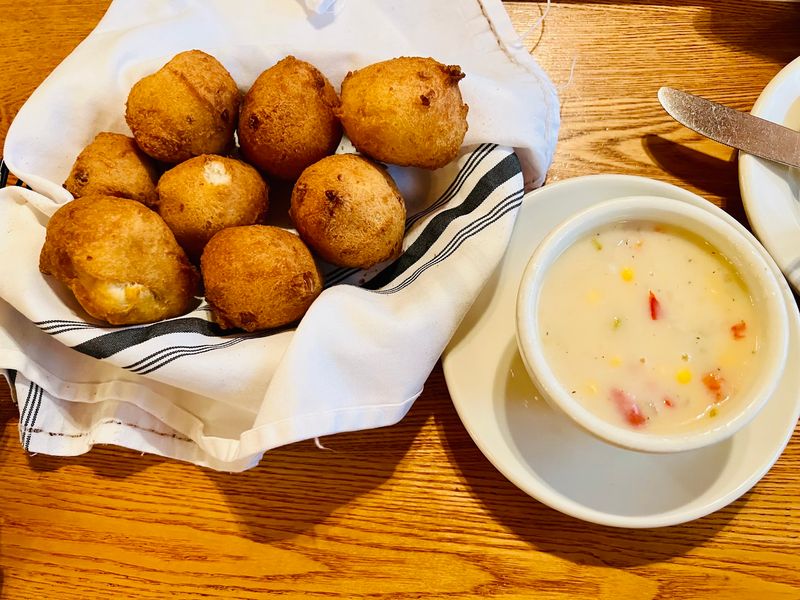
Ask regulars what they remember most, and corn fritters usually top the list. They come with a whipped honey maple butter that has a devoted following.
Lunch and dinner entrees arrive with a cup of corn chowder, a small salad, and those fritters. The chowder leans more savory than sweet and makes a hearty opener.
Sides are served family style, and you typically get two, such as mashed potatoes and country green beans. Dessert is included with entrees too.
Popular main dishes include country fried steak, chicken and dumplings, pot roast, fried chicken, meatloaf, catfish, and pork chops. Some plates come with three large pork chops, so the generosity is not limited to pancakes.
Pecan pie stands out among the sweets. Cobbler and banana pudding also have fans.
Not every entree wins everyone over. A few diners find certain dishes simply decent, while the fritters remain the universal highlight.
One more note for planning: no alcohol is served here. Sweet tea and coffee are the drinks of choice.
Full plates require a full staff, and the people running this operation deserve their own spotlight.
A Busy Kitchen Running Like Clockwork
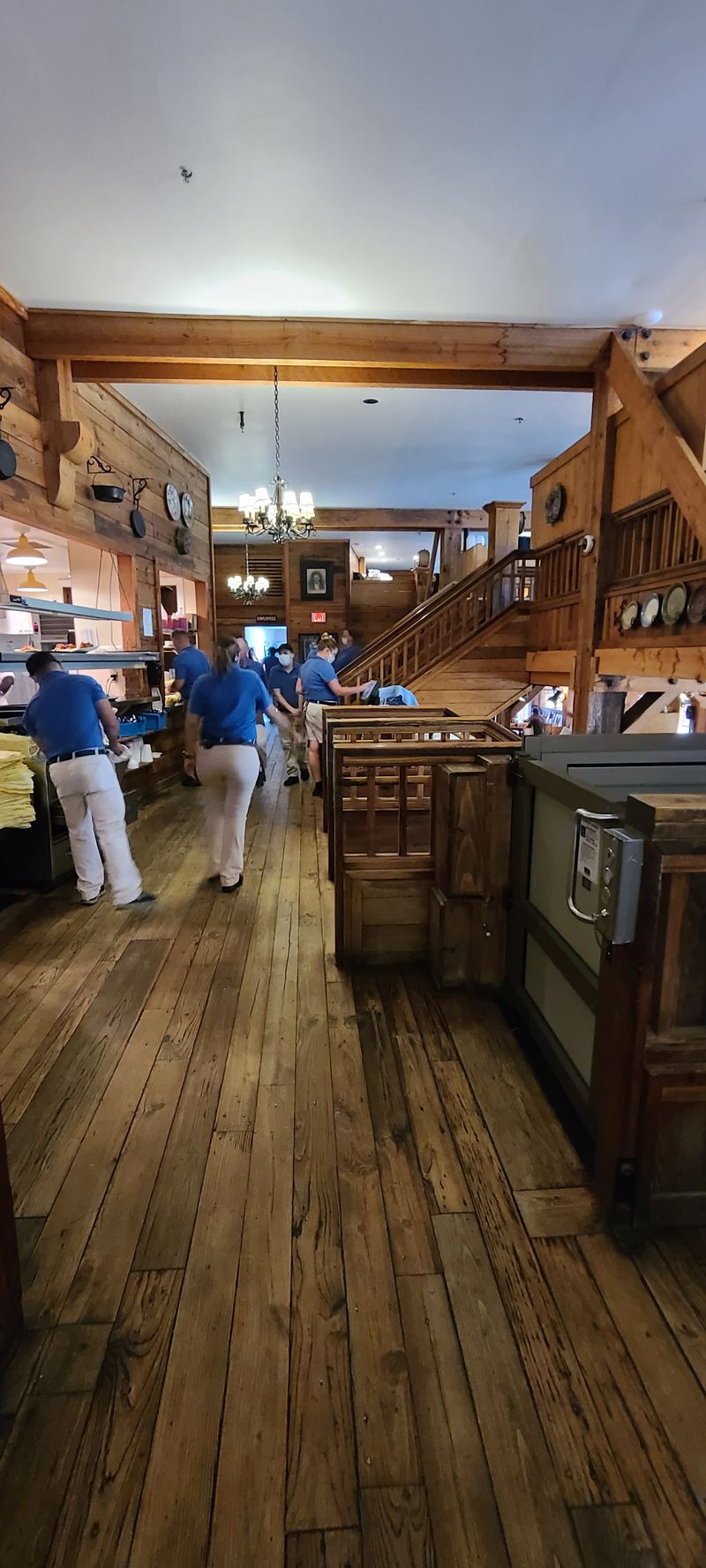
Feeding crowds this size takes serious organization. The restaurant is known for being efficiently managed, even on its busiest days.
Servers tend to be friendly, attentive, and quick with refills. Many guests notice they rarely need to ask for anything.
That Southern hospitality shows up in small ways. Staff check in often, share menu tips, and keep a pleasant attitude through long shifts.
Food usually comes out quickly once you are seated. On some packed days, it can take a little longer, so a relaxed mindset helps.
Prices are widely considered reasonable for the portion sizes. Entrees that include soup, salad, fritters, sides, and dessert make the value easy to see.
Many dishes are described as made from scratch and served hot. Some sides, though, seem less homemade than others, which is fair to know going in.
Considering the volume, the overall experience runs smoothly. It is a well-tuned operation built for tourists who want a hearty country meal without fuss.
The biggest challenge is not the food or the staff. It is the clock, and timing your visit can change everything.
Beating the Line Without Losing Your Cool
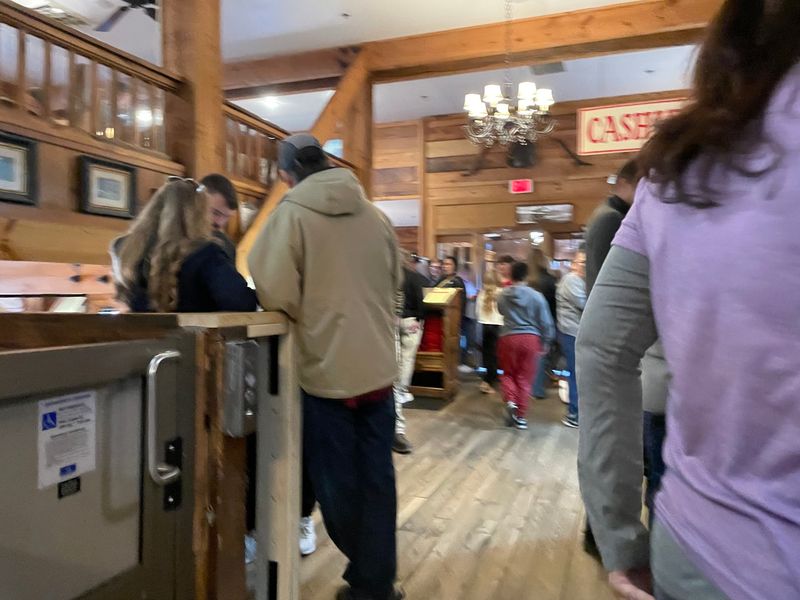
Here is the honest truth: wait time is the most talked-about topic tied to this restaurant. Popularity comes with a price, and that price is usually measured in minutes.
Waits vary widely. Some groups get seated almost right away in the early afternoon, while others report around 45 minutes on a weekday at 3 PM.
Peak times can stretch much longer, with some parties waiting close to two hours. On the flip side, a Saturday night at 7 PM has also meant only a 30-minute wait.
The good news is that the surrounding complex keeps you busy. A general store, plus pottery, candy, and toy shops, sit close by for browsing.
Accepting a shared table can also shorten your wait. It is an easy option for flexible groups.
Building extra time into your day is the smartest strategy. Nobody enjoys feeling rushed before a giant stack of pancakes.
Treat the wait as part of the outing rather than a delay. Once you know what to expect, the next step is getting there and parking.
Hours, Parking, and a Worthy Tradition
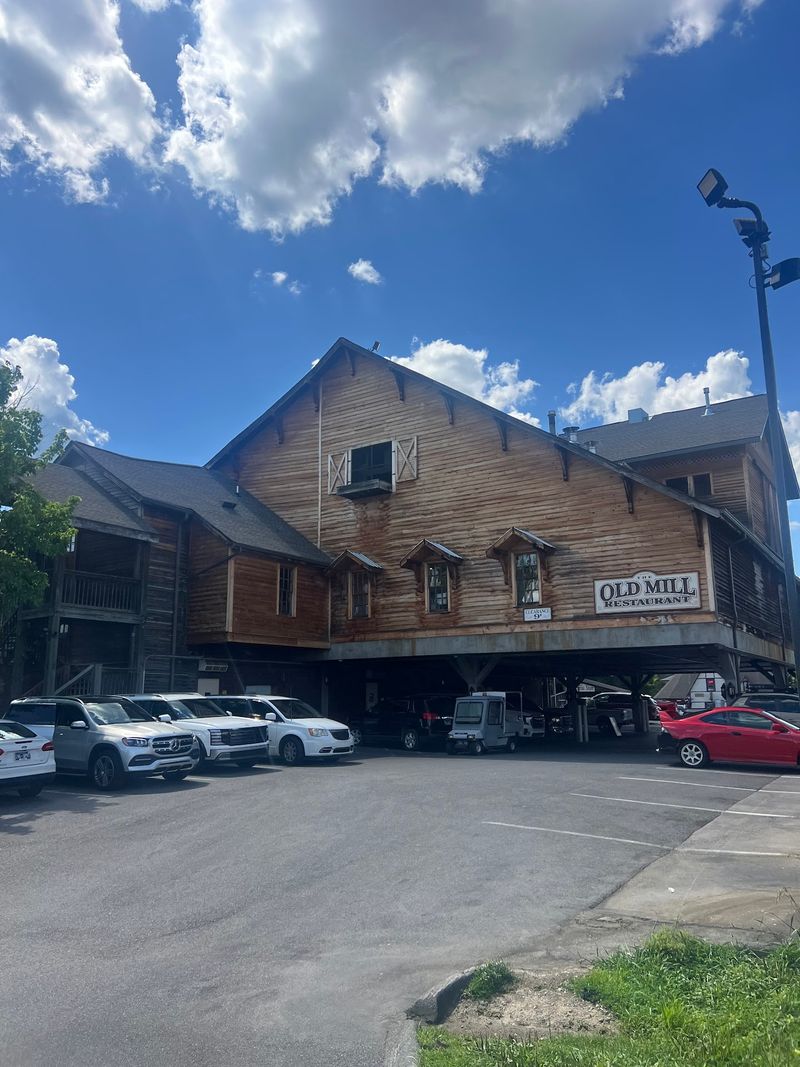
Good news for early risers and late diners alike. The restaurant is open every day of the week from 8 AM to 9:30 PM.
That schedule makes it easy to fit breakfast, lunch, or dinner into almost any vacation plan. Pancake lovers should aim for the morning hours.
Free parking is available, but it fills quickly. A lot across the street offers another option, at a cost of about $20.
That fee may feel steep for a single meal. It makes more sense if you plan to shop and explore the area afterward.
For the latest details, the official website is old-mill.com. Checking it before your visit can save a little guesswork.
So is it worth the trip? For many families, the answer is yes, and the steady crowds back that up.
Historic walls, a river view, friendly service, and plates loaded edge to edge make a strong combination. The pancakes may be the headline, yet the whole experience is what turns a meal into a Pigeon Forge habit.
Bring an appetite, pack some patience, and let breakfast become part of your own mountain story.
Enjoyed this story?
Add Fast Food Club as a preferred source to see more of our reporting on Google.