


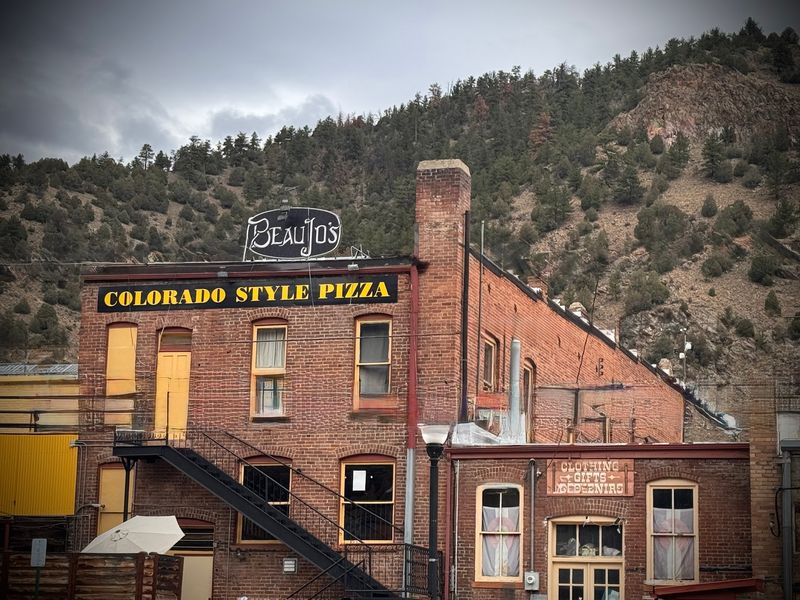
Most pizza meals end with a pile of crusts left on the plate. In one old gold mining town along the interstate west of Denver, those crusts are the grand finale.
Skiers, hikers, and road trippers pull off the highway here for a thick, hand-rolled pie that arrives with a bottle of honey waiting on the table. The idea sounds odd until the first sweet bite of bread, and then it suddenly makes perfect sense.
Some fans have been coming back since the late 1980s, and the crowds have only grown since. This story covers the original location of a Colorado classic, what makes its crust so famous, how to order like a regular, when to beat the lines, and a few practical tips for parking and planning.
Grab a napkin, because this one is about to get sticky.
A Pizza Stop on Miner Street
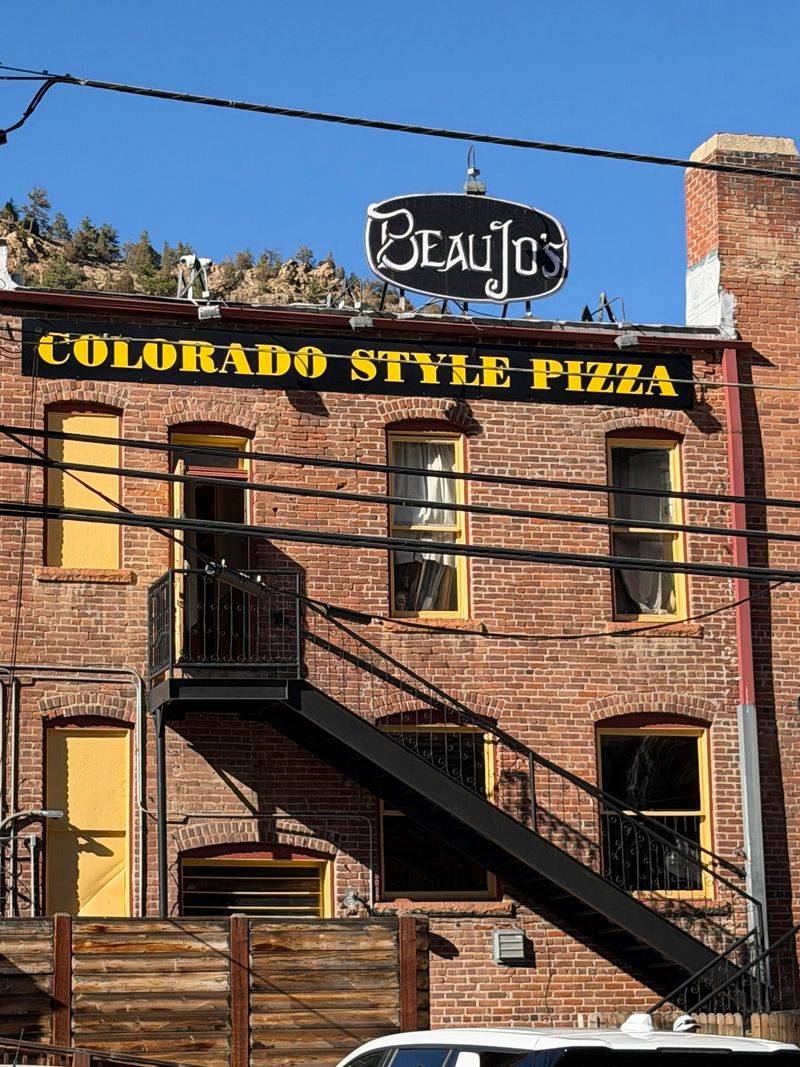
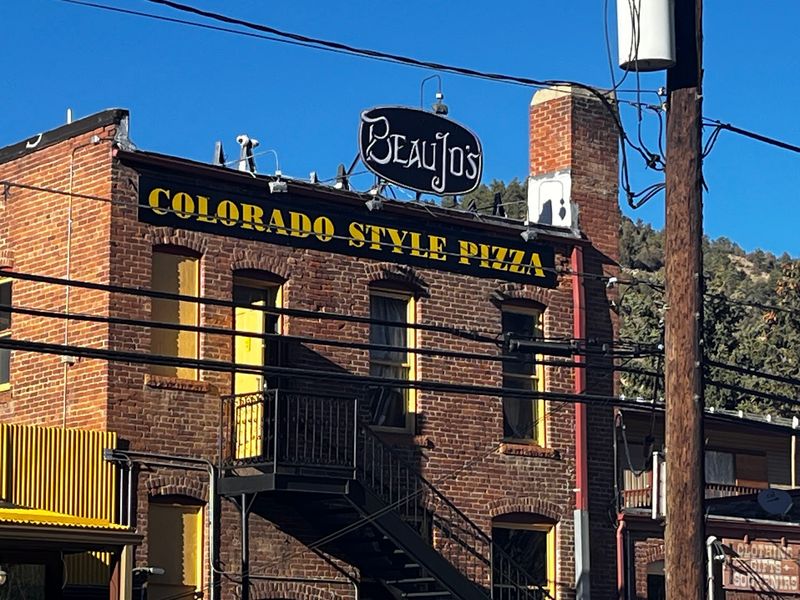
The address to remember is 1517 Miner St, Idaho Springs, CO 80452, in the mountains of Colorado, United States. That is where Beau Jo’s Idaho Springs serves its famous Colorado-style pizza.
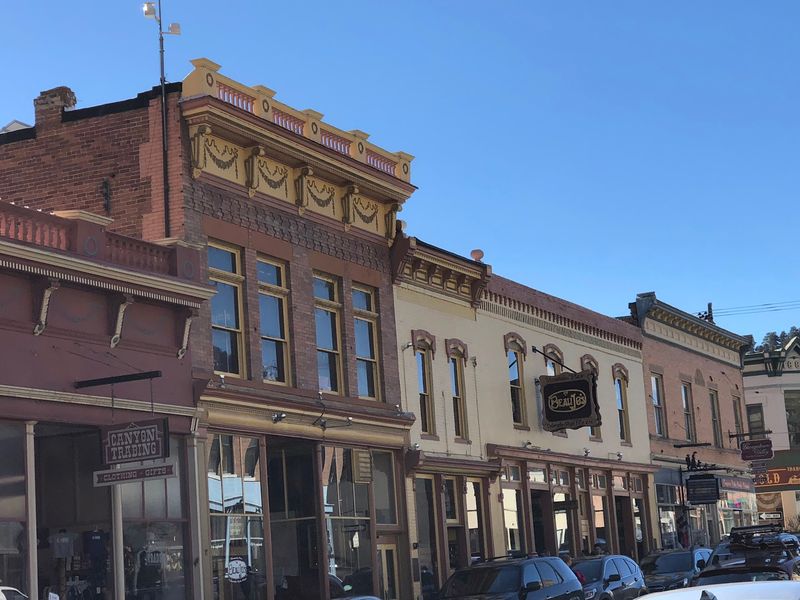
The restaurant sits on the town’s main street, just a short hop off the interstate. That makes it an easy stop for anyone heading to the ski slopes, coming back from a hike, or driving west toward Utah.
Beau Jo’s is a regional chain with a few other locations around Colorado. This one, though, is the original, and longtime fans treat it with a bit of extra loyalty.
The menu centers on thick-crust pizza with many sauce choices, plus calzones and other hearty eats. Pasta and sandwiches show up too, along with a salad bar that gets plenty of attention.
Popularity is not in doubt here. The restaurant has collected more than 11,000 public opinions and holds a 4.6-star average, which is a lot of happy pizza fans for a small mountain town.
Downtown Idaho Springs is walkable, with local shops and cafes just steps away. Plenty of travelers make a full afternoon of it, strolling the street before or after their meal.
So what exactly makes people drive out of their way for this place? The answer starts with a style of pizza you will not find just anywhere.
The Original Location and Its Loyal Following
Some regulars measure their history with this restaurant in decades. One longtime fan first started stopping in back in 1989 while attending a nearby community college, and still makes a point of visiting whenever the road passes through town.
That kind of loyalty is common here. Families make it part of annual trips to Idaho Springs, and friends keep sending friends with the same simple advice: go there and get the pizza.
Word of mouth seems to be the main marketing plan. Plenty of first-timers arrive because someone back home told them it was a must on any Colorado trip.
Being the original location adds a layer of charm. Other Beau Jo’s spots exist in places like Fort Collins, but Idaho Springs is where the brand’s roots run deepest.
The staff tends to respond warmly to guests, and the place has a habit of turning one-time travelers into repeat customers. Many people leave already planning their next stop on the way back through.
History, though, is only part of the appeal. The building and decor tell a story of their own, and it goes back much further than 1989.
Gold Mining History on the Walls
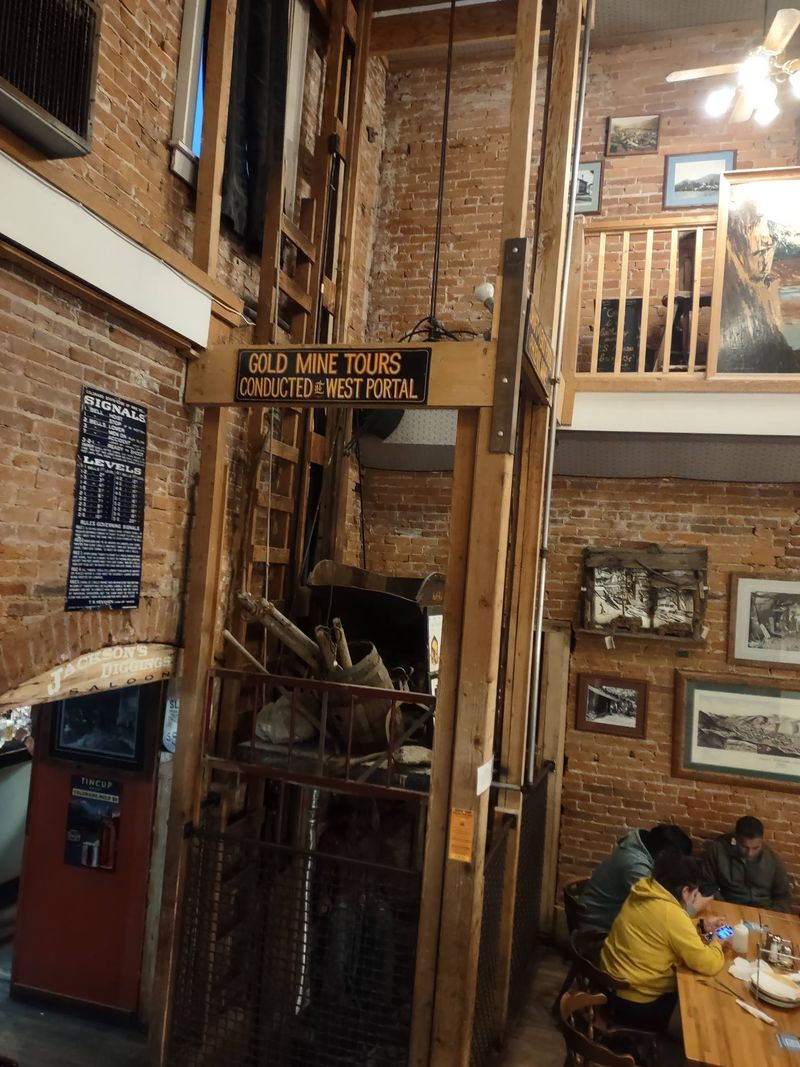
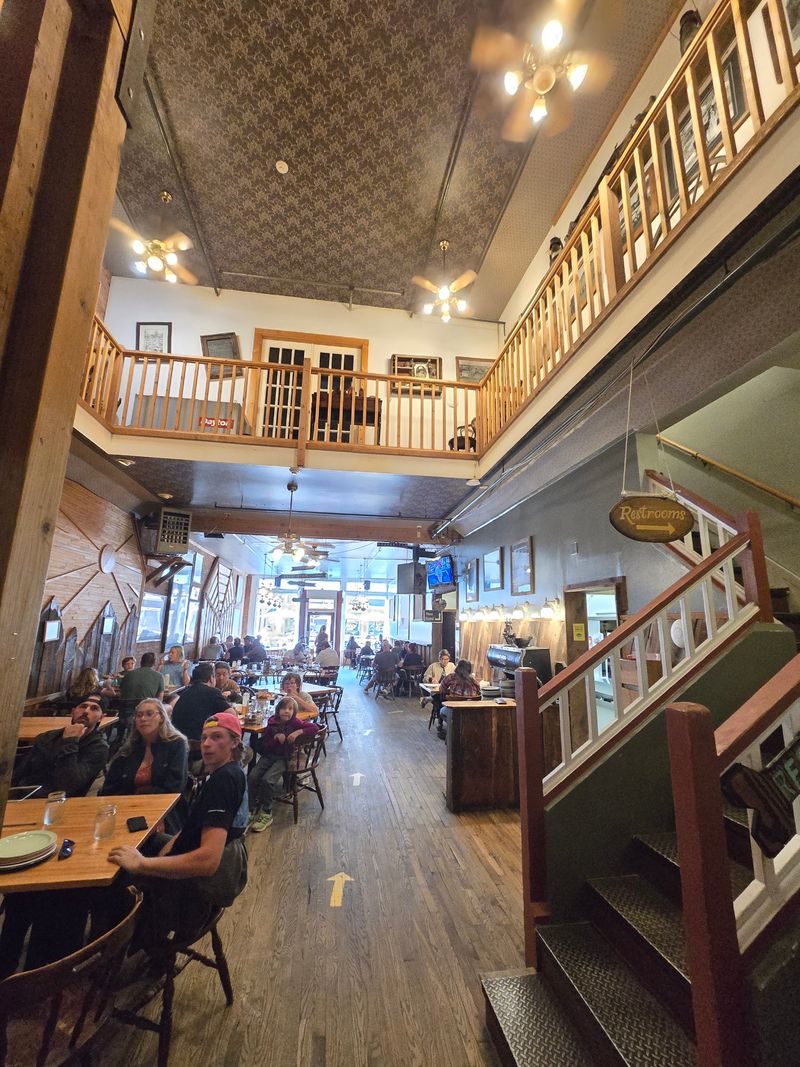
Idaho Springs started out as a gold mining town, and the restaurant leans into that past. The space is styled to match its old mining roots, with a theme that fits right in on Miner Street.
The building itself is historic, which comes up often when people talk about the place. It adds a sense of character that a brand-new strip mall pizzeria simply cannot copy.
Old photographs on the walls show what Idaho Springs looked like in earlier days. Many diners end up studying them while waiting for food, and the pictures spark plenty of table conversation.
For kids and history buffs, those photos turn dinner into a small lesson about the town. It is a fun way to connect a modern meal with the people who settled this valley long ago.
Of course, nobody drives up the mountain just to look at old pictures. The real treasure here is not gold at all, but something made of dough.
Meet the Mountain Pie
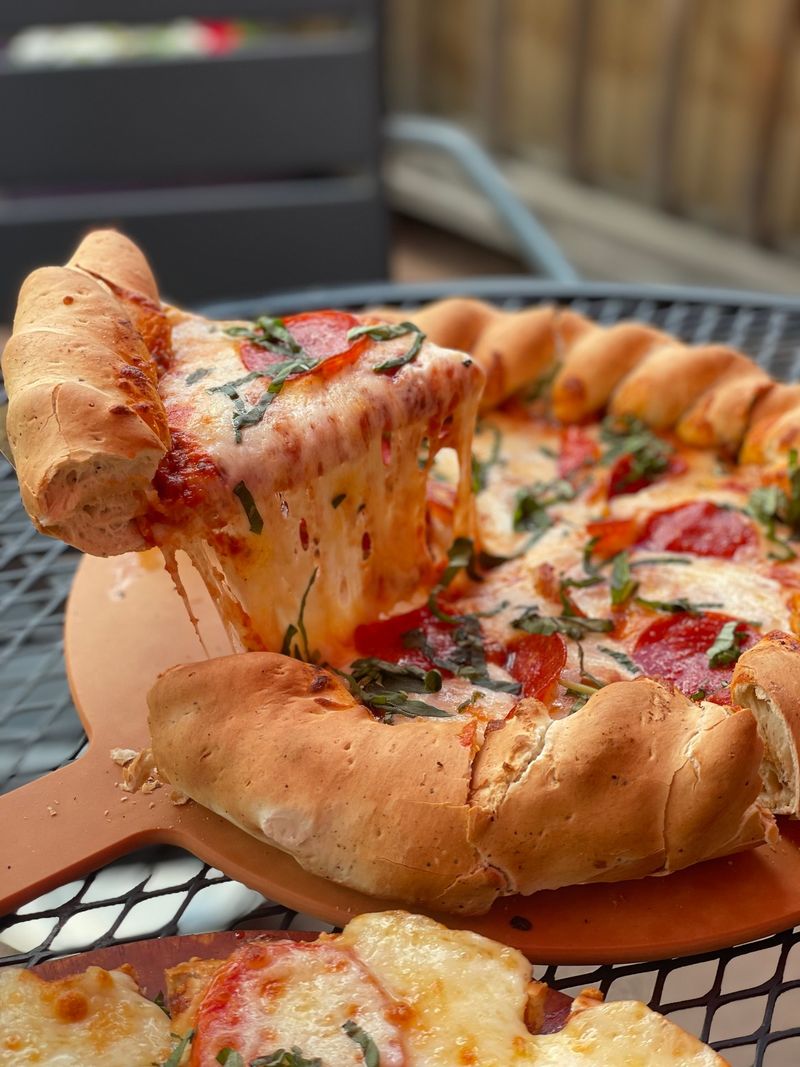
Call it Colorado-style pizza or simply the Mountain Pie, but either way, the crust is the star. It is the most talked-about item on the menu by a wide margin.
What sets it apart is a high, thick, hand-rolled edge. That tall rim of dough frames a pie piled with toppings and cheese, built to satisfy appetites after a long day outside.
The pies are sold by weight in some sizes. A medium weighs about two pounds, and a couple can comfortably share one.
That is a lot of pizza, so ordering smaller than expected is usually wise. Hungry hikers fresh off a fourteener tend to make short work of it anyway.
Some fans from the Chicago area say they now prefer it over deep dish. Others argue it is simply its own thing, and that may be the best way to think about it.
A pepperoni mountain pie earns special praise. Still, the most famous part of the meal does not arrive until most of the toppings are gone.
Honey on the Crust, the House Tradition
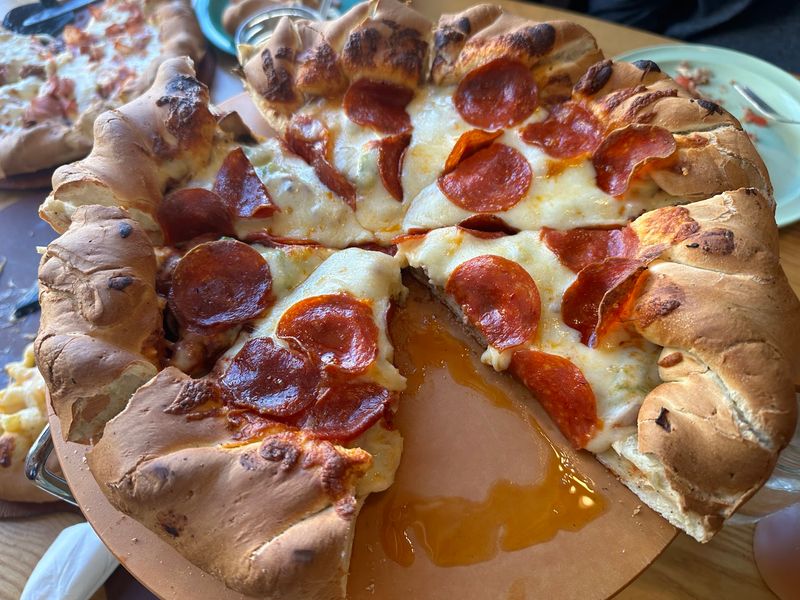
Here is the twist that makes first-timers raise an eyebrow. Every table comes with honey, and it is meant for the leftover pizza crust.
The tradition works like a built-in dessert. After the toppings are gone, diners drizzle honey over those thick crust ends and finish the meal on a sweet note.
Skeptics show up all the time. Most of them leave converted, admitting it was a much better idea than they expected.
Some fans call it the best part of the whole visit. Others like that it means skipping a separate dessert order, which is good news for both the belly and the wallet.
The staff clearly loves the custom too. It has become the signature move of the restaurant and the thing people tell their friends about first.
A quick tip from regulars: save room. That big crust adds up, and the honey finale is not something to miss because the pizza filled you up too soon.
Not everyone wants that much dough, though. Luckily, there is another crust option for those who prefer a lighter frame.
Mountain or Prairie: Picking a Crust
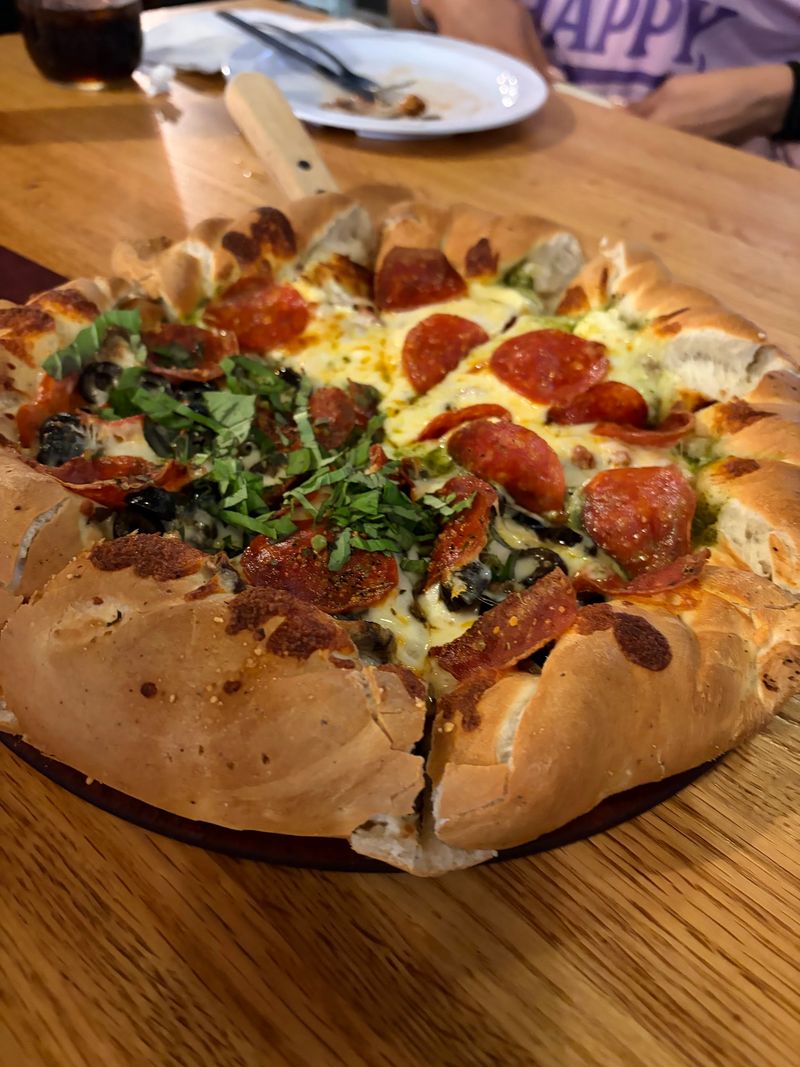
Pizza diplomacy begins with one choice. Beau Jo’s offers its crust in two main styles, the Mountain and the Prairie.
The Mountain has that tall, high-rolled edge that pairs perfectly with honey. The Prairie keeps a lower crust for diners who want the focus on toppings instead of bread.
Opinions split here, and that is part of the fun. Some guests find the Mountain to be a bit too much crust by the end, so they recommend the Prairie for a lighter meal.
Others say the Mountain is the whole point of the trip. Groups often solve the debate by ordering one of each.
The Prairie also works well for travel. Its crisp crust holds toppings in place, so leftovers are easy to eat one-handed on a long drive.
A gluten-free crust is available as well, which gets regular mention from diners who need it. That option means more people at the table can join in.
Once the crust is settled, the next decision opens up a whole menu of possibilities.
Sauces, Toppings, and House Specialties
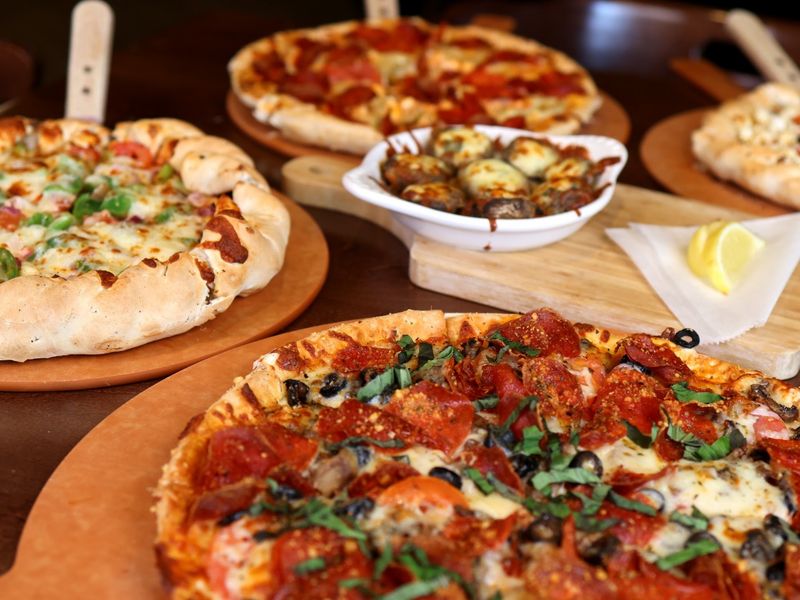
Nearly everything on a pie can be customized. The crust, the sauce, and the toppings are all up to the diner.
There are many sauces to pick from, including an olive oil base and marinara. Build-your-own pizzas are popular, though toppings can add up quickly.
Specialty pies offer a shortcut. Names like Lil’ Italy, the Hipster, Cajun, and a margherita appear often, and a mac and cheese pizza shows up for the adventurous.
The Lil’ Italy draws mixed opinions, with some loving it and others wanting more flavor. The Hipster has fans in both crust styles.
Half-and-half orders are an easy way to try two specialties at once. A half Lil’ Italy and half Cajun combo is one example that has made hikers happy.
Plant-based eaters get options too. A veggie-based pepperoni earns surprised praise for coming close to the real thing.
Seasonal specials appear from time to time, like a Fall Special that works well for families. Pizza is the headliner, but the supporting cast deserves a look.
Beyond the Pie: Salad Bar and Starters
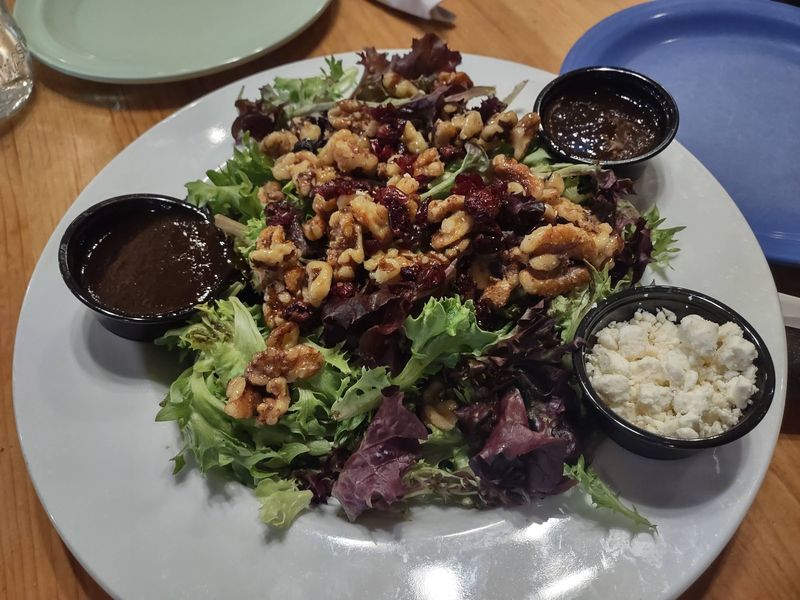
Plenty of people walk in for pizza and end up talking about the salad bar. It ranks among the most mentioned features of the restaurant.
House salads and side salads come with dressing that tastes homemade to many guests. For a heavy pizza meal, a bit of greenery makes a nice balance.
Starters have their own loyal crowd. Stuffed mushrooms are a frequent favorite.
A hot honey appetizer comes with dipping sauces, and those sauces get serious praise. Marinara, hatch chili, and blue cheese are among the choices.
Calzones, pasta, and sandwiches round out the menu. That variety helps when someone in the group is not in a pizza mood, rare as that may be up here.
Ordering a starter and salad can stretch a meal into a proper sit-down feast. Just remember that the main event is coming, and it is not small.
Ski Town Energy Inside
Expect a lively room. The place has a classic ski town vibe, and it fills up with folks fresh from the slopes and trails.
The restaurant is large, with lots of seating, yet it still gets packed. Tables can feel a little tight at busy times, but there is room for groups of nearly any size.
Bar seating offers a handy backup when the dining room is full. It is also a good spot for catching a big game on TV.
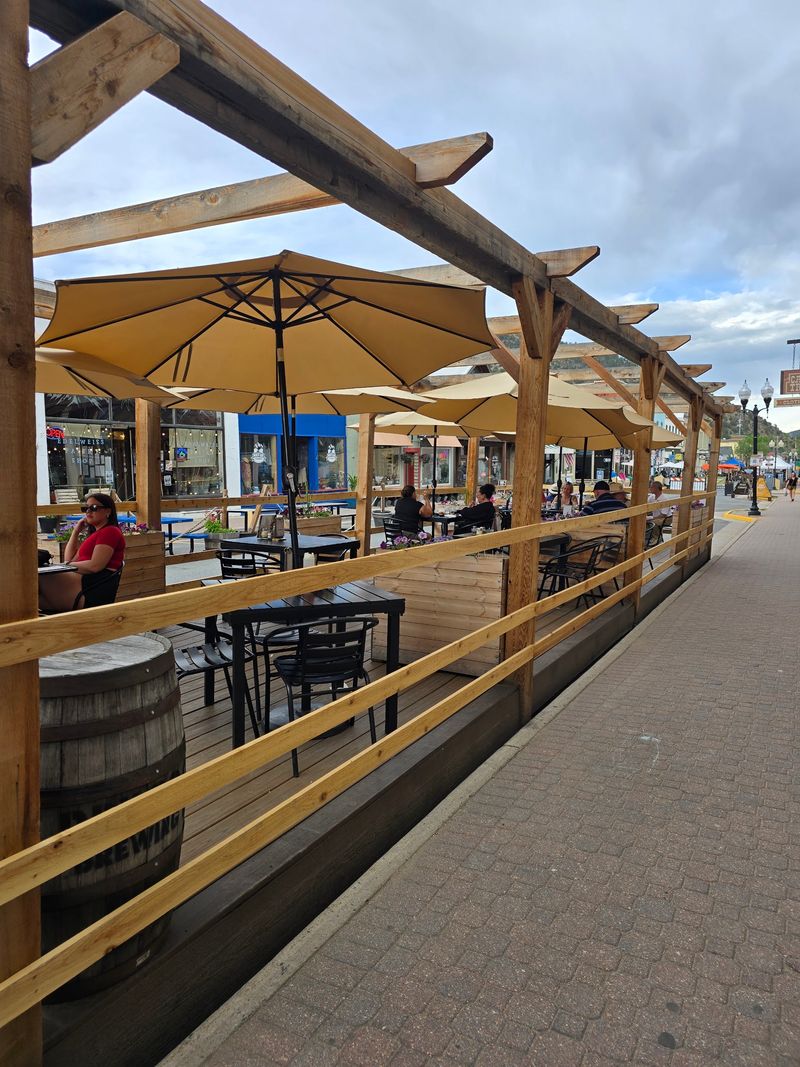
Outdoor seating is available too, which is a nice bonus on mild mountain days. Plenty of diners appreciate the chance to eat with the town around them.
Families, hiking crews, couples, and big groups all fit in. The mood tends to be relaxed even when things get busy.
The staff includes international team members at times, including exchange students. Friendly service comes up often, though on the busiest days it can take a few minutes for a server to reach the table.
All that popularity leads to one practical question: how long is the wait?
Timing the Crowds
Patience pays off at peak times. Waits of around 30 minutes to be seated are common on busy days, and some nights the line stretches longer.
Food can sometimes take another stretch to arrive when the kitchen is slammed. On calmer days, though, pies come out fast, and some guests get seated right away with no reservation.
Check-in is handled digitally, so getting on the list early is smart. That leaves time to wander the shops downtown while waiting.
Weekends and evenings after ski days tend to be the busiest. An early lunch is usually the easiest window.
Hours run 11 AM to 8 PM Sunday through Thursday. On Friday and Saturday, the restaurant stays open until 9 PM.
To-go orders are another option. Calling ahead works well, especially for anyone staying within walking distance on a busy Friday night.
Knowing the clock helps, but there is one more detail worth planning before arrival: what all this pizza will cost.
What to Budget at the Table
Money talk first, so nobody gets a surprise. Prices here lean on the higher side, and opinions vary on whether the value feels fair.
Some diners call the pizza reasonably priced for how filling it is. A medium can feed two people, which softens the cost.
Others find it a bit expensive, especially for build-your-own pies. Individual toppings can run around $5.50 each, so a custom creation adds up quickly.
Specialty pizzas are often the better deal. They come pre-loaded, so ordering one of those avoids stacking topping charges.
Menu prices have not always been printed, which caught one large group off guard. Asking a server about costs before ordering is a simple fix.
The honey dessert built into the crust helps a little too. Skipping a separate sweet treat at the end is an easy way to save a few dollars.
Budget sorted, the next challenge happens before anyone even sits down, and it involves finding a spot for the car.
Parking and Exploring Downtown
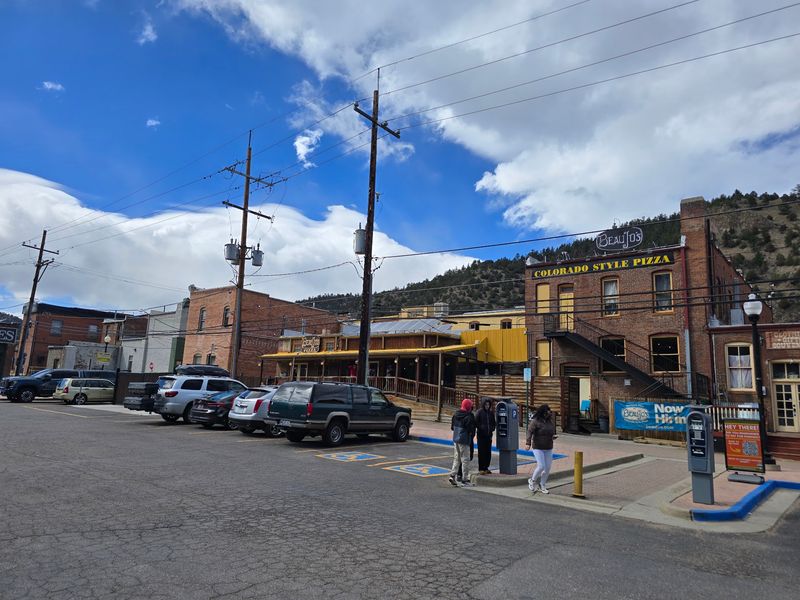
Getting here is the easy part. Idaho Springs sits right off the interstate, so the restaurant is a quick detour for travelers headed into or out of the mountains.
Parking takes a little more thought. Paid lots are the main option, and some street blocks are reserved for residents only.
Arriving a bit early gives extra time to find a spot. It also helps when the dining room has a wait.
The upside of walking is the town itself. Downtown Idaho Springs has local businesses, cafes, and small shops worth a browse.
Many diners turn the meal into a bigger outing. A stroll along the main street before lunch, then pizza, then maybe a coffee from a nearby shop makes for a relaxed afternoon.
The town’s mining history shows up beyond the restaurant walls too. That makes a short walk feel like part of the trip, not just a hike back to the car.
With logistics handled, there is only one thing left to decide: is it worth the stop?
A Sweet Ending in the Mountains
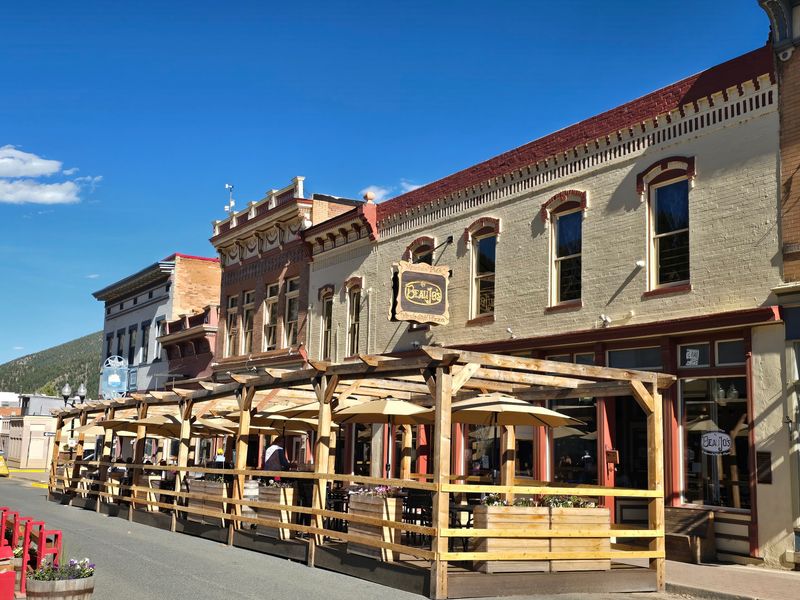
Few restaurants turn the crust into the highlight of the meal. That is the quiet magic of this Miner Street favorite.
It is not perfect for everyone. Prices can feel steep, waits can run long, and some pies win more fans than others.
Still, the big picture is hard to argue with. Thousands of happy diners, decades of loyal regulars, and a tradition that sends people home talking about honey all point in the same direction.
The best fit is a hungry crowd with a little time to spare. Skiers off the slopes, hikers fresh from a summit, and road trippers who like a story with their lunch will feel right at home.
Order a Mountain Pie if the crust is the goal, or a Prairie for something lighter. Then save those edges, grab the honey, and finish the way the locals do.
Somewhere between the mining photos and the last sticky bite, it becomes clear why so many travelers keep pulling off the highway here. The mountains may be the reason for the trip, but this crust is often the reason to come back.
Enjoyed this story?
Add Fast Food Club as a preferred source to see more of our reporting on Google.