


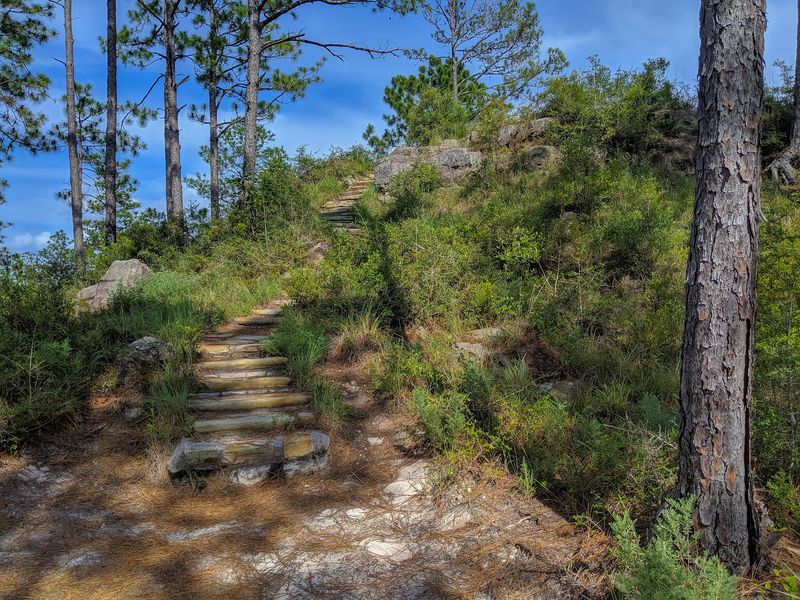
Some trails come with parking lot traffic jams, and some come with nothing but pine trees and your own footsteps. Deep in central Louisiana, a ridge-top path offers the second kind, and most people drive right past it without a second thought.
That quiet is the whole point, and it makes this corner of the state one of the most rewarding places to lace up your boots. Here is what makes it special, how to find it, and what to bring so the day goes smoothly.
A Forest Hiding in Plain Sight
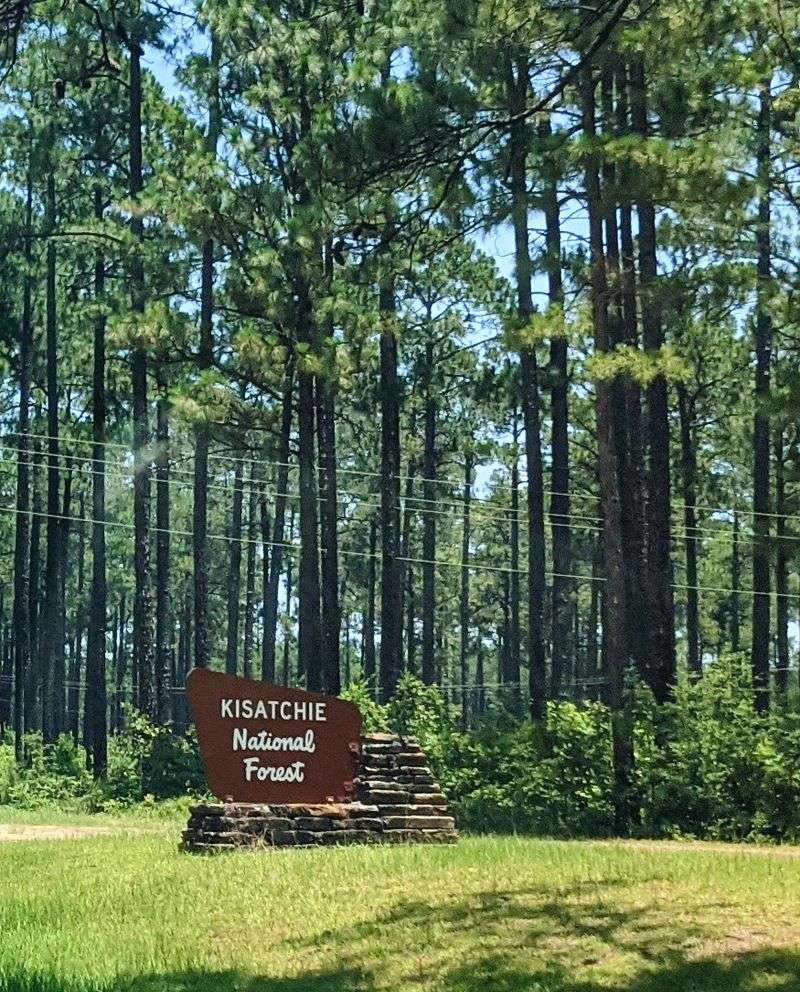
Louisiana gets plenty of attention for its bayous, its music, and its big-city energy. Far fewer people realize the state also holds a sprawling national forest full of hills, ridges, and trails.
Kisatchie National Forest sits in central Louisiana, with its listed address at Louisiana 71433, USA. It is classified simply as woods, which is a fitting label for a place where trees outnumber people by a very comfortable margin.
The forest is not one tidy park with a single front gate. It spreads across a large stretch of land, with separate areas for hiking, camping, and other outdoor pursuits tucked into different corners.
That size is part of the charm and part of the challenge. Some of the best spots require a little planning to reach, and the reward is a landscape that feels far removed from busy highways.
People who grew up nearby often describe it with real pride. Several mention being fortunate to have such a place in the middle of the state, and many talk about returning year after year.
Out-of-towners tend to discover it by accident, often during a detour between bigger destinations. More than a few end up planning a second trip before the first one is over.
The forest holds a solid 4.6-star standing, which says plenty about how people feel once they find it.
Trails, Tents, and Plenty of Room
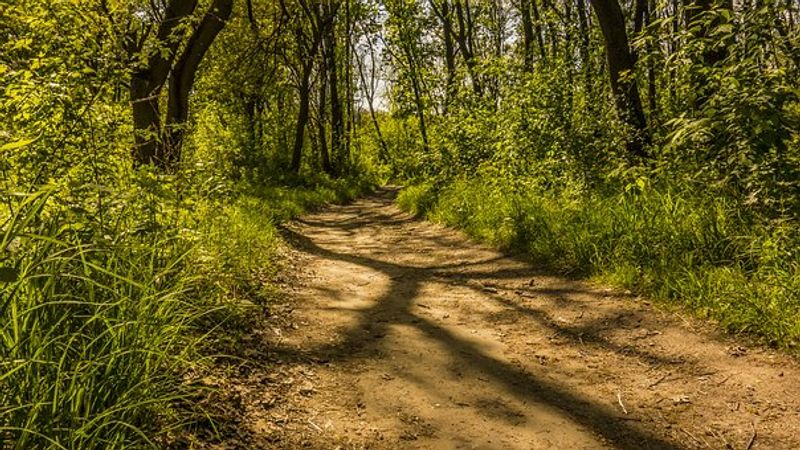
Ask what people come here to do, and the answers stack up quickly. Hiking leads the list, followed closely by camping, birding, and hunting.
The forest is built for a wide range of outdoor interests. Bike riding, fishing, running, horseback riding, and even kayaking all show up in the mix depending on the area.
Hikers have miles to choose from. Some trails stretch long enough for a serious day out, while shorter paths work well for a quick leg stretch during a road trip.
The paths themselves earn praise for being well maintained. Many are wide enough to move comfortably without feeling like a paved sidewalk through the woods.
Runners appreciate that balance too. A trail that is not too narrow and not too wide makes for steady footing and an easy rhythm.
Camping options range from organized campgrounds to old-school primitive setups. Some spots even offer free camping, which is a pleasant surprise for budget-minded travelers.
Those who prefer to stay in the car are not left out. Scenic drives through the woods are a popular way to unwind, especially in the late afternoon.
With so many ways to spend a day, the hardest part is choosing where to start.
The Ridge Path Most People Skip
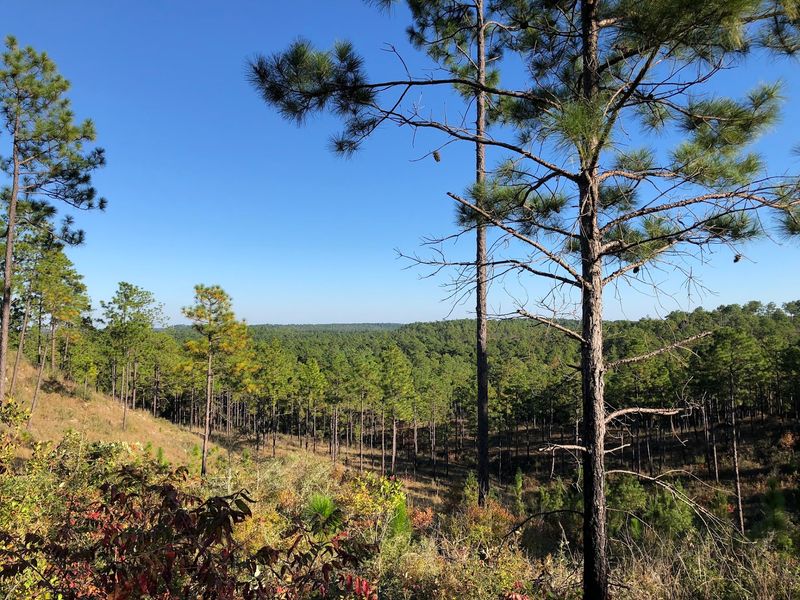
Popularity is overrated on a hiking trail. The Backbone Trail proves it by staying blissfully uncrowded while busier spots draw the weekend groups.
The trail runs through the rugged Kisatchie Hills area of the forest, following the kind of ridgeline terrain that surprises anyone who thinks Louisiana is completely flat. Rolling forest terrain is one of the features people mention most often across the forest.
Part of the reason so few hikers show up is simple geography. The forest is huge, remote, and spread out, so the crowds tend to cluster near the best-known recreation areas.
That leaves trails like this one wonderfully quiet. Peace and quiet come up again and again when people describe their time in these woods.
Solo hikers find room to think. Small groups can move at their own pace without stepping aside every few minutes.
The flip side of solitude is self-reliance. There are no snack stands, and help may be a long way off, so preparation matters more here than on a city park loop.
Hikers who plan ahead tend to leave grinning. The trail asks for a bit of effort and gives back an afternoon that feels entirely your own.
Quiet trails rarely stay secret forever, which makes now a good time to go.
Thirty-One Miles of Sandstone
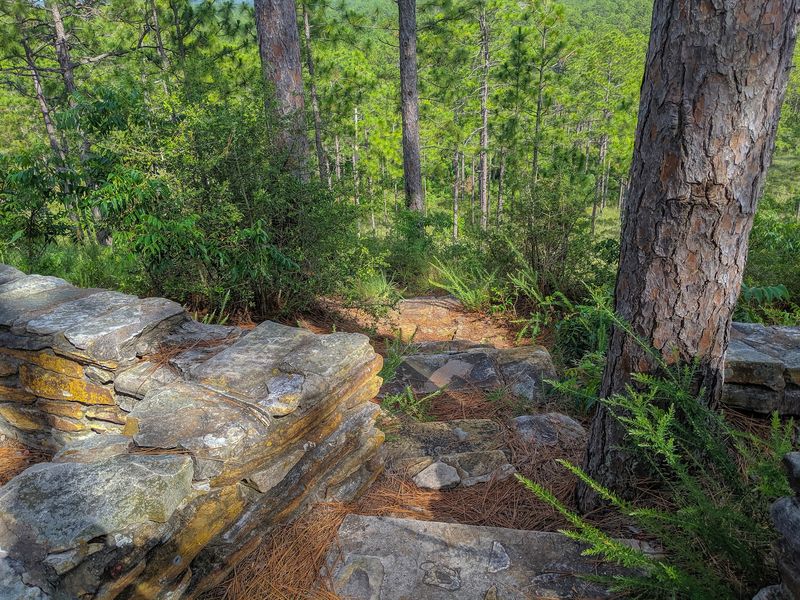
Thirty-one miles is a long way to walk, and that is exactly why the Sandstone Trail has a loyal following. It loops through the forest over creeks and hills, giving long-distance hikers plenty to chew on.
The forest itself is primarily pines. The trail threads through those stands and rises and dips with the land rather than staying level.
Here is a fun scheduling detail. In late winter and early spring, the Sandstone Trail is open exclusively to foot traffic.
That seasonal rule changes the whole mood. With no motorized traffic during those months, the loop becomes one of the most peaceful places in the region to log serious mileage.
Hikers can tackle a section or chip away at the full loop over time. Nobody is handing out medals at the end, but finishing the whole thing earns some well-deserved bragging rights.
The terrain is varied enough to keep things interesting. Creek crossings break up the hills, and the hills break up the flat stretches.
Timing a visit for that foot-traffic window is a smart move for anyone who values calm. Cooler weather during those months is a nice bonus too.
A trail this long tends to reward patience more than speed.
Little Waterfalls, Big Smiles
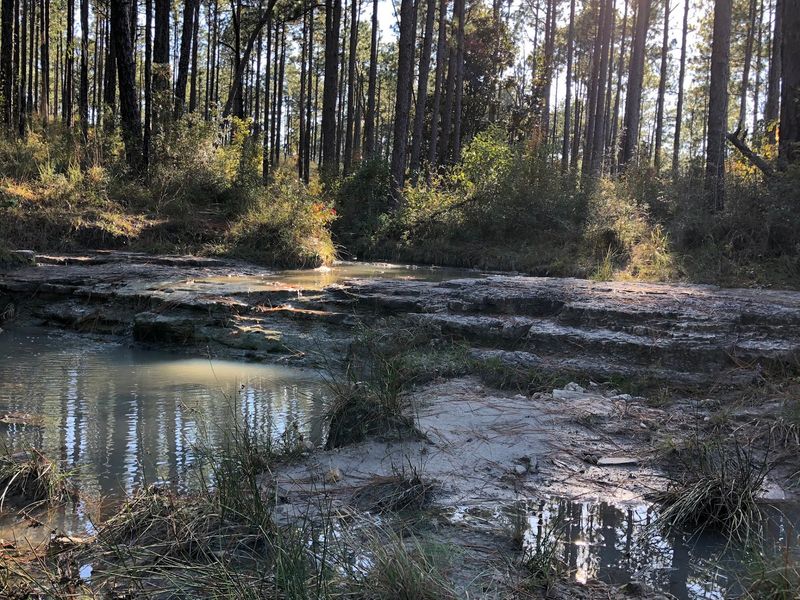
Waterfalls in Louisiana sound like a trick question. The Kisatchie Falls area answers it with lots of sand and a series of tiny waterfalls spilling over rock.
The scenery here is a standout. The falls are small, but they add a playful feel to the hike and make a natural spot to pause.
Swimming near the falls is popular in warmer months. Kayaking up the river is another way people spend their time around this part of the forest.
Families, friend groups, and solo adventurers all find their own corner. The area has a laid-back personality that suits slow afternoons.
Because it is one of the better-known spots, it can draw a crowd. The good news is that the falls area offers enough space to move to a different section if a noisy group settles in nearby.
A word of caution keeps the day pleasant. Some people have found trash and broken glass in the sand, which makes walking barefoot a risky choice.
Water shoes or sturdy sandals solve that problem. Packing out everything you bring in helps keep the area nice for the next group.
For hikers who want solitude, a quick stop here followed by a quieter trail makes a fine combination.
Lakeside Loop at Beaver Dam
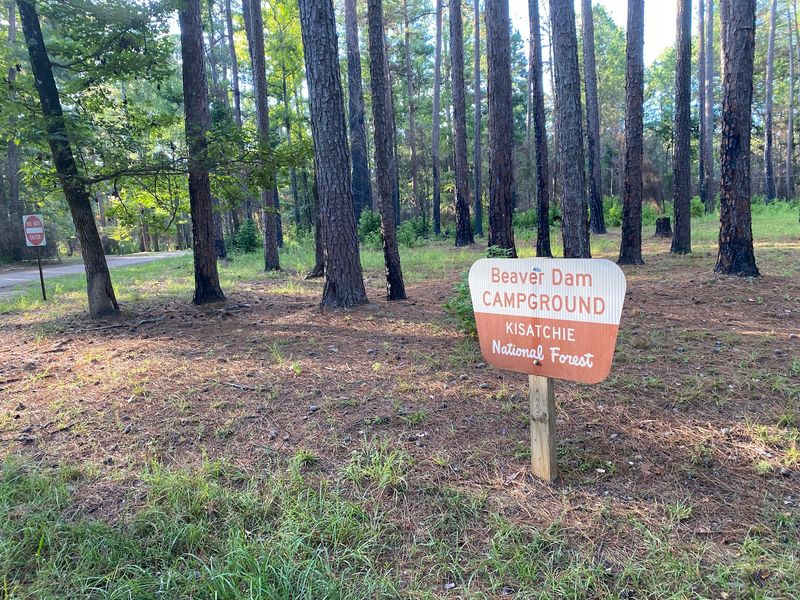
Tent campers have a favorite in Beaver Dam Campground. The sites are well laid out, which means less guessing and more relaxing once the tent goes up.
The big attraction is the hike around the lake. The loop runs roughly five miles and stays mostly in the shade of the trees.
That shade matters in a humid state. A shaded trail turns a warm afternoon into a manageable outing instead of a sweaty slog.
The path is well maintained, so the loop works for a range of fitness levels. It is long enough to feel like a real hike without eating up an entire day.
An afternoon and evening here make a satisfying mini trip. Set up camp, walk the loop, and still have time to settle in before dark.
The campground also makes a handy base for exploring other parts of the forest. Long drives between trailheads are common here, so a central spot to sleep helps.
Bring a lantern, a good book, and a plan for the next morning. The lake loop is the kind of trail that people happily walk twice.
Quiet nights and an easy morning hike are a tough pair to beat.
Signs Worth Stopping For
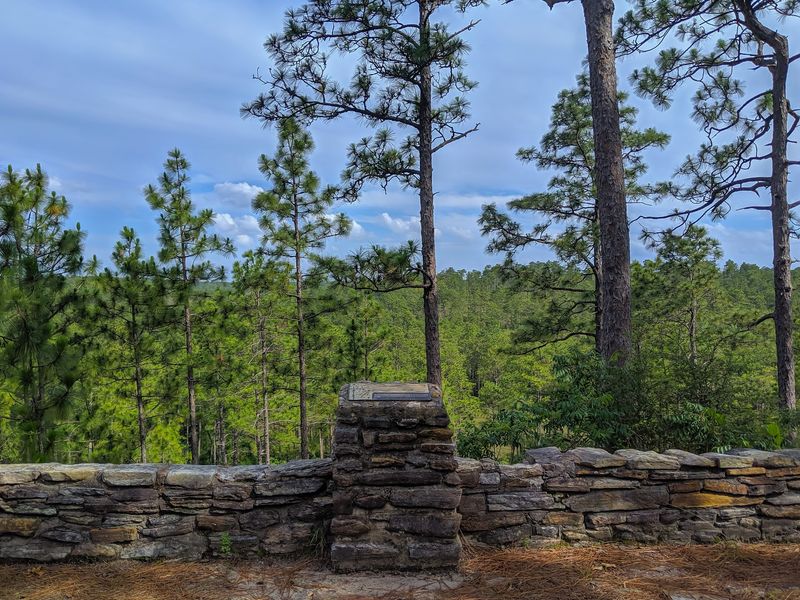
Road trippers between East Texas and Baton Rouge have discovered a clever detour. Longleaf Vista offers a short walk that fits neatly into a long drive.
The trail is described as a neat little walk rather than an all-day commitment. That makes it ideal for stretching legs and resetting before getting back behind the wheel.
Informational signs line the route. They explain the plants of the area, turning a casual stroll into a mini lesson on the local landscape.
Rolling forest terrain surrounds the trail on all sides. For anyone expecting flat lowlands, the hills are a pleasant surprise.
Season makes a big difference here. February has been called a perfect time to visit, while summer brings heavy humidity.
That advice applies across much of the forest. Cooler months tend to deliver the most comfortable hiking conditions.
Families with curious kids will appreciate the educational angle. Adults who like knowing what they are looking at will enjoy it just as much.
A short stop at Longleaf Vista often sparks interest in longer trails. It is a gateway hike in the best sense of the term, and plenty of people come back for more.
Fawns, Game, and One Famous Rumor
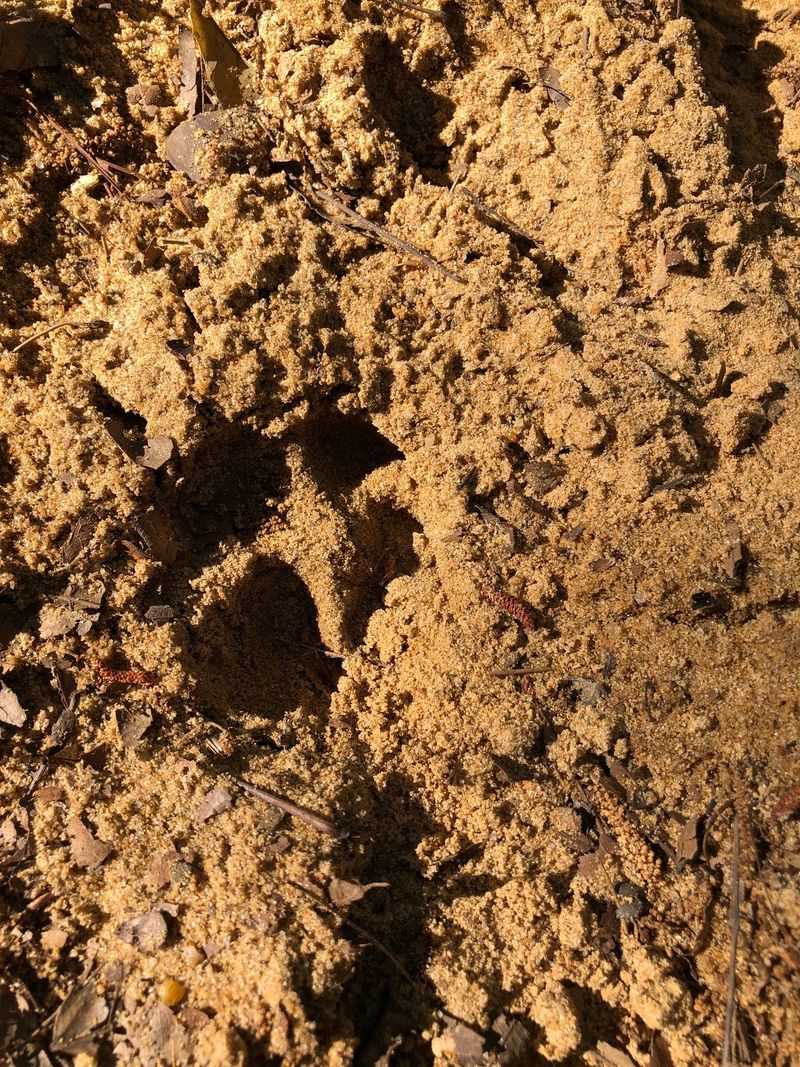
Wildlife sightings are part of the deal in a forest this big. The woods hold diverse wildlife and plenty of game, which explains why hunting is a major draw.
Riders who have spent years on the horse trails here say there is always a chance to spot something. One recent outing even included a fawn.
Birding is another favorite activity. Patient birders with binoculars can spend hours scanning the trees.
Hunters should check current regulations before heading out. Hikers should know when hunting seasons are active and dress so they are easy to see.
Now for the local legend. Bigfoot supposedly lives in these woods, at least according to some cheerful forest lore.
There is also a joke floating around about alien abduction. Neither claim has been confirmed, but both prove that folks who love this forest have a good sense of humor.
The real wildlife is impressive enough without the tall tales. Deer, birds, and other creatures make every hike feel a little unpredictable.
Keep a respectful distance and never feed the animals. The forest is their home, and hikers are the guests.
Spot a fawn, and the day is made. Spot Bigfoot, and please share the photos.
Who Thrives Out Here
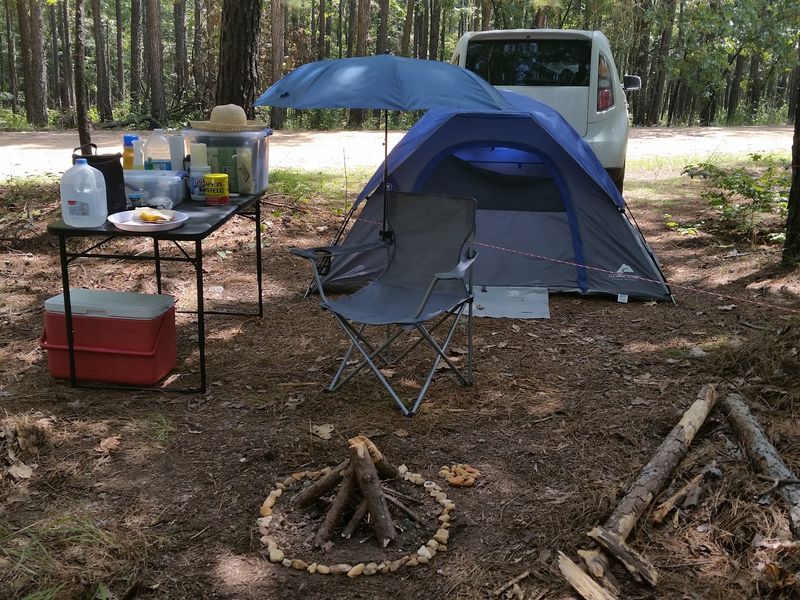
Not every destination suits every traveler, and this one is refreshingly honest about it. People describe it as very primitive, and they mean it as praise.
Nature lovers tend to fall hard for the place. Anyone who enjoys the outdoors will struggle to find much to complain about.
Solo adventurers appreciate the solitude. Families find plenty of room to spread out, and friend groups can pick from swimming, hiking, or paddling.
Horseback riders have their own long history here. Nearby camps have hosted riders for generations, and some have ridden these trails since childhood.
The remote setting is the number one appeal for many regulars. Getting away from it all is not a slogan here, it is the actual experience.
Travelers who want gift shops and guided tours may feel lost. Rangers are on hand, but the forest expects people to handle much of their own planning.
Many rangers earn kind words for being friendly, knowledgeable, and helpful. Still, the forest rewards those who arrive prepared rather than those who expect hand-holding.
People who grew up here often call it a place of history. That sense of connection is part of why so many keep coming back.
Go once, and wanting to return is the most common side effect.
Maps, Signal, and a Full Gas Tank
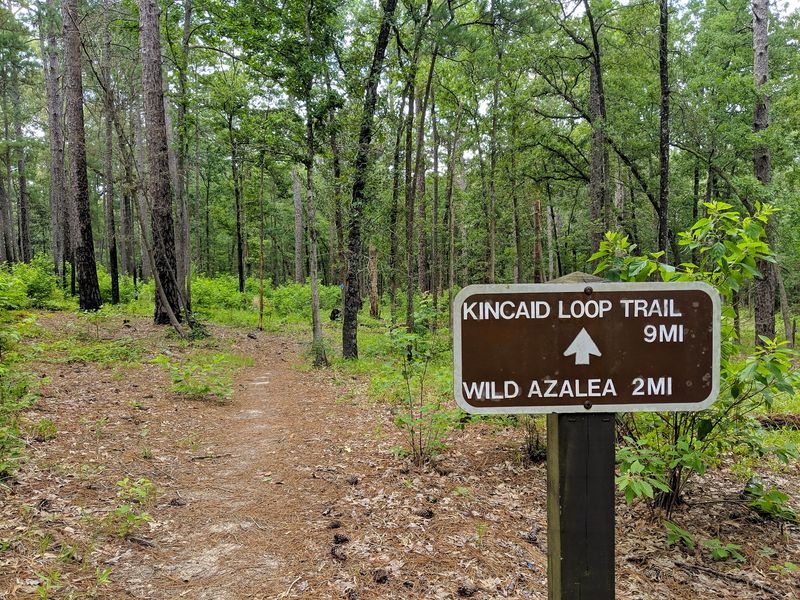
Finding the forest is easy. Finding the exact trailhead you want is another story entirely.
Driving directions can be tricky for anyone unfamiliar with the area. Some navigation apps have even sent people toward private property instead of the trail.
Better driving maps to the trails would help, and plenty of hikers have said so. Some posted maps and information around the forest are outdated as well.
Cell service is spotty to nonexistent in many sections. That is simply the trade-off for being in the middle of the woods.
Research ahead of time is the smartest move. Download offline maps, write down directions, and know the name of the specific recreation area before leaving home.
Gas stations are few and far between nearby. Filling up before entering the forest, and even bringing extra fuel, can save a lot of stress.
The ranger station is a good stop for current information. Friendly rangers can point travelers toward the right roads and trailheads.
Groups should agree on a plan before heading out. Walkie-talkies help when phones lose signal.
A little homework turns a frustrating search into a smooth arrival.
Pack Smart, Leave It Better
Humidity is the uninvited hiking partner on most warm days. Bringing plenty of water and staying hydrated is advice that comes up often for a reason.
Bug spray is the other must-have. Several regulars recommend packing more than you think you need.
A solid first aid kit belongs in every pack. Sunblock, a compass, flashlights with extra batteries, and a walking stick round out a sensible kit.
Food and water should come with you. The forest is remote, and stores are not waiting around the next bend.
Restroom facilities vary by area. Some recreation sites have vault toilets, but upkeep is inconsistent, so it pays to bring basic supplies.
Trash is a real issue in a few popular spots. Litter left by campers has frustrated plenty of hikers, especially near the falls.
The fix is easy and costs nothing. Pack out everything, pick up a stray wrapper or two, and leave campsites cleaner than you found them.
Writing down the day’s plan on paper is a smart backup. When phones lose signal, a simple note can keep a group on track.
Good preparation is the difference between a rough day and a great one.
Why the Empty Trail Wins
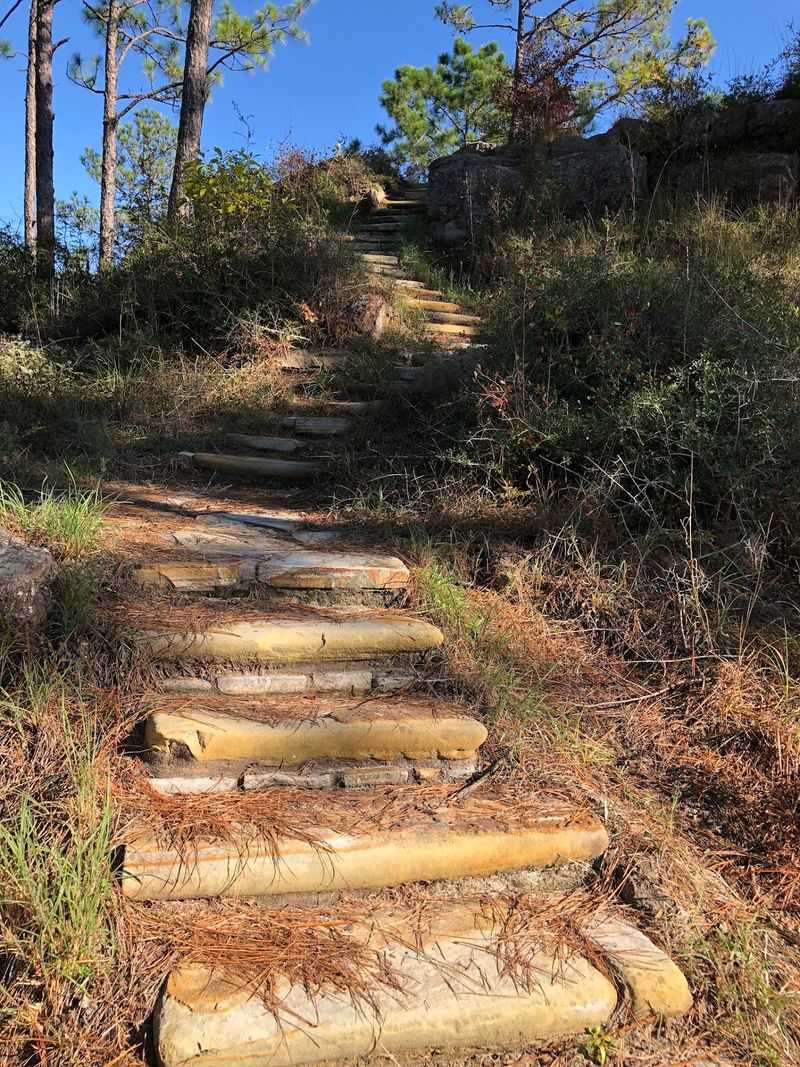
Crowded trails have their place, but they rarely offer room to breathe. This forest offers the opposite, and that is precisely why the Backbone Trail and its neighbors deserve attention.
The forest has quirks. Maps can be confusing, signal disappears, and a few areas need better upkeep.
Those rough edges come with a big payoff. Miles of quiet trails, rolling hills, small waterfalls, lakeside loops, and wildlife sightings all wait for anyone willing to make the drive.
Seasonal timing can make the trip even better. Late winter and early spring bring cooler days and foot-traffic-only rules on the long Sandstone Trail.
One visit will not cover it all. Many people say it takes several trips to explore the whole forest, which is a pretty good problem to have.
Families can stick to short walks and campground loops. Experienced hikers can chase long miles and remote ridgelines.
Arrive prepared, respect the land, and keep expectations simple. The forest does not perform for an audience, it just quietly waits for people to show up.
Hardly anyone hikes it, and that is the best reason to go. Bring water, bring a map, and bring a little patience for the drive.
Enjoyed this story?
Add Fast Food Club as a preferred source to see more of our reporting on Google.