


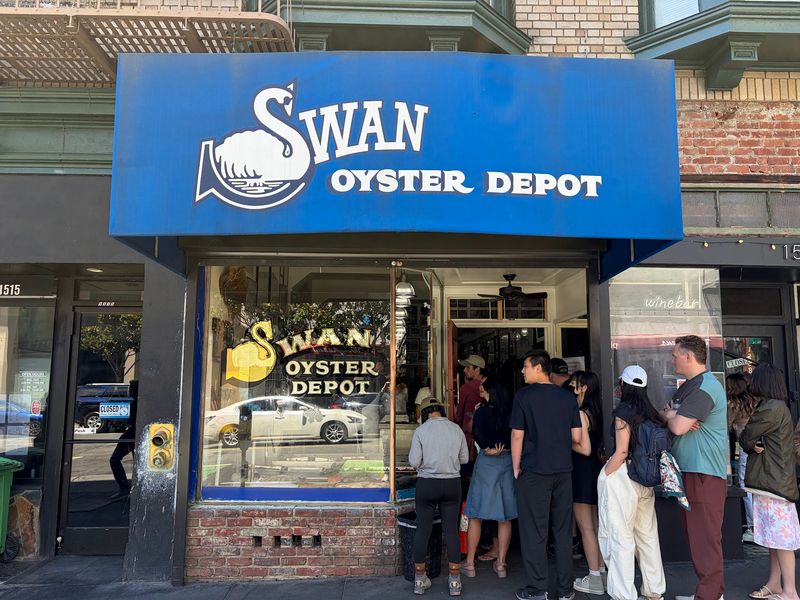
There is a line on Polk Street that forms before breakfast and sometimes lasts longer than a feature film. People stand in it for 30 minutes, an hour, even two and a half hours, all for a shot at one of roughly 18 stools.
No reservations, no cards, no table service in the usual sense. Just a narrow counter inside a working fish market in San Francisco, a crew of quick-witted staff, and seafood served with almost zero fuss.
It sounds like a lot of effort for lunch, and it is. Yet the people who make it inside tend to leave planning their next trip back.
Keep reading to learn the history behind the counter, the dishes regulars swear by, the smartest time to show up, and the cash rule that catches newcomers off guard every single day.
A Fish Market Counter on Polk Street
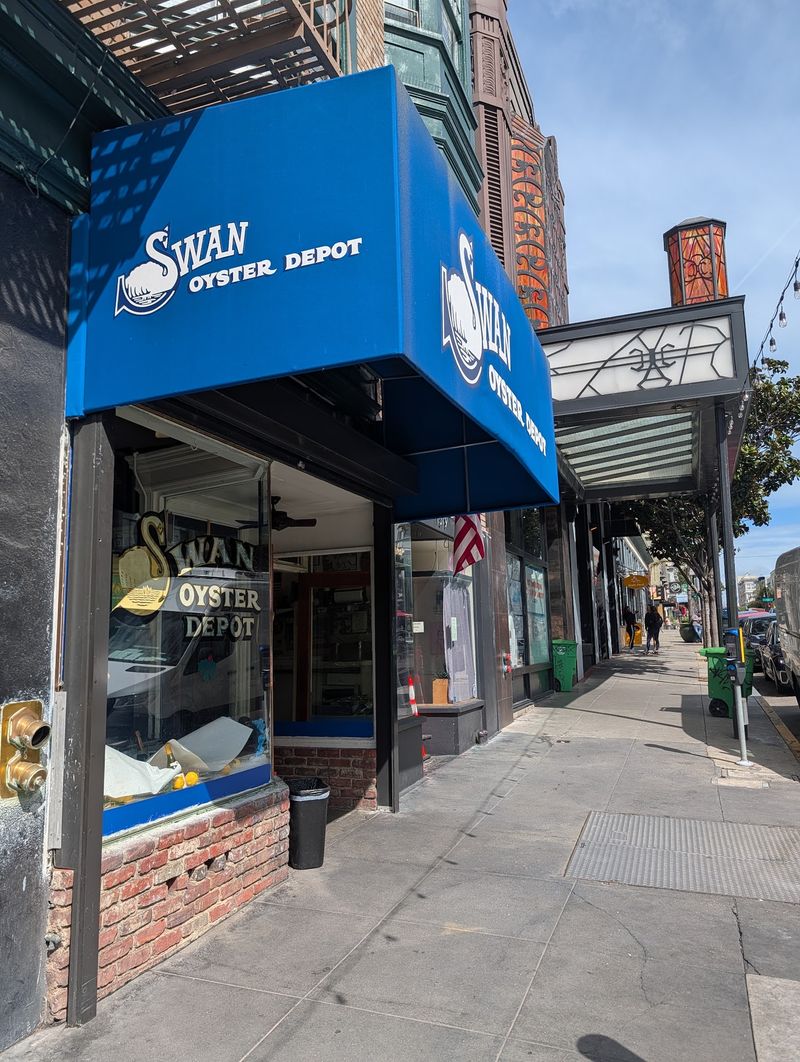
Nothing about the storefront shouts for attention. Swan Oyster Depot sits at 1517 Polk St, San Francisco, CA 94109, in California, United States, and it is easy to walk right past if the line were not there to give it away.
Inside, the setup is part seafood bar and part fish market. A no-frills counter nook runs along the room, and that counter is the whole dining room.
The place is widely described as a venerable landmark for raw-bar fare and casual seafood. It operates in an old-school way, closer to a butcher shop for seafood than a modern restaurant with hosts and booths.
That distinction matters before arrival. There is no menu tour at a table, no reservation system, and no separate waiting area with comfy chairs.
What there is instead is a long counter, a team working right behind it, and a steady stream of seafood moving from market case to plate. The space is tiny, so every seat sits close to the action.
Many first-timers admit they almost missed it because it looked smaller than expected from the sidewalk. Once inside, the reason people line up becomes clear pretty quickly, and the next sections explain exactly why.
Old-School San Francisco Character
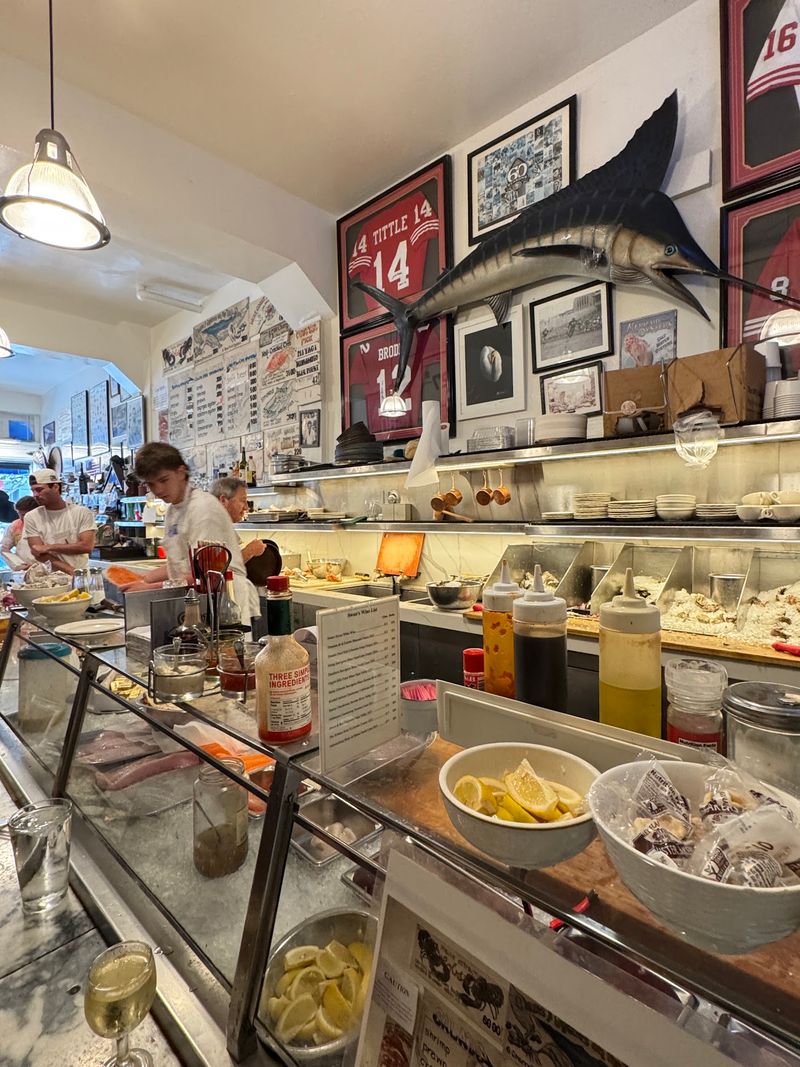
Some places get renovated into something sleek. Swan Oyster Depot went the other direction and kept its classic character intact.
Diners often describe the experience as a slice of old-school San Francisco seafood culture that is getting harder to find. Nothing feels overly decorated, and that is precisely the appeal.
The famous names have noticed too. Food icons James Beard and Anthony Bourdain are among the big personalities connected to the spot’s reputation, which helps explain why it now draws crowds from all over the world.
Online food videos have pushed that fame even further. Plenty of people arrive having watched the counter on YouTube, curious to see if the hype holds up in person.
By most accounts, it does. The place is called a proper institution, cash-only and all, with a staff that runs things the way they have for a long time.
The owners themselves are often right there, preparing plates, serving guests, and circulating along the counter to check on food quality. That hands-on approach keeps the old spirit alive without any museum feel.
History here is not on a plaque. It is happening behind the counter every morning at 8.
Eighteen Stools and One Long Line
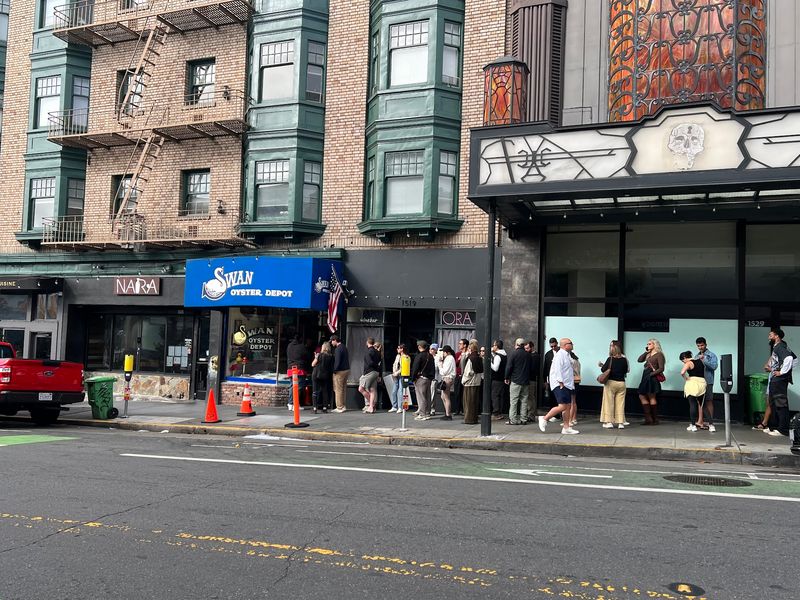
Eighteen. That is roughly how many stools stand between a hungry crowd and a seafood lunch.
Because seating is limited and there is no time limit on stools, the wait can stretch. Some groups get in after 30 to 45 minutes, others wait close to an hour, and a few report standing in line for two hours or more.
One mid-morning arrival turned into a 2.5 hour wait, which is a good reminder that late morning is not a secret window. Saturday is especially busy, with people lining up around 9:30 and sitting down near 11:30.
Here is the helpful part. Smaller parties move faster, and solo diners sometimes get called ahead when a single stool opens up.
The line itself becomes part of the experience for many people. Excitement tends to build as the door gets closer, and the payoff feels earned.
Not everyone agrees on how long is too long. Some feel anything beyond 30 minutes is a stretch, while others happily wait an hour for a seat.
Patience is the unofficial entry fee here. Bring some, and bring a friend to chat with, not five.
The Oysters Behind the Name
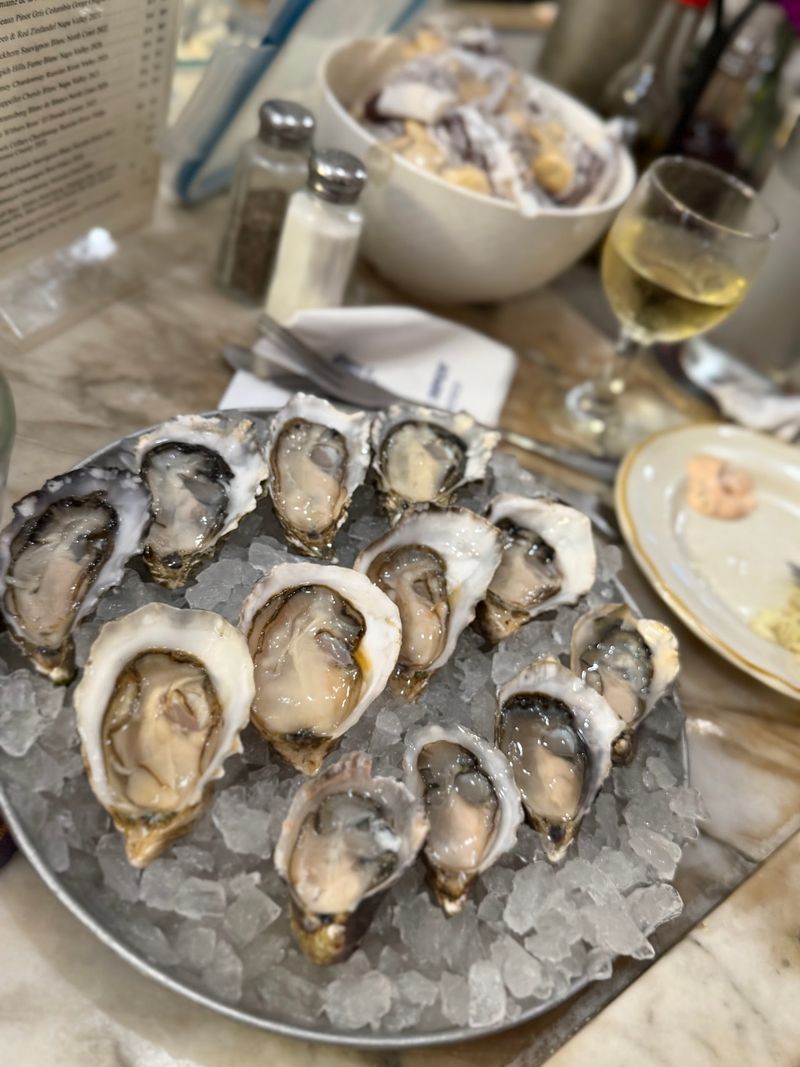
With a name like this, the oysters had better deliver. They do, and they are the single most talked-about item at the counter.
Fresh and briny is the common verdict, with many diners saying the oysters barely need anything added. A simple squeeze of lemon or a dab of the provided condiments is plenty.
Orders range from a half dozen to a full dozen, and some guests go big with two dozen to go when the line looks too intimidating. An oyster mix is a popular way to try a few varieties in one round.
Clams share the spotlight too. Cherrystones and little necks show up on many plates, often paired with oysters on a combined platter.
Quality control is taken seriously. When one batch of cherrystone clams did not match expectations, the manager listened and adjusted the bill, which says a lot about the standards behind the counter.
Some seafood fans who have eaten oysters across many cities and countries rank these among the best in San Francisco. That is high praise for a place with no tablecloths.
Shuck first, decide on round two later. Most people order round two.
The Off-Menu Sicilian Sashimi
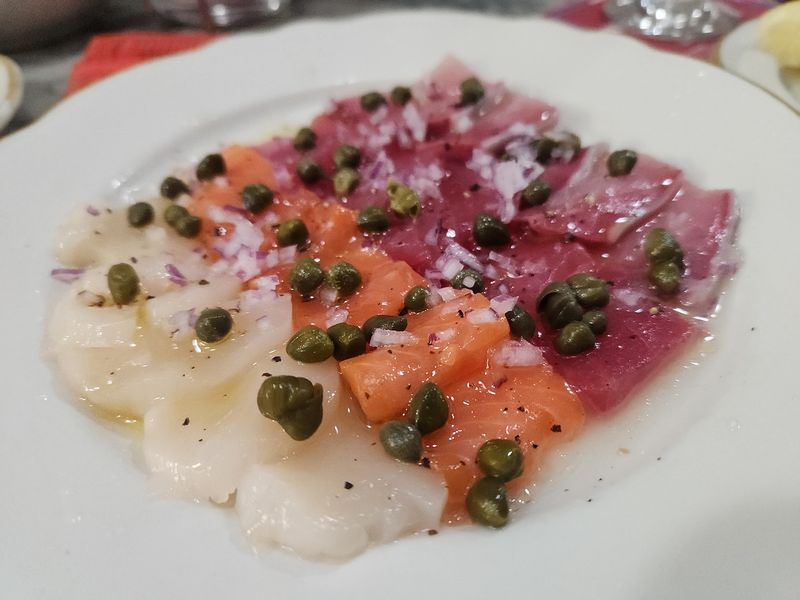
Ask any regular about the secret order, and the answer usually comes fast: Sicilian sashimi.
Technically off the menu, it has become one of the most requested plates at the counter. Diners often call it the surprise favorite of the meal.
The fish is praised for tasting clean and fresh without needing much dressing up. A drizzle of standout olive oil gets plenty of credit for tying the plate together.
There is also a large version for groups who want to share. Chopsticks and soy sauce are available, which some people appreciate as a handy bonus.
Another variation worth knowing about is scallop sashimi prepared Asian-style, with yuzu and togarashi. Scallops in general come up again and again as a highlight.
Not every opinion is a standing ovation. A few diners feel the sashimi plate is very good but similar to what a nice sushi spot might offer.
Still, most first-timers who skip it end up hearing about it later. Ordering it simply requires knowing the name, and now that secret is safely in your pocket.
Crab, Chowder, and Smoked Salmon
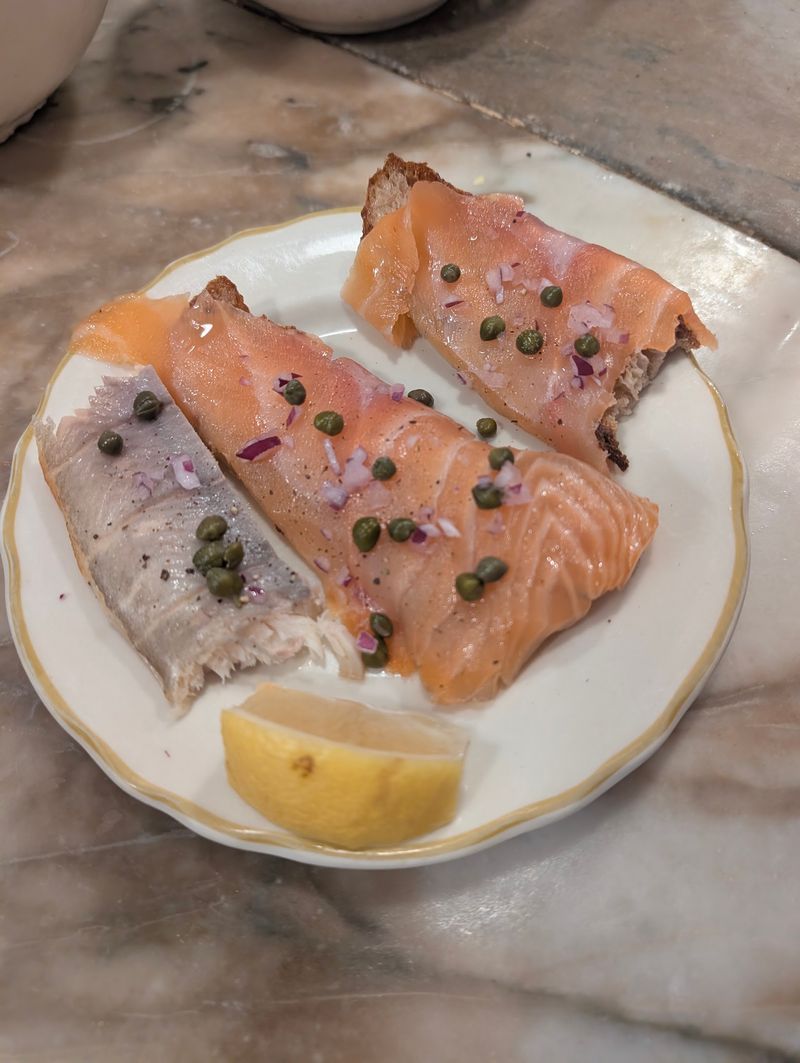
Beyond oysters and sashimi, a whole supporting cast earns devoted fans.
The crab salad is a frequent star, with some guests calling it the absolute highlight. A popular tip is to use the complimentary bread to soak up the extra sauce instead of leaving it behind.
Dungeness crab and cracked crab keep things simple and satisfying. Crab specials can run out later in the day, so timing matters.
The crab back is a divisive one. Some love it with bread, while others suggest skipping it.
Clam chowder offers a warm counterpoint after a round of chilled seafood. It is described as thick without being heavy.
Smoked salmon, sliced to order, is another strong performer, along with smoked trout and smoked salmon toasts. The sourdough comes from a local bakery and wins its own share of praise.
Shrimp cocktail, seafood cocktails, octopus salad, and occasional treats like spiny lobster or sea urchin round things out. Staff will happily nudge diners toward something new.
The hardest part is deciding when to stop ordering.
A Crew With Real Personality
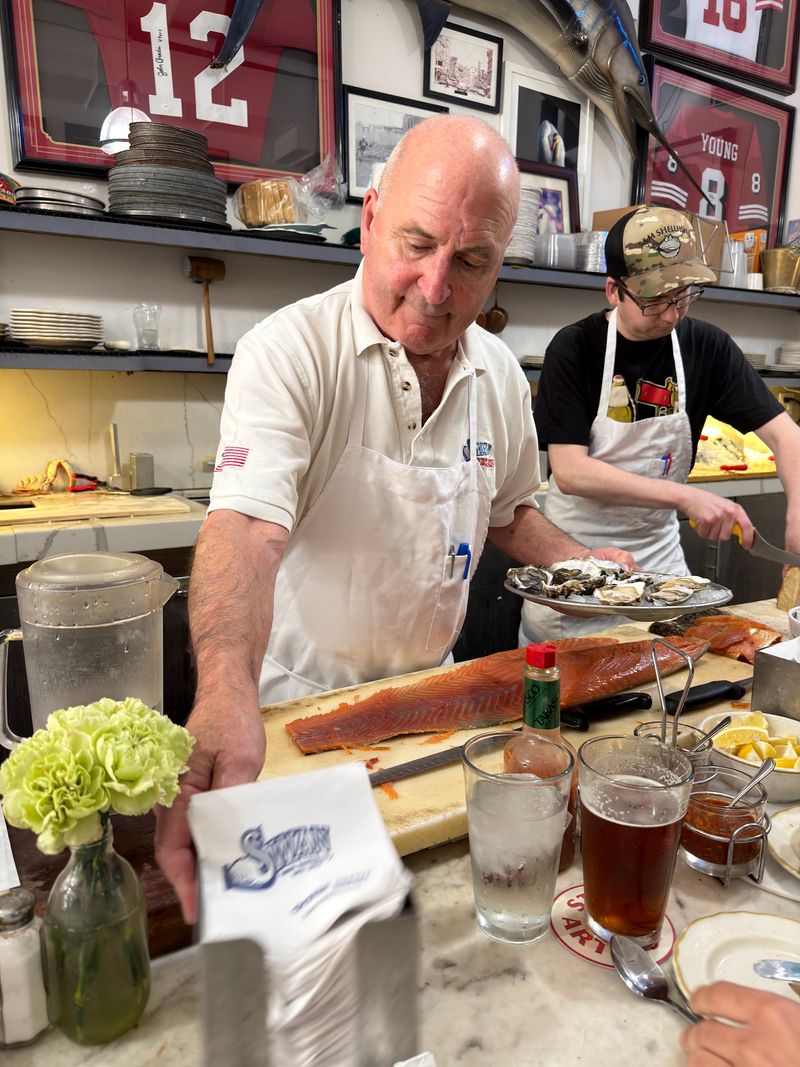
Half the fun sits behind the counter. The crew here has a reputation for sharp wit, quick humor, and a genuine warmth that turns a meal into a show.
Staff members are described as characters in their own way, confident and easygoing even when the room is packed. They guide diners through what is good that day and get plates out fast.
Service moves efficiently without anyone feeling rushed. That balance is tricky in a room this small, and the team pulls it off.
Small acts of kindness come up often. One solo diner who did not have cash was told to eat first and pay after a trip to a nearby ATM.
Some guests even bring their own bottle, and the staff has been known to keep it chilled and serve it without a corkage fee. The flexibility feels old-fashioned in the best way.
The owners are part of the daily rhythm too, preparing food and checking on guests personally. Several servers earn mentions by first name, which tells its own story.
Mood swings in the line are real, but the counter tends to reset everyone’s day.
Who Fits on a Counter Stool
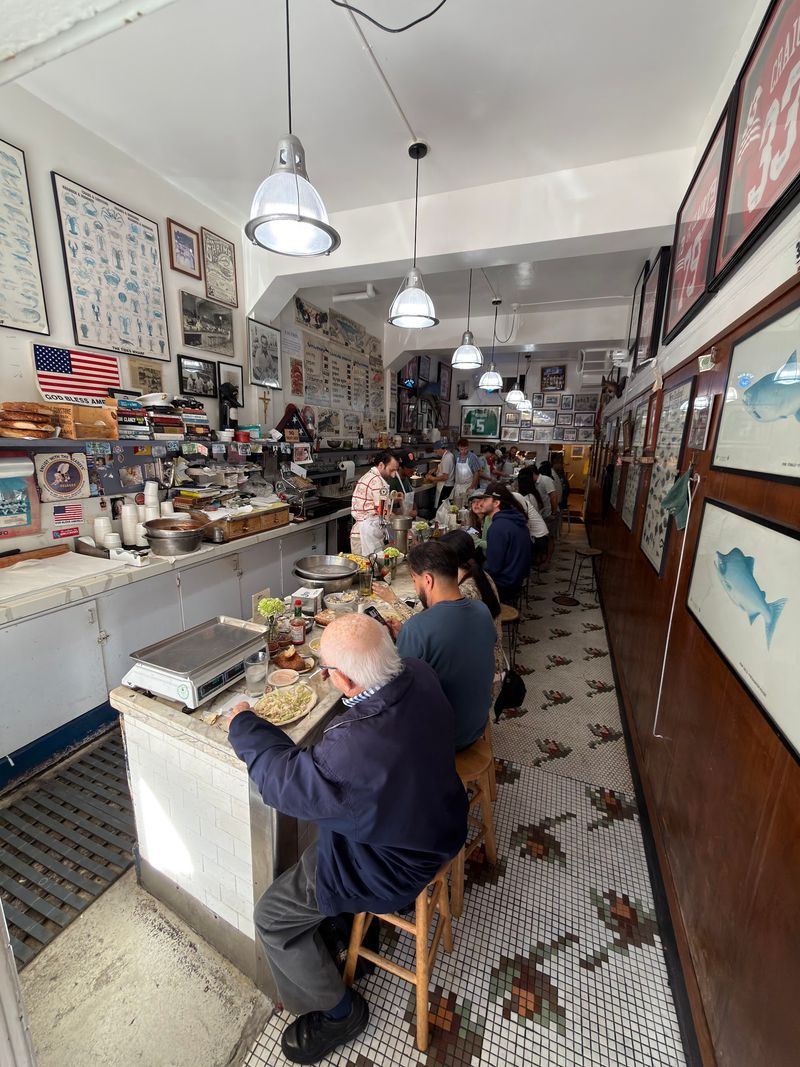
Honesty helps here. The room is small, tight, and narrow, with bar seating only, and that setup is not for everyone.
Large groups will have a tougher time. Keeping parties small makes it easier to land seats together, and three seats can take a long time to open up at once.
There is not much air conditioning, and the market setting means it will not look like a polished dining room. Expectations matter, and those who arrive ready for a casual counter tend to leave happiest.
So who is the ideal guest? Seafood lovers, curious travelers, and anyone who enjoys watching food get prepared right in front of them.
Solo diners do especially well, since single stools free up more often. Couples and pairs fit nicely too.
A little outdoor seating exists as well, though the counter remains the main event.
It is not a place to linger for hours, and that is part of the charm. Everyone around tends to be focused on the plates, which says plenty about the priorities in the room.
Come hungry, come flexible, and leave the entourage at the hotel.
Hours, Cash, and the Early Bird Strategy
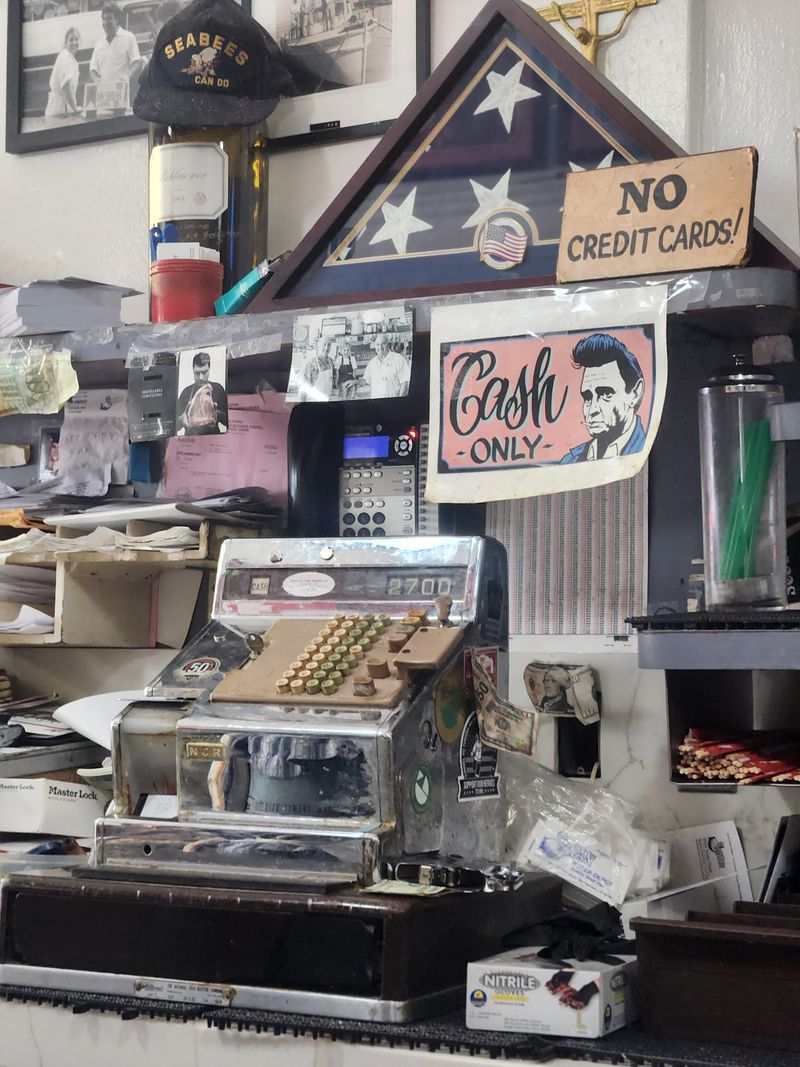
Timing is everything at this counter. Doors open at 8 AM Monday through Saturday and close at 2:30 PM, with Sunday closed.
The smartest move is to arrive at opening. A raw seafood breakfast may sound unusual, but early birds often skip the line almost entirely.
Weekday mornings before 9 AM are the sweet spot. One Thursday visit around 9 AM came with no wait at all.
Saturdays and late mornings are a different story, so plan accordingly. Crab specials can also sell out as the day goes on.
Now for the rule that trips up newcomers: it is cash only. There is no ATM inside, so stop at a bank before getting in line.
Prices run on the higher side, which many consider understandable given the quality. Budget a bit more than a typical lunch, especially if sampling widely.
Takeout is another option. Ordering oysters to go can be a clever workaround on crowded days.
Cash in the wallet and an alarm set early are the two best tools a guest can bring.
Worth Every Minute in Line
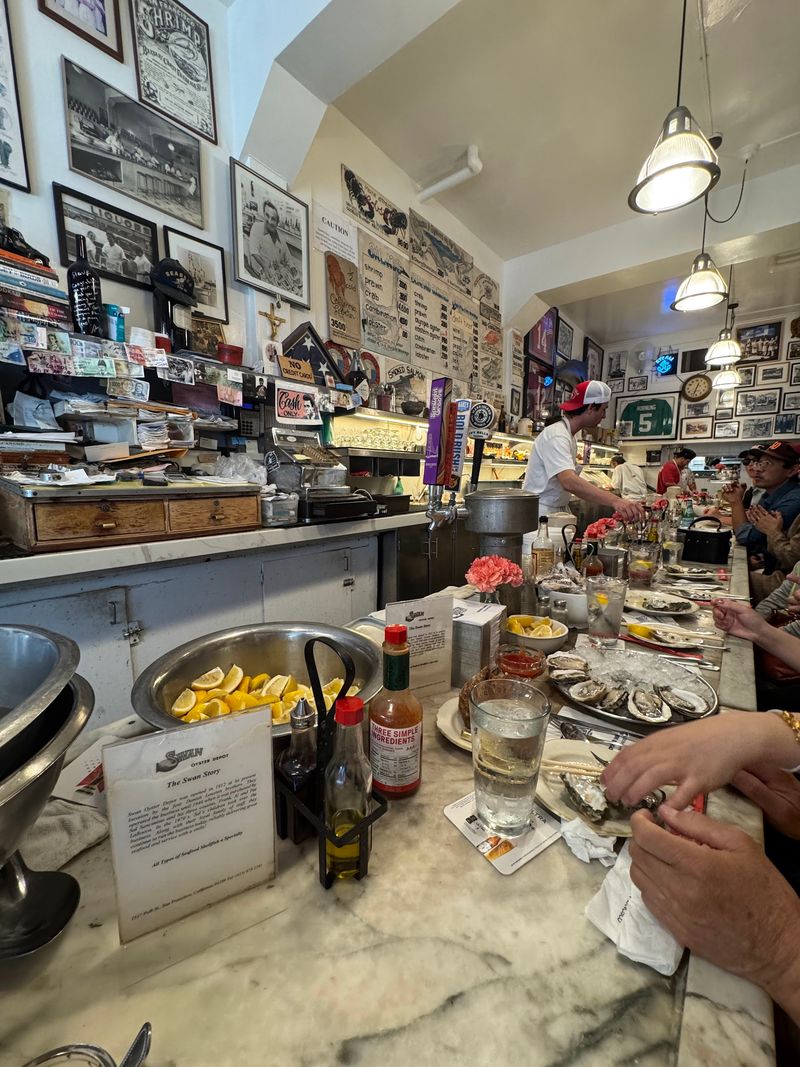
So, is the stool worth the wait? For most people who make it inside, the answer is a confident yes.
The appeal is simple. Exceptionally fresh seafood, a crew that knows exactly what it is doing, and a setting that refuses to dress things up.
Every plate feels uncomplicated, yet the quality stands out. That mix of skill and simplicity is what keeps the line growing year after year.
There are trade-offs, of course. The wait can be long, the space is cramped, cash is required, and a couple of dishes split opinions.
Still, the overall picture is strong, with a 4.6-star standing across more than 2,300 opinions. Many first-timers leave already planning a return.
The best approach is straightforward. Arrive early, keep the group small, order the oysters and the Sicilian sashimi, and let the staff steer the rest.
San Francisco has plenty of seafood, but few places carry this much history on one narrow counter. Claim a stool if you can, and the long morning on Polk Street will likely feel like a fair trade.
Enjoyed this story?
Add Fast Food Club as a preferred source to see more of our reporting on Google.