


Some towns fade slowly, and some vanish almost as fast as they appear. Out in the Nevada desert near Beatty, one former gold rush town went from boom to bust in less than ten years.
Today its old buildings still stand along a quiet road, and on a winter weekday you might count the passing cars on one hand. There is no ticket booth, no staff, and no crowd to elbow past.
What remains is a free, open-all-hours look at how people chased fortune in the early 1900s. Signs explain what each ruin once was, a small museum adds context, and a famous house built from bottles waits to surprise you.
Keep reading to learn where it is, what to see, how to get there, and why this lonely stop is worth a detour.
A Gold Rush Town on the Map
Finding the place is the easy part. Rhyolite Historic Gold Mining Town Site sits at V5RF+4G, Beatty, NV 89003, in the state of Nevada, United States.
Beatty is the closest town, and it works as a handy base for the trip. The ruins are a short drive away, set off the beaten path in open desert.
The site is listed as a historical landmark. It is managed as part of the Rhyolite Historic Area by the Bureau of Land Management, which keeps a page about it on its official website.
Getting your bearings matters here, because the town does not cluster in one tight block. Its remains stretch out along a main road, with more spots that drop down to the right of that road.
That layout shapes the whole visit. Instead of one big parking lot and a single loop, you hop from stop to stop, reading signs and checking out each ruin in turn.
For travelers moving through southern Nevada, the location is surprisingly practical. It sits close enough to major routes that many people swing by on the way to or from somewhere else.
So the map pin is set. Now the real question is how a town out here came to be at all.
Boom, Bust, and Barely a Decade
Ten years. That is roughly how long Rhyolite lasted as a working town.
Gold drew people here in the early 1900s, and the town grew fast. Then the luck ran thin, and residents slowly packed up and left around and after 1910.
Short lives like this were common in mining country. A strike brought buildings, businesses, and big dreams, and a downturn sent everyone looking for the next opportunity.
What makes Rhyolite stand out is how much it left behind. Instead of fading to bare dirt, it kept a collection of structures that still tell its story.
Walking among them, you get a real sense of scale. This was not a tent camp, but a place where people built with the expectation of staying.
The quick rise and fall gives the site its pull. History usually unfolds over generations, yet here the whole arc fits inside a single decade.
That compressed timeline turns a stop into a small lesson. You see ambition, effort, and change all in one stretch of road, which makes the ruins far more than scenery.
Ruins That Refused to Leave
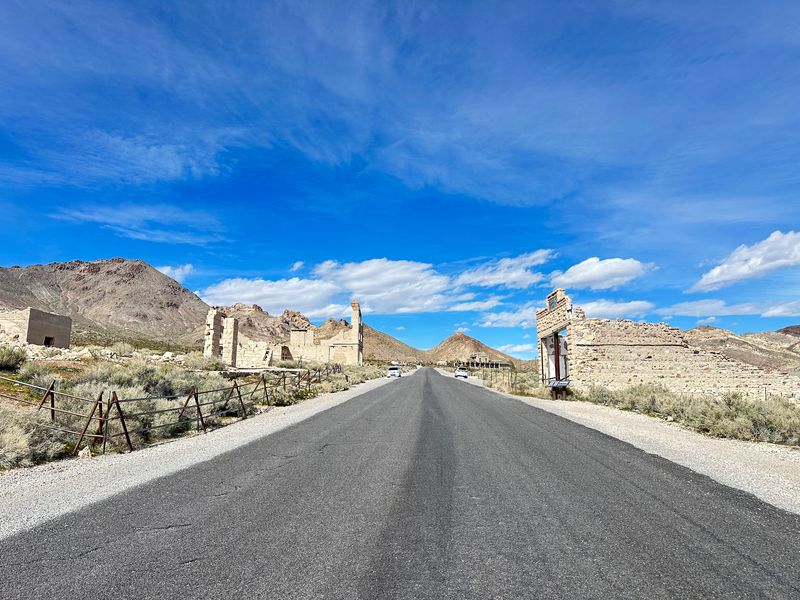
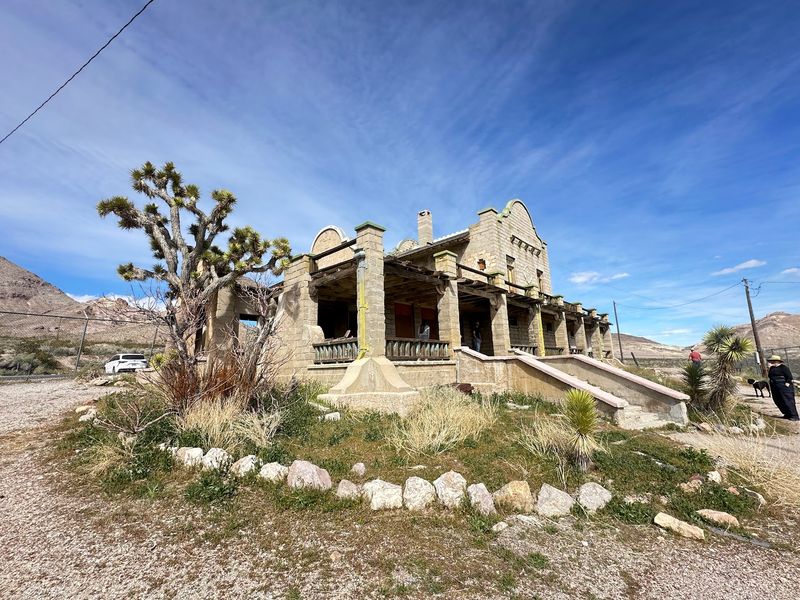
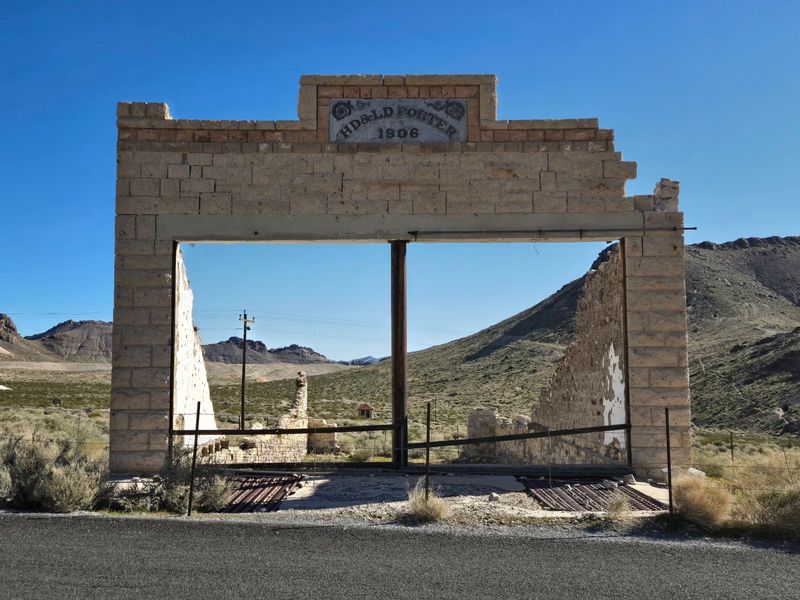
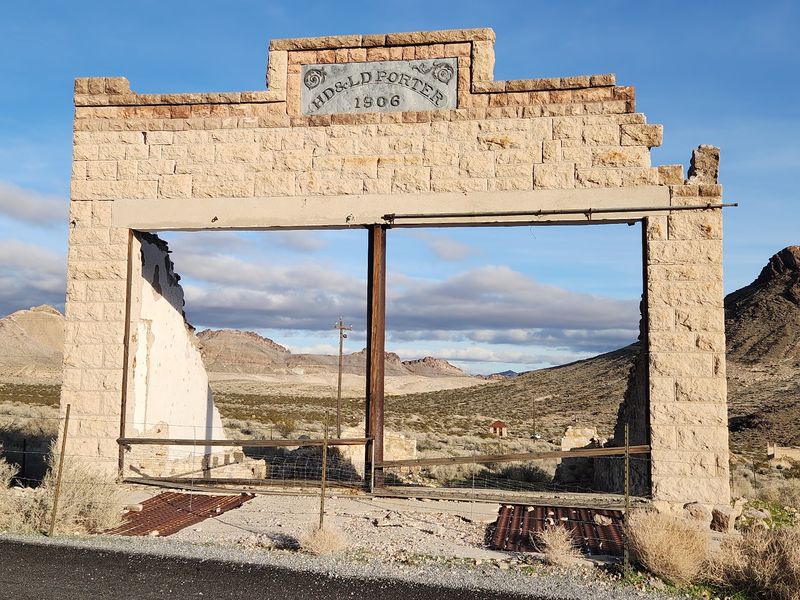
For an abandoned town, Rhyolite holds up remarkably well. Several buildings still stand along the main road, giving the place real shape.
The old buildings are the heart of the visit. They are the reason people pull over, and they show how the town once lined its streets.
Some structures remain mostly upright. Others are partial, but together they outline a community that clearly had big plans.
The area also looks well taken care of. The grounds feel managed rather than neglected, which makes exploring more comfortable.
More sites wait down the slope to the right of the main road. Those extra stops reward anyone willing to spend a little more time poking around.
A good mindset helps. Treat each ruin as its own chapter, because each one held a different role in daily life.
Expect more than a quick glance, too. Many people find there is a lot more to do and see than they expected, which turns a short stretch into a longer, richer break from the road.
The Bottle House Surprise
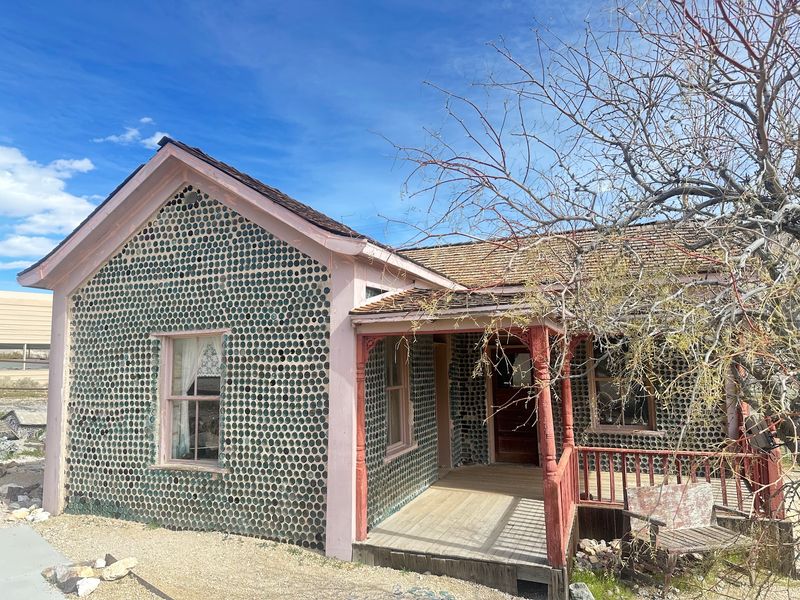
Glass bottles as building material? Out here, yes.
The bottle house is one of Rhyolite’s most talked about features. Its walls were built using bottles, and it stands out sharply from the stone and wood remains elsewhere.
Many people call it a highlight of the trip. It is the kind of structure that makes travelers stop, look twice, and reach for a camera.
Part of its appeal is the creativity behind it. In a remote boom town, builders worked with what they had on hand.
The house also helps make the site feel personal. Grand ruins speak of business and money, while this one hints at the resourcefulness of ordinary residents.
Give it a few unhurried minutes. Reading the nearby signage adds context and helps you appreciate why it was made this way.
Families tend to enjoy it, and so do history buffs. Few places let you see recycling in action more than a century before the word became popular, and that alone makes it a worthy stop.
A Depot Behind a Fence
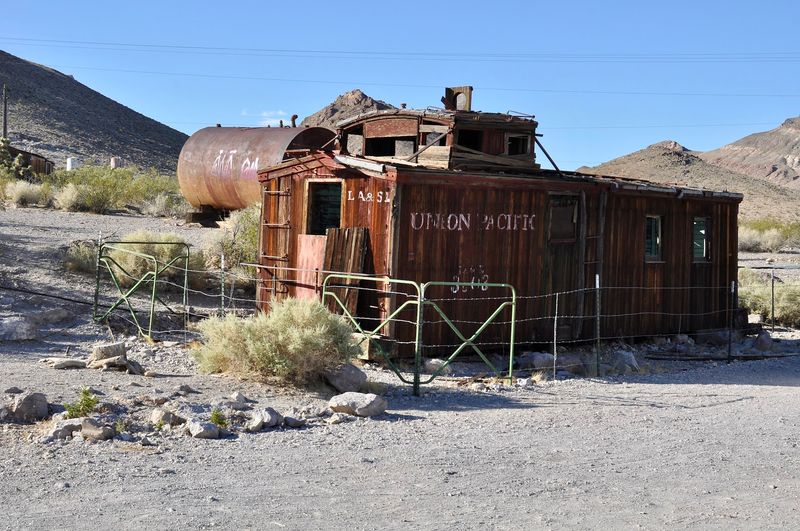
Trains once mattered a great deal to a town like this. The main train station still stands in Rhyolite, and it is rather well kept.
There is a catch, though. A chain link fence surrounds it, and its windows are covered with plywood.
The likely reason is safety. Protecting the structure from people climbing around inside helps keep it standing for future trips.
The fence is open during the day. That means you can get closer during daylight hours, even if you cannot peek through the windows.
Some travelers wish the setup were updated, since the boards make it harder to appreciate the building fully. It is a fair trade, though, when the goal is preservation.
Plan to visit while it is light out if you want the best look. Daytime also makes the signs much easier to read.
Even from outside, the depot speaks volumes. A town that earned its own station clearly expected a long and busy future, which makes its quick fade all the more striking.
Signs That Do the Storytelling
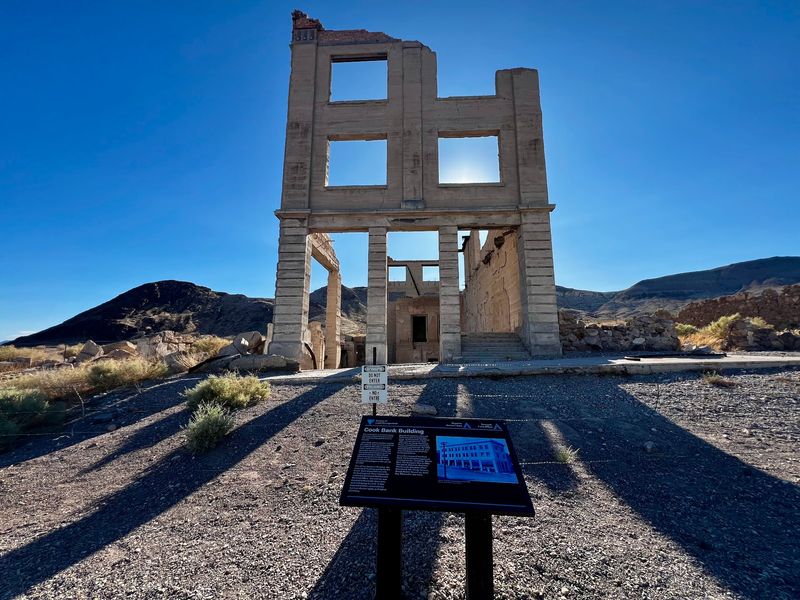
No guide? No problem.
Rhyolite’s signs handle that job nicely.
Information kiosks and markers sit near the building remains. They explain what each structure was and how it worked in the life of the town.
The displays are attractive and easy to follow. Many travelers single them out as a strong part of the experience.
Good signage turns a pile of walls into a story. You learn what you are looking at instead of guessing.
Reading as you go also sets a nice pace. Each stop becomes a short lesson, and the full picture builds piece by piece.
Kids can join in too. Taking turns reading the panels aloud keeps younger travelers engaged.
Since there are no staff on site, these markers are your main source of context. Budget time for them, because skipping the signs means missing half the fun of the visit.
A Small Museum With Free Entry
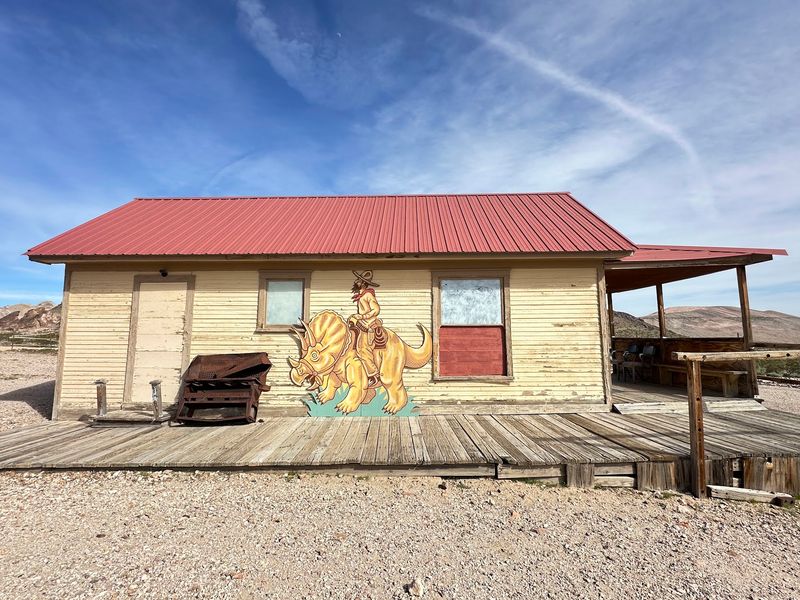
Free history is a rare thing. Rhyolite offers it, with no admission charge to explore the site.
There is also a small museum. It adds another layer to what the ruins and signs already share.
Donations can be made at the museum. Chipping in is a simple way to support the place if you enjoyed your time there.
The museum is modest in size, so it will not eat up your whole afternoon. It works best as a companion to the outdoor exploring.
Pairing the two makes sense. Outside you see the buildings, and inside you can round out your understanding of the era.
Since entry costs nothing, the visit fits almost any travel budget. That makes it an easy add-on to a longer road trip.
Leaving a few dollars behind feels right. Small sites like this depend on goodwill, and a donation helps keep the story available for the next curious traveler.
Quiet Roads and Real Solitude
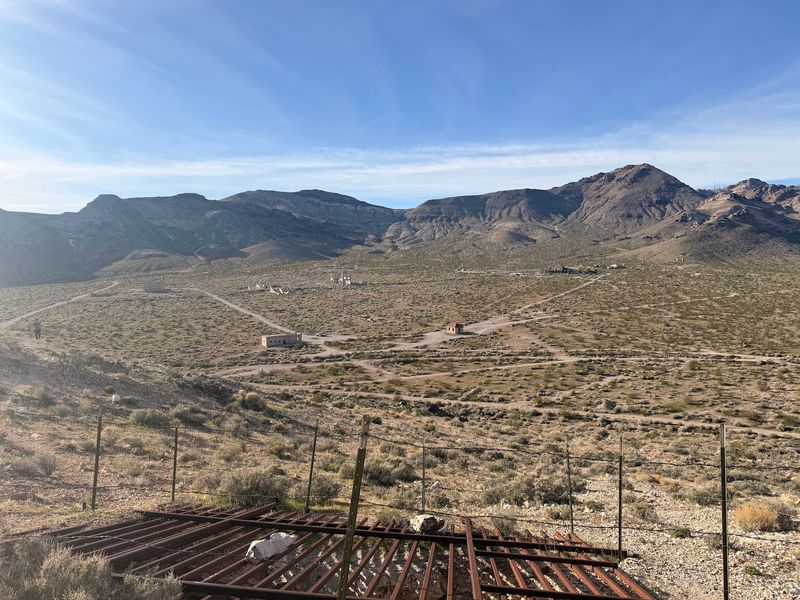
Rhyolite earns its ghost town label honestly. There is no staffed visitor desk and no crew waiting to greet you.
That emptiness is part of the charm. It feels like a true abandoned town rather than a theme park version of one.
Traffic on a winter weekday can be very light. Fewer cars mean more space to read signs, take photos, and move at your own speed.
The calm suits a certain kind of traveler. History lovers, photographers, and road trippers who want a peaceful break all find something here.
It also works as a gentle reset during a long drive. Many people describe it as a real nice pause from hours behind the wheel.
Families can enjoy it as well, as long as everyone respects fences and fragile structures. The open setting gives kids room to learn while exploring.
Solitude like this is getting harder to find. Here, it comes free, which might be the most valuable thing left in this old gold town.
Park, Hop Out, Repeat
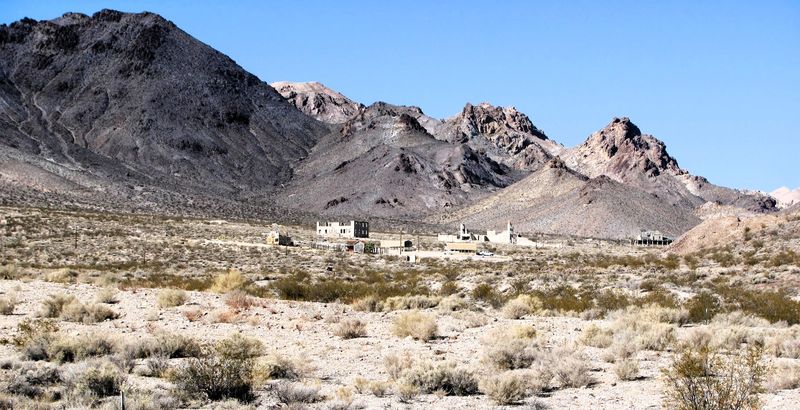
Here is a practical trick worth knowing. Rhyolite is spread out along its road, so walking everything from one parking spot can be a stretch.
Many travelers find it easier to park on the shoulder at each point of interest. Hop out, look around, read the signs, and drive to the next one.
This approach saves energy, especially on warmer days. It also keeps the visit moving at a comfortable pace.
Restrooms are available on site. That makes Rhyolite a handy rest stop, which is welcome in a remote stretch of desert.
The site is listed as open 24 hours every day of the week. Still, daylight is the better choice, since the train station fence opens during the day and signs are easier to read.
Pack water and basics before you arrive. Beatty, the nearest town, has what you need for the round trip.
Drive slowly and watch for others pulling over. A little caution keeps this stop-and-go tour smooth for everyone.
Getting There From Las Vegas and Death Valley
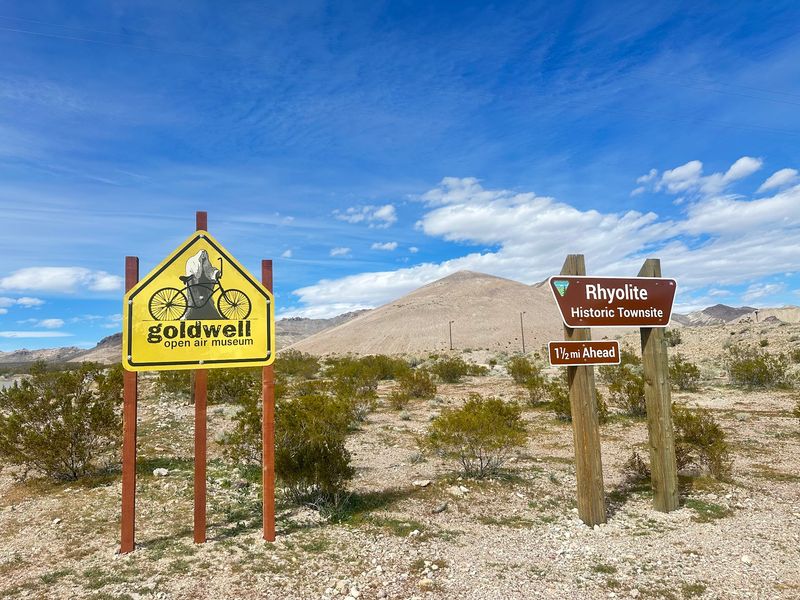
Distance often decides whether a detour happens. Rhyolite is only a little over two hours from Las Vegas.
That makes it a reasonable day trip. Beatty sits nearby and covers the needs of a simple round trip.
Many people work Rhyolite into a bigger route. Driving between Death Valley and Las Vegas, it fits naturally as a break along the way.
The stop does not demand a full day. Even a modest window of time lets you see the main buildings, the bottle house, and the depot.
Planning ahead still helps. Check the Bureau of Land Management website for current details before heading out.
The phone number for the managing office is also listed publicly if you prefer to call. Conditions in remote areas can change, so a quick check is smart.
Once you go, the route itself becomes part of the story. Wide open roads lead to a town that once had big plans, and the drive helps you understand just how remote those dreams really were.
Worth the Pull-Over
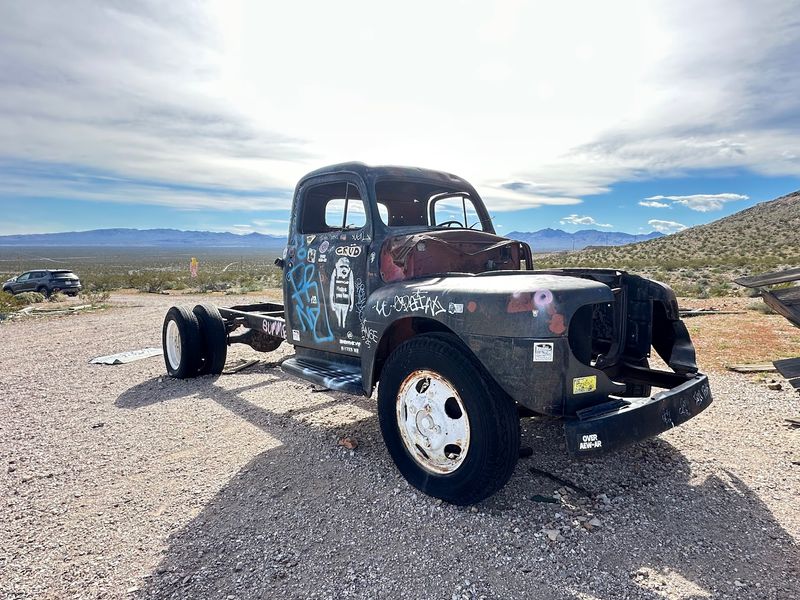
Every road trip needs a stop that surprises you. Rhyolite fills that role well.
The site holds a perfect score on Google from a small group of travelers. Praise centers on the old buildings, the helpful signs, the tidy grounds, and the bottle house.
It offers history without a fee and calm without effort. Restrooms, a small museum, and open hours make it simple to fit in.
The few drawbacks are minor. The fenced train depot limits the view, and the spread-out layout means a bit of driving between stops.
Neither issue takes much away. Both reflect a site trying to protect what is left while staying open to everyone.
Rhyolite also carries a broader message. It shows a slice of the country’s heritage, built by people who came from many places chasing the same hope.
Go on a quiet winter weekday, count the cars, and take your time. A town that lasted barely ten years has managed to hold attention for more than a century, and it may well hold yours too.
Enjoyed this story?
Add Fast Food Club as a preferred source to see more of our reporting on Google.