


High on a bluff in Franklin, Tennessee, there is a fort you will not find standing. No walls rise up, and no cannons sit in a row.
What remains are long earthen mounds and trenches, shaped by soldiers during the Civil War and still easy to trace more than 150 years later. A short loop of dirt, asphalt, and wooden boardwalk paths leads past them, with signs that explain what happened on this hill and why it mattered so much.
The best part is that it costs nothing to walk. It opens early, stays open into the evening, and fits nicely into a morning or an hour before supper.
Keep reading to learn where it is, what to look for along the trail, and a few smart tips that will make the visit easier.
A Hilltop Fort Hiding in Plain Sight
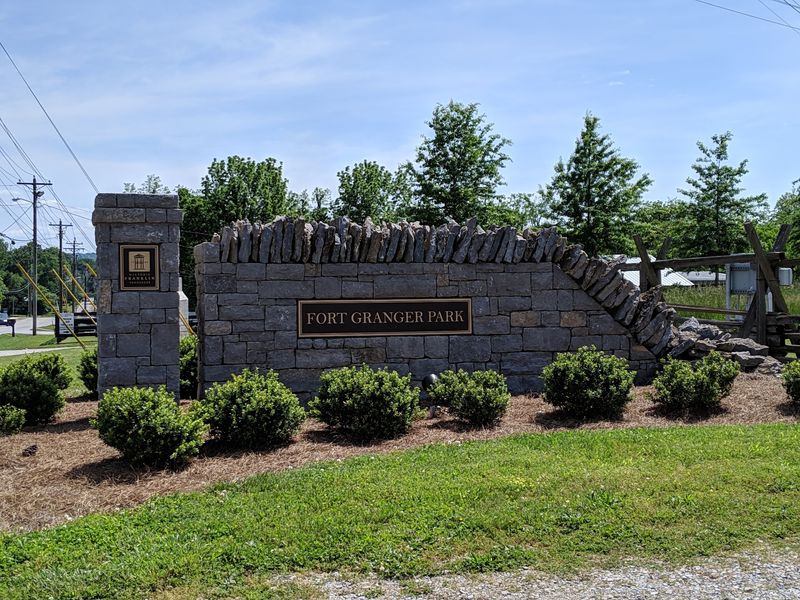
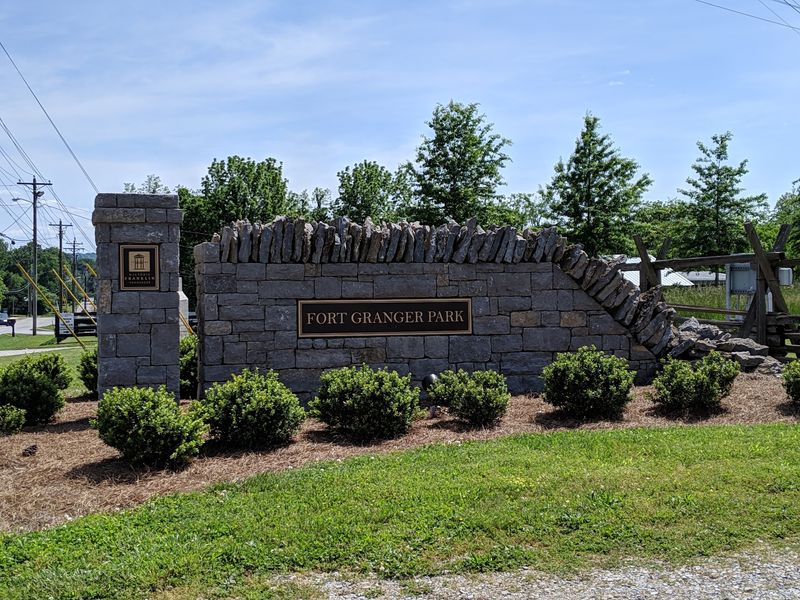
Plenty of people drive through Franklin without knowing a Civil War fort sits right above town. The spot is Fort Granger, found at 113 Fort Granger Dr, Franklin, TN 37064, in Williamson County, Tennessee.
The city lists it as a historical landmark and a green space with Civil War trenches. It is a natural area surrounded by those old earthworks, with walking trails and views of the city.
The park covers about 14 acres. That makes it small enough to explore in one visit, yet big enough to hold a good amount of history.
Fort Granger is managed by the City of Franklin Parks Department. Its page on the city website is the best place to check for updates before heading out.
Many people call it a park less traveled in Franklin. Even on days when nearby areas fill up, the trails here often stay calm.
So the fort is real, it is close, and it is free. The next question is what made this hill so important in the first place.
Why Soldiers Wanted This Hill
Height was everything in Civil War defense, and this bluff had plenty of it. From the top, soldiers could watch the land below and spot anyone heading their way.
The interpretive signs and plaques along the trail tell the story of the fort, its battles, and how it was used. They explain how it was laid out, so the ground starts to make sense as you walk.
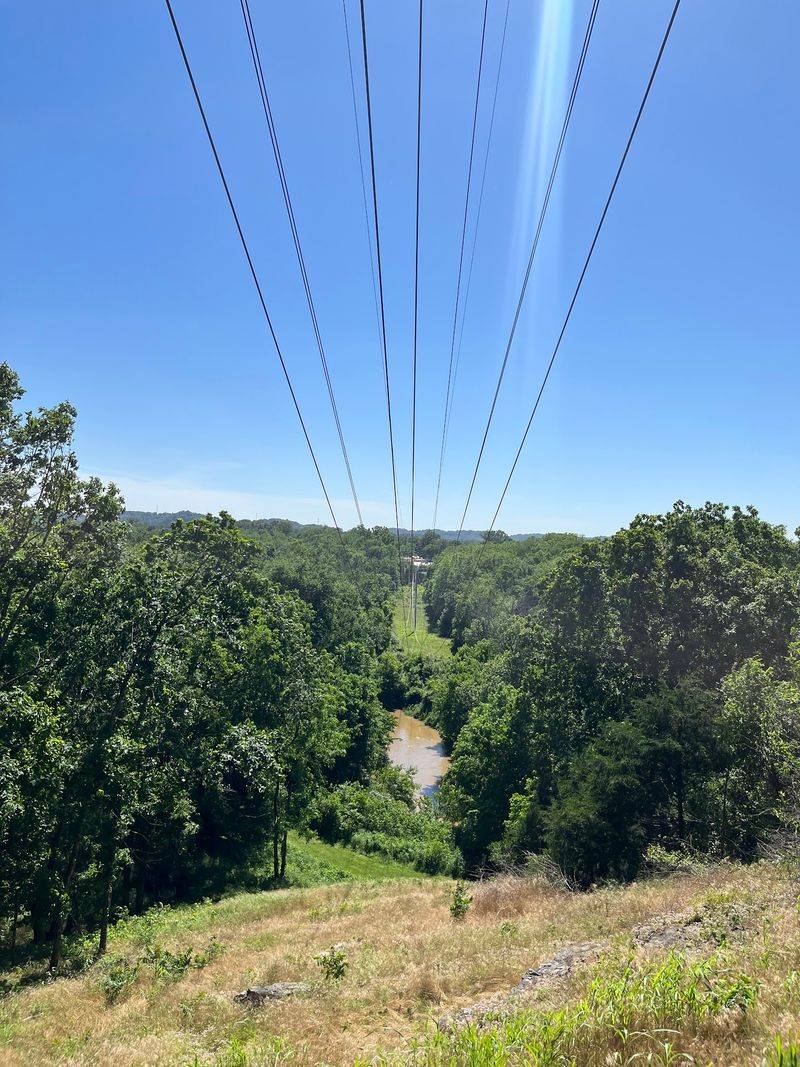
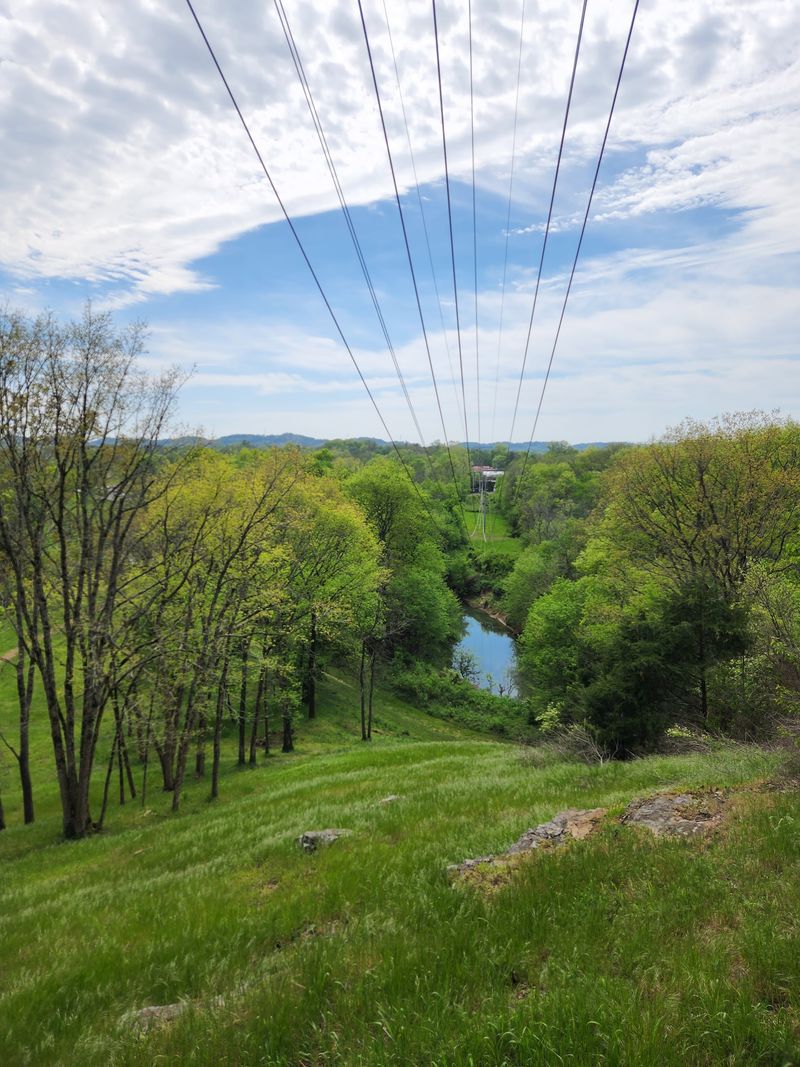
One way to understand the position is to head down toward the Harpeth River at the bottom. Looking back up, it becomes clear how hard the climb would have been for an attacking force.
The fort also offered a view toward the battlefield, which is part of why it played such a key role. Standing on the high ground, it is easy to see why people describe this place as pivotal.
Many treat the site as a tribute to the Americans who served here. It carries themes of bravery and determination, and that weight is part of what makes a visit meaningful.
Franklin is a town packed with history, and this hill holds an important piece of it.
Earthworks That Refuse to Fade
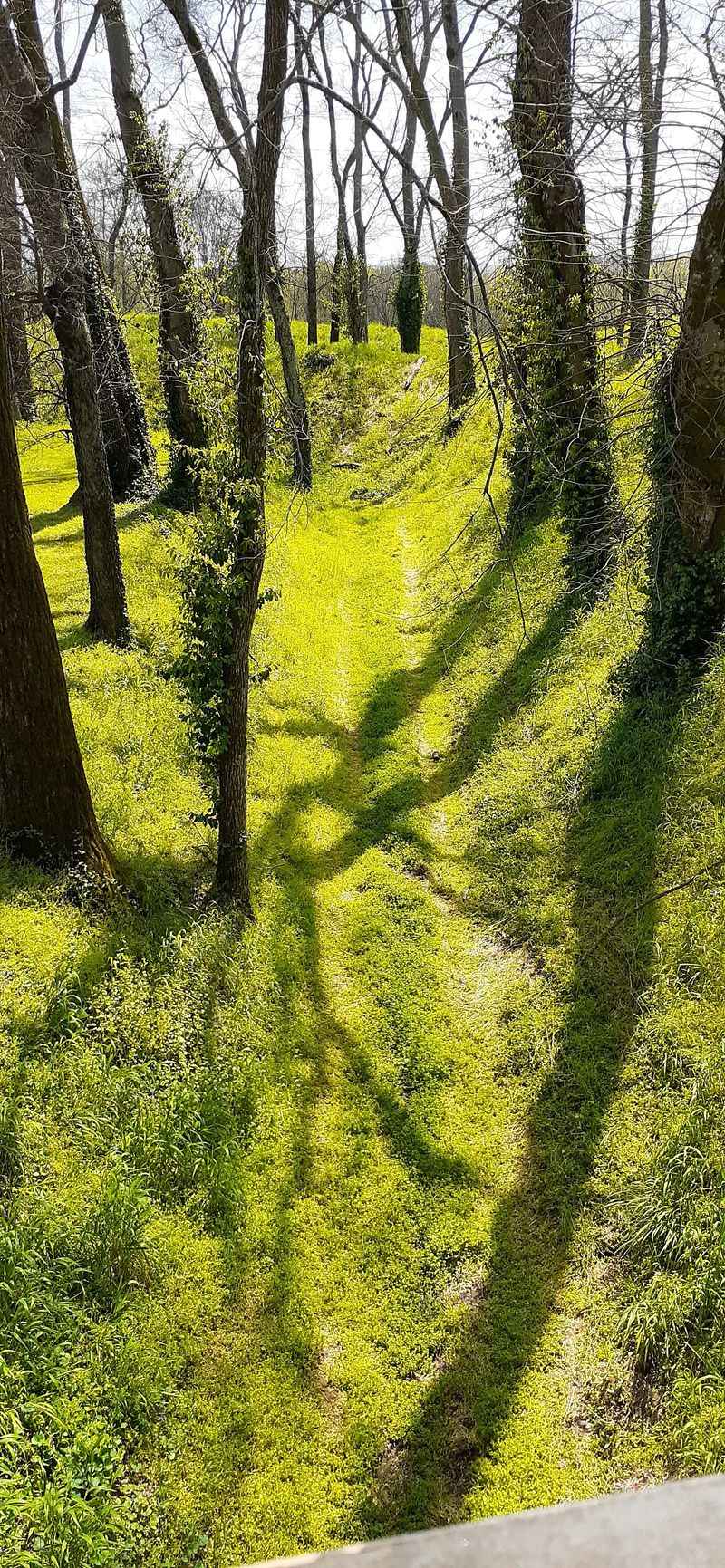
Dirt, it turns out, has an excellent memory. The earthworks at Fort Granger are surprisingly well defined after so many years.
The trenches and mounds wrap around the grounds and give the park its shape. They are the main attraction, even if they do not look like a classic castle fort.
Soldiers built earthen forts because packed soil could absorb attacks better than many other materials. The mounds you see today are the outline of that work.
Spotting them takes a little attention at first. Once the eye catches one long ridge, the rest of the layout starts to pop out across the hilltop.
The signs help here too. They point out where certain features stood, so the lines of earth become walls, trenches, and lookout spots in your head.
Kids especially seem to love this part. Some families have come for decades and still remember playing around the old fort as their children grew up.
Not bad for a pile of dirt with a resume dating back to the 1860s.
Boardwalks, Asphalt, and Dirt Paths
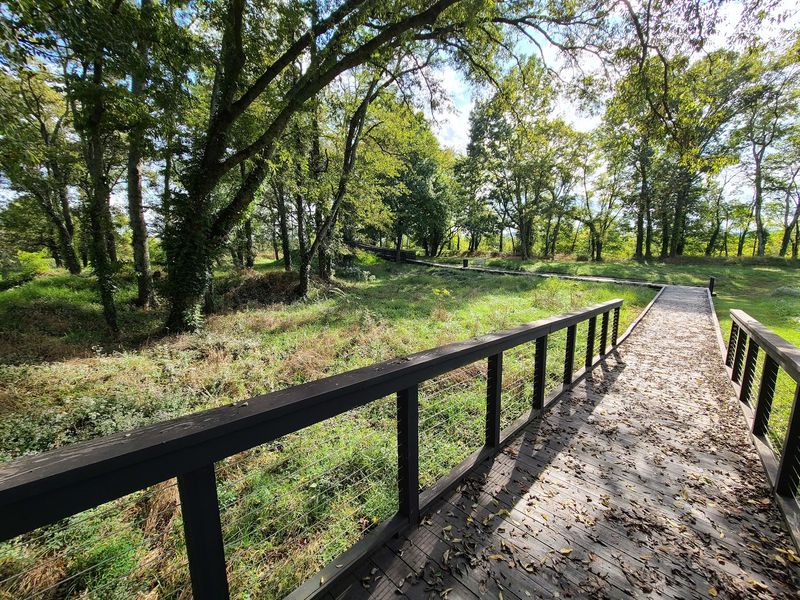
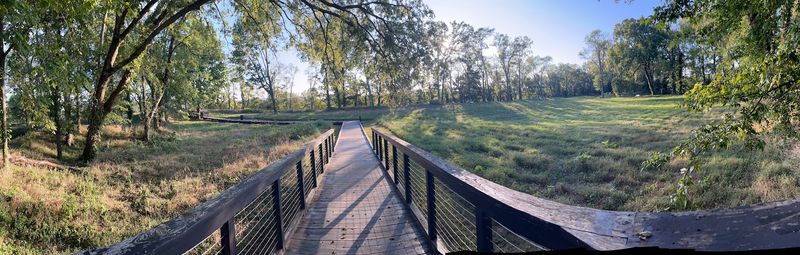
Three kinds of trail surfaces share this small park. Visitors can choose from dirt, asphalt, and wooden paths.
The wooden elevated boardwalks are the newer addition. Longtime fans say these paths have made the fort even better than before.
The wood planks make the loop very walkable. Strollers and wheelchairs can move along much of it with less trouble.
The dirt paths feel more rustic. Some of the surrounding trails have been described as overgrown at times, so those routes may need a bit more care underfoot.
A fair warning: sections of the boardwalk have been reported as damaged and blocked off with tape in the past. Watch for closures and follow any barriers you see.
Still, most people find the main loop easy and pleasant. It is a nice little walk rather than a tough hike.
Pick your surface, lace up, and let the trail lead you from one sign to the next.
Signs That Do the Storytelling
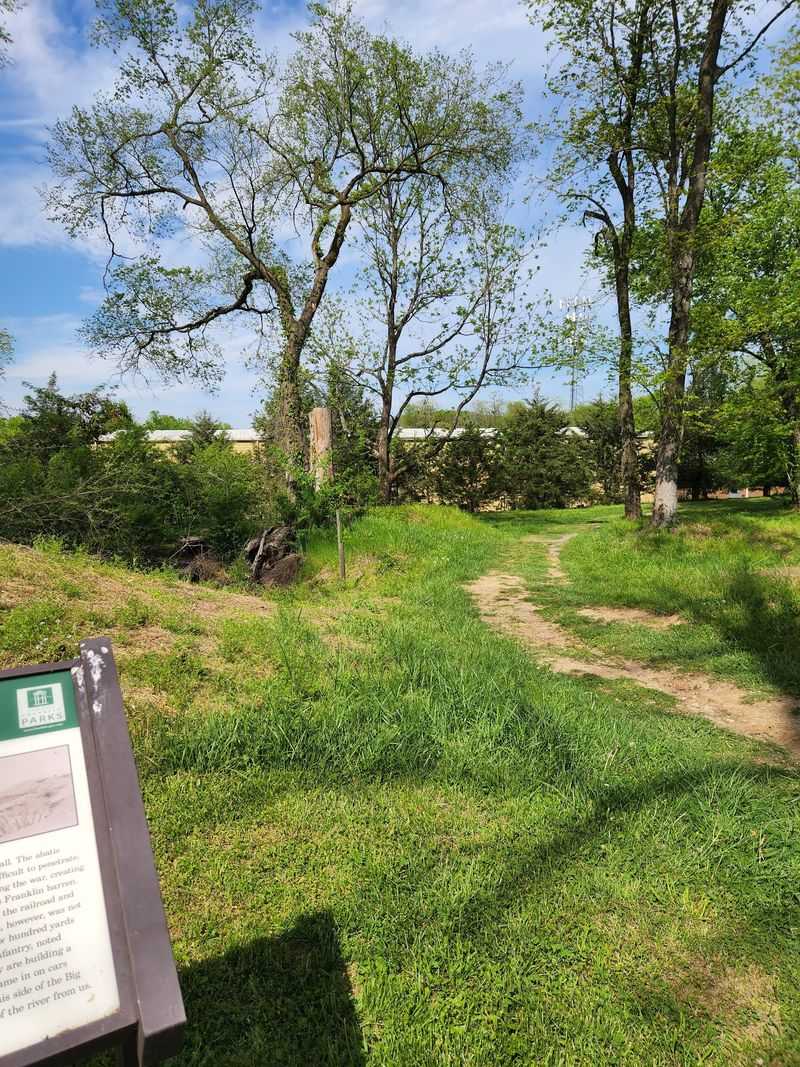
No tour guide is needed here, because the plaques handle the job. Interpretive signs and markers line the trail and explain the history and battles.
People often call these markers informative and interesting. They describe how the fort was laid out and how soldiers used it.
That matters, since there is no rebuilt fort on the site. The signs fill in the missing pieces.
With a little imagination, the empty hilltop turns into a working fort again. The text and diagrams help you place walls and positions on the land around you.
Some readers stop at every placard. Others skim a few and enjoy the walk, which works too.
Time can run short if you try to read them all in a rush. Plan for a slower pace if history is your main reason for coming.
Think of each sign as a chapter. By the end of the loop, you have read the whole book.
An Audio Tour in Your Pocket
Your phone can become a history teacher at this stop. Fort Granger is part of a guided audio tour that you can hear on your own device.
That adds another layer to the walk. Instead of only reading, you can listen while you look at the earthworks.
It works well for people who like to keep moving. Pause at a mound, press play, and learn what happened there.
A suggested visit of 45 minutes to an hour fits nicely with the audio tour. That gives enough time to listen, wander, and sit for a bit.
Bring a charged phone and maybe a pair of earbuds. Those small steps keep the experience smooth from start to finish.
Since details on the tour can change, the city parks page is a good place to look before you go.
History has never been easier to carry around.
Down to the Harpeth River
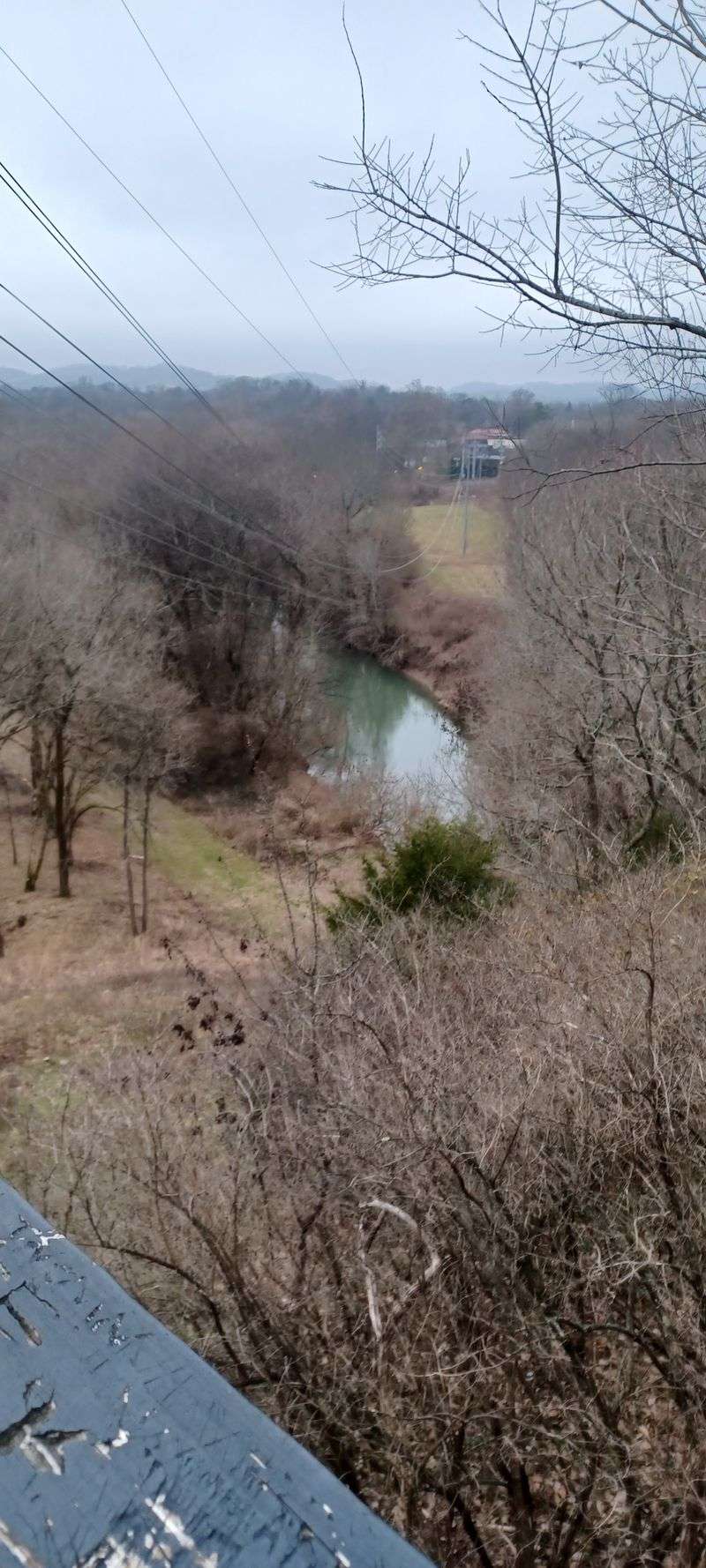
Going down is the easy part. Coming back up gives your legs a quick history lesson of their own.
The Harpeth River runs along the edge of the park. A walk down to the river is fairly easy and well worth the effort.
From the bottom, the strategy of the fort becomes clear. You can see how soldiers up top could watch everything below.
The return climb is the tougher stretch. It shows just how hard an uphill approach would have been for troops under fire.
Families have made this part of their tradition, coming back year after year to watch the sun set over the river.
Wear shoes with good grip for this stretch. Dirt paths can be uneven, especially near the slope.
Then take a breather at the top. You earned it, and the river will still be there next time.
Wildflowers, Bees, and Quiet Benches

History buffs are not the only fans of this hilltop. Nature lovers find plenty to enjoy here too.
The park has grassy fields and wildflowers, and bees are busy among the blooms. Photographers enjoy snapping flowers and flying insects.
A few benches are placed around the grounds. They make good spots to rest and enjoy the scenery.
Birds are part of the scene as well. Many people describe the walk as calm and peaceful, a good place to slow down.
Even when the larger park area is busy, the trail itself often stays quiet. That makes it a nice break from a busy day in town.
There are also plenty of shady areas. Those help on bright days when the open fields get warm.
Sit, rest, and let the history and the wildflowers share the spotlight.
Best Hours for a Hilltop Stroll
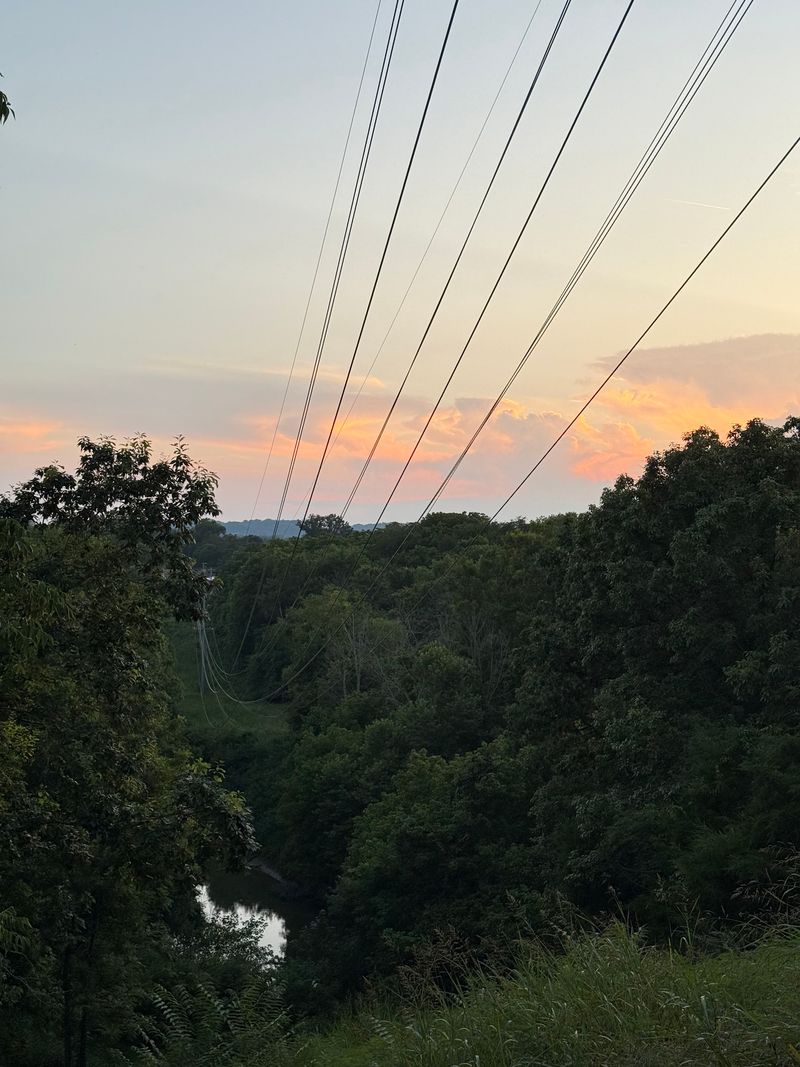
Timing can change the whole mood of this walk. Morning walks are a favorite because the park is quiet and the sky is wide open above the hill.
Sunsets get plenty of love too. In winter, once the leaves have fallen, the view opens up even more.
Summer can be hot on the open grounds. Some people skip the trails entirely on very warm days, so early or late visits make sense then.
The view of the city is a big draw at any hour. From the top, Franklin spreads out below.
Dogs make great walking partners here as well. The park is known as very dog friendly, so bring a leash and some water for your pup.
Sunny days with shade, cool mornings, or winter evenings each bring a different feel. Pick the one that fits your schedule.
The hill does not change much, but the light certainly does.
Hours, Parking, and Handy Tips
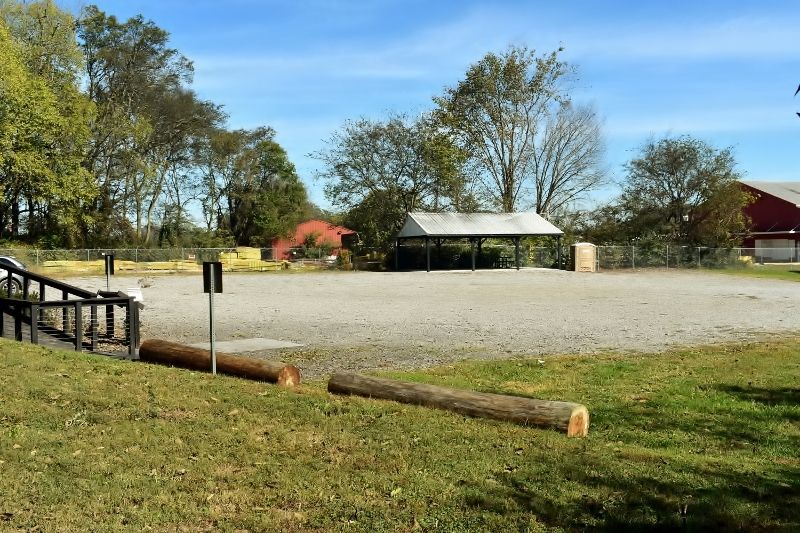
Good news first: there is no admission fee. Fort Granger is free to explore.
The park is open every day from 6 AM to 8 PM. That gives plenty of room for an early walk or an evening visit.
There are no bathrooms on site, so plan ahead. Bring water, especially in warm weather.
The driveway leading up has been described as gravel in rough shape at times. Some people prefer to park at nearby Pinkerton Park and take the short walk up instead.
Accessibility is fairly good thanks to the wooden boardwalks. The site is described as wheelchair accessible, though some parts are only somewhat accessible, so expect a few limits.
Keep an eye out for taped-off areas if repairs are underway. Most recent visits describe the grounds as well kept, laid out, and clean.
For questions, the City of Franklin parks website has current details.
A little planning goes a long way on this small hill.
Worth the Short Climb
Expectations matter here. Anyone hoping for towering walls will only find the place where the fort once stood.
For everyone else, the reward is bigger than it looks. The earthworks, signs, and views tell a story that a rebuilt fort might never match.
It suits history fans, families, dog walkers, and photographers alike. It also works for anyone who wants an hour of calm above a busy town.
The city keeps the grounds in good condition, and many returning guests say it looks better than it did years ago.
Plan 45 minutes to an hour, read a few markers, and walk down toward the river if your legs are up for it. Add a sunset, and the trip feels complete.
Fort Granger proves that history does not need walls to stand tall. Sometimes a few well-shaped mounds and a good view are all it takes.
Enjoyed this story?
Add Fast Food Club as a preferred source to see more of our reporting on Google.