



Every January, a stretch of the Illinois River turns into one of the best eagle-watching spots in the Midwest. Hundreds of bald eagles show up when the cold sets in, and they are not here for the scenery.
They are here for lunch. Churning water below a river dam stays open while much of the river freezes, and that open water means fish within easy reach.
Birders, families, and photographers bundle up and line the riverbank to watch the show. Big white heads appear in the treetops, and broad wings swoop low over the current.
Some birds perch on ice floes, while others glide across to a wooded island. The spot is easy to reach, free to enjoy, and close to a famous state park.
Keep reading to learn where it is, why the eagles come, and how to plan a winter trip that pays off.
A River Landmark Near Ottawa
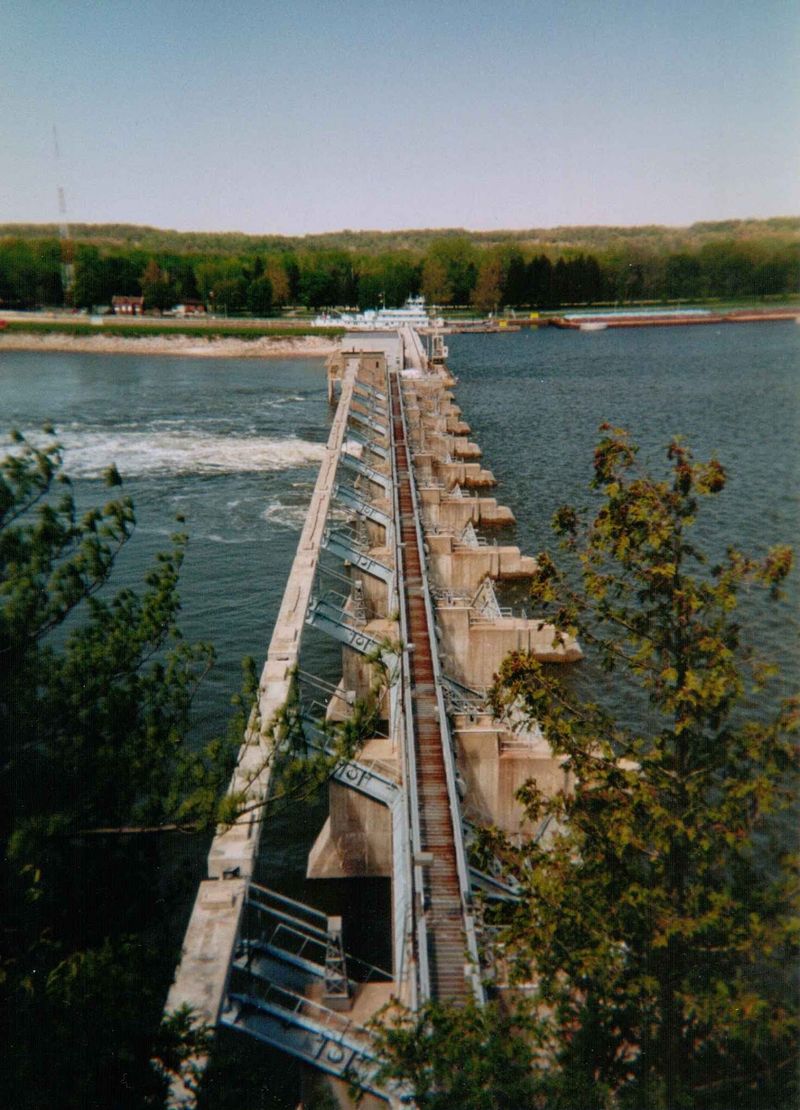
Starved Rock Lock and Dam sits on the Illinois River at Ottawa, IL 61350, in north central Illinois, USA. It is a working dam, not a theme park, and that is a big part of its charm.
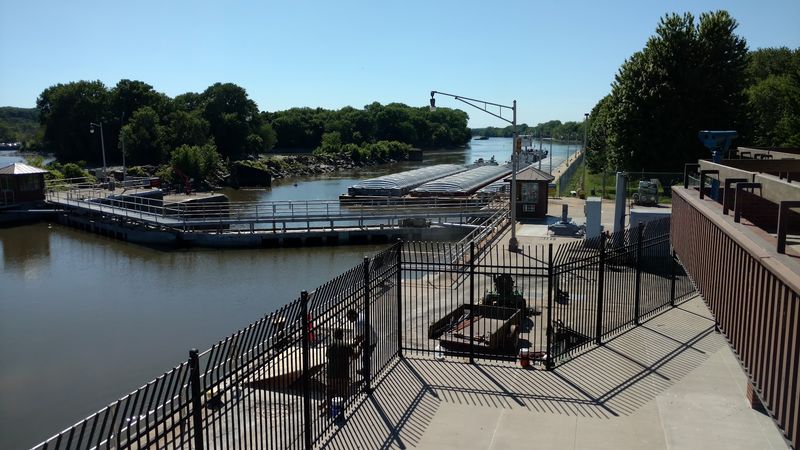
The structure stretches across the river and helps control water levels for boat traffic. Barges move through the lock chamber, while the dam gates manage the flow of the river.
Each winter, though, the dam gets a second job. It becomes a magnet for bald eagles, and people follow right behind them.
The site lies near Starved Rock State Park, one of the best-known outdoor destinations in Illinois. Many trips combine the two, since they share the same stretch of river and the same rocky bluffs.
Plenty of travelers know the area for its canyons and trails in warmer months. Fewer realize that the coldest weeks bring some of the most exciting wildlife watching of the year.
So the dam is easy to find, easy to reach, and loaded with winter surprises. The real question is why so many eagles pick this one spot.
Why Open Water Matters
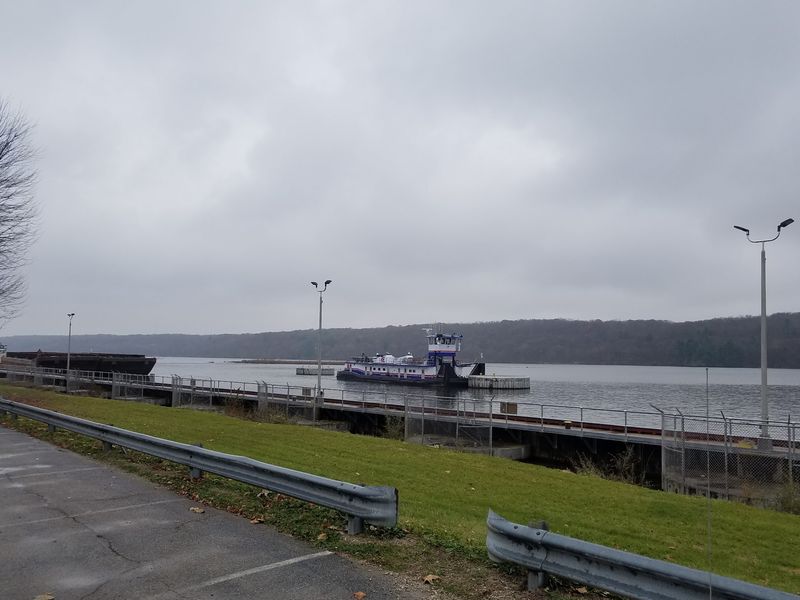
Eagles follow the food, and food follows the open water. That simple rule explains the winter crowd at Starved Rock.
When temperatures drop, large parts of the Illinois River can freeze over. Below the dam, though, moving water often stays open.
Fish get swept through the dam gates, and some end up stunned or near the surface. For a bald eagle, that is about as convenient as a drive-through window.
Many of these birds travel south from colder areas where lakes and rivers lock up completely. They need somewhere to eat during the hardest stretch of winter.
A dam with reliable open water fits that need perfectly. Several dams along major Midwest rivers draw eagles for the same reason, and Starved Rock is one of the most popular in Illinois.
So the crowd is not random. It is a smart survival plan, and the birds stick to it year after year.
Hundreds of Wings in the Trees
Counting eagles here can turn into a real challenge. On good days in peak season, the number of birds in the area can run into the hundreds.
Many perch in the tall trees across the river, especially on the wooded island near the dam. From the bank, the white heads stand out against the dark branches.
A pair of binoculars turns a few white dots into a whole row of eagles. Kids often start counting and lose track by the time they reach twenty.
Numbers change from day to day and from year to year. Weather, ice, and fish supply all play a role in how many birds show up.
A milder winter may spread eagles out along the river. A sharp cold snap can pack them in near the dam where the water stays open.
Either way, seeing even a dozen wild bald eagles in one morning is a treat. Seeing far more than that is the kind of story people bring home and repeat for weeks.
Fishing Lessons From the Pros
Patience pays off at the riverbank. Sooner or later, an eagle drops from a branch, glides low, and snatches a fish from the water.
The move happens fast. Talons reach down, wings pump hard, and the bird climbs away with its catch.
Sometimes the drama does not stop there. Other eagles may chase the lucky hunter, trying to steal the meal in midair.
That kind of sky-high squabble is common at busy feeding spots. It is a reminder that a national symbol can also be a bit of a bully when lunch is on the line.
Some eagles also land on floating ice to eat. A chunk of ice drifting downstream can become a moving dinner table.
Watching the pattern for a while helps. Birds often fly the same routes between the trees and the open water, so a good observer can predict the next pass and keep the camera ready.
Plum Island and the Neighborhood
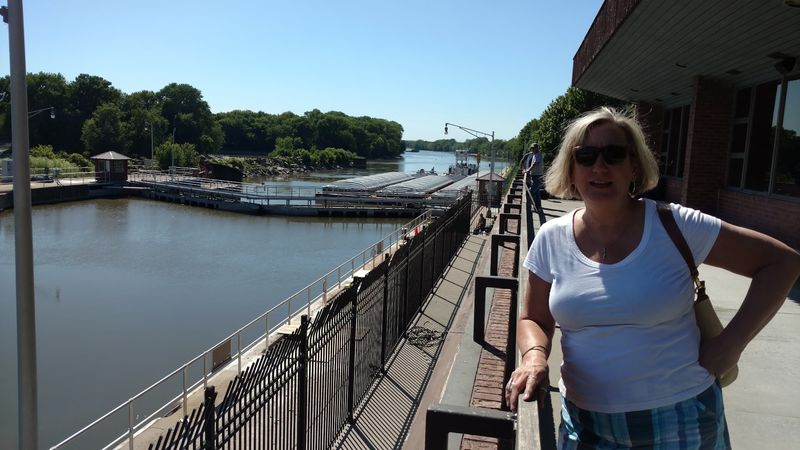
Across from the dam sits Plum Island, a wooded patch of land in the river. It plays a quiet but key role in the eagle story.
The island gives the birds tall trees for perching and resting. It also offers some distance from people on shore, which helps the eagles feel secure.
Protection efforts in the area have aimed to keep the island as eagle habitat. That means watching happens from the riverbank, not on the island itself.
For watchers, the setup works well. The island sits close enough that eagles are easy to spot, yet far enough that the birds can go about their business.
Nearby bluffs and the wider Starved Rock area add more wooded shoreline. Eagles often move up and down the river, so the whole valley can feel busy on a strong day.
Respecting that space keeps the birds coming back. A calm eagle stays put, and a stressed one simply leaves.
A Comeback Story Worth Celebrating
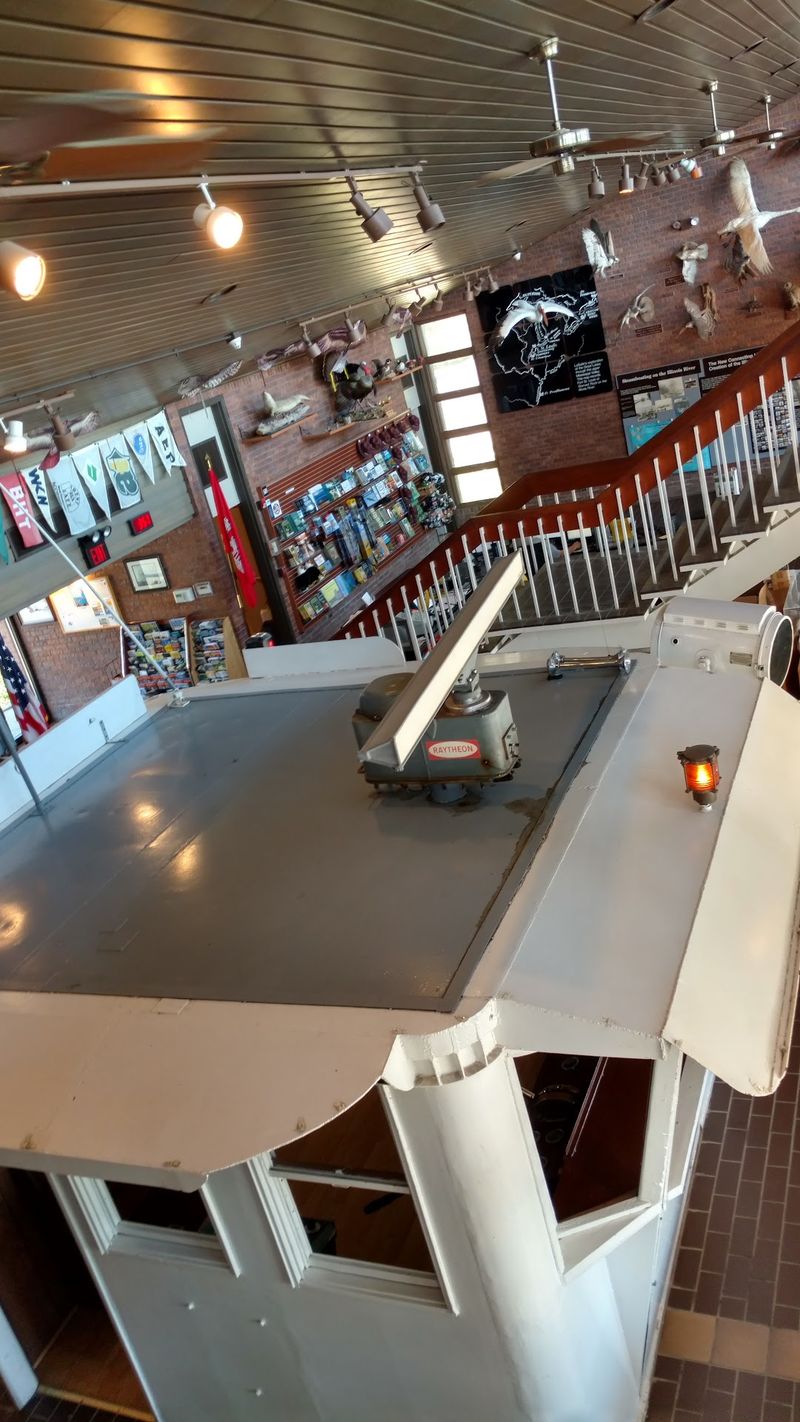
Not too long ago, a crowd of eagles like this would have seemed almost impossible. Bald eagle numbers across the lower 48 states dropped sharply in the twentieth century.
Pesticides such as DDT harmed eagle eggs, and habitat loss made things worse. The bird became a protected species, and conservation work got rolling.
After DDT was banned in 1972 and protections were put in place, eagles slowly bounced back. In 2007, the bald eagle was removed from the federal endangered and threatened species list.
Winter gatherings like the one at Starved Rock show how far that recovery has come. Seeing hundreds of eagles in one place is a living scoreboard for conservation.
Eagles are still protected under federal law. Watchers should keep their distance and never disturb the birds.
That history adds meaning to every sighting. Each white head in the treetops is part of a comeback that took decades of effort.
Best Weeks for an Eagle Outing
Timing matters more than almost anything else. The eagle season here generally runs through the coldest part of winter.
January and February are usually the strongest months. Cold snaps that freeze much of the river tend to push more eagles toward the open water below the dam.
Early December and early March can still bring sightings. Numbers are often lower, though, as birds arrive or start heading north.
Morning is a popular time to watch. Eagles are often active then as they head out to feed.
Checking local conditions before a trip is smart. A sudden warm spell can thin out the crowd of birds, while a hard freeze can bring a big show.
Flexibility helps. A weekday visit may also mean fewer people on the riverbank, which leaves more room to set up a scope and settle in.
Eagle Watch Weekend Traditions
Some weekends turn eagle watching into a community event. The Starved Rock area has long hosted an annual Bald Eagle Watch Weekend in January.
These events have typically included programs about eagles and other birds of prey. Volunteers and staff often help people spot birds and answer questions.
For beginners, that kind of guidance is a big help. It is much easier to find an eagle when someone points out exactly which tree to check.
Programs and details can change from year to year. Checking the Starved Rock State Park schedule before going is the best way to confirm dates.
Event weekends can be busy, so parking and viewing space may fill up. Arriving early is a good plan.
Quieter days have their own appeal too. Without the crowds, the riverbank feels more relaxed, and the eagles carry on with their daily routine as usual.
Boats, Barges, and Big Gates

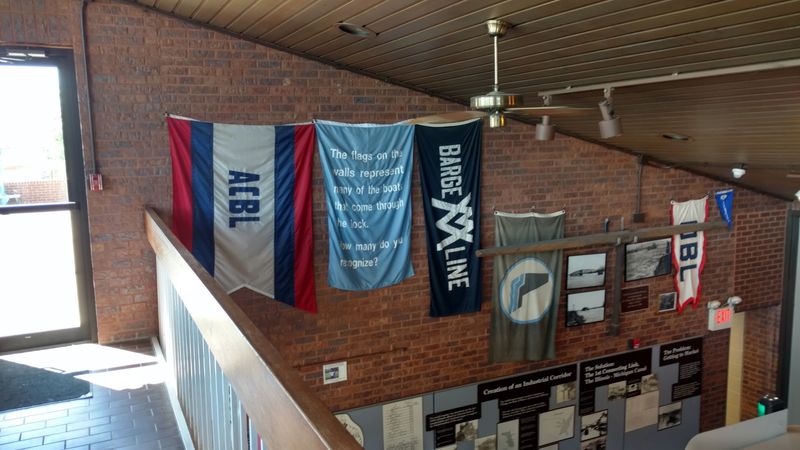
Eagles get the spotlight, but the dam itself has a story too. Starved Rock Lock and Dam is part of the Illinois Waterway system, operated by the U.S.
Army Corps of Engineers.
The Illinois Waterway links the Great Lakes region to the Mississippi River. That makes it an important route for barge traffic moving goods through the state.
A lock works like a water elevator. Boats enter a chamber, the water level rises or falls, and the vessel continues on its way.
The lock and dam were built in the 1930s as part of the waterway project. They have been helping river traffic for generations.
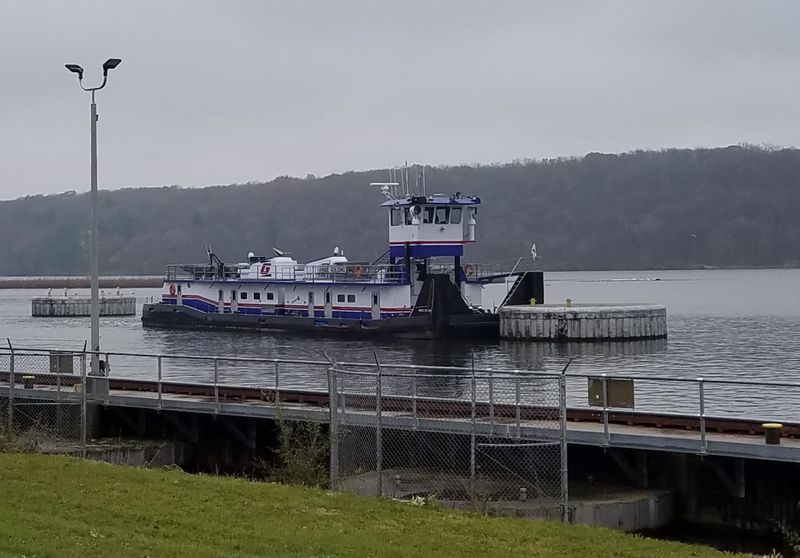
Spotting a barge passing through while eagles circle overhead makes for a fun double feature. Industry and wildlife share the same stretch of water here.
Kids who come for the birds often leave asking about the lock too. That is a bonus lesson nobody had to plan.
Gear That Makes a Difference

Good optics turn a decent outing into a great one. Binoculars are the single most useful item to bring.
A spotting scope on a tripod helps even more for birds perched across the river. Event days sometimes offer scopes set up by volunteers, but having your own adds freedom.
Photographers usually want a long telephoto lens. Eagles keep their distance, and a short lens will mostly capture tiny specks.
Winter clothing is just as important as camera gear. Layers, a warm hat, gloves, and insulated boots help people stay outside long enough to catch the action.
Wind along the river can make it feel colder than the forecast suggests. Hand warmers are a small item that earns its spot in the bag.
A field guide or bird app helps sort out young eagles, which lack the white head and tail. Those brown juveniles fool plenty of newcomers.
Who Gets the Most Out of a Visit
Families, retirees, photographers, and curious road trippers all find something to enjoy. The appeal is wide because the activity is so simple.
No long hike is required to see eagles near the dam. That makes it a solid choice for people who want wildlife without a tough trail.
Young kids often love the idea of spotting a real bald eagle. Short visits work best for them, since standing still in the cold gets old fast.
Photographers tend to stay longer. They wait for flights, catches, and those midair chases between birds.
Bird lovers may also spot other winter species along the river. Ducks, gulls, and other water birds can show up in the open water too.
Etiquette matters for everyone. Quiet voices, steady movement, and respect for posted areas help keep the eagles calm and the experience pleasant for the next group in line.
Planning the Trip
Getting there is fairly simple. The dam sits near Ottawa and Utica in LaSalle County, not far from Interstate 80.
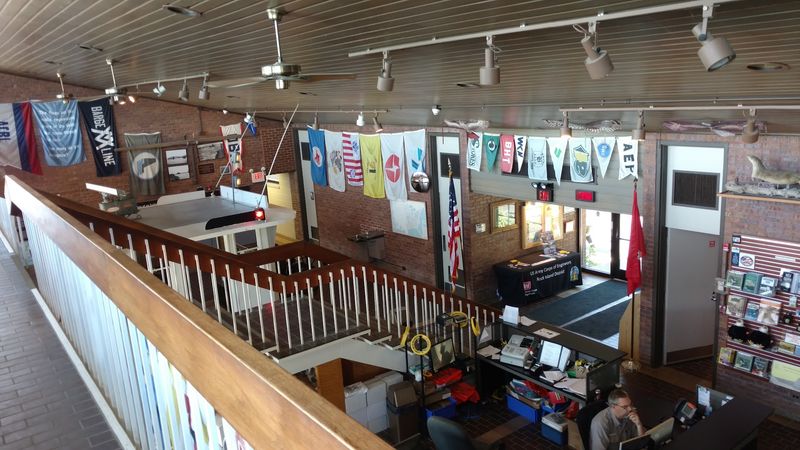
Many people use the Starved Rock State Park visitor center as a starting point. It is a handy place for maps, information, and updates on eagle activity.
Eagle watching itself is generally free. Specific hours for viewing areas near the dam are not listed in the available data, so checking ahead is wise.
Winter roads and parking areas can be icy. Driving carefully and wearing boots with good grip makes a big difference.
The state park offers more to explore on the same day. Some trails may be limited by ice in winter, so checking conditions before heading out is smart.
Restrooms and warm-up breaks are easier to find at the park than at the riverbank. Planning a stop or two keeps everyone comfortable through a long morning of watching.
A Winter Trip That Soars
Plenty of winter outings feel like a chore. A trip to see the eagles at Starved Rock Lock and Dam usually feels like the opposite.
It combines a working piece of river history with one of the best wildlife comeback stories in the country. All of it fits into a single morning near Ottawa.
Not every visit will bring hundreds of birds. Weather and ice decide that, and nature does not hand out schedules.
Even a quieter day can deliver a close flyby or a fish snatched from the current. Those moments tend to stick around long after the cold wears off.
Bring binoculars, dress warmly, and give the birds their space. Pair the trip with a stop at the nearby state park for a full day out.
The eagles will keep coming back as long as the water stays open and the fish keep moving. That seems like a good reason to come back too.
Enjoyed this story?
Add Fast Food Club as a preferred source to see more of our reporting on Google.