


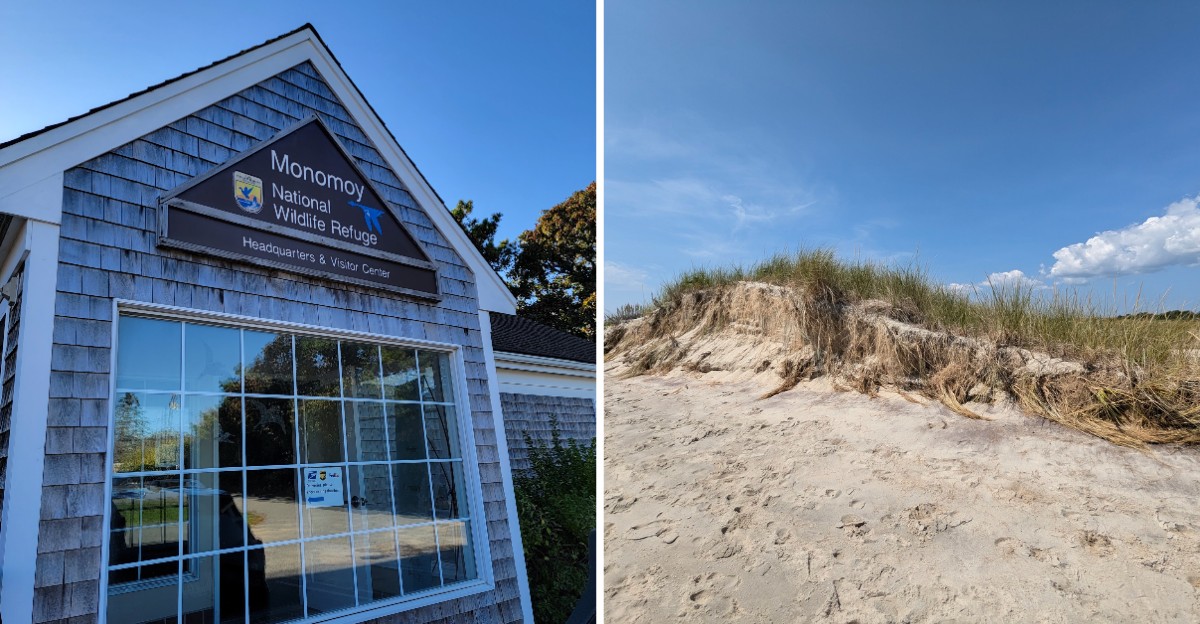
At the elbow of Cape Cod, a narrow road climbs past big houses and ends at a small parking lot that looks almost too modest to matter. Keep going on foot, and the reward is a stretch of protected shoreline where seals rest on sandbars and shorebirds work the flats at low tide.
Chatham is famous for its seals, but this spot offers something rarer than a sighting: room to breathe. There is no ticket booth, no crowd, and no snack stand.
What awaits instead is a set of flat trails, wide beaches that shift with every tide, and a team of friendly volunteers with binoculars to share. The sections ahead cover where to park, how to find the hidden trailhead, when the tide works in your favor, and the small precautions that keep a peaceful walk peaceful.
A Refuge at the End of Main Street
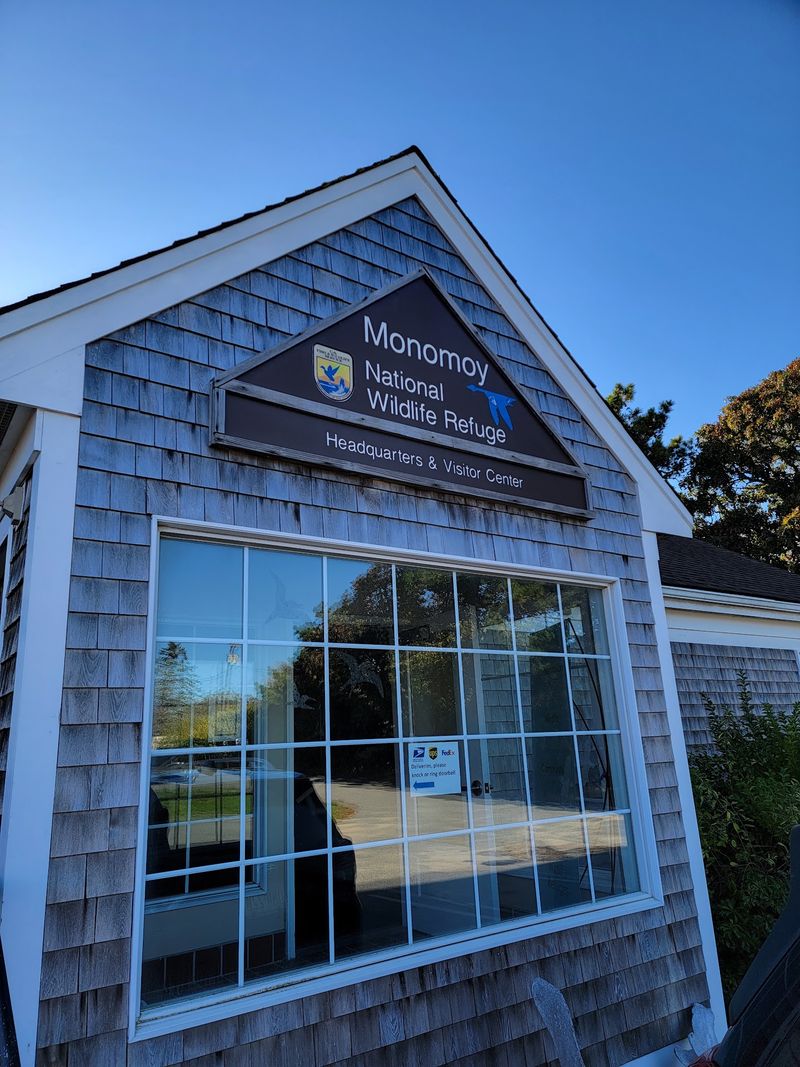
Some of the best places on Cape Cod do not announce themselves with billboards. Monomoy National Wildlife Refuge sits quietly at 791 Main St, Chatham, MA 02633, in the southeastern corner of Cape Cod, Massachusetts, United States.
Run under the U.S. Fish and Wildlife Service, the refuge protects a slice of fragile coastline where land, marsh, and sea keep trading places.
The headquarters area near Morris Island serves as the main gateway for people arriving by car or bike.
Its official description mentions a visitor area with maps, exhibits, and hands-on games, plus walking-trail maps to help newcomers get oriented. That setup has changed over the years, which later sections explain.
The refuge holds a 4.6-star average across more than 680 public opinions, a strong showing for a place with no gift shop or attractions in the usual sense. People come here for open space, birds, tides, and the chance of spotting seals.
Getting there takes a little patience, and finding the trail takes a little more. Once on the shoreline, though, most people agree the effort pays off quickly.
The real story begins with how the coast itself keeps rewriting the map.
Erosion, the Refuge’s Restless Architect
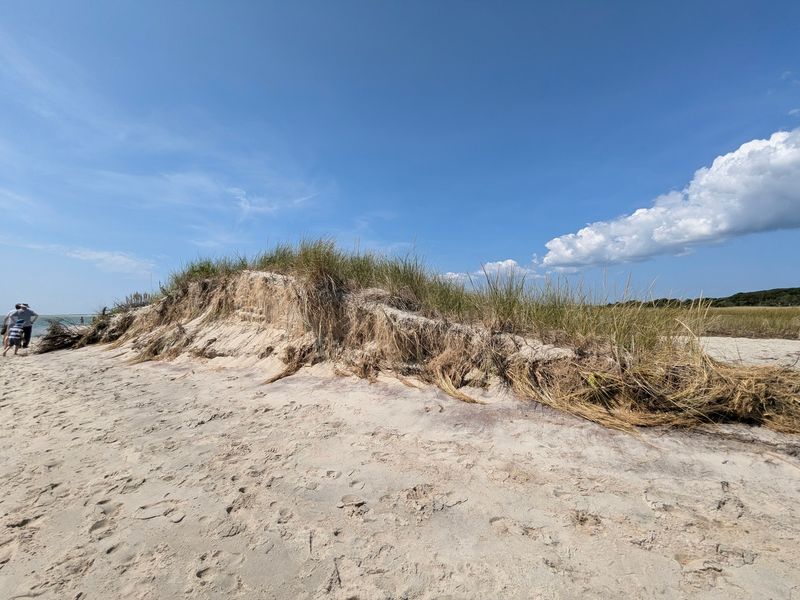
Nature does the remodeling here, and it never asks permission. Coastal erosion has reshaped the headquarters area so dramatically that longtime returnees sometimes arrive confused.
The small museum that once stood near the parking lot was taken down after the shoreline crept too close. The former visitor building, restrooms, and the trail and beach right in front of the lot are also gone.
A beloved seaside trail of roughly three miles, once walkable at low tide, is no longer accessible because a section of beach washed away. Those who remember watching that path vanish behind them as the tide rose now treat it as a fond memory.
In place of the old museum, a simple shed with information tables now greets arrivals. It is humbler, yet it still does the job of pointing people toward the water.
The changes are a living lesson in how quickly a barrier coast can shift. A refuge built to protect wildlife is also showing, in real time, why protection matters.
Every visit offers a slightly different shoreline than the last, which brings up the question of how to actually reach it.
The Neighborhood Detour to the Trailhead
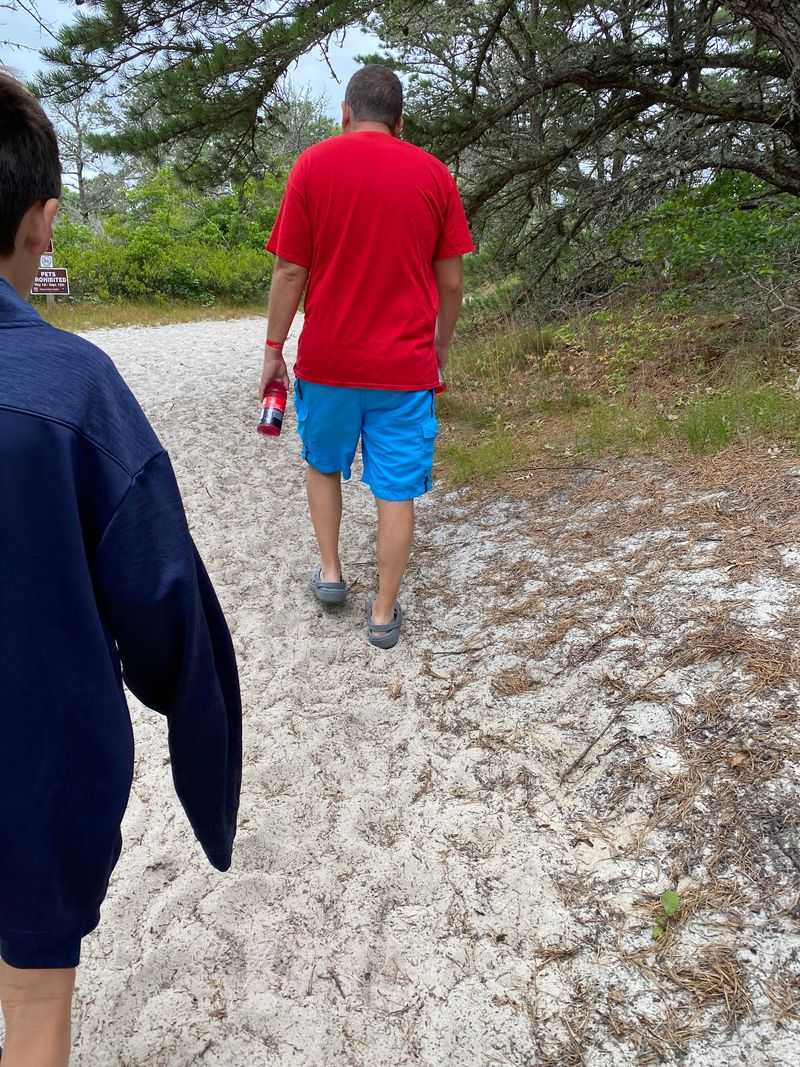
Here is the part that surprises nearly everyone. The trail no longer starts at the parking lot, so the walk begins on a road through an upscale residential neighborhood.
From the lot, head back down the road, turn into the neighborhood, and follow the signs. The stroll takes about ten minutes, or roughly half a mile, past large waterfront homes and boats.
Signs reading “private way” and “no unauthorized motorized vehicles” can make the route feel off limits. The refuge is public, and walkers on the designated route are welcome.
The trail entrance is easy to miss, and plenty of people walk past it the first time. Snapping a photo of the posted map before leaving the lot is a smart move, since signage becomes sparse once the trail drops toward the water.
Bikes work well too, and some locals simply pedal over from nearby homes. However the trip starts, the neighborhood section ends at a short sandy path, and that is where the scenery opens up in a big way.
Seals on the Sandbars
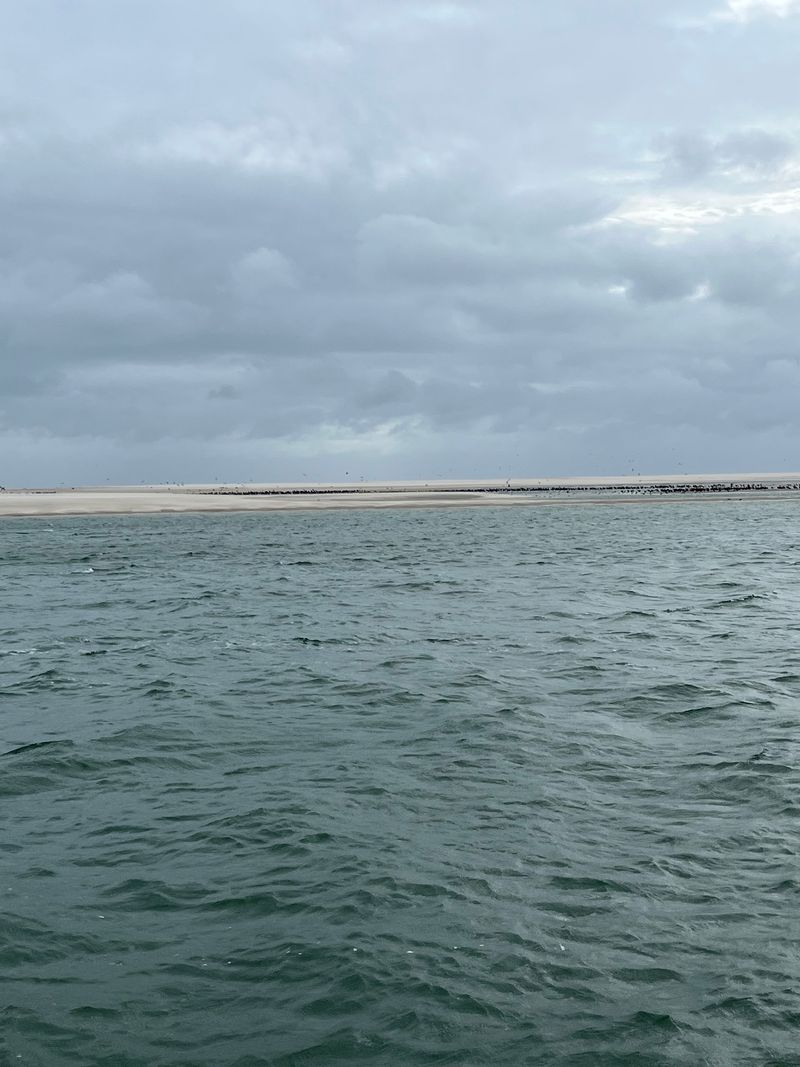
Chatham and seals go together like tides and the moon. Waters around the refuge are known for seals hauling out on sandbars, and lucky walkers have watched large groups resting in the sun.
Sightings are never guaranteed. Some people leave without spotting a single one, while others catch them right as the tide begins to rise.
The Friends group stationed near the parking area often has binoculars available. Borrowing a pair makes a real difference, since seals often rest farther out than the naked eye can comfortably follow.
Cooler months bring a calmer shoreline, and that quiet is part of the appeal of a winter trip. Fewer people on the beach means more space to scan the bars patiently.
For a closer look, some travelers book a boat charter or rental out to the uninhabited Monomoy Island, where seals gather in numbers. That trip comes with its own planning, including sunscreen and water, since the island has no shade at all.
Back on the mainland trail, though, the birds may steal the show.
Birds Worth Bringing Binoculars For
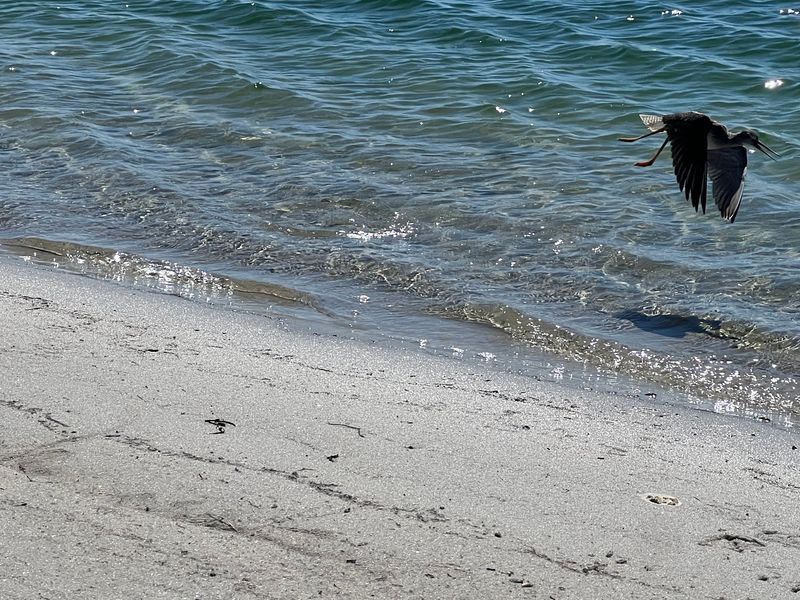
Birders tend to linger longest here, and with good reason. The tidal flats draw plovers, cormorants, yellowlegs, sandpipers, gulls, and egrets, along with migrating species passing through.
Cormorants can be spotted diving for food or perched on boat moorings. Gulls put on their own show by dropping clams and mussels onto rocks from the air to crack them open for their young.
Low tide is prime time for shorebirds, when exposed flats become a buffet. Organized bird-watching groups sometimes walk the beach, which says a lot about the quality of the habitat.
Photographers find plenty to work with as well. The open views and low traffic make it easier to set up without anyone wandering through the frame.
Staff and volunteers appreciate reports of injured birds, so mention anything unusual at the information shed. A good habit for any birder is keeping a respectful distance and staying on paths.
Feathered residents aside, the shoreline holds smaller treasures that reward a slower pace.
Horseshoe Crabs and Tide Pool Finds
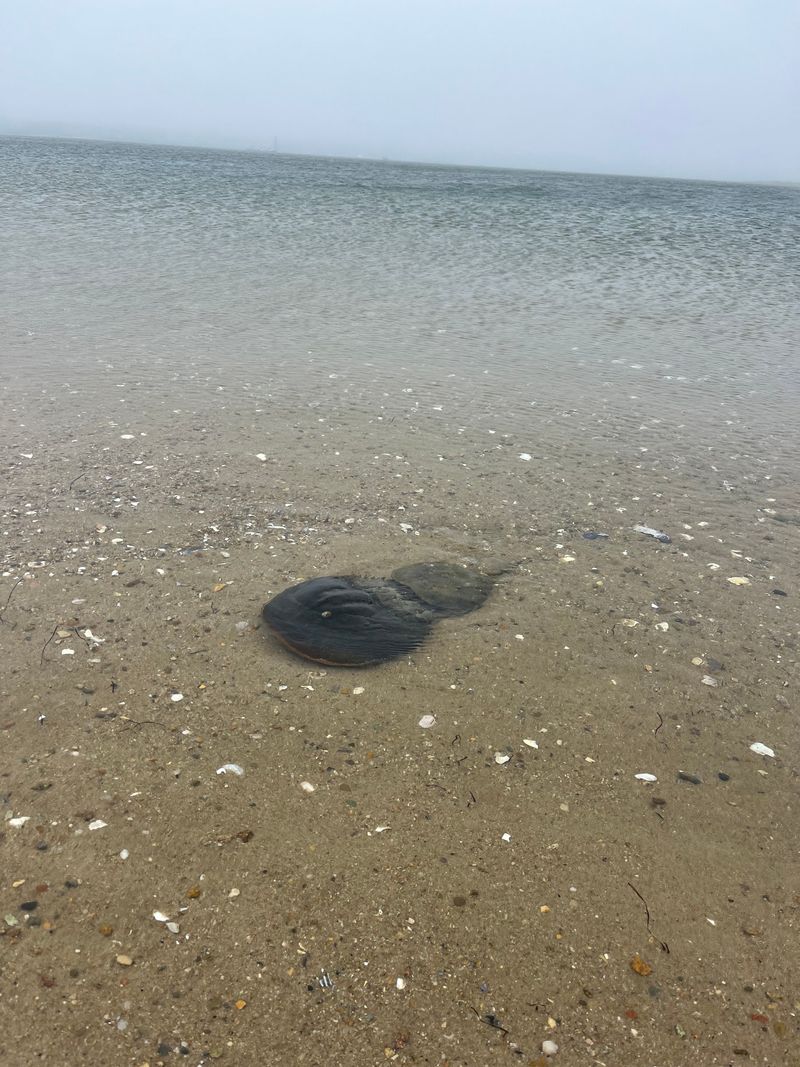
Look down, and the beach starts to feel crowded in the best way. Horseshoe crabs show up along the inland shallows, sometimes by the hundreds.
Baby crabs scuttle through the tidal pools, and starfish have turned up during low-tide walks. Shells are everywhere, which makes the beach a favorite for collectors of small discoveries.
These ancient-looking crabs are a highlight for kids and adults alike. Watching them move through shallow water is a quiet lesson in coastal life.
Tide pools form as the water pulls back, revealing pockets of activity that vanish again a few hours later. Timing a walk around low tide gives the best chance of finding them.
Gentle handling, or better yet no handling, helps protect these creatures. The refuge exists to keep this ecosystem intact, and visitors who treat it carefully keep it that way.
Of course, everything here depends on one big factor, and it changes twice a day.
Reading the Tide Chart Like a Local
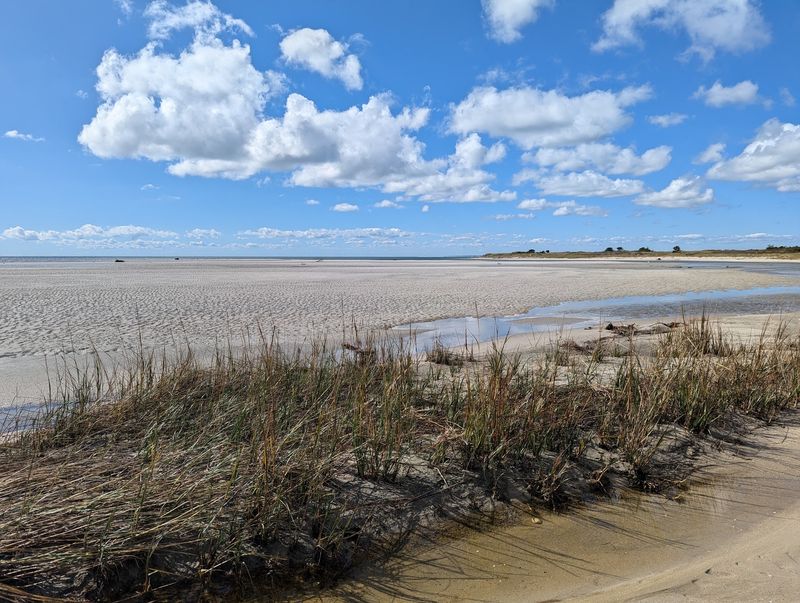
Tides are the most talked-about topic at this refuge, and it is easy to see why. The water level decides how much beach exists on any given afternoon.
At low tide, sandbars appear and the shoreline stretches for a couple of miles of walkable beach. Some areas simply are not reachable at high tide.
Arriving at or near low tide is the most common advice from repeat walkers. Checking a tide chart before leaving home takes a minute and can save a disappointing trip.
High tide brings its own concerns. Currents in the channels run strong, and swimming then is a bad idea.
There is also a steep drop-off offshore, so wading far out is not realistic. Jellyfish appear at times, too.
Wet sections of beach can behave like quicksand, gripping feet more than expected. Sandals or water shoes help, and plenty of people go barefoot at low tide.
Mastering the tide clock turns a nice walk into a great one, and the trails themselves make that walk easy.
Flat Trails, Many Plants, and a Few Stairs
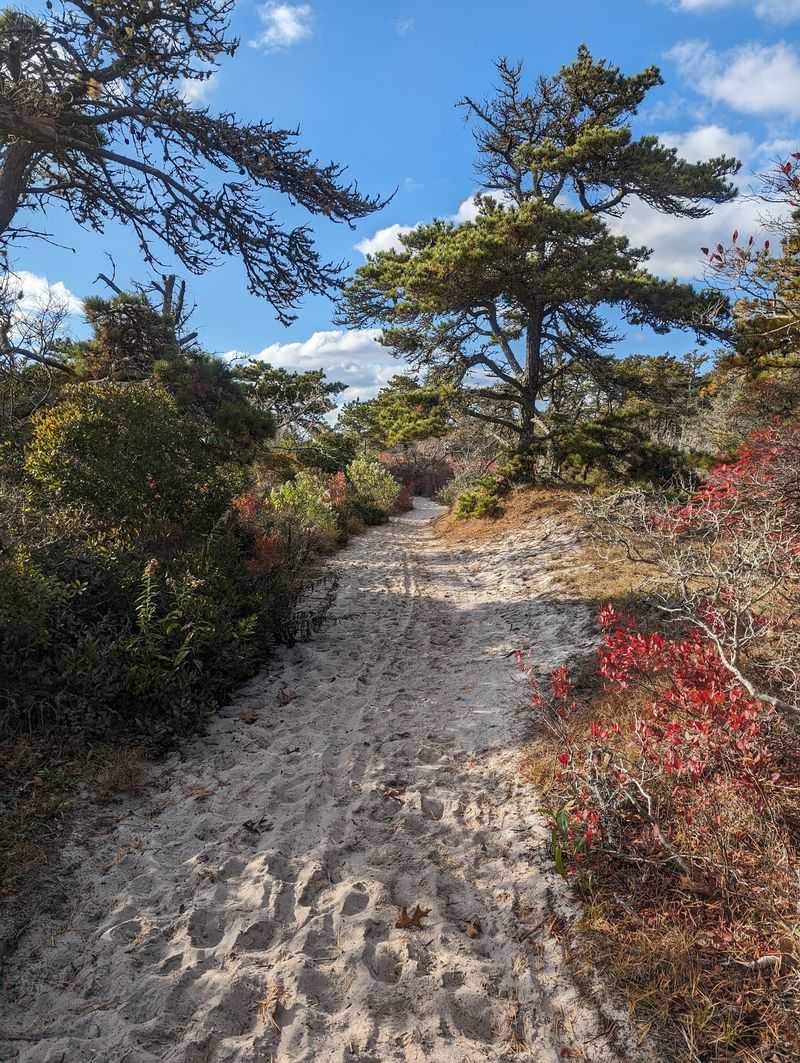
Good news for casual hikers: the trails here are mostly flat. Paths wind through a surprising variety of plant life on the way to the water.
Earlier years featured a mostly decked trail down to the beach, and the current routes still loop toward the shoreline. The walking stays easygoing for most fitness levels.
One caveat matters for families with gear. Getting down the bluffs to the beaches has involved lots of stairs, so strollers and beach carts become a hassle.
Once on the beach, informative signs explain the habitat and its wildlife. They add useful context without slowing the walk.
Staying on marked paths protects the fragile coastal ecosystem. It also lowers the chance of meeting two less welcome locals, which the next section covers.
With manageable terrain and steady views, the trails suit a quick outing or a long ramble equally well.
Ticks, Poison Ivy, and Other Fine Print
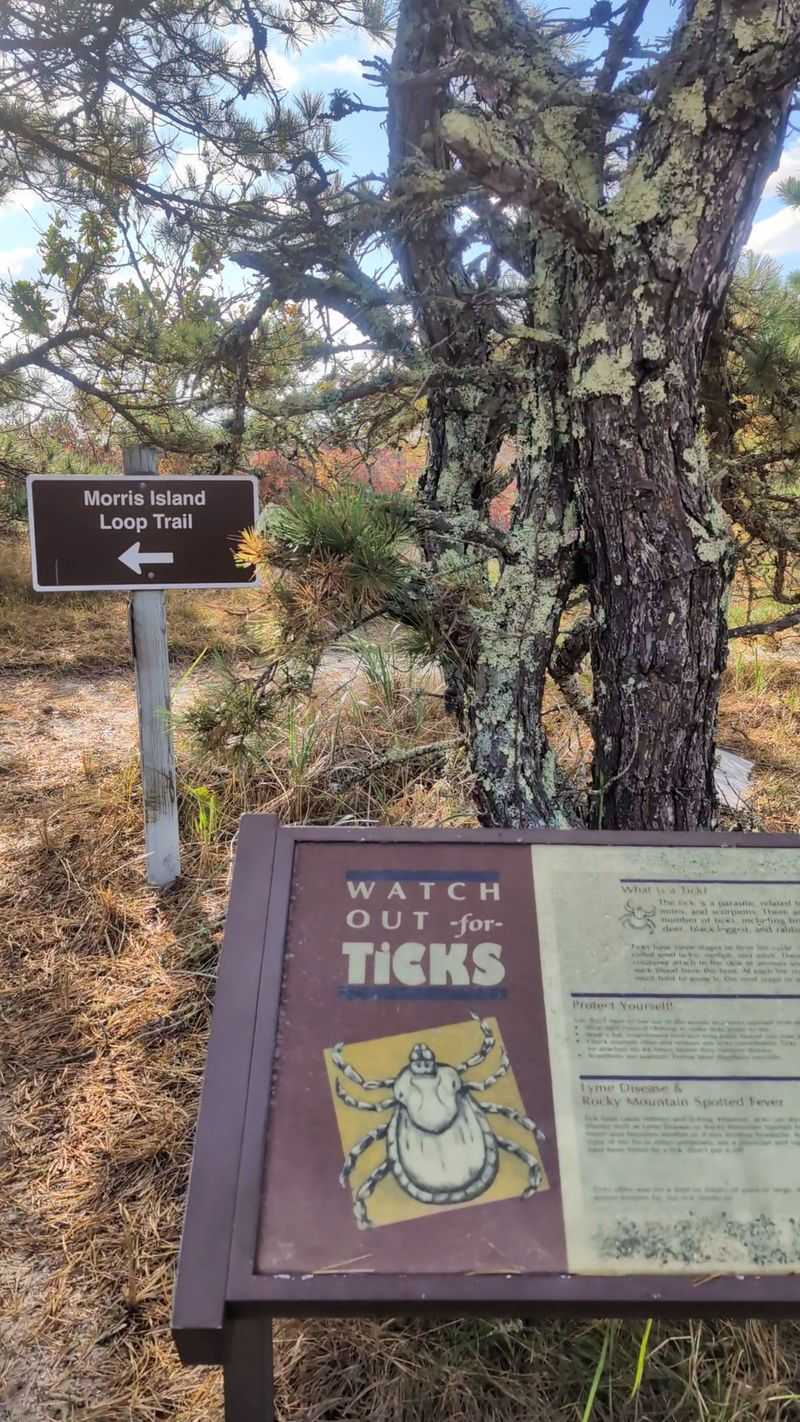
Every paradise has its terms and conditions. At Monomoy, the fine print involves ticks and poison ivy.
The tick warning signs are serious. Use repellent, stay out of tall grass, and check for ticks periodically during and after the walk.
Poison ivy grows right alongside trails and beyond them. Its three shiny leaves are the giveaway, so keep an eye on the edges of the path.
Bugs in general can be plentiful, especially in warmer months. Bug spray earns its spot in the bag.
Sun protection matters too, particularly for anyone heading out to the island, where shade is nonexistent. Bringing water is wise on any trip.
The refuge follows a carry-in, carry-out approach for trash, which helps explain why the shoreline stays so clean. None of this should scare anyone off.
A little preparation keeps the focus where it belongs, on the remarkable sense of calm.
Solitude Even in Peak Season
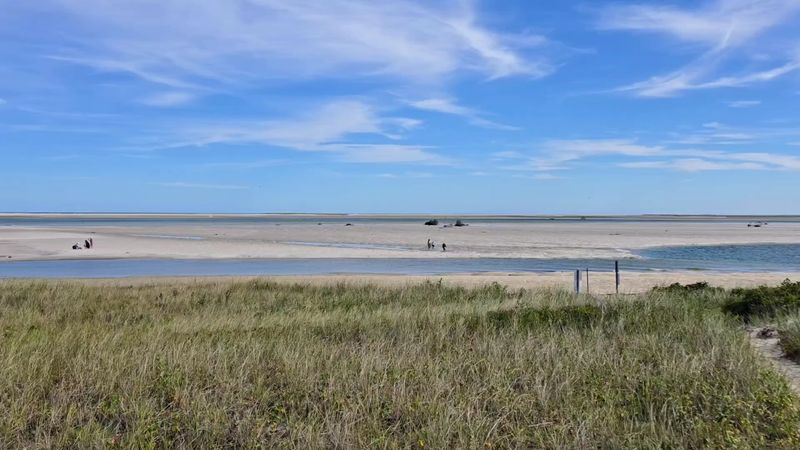
Cape Cod in July usually means packed beaches. This refuge seems to have missed the memo.
Even during the week of July 4th, people have found it pleasantly isolated. Midweek and Sunday trips in mid-August have also stayed low-key, with only a handful of others around.
That calm is the heart of its charm. Clean, peaceful, and uncrowded are the words that come up again and again.
Autumn adds to the appeal, with crisp days and long stretches of beach with nobody else in sight. September gets special praise as a fantastic month to go.
Winter quiets things further, which suits anyone hoping to scan for seals in peace. Some services slow down after the busy season, so plan accordingly.
For moments of mindfulness or simple downtime, few Cape spots match it. The quiet does not mean empty of life, though, especially for younger explorers.
Small Explorers, Big Discoveries
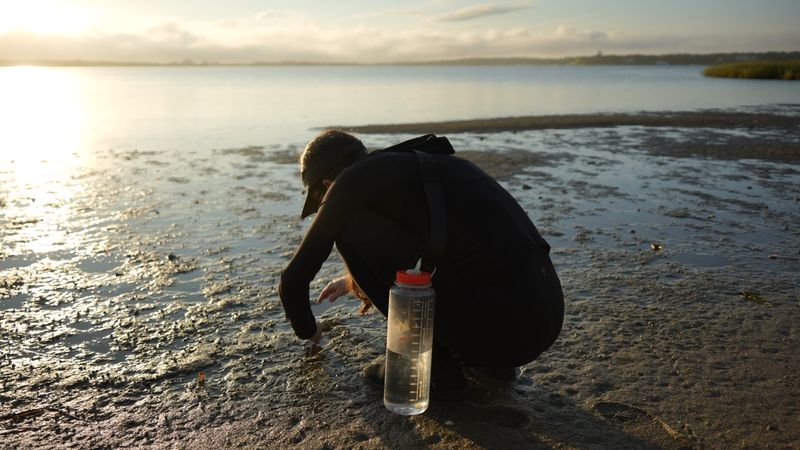
Kids do not need a playground when the beach provides tidal pools, shells, and crabs. Families with small children find plenty of room to run and explore.
Shallow water along the inlet invites wading. Calmer inlet water has long been considered suitable for little ones, as long as adults stay mindful of tides and channels.
Volunteers have handed out free coloring books to children, apparently as a Saturday treat. Hands-on games have also been part of the educational setup.
Shell hunting can easily fill an entire morning. Spotting egrets or horseshoe crabs turns a simple walk into a nature lesson.
Parents should plan around the stairs and the neighborhood walk, since both add effort with tired legs. Snacks and water are essential because there is nothing to buy on site.
Many families leave with the kind of memory that sticks for years. Behind those experiences, a dedicated group of helpers keeps things running.
The Friends Group and Its Information Shed
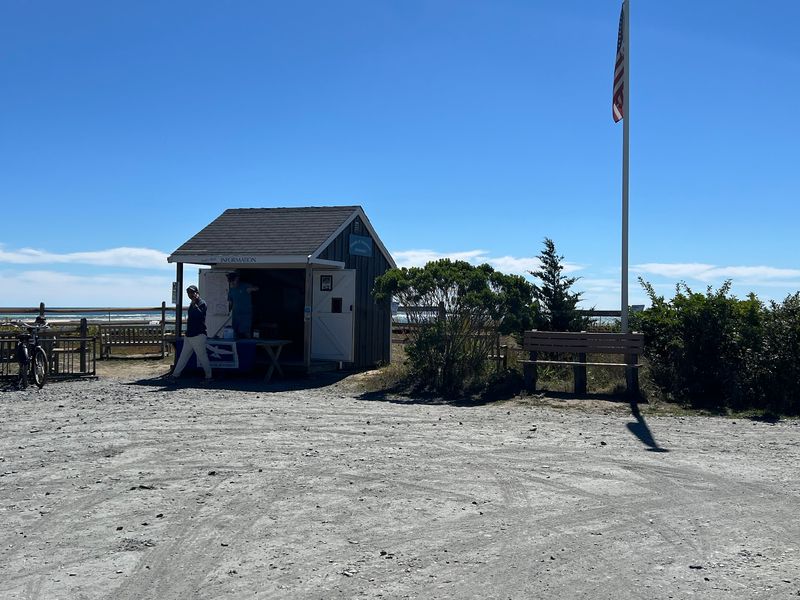
A warm welcome is not guaranteed at every federal site, but this one delivers. Friendly volunteers from the Friends group often greet arrivals near the parking lot.
They share maps, information, and binoculars for watching seals and birds. Naturalists have helped first-timers plan routes to the beach.
The setup is modest, with a shed and display tables instead of a full building. During some periods, a visitor kiosk has stood in for the closed center.
Asking questions here pays off. Volunteers know current trail conditions, which matter a lot given how often erosion shifts things.
Staff also appreciate reports about injured wildlife spotted on the beach. That kind of teamwork keeps the refuge healthy.
Supporting this group helps keep the refuge welcoming for the next round of curious walkers. With friendly help secured, the remaining step is handling the practical details.
Parking, Restrooms, and Practical Notes
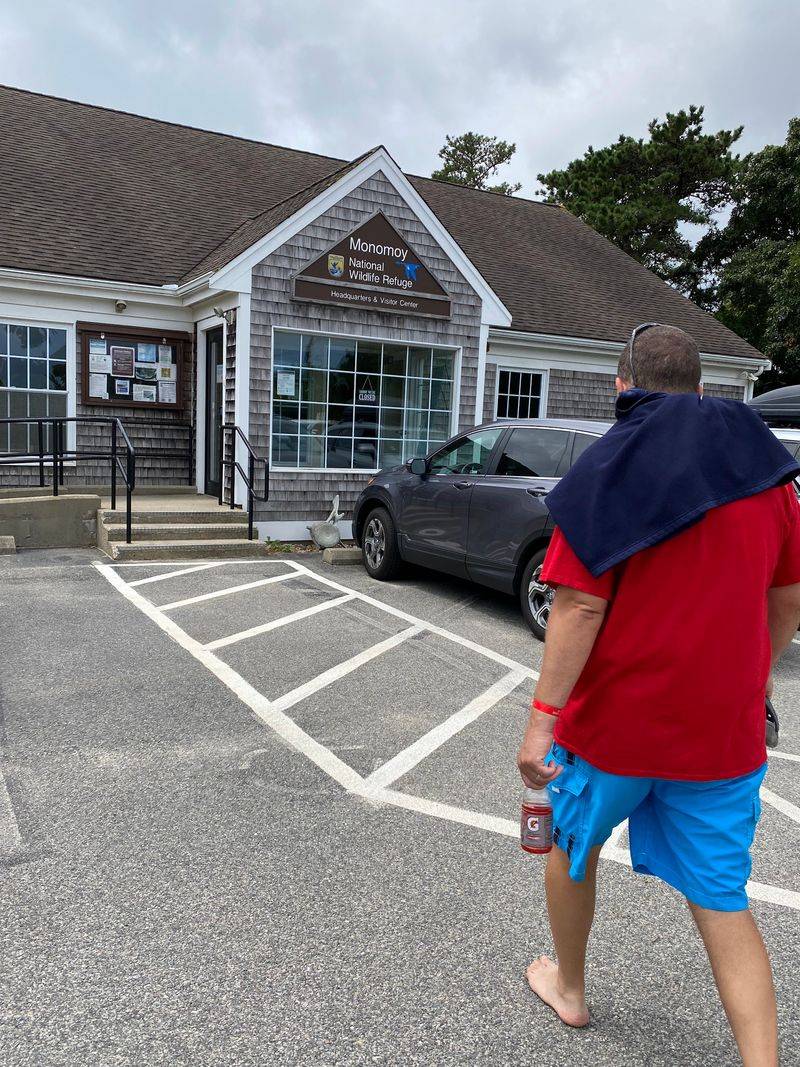
Planning ahead makes all the difference here. Admission is free, and no ticket is needed to access the trails.
Parking is also free, but the lot is small. It can fill by around 11 a.m. on busy days, so earlier arrivals have better luck.
Surrounding roads are private residential streets that do not allow parking. During busy summer periods, a designated roadway area has served as overflow, with an uphill walk to the refuge.
Restrooms are the biggest question mark. The original building is gone, and after the main season there may be no restroom or portable toilet at all.
Bring water, sunscreen, bug spray, and bags for trash. Sandals or water shoes help on wet sand.
The refuge shows as open on Google listings, though checking the official U.S. Fish and Wildlife Service website for current conditions is wise.
A phone photo of the trail map rounds out the prep list, leaving only the question of whether the trip is worth it.
Worth the Winding Walk
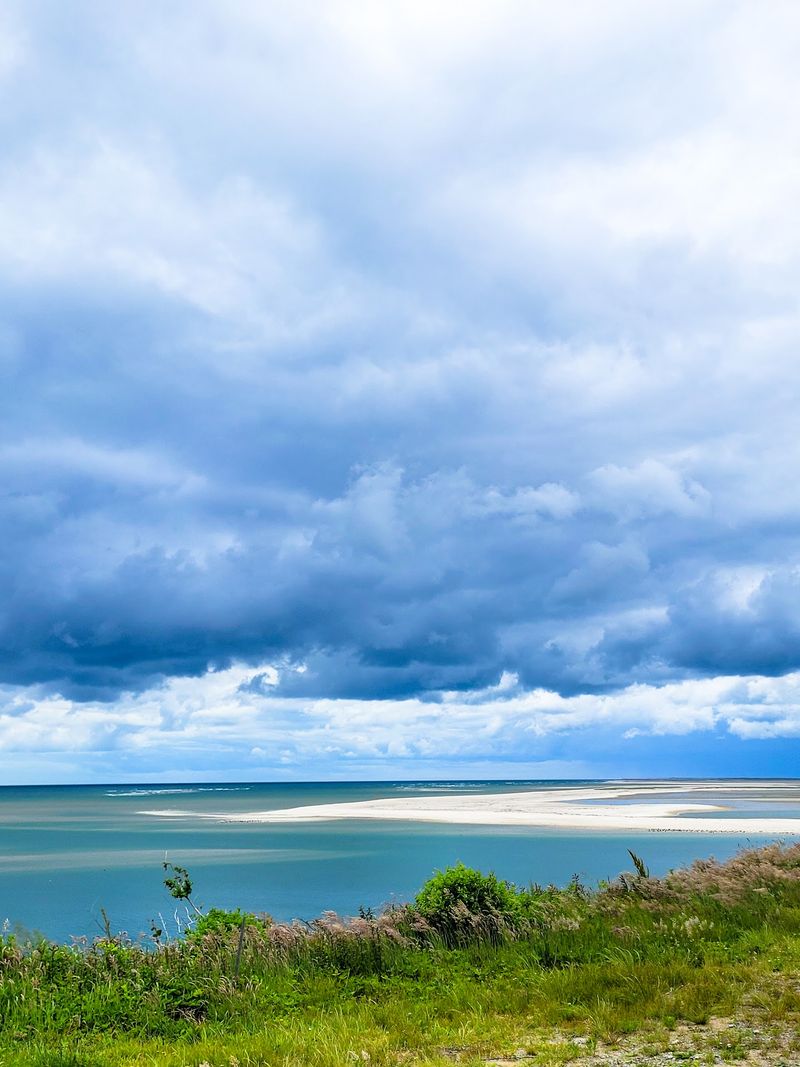
Monomoy asks a little more of its guests than a typical beach. There is a tricky trailhead, a stroll past mansions, and a tide chart to check.
In return, it offers wide beaches, flat trails, horseshoe crabs, shorebirds, and the real possibility of seals resting on the bars. Many call it their favorite trail and beach area on the entire Cape.
The shoreline keeps changing, and longtime fans miss what erosion has taken. Yet the view from the water’s edge still delivers sandbars, open sky, and calm.
It suits birders, photographers, families with curious kids, and anyone craving a quiet hour. It is less ideal for those wanting amenities or a quick stroll from the car.
Arrive early, time it with low tide, pack the repellent, and borrow the binoculars. Chatham has many seal-spotting options, but few deliver this much peace along with the wildlife.
Sometimes the best places are simply the ones that make you walk a little farther.
Enjoyed this story?
Add Fast Food Club as a preferred source to see more of our reporting on Google.