


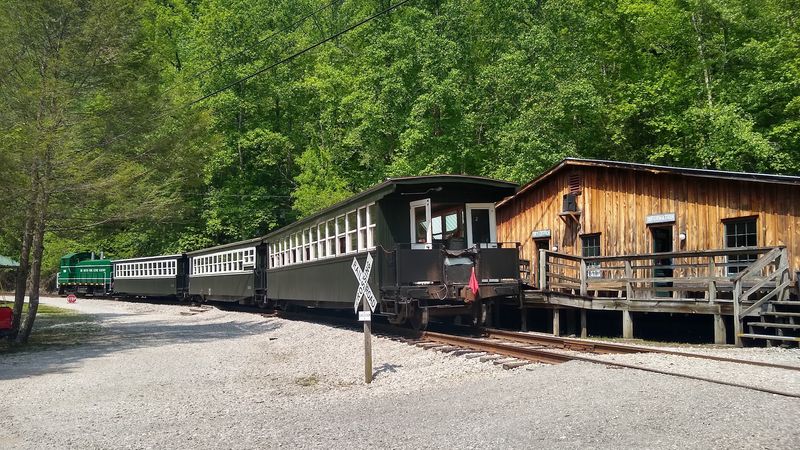
Some trains are built to get you somewhere fast. This one was built to haul coal out of a deep Kentucky gorge, and today it hauls curious people back in.
The route drops about 600 feet, slips through a mountain tunnel, and runs beside a river before stopping at an old mining camp that was left behind in 1972. In winter, the bare trees open up the views and the trip turns into a quiet history lesson on rails.
Families, train fans, and history buffs all find something here. Keep reading to learn where it starts, which side of the car to grab, what to pack, and why the stop at the bottom might be the best part of the day.
A Depot in a Kentucky Coal Town
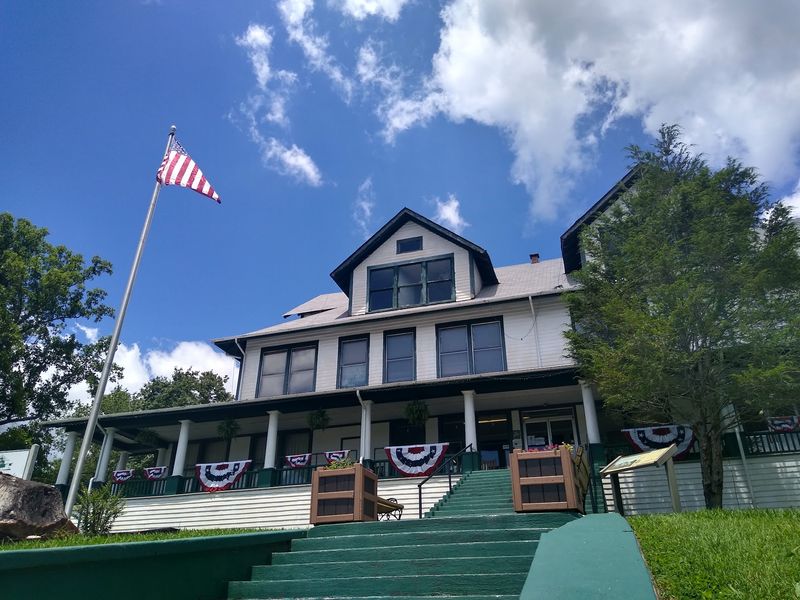
Every good train story needs a station, and this one has a fine one. The Big South Fork Scenic Railway departs from 66 Henderson St, Stearns, KY 42647, in the southern part of Kentucky, United States.
Stearns is a small town with deep mining roots. The railway is listed as a heritage railway, which means its main job is keeping history moving rather than getting commuters to work.
The trains run on a former coal-mining line. Round trips head through forest and mountains on what was once the Kentucky and Tennessee miners’ railway.
The depot itself makes a solid first impression. Tickets are often laid out and ready at the booth, so pickup tends to go quickly.
There is also a restaurant inside the depot. That makes it easy to grab something to eat once the train rolls back into town.
A free museum sits nearby, and the staff there know their local history well. Arriving early gives time to browse it before boarding.
For a winter day trip, the setup is simple. Park, collect tickets, check out the museum, and climb aboard for a ride that heads straight into the past.
Rails Built for Coal, Now Carrying Stories
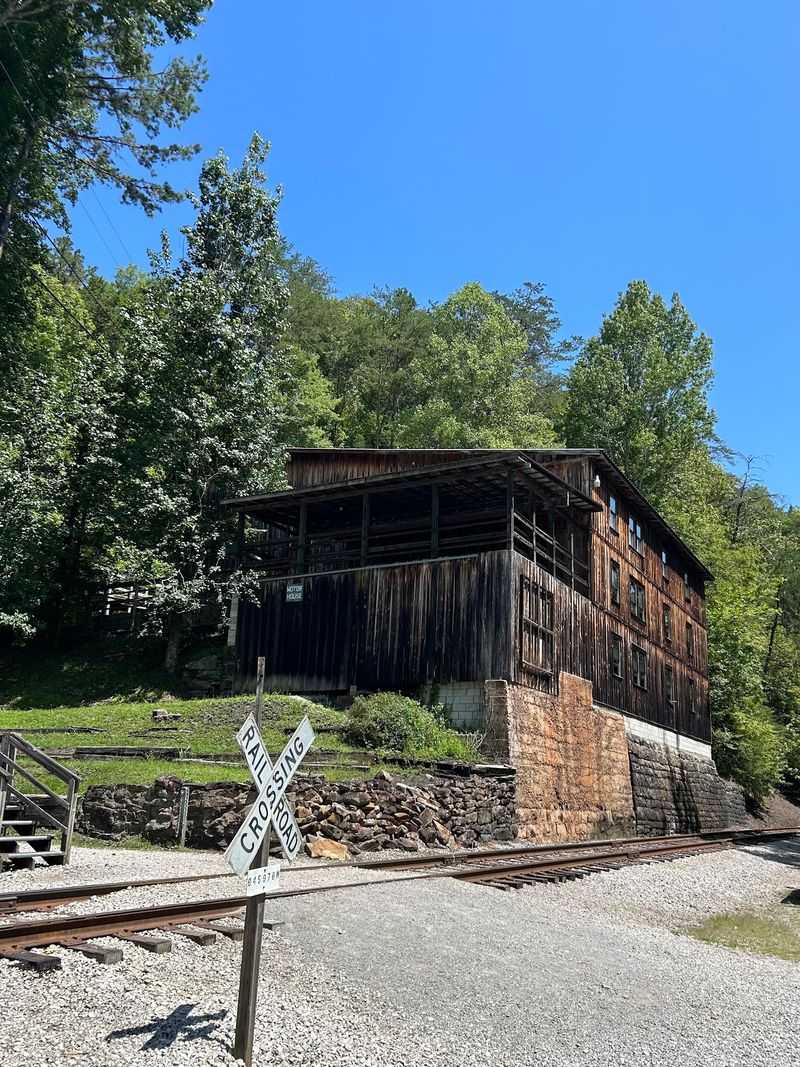
Long before anyone bought a ticket for the views, these tracks had a much grittier purpose. The route follows the old Stearns Coal and Lumber line, which once moved coal out of the gorge.
Mining shaped this whole corner of Kentucky. Towns rose around the mines, and the railroad was the lifeline that connected them to the outside world.
The destination at the end of the line, Blue Heron, was a working coal town. It was left behind in 1972, and the National Park Service now interprets it as part of the Big South Fork National River and Recreation Area.
Narration on board shares history along the way. When the speakers cooperate, it adds a lot of context to the passing scenery.
Back in Stearns, the museum fills in even more of the picture. It covers the town and the company that built it, and it costs nothing to explore.
Put together, the ride works as a rolling timeline. Every mile down the gorge is a mile deeper into Kentucky’s coal mining heritage.
Down 600 Feet Into the Gorge
Here is a fun number to remember: about 600 feet. That is roughly how far the train descends on its way into the Big South Fork gorge.
The trip out takes around 45 minutes. The return leg runs closer to 30 minutes, so the whole loop never drags.
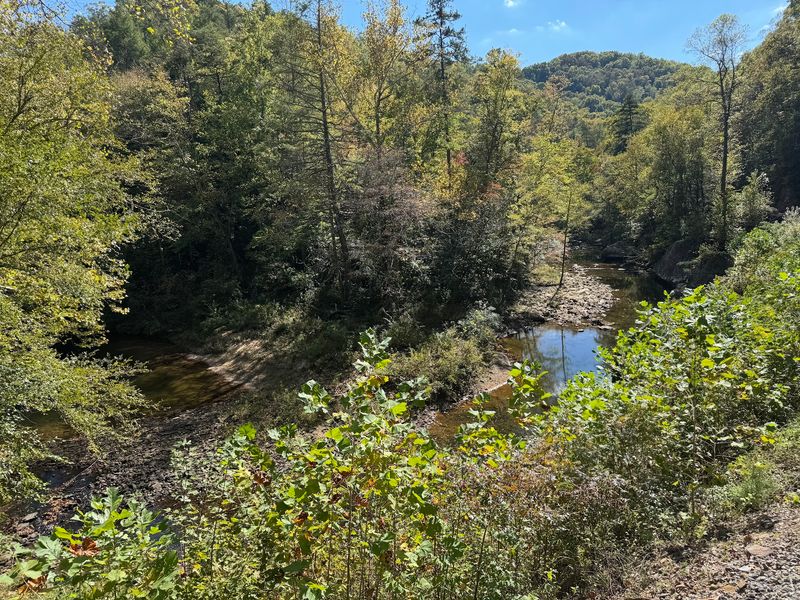
Along the way, the tracks hug the river and wind through thick forest. Deer sometimes appear at the water’s edge, and the mountain scenery keeps changing around each bend.
Since the line runs in a valley, the views lean more toward close-up woods and river than sweeping ridgetop panoramas. Winter changes that a bit, since bare branches let you see farther into the gorge than in summer.
Spring brings mountain laurel blooming through the trees. Fall paints the slopes with color and draws plenty of riders.
The pace is slow on purpose. As the old line goes, that is why they call it scenic.
The ride can be loud and a little bumpy at times. Many riders find that adds to the old-railroad charm rather than taking away from it.
The Tunnel Moment
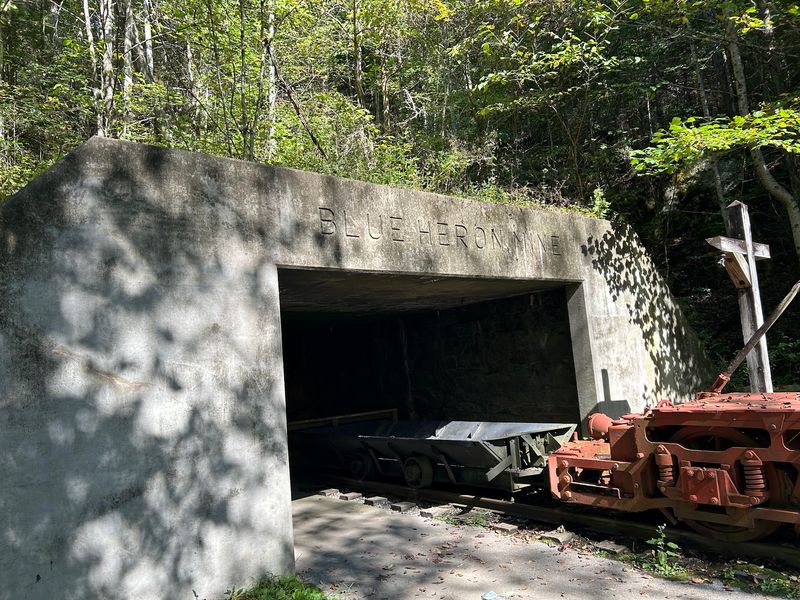
Every train ride needs a highlight, and on this route a lot of people point to the tunnel. The train passes straight through the mountain on its way down to Blue Heron.
It is a short stretch, but it tends to get kids buzzing. Adults are not immune either.
The tunnel pairs nicely with the river views that come before and after it. Together they make up the parts of the trip most people talk about later.
Arriving at the coal tipple is another favorite moment. The big old structure marks the end of the outbound run and signals that the mining camp is close.
Cameras tend to come out right around here. Plenty of folks wish they had snapped more photos once the day is done.
So keep a phone charged and ready. The tunnel shows up and disappears faster than you might expect.
Blue Heron Mining Camp at the Bottom
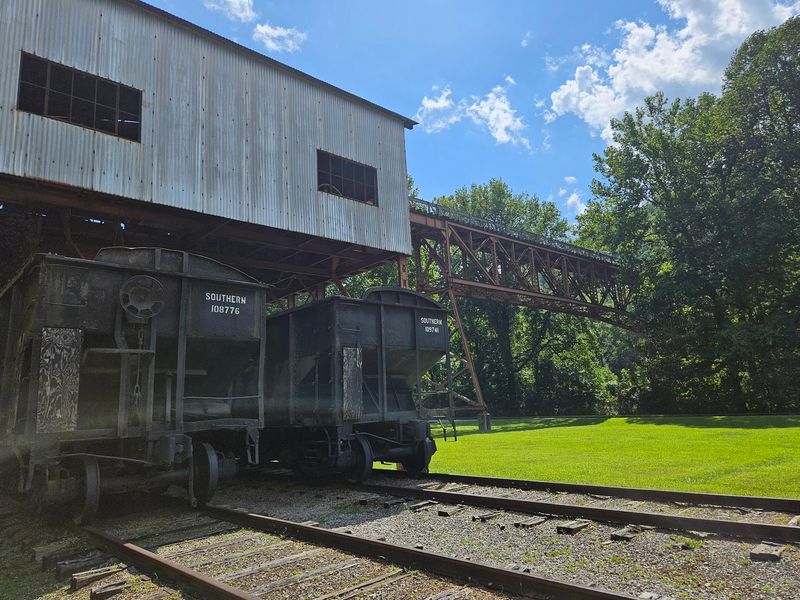
The train stops, the doors open, and suddenly you are standing in an old coal town. Blue Heron is the turnaround point, and it sits inside the Big South Fork National River and Recreation Area.
Most of the original buildings are gone. In their place stand open-frame structures, sometimes called ghost structures, that outline where homes and buildings once stood.
Each one has displays to read and recorded interviews with people who once lived there. Those voices bring the miners and their families back into the story.
A short uphill walk leads to the mine entrance. Trails branch off for anyone wanting to stretch their legs.
Park rangers often share stories at the camp. Take time to sit and listen, since the talks can be a real highlight.
There is a small gift shop with air conditioning and a modest selection of drinks for sale, often at fair prices. The layover runs about an hour and a half, which gives plenty of time to explore before the whistle calls everyone back.
Left Side, Best Side
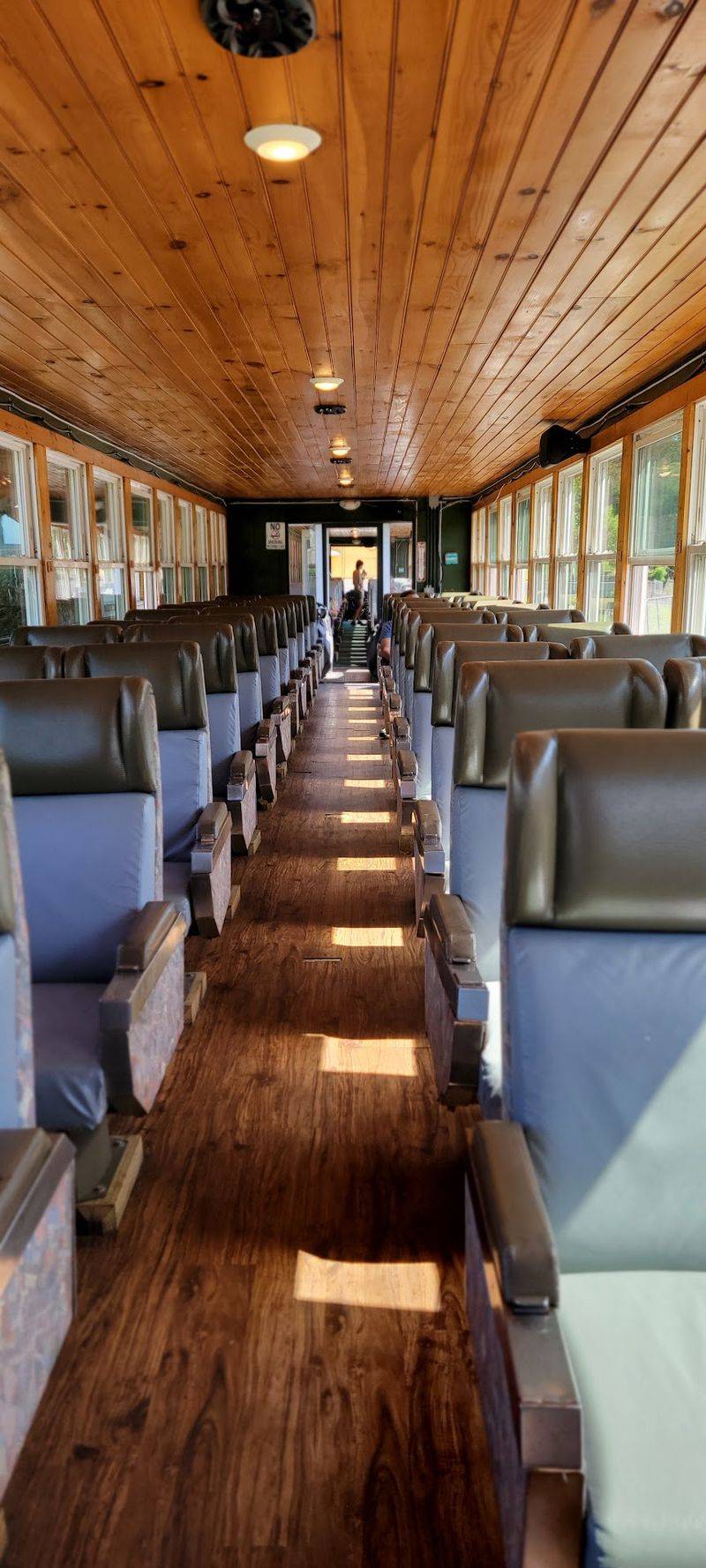
Seat choice matters more here than on most trains. The best views are on the left side of the train heading out, so plan accordingly.
Some riders think of it like a car and say the driver’s side wins. Either way, the message is the same.
Arriving at least 30 minutes early helps you claim a good spot. That buffer also helps if parking gets tricky.
On the return trip, those in car 1 ride backward. People who get motion sick may want to pick a different car or switch seats.
Swapping sides on the way back is a smart move too. It opens up fresh photo chances on the return run.
The cars have reasonably comfortable seats, and there is also a table car. Some people like to walk around between cars rather than stay put the whole time.
A little seat strategy goes a long way. Choose well, and the scenery does the rest.
Polar Express Season and Who Rides
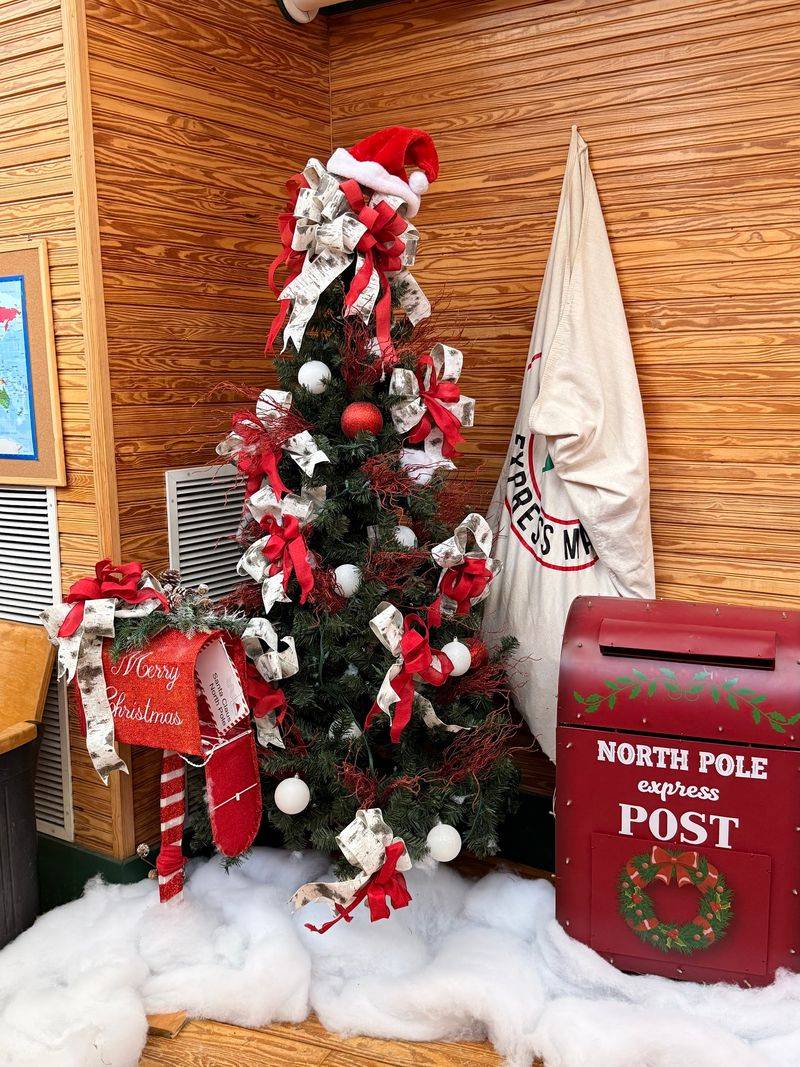
Winter brings a special guest to the rails. The railway runs a Polar Express themed trip during the holiday season, and it is one of the most talked-about things it offers.
The ticket office gets decorated, and there is usually a table where kids can write letters to Santa. Face painting has been offered for an extra fee.
On board, everyone gets a bell and a cookie. Santa walks through the cars, which tends to be the moment kids remember most.
Experiences can vary from year to year, so it helps to keep expectations reasonable. Sound levels on the speakers have been hard to hear on some runs.
Beyond the holidays, the regular train suits plenty of people. First-time train riders, families with young kids, and history lovers all fit right in.
Pets are welcome too. That is a big help for travelers who cannot leave a dog in the car.
Hikers sometimes use the ride as a relaxing break between trail days. It turns out a train seat is excellent recovery gear.
Hours, Tickets, and What to Pack
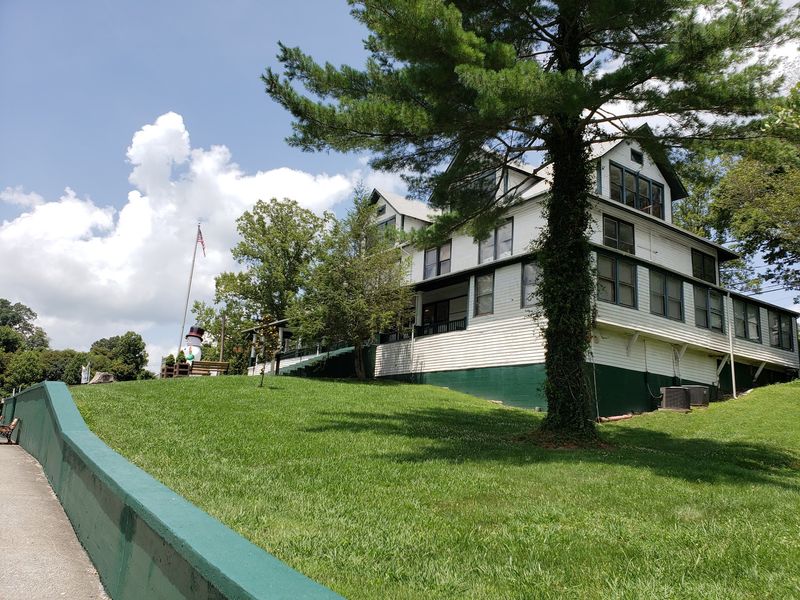
Good planning makes this trip much smoother. The railway is closed Monday and Tuesday, opens Wednesday from 10 am to 2:30 pm, and runs Thursday and Friday from 10 am to 3 pm.
Saturday hours stretch from 10 am to 5:30 pm. Sunday runs from 1 to 5 pm.
Adult tickets for ages 13 and over have been about $28. A veteran discount is available and can make a big difference for larger groups.
The whole outing takes around 3.5 hours. That includes both train legs and the stop at Blue Heron.
A boxed miner’s lunch can be added for about $15. Many riders recommend packing their own food and drinks instead, since options at the camp are limited.
Bring water, especially in warmer months when the cars rely on open windows. A small personal fan helps on hot days, though winter trips avoid that issue entirely.
Trips can occasionally be canceled. Calling ahead or checking bsfsry.com before a long drive is a smart habit.
Worth the Ticket for a Winter Escape
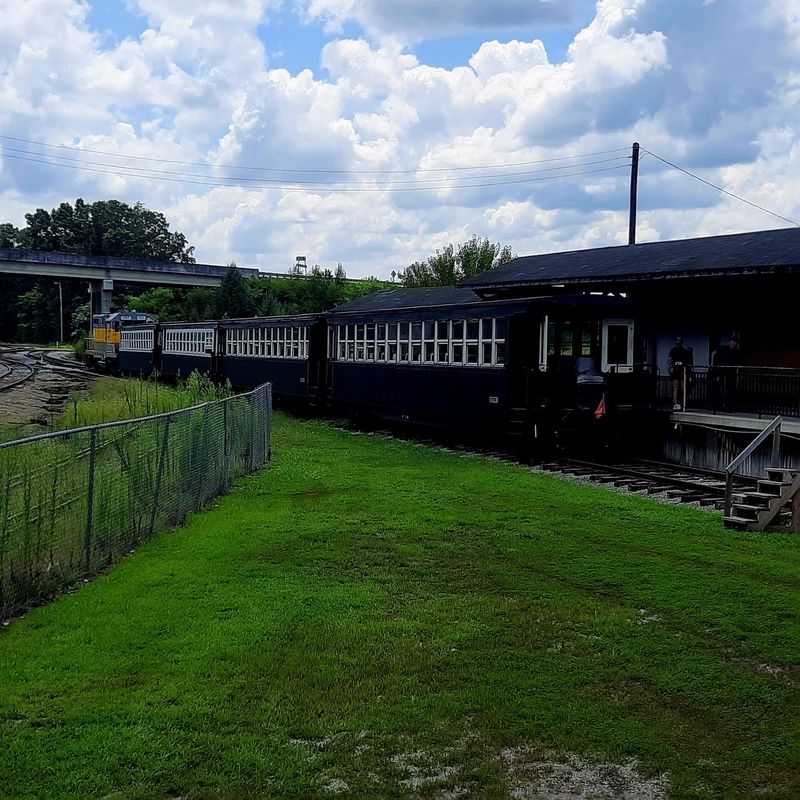
So, does the ride live up to the hype? For most people, the answer is a comfortable yes.
The Big South Fork Scenic Railway holds a 4.4 star standing from more than 1,200 opinions. That speaks to a steady track record.
Its strengths are clear. Friendly staff, a quiet river route, a mountain tunnel, and a genuine coal camp at the bottom all add up to a memorable few hours.
It is not a thrill ride, and the views lean toward woods and water. Those hoping for nonstop panoramas may want to adjust expectations.
Parking includes a large gravel lot behind the depot that can handle RVs. That makes Stearns an easy stop on a road trip.
Winter is a clever time to go. Cooler weather keeps the cars comfortable, and bare trees reveal more of the gorge.
Pack a lunch, grab a left-side seat, and give the rangers your full attention at Blue Heron. The history here runs deep, and the train is happy to take you all the way down to it.
Enjoyed this story?
Add Fast Food Club as a preferred source to see more of our reporting on Google.