


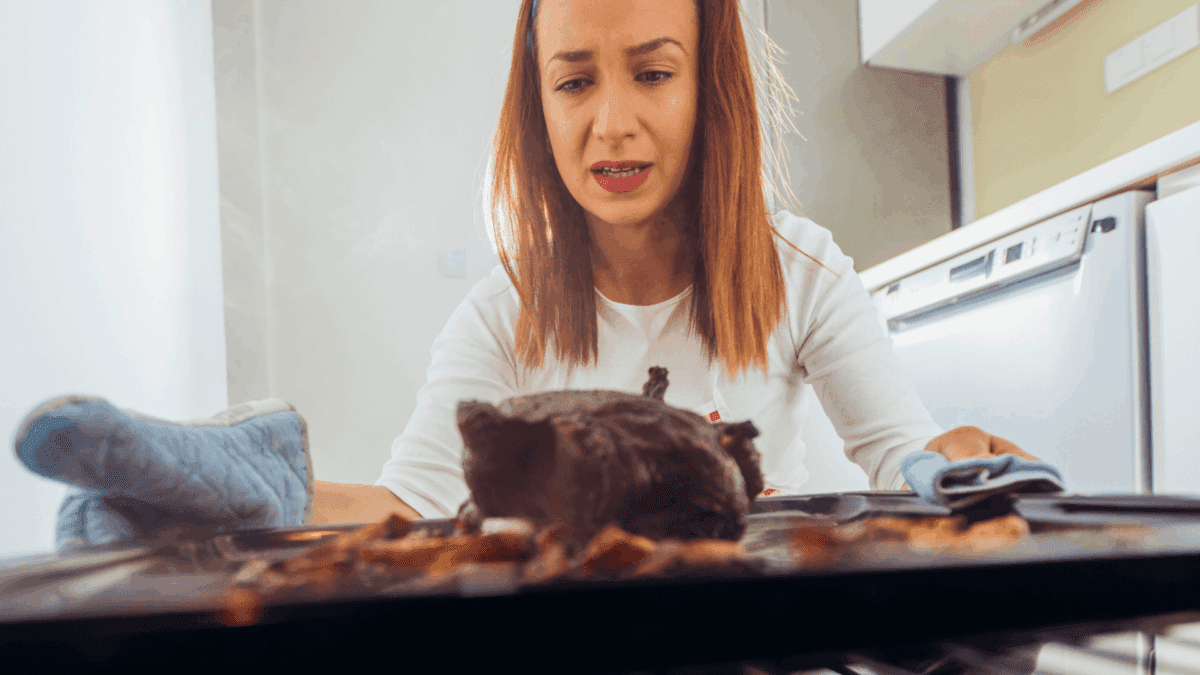
We all have our kitchen habits that we’ve inherited at home. Or perhaps you’ve seen someone do it and picked it up over the years. However, some of these common practices are dangers waiting to strike you at the worst possible time. It’s time to unlearn something, as we bring you the 10 common kitchen practices that you must drop starting today.
10. Storing Leftovers in Large Containers

Whenever you store large amounts of hot food in deep containers, it will take a while to cool down. With that, the center stays in the danger zone temperature range for hours. It allows bacteria to move around and multiply. Instead, divide large batches of food into shallow containers that are 2 inches deep or less, so they cool quickly and evenly.
9. Reusing Marinade from Raw Meat

That marinade that’s soaking in raw meat is now contaminated with harmful bacteria. Don’t even think about pouring them over cooked food or using the sauce. If you want to use marinade sauce, then set aside a small batch before adding it to raw meat. Don’t let those bacteria harm you and your family.
8. Overpacking Your Refrigerator

When your fridge is crammed full of food, the cold temperature won’t circulate properly. This would lead to warm spots where bacteria grow, and your food won’t stay at the proper temperature. Ensure there are spaces between items for proper air circulation. Keep your fridge at 40°F or below and your freezer at 0°F or below. Make use of the fridge thermometer to ensure the temperature.
7. Leaving Perishable Food Out Too Long

There’s a 2-hour rule for a reason, as bacteria multiply between temperatures of 40°F and 140°F. If you keep your food at room temperature for just an hour, then it becomes unsafe to eat. Yup, we’re talking about the leftovers cooling on the stove for hours and even the spread sitting out the entire evening. Practice refrigerating or freezing perishables within 2 hours after cooking or purchasing them.
6. Storing Raw Meat on Upper Refrigerator Shelves

When you keep raw meat on the upper shelves, the juices will drip down on your ready-to-eat food. That’s cross-contamination waiting to happen! It can contaminate your fruits and leftovers with dangerous bacteria. That’s why you should always store raw meat at the bottom of the fridge, where it’s sealed in containers to prevent drips.
5. Tasting Food to Check if It’s Still Safe to Consume

Don’t let food poisoning strike. Once the food gets contaminated with harmful bacteria, tasting it will make you sick immediately. When in doubt, throw them away. This is a reminder to always record expiration dates and look for signs of spoilage, such as mold, discoloration, and unusual odors. In that way, you won’t harm your body at all.
4. Using the Same Cutting Board for Everything

Using a single cutting board is a recipe for disaster. Even after washing them, small bits on cutting boards can harbor bacteria from raw meat, creating cross-contamination. Use a separate cutting board for raw and ready-to-eat foods, designating one for each type. Color-coding also makes it easy to distinguish what to use.
3. Reusing Dirty Kitchen Sponges

Your kitchen sponge is one of the dirtiest things you keep in your house. Why? They stay damp, then warm, which creates harmful bacteria that spread on your dishes and counters. Microwave your damp sponge for a minute daily, or you can run it through your dishwasher’s dry cycle. A better solution would be to replace your sponge.
2. Thawing Meat on the Counter

We’re all guilty of leaving meat out on the counter to thaw. However, room temperature is a danger for bacterial growth. While the inside of the meat is frozen solid, the outer layers reach unsafe temperatures, allowing bacteria to spread. Thaw your meat in the fridge under cold running water in a sealed bag, or you can use your microwave’s defrost feature. This will prevent accidents.
1. Not Cleaning Your Sink Regularly

Thinking that you’re cleaning your sink while washing dishes is completely wrong. Imagine that sink is exposed to raw meat juices, dirty dishes, and food particles where bacteria grow. Make sure to clean and sanitize your sink daily with hot, soapy water. You can also disinfect using bleach for minutes before rinsing.
Enjoyed this story?
Add Fast Food Club as a preferred source to see more of our reporting on Google.