


During World War II, rationing made creativity in the kitchen a necessity. With many staples in short supply, people turned to unusual substitutes to create meals. Here are ten fascinating alternatives used during those challenging times.
Mock Banana from Parsnips
Parsnips masquerading as bananas? Indeed, this odd pairing became a staple during the war. With bananas scarce, parsnips were boiled and mashed with sugar and banana essence. This curious concoction mimicked the flavor of the tropical fruit. Though parsnips were abundant, the clever transformation required some imagination.
The final product often surprised families with its uncanny resemblance to banana. It wasn’t just about taste—it was about creating a sense of normalcy. This inventive spirit kept morale high, proving that even a root vegetable could do wonders in the kitchen.
Victory Coffee with Roasted Acorns
Coffee lovers faced a dilemma: a severe shortage of their beloved brew. Acorns, plentiful and overlooked, stepped in as a substitute. Roasted and ground, acorns provided a unique coffee-like drink. While lacking caffeine, the earthy, nutty aroma offered comfort.
For many, it was a mere shadow of the real thing, yet it became a cherished morning ritual. This beverage highlighted adaptability and the willingness to embrace nature’s bounty. The humble acorn reminded everyone that even the simplest resources could provide solace in hard times.
Eggless Mayonnaise with Mashed Potatoes
Eggs were a luxury, so mayonnaise needed a makeover. Enter mashed potatoes—creamy, versatile, and readily available. When blended with vinegar and oil, they became a surprising base for a tangy spread. This potato creation brought a new twist to salads and sandwiches.
Texture was key, and the smoothness of the potatoes did not disappoint. The innovation was not just practical but also a testament to resourcefulness. This delightful concoction exemplified the wartime spirit, transforming simple ingredients into something extraordinary.
Fake Cream from Milk and Corn Flour
Cream was a rare treat, but milk and corn flour provided an ingenious solution. By mixing boiled milk with corn flour, households created a creamy alternative. This substitute was versatile, used in desserts or as a topping.
Though it lacked the richness of real cream, it added a touch of luxury to meals. The magic lay in its simplicity, turning ordinary ingredients into something special. This humble invention was a reflection of culinary innovation at its finest.
A little creativity went a long way in keeping food enjoyable.
Wartime Sausage with Bread and Oatmeal
Meat was precious and often reserved for the troops. To stretch supplies, sausages were mixed with bread and oatmeal. This blend provided the bulk, while spices added flavor.
The result was a sausage that, though unconventional, satisfied hunger. Families appreciated the effort to make the most of limited resources. It wasn’t just a meal; it was a symbol of perseverance.
These sausages became a staple, demonstrating how creativity could transform scarcity into sustenance.
Mock Apple Pie with Crackers
No apples? No problem. Crackers, sugar, and spices filled the void in apple pies. This innovative recipe created a filling remarkably similar to apples.
By boiling crackers with sugar and spices, the texture and taste mimicked the real thing. It became a cherished dessert, bringing comfort without the usual ingredients.
A perfect example of ingenuity, this pie showed how tradition could be upheld even in adversity. The mock apple pie was a sweet triumph of creativity.
Carrot Marmalade
Oranges were hard to come by, so carrots took center stage in marmalade. Carrots, cooked with sugar and lemon, created a sweet spread reminiscent of citrus.
This substitute offered a vibrant color and unique taste. Families enjoyed it on bread or as a dessert topping.
The transformation of a simple vegetable into a delightful treat showcased the era’s inventive spirit. Carrot marmalade was more than a substitute; it was a celebration of creativity in hard times.
Whale Meat as Beef Substitute
Scarcity of beef led to the use of whale meat, a bold alternative. Whale meat, rich and dark, offered a new culinary experience.
Though it had a strong flavor, it was a source of necessary protein. Cookbooks provided guidance on preparing this unusual meat.
Its use reflected adaptability and the willingness to explore new flavors. Whale meat was a testament to the drastic measures required during wartime.
Nut Roast as Meat Loaf Replacement
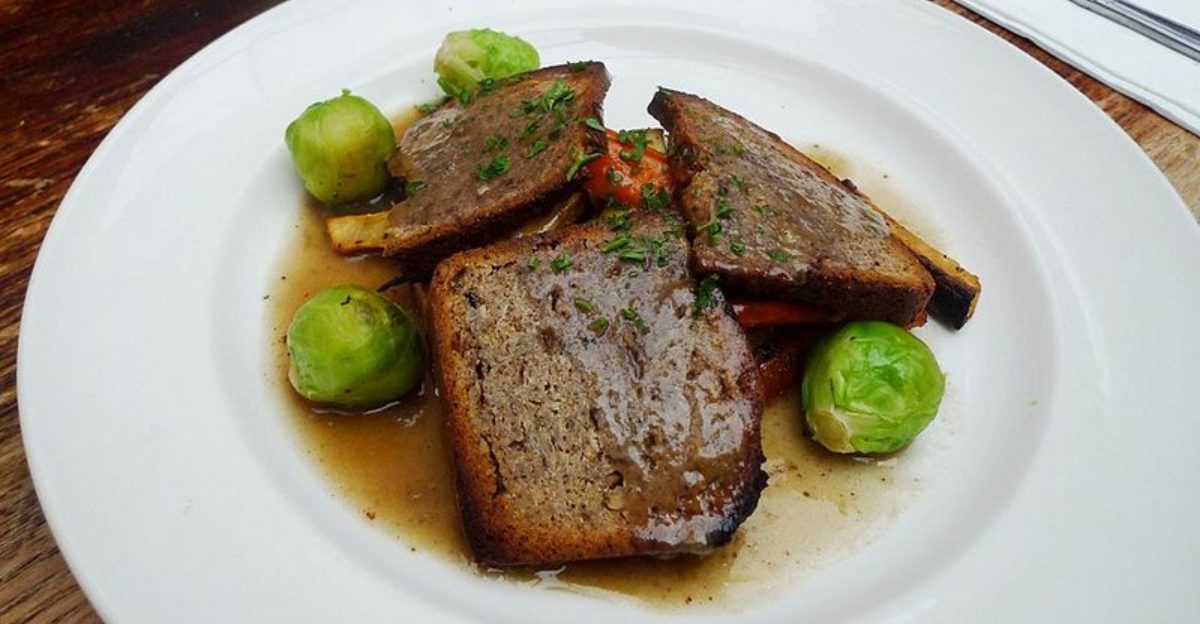
With meat scarce, nut roasts became a popular alternative. Packed with nuts, breadcrumbs, and vegetables, this dish was both nutritious and satisfying.
The texture and taste rivaled traditional meat loaves, offering a hearty option for families. It was a creative way to utilize available resources.
Nut roasts symbolized the ability to adapt, turning limitations into opportunities. This dish remains a beloved aspect of wartime culinary history.
Syrup Sandwiches with Honey and Bread
Sugar shortages led to creative sandwich fillings. Honey or syrup, spread between slices of bread, became a sweet treat.
These sandwiches provided a quick, satisfying snack. They were a simple pleasure that brought joy during difficult times.
This sweet indulgence reflected the ability to create comfort from the simplest ingredients. Syrup sandwiches were a tasty reminder of resilience and resourcefulness.
Enjoyed this story?
Add Fast Food Club as a preferred source to see more of our reporting on Google.