


Restaurants can be beloved community staples, but even the most popular spots can face challenges. Here are twelve signs your favorite eatery might be struggling.
Changes in Menu Quality
When a once-beloved dish starts tasting off, it raises eyebrows. A sudden change in food quality often signals deeper issues.
Chefs may cut corners due to budget constraints. Slashing costs on ingredients leads to a noticeable difference in flavor.
Additionally, staff turnover can bring inexperienced cooks, affecting consistency. These shifts suggest financial strain or management trouble.
Frequent Staff Changes
Regularly seeing new faces serving your meal suggests underlying problems. High staff turnover can be symptomatic of a toxic work environment.
It might also indicate poor management or financial instability. Employees may leave due to unpaid wages or dissatisfaction.
Happy staff often translates to happy customers, so watch for these signs.
Shortened Operating Hours
When a restaurant abruptly alters its hours, it raises red flags. Reducing hours might mean they’re trying to cut labor costs.
It could also suggest a strategic move to align with customer traffic. However, without clear communication, it often signals trouble.
Keep an eye on inconsistent scheduling.
Neglected Cleanliness
A once spotless eatery now showing grime can be alarming. Cleanliness directly impacts a restaurant’s reputation.
Low sanitation standards might stem from understaffing. When budgets tighten, cleaning becomes less prioritized.
Patrons notice these discrepancies, affecting their dining choices.
Limited Menu Options
A pared-down menu can suggest financial restrictions. Reducing choices might seem efficient, but it can also alienate regulars.
This shift can indicate supply issues or a strategic pivot. Sometimes, it reflects an effort to simplify operations.
However, drastic cuts usually point to bigger challenges.
Empty Tables During Peak Hours
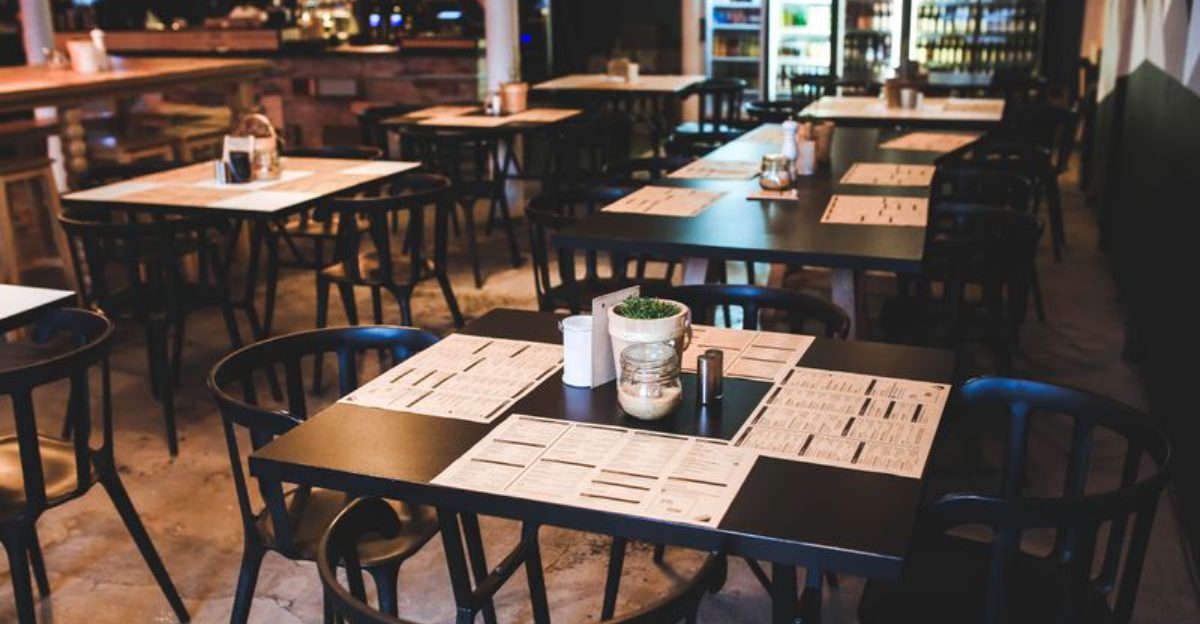
Walking into your favorite spot and seeing empty tables during rush hour feels unsettling.
This drop in patronage might indicate a decline in popularity or unaddressed concerns. Loyal customers notice these changes.
Fewer diners can result from negative reviews or increased competition. It’s a clear sign something’s amiss.
Delayed Service
Waiting longer than usual for food hints at potential issues. Delays can arise from understaffed kitchens or inexperienced servers.
Perhaps the establishment is struggling to keep up with demand. Other times, it reflects backend inefficiencies.
Consistent delays suggest a business in distress.
Outdated Decor and Facilities
Outdated decor might charm some, but neglecting repairs is worrisome. When a restaurant stops investing in upkeep, it could point to financial woes.
Peeling paint, broken fixtures, or faulty equipment reflect budget cuts.
Maintaining appearances is crucial for drawing in new patrons.
Unresolved Customer Complaints
Regular diners notice when complaints go unresolved. Ignoring feedback can indicate a lack of concern or resources.
It may also reflect a chaotic management style. Engaging with customers, even when issues arise, is essential.
Persistent negative reviews without response suggest deeper problems.
Frequent Menu Changes
Constant menu alterations can unsettle loyal customers. It may signify indecisiveness or attempts to cut costs.
Sometimes, it indicates adapting to market trends, but abrupt changes often hint at underlying issues.
Predictability is key in dining experiences; constant shifts raise concerns.
Inconsistent Food Portions
Fluctuating portion sizes send mixed signals. Inconsistency might arise from kitchen staff juggling resources.
It may reflect cost-saving attempts or supply chain issues. Regular patrons notice these inconsistencies.
For diners, value perception is critical, and uneven portions erode trust.
Vague Communication from Management
Unclear communication can create unease among staff and patrons. Vague responses about changes or issues suggest instability.
Effective communication builds transparency and trust. Without it, rumors and uncertainty thrive.
For a business, especially in hospitality, clarity is crucial.
Enjoyed this story?
Add Fast Food Club as a preferred source to see more of our reporting on Google.