



The world of food regulations is as diverse as the cuisines themselves. Certain foods, beloved in some regions, find themselves on the banned list elsewhere due to health concerns, environmental impact, or cultural beliefs. This list explores thirteen such foods and the scientific reasons behind their prohibitions.
Packaged Cookies on a Supermarket Shelf
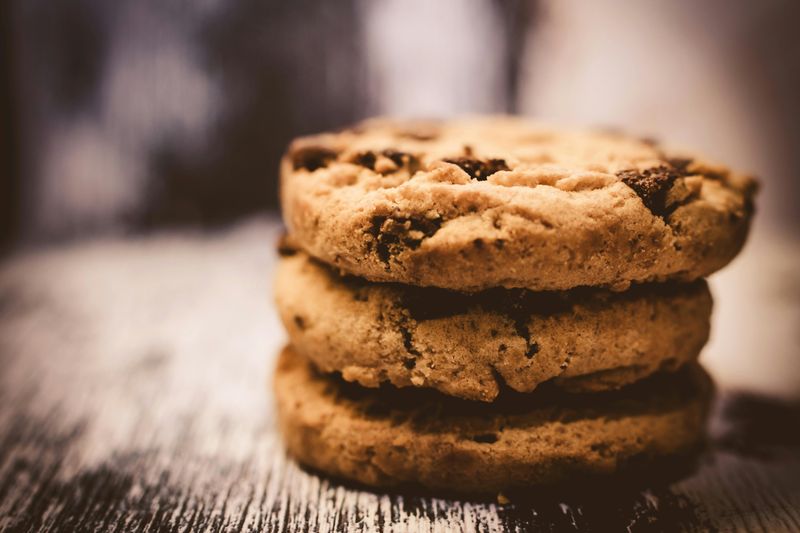
Imagine strolling down a supermarket aisle, eyeing the tempting array of packaged cookies. These sweet treats, however, face bans in some countries due to trans fats. Trans fats, often found in packaged cookies, have been linked to heart disease. Regulations have emerged to limit or eliminate these unhealthy fats.
Countries like Denmark led the charge by banning trans fats in 2003. This move was driven by public health concerns and the need to combat rising heart disease rates. It’s a reminder of how regulations aim to protect consumer health.
The absence of trans fats has paved the way for healthier alternatives, pushing innovation in the food industry.
Colorful Candy and Chewing Gum
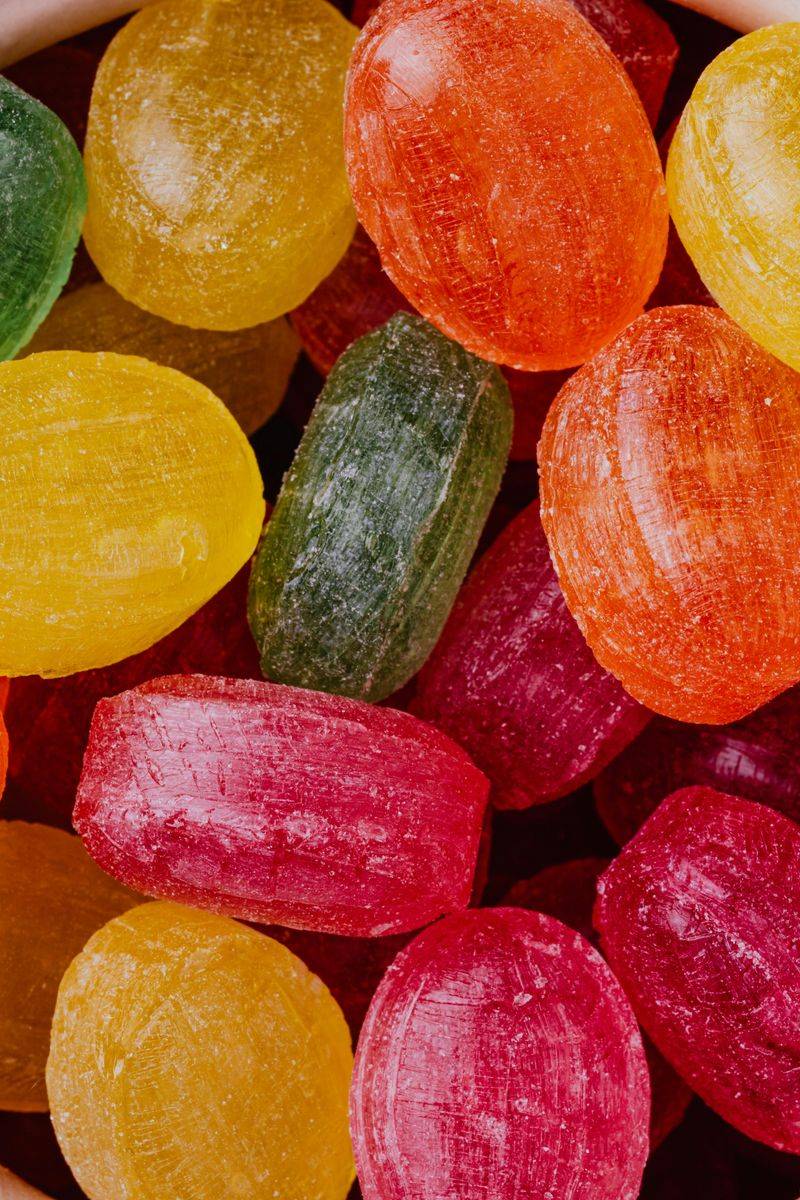
The vibrant hues of certain candies may be a feast for the eyes, but some countries see them as hazardous. Artificial dyes used in colorful candies and gums have been scrutinized for potential hyperactivity in children.
Europe has taken a cautious approach, requiring warning labels on products containing certain artificial colors. This regulation stems from studies linking these dyes to behavioral changes in children.
Such bans or restrictions are intended to safeguard children’s health, prompting manufacturers to explore natural color alternatives.
Soda Bottles in a Fridge
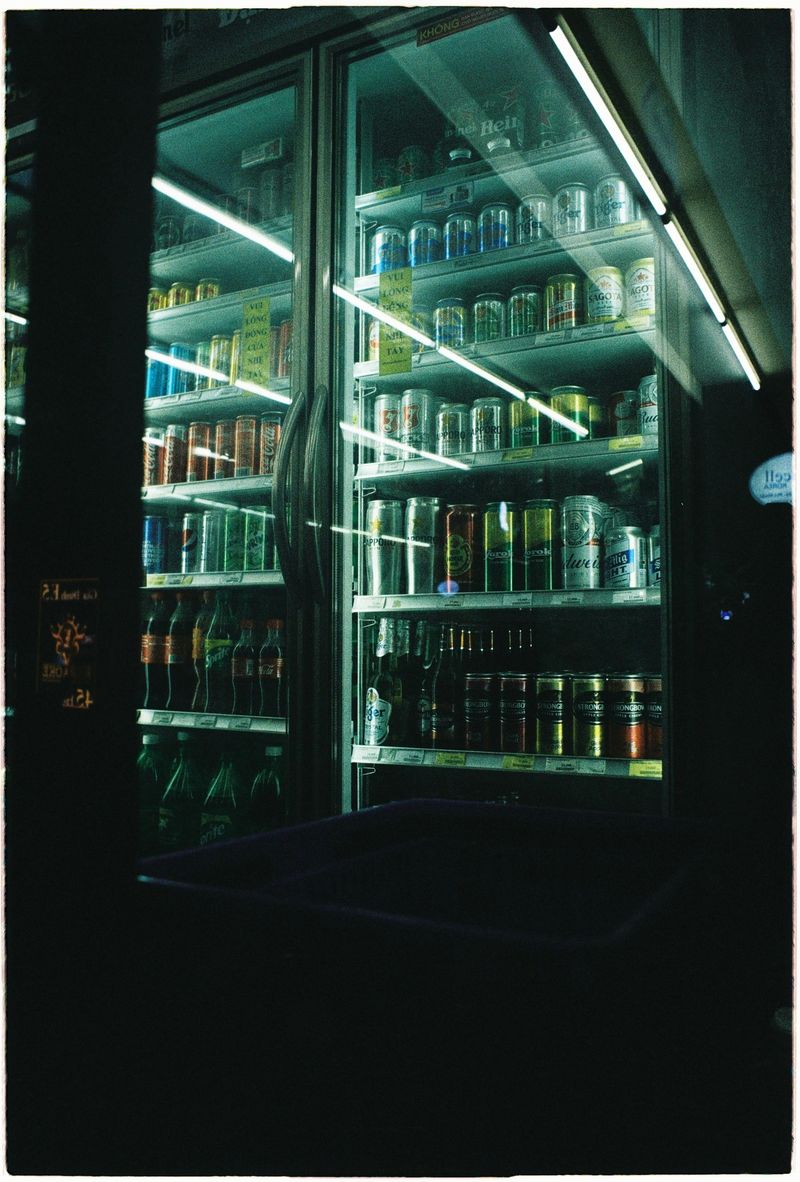
Soda, a beverage synonymous with refreshment, has been banned in schools across several countries. The high sugar content in sodas raises alarms, contributing to obesity and diabetes.
In Mexico, a country grappling with high obesity rates, taxes on sugary drinks aim to reduce consumption. Such measures reflect the growing awareness of the health impacts of excessive sugar intake.
This ban encourages healthier beverage choices, emphasizing the importance of reducing added sugars in diets worldwide.
White Bread and Bakery Loaves

White bread, a staple in many households, finds itself restricted in some places due to nutritional concerns. The refining process removes essential nutrients, leaving behind calories with little nutritional value.
In Venezuela, regulations encourage whole grain consumption to combat malnutrition. The focus is on promoting healthier, nutrient-rich alternatives over refined products.
Such bans not only aim to boost public health but also inspire a shift towards more wholesome eating habits.
Packaged Frozen Meals
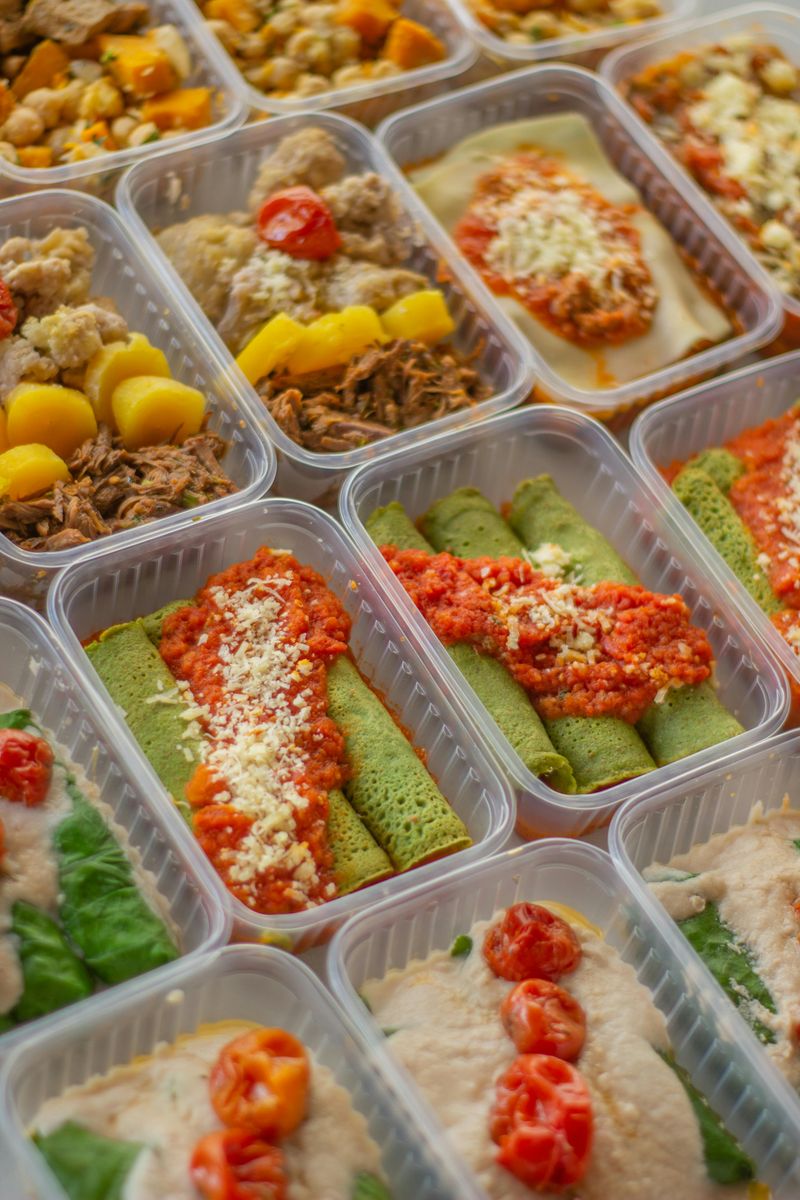
Convenience meets controversy with packaged frozen meals, often criticized for high sodium content. In Hungary, a nation known for its culinary heritage, a ‘fat tax’ targets foods with unhealthy nutritional profiles.
The high sodium levels in these meals pose health risks, including hypertension and heart disease. Public health policies aim to reduce these risks through taxes and regulations.
This initiative encourages consumers to choose fresh, home-cooked options over processed meals, fostering healthier lifestyles.
Fast Food Fried Items
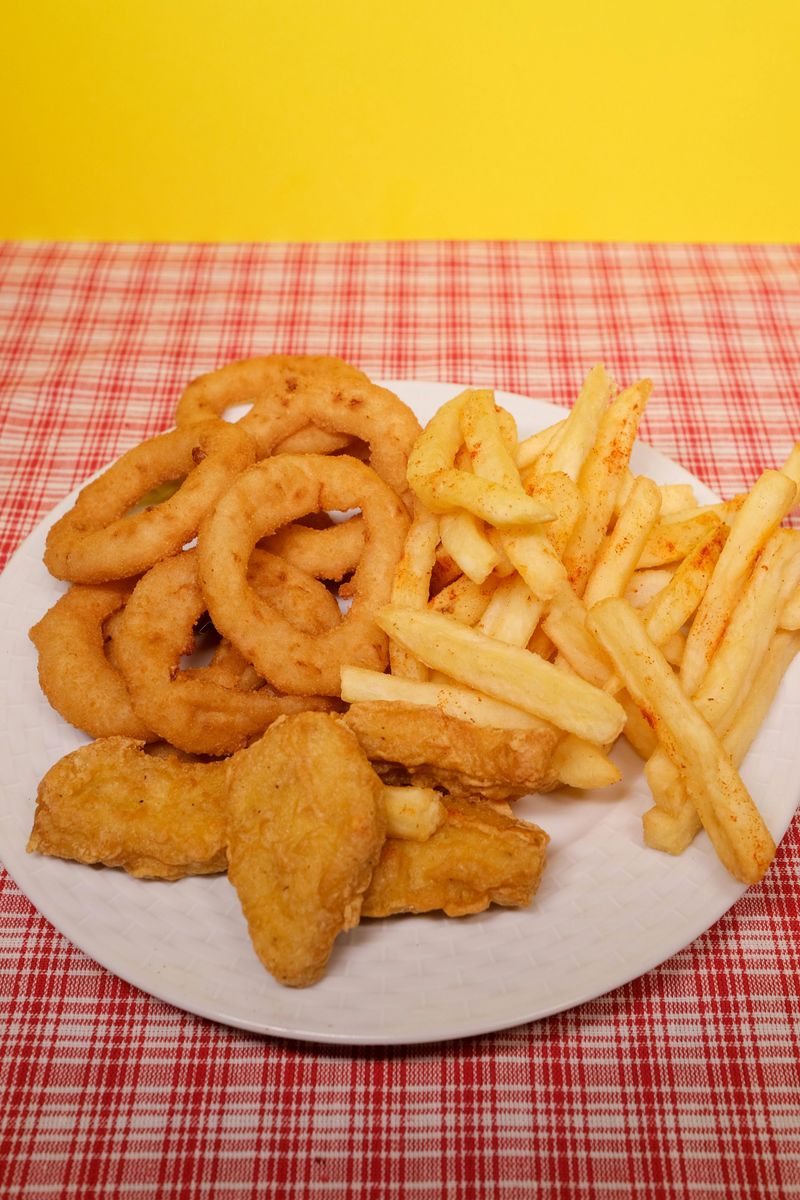
The irresistible allure of fast-food fried items faces scrutiny due to the methods used in cooking. The oil, often reused, becomes a source of harmful compounds linked to heart disease.
In certain Indian states, fried foods are restricted during festivals to promote healthy eating. The emphasis is on safeguarding public health by encouraging mindful consumption.
These regulations highlight the impact of dietary choices on health, steering consumers towards better alternatives.
Instant Noodles Cups
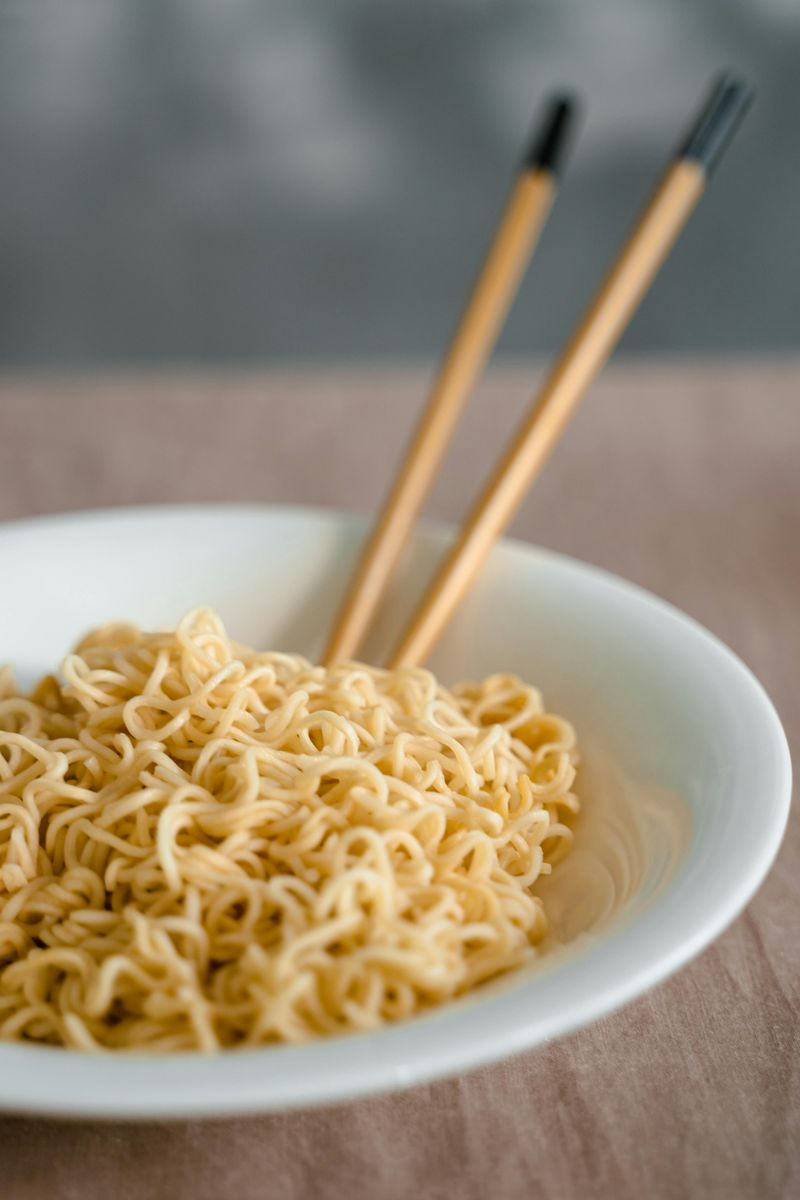
Instant noodles, beloved for their convenience, encounter restrictions due to preservatives and additives. In Nigeria, bans on certain brands arise from health concerns over additives.
The high sodium content and additives like monosodium glutamate (MSG) are linked to health issues such as high blood pressure. Such actions reflect efforts to protect consumer health.
These bans ignite discussions on food safety and promote awareness about the long-term effects of processed foods.
Sugary Breakfast Cereals
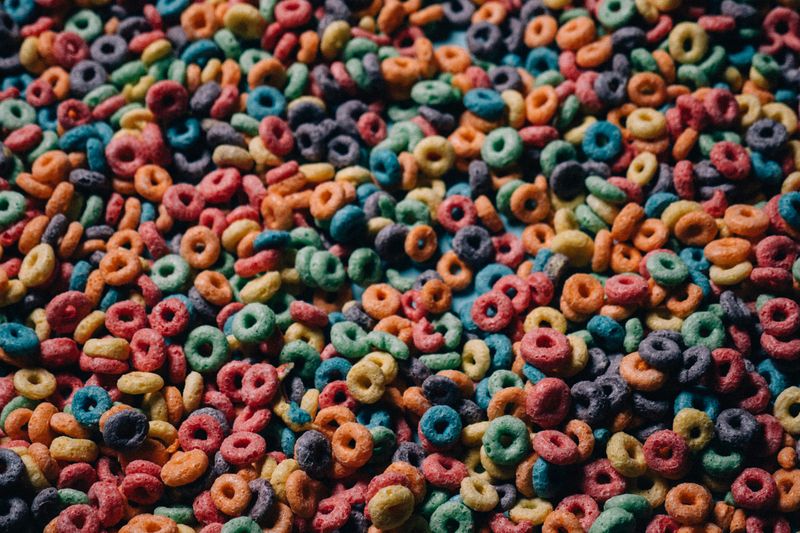
Sugary breakfast cereals, a morning delight for many, face bans due to their sugar content. In Chile, strict labeling laws and advertising restrictions target high-sugar cereals to combat childhood obesity.
The high sugar levels contribute to health problems like obesity and dental issues. Such measures aim to promote healthier breakfast choices for children.
These regulations encourage parents to opt for cereals with less sugar, fostering better dietary habits from a young age.
Packaged Snack Cakes
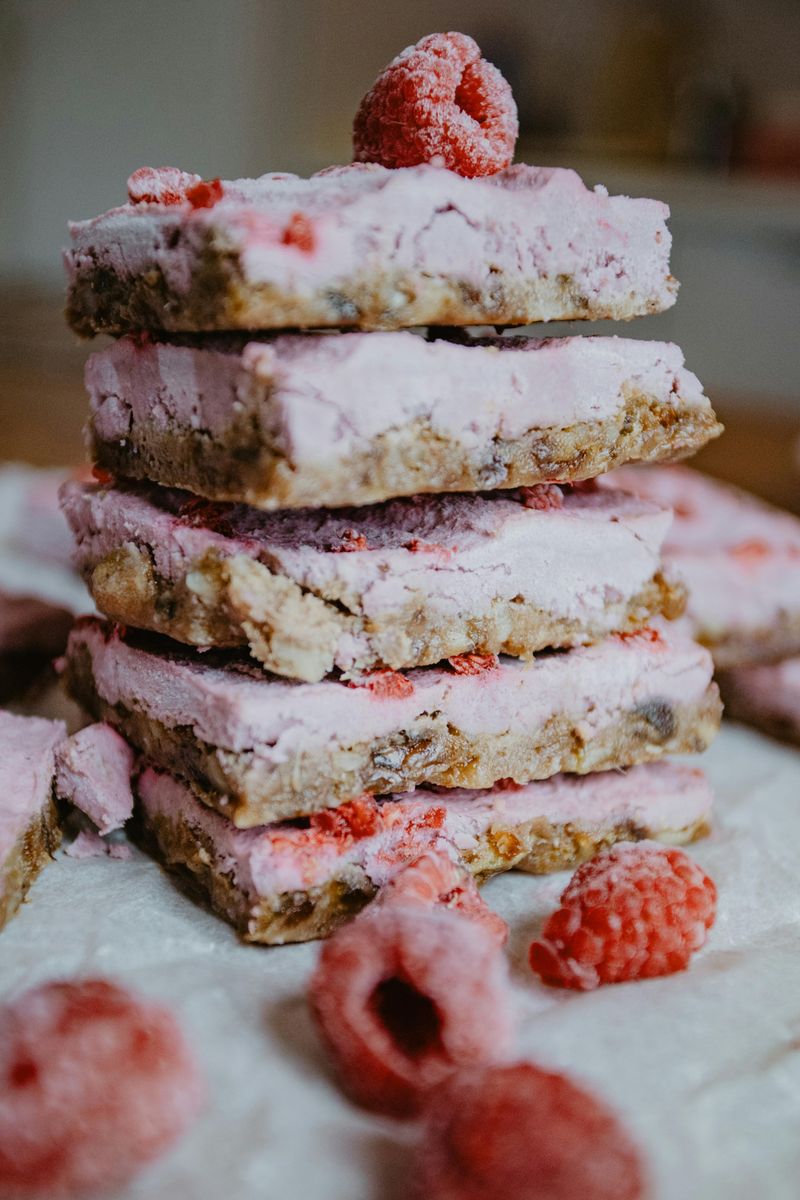
Packaged snack cakes, a sweet indulgence, are banned in some regions due to trans fats. In the United States, the FDA has taken steps to eliminate trans fats, known for increasing bad cholesterol.
These regulations arise from scientific evidence linking trans fats to heart disease, leading to bans and reformulations.
Such actions push manufacturers to innovate healthier versions, shifting consumer preferences towards better options.
Microwave Popcorn Bags

Microwave popcorn, a movie night favorite, faces bans due to chemicals used in its packaging. Chemicals like PFOA have been linked to cancer and other health issues.
In the European Union, regulations restrict such materials in food packaging to protect consumers. The focus is on reducing exposure to harmful compounds from everyday products.
This ban encourages brands to develop safer alternatives, enhancing consumer safety.
Processed Meat Slices

Processed meats, while convenient, are restricted in some areas due to health risks. In California, legislation limits the use of certain chemicals in processed meats to reduce cancer risk.
The World Health Organization classifies processed meats as carcinogenic, prompting bans in regions prioritizing public health.
These restrictions inspire a move towards fresh, unprocessed meats, encouraging healthier consumption practices.
Brightly Colored Desserts
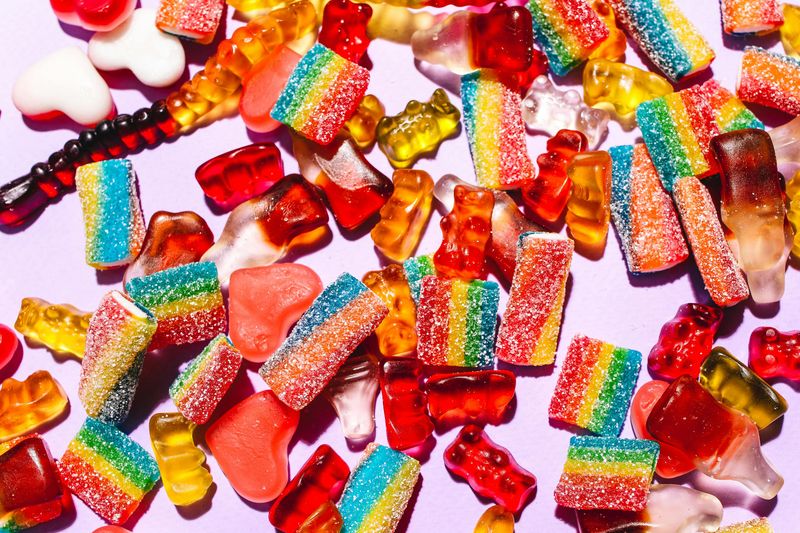
Brightly colored desserts, eye-catching yet questionable, face bans due to artificial additives. In Norway, certain food dyes are prohibited due to allergy and hyperactivity risks.
Artificial colors have been linked to hypersensitivity and behavioral issues, leading to regulatory actions. Such bans encourage the use of natural ingredients in dessert preparation.
These efforts foster a shift towards more natural, safer food options for consumers.
Assorted Packaged Foods on a Table

A table filled with assorted packaged foods may seem convenient, but some products face bans due to unhealthy additives. In New Zealand, regulations target foods with high sodium and saturated fat.
Such foods contribute to health issues like obesity and cardiovascular disease. These bans reflect efforts to promote awareness and healthier eating habits.
By encouraging consumption of fresh, whole foods, these measures aim to improve public health.
From safety concerns to environmental impact and cultural differences, the list of foods that are banned in certain parts of the world reflects a growing global conversation about what we eat and why it matters. While some of these bans might seem surprising—or even controversial—they often stem from well-documented scientific research and risk assessments aimed at protecting public health. Whether it’s a preservative linked to health issues, an ingredient tied to ecological harm, or a culinary tradition that clashes with local standards, understanding the science behind these decisions helps us become more informed consumers. This article is based on research, and more information is available at this link: https://www.who.int/.
Enjoyed this story?
Add Fast Food Club as a preferred source to see more of our reporting on Google.