



In the rush of modern life, we often overlook the simple habits that made food taste exceptional in the past. These retro kitchen practices not only enhanced flavors but also helped save money. Let’s explore nine delightful traditions that brought warmth and taste to every meal.
Cooking from Scratch
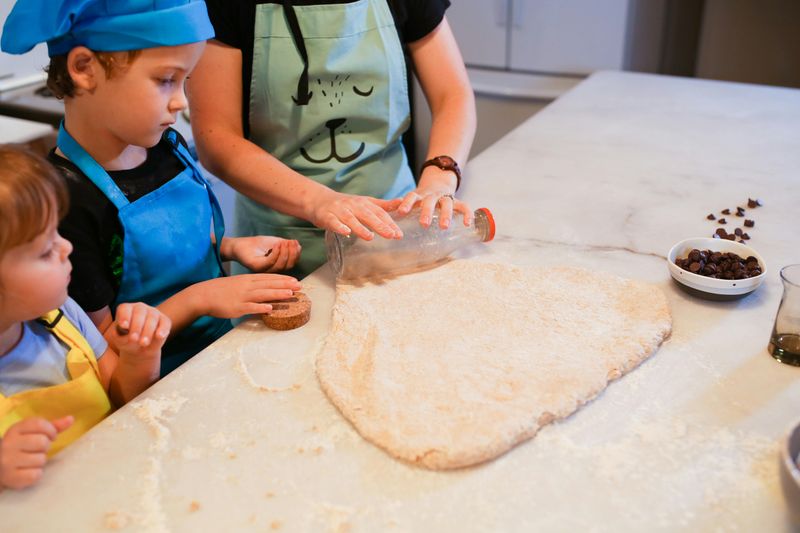
Cooking from scratch was once a common practice in households. A pot simmering on the stove filled kitchens with rich aromas, creating memories that lingered long after mealtime.
By using basic ingredients, cooks had complete control over flavors and quality. This approach often led to healthier and tastier meals compared to processed alternatives.
The satisfaction of crafting dishes from start to finish brought a sense of accomplishment. It also often resulted in more affordable meals, reducing reliance on expensive pre-packaged goods.
Saving Leftovers

Saving leftovers was an art form in many past kitchens. Leftovers were never wasted; they were transformed into creative new meals, stretching family budgets and reducing waste.
A roast from Sunday could become Monday’s stew or a hearty sandwich filling. This kind of resourcefulness was essential when food was less abundant.
Families knew how to reinvent their meals to keep everyone satisfied. This not only conserved food but also sparked culinary creativity in managing household provisions.
Making Homemade Stock

Homemade stock was a staple in classic cooking. Cooks would collect bones and veggie scraps, simmering them to extract rich flavors and nutrients.
This practice turned potential waste into a foundation for soups, sauces, and gravies, enhancing the depth of dishes. It was economical and flavorful.
Making stock at home allowed for a personalized touch, adapting the taste to suit any recipe. The slow, gentle simmering filled homes with comforting scents, reminiscent of family kitchens.
Baking Bread at Home
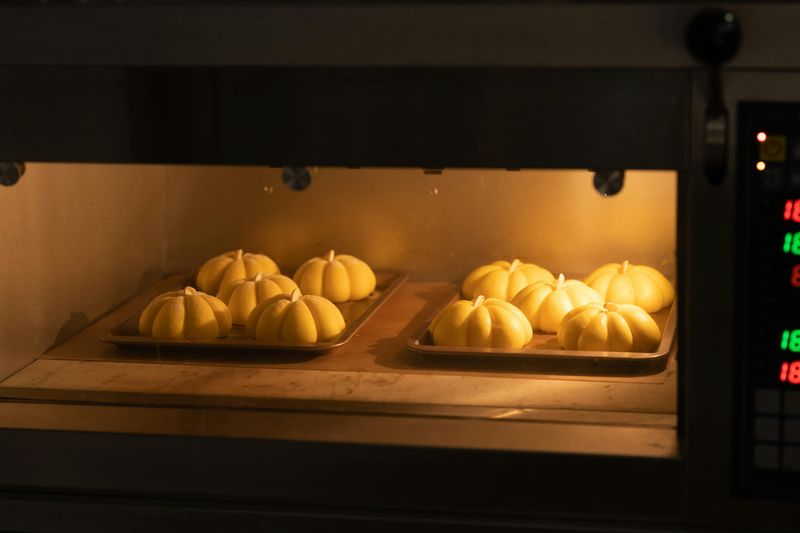
Baking bread at home was both an art and a necessity. The aroma of freshly baked bread was a comforting presence in many households.
Kneading dough by hand connected bakers to a timeless tradition, creating loaves that were both nutritious and delightful. Home-baked bread offered freshness that store-bought simply couldn’t match.
Baking bread saved money while providing a meditative experience. The crispy crust and soft interior were rewards for the patience and love poured into each loaf.
Growing Herbs
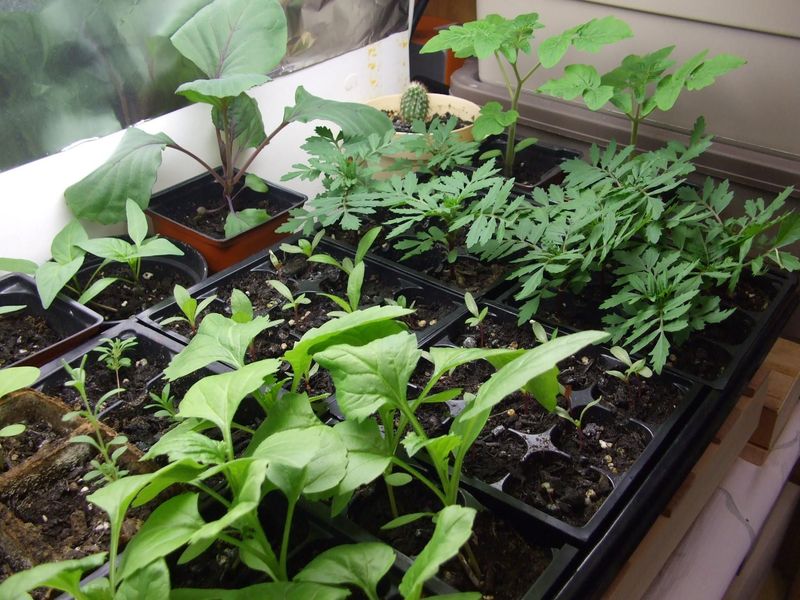
Growing herbs was a simple pleasure in older kitchens. Fresh basil, thyme, and rosemary added vibrancy to dishes without the need for expensive store-bought seasonings.
Herb gardens thrived on windowsills, offering immediate access to fresh flavors. This not only enriched the taste of meals but also reduced grocery bills.
The joy of snipping fresh herbs right before cooking provided a direct connection to nature. It was a sustainable practice, nourishing both the body and spirit.
Using Seasonal Produce
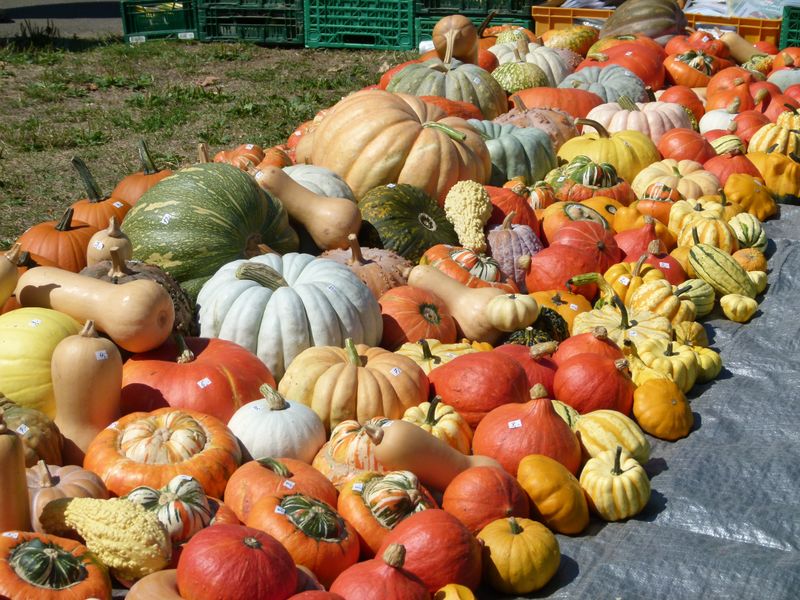
Using seasonal produce was a natural choice in the past. It meant cooking with ingredients at their peak, offering superior taste and nutrition.
Seasonal foods were more affordable and abundant, reducing the cost of meals while enhancing flavor profiles. It encouraged creativity in the kitchen, adapting recipes to the changing bounty of each season.
This practice connected people to the cycles of nature, fostering a deeper appreciation for local produce and reducing the carbon footprint of meals.
Planning Meals Ahead

Planning meals ahead was a thoughtful tradition that families embraced. This foresight ensured balanced nutrition and minimized waste.
By mapping out meals, households could make informed purchases, buying only what was needed and avoiding impulse buys. It saved time and money, reducing stress around mealtimes.
This practice encouraged variety, allowing cooks to experiment while maintaining harmony in dietary needs. It was a mindful approach to everyday cooking.
Using Every Part of Ingredients

Using every part of ingredients was a thrifty and clever habit. Vegetable peels and meat bones found new life in stocks and soups.
This approach minimized waste and maximized value from every purchase, reflecting a deep respect for food. Nothing was considered expendable.
Cooks discovered inventive ways to incorporate scraps, enriching flavors and textures. It was a testament to ingenuity, turning potential waste into culinary treasure.
Preserving Food in Jars
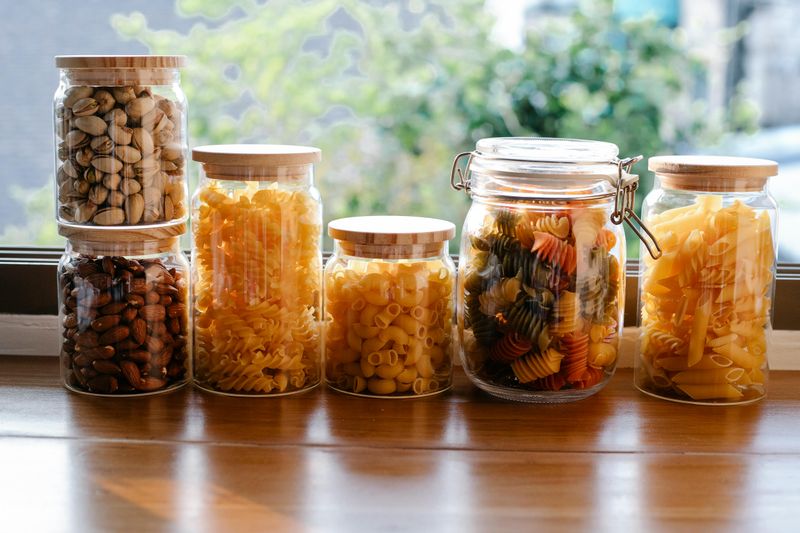
Preserving food in jars was a cherished tradition, ensuring that seasonal flavors could be enjoyed year-round. It was a method of extending the harvest’s bounty.
Jams, pickles, and sauces lined pantry shelves, offering homemade delicacies at a fraction of store prices. The process of canning captured the essence of summer in a jar.
This skillful preservation not only reduced waste but also provided a sense of security. Families enjoyed the fruits of their labor, even in the depths of winter.
Enjoyed this story?
Add Fast Food Club as a preferred source to see more of our reporting on Google.