



Despite regulations limiting industrial trans fats, certain products still contain them. Here’s a detailed look at nine such items that may surprise you.
Packaged Baked Goods Made with Shortenings
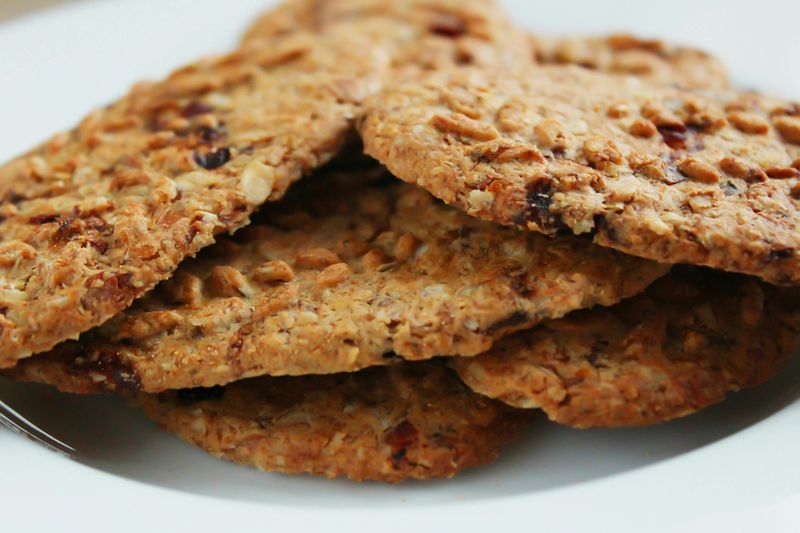
Biting into a delicious cookie may come with an unexpected side of trans fats. Many packaged baked goods rely on shortenings to achieve that perfect texture. These shortenings, often hydrogenated, contribute to trans fat content. Regulations might limit trans fats, but they can still sneak in under the radar.
Some manufacturers opt for partially hydrogenated oils, which are a significant source of trans fats. The mouthfeel they provide is hard to replicate, leading companies to stick with them. Health-conscious consumers should check labels carefully to avoid these hidden fats.
It’s often the convenience of these baked goods that draws people in, but a deeper look at the ingredients reveals more than just flour and sugar. Be aware of the unseen culprits lurking in the ingredient list.
Shelf-Stable Frostings and Fillings

Imagine slathering a cake with a vibrant frosting, only to learn it contains trans fats. Shelf-stable frostings and fillings are notorious for housing these unhealthy fats. Their long shelf life is appealing, but it often requires partially hydrogenated oils.
These oils ensure the frosting maintains a consistent texture and prevents spoilage. While they may provide that desired smooth spread, the hidden trans fats can be detrimental.
Consumers often overlook frostings when considering trans fat sources. However, reading the labels on these products can uncover surprises. The convenience of ready-to-use frostings comes with a health trade-off.
Microwave Popcorn with Certain Flavoring Fats

A night in with a movie and popcorn sounds perfect, but beware of the flavoring fats. Microwave popcorn often uses oils to create savory tastes, some of which include trans fats. These fats can elevate the flavor profile but at a cost to heart health.
Even though regulations limit these fats, they can still be present in flavored varieties. The allure of buttery or cheesy popcorn may overshadow the health risks involved.
Reading ingredient lists is essential to avoid trans fats in these snack-time favorites. It’s not just the kernels that pop; sometimes it’s the hidden fats, too.
Packaged Pies and Pastry Doughs

The flaky crust of a pie might owe its texture to trans fats. Packaged pies and pastry doughs often use shortening for the perfect flake, which can introduce trans fats. Despite restrictions, these products still manage to include them.
The convenience of ready-made doughs is attractive, leading many to ignore the ingredient list. Hydrogenated oils provide stability and texture that’s hard to replicate without trans fats.
It’s not just the taste but also the texture that consumers cherish. However, understanding what creates that texture reveals a hidden health concern. Check labels diligently to stay informed.
Budget Cookies and Wafers

Budget-friendly treats like cookies and wafers might come with a hidden cost to health. These products often use trans fats to maintain a longer shelf life and satisfying crunch.
While they may be affordable, their ingredient quality can introduce undesirable fats. Partially hydrogenated oils are common in these cheaper options, offering a pleasant texture but at a nutritional cost.
Consumers might focus on cost savings, but understanding the ingredients can reveal why these products are cheaper. Skimming through labels can help identify potential trans fat culprits.
Cream-Filled Snack Cakes

Indulging in a cream-filled snack cake might mean taking in trans fats unknowingly. The creamy filling often contains partially hydrogenated oils for texture and taste.
These snack cakes are a popular choice for quick sweets, yet the hidden trans fats can be a surprise. The creaminess comes at a price, as manufacturers use these fats for stability and longevity.
While the taste may be delightful, the understanding of its creation could be less so. Checking labels carefully can illuminate these hidden ingredients, allowing for more informed snacking choices.
Certain Non-Dairy Creamers

A splash of non-dairy creamer in your coffee might add more than just flavor. Many creamers use trans fats to create a rich, creamy texture. These fats help mimic the feel of dairy without actually containing it.
Despite being a non-dairy option, the inclusion of hydrogenated oils can bring unwanted health implications. This quick coffee fix might hide more than just sweetness.
Understanding what makes these creamers so smooth reveals their hidden ingredients. Reading the ingredient list can offer transparency about what you’re really adding to your morning brew.
Some Frozen Pizzas with Processed Toppings

Reaching for a quick meal with a frozen pizza might introduce trans fats through the toppings. Some processed toppings rely on hydrogenated oils for flavor and longevity.
These oils help maintain the toppings’ texture and appearance, ensuring a consistent product. Despite limitations on trans fats, they can still make their way into these frozen delights.
Examining the ingredient labels can uncover these hidden fats. While the convenience of frozen pizzas is unmatched, it’s crucial to understand what goes into these quick meals.
Fast-Food Fried Items
Stopping for a quick bite at a fast-food joint might mean ingesting trans fats through fried options. When frying fats are poorly regulated, trans fats can remain present in the final product.
Even with regulations, fast-food chains may use oils that don’t meet stringent standards, introducing these harmful fats. The golden, crispy exterior is often achieved through such oils.
Understanding the cooking process and the oils used can shine a light on hidden trans fats. Awareness of these culinary practices allows for better choices when dining out.
From packaged snacks to everyday pantry staples, industrial trans fats can still quietly make their way into our diets despite strict regulations and official limits. These products highlight how loopholes in labeling, reformulation strategies, and varying enforcement standards allow harmful fats to persist on store shelves. Understanding where trans fats still appear – and why they are linked to increased risks of heart disease and other health concerns – is essential for making safer food choices. This article is based on research, and more detailed information can be found at this link: https://eur-lex.europa.eu/eli/reg/2019/649/oj/eng
Enjoyed this story?
Add Fast Food Club as a preferred source to see more of our reporting on Google.