


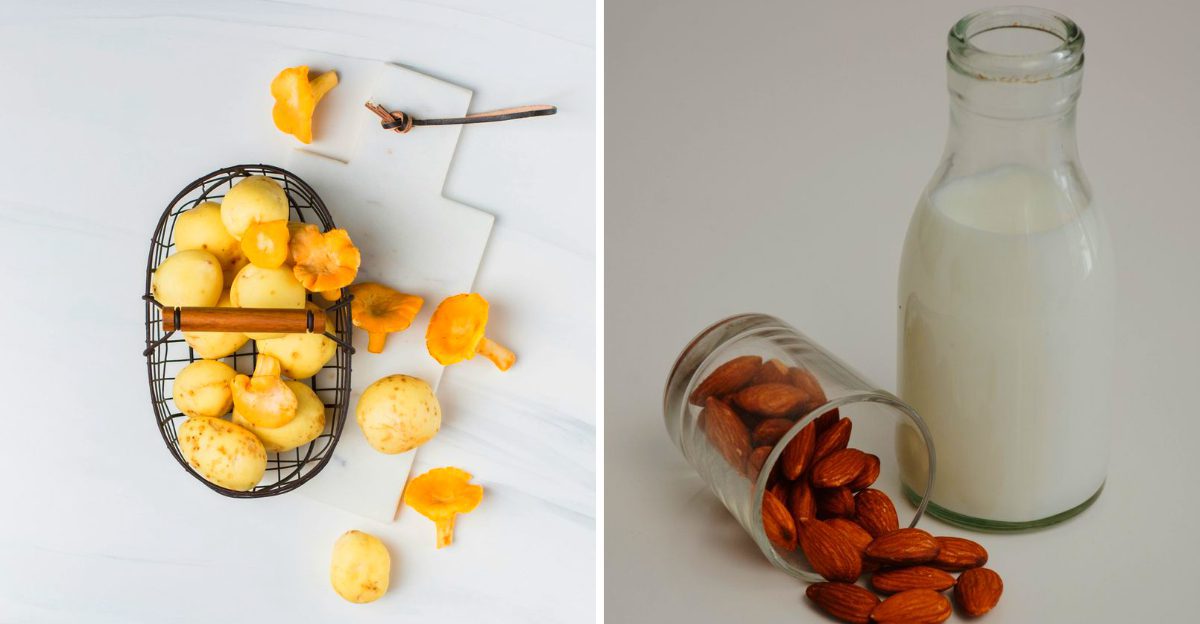
Somehow, everyday foods got tossed into the bad bin without everyone agreeing why. Trends shift, headlines shout, and suddenly your pantry looks guilty by association. The truth is more nuanced, and context matters a lot more than labels. Let’s unpack the reputations, the real tradeoffs, and how you can enjoy these foods without the drama.
White rice bowl
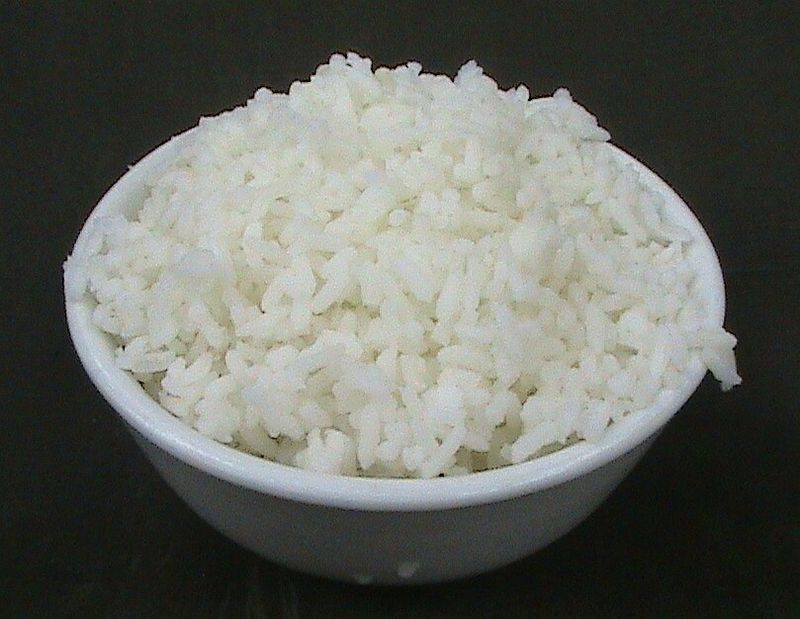
White rice gets a bad rap for being “empty carbs,” but context is everything. Portion size, what you pair it with, and your activity level determine impact. Pair rice with protein, vegetables, and healthy fats to slow digestion and keep energy steady.
It is gentle on the stomach and easy to prep in batches, which helps consistency. Not every dinner needs to be a fiber bomb to be balanced. You can rotate with brown or wild rice if you want more roughage without creating food rules.
Eggs carton
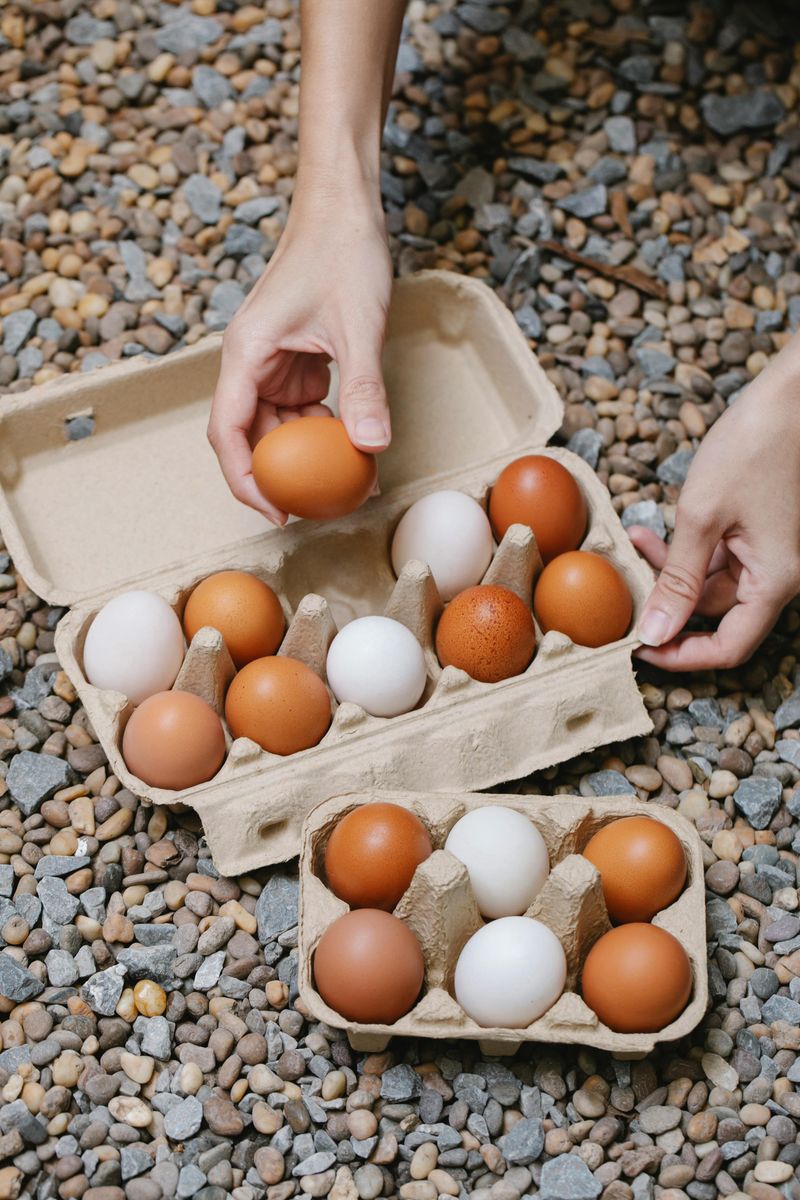
Eggs were blamed for cholesterol for decades, then redeemed by better research. For most people, dietary cholesterol has a modest effect on blood cholesterol compared to saturated fat and overall pattern. Eggs deliver protein, choline, and satisfaction for very few calories.
Pair them with greens, whole grains, or beans to round out breakfast. If you have specific cholesterol conditions, talk with your clinician. Otherwise, two eggs now and then fit easily into a varied, colorful diet without inviting guilt or confusion.
Red meat steak
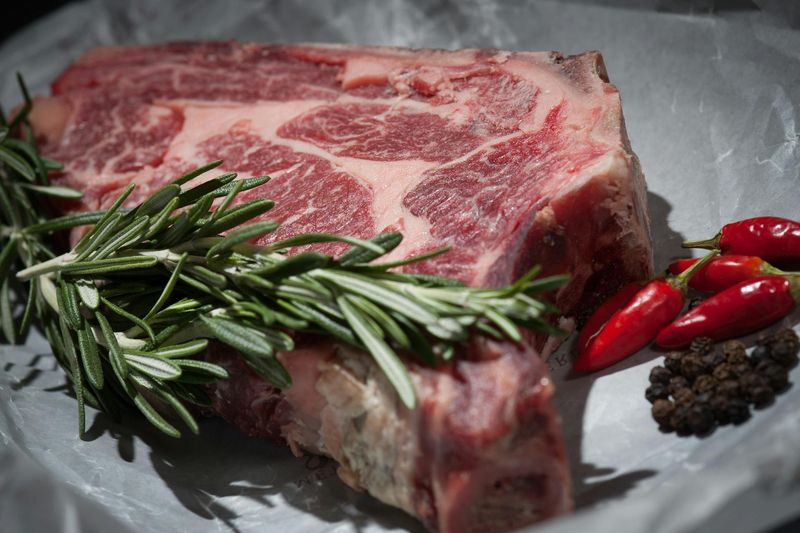
Red meat headlines swing wildly, but blanket bans ignore portions and frequency. A few servings per week, trimmed of excess fat, can be part of an overall diet rich in plants. Iron, zinc, and B12 are tough to match for some people.
You can alternate with fish, legumes, and poultry to keep variety high. Choose leaner cuts and cook gently to avoid charring. If sustainability weighs on you, buy less but better quality, and build meals around vegetables so the steak is the accent, not the whole story.
Butter sticks

Butter became a symbol for saturated fat panic, but it is a condiment, not a main course. A little butter can make vegetables or whole grains more satisfying, which may help you eat them more often. Flavor goes a long way.
Keep portions modest, rotate with olive oil, and enjoy mindfully. If you bake, consider half butter and half neutral oil for balance. Food traditions matter too, and a buttered slice on a cold morning can be both nourishing and comforting.
Sugar bowl
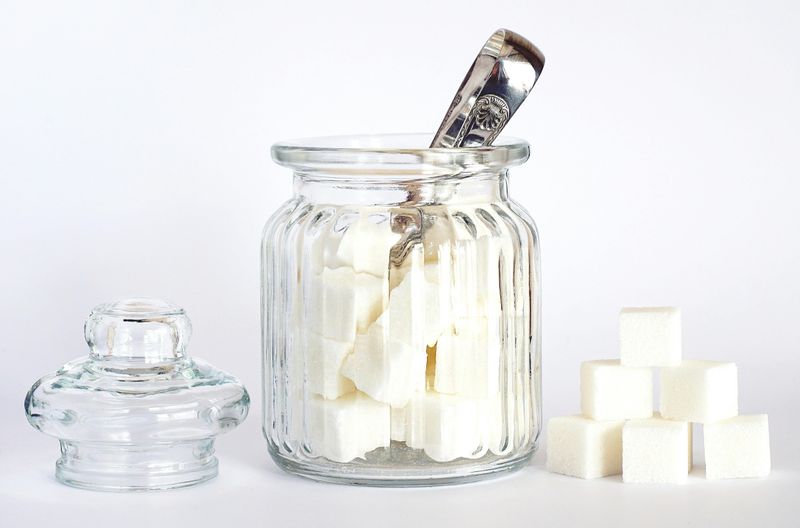
Sugar is not a moral failing, but overdoing added sugars can crowd out nutrients. You do not have to ban dessert to feel good. Keep sweets special, not constant, and pair them with meals so hunger does not drive overeating.
Read labels for added sugar rather than obsessing over fruit. A sweet yogurt or a cookie after dinner can fit when you mostly choose fiber rich foods. Aim for patterns, not perfection, and it becomes easier to enjoy treats without spiraling.
Salt shaker
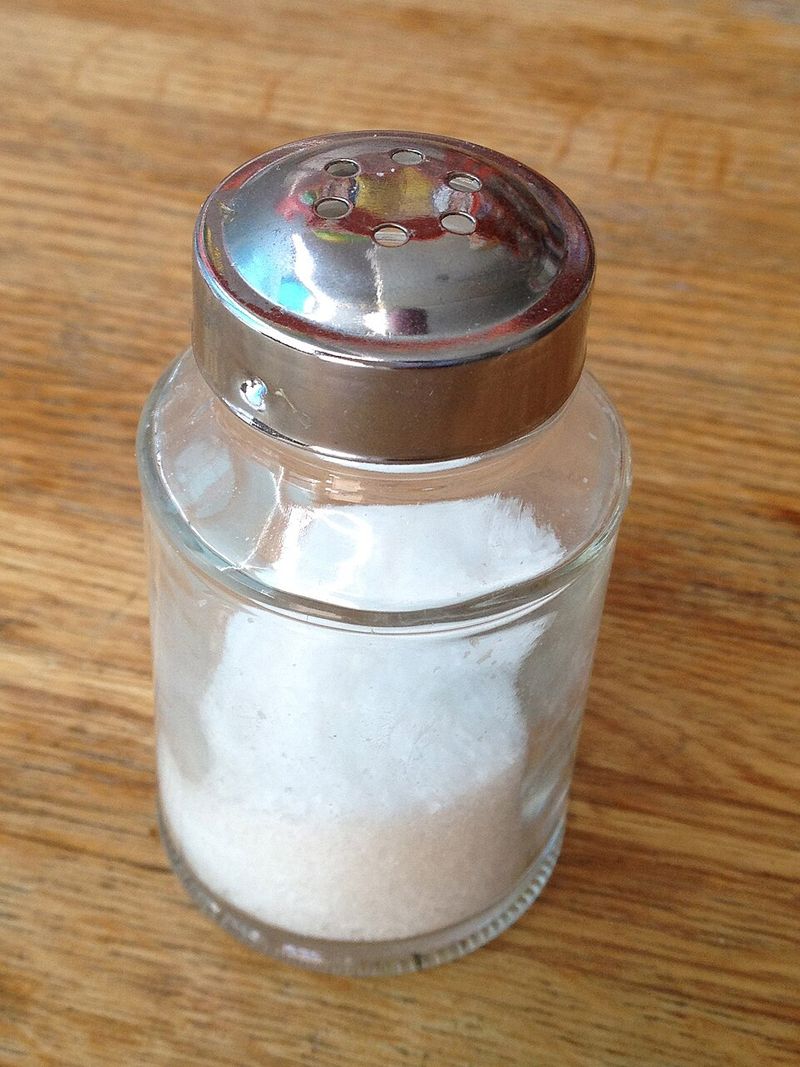
Salt gets blanket blame, yet sensitivity varies a lot. If blood pressure runs high, you likely benefit from cutting back, cooking more at home, and using herbs. For active people who sweat a ton, some extra sodium helps performance and recovery.
Focus on big sources like restaurant meals and packaged foods instead of micromanaging pinches. Taste buds adapt within weeks, making lower salt cooking more satisfying. Keep an eye on your numbers, and season food thoughtfully so flavor and health can comfortably coexist.
Bread loaf

Bread was dethroned when carbs got labeled the enemy, but context matters. A hearty loaf can be part of balanced meals, especially when paired with protein and produce. If gluten is not an issue, choose bread you enjoy and that digests well.
Sourdough, whole grain, or seeded options add flavor and texture. Two slices with eggs or soup can be satisfying without derailing goals. You are allowed to make sandwiches without apologizing to the internet.
Pasta plate
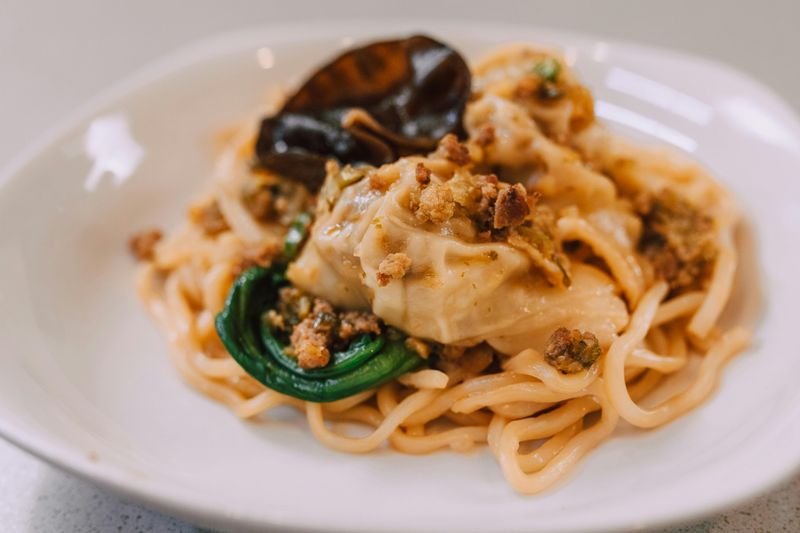
Pasta’s reputation suffers from oversized portions and bottomless bowls. The noodle itself is neutral, and balance turns it into a smart, comforting meal. Think one to two cups cooked, plenty of vegetables, and protein like beans, shrimp, or chicken.
Olive oil, garlic, and herbs build flavor without excess heaviness. Save room for a small salad, and you have a weeknight win. If blood sugar is a concern, try whole wheat or add extra veggies to slow the rise.
Cheese block

Cheese gets flagged for saturated fat and calories, but small portions can be deeply satisfying. It offers calcium, protein, and flavor that elevates simple meals. A thumb sized piece goes surprisingly far when paired with fruit or crisp vegetables.
Choose bold varieties so you need less. Grate over soups and pastas instead of stacking inch thick slices. Store it where you see it occasionally, not hourly, and it becomes a pleasure rather than a habit with no brakes.
Yogurt cup

Yogurt earned side eyes when flavored cups packed sugar, yet the base food is excellent. You get protein, calcium, and fermentation benefits that many guts appreciate. Choosing plain or lightly sweetened varieties lets you control the add ins.
Stir in fruit, nuts, or a drizzle of honey and you have a snack that lasts. If dairy is tricky, try lactose free or cultured alternatives with comparable protein. It is an easy work snack that feels like dessert without the crash.
Peanut butter jar
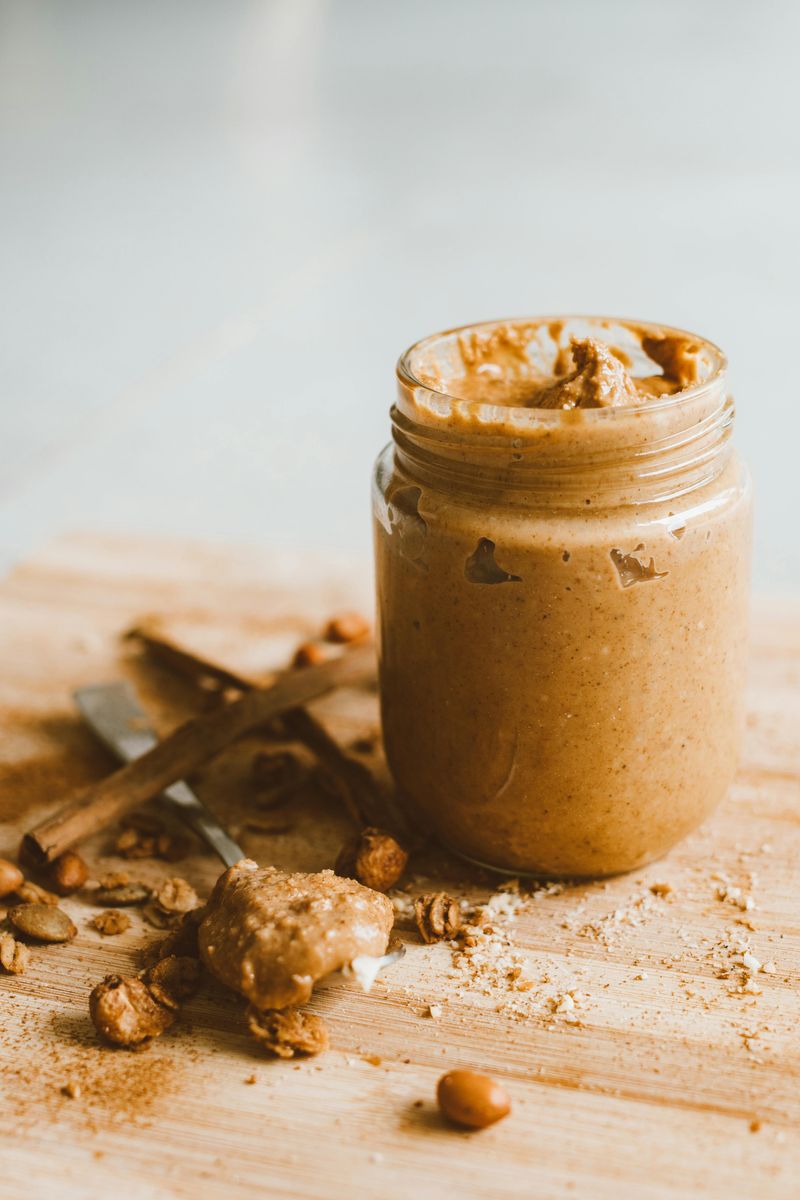
Peanut butter was shamed for fat, but it is mostly heart friendly monounsaturated fats with protein and fiber. A spoonful is calorie dense, sure, yet that density can help you feel full. Choose versions with just peanuts and salt for simplicity.
Spread on toast, stir into oatmeal, or pair with fruit for balance. If allergies are a concern, almond or sunflower butter can swap in. Keep servings mindful and it becomes a powerful, affordable staple, not a villain.
Coffee mug

Coffee took heat for years, then research highlighted benefits like alertness and potential longevity associations. The catch is what you add, how late you drink it, and your sensitivity. Black or lightly sweetened cups usually play nicely with energy and focus.
Cap caffeine by early afternoon if sleep suffers. Hydrate alongside and do not let it replace meals. If jitters appear, try half caf or smaller mugs. Coffee can be a comforting ritual that supports your day rather than hijacking it.
Chocolate cake
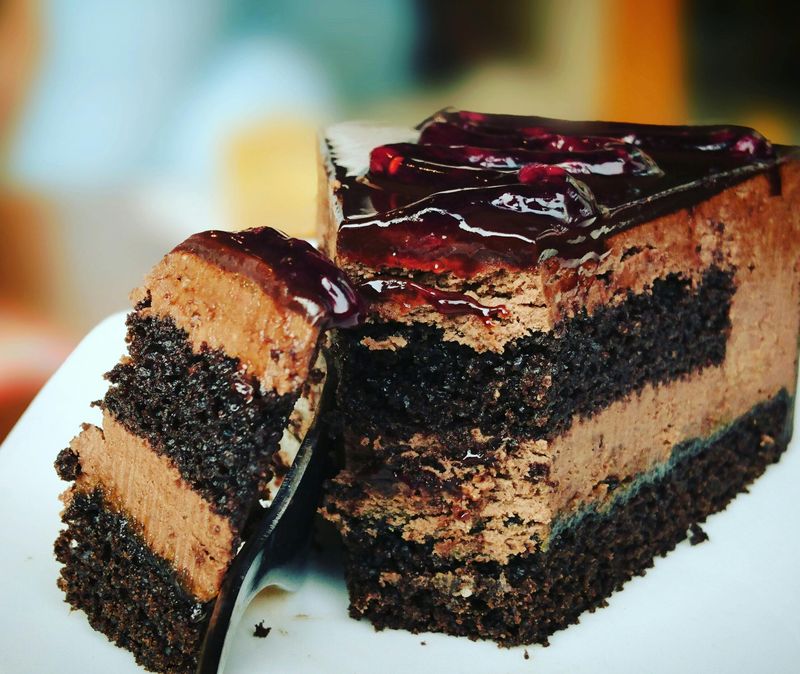
Chocolate cake is not pretending to be kale, and it does not need to. A celebratory slice can fit into an overall nourishing week without guilt. Enjoy it slowly after a meal so hunger is not steering the fork.
Leftovers freeze beautifully for later, which prevents the eat it now panic. If you bake, darker chocolate and less sugar can shift the profile. You are allowed joy on a plate, and that permission often leads to calmer, saner choices tomorrow.
Potatoes
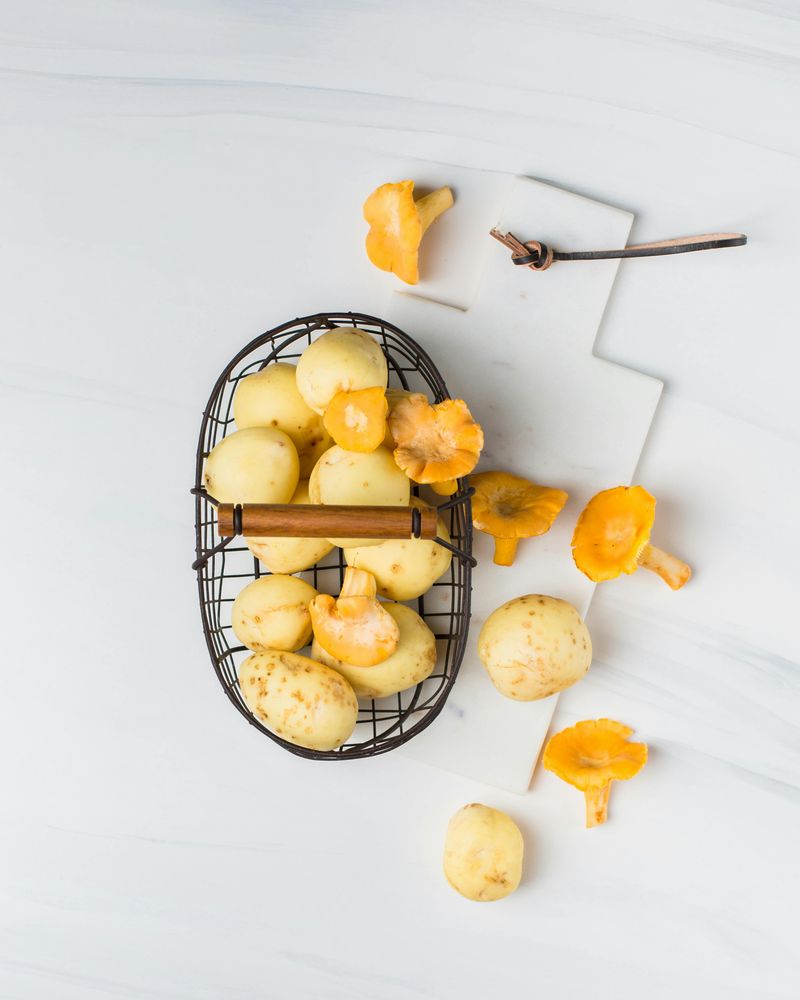
Potatoes got sidelined when fries became the mascot, but the tuber itself is nutrient dense. You get potassium, vitamin C, and satiating starch that fuels workouts and busy days. The preparation makes the difference, not the potato.
Roast with olive oil, herbs, and salt for crispy edges that do not need a deep fryer. Leave some skin for fiber and texture. Balance with protein and a colorful veg, and you have an easy, affordable plate that keeps you full without the villain cape.
Whole milk
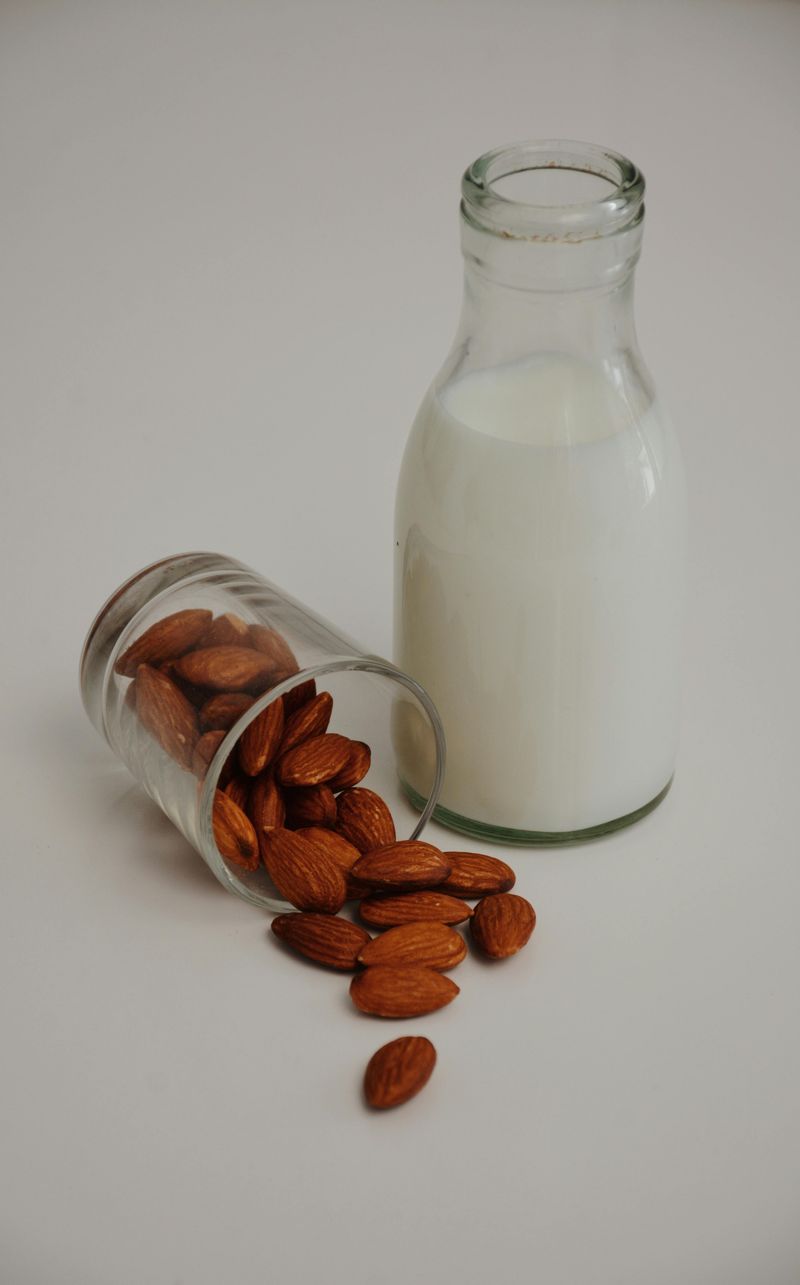
Whole milk was shunned during the low fat era, yet it can be quite satiating. Some studies suggest full fat dairy may support appetite control and not worsen cardiometabolic markers for many people. The key is total diet quality and your energy needs.
Use a splash in coffee or a cup with meals you actually enjoy. If lactose bothers you, try lactose free or fermented options. There is no rule saying you must drink skim to be healthy if whole keeps you satisfied and steady.
Enjoyed this story?
Add Fast Food Club as a preferred source to see more of our reporting on Google.