


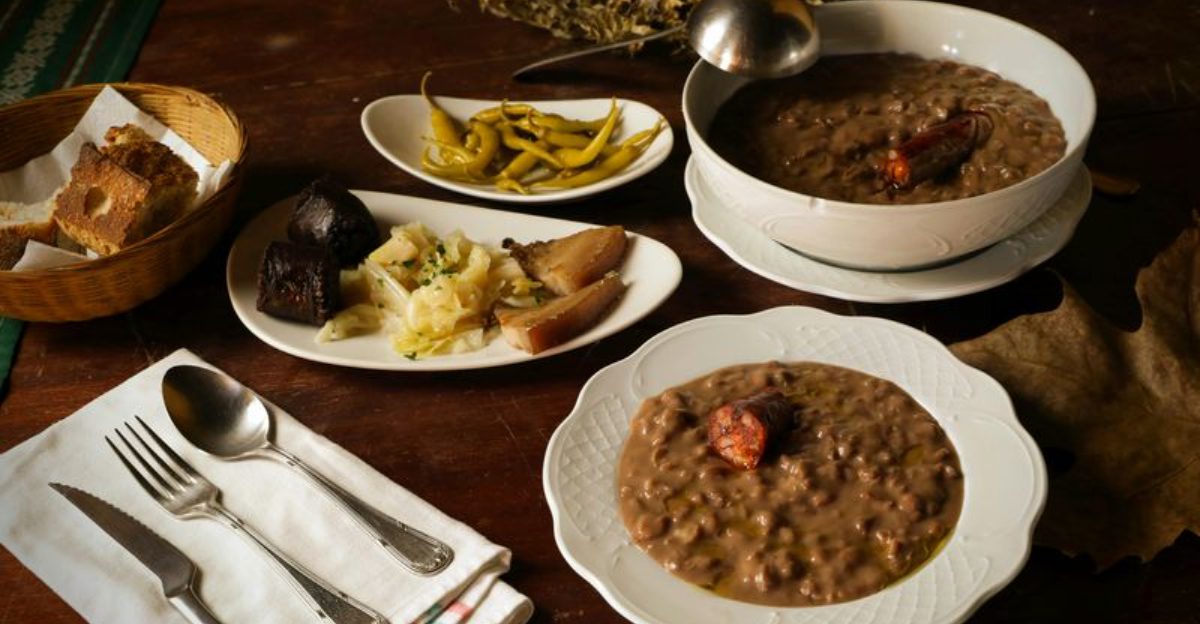
Some meals sound grim until hunger puts them in context. These were scrappy dishes born from empty shelves, ration books, and stubborn hope. You will taste thrift, ingenuity, and a weird kind of comfort in every bite. Keep reading, because the tricks that got people through hard times can still save your dinner today.
Ration book
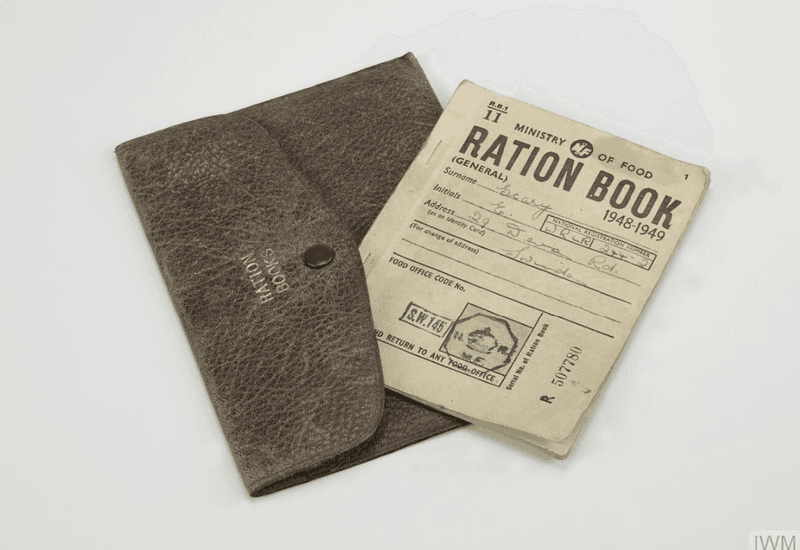
You learned to stretch every coupon like it was gold. A ration book meant limits, but it also offered a plan so meals stayed predictable. You would trade, save, and time purchases, building odd combinations that somehow landed on plates.
Maybe it was cabbage with a scrap of bacon, or sugar saved for a birthday cake. The meals sounded dull, but structure calmed the panic. When you know exactly what you can get, creativity tightens and becomes sharper.
It worked because boundaries force decisions. You eat simply, regularly, and without waste. Hunger respects discipline.
Canned soup
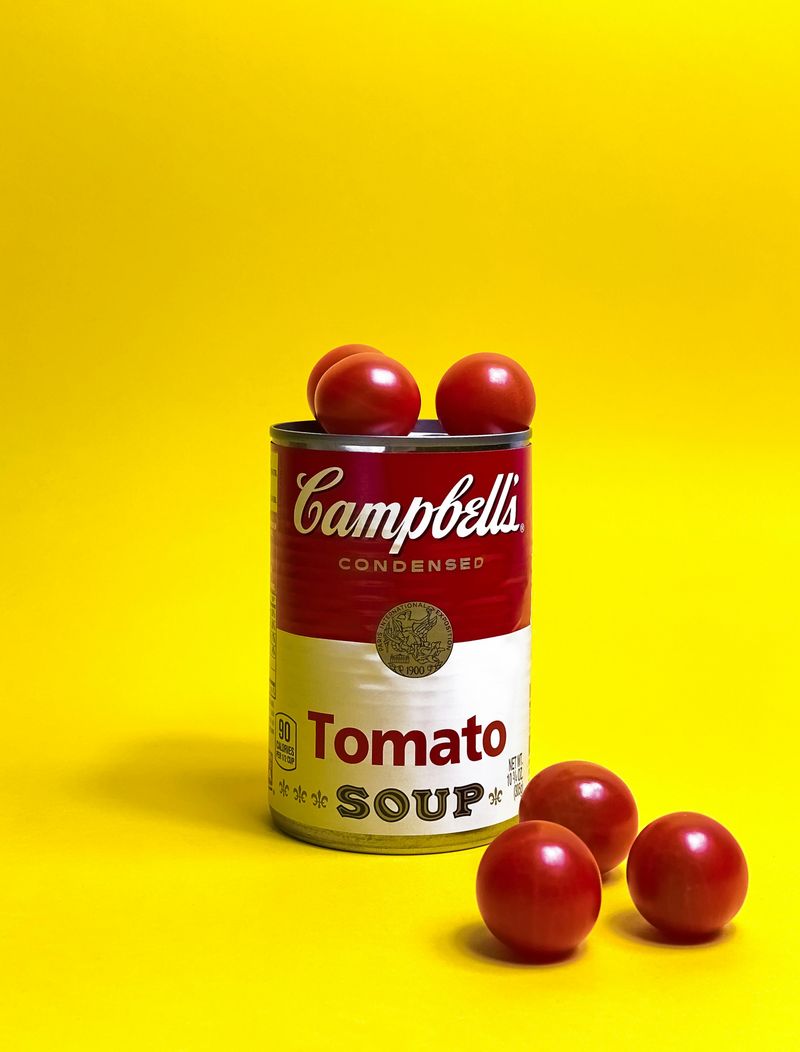
You opened the tin and braced for a metallic tang. Canned soup looked thin, vegetables mushy, broth suspiciously shiny. Still, with a splash of water, a diced potato, and leftover drippings, it grew into something filling.
It was not glamorous, but it warmed hands and settled nerves. You could stretch one can to serve two or three bowls if bread stood by. In hard times, hot liquid feels like a promise.
It worked because temperature and salt trick your body into gratitude. Soup carries calories, comfort, and a sense of being cared for. That mattered most.
Powdered milk
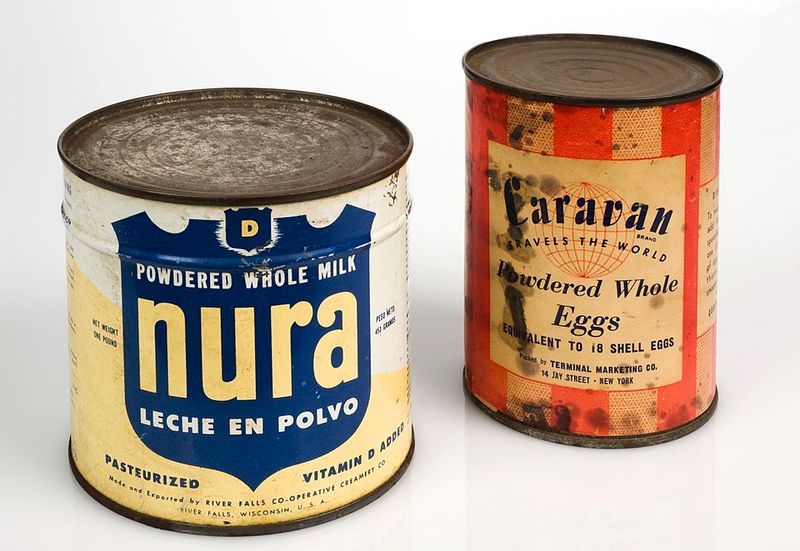
Powdered milk looked like chalk and dissolved reluctantly. You stirred and stirred, then accepted the tiny lumps like weather. It fortified tea, stretched porridge, and turned weak coffee into something kinder.
Baking loved it most. You could make bread softer and pancakes possible when fresh milk vanished. Kids got their vitamins, even if the taste needed a spoon of jam.
It worked because nutrition hid inside convenience. Shelf stable, light to carry, ready when needed, it kept bones and morale together. In a pinch, it was milk enough, and that was everything for tired families.
Bread slice
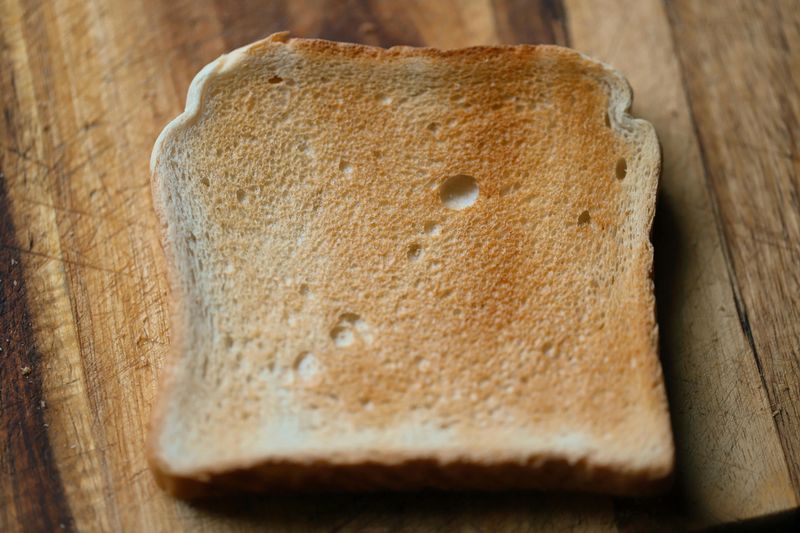
One slice feels like a joke until you slow down. You toast it to amplify aroma, rub with garlic, or scrape on a whisper of fat. Suddenly it crunches loud enough to quiet thoughts.
Maybe you soften it with watered drippings to catch every crumb. You hold it like a small ceremony, no bites wasted, crust first. Empty cupboards make bread a centerpiece instead of a side.
It worked because ritual magnifies plain food. Texture, heat, and patience turn a slice into a meal. You finish full of gratitude more than grain.
Potato meal
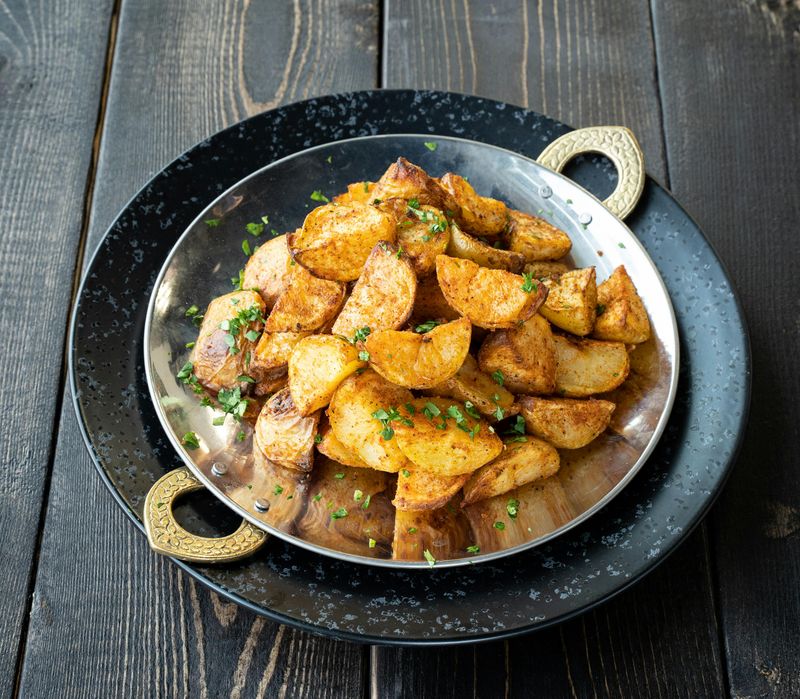
Potatoes stepped up like stubborn friends. You mashed them with a dollop of margarine, fried leftover mash into cakes, or simmered peels for soup. Cheap, steady, and forgiving, they answered every question.
On thin days, you added onion and salt for comfort that stuck to ribs. On better days, a scrap of meat turned them noble. Even cold, they behaved, waiting for a pan and some heat.
It worked because potatoes deliver calories with calm reliability. They fill bowls and silence complaints. In wartime kitchens, that is victory enough for supper.
Boiled vegetables
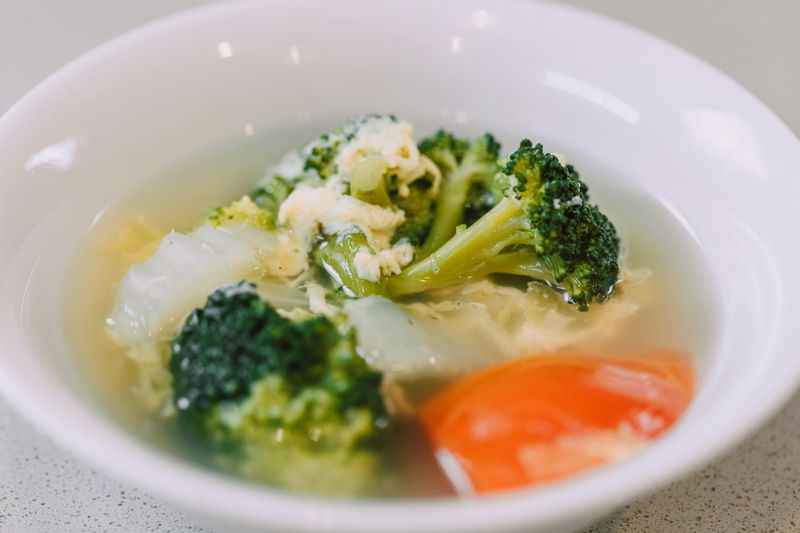
Boiling beats hunger quickly, even if flavor runs for the door. Carrots, cabbage, turnips went in, softened, and came out pale but dependable. A pinch of salt and a drizzle of saved fat tried their best.
You sip the cooking water like a secret broth, because vitamins live there. Nothing gets tossed without a second thought. Texture is sacrificed, but bellies vote yes.
It worked because soft food is easy, fast, and shareable. You can feed many with few. Warmth plus volume becomes a strategy disguised as dinner, and everyone sleeps easier.
Thin stew
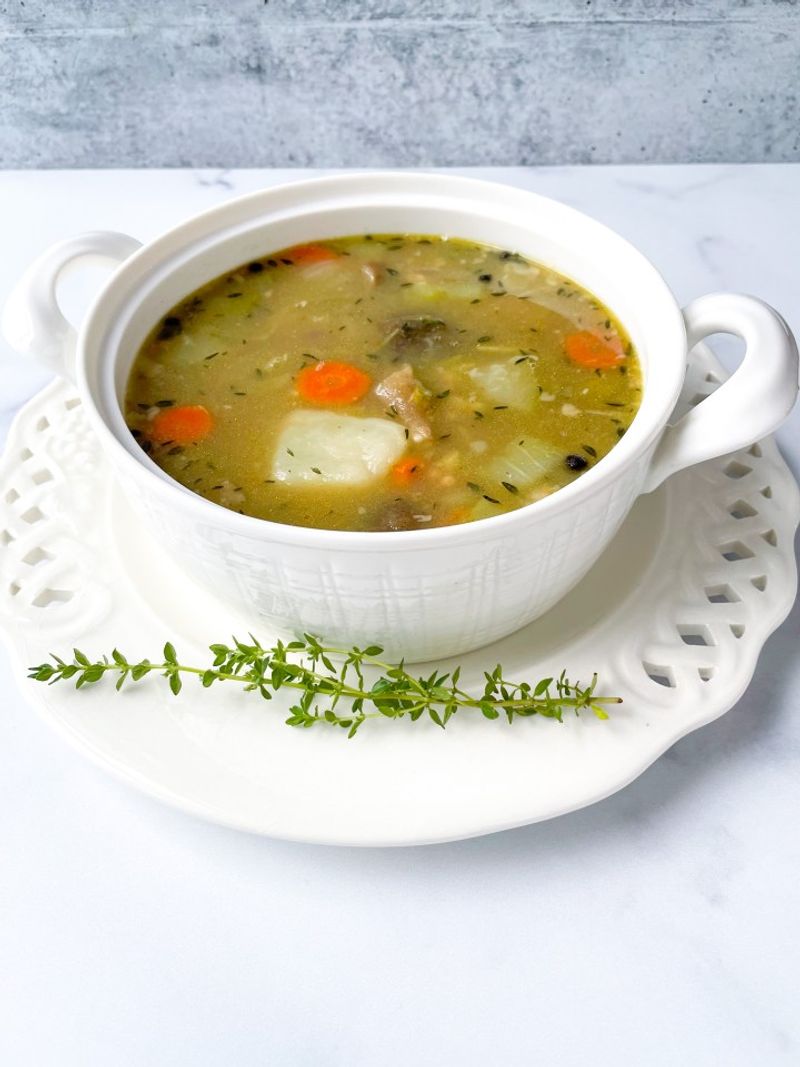
Call it stew, whisper the word meat, and spirits lift. You brown an onion, add water, toss in barley, then hide tiny scraps. The liquid does most of the job, carrying flavor farther than logic.
It looks humble, but bread dipped into it becomes generous. You eat slowly, letting steam and salt do the comforting. Seconds are mostly broth, and no one complains.
It worked because expectations adjust to kindness. Thin does not mean empty when grains swell and vegetables share. Hunger forgives dilution if warmth arrives in a bowl.
Rice porridge
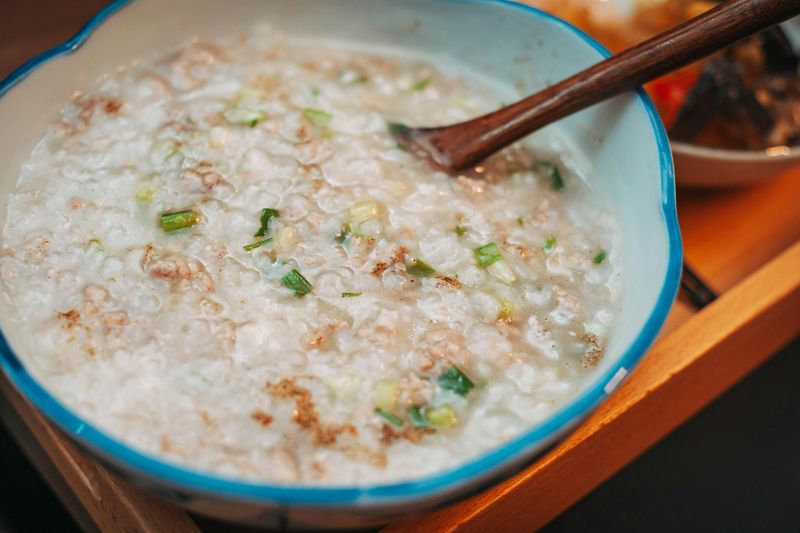
Rice porridge is patience in a pot. You simmer grains past reason until they surrender into softness. A spoon of sugar or a slice of salted radish can turn it toward sweet or savory.
It feeds the unwell, the young, and the tired. You can stretch a cup of rice into a family’s breakfast with water alone. Leftovers thicken into tomorrow’s plan.
It worked because starch plus water equals comfort math. Gentle, filling, and endlessly adaptable, porridge catches whatever toppings you can spare. You finish warmed, not weighed down, and ready to keep going.
Cornmeal
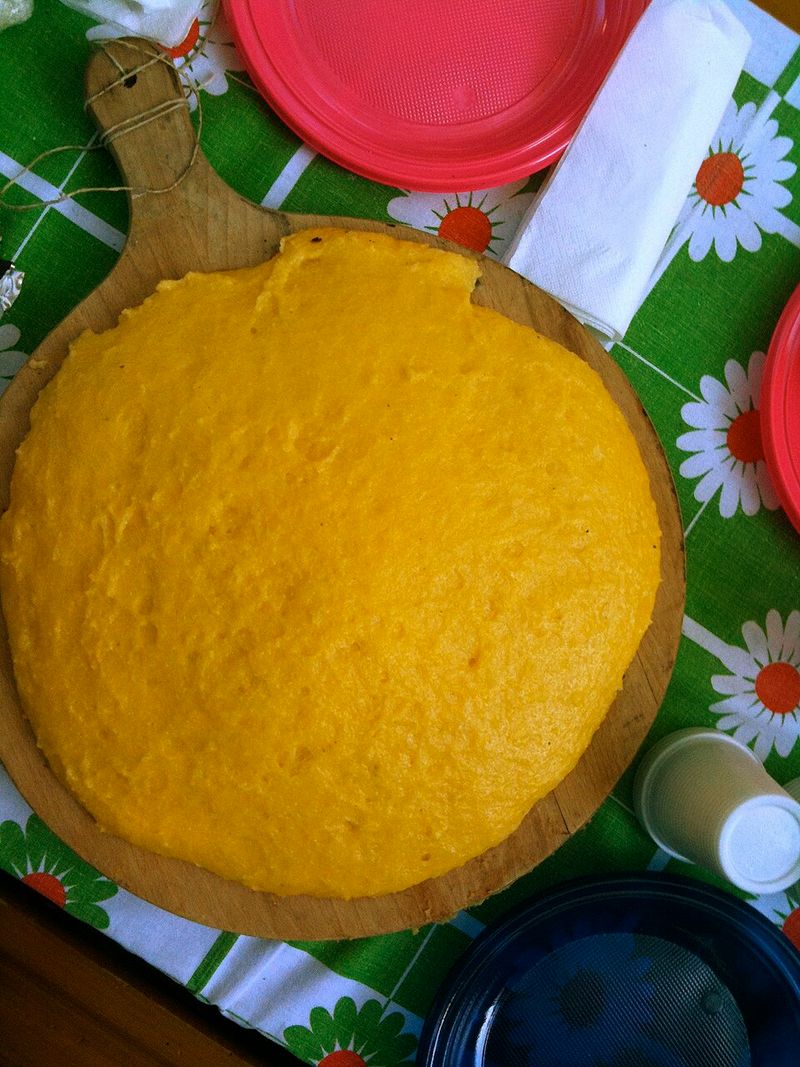
Cornmeal feels gritty until heat coaxes it tender. You stir and stir with salted water, then finish with a dot of fat or scrap of cheese. It sits heavy enough to hush complaints.
Fried slices on day two taste even better. Syrup or gravy can nudge it sweet or savory without costing much. Cornmeal stretches meat drippings into an honest supper.
It worked because corn is stubbornly cheap and versatile. A single bag spins out breakfasts, sides, and snacks. When rations shrink, sturdiness like this keeps the table steady.
Cabbage soup
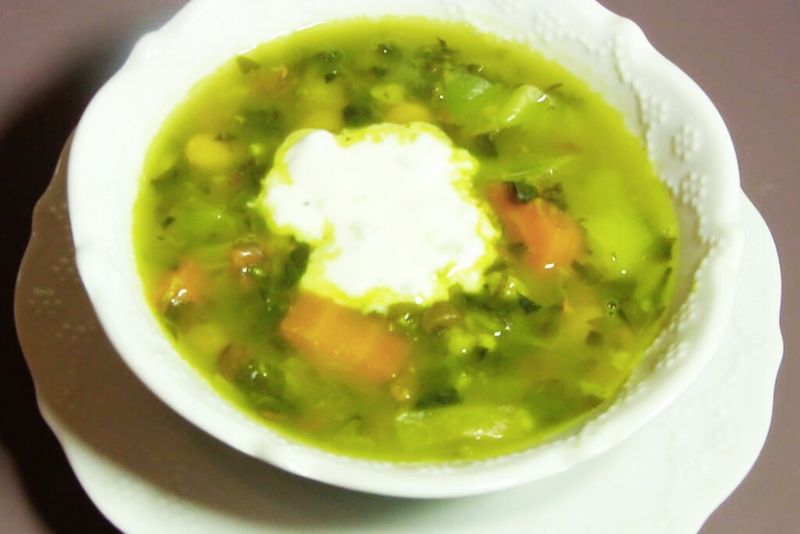
Cabbage smells bold, which scares some folks off. But slice it thin, simmer with onion and a potato, and it softens into friendly. Pepper wakes it up, and vinegar brightens the broth without costing much.
You ladle big bowls that look like plenty. The crunch fades to tenderness as it sits, and tomorrow’s bowl tastes better. A heel of bread makes it seem generous.
It worked because cabbage is cheap, sturdy, and vitamin rich. Turning rough leaves into comfort feels like a small miracle. The pot empties faster than you expect.
Root vegetables
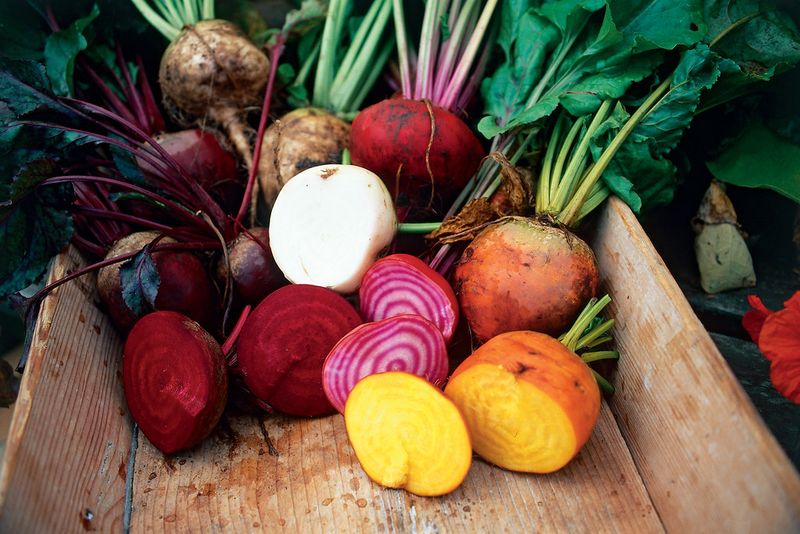
Roots store sun quietly under the soil, then share it when times get cold. Carrots, parsnips, and turnips roast sweet if you can spare heat, or simmer obediently in broth. They do not complain.
You peel sparingly, saving scraps for stock. A dash of vinegar sharpens their earthy charm, and parsley makes everything look hopeful. Kids eat them when they are soft.
It worked because roots last, travel well, and bring fiber plus comfort. When green things disappear, these keep nutrition steady. You survive winter by trusting what grows underground.
Tin cans
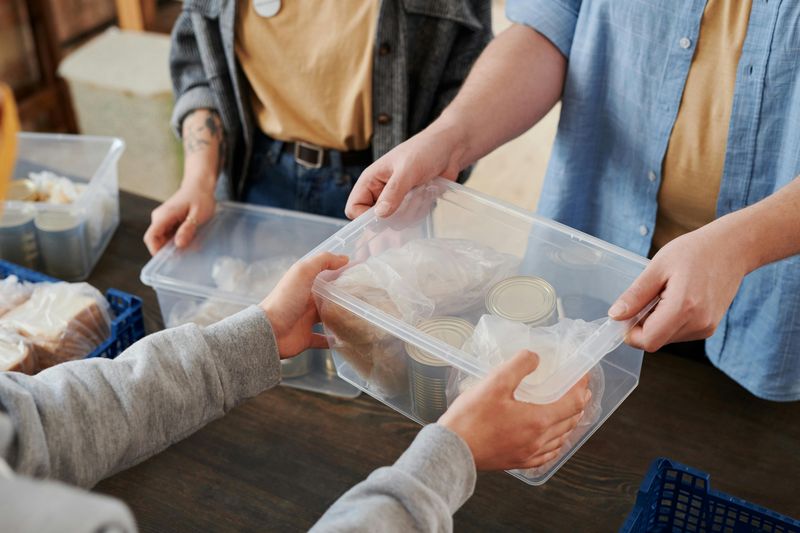
Tin cans hum with possibility even when they look drab. Beans, meat, soup, evaporated milk, all sealed against scarcity. You open carefully to save lids for makeshift tools or patch jobs.
Inside might be fatigue, but also dinner. You combine two half cans into something new, add water, and call it stew. The metal taste fades with heat and onion.
It worked because preservation beats perishability. Cans carry calories across months and miles, waiting for your worst day. When fresh fails, the pantry still answers with a metallic clink.
Old stove
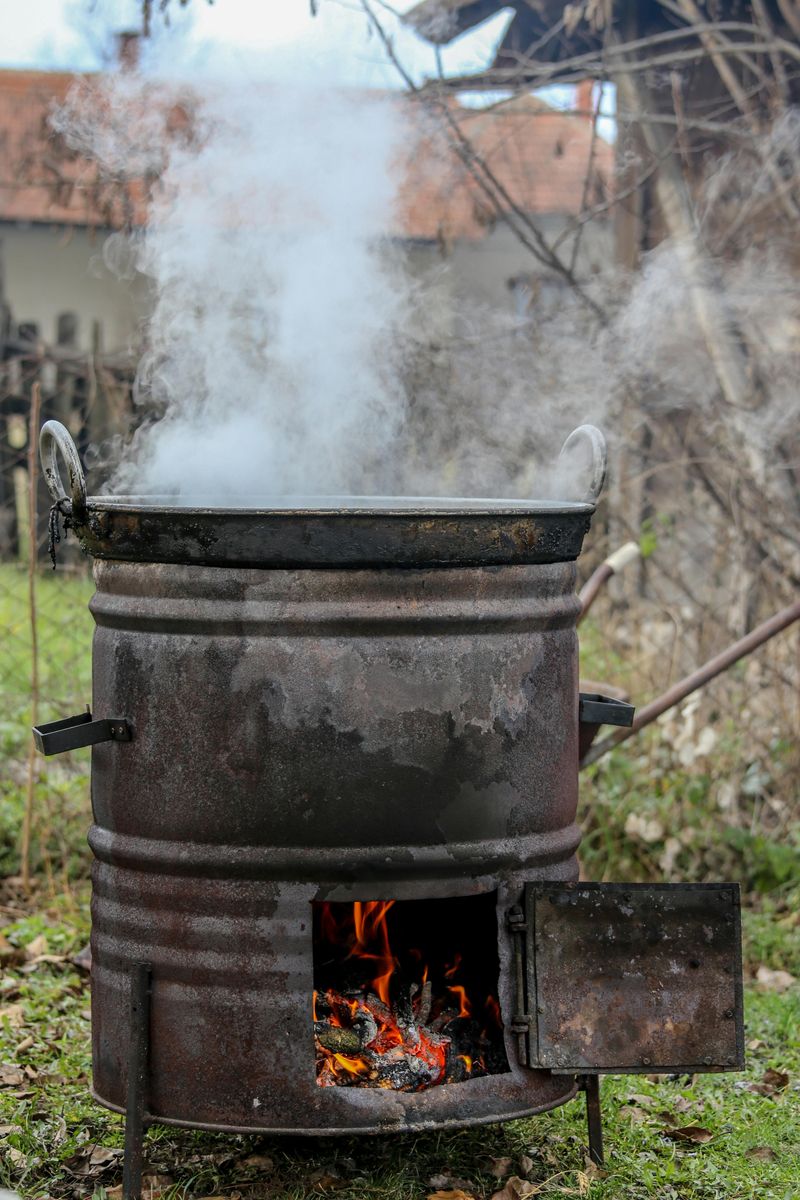
The old stove growls like a stubborn uncle. It runs hot or sulks, never in between. You learn its moods, shifting pots around like a dance to catch the right heat.
Bread rises uneven, stew simmers on the edge of boiling, and you adapt. Fuel is precious, so every flame does two jobs. Kettle on top, skillet beside, oven full.
It worked because skill beats equipment. When you understand your heat, you can cook anything. The stove may be cranky, but it keeps the room warm and the meals honest.
Simple ingredients
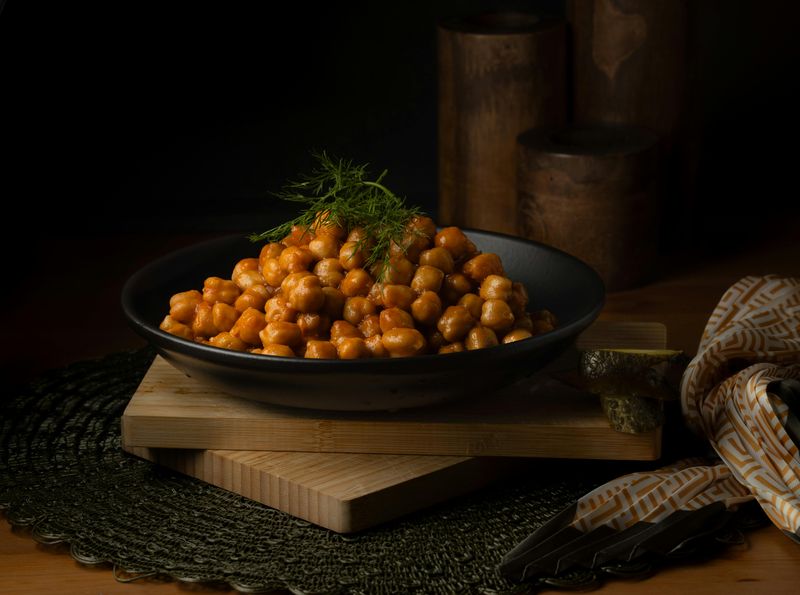
Simple ingredients mean decisions get easier. Flour becomes dumplings, onions become flavor, potatoes become fullness. Salt and a spoon of fat transform the plain into friendly.
You stop chasing variety and start trusting basics. With less noise, each step matters more, so you taste everything carefully. A good knife and a hot pan handle the rest.
It worked because constraints spark precision. When the list is short, technique shines. You build satisfying meals from tiny moves, and nothing goes to waste anymore.
Watered soup
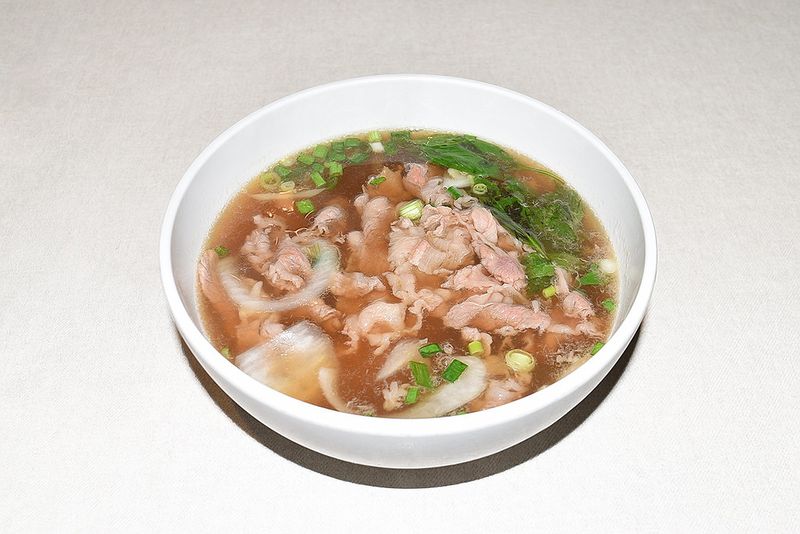
Adding water feels like defeat until you season twice. Thin the soup, then bump salt, pepper, and a splash of vinegar. Suddenly the broth tastes bright, not weak.
Noodles or barley expand and make bowls look generous. You serve seconds that are mostly comfort. With bread, it passes for a full meal.
It worked because perception matters. Clear broth can still carry warmth, fat, and flavor. Stretching volume keeps families calm, and calm keeps everyone moving through hard days.
Dry biscuits
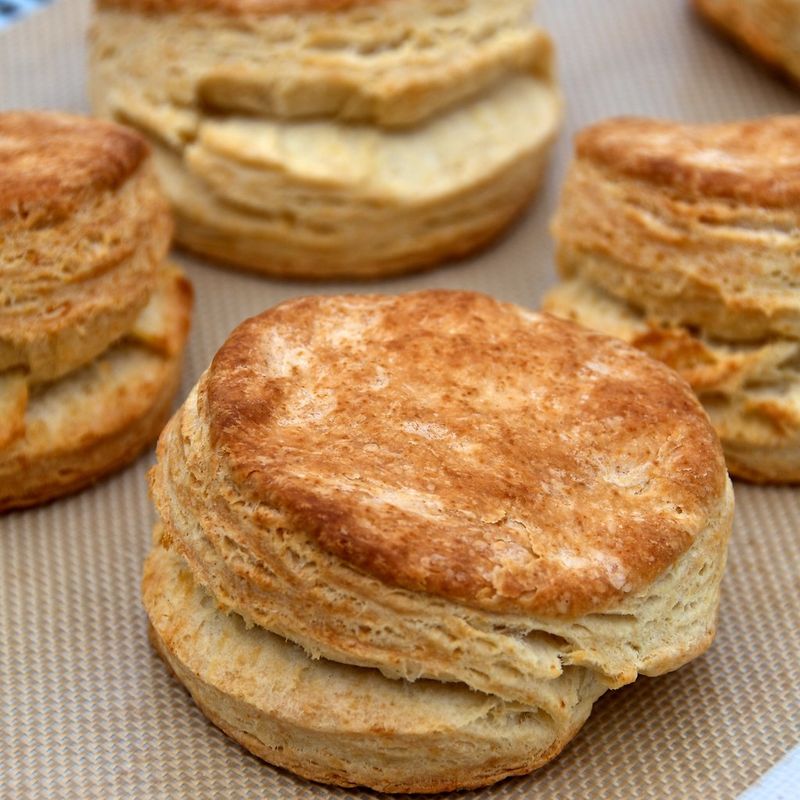
Dry biscuits challenge teeth and patience. You dunk them in tea or stew until they surrender. Crumbs become thickener, turning watery meals into something that clings to the spoon.
They store forever and travel without fuss. A smear of jam or fat transforms them just enough. Soldiers and families alike carried them like edible insurance.
It worked because durability feeds planning. When you know food will last, you relax a little. The biscuit may be dull, but certainty tastes surprisingly good during rough seasons.
Jam on bread
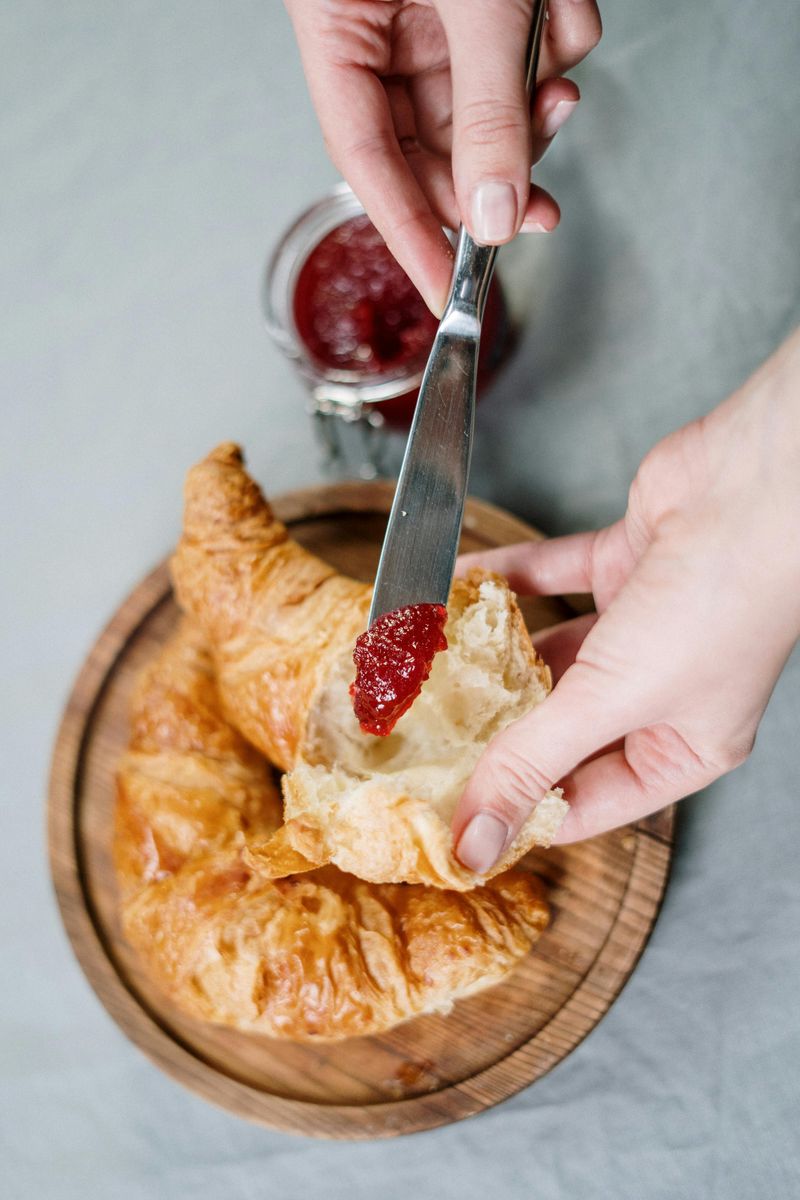
A thin swipe of jam can rewrite a meal. Sugar wakes up the brain and makes the bread feel indulgent. You savor every bright bite like a secret celebration.
When fruit is scarce, jam becomes memory preserved in a jar. You stretch it with hot water to glaze porridge or sweeten tea. Even a scrape across toast feels generous.
It worked because sweetness lifts morale fast. Calories plus comfort is a proven pair. In wartime kitchens, tiny luxuries keep spirits from slipping.
Homemade broth
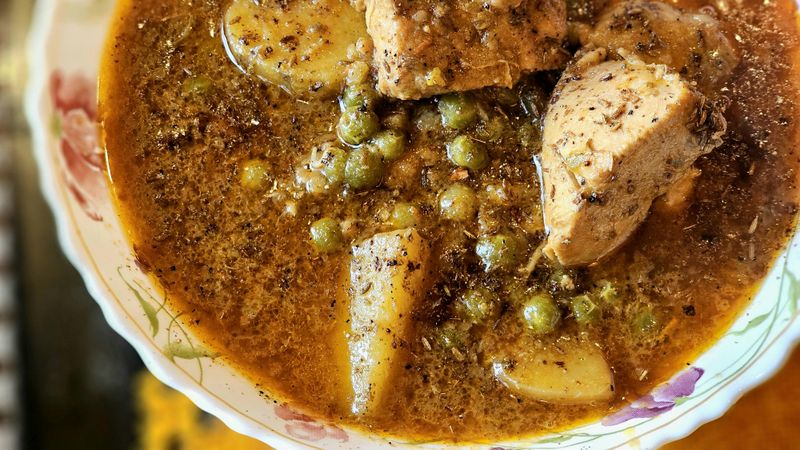
Broth begins with scraps no one else wants. Bones, peels, and tired herbs go into a pot, then time and heat do the rest. The house smells hopeful long before dinner.
You strain carefully, then save the fat for frying tomorrow. Salt lightly so it can adapt. Broth becomes soup, sauce, or a healing mug on cold nights.
It worked because extraction multiplies value. Flavors that were trapped become shareable. You build meals from leftovers of leftovers, and nothing important gets thrown away.
Vintage kitchen
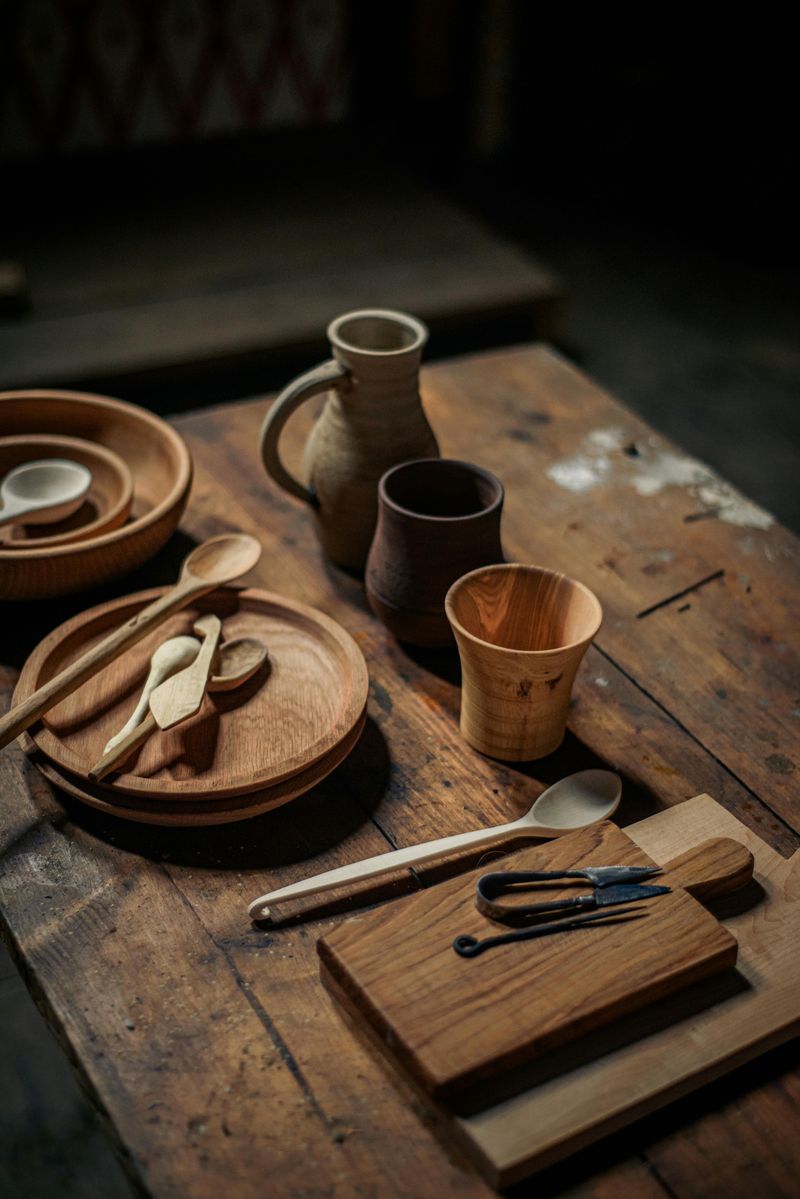
The vintage kitchen runs on elbow grease and habit. Tools are few, but each earns its keep. You know where the hot spot is and which pan squeaks but never sticks.
Posters remind you to save grease and grow greens. A radio hums news while knives tap rhythm on a board. Routine becomes comfort when supplies fluctuate.
It worked because familiarity speeds creativity. You move confidently, wasting less and tasting more. The room itself teaches thrift, and dinner arrives through practice, not gadgets.
Old recipe card
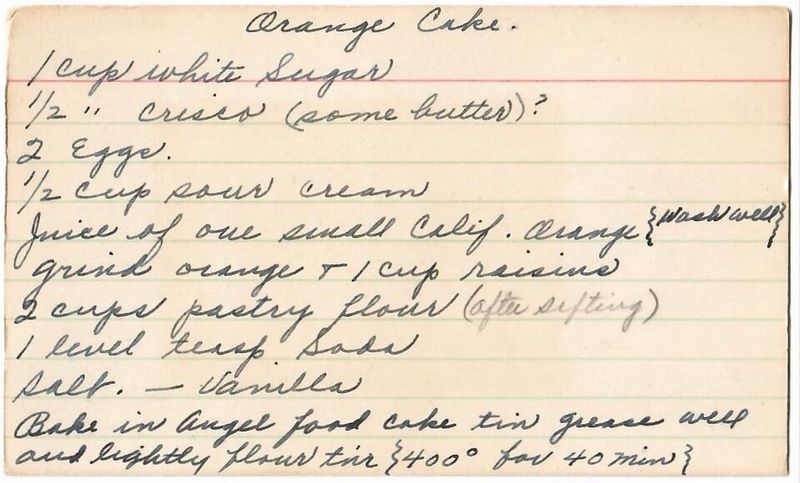
The card is smudged with history and bacon fat. Instructions assume you already know the dance: a pinch, a hot oven, watch until done. You follow anyway, trusting the wisdom of frugal hands.
Sometimes you swap ingredients and the card forgives you. Tradition flexes quietly to meet the pantry’s mood. The result tastes like family even when it is plain.
It worked because memory seasons food. Confidence replaces exact measurements when resources shift. You cook with your eyes, and the card keeps you brave.
Empty pantry

An empty pantry forces imagination to clock in. You inventory like a detective: one onion, half cup of rice, some tired carrots. Then you build a plan around heat, water, and time.
Fear fades once a pot starts simmering. Smell is proof that effort is paying off. You stretch every scrap and commit to seasoning with courage.
It worked because action beats worry. Even thin soup feels like progress. You go to bed fed enough, with a new idea for tomorrow’s meal.
Bean soup
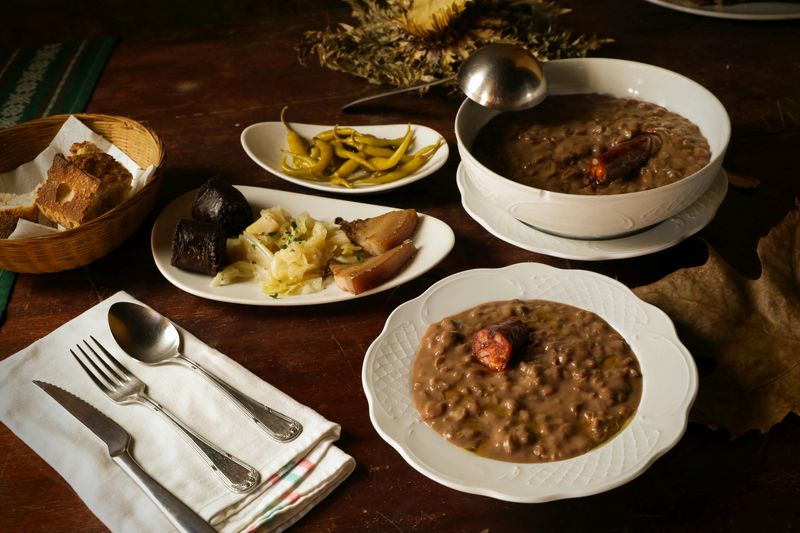
Beans take time, but time is cheaper than meat. You soak, simmer, and season with onion, bay, and courage. A spoon of fat or a bone turns the pot rich.
Bowls arrive thick and honest, each one better on day two. You can feed a crowd without frightening the budget. Bread joins in to finish the job.
It worked because beans deliver protein, fiber, and comfort for pennies. Patience transforms them from stubborn pebbles to creamy treasure. Empty pantries breathe easier when beans are on the stove.
Enjoyed this story?
Add Fast Food Club as a preferred source to see more of our reporting on Google.