


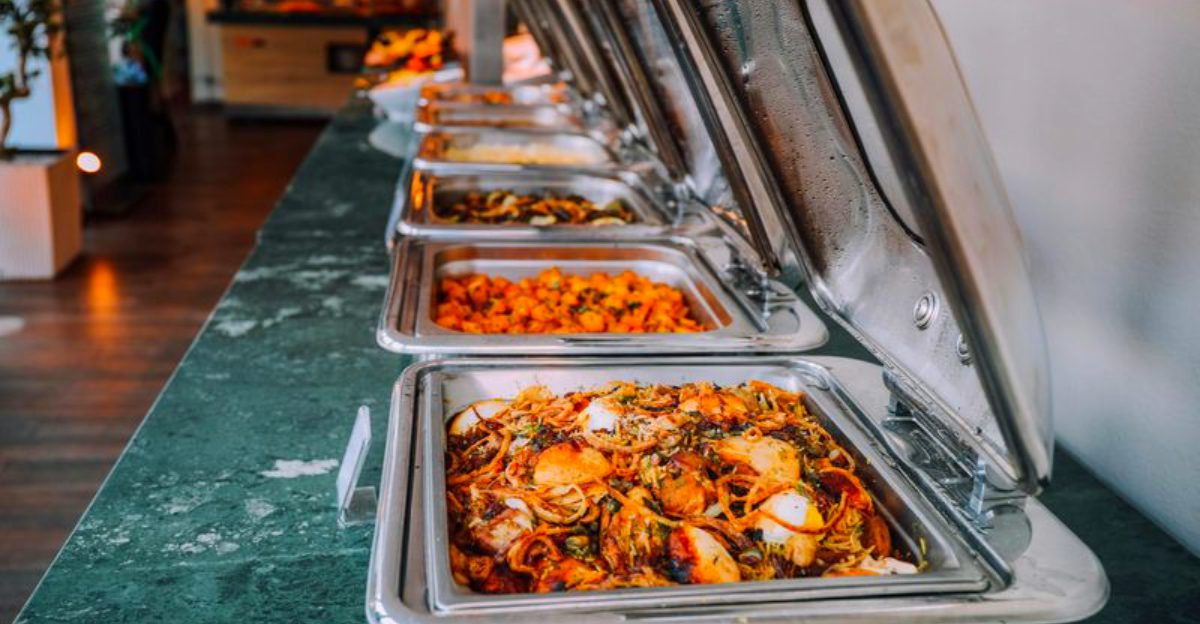
Ever notice how a simple snack suddenly feels luxurious once a menu swaps in a fancier word? That is the power of marketing, and it works brilliantly on hungry brains. Today, we are decoding the buzzwords that make ordinary foods feel premium, so you can decide what is truly worth paying for. Get ready to read labels with sharper eyes and keep your wallet happier.
Truffle fries
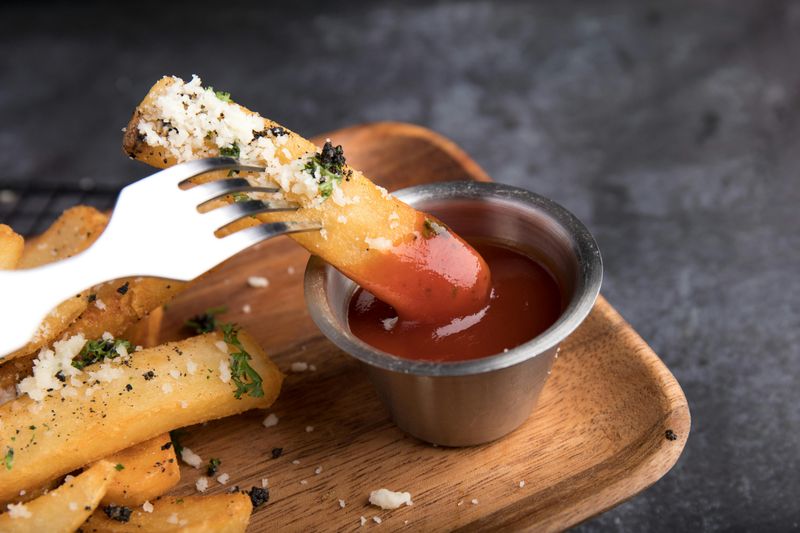
Truffle fries sound luxurious, but many versions use synthetic aroma rather than real truffles. The fries themselves are standard, then dressed with truffle flavored oil for that signature earthy smell. You pay extra for the scent, not rare fungi.
When you catch that musky note, your brain fills in “gourmet” even if ingredients stay basic. If you love them, enjoy, but know what you are buying. Ask whether real truffle shavings appear or if it is just flavored oil.
Truffle oil
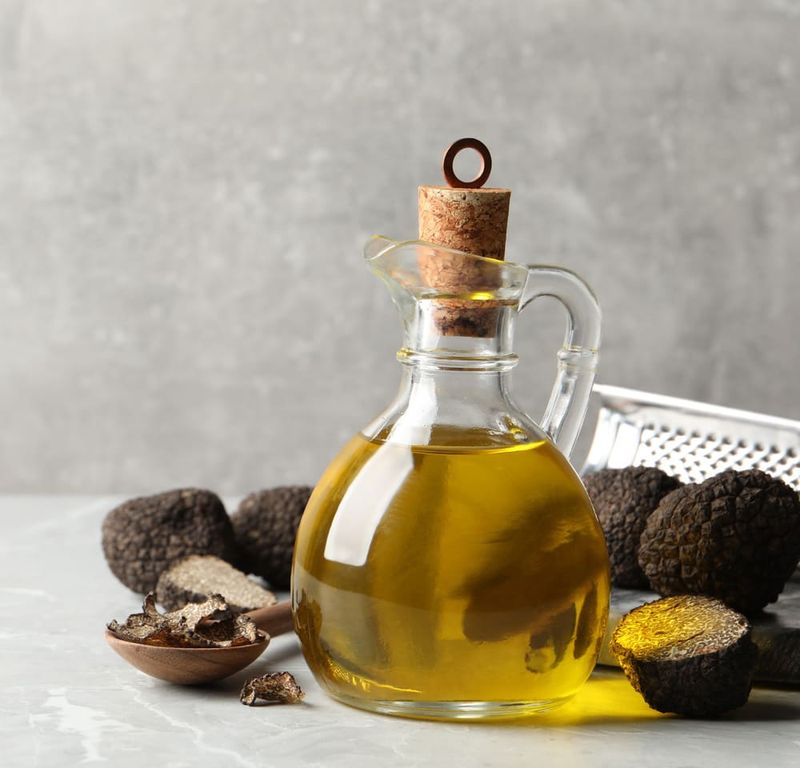
Most truffle oil uses lab made aroma compounds that mimic truffle’s scent. That bottling turns a neutral oil into something that smells fancy while costing a fraction of real truffles. The flavor can be one note and overpowering.
It is a finishing drizzle, not culinary magic. If you want true truffle nuance, look for products stating real truffle pieces and transparent sourcing. Otherwise, treat truffle oil like perfume for food, not a gourmet ingredient.
Artisan bread
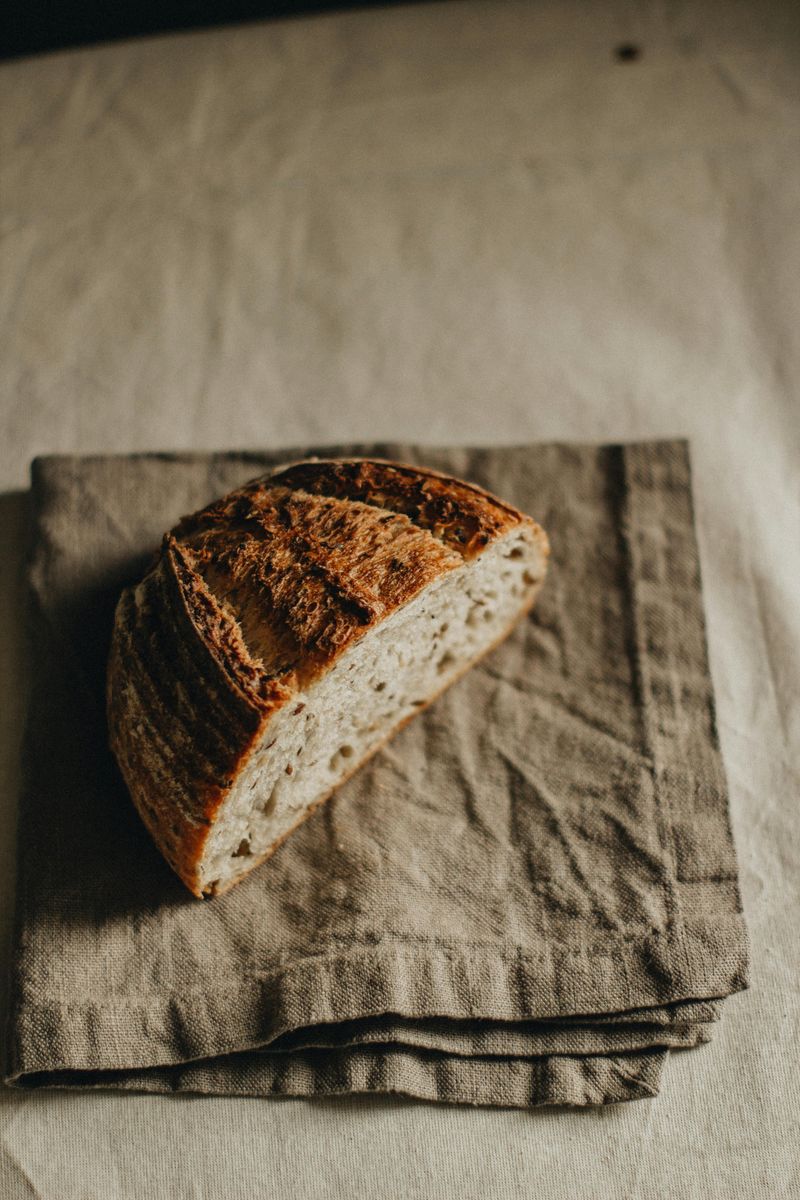
Artisan used to signal slow fermentation, quality flour, and skilled hands. Now it often just means a nice shape and a label. Some factory loaves get “artisan style” branding while using fast processes and additives.
Great bread can be affordable without the buzzword. Look for long fermentation, simple ingredients, and a flavorful crust that sings when tapped. You do not need a boutique bakery, just honest technique and time.
Gourmet burger

Slap gourmet on a burger and you will pay more for the same patty with fancy toppings. Brioche buns and aioli sound upscale, but the meat quality matters most. Without better beef and proper cooking, it is lipstick on a burger.
Judge by grind, fat ratio, freshness, and sear. If sides and sauces carry the price, pass. You want a juicy interior, crisp exterior, and honest sourcing, not just truffle drizzle.
Handcrafted soda

Handcrafted soda usually means small batch branding with cane sugar instead of corn syrup. It sounds premium, but it is still sugary, carbonated water with flavoring. The bottle and label do much of the heavy lifting.
If you want better, check sugar grams and flavor transparency. Real juice content, lower sweetness, and natural extracts can justify a splurge. Otherwise, it is a cute bottle with the same sugar rush.
Small batch sauce
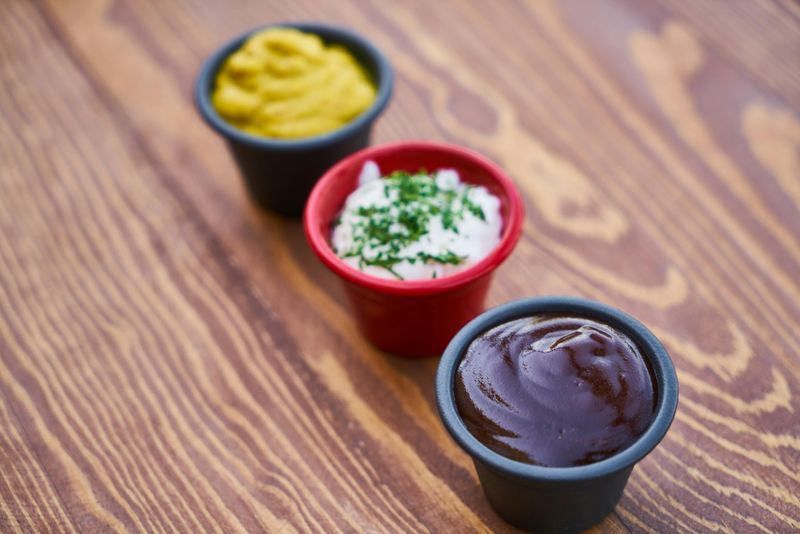
Small batch suggests care and limited runs, but there is no standard definition. It might mean a slightly smaller factory kettle, not grandma’s pot on a stove. The claim pushes scarcity and craft, inviting higher prices.
Read ingredient lists, not adjectives. Tomatoes, spices, and real peppers beat vague “natural flavors.” If the recipe tastes balanced and vibrant, great. If not, the batch size never mattered.
Premium ice

Premium ice means clear, slow melting cubes or spheres for cocktails. The science is simple directional freezing and purity control. Bars charge more because presentation improves and dilution slows.
At home, you can mimic results with molds and boiled or filtered water. Do not overpay for frozen water wrapped in fancy language. The value is in technique, not mystique.
Aged cheese
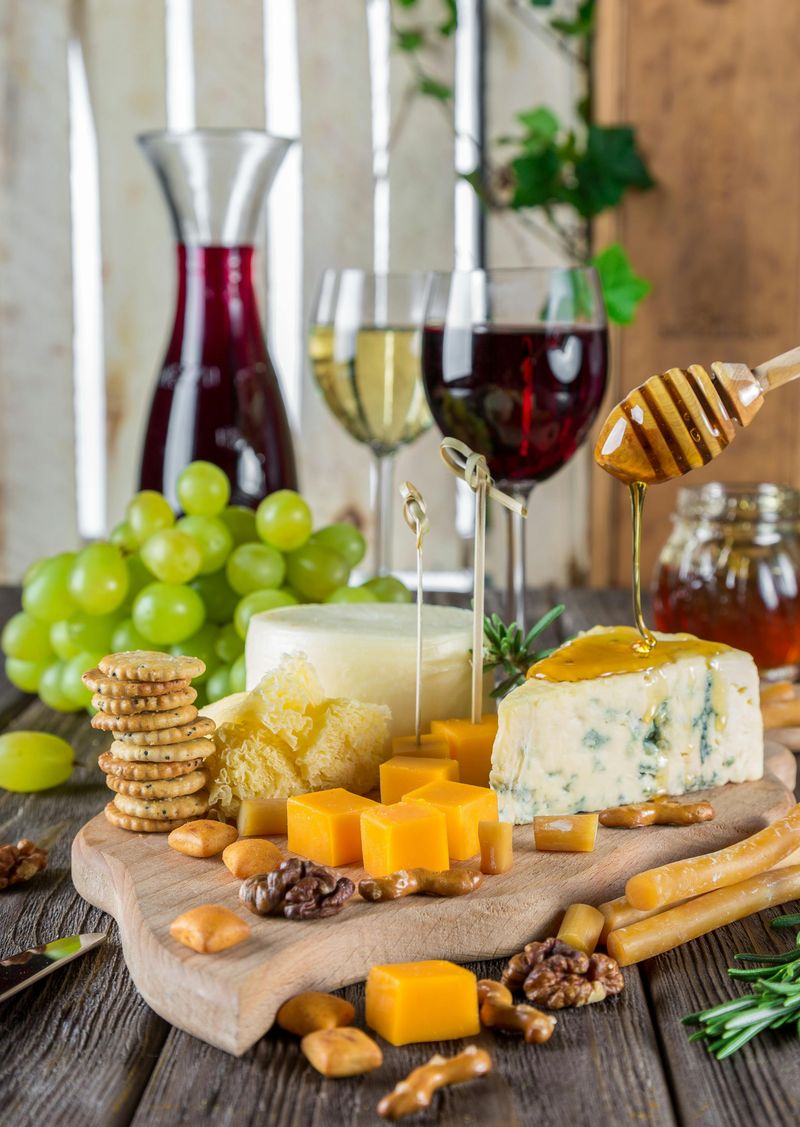
Aged sounds extravagant, but age alone does not guarantee quality. Some cheeses improve remarkably with time, concentrating flavor and texture. Others just get sharper and pricier without nuance.
Look for style appropriate aging and trusted producers. Ask for a taste before buying. Your palate should confirm complexity, from nuttiness to caramel notes, not just dryness. Pay for flavor, not a number.
Organic chips
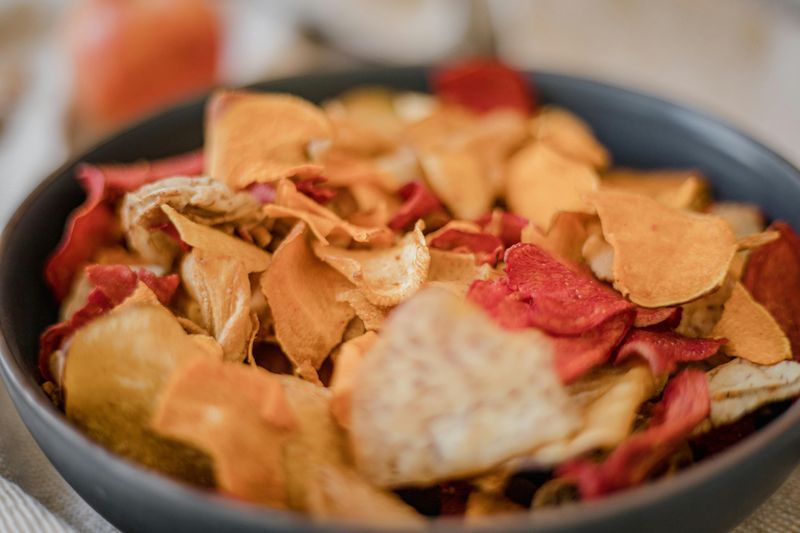
Organic chips skip synthetic pesticides on the potatoes, which is good farming practice. But they are still fried or baked snack foods with salt and oil. The organic label does not turn them into health food.
Buy them if you value farming methods or taste, not wellness halos. Portion control still matters. For actual nutrient gains, reach for whole potatoes cooked simply.
Farm fresh eggs

Farm fresh conjures picturesque hens roaming fields. Sometimes it is true, sometimes it is just packaging. The term is not tightly regulated, so quality varies widely.
Look for pasture raised or certified humane for stronger animal welfare signals. The yolk color can hint at diet, not necessarily freshness. Buy by date, storage, and brand transparency rather than romantic wording.
Grass fed beef
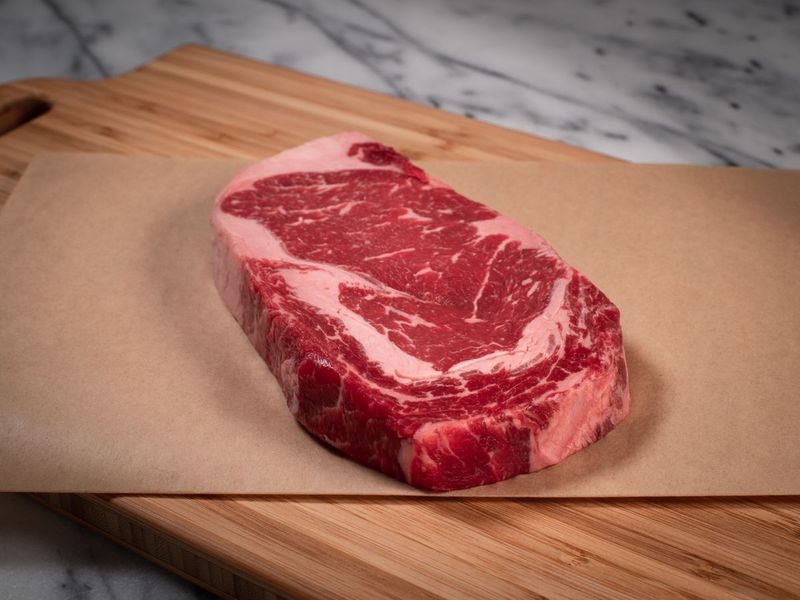
Grass fed suggests healthier fats and better ethics, but definitions differ. Some cattle are grass fed then grain finished, yet still marketed broadly. True 100 percent grass fed and finished often costs more and tastes leaner.
Check certifications and finishing details. Choose based on flavor preferences and sourcing values, not the phrase alone. Transparent farms beat vague claims every time.
Cold pressed juice

Cold pressed refers to hydraulic extraction, preserving flavor and some nutrients. It sounds like a miracle, but juice still concentrates sugar and removes fiber. The price reflects branding and short shelf life more than magic.
Use it as an occasional treat or recipe ingredient. If health is the goal, whole produce wins. Read bottle percentages and watch serving sizes.
Single origin coffee
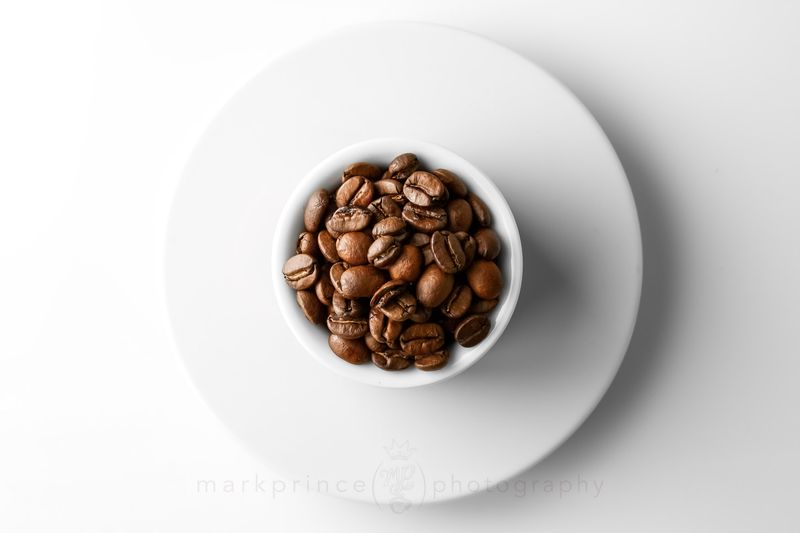
Single origin can showcase terroir and unique flavor notes. It feels elevated compared to blends, but it is not automatically better. Freshness, roast quality, and brewing matter more than a map pin.
Buy roast dates, not just tasting notes. If you enjoy clarity and seasonal variety, single origin shines. For balance in milk drinks, blends may suit you better. Choose with your palate, not prestige.
Craft ketchup
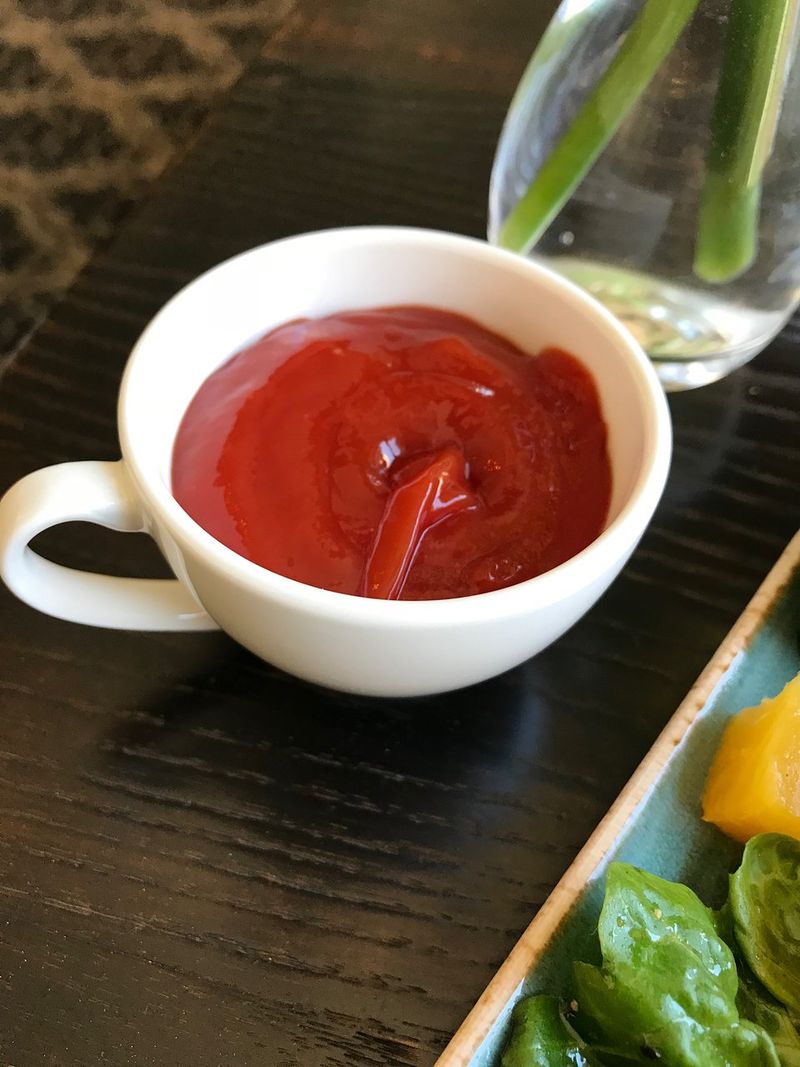
Craft ketchup often swaps corn syrup for sugar and tweaks spices. The bottle looks charming and the batch might be smaller. Still, it is a sweet tomato condiment with similar calories and purpose.
If you prefer the taste or ingredients, go for it. But do not expect transformation on your fries. Look for real tomato content, spice balance, and sensible price.
House made pickles
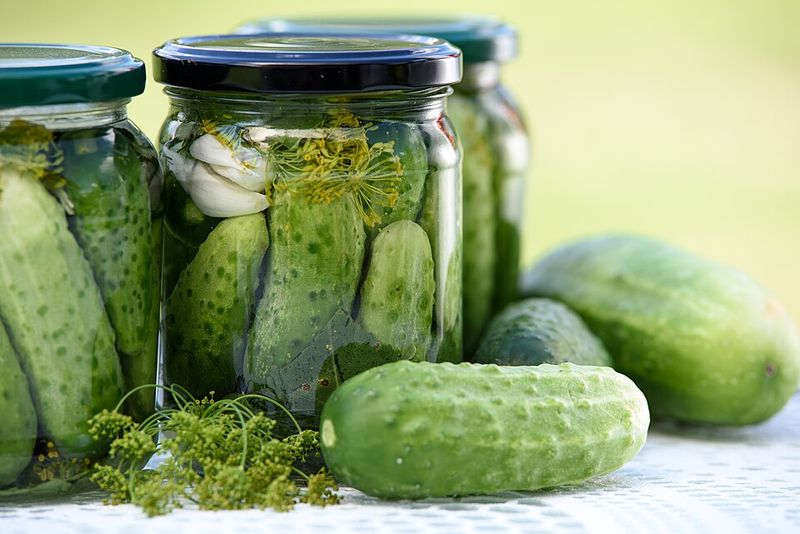
House made signals freshness, but it can mean a pre mixed brine poured over pre cut cucumbers. Quality varies wildly. Crunch and balance trump the claim.
Ask about vinegar type, sugar level, and time brined. Good pickles taste bright, garlicky, and snappy. If they are limp or overly sweet, skip the upcharge regardless of wording.
Signature aioli
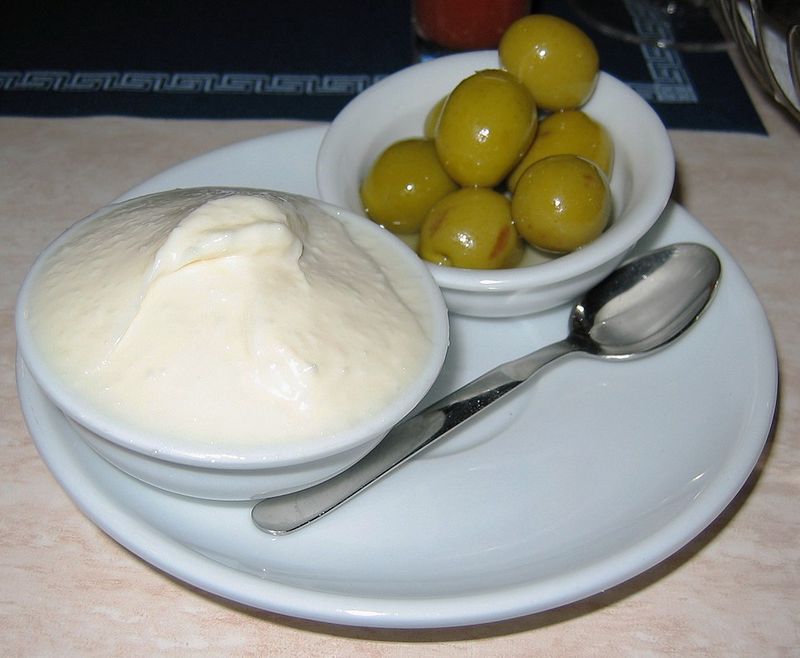
Signature aioli often means mayo with garlic and lemon, maybe a fancy spice. Real aioli is emulsified garlic and oil, no egg, whisked by hand. The label adds allure to a basic sauce.
If it tastes great, awesome. But do not be dazzled by the name. It is a flavored mayo most of the time. Judge by flavor and pairing, not hype.
Market price fish
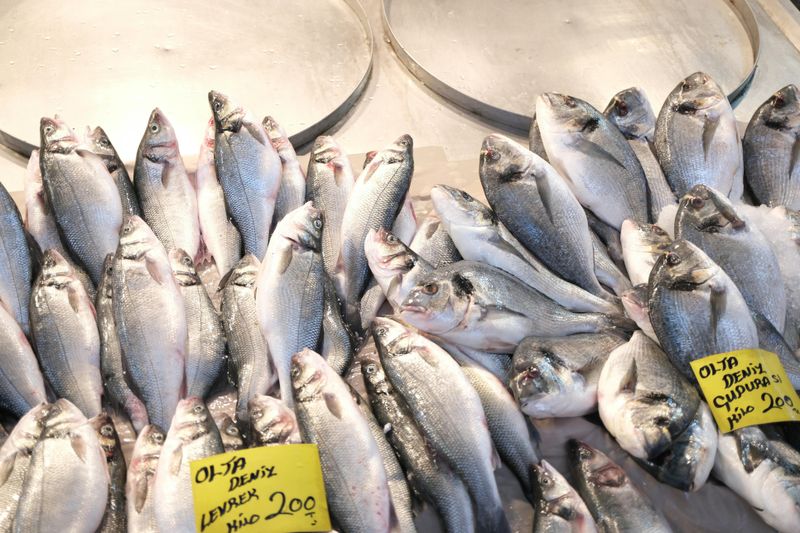
Market price sounds elite, but it simply reflects fluctuating costs. Sometimes you get incredible freshness and sustainability. Other times, it hides sticker shock until the bill arrives.
Ask the price and the catch method before ordering. Transparency is fair game. If the server hesitates, that is a red flag. Freshness should be celebrated, not obscured.
Seasonal salad
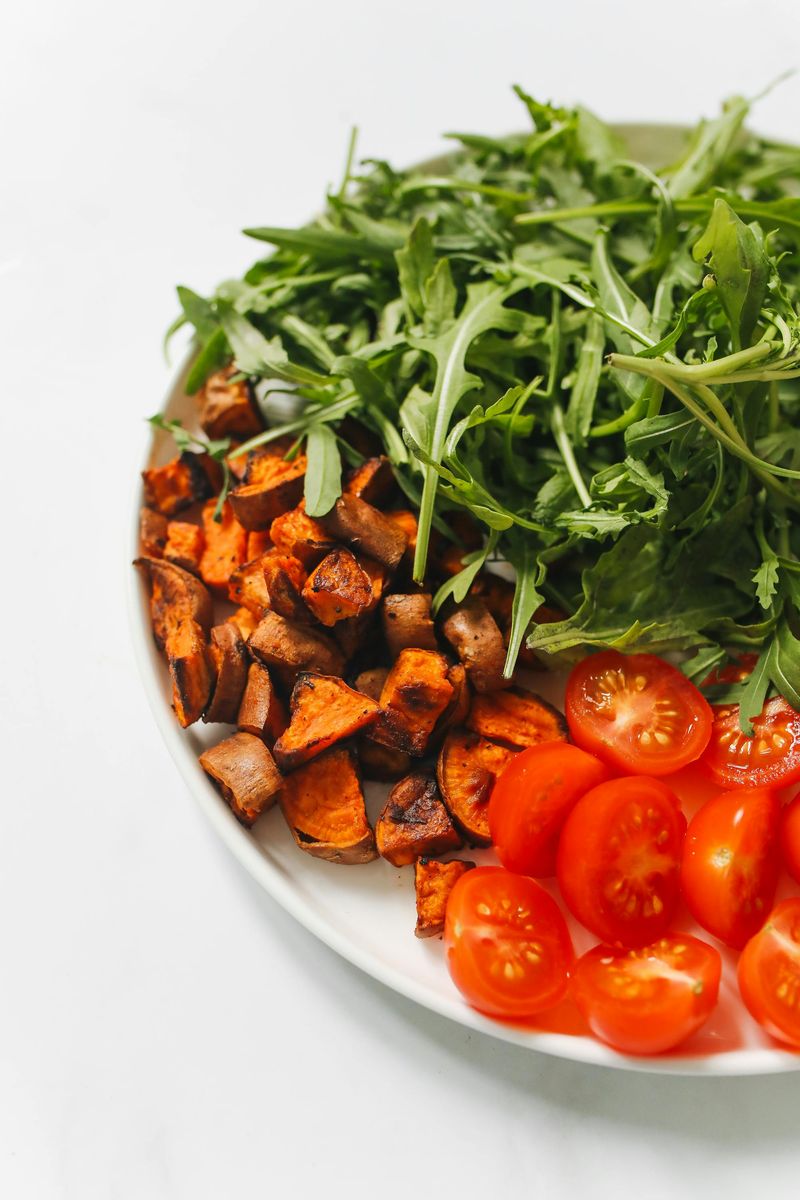
Seasonal is a lovely idea that can become a menu crutch. Sometimes it truly reflects peak produce and short windows. Other times it is the same mix with a new name.
Look for specific farms or varietals listed. Taste for crisp textures and lively dressing. If it feels generic, the season might just be marketing. You deserve better greens.
Imported salt
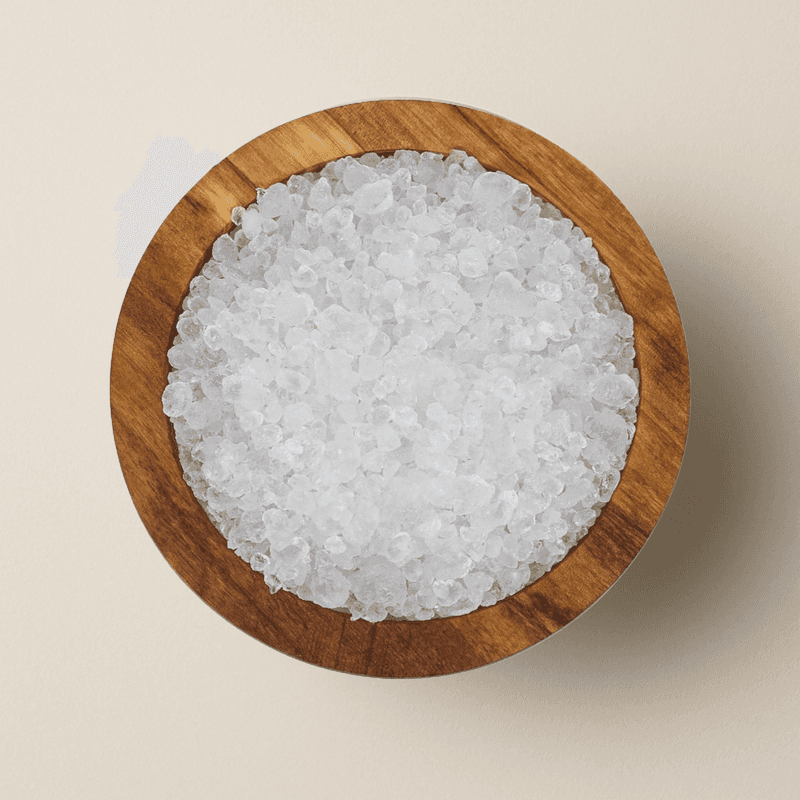
Imported salt sounds luxurious, but salt is mostly sodium chloride with trace minerals. Texture can change how food tastes and feels, which is useful. The country of origin rarely transforms your cooking.
Buy for flake structure and finishing sparkle, not passport stamps. A good kosher salt for cooking and a flaky salt to finish cover most needs. Save your splurge for ingredients with bigger impact.
Heritage tomatoes
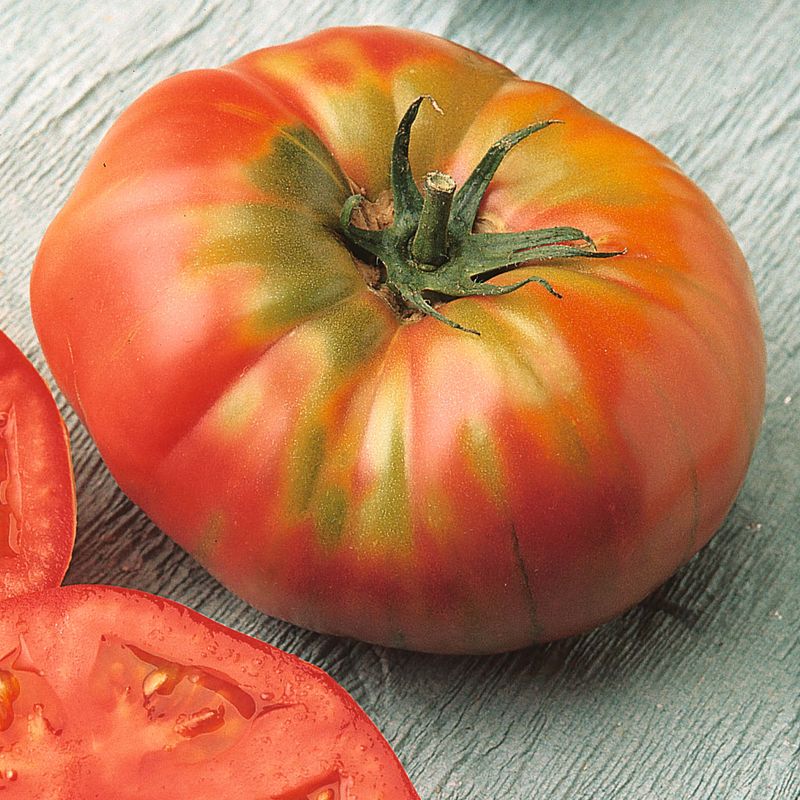
Heritage or heirloom tomatoes can be incredible when ripe and handled well. They also bruise easily and vary wildly in flavor. The label does not guarantee sweetness or acidity.
Shop by smell, weight, and softness rather than just looks. In season, they shine with a sprinkle of salt and oil. Out of season, even fancy varieties disappoint. Taste before committing when possible.
Reserve steak
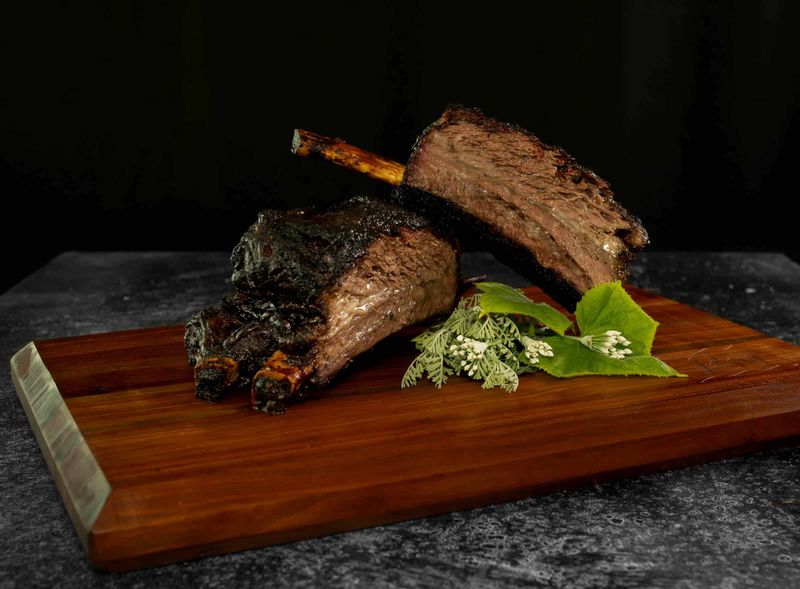
Reserve hints at exclusivity, but it is often a branding tier. What matters is breed, feed, marbling grade, and aging method. Without those details, reserve means little.
Ask for USDA grade, dry age days, or equivalent standards. You want clarity on why it costs more. A great steak speaks through tenderness and flavor, not a label.
Limited edition dessert

Limited edition pushes urgency and fear of missing out. It could be a truly seasonal ingredient or just a new drizzle and garnish. The timer makes you decide quickly.
Pause and ask what makes it limited. If the story holds up and the flavors excite you, enjoy it. Otherwise, your usual favorite probably still wins on value and satisfaction.
Chef selection
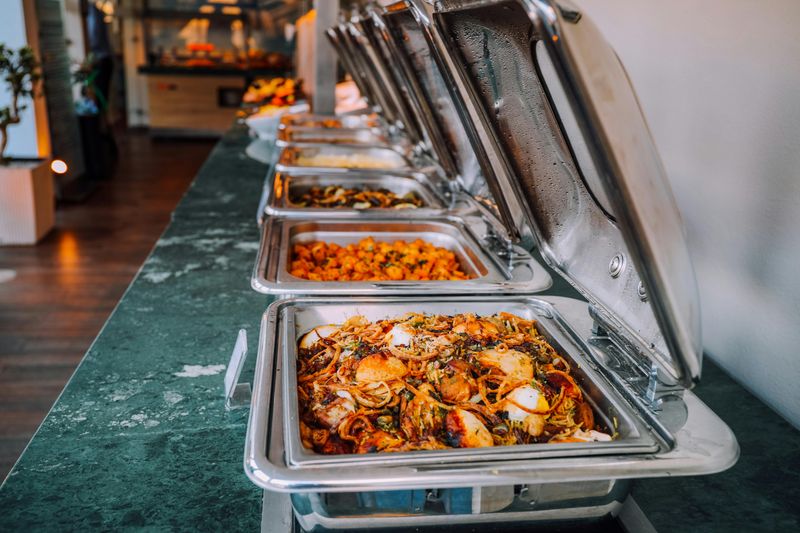
Chef selection implies exclusive curation, but sometimes it is inventory management. Restaurants move what needs selling under a confident label. You pay for trust in taste and scarcity.
When a chef with a strong reputation offers it, you might discover gems. Ask about components and substitutions. Make sure the price aligns with ingredients and portion, not just phrasing.
Enjoyed this story?
Add Fast Food Club as a preferred source to see more of our reporting on Google.