


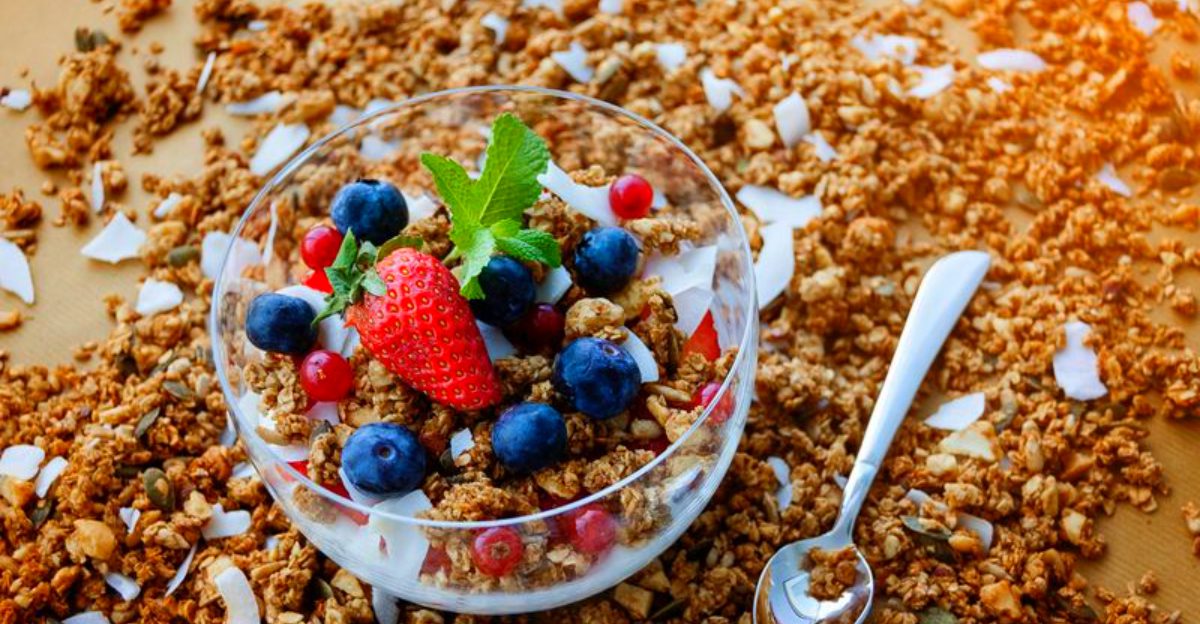
Some grocery staples wear a health halo so well that you barely notice the sugar hiding underneath. Packaging shouts protein, vitamins, and clean energy while the ingredient list whispers syrup, concentrates, and sweeteners.
If you have ever wondered why your snacks feel more like dessert, this list will save you guesswork. Let’s unpack the sweet truth so you can shop smarter without the marketing noise.
Flavored yogurt
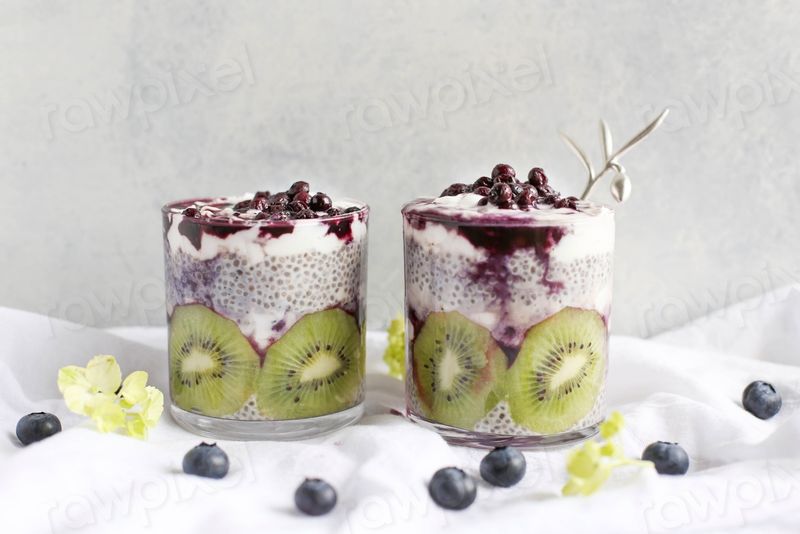
Flavored yogurt often tastes like dessert because it basically is. Fruit flavors frequently rely on purees, syrups, or concentrates rather than whole fruit.
Low fat on the label often means sweetness gets cranked up to keep it tasty.
Compare grams of sugar to plain yogurt and you might gasp. Choose plain Greek yogurt and add your own berries and cinnamon.
You keep protein high and sugar modest.
Vanilla varieties can be sneaky, too. They seem simple but carry hefty sweetness.
When in doubt, buy plain and customize at home for real control.
Protein bar
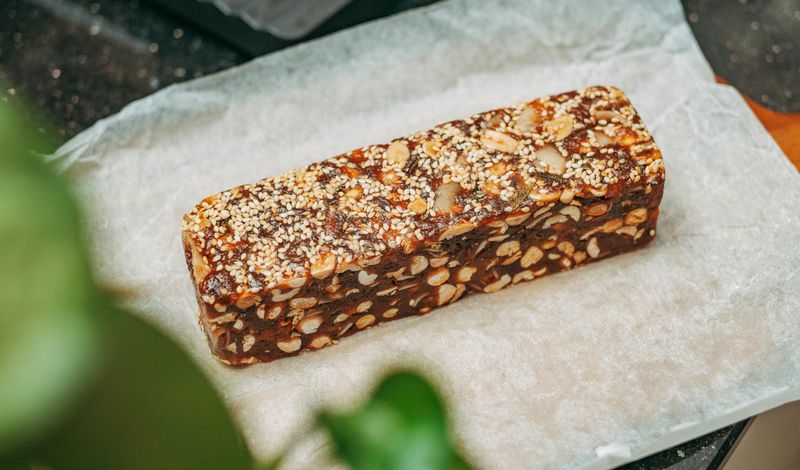
Protein bars promise gym fuel but can resemble candy bars in disguise. Many rely on syrups, sugar alcohols, or rice syrup to hold everything together and keep texture chewy.
The coating often includes chocolate or yogurt compound, adding more sweetness.
Check the ingredient list for multiple sweeteners scattered throughout. Fiber claims sometimes come from chicory root that can upset some stomachs.
A short ingredient list with nuts and seeds is usually better.
If portability is key, pick bars with minimal added sugars and at least 10 grams protein. Otherwise, a handful of nuts and fruit does the job well.
Smoothie bottle
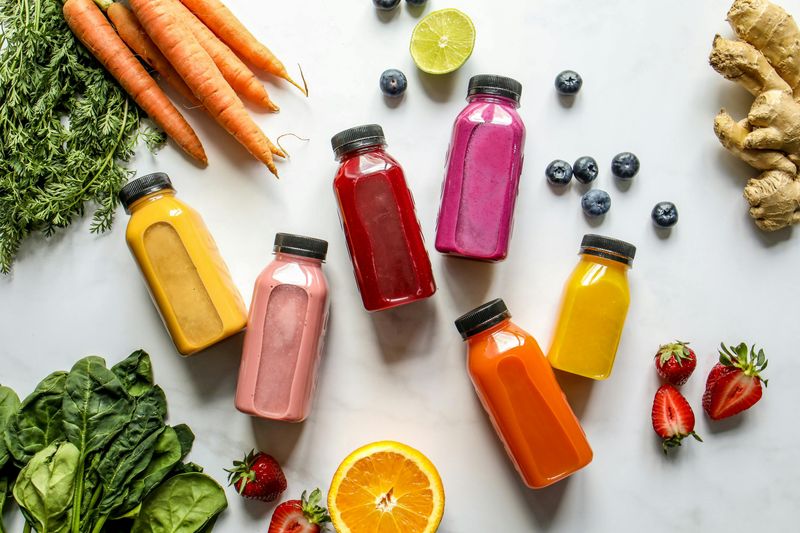
Bottled smoothies seem like a shortcut to wellness, but many are fruit sugar bombs. Manufacturers puree or juice fruit, removing fiber that slows absorption.
You get quick sugar without the fullness of chewing.
Labels call out vitamins, yet the sugar count often rivals soda. If choosing bottled, look for blends with veggies and no added sweeteners.
Better yet, blend at home with leafy greens and protein.
Use whole fruit, add chia or flax, and keep portions reasonable. That keeps your drink satisfying rather than spiking.
Your energy will last longer without the crash.
Fruit juice
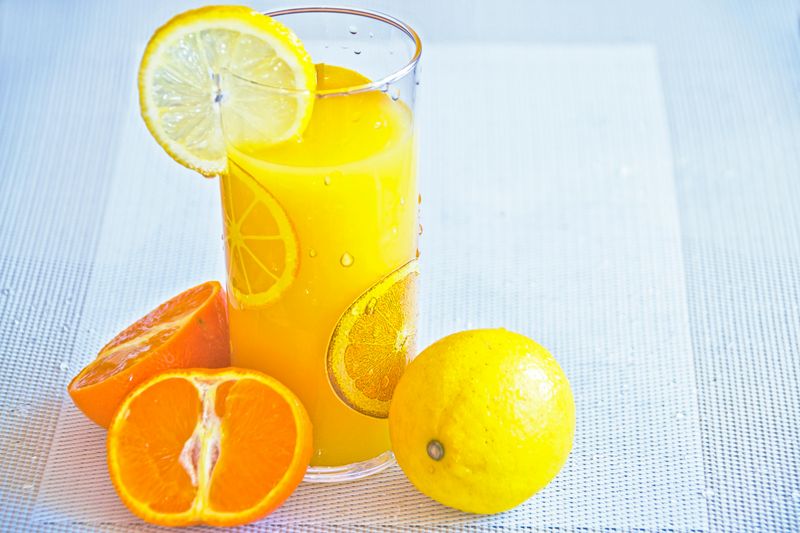
Fruit juice wears a health halo because it starts from fruit. But juicing strips fiber, leaving concentrated fructose that hits your bloodstream fast.
A small bottle can deliver multiple servings of fruit sugar in minutes.
No added sugar does not mean low sugar. It simply means the sweetness is intrinsic.
Whole fruit offers chewing, volume, and fiber that naturally slow you down.
If you love juice, dilute it with water or sparkling water. Keep portions small and occasional.
Save daily hydration for water, tea, or seltzer to keep sugar in check.
Acai bowl
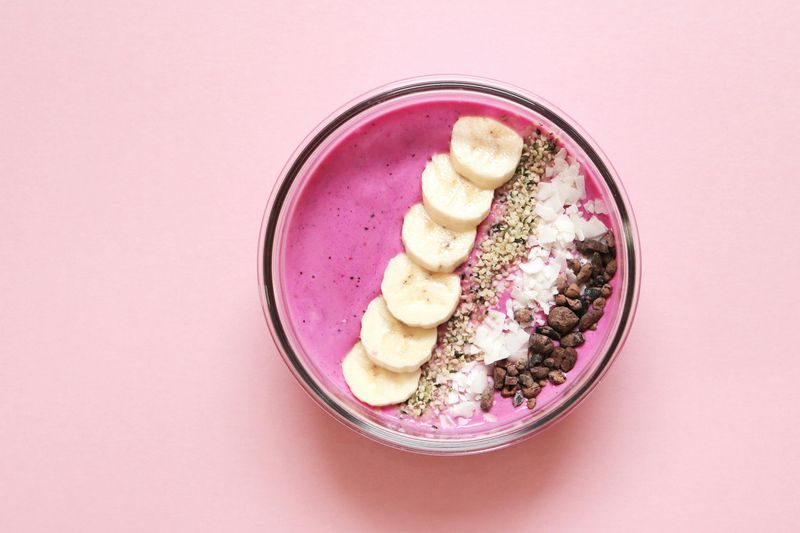
Acai bowls look like superfood heaven, yet toppings turn them into dessert. The base might be sweetened puree or juice blends.
Then come banana, granola clusters, coconut, and honey that pile on sugars fast.
Portions are huge, and bowls can exceed a meal’s calories. Ask for unsweetened base and skip honey or chocolate chips.
Choose nuts and seeds to balance carbs with healthy fat.
At home, blend frozen berries with unsweetened yogurt for thickness. Keep toppings simple and measured.
You will still enjoy the tropical vibe without the sugar avalanche.
Trail mix
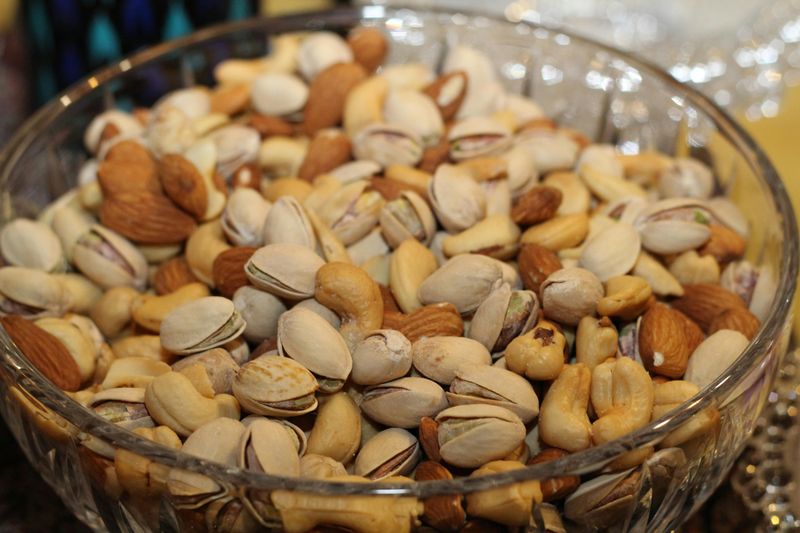
Trail mix can be a balanced snack, but many versions lean candy heavy. Dried fruit may be sweetened, and chocolate pieces add more dessert vibes.
Honey roasted nuts sneak in extra sugar and oils.
Scan for yogurt covered raisins and bright candy shells. Those pretty colors usually mean big sugar.
Build your own with raw nuts, seeds, and unsweetened fruit.
Portion is everything because calorie density is high. Fill a small bag for grab and go.
That way, you get energy from fat and protein, not just a sugar rush.
Breakfast cereal
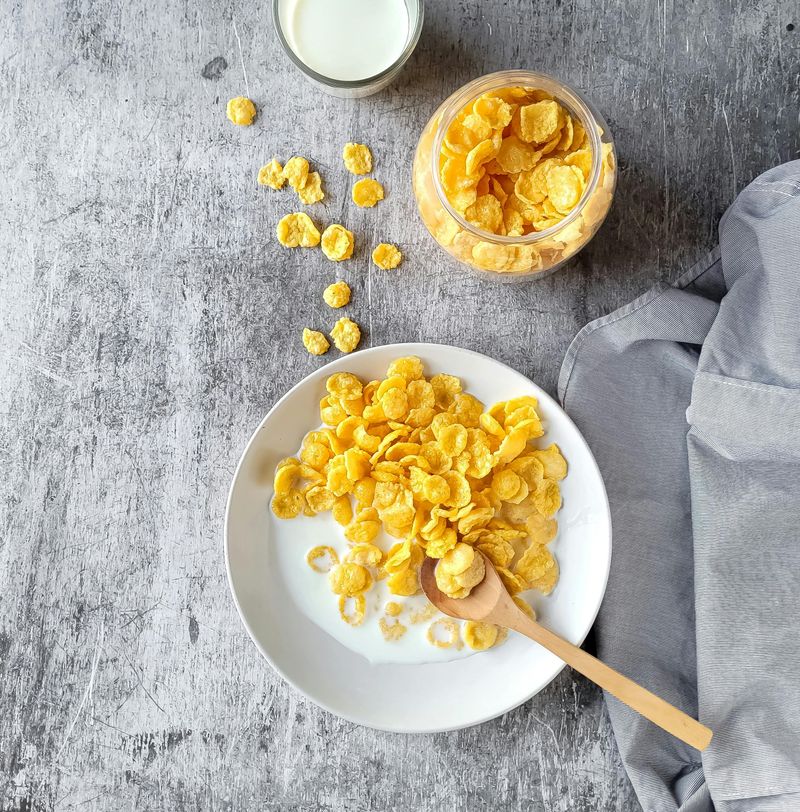
Breakfast cereal often markets whole grains while hiding sugar under flavor dust. Even grown up options can deliver multiple teaspoons per serving.
And those servings are tiny compared to your real world bowl.
Granola clusters, frosted flakes, and marshmallow bits are the obvious culprits. But watch for honey and brown rice syrup in adult cereals too.
Aim for less than 6 grams sugar per serving when possible.
Boost with nuts and plain yogurt to stay full. Or choose hot oats and add cinnamon.
You control sweetness and skip the mid morning crash completely.
Oat milk drink
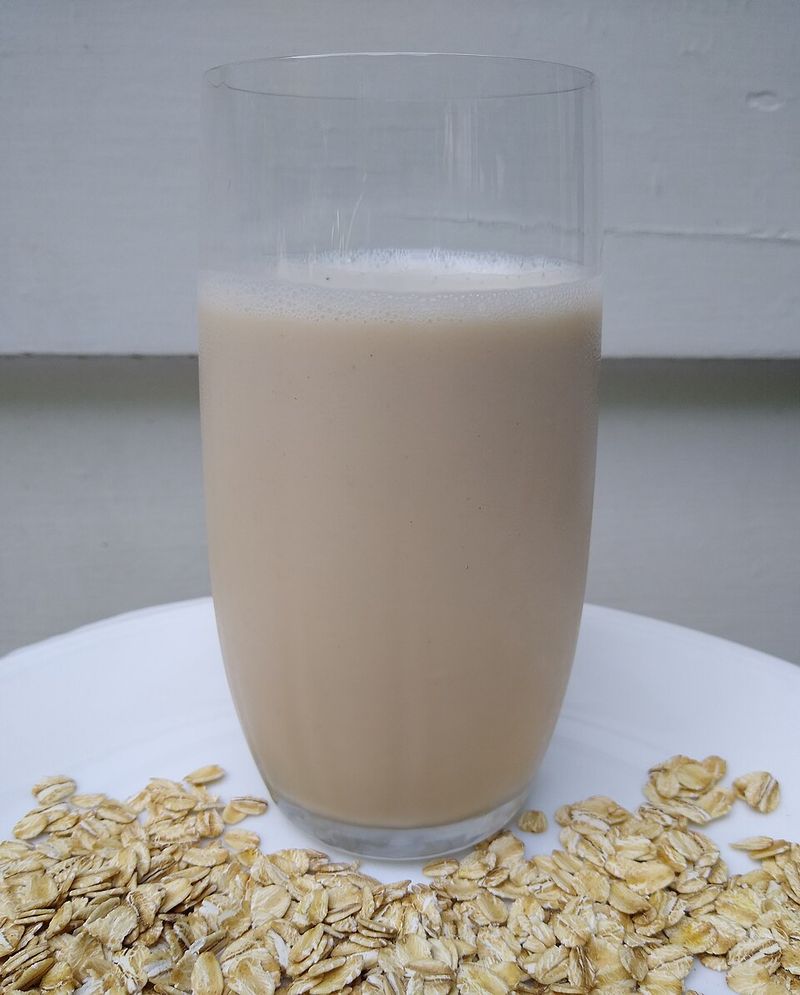
Oat milk can taste naturally sweet due to enzymes that break starches into sugars. Many flavored or barista versions add even more sweetness.
A large latte made with sweetened oat milk quickly stacks grams of sugar.
Check for words like original, vanilla, or chocolate. Those varieties usually contain added sugar.
Unsweetened options exist and still steam beautifully.
If you love oat milk, choose unsweetened and let spices carry flavor. Cinnamon, nutmeg, or cocoa powder help.
You get the creamy mouthfeel without the stealthy sugar load in your daily coffee routine.
Almond milk drink
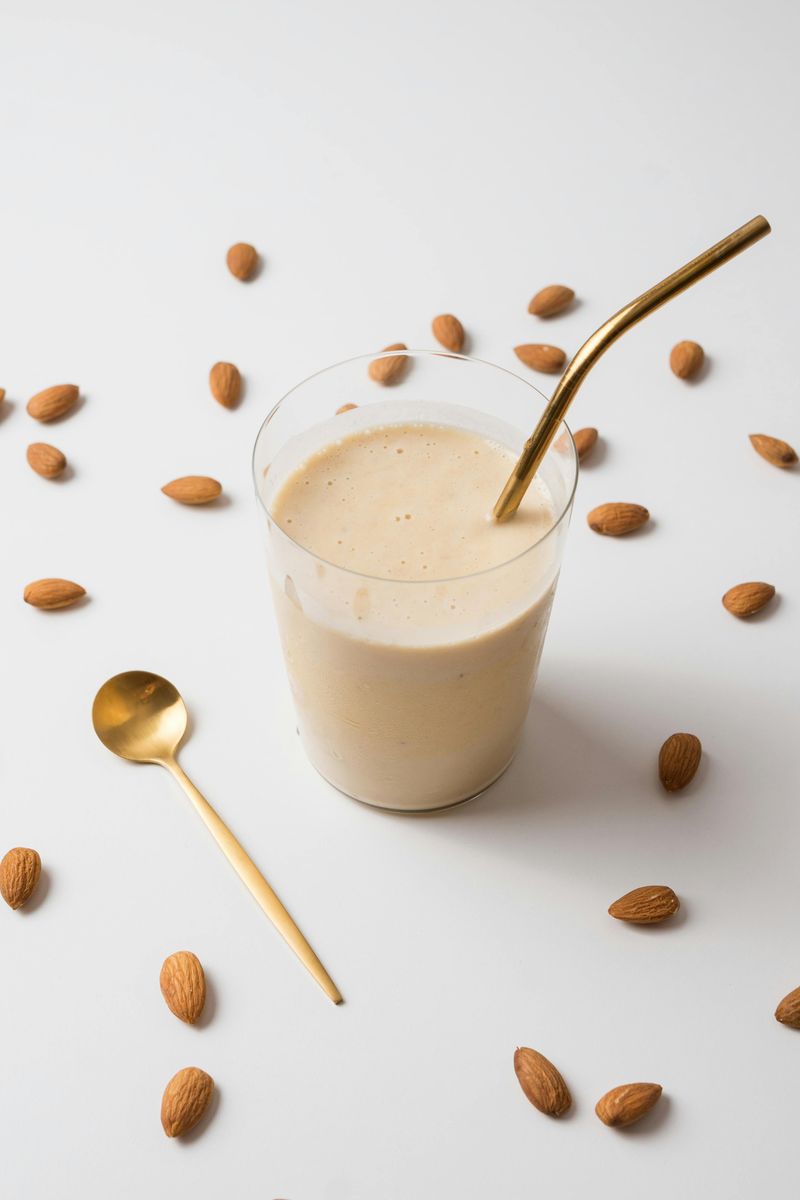
Almond milk sounds wholesome, but vanilla and original varieties often add sugar. The actual almond content can be tiny, while sweeteners do the heavy lifting for flavor.
That turns a light beverage into a sneaky treat.
Pick unsweetened versions and add your own flavor. A drop of vanilla extract or cinnamon is enough.
Watch flavored coffee creamers too, since many are almond based and sugary.
Use almond milk for smoothies, chia pudding, or cereal, but keep sweetness in check. Read labels closely and compare brands.
The unsweetened choice helps you control every sip.
Energy bar
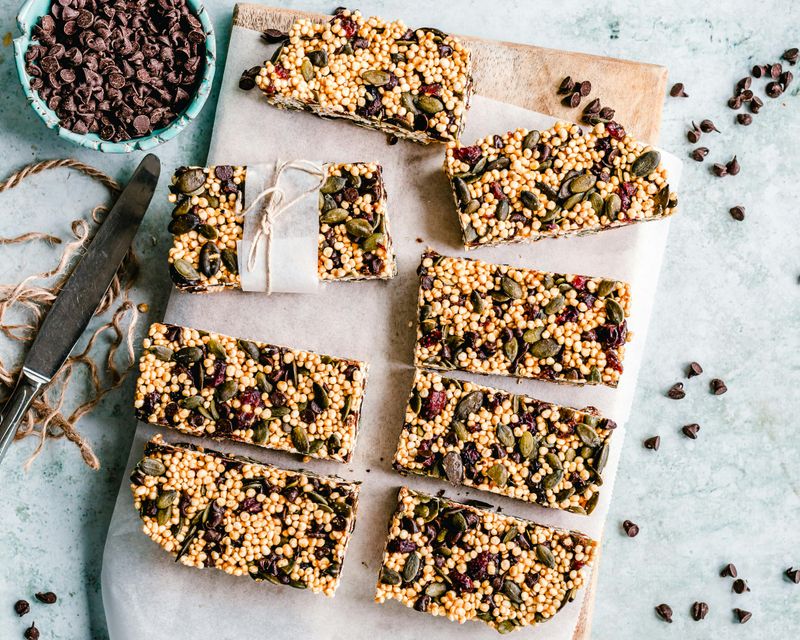
Energy bars are designed for endurance events, not desk work. They often feature syrups, glucose, and fruit concentrates for quick carbs.
That is helpful mid race, but it becomes candy during a commute.
If you are not training hard, look for bars with nuts and moderate sugars. Choose ones under 10 grams added sugar.
Otherwise, pair fruit with nut butter for steady fuel.
Marketing words like clean energy or performance can distract from the label. Read ingredients top to bottom.
Let your activity level decide whether you need fast sugar or a balanced snack.
Snack bites
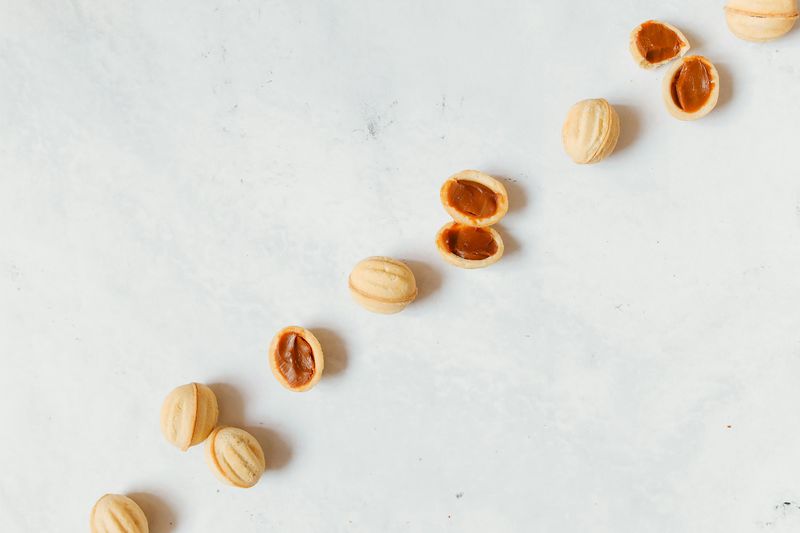
Snack bites look wholesome with dates, oats, and nut butter, but many are sugar dense. Dates and syrups bind everything together in a sweet package.
A couple bites can equal a small dessert without feeling like one.
Portion control matters here. Pair one or two with yogurt or nuts to balance.
Skip versions coated in chocolate or dusted with powdered sugar.
Make your own with less sweet dried fruit and more seeds. Add cocoa powder for flavor without extra sugar.
You keep the convenience while dialing down the stealthy sweetness dramatically.
Dried fruit
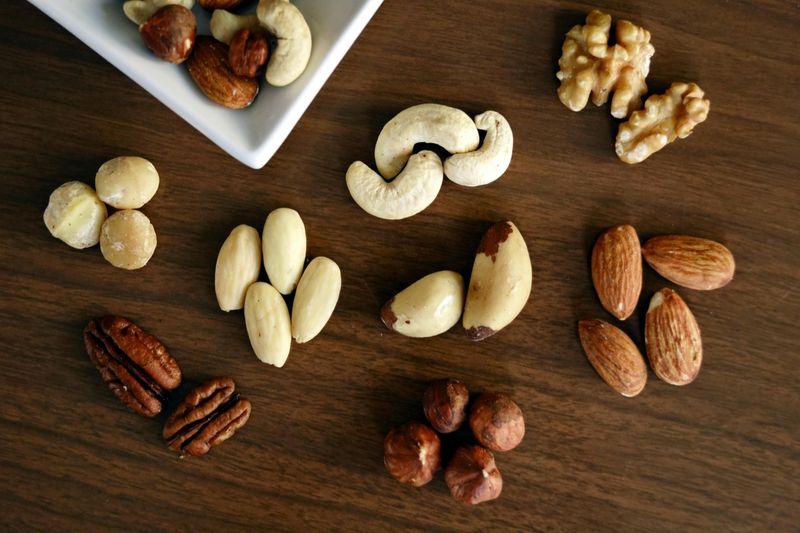
Dried fruit concentrates natural sugars into chewy candy like pieces. Even unsweetened versions are easy to overeat because water is gone.
Sweetened varieties add cane sugar or juice concentrates on top.
Use dried fruit like a garnish, not a handful. A small portion in oatmeal or salad brings flavor without overload.
Look for unsulphured, unsweetened options whenever possible.
Balance with nuts or cheese to slow absorption. Better yet, choose fresh fruit for volume and hydration.
You will feel fuller and keep your sweet tooth satisfied without overshooting daily sugar goals.
Honey granola
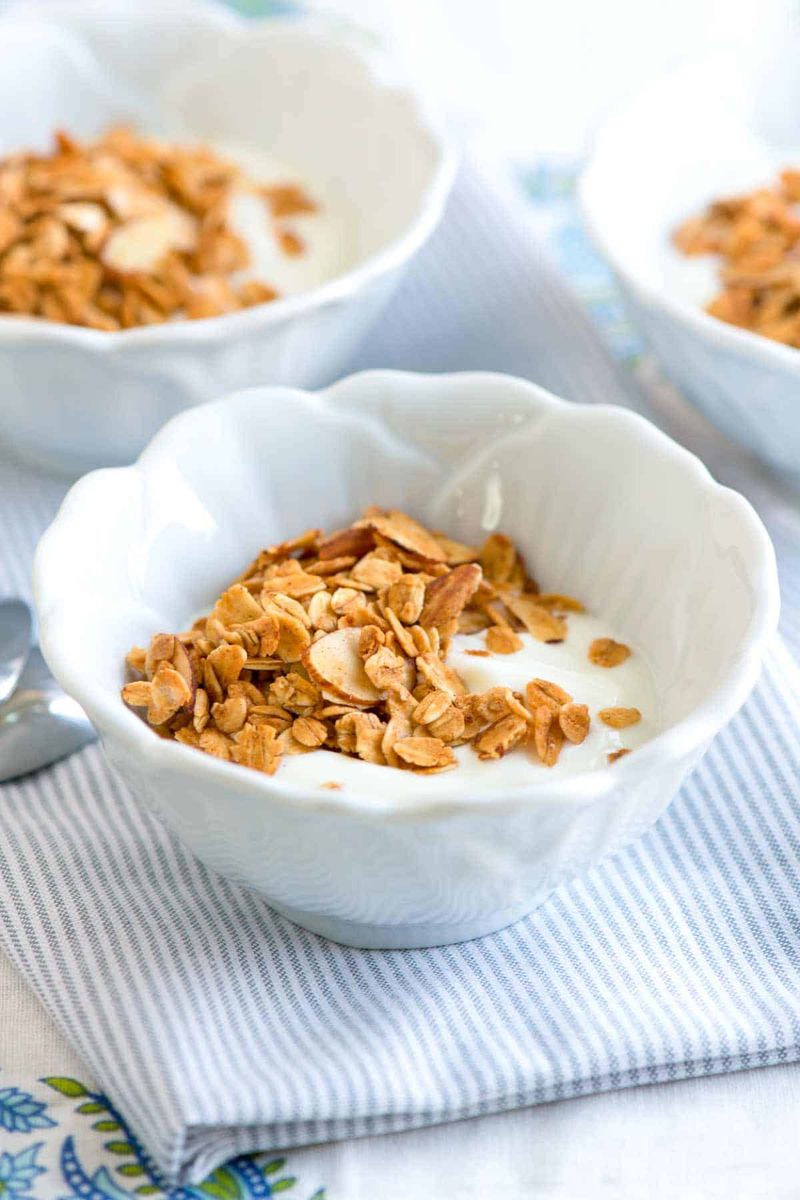
Honey granola sounds refined, but honey is still sugar. Big, glossy clusters often signal generous sweetener used during baking.
Add dried fruit and you get a double whammy of sweetness.
Choose blends with more seeds and nuts for staying power. Look for lower sugar per serving and realistic portion sizes.
Mix half granola with half plain oats to stretch it.
Top yogurt with a small sprinkle rather than a full bowl. Fresh berries add brightness without piling on sugar.
You keep the crunch and flavor while gently nudging sweetness down.
Yogurt drink
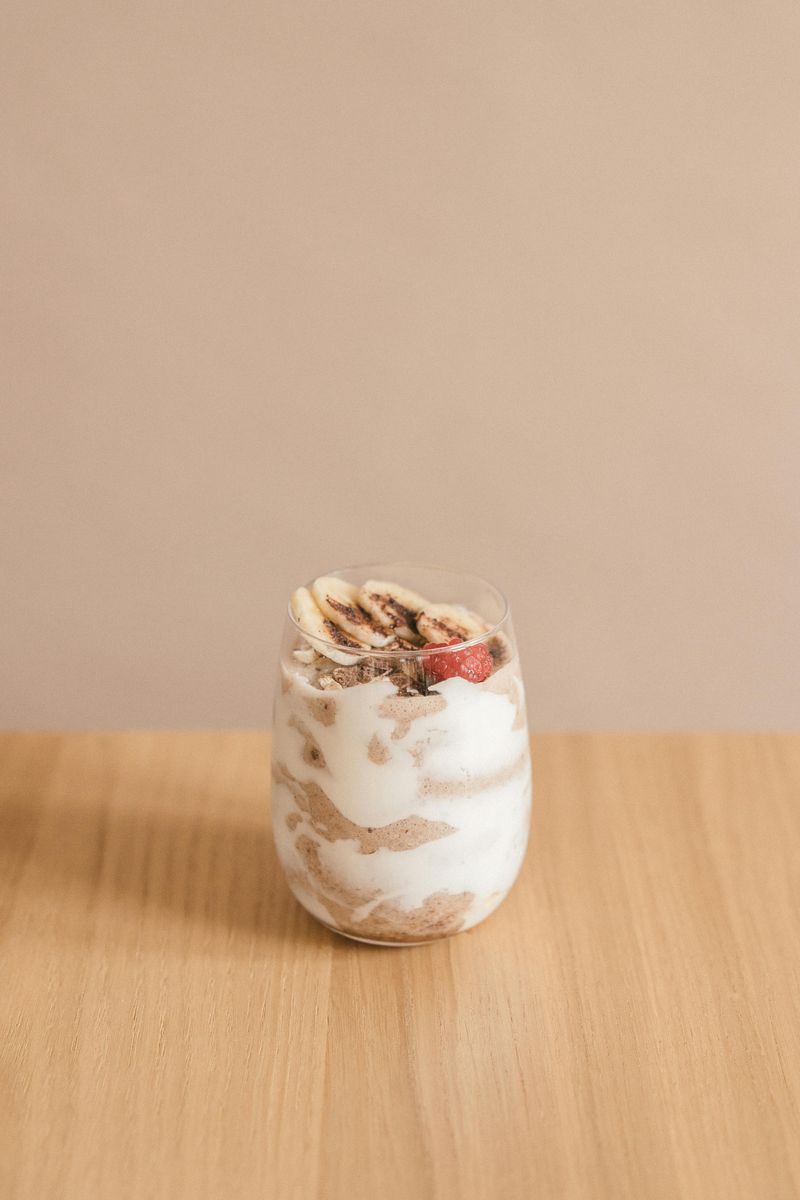
Yogurt drinks slide down easily because they are sweet and smooth. Many add fruit purees, sugar, or concentrates to mask tang.
The result can match soft drinks for sugar, especially in kid sized bottles.
Choose plain kefir or unsweetened versions and add fruit yourself. You get probiotics without the syrupy hit.
Watch bottle size, since multiple servings can hide inside one container.
If flavor helps, add cinnamon or a splash of vanilla extract. Those upgrades taste like a treat without sugar.
Your gut still gets love without the crash later.
Sports drink
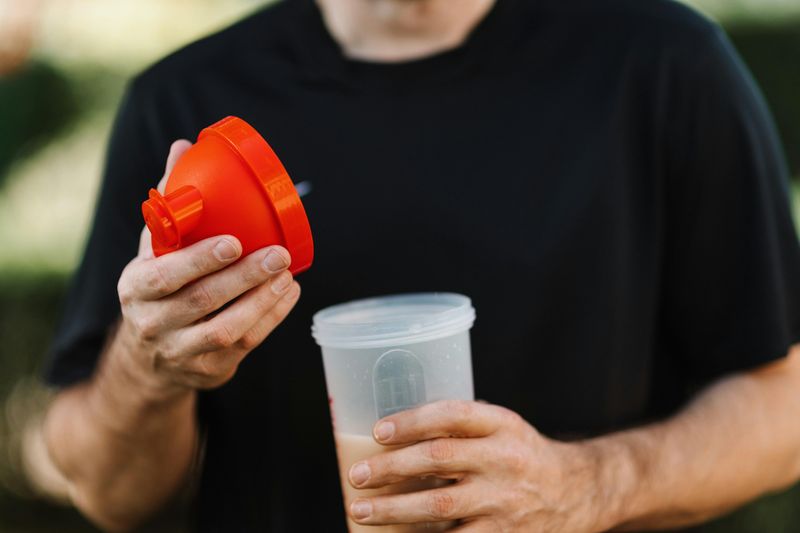
Sports drinks were built for long sweaty workouts, not casual sipping. They deliver fast carbs plus electrolytes, which makes sense during intense training.
But for daily errands, they behave like sweetened beverages.
Unless you are exercising hard for over an hour, water and a pinch of salt usually suffice. You can add a squeeze of citrus for flavor.
Save sugar based hydration for true endurance days.
For light workouts, try electrolyte tablets without sugar. They replace minerals without syrup.
Your performance stays solid while your everyday sugar intake stays reasonable and intentional.
Vitamin water
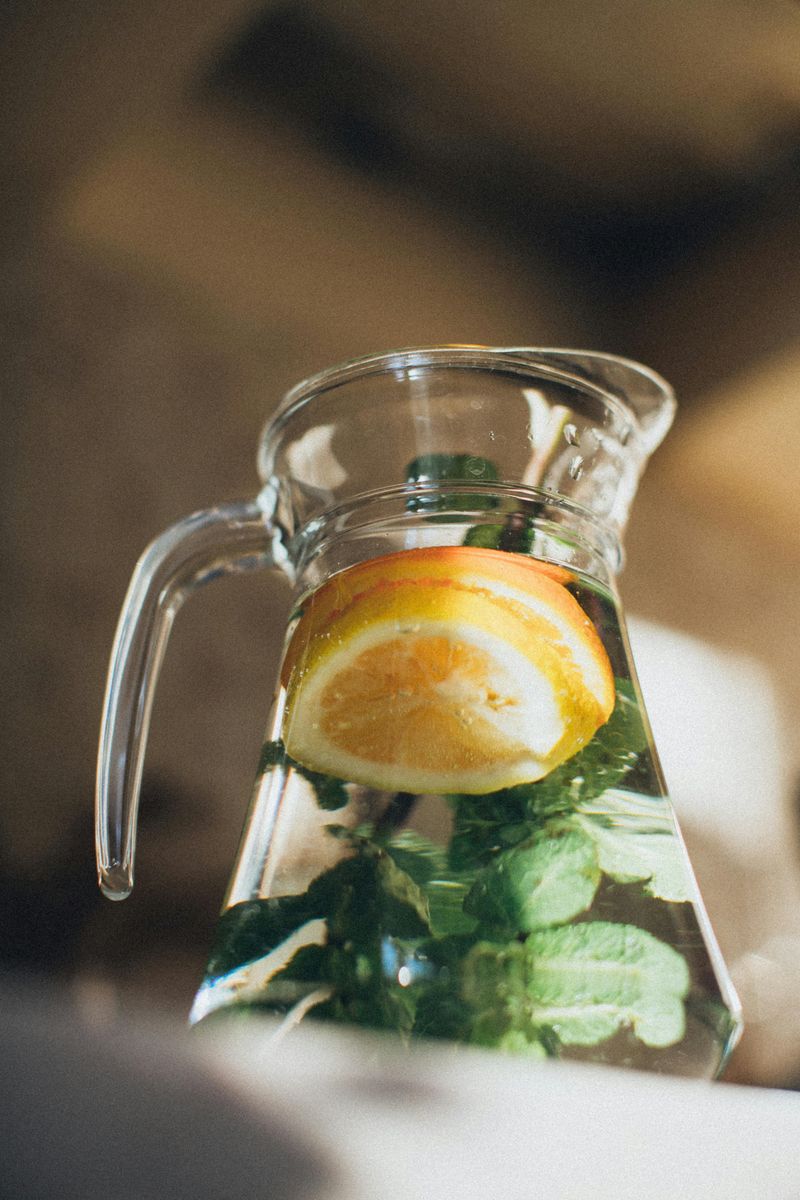
Vitamin water walks like a supplement but drinks like soda. The added vitamins distract from the sweet reality.
Some bottles contain multiple servings, doubling the sugar if you finish it.
Get vitamins from whole foods or a basic multivitamin if needed. For hydration, choose water, seltzer, or unsweetened tea.
Add sliced citrus or mint for taste without sugar.
Read portion lines carefully to avoid accidental overconsumption. Mark your bottle if it helps.
You will feel better relying on real hydration and steady nutrition rather than sweetened marketing promises.
Protein cookie
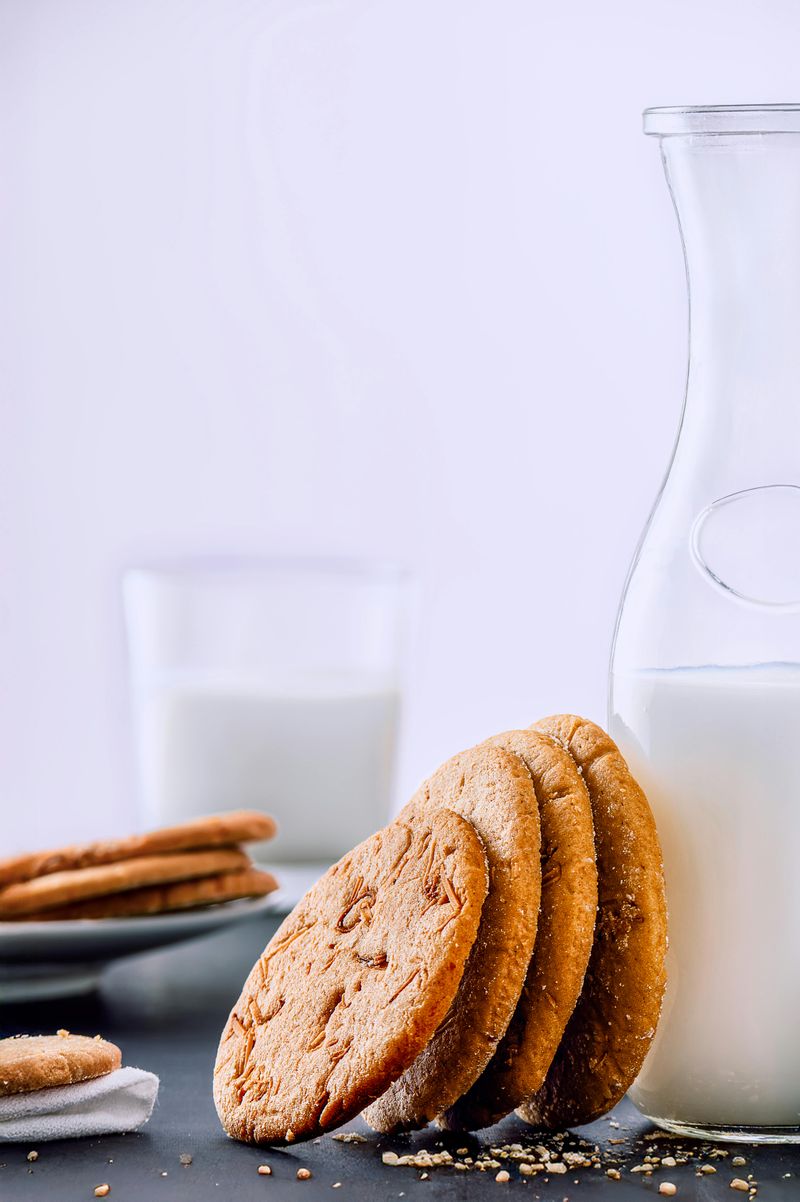
Protein cookies promote gains, but many are frosted with sugar and syrups. They often combine protein isolates with sweeteners to mimic a dessert.
The result is a treat masquerading as fuel.
Check added sugars and serving size, since one cookie may equal two servings. If sweet cravings hit, have half and save the rest.
Or choose a bar with fewer sweeteners.
Pair with milk or yogurt to round out protein without extra sugar. Or bake your own using less sweet dough.
That keeps indulgence in check while still satisfying cravings.
Low fat cookies
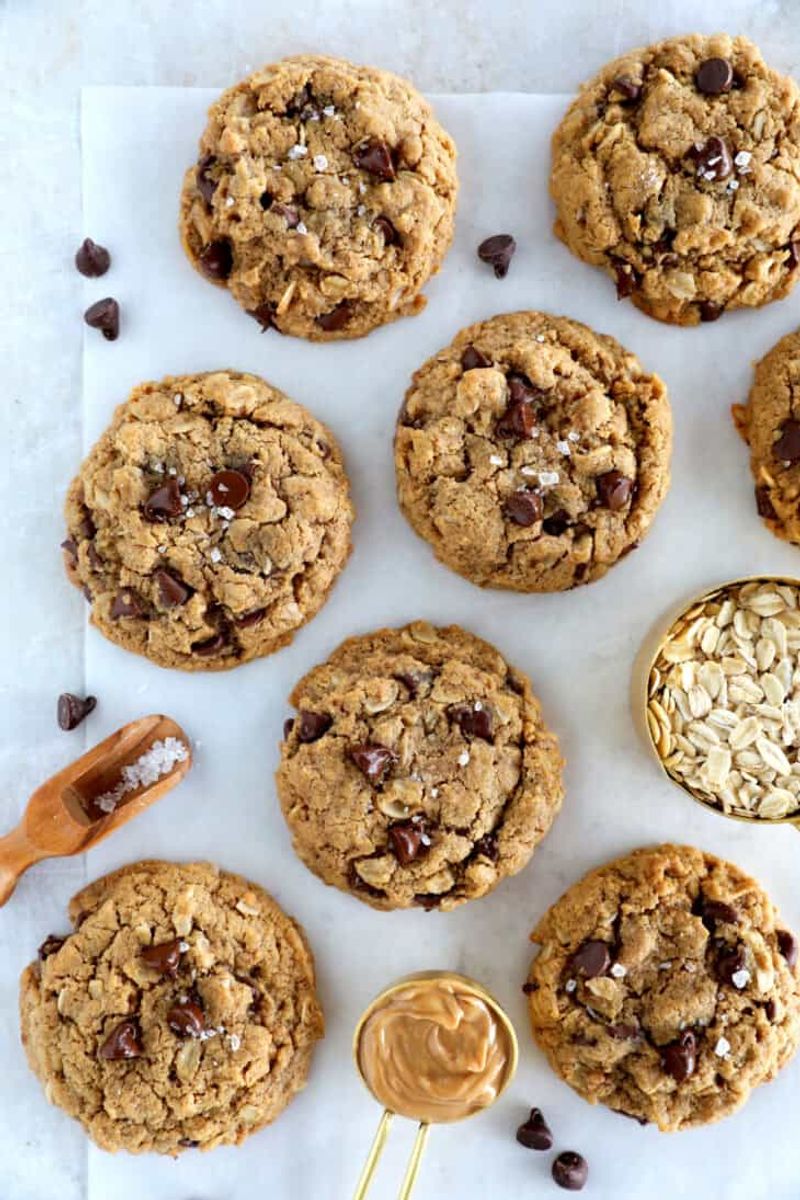
Low fat cookies often swap fat for more sugar and refined flour. The texture feels light, but the glycemic hit can be heavy.
Without fat, you may also feel less satisfied and overeat.
Marketing leans on calorie counts, yet added sugars remain high. A better approach is a small portion of a higher quality cookie.
Real butter can actually help with satisfaction.
If you want lighter, bake at home using oats and nuts. Keep sweetness modest.
You will enjoy the treat and stop at fewer cookies because the flavor and texture feel complete.
Sugar free candy
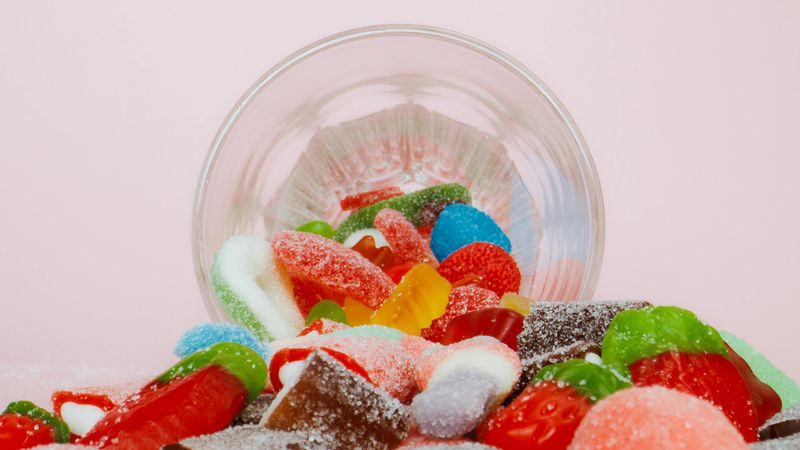
Sugar free candy skips sucrose but often uses sugar alcohols like maltitol. Those still deliver calories and can cause stomach upset in larger amounts.
The sweetness keeps cravings alive rather than resetting your palate.
Portion mindfully and read labels for polyol content. Erythritol and allulose may be gentler for some.
But the best strategy is reducing frequency and savoring small amounts.
If you want a sweet moment, pair a square of dark chocolate with nuts. It feels grown up and satisfying.
Your stomach and energy levels will likely thank you.
Gluten free cookies
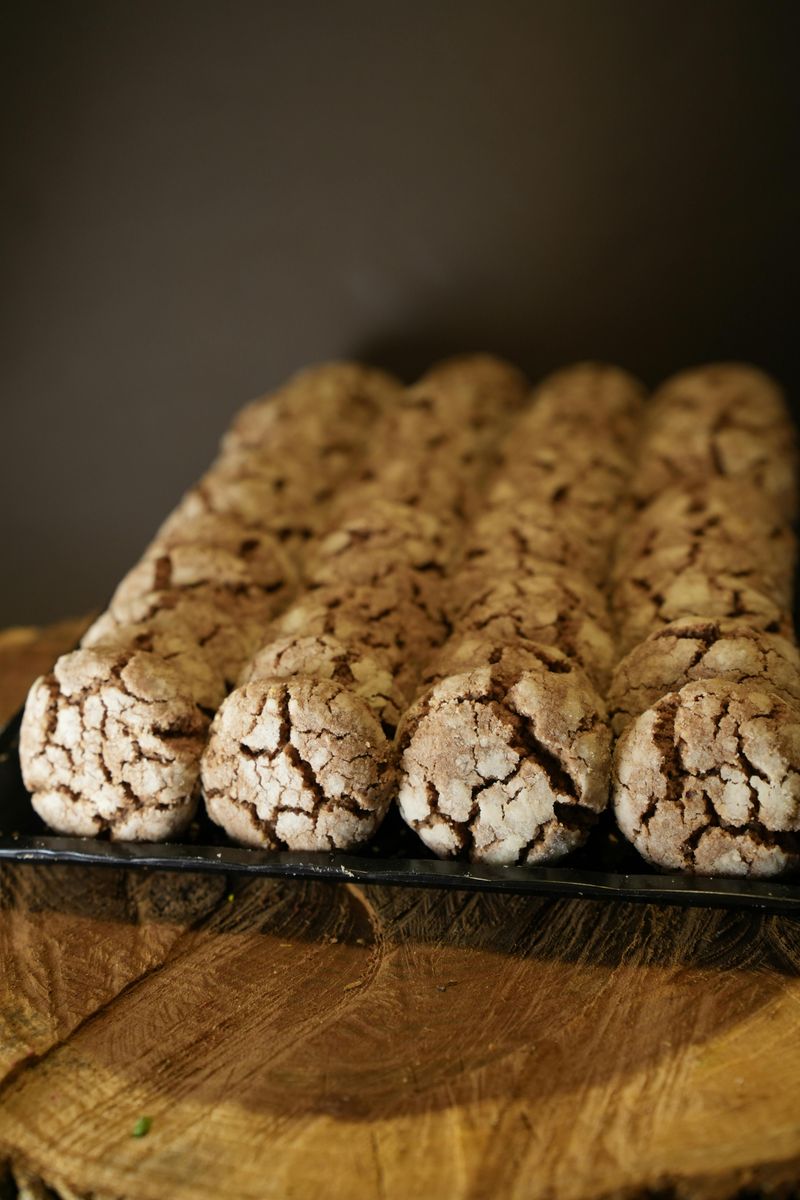
Gluten free does not mean sugar free. Many gluten free cookies rely on starches and added sugars to mimic chew.
That creates a sweet treat dressed in health language.
If you need gluten free, choose brands using almond or oat flour with moderate sweetness. Compare labels and aim for short ingredients.
Remember serving sizes are often small.
Homemade versions let you control sugar and texture. Add nuts or seeds for substance.
You get inclusive treats that satisfy without pretending to be a health food aisle pass.
Keto snack
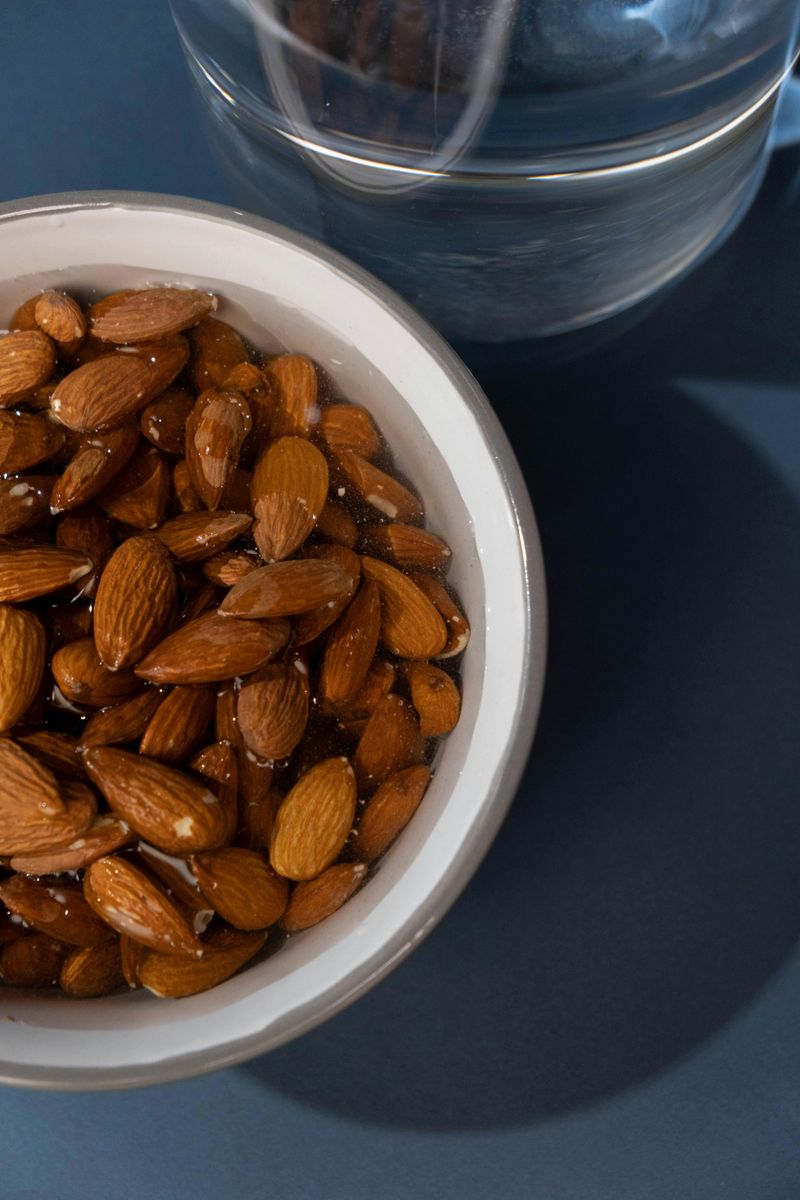
Keto snacks focus on net carbs, not necessarily overall health. Some use sweeteners and chocolate coatings that keep your sweet tooth engaged.
Others pack saturated fats without much micronutrition.
Read beyond net carbs. Look for real nuts, seeds, and minimal sweeteners.
If the first ingredients are oils and isolates, consider another option.
Build simple keto friendly snacks at home: cheese, olives, and cucumbers. Or nuts with a few berries if they fit your plan.
That approach feels satisfying and keeps sugar cravings from creeping back.
Detox tea
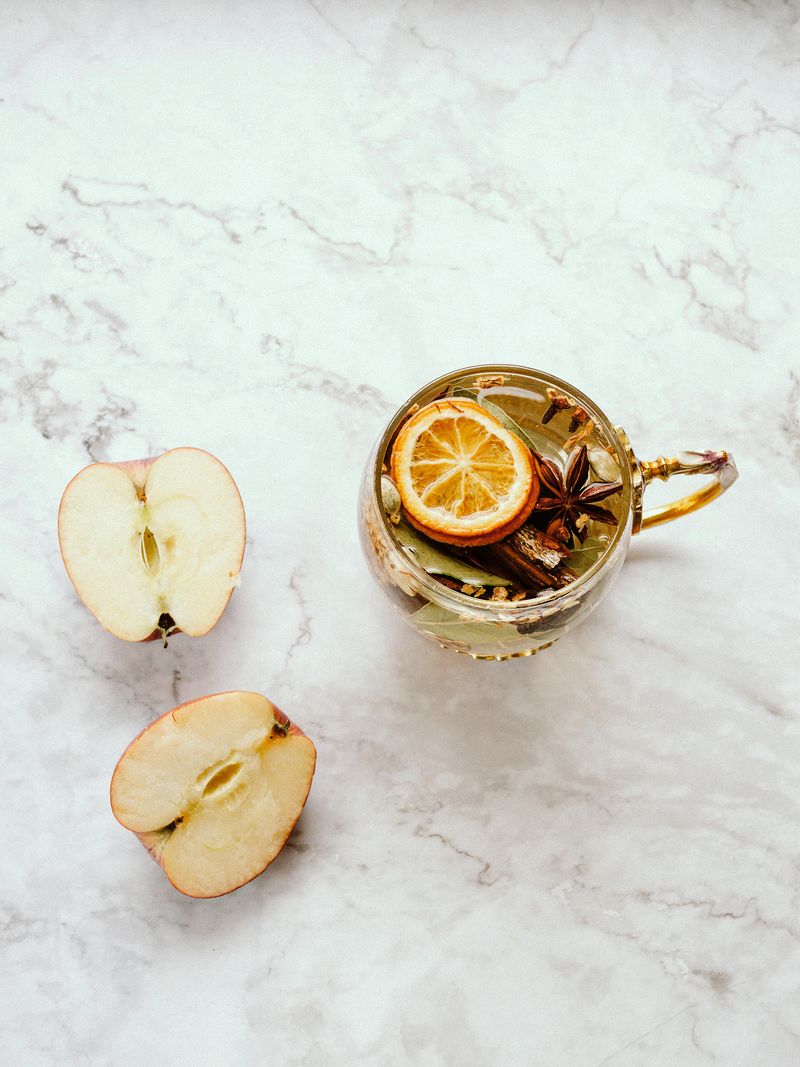
Detox tea sells a cleanse fantasy rather than evidence. Some blends hide sweeteners, flavors, or laxative herbs.
You might lose water weight, not toxins or fat, and feel crummy later.
Your body already detoxes with liver and kidneys. Skip sugary additions like honey packets that come in some kits.
Choose plain herbal teas and hydrate generously instead.
If you want a reset, focus on sleep, vegetables, and movement. Those habits do more than a week of tea.
Keep beverages unsweetened so your taste buds recalibrate and cravings fade.
Wellness shot
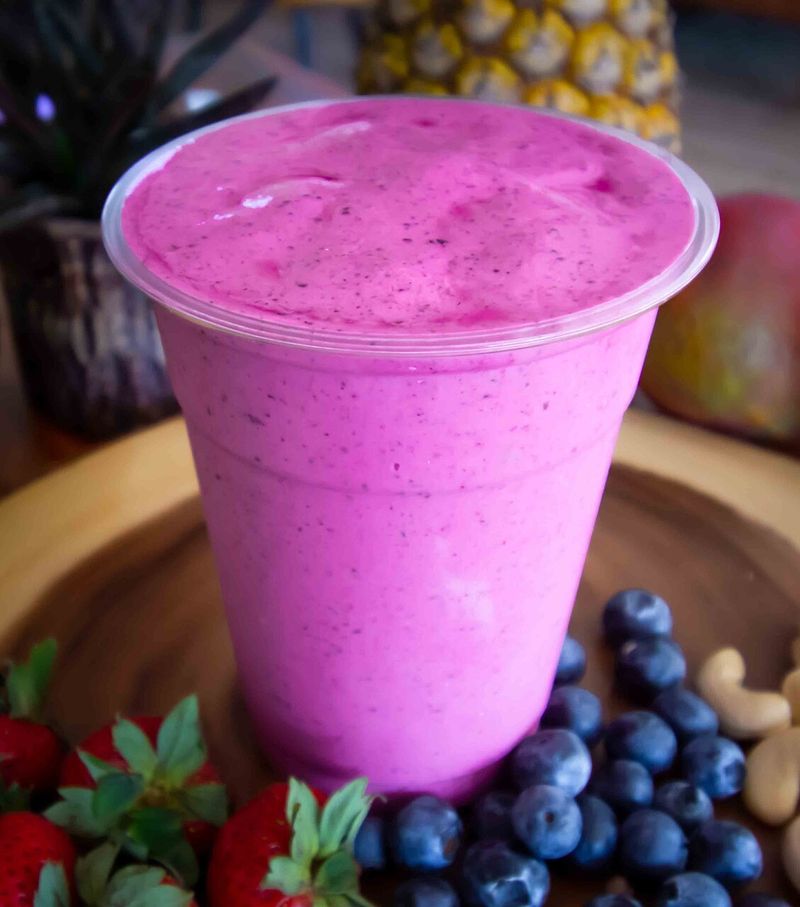
Wellness shots look tiny but can be surprisingly sweet. Many include apple juice or pineapple base to blunt spice.
That small volume concentrates sugar into a fast hit.
Check if no added sugar includes fruit concentrates. Spice is great, but sweetness can sneak in.
Consider DIY versions with lemon, grated ginger, and water.
Drink slowly and pair with a meal to soften the impact. Or skip and use spices in cooking for regular exposure.
Your wallet and blood sugar both benefit while you keep the ritual intentional.
Granola
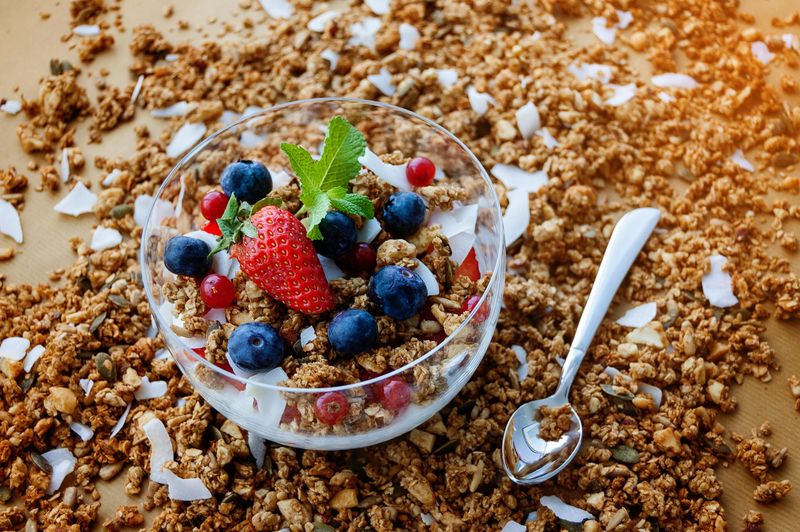
Granola sounds like a hiking buddy, but many blends are basically crumbled cookies. Big clusters often come from sugar, honey, or syrup baked onto oats.
Add chocolate chips and candied fruit, and you are suddenly eating dessert for breakfast.
Check serving sizes, because a tiny half cup can pack surprising sugars and calories. Choose versions with nuts, seeds, and minimal sweeteners.
Or make your own so you control the sweetness.
Pair with plain yogurt, not flavored, and sprinkle fresh fruit for balance. You will still get crunch and satisfaction without the sugar trap.
Enjoyed this story?
Add Fast Food Club as a preferred source to see more of our reporting on Google.