


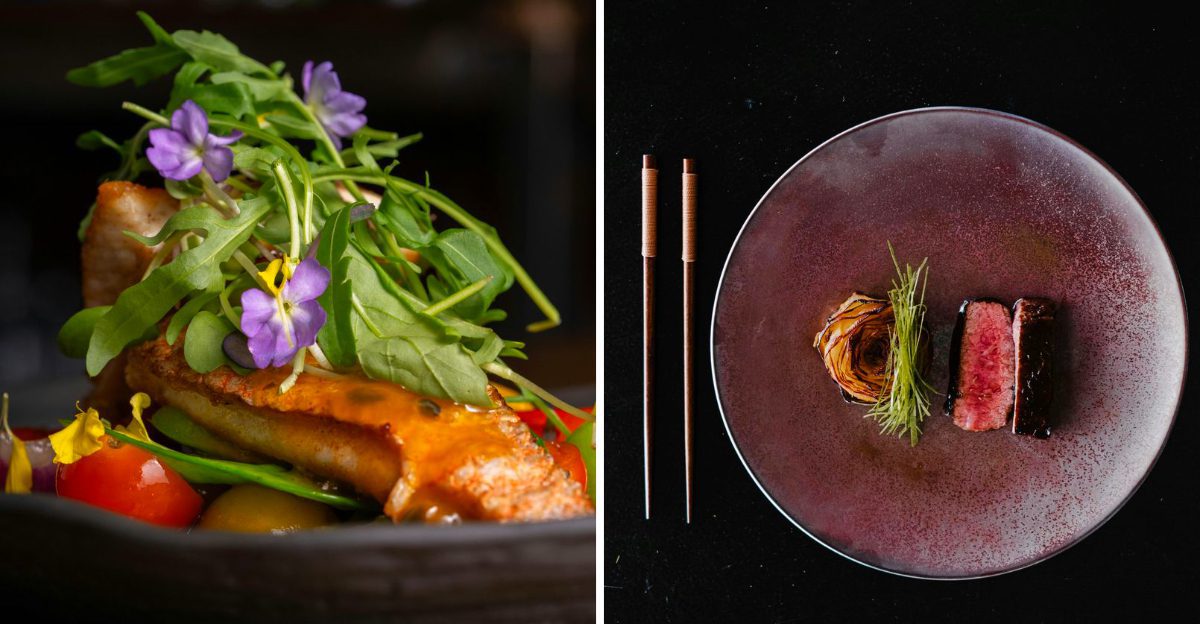
Ever order something “elevated” and leave wondering what you actually paid for? You are not alone.
Some fancy foods earn the buzz, but plenty just dress up simple ideas with shiny labels and clever plating. Let’s pull back the curtain so you can decide what is worth the splurge and what is just smoke and mirrors.
Truffle oil
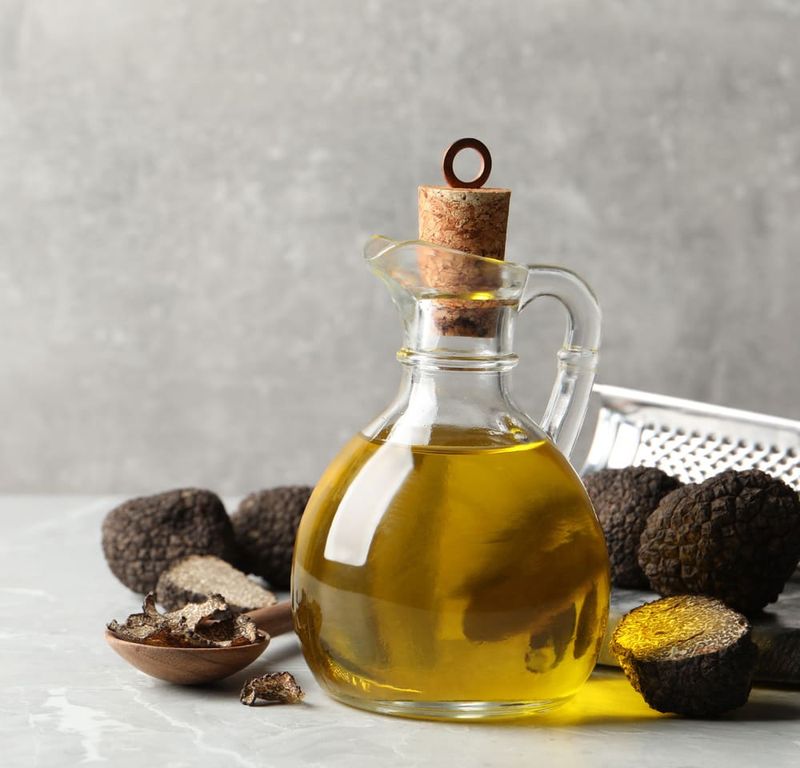
Truffle oil sounds luxurious, but most bottles contain synthetic flavor compounds rather than actual truffle. The aroma hits hard because it is engineered to, not because it is nuanced.
You get instant truffle smell, little depth, and a price that outpaces the ingredients inside.
Use it sparingly if you enjoy the scent, but do not expect true truffle complexity. Real truffles are subtle and fleeting, not loud and lingering.
Save your money for fresh mushrooms or butter and garlic, which deliver honest richness you can actually taste.
Gold flakes
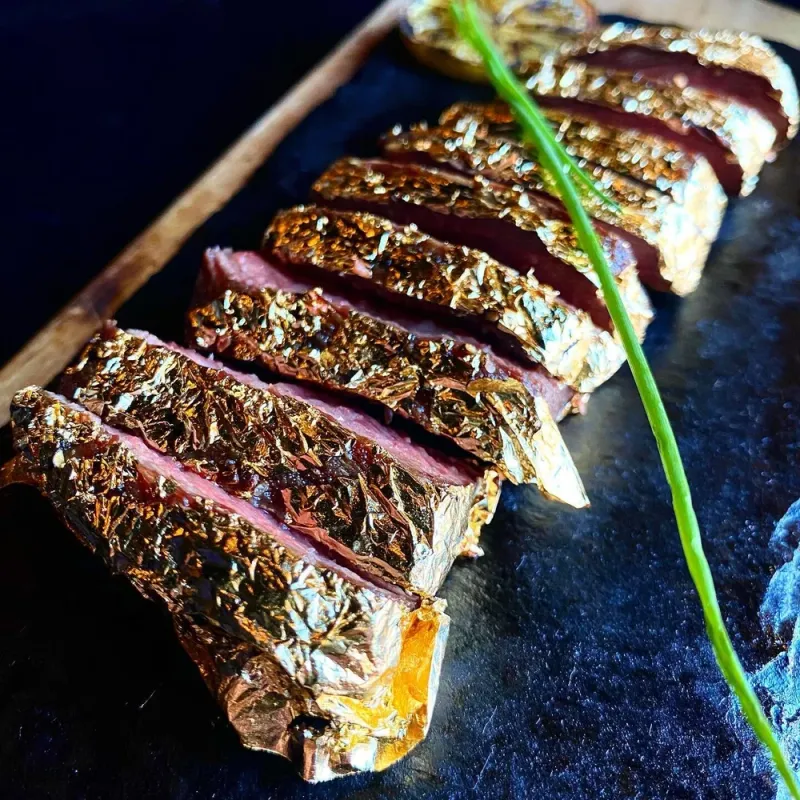
Edible gold looks stunning, but it tastes like nothing and adds zero nutrition. You are paying for sparkle and a photo moment, not flavor.
Restaurants use it to signal luxury while quietly upselling your bill for the tiniest shimmer on top.
If you want drama, sure, gold leaf delivers. If you want deliciousness, it offers nothing beyond a metallic flex.
Spend that budget on better ingredients or an extra course that actually satisfies your palate and memory, not just your camera roll.
Caviar
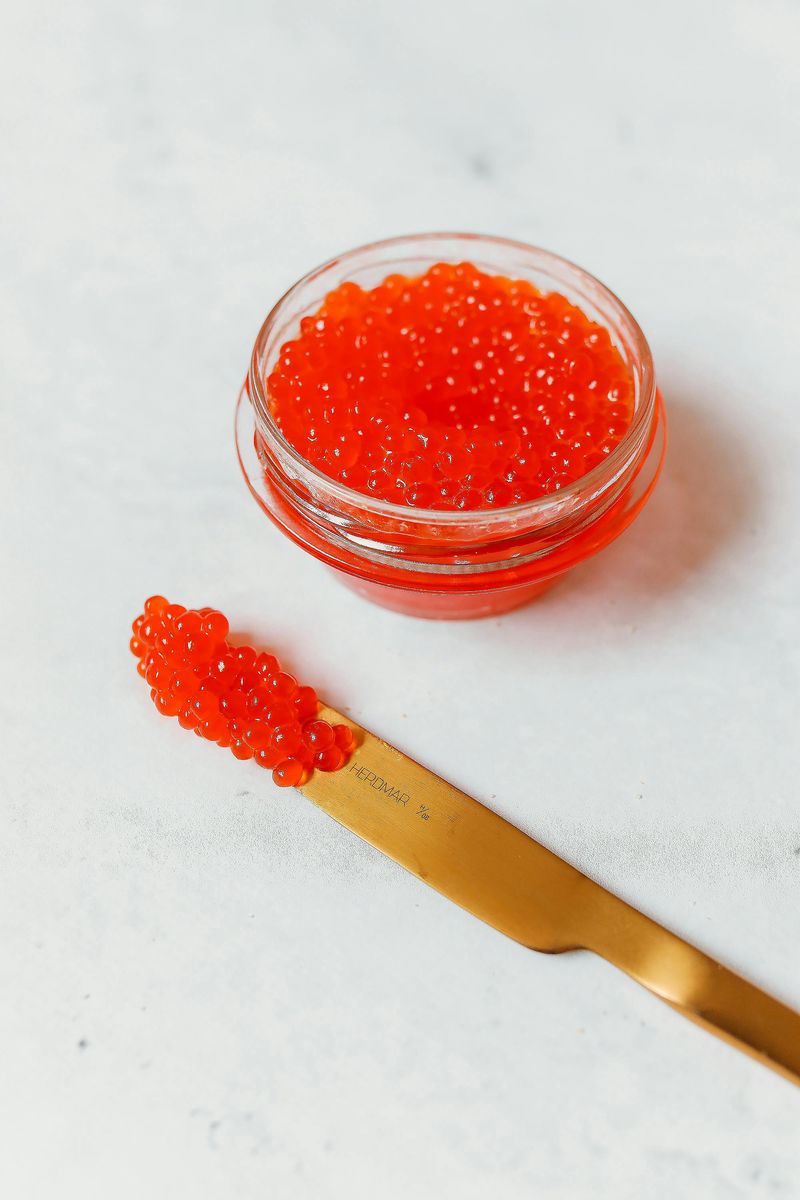
Caviar has pedigree, ritual, and a massive price tag. At its best, it is buttery, briny, and nuanced.
At its worst, it is salty little beads riding celebrity status. Many people order it once for the bragging rights, then discover they prefer oysters or smoked fish.
If you love it, great, but do not let prestige force your hand. Tiny servings rarely make a meal, and pairing add-ons quickly balloon the bill.
Taste broadly before committing, and make sure your palate, not social pressure, is running the show.
Foam topping
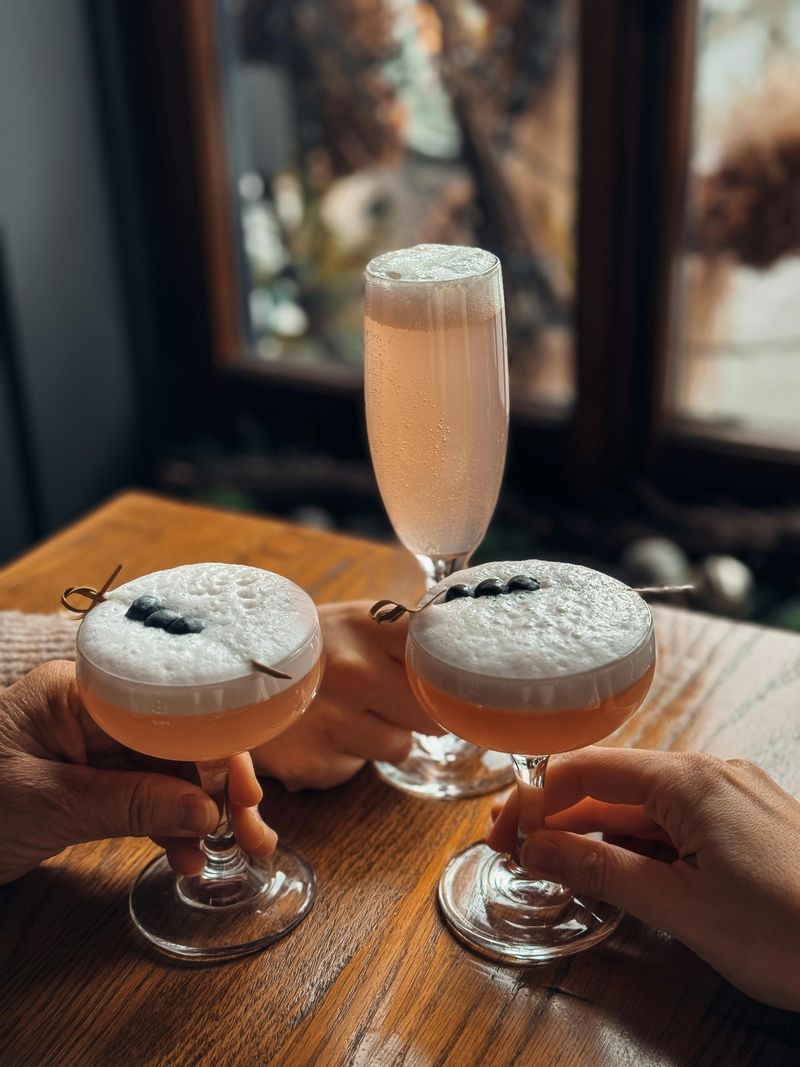
Culinary foam promises essence without heaviness, but too often it is bubbly air with faint flavor. It disappears before you register anything meaningful.
Chefs love the theater, yet for diners it can feel like paying for a cloud.
When foam enhances aroma, it works. When it masks underseasoned food, it is fluff in every sense.
You deserve sauce that clings and tastes like something, not a whisper that vanishes the second it hits your tongue.
Microgreens
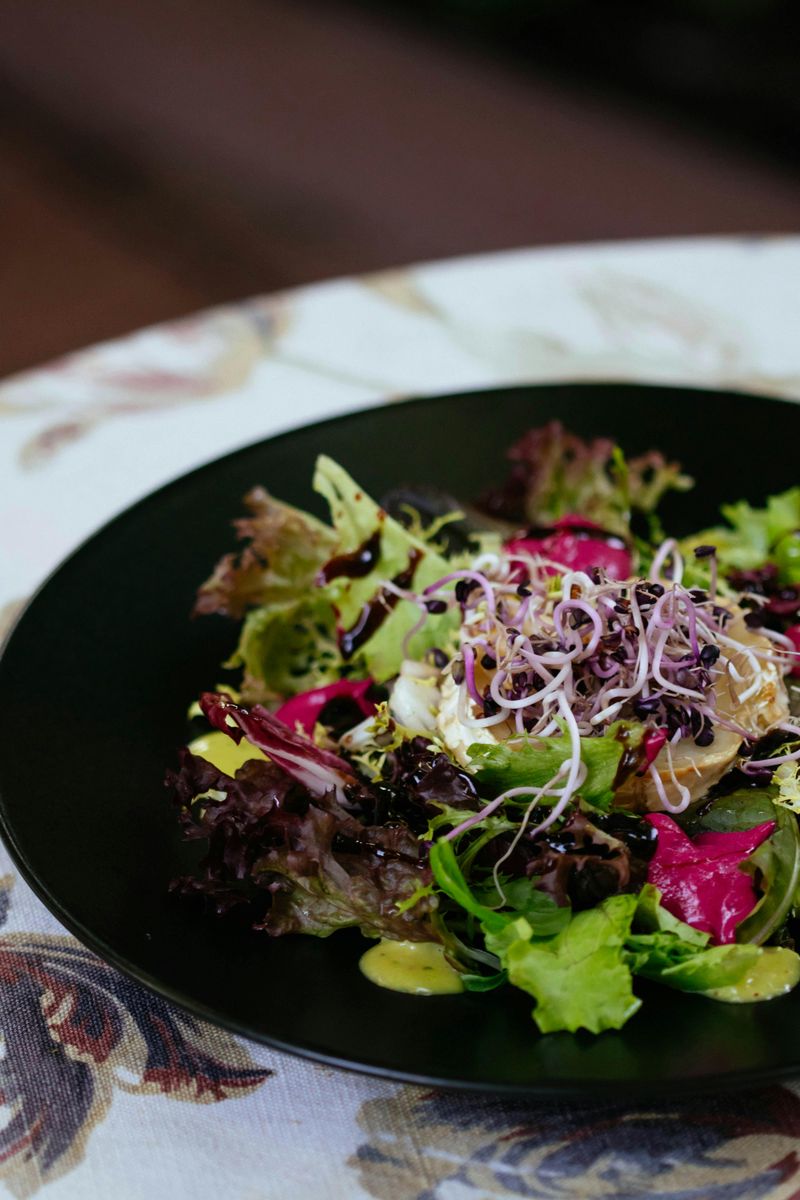
Microgreens look gorgeous and can be nutritious, yet they are often used like edible confetti. A sprinkle on top does not fix bland cooking.
You pay extra for a garnish that photographs better than it tastes.
When thoughtfully chosen, peppery shoots can add bite and freshness. Most of the time, though, they are a styling trick that nudges prices up.
Ask yourself if the dish would suffer without them. If not, consider whether that little handful is really worth the premium.
Deconstructed dessert
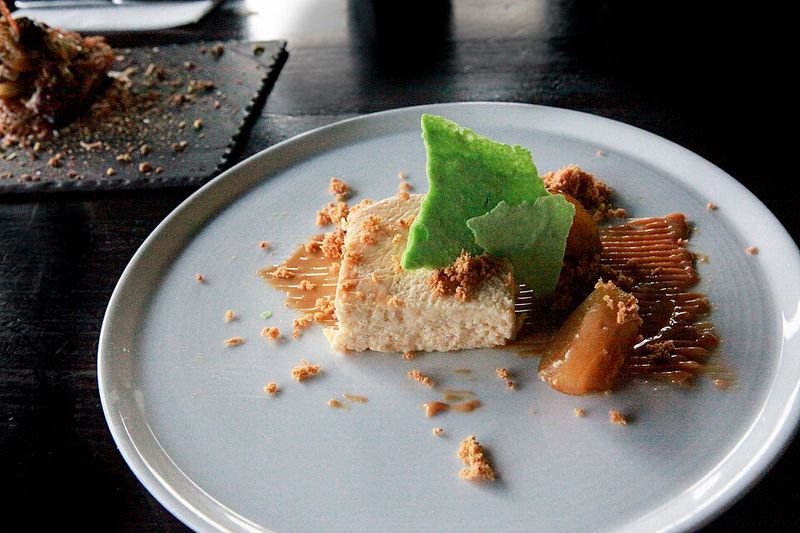
Deconstructed desserts turn familiar sweets into scattered parts: crumbs here, cream there, a blob of gel for good measure. It can be clever, but it often feels like homework.
You assemble each bite, hoping the classic harmony appears.
Sometimes it does. Often it does not.
The end result can be smaller portions, higher prices, and less satisfaction. Give me a well-executed whole dessert that marries temperature, texture, and flavor over a puzzle that costs more and delivers less joy.
Tiny portions
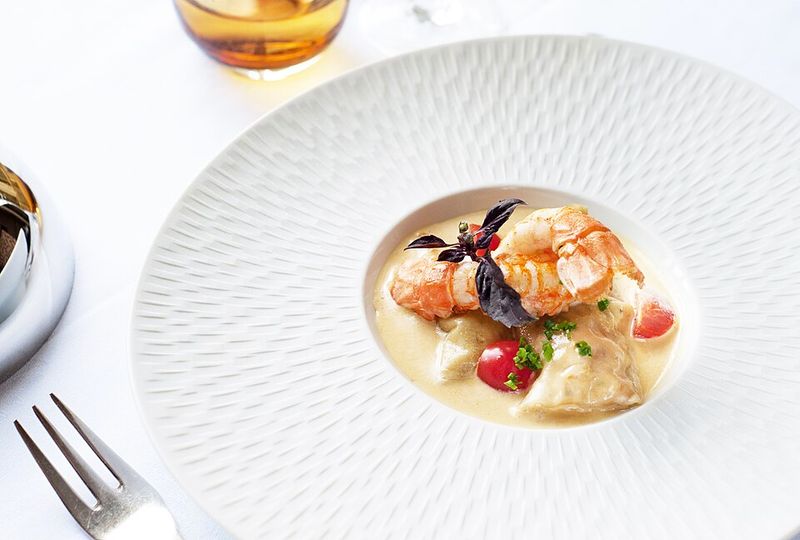
Delicate plating is beautiful, but microscopic portions can feel insulting. You came to eat, not to decode a dot on porcelain.
When the main course is three bites, you start calculating the cost per chew.
Small can be thoughtful when flavors are intense. Too often, it is restraint for optics, not taste.
If you leave hungry after a pricey dinner, that elegance loses its charm fast. You deserve a balance between artistry and actual nourishment.
Fancy salt
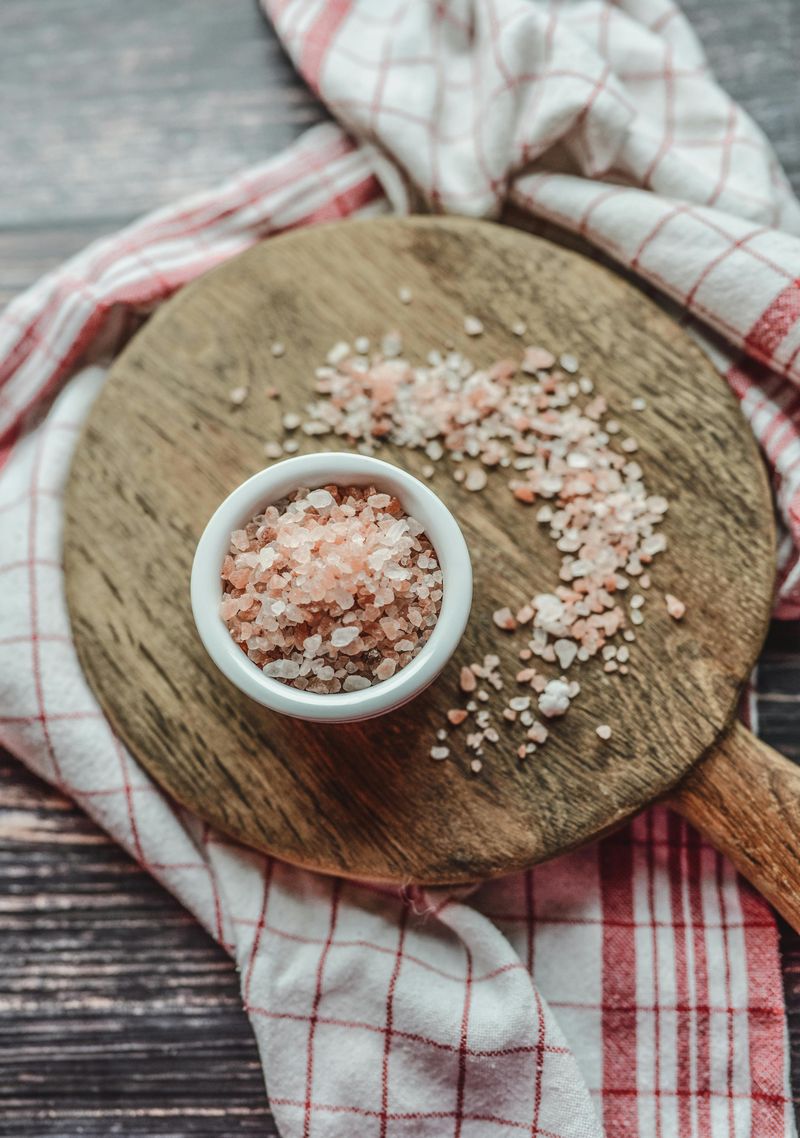
Salt is magic, but branding turns it into a luxury trinket. Flaky textures change the finish, not the fundamentals.
Many pricey salts taste similar once dissolved, meaning that expensive jar might be a vanity purchase.
Use finishing salt for crunch when it makes sense. For everyday cooking, a good kosher or sea salt works wonders.
The hype tells you crystals matter more than seasoning technique, yet your skillet and timing do most of the heavy lifting.
Designer water

Designer water promises purity from glaciers or volcanic springs, wrapped in premium glass. In blind tests, most people cannot tell it from standard filtered water.
You are buying image, shipping costs, and environmental guilt before flavor differences.
A good home filter and a reusable bottle beat the markup every time. Unless the tap is problematic, skip the imported mystique.
Hydration should not depend on marketing fairy tales and long-haul freight.
Premium ice

Clear, slow-melting ice is great for spirits, but bars use it to justify steep cocktail prices. The difference matters most for straight pours, not sugary mixes.
You are paying for the vibe, the Instagram shot, and maybe an extra minute before dilution.
If you love whiskey, big clear cubes make sense at home with a simple mold. For everything else, it is a shiny add-on that does not change taste much.
Do not let the ice steal the headline.
Charcuterie board
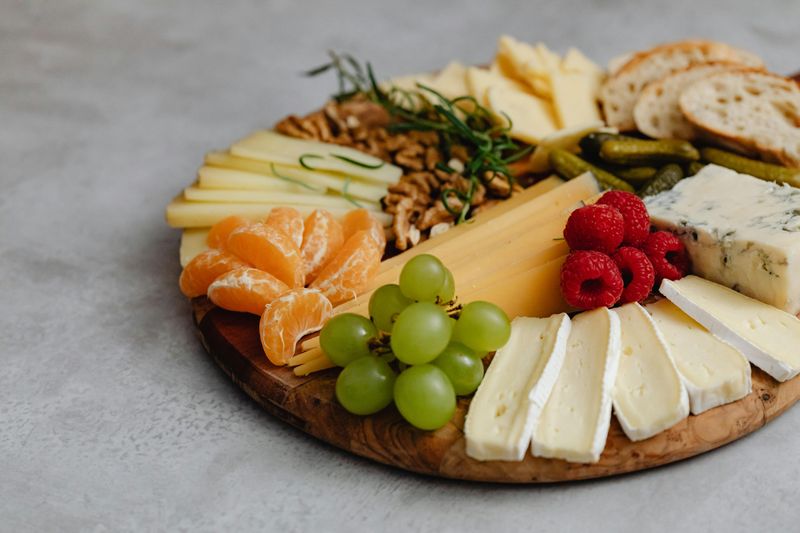
Charcuterie boards look abundant, yet restaurants often pad them with crackers and grapes. The meats and cheeses can be ordinary while the price screams special occasion.
You pay for arrangement and vibes more than rarity or quality.
Build your own and you will see how far good deli picks can stretch. A few thoughtful selections beat a sprawling, photogenic spread.
Save your splurge for a specialty shop where every bite justifies the space it takes.
Artisan butter
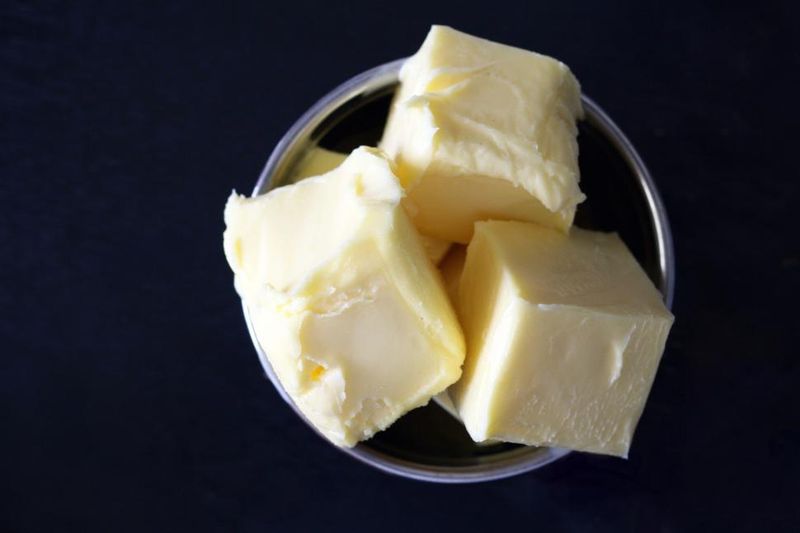
Whipped, cultured, or hand-churned butter can be lovely, but the upcharge for a tiny quenelle is wild. Restaurants turn bread service into a line item, banking on your curiosity.
Butter does not fix mediocre bread, and a beautiful swirl is still just butter.
Buy a quality block for home and taste the same tang without ceremony. If you are paying extra, expect truly special flavor or origin.
Otherwise, it is hype on toast.
Imported cheese
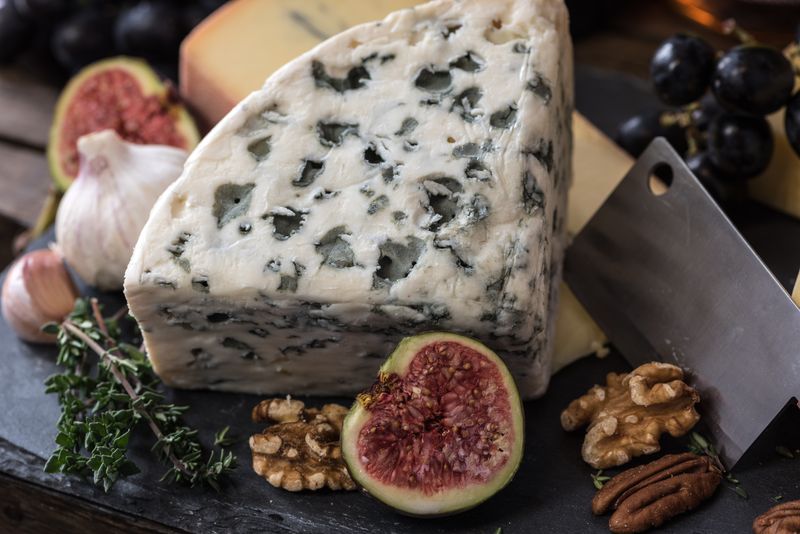
Imported cheese can be phenomenal, but not every wedge deserves fanfare. Shipping, aging, and prestige inflate the cost, even when local options taste as good.
Many menus lean on foreign names to signal quality you might already find domestically.
Ask for samples and trust your tongue. If you cannot taste the difference, do not pay for air miles.
Cheese should thrill you, not your passport.
Market price fish
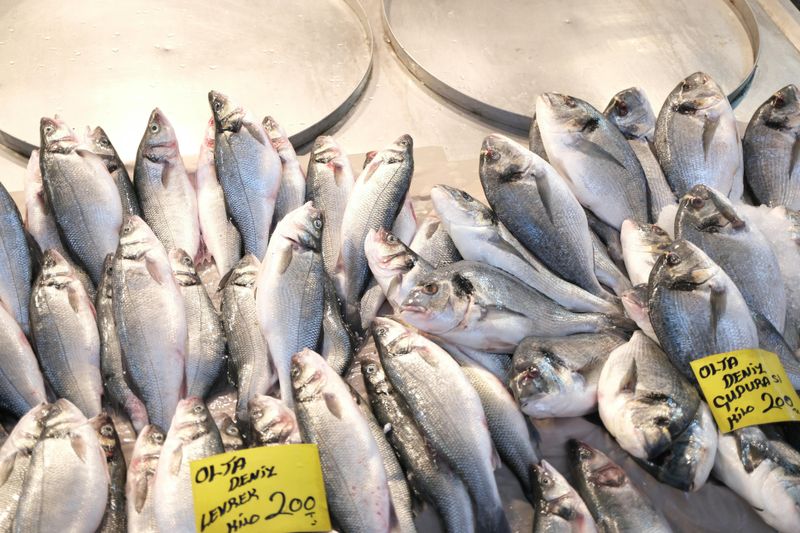
“Market price” sounds seasonal and fresh, but it can also hide sticker shock. You might nod, order, and learn the cost when the bill lands.
Some places rely on that awkward reveal to pad margins.
Always ask for the number and the portion size. If that feels uncomfortable, consider whether the restaurant earns your trust.
Fresh fish is fantastic, but transparency tastes better.
Wine pairing
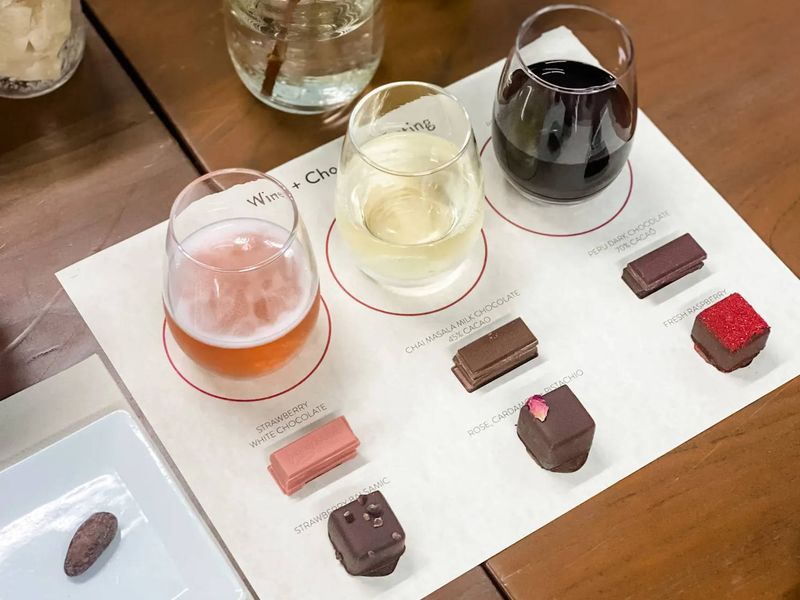
Wine pairings promise a guided journey, but they often use safe, mid-tier bottles marked up per sip. You get many pours yet not much discovery.
If you already know your preferences, you might enjoy a single great glass more.
Ask for alternatives or half-pours of something you truly want. A thoughtful server can tailor your night better than a preset flight.
Do not let the script override your palate or budget.
Tasting menu
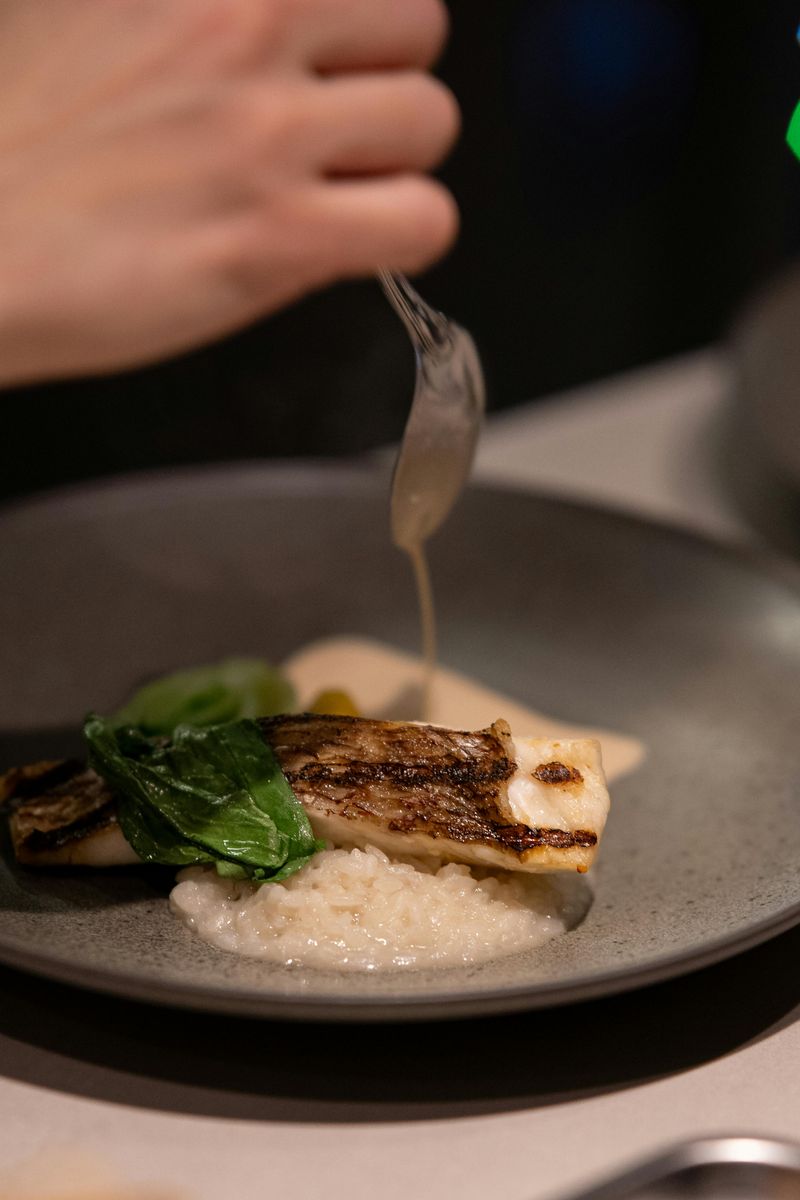
Tasting menus can be thrilling, but they also lock you into the chef’s narrative. That means dishes you would never order and pacing that outlasts your hunger.
The price per bite climbs while your freedom shrinks.
Opt in when the chef is truly inventive or seasonal ingredients shine. Otherwise, a la carte might bring more joy for less money.
You deserve choice as much as choreography.
Chef’s table
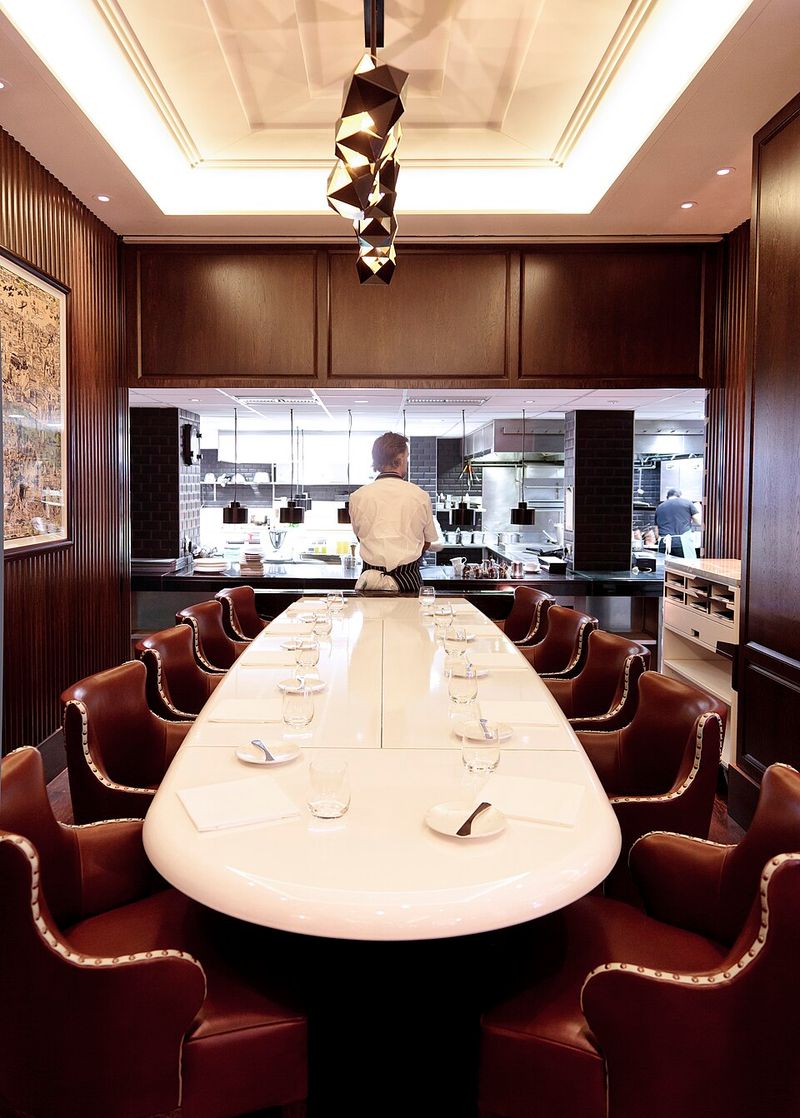
Chef’s table seats feel exclusive, but the premium often buys proximity, not better food. You watch the choreography, hear the sizzles, and still eat a similar menu.
The theater is real, yet the price tag reflects access rather than flavor.
If behind-the-scenes thrills you, great. If not, you can save money and enjoy the same dishes in the dining room.
Remember, the view does not season the plate.
Sauce dots
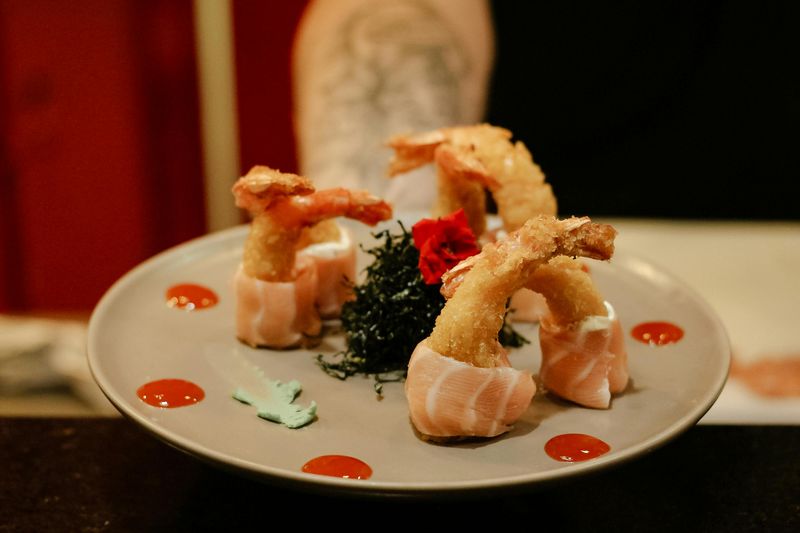
Those perfect dots and swooshes look elegant, but they ration flavor like it is precious. A good sauce should embrace the food, not merely pose beside it.
You are left chasing tiny pools with a fork, wishing for one confident ladle.
Great cooking is not afraid of generosity. If a dish needs sauce, give it enough to matter.
Otherwise, the dots are decoration masquerading as taste.
Reserve steak
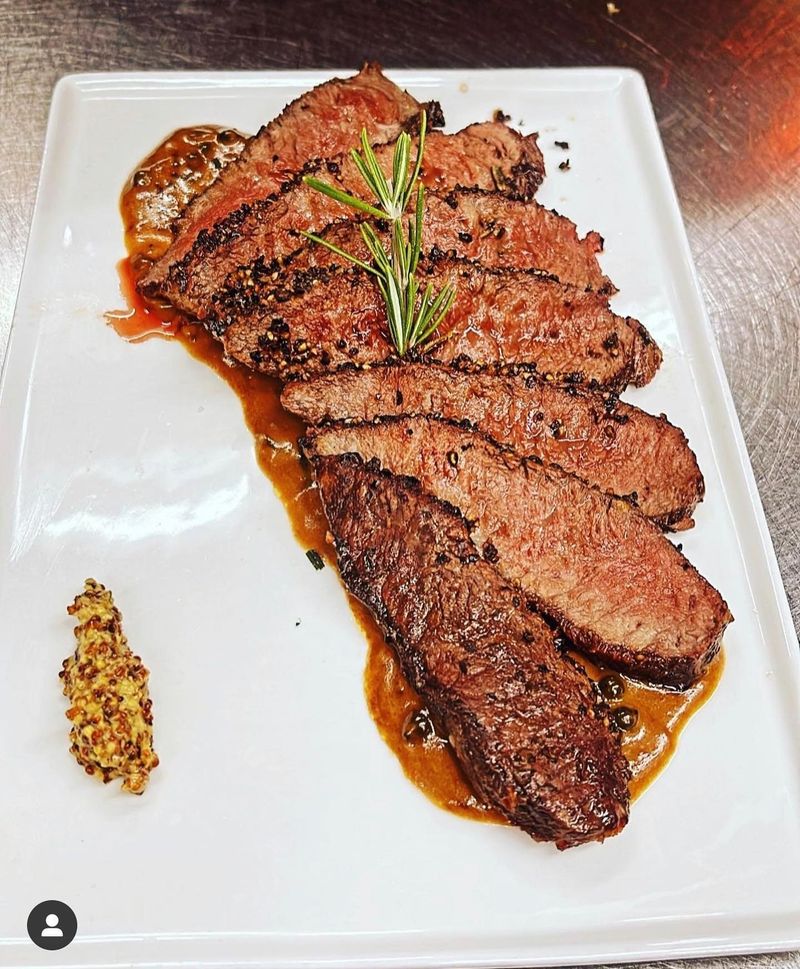
“Reserve” signals exclusivity, but it often means a familiar cut with a fancy title. The tenderness difference can be marginal, yet the surcharge is real.
Dry-aging or grading may help, though not always in proportion to the price.
Ask for the specifics: days aged, grade, and source. If the answers wobble, skip the badge and order a reliable cut.
Technique beats buzzwords every time.
Single origin coffee
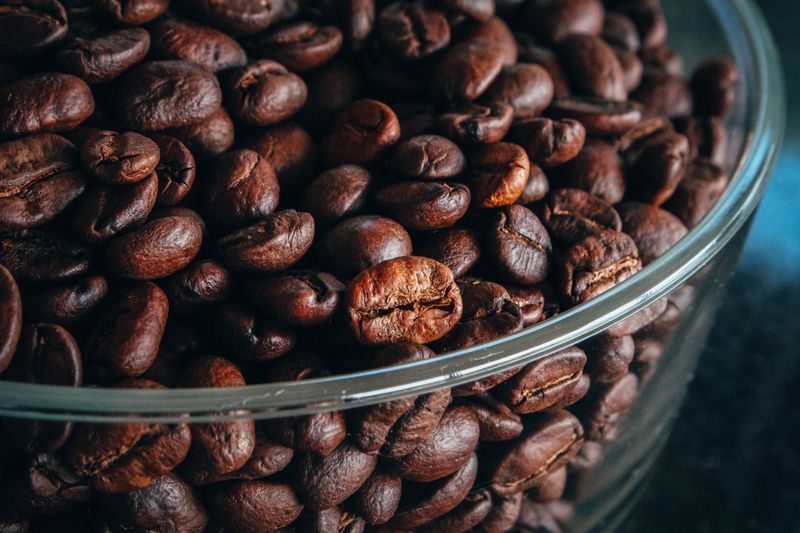
Single origin coffee can be fantastic, but hype creeps in fast. Descriptors promise mango, jasmine, and cocoa, yet your cup may taste like regular drip if brewed poorly.
Cafes sell origin stories as much as beverages.
Ask about roast date and brew method. A fresh, well-extracted blend might please you more than a costly microlot.
Let taste, not labels, lead the way.
Luxury chocolate
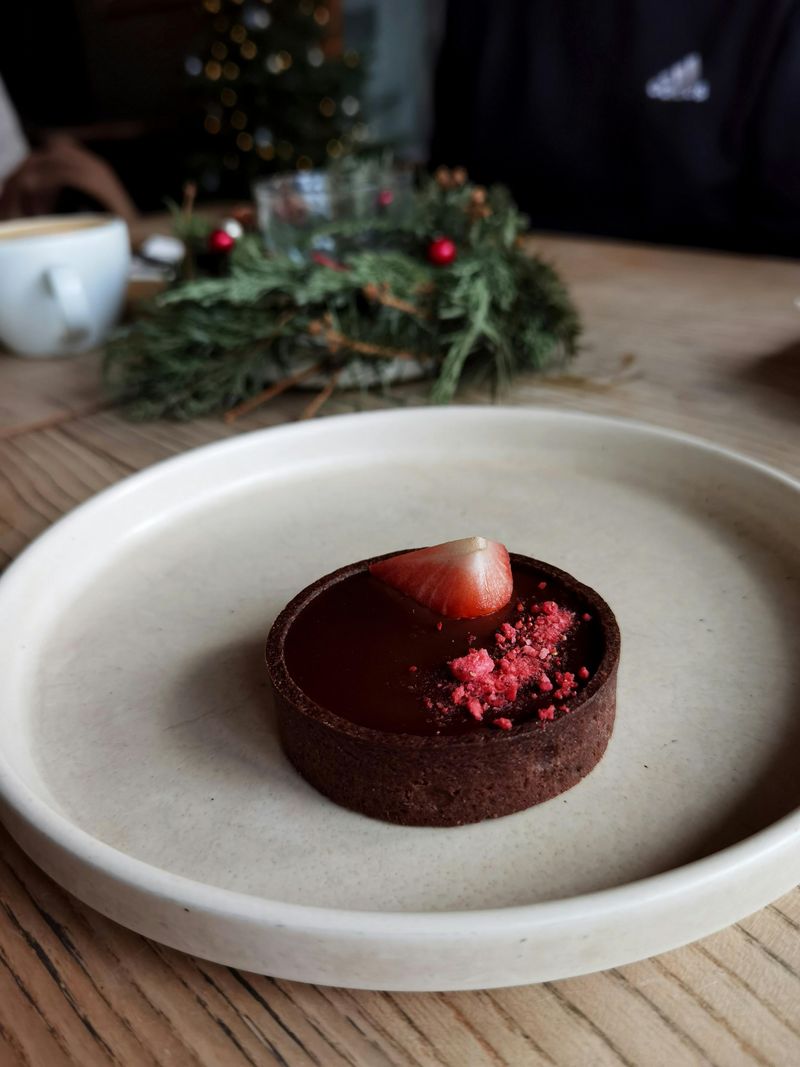
High-end chocolate boxes seduce with velvet liners and gold seals. Inside, you may find thin shells, sweet fillings, and modest cocoa quality.
Packaging does heavy lifting while the price flies.
Look for cacao percentage, origin transparency, and ingredient lists you can pronounce. A humble bar from a serious maker can beat a glamorous assortment.
Your taste buds do not care about ribbons.
Gourmet burger
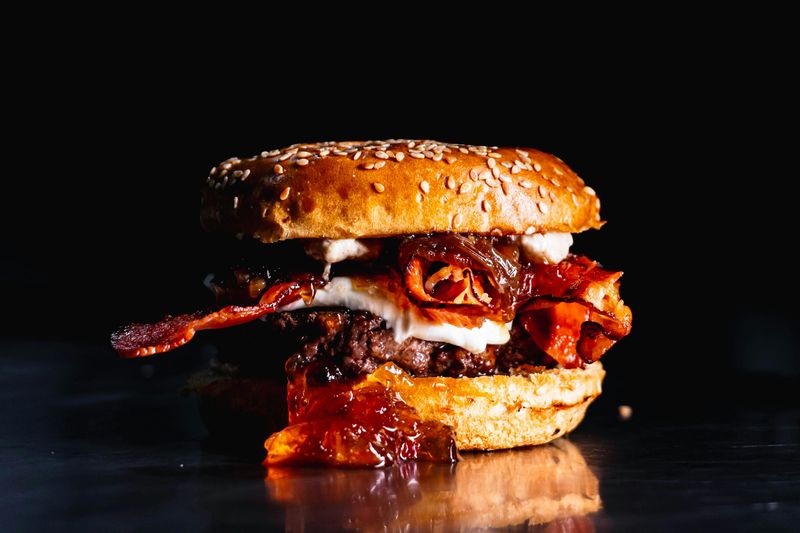
Gourmet burgers pile on truffles, foie, or gold to justify eye-watering prices. The basics matter more: a seasoned patty, proper sear, and balanced bun-to-meat ratio.
Overloaded toppings often mask average beef.
Spend on quality grind and a good cook instead of shiny extras. If the burger cannot stand plain, the upgrades are lipstick.
Keep it simple, and you will taste the difference.
Wagyu steak
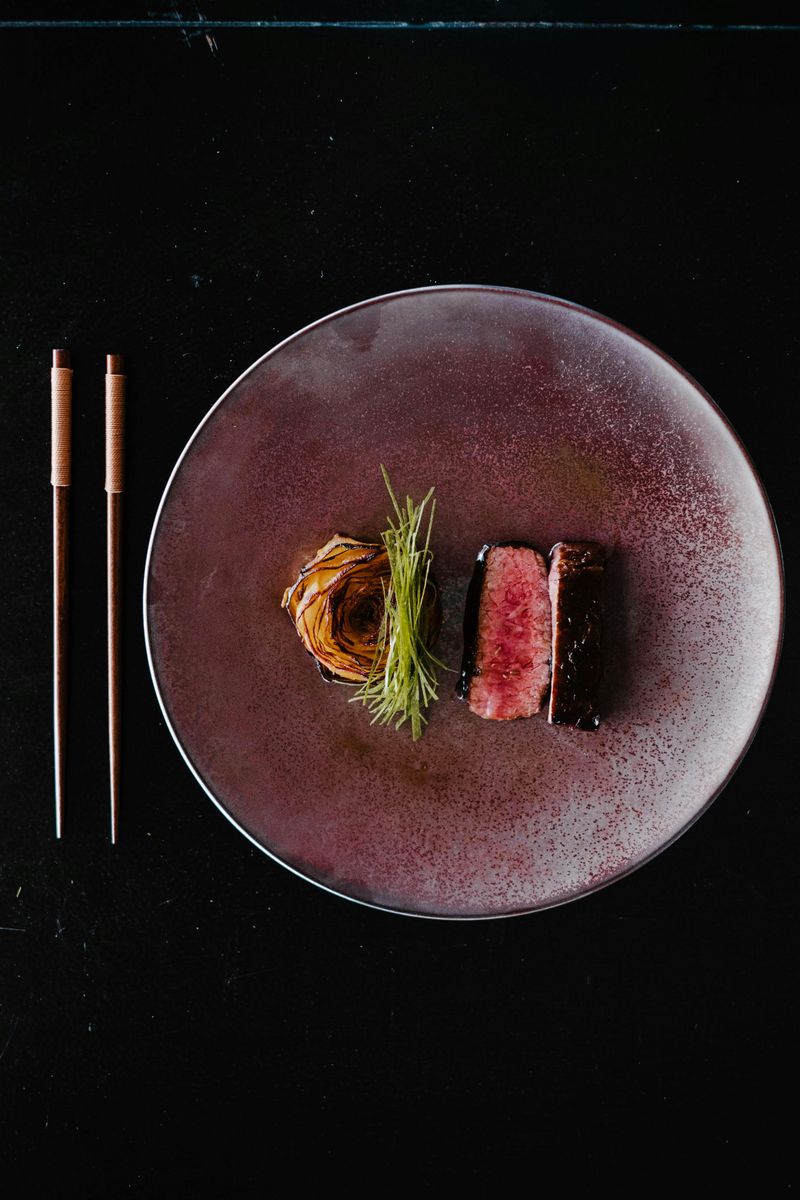
Wagyu can be sublime, but the label gets abused. Many “Wagyu” cuts are crossbreeds or lower grades priced like royalty.
The richness is intense, sometimes too fatty for a full steak, making a few ounces ideal rather than a giant portion.
If you want real A5, confirm sourcing and grading. Otherwise, a prime ribeye may satisfy more for less.
Hype thrives on marbling photos, but flavor comes from proper cooking and honest expectations.
Edible flowers
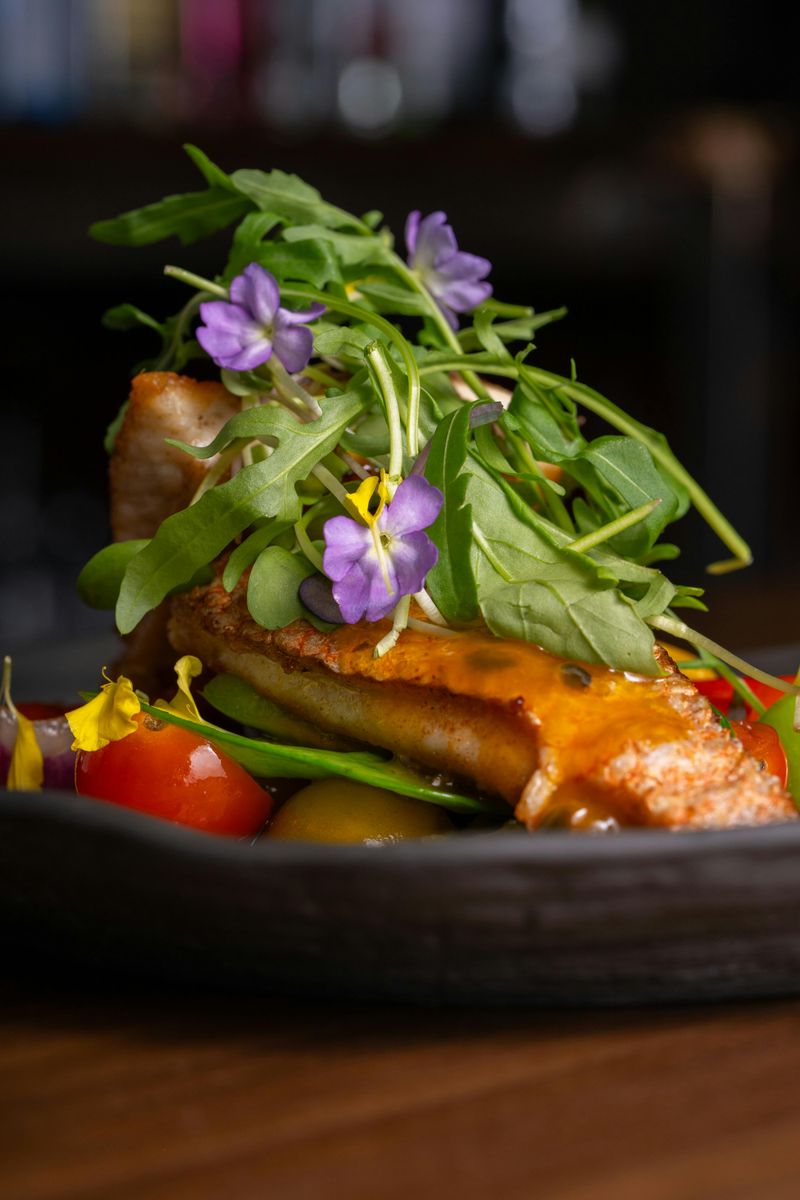
Edible flowers turn plates into paintings, but most taste like mild lettuce or perfume. They create color contrast and a springtime vibe more than flavor payoff.
Your bill climbs for a garnish that rarely changes the dish.
When used thoughtfully, flowers can add gentle bitterness or scent. Too often, they are just botanical confetti.
Ask yourself whether you would miss them with your eyes closed. If not, their job is strictly cosmetic.
Enjoyed this story?
Add Fast Food Club as a preferred source to see more of our reporting on Google.