


Healthy eating should feel supportive, not like a daily grind. If your rules leave you anxious at restaurants or bored in your own kitchen, something is off.
The problem is not you, it is the perfection trap disguised as wellness. Let us call out the habits that quietly turn food into punishment so you can reclaim ease and joy.
No sugar
Eliminating every grain of sugar can morph into constant label reading and food fear. Your body can handle some sweetness, especially when paired with fiber and meals.
Demonizing sugar often backfires, making cravings louder and binges more likely.
Focus on added sugar awareness, not absolute bans. Enjoy dessert intentionally, and get most sweetness from fruit and balanced plates.
Sanity beats extremes every time, because consistency matters more than a perfect day.
No dairy
If dairy bugs your stomach, skipping it can help. But banning all dairy when you tolerate it fine removes convenient protein, calcium, and comfort foods.
All or nothing rules teach you to fear pizza night and coffee shop stops.
Try mindful portions and options like yogurt or kefir if tolerated. If you are lactose sensitive, choose lactose free or hard cheeses.
The goal is comfort and nourishment, not rigid identity around food choices.
No gluten
For celiac or true intolerance, avoiding gluten is essential. For everyone else, a no gluten rule can shrink your world fast.
Suddenly bread baskets, birthday cake, and travel eats feel like minefields instead of memories.
Choose quality carbs you enjoy and notice how your body responds. If certain breads cause discomfort, try sourdough or whole grain varieties.
Let comfort guide you rather than blanket bans that steal food freedom.
No salt

Cutting salt to zero makes food taste flat and can lead to under eating. Most people benefit more from cooking at home and salting moderately than strict avoidance.
Sodium needs vary with sweat, activity, and climate.
Use salt during cooking and finish with acidic accents like lemon or vinegar for flavor. If your doctor recommends restriction, follow medical guidance thoughtfully.
Otherwise, aim for balance and hydration rather than fear of a pinch.
No fat
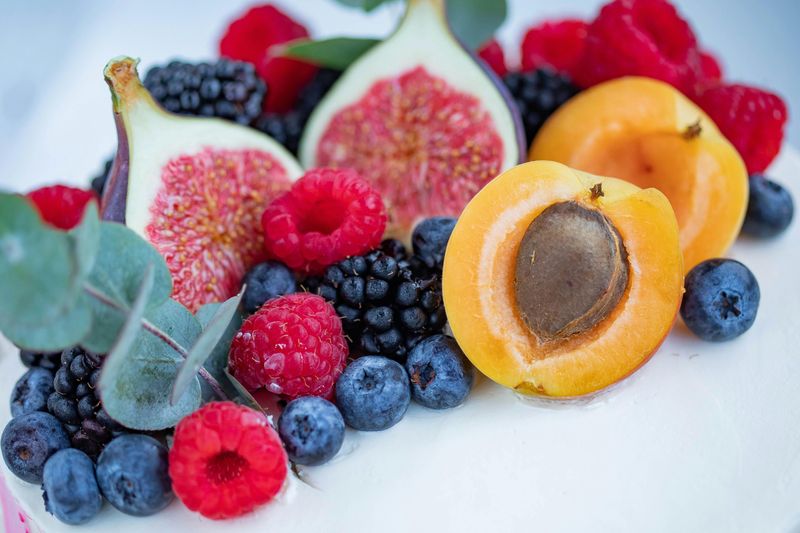
Zero fat meals leave you hungry, cranky, and obsessing about snacks. Fat carries flavor and helps absorb vitamins A, D, E, and K.
Skipping it often leads to overeating later because satisfaction never lands.
Embrace olive oil, nuts, seeds, avocado, and fatty fish in reasonable portions. These foods support hormones, skin, and steady energy.
Your plate should taste good and keep you full, not read like a punishment list.
Only salads
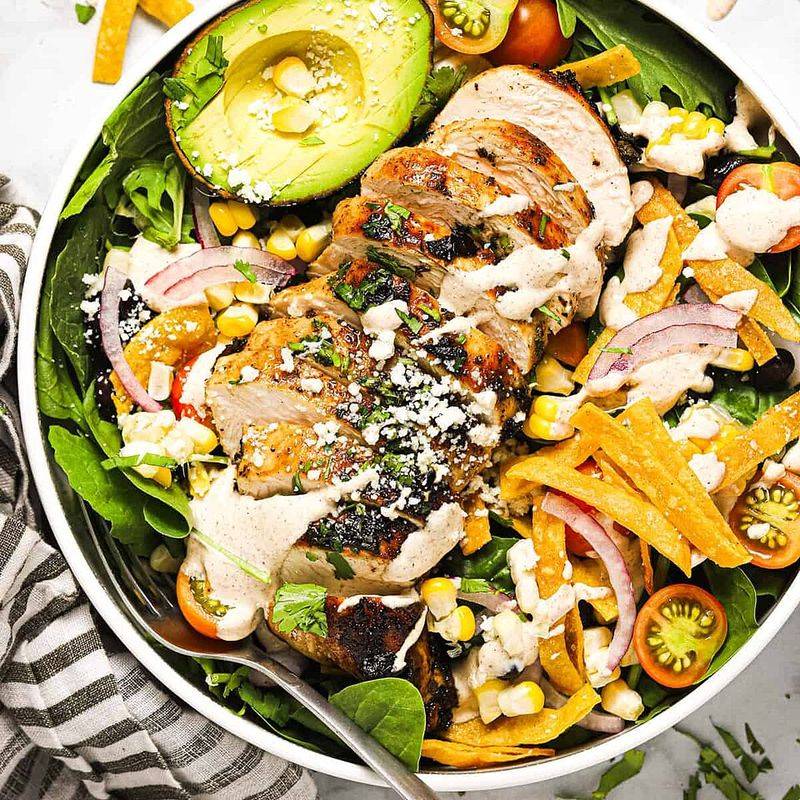
Salads can be fantastic, but only salads can mean endless chewing and low satisfaction. If they are skimpy on protein, carbs, and fat, hunger roars back.
Variety supports nutrition and sanity far better than rigid categories.
Turn salads into meals with grains, beans, chicken, tofu, cheese, or eggs. Rotate bowls with soups, stir fries, sandwiches, and pastas.
You are allowed warm, cozy food even when you care about health.
Only smoothies
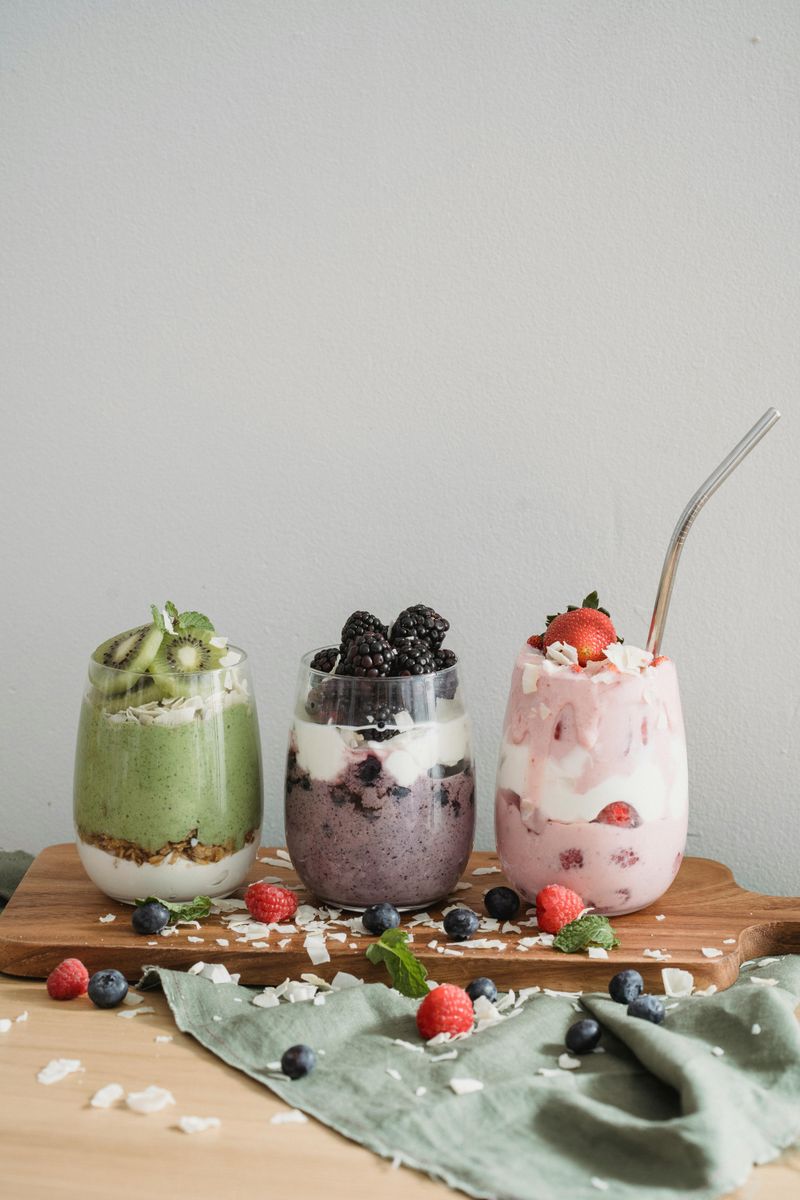
Living on smoothies can feel convenient yet strangely empty. Drinking meals too often may leave you unsatisfied, missing chewing, and grazing all afternoon.
Blended fruit spikes faster without fiber diversity unless you add balance.
Use smoothies as a tool, not a rule. Add protein, nut butter, seeds, and veggies, then enjoy solid meals too.
The best plan is one you can chew and savor regularly.
Only water

Hydration matters, but only water sets you up for monotony. Enjoy coffee, tea, milk, or sparkling water if you like them and they sit well.
Flavor can make drinking enough fluids easier, not worse.
Electrolytes help on sweaty days or long workouts. A squeeze of citrus or a splash of juice can make consistency effortless.
Health is about patterns, not purity contests that drain joy.
Only black coffee

Black coffee is fine, but forcing it when you hate it breeds resentment. A splash of milk or a teaspoon of sugar will not break your health.
When coffee becomes a willpower test, the habit owns you.
Customize to your taste and sip after breakfast if caffeine hits hard. Enjoyment encourages consistency with the rest of your routine.
Food should support your life, not stage a daily trial.
Meal prep only
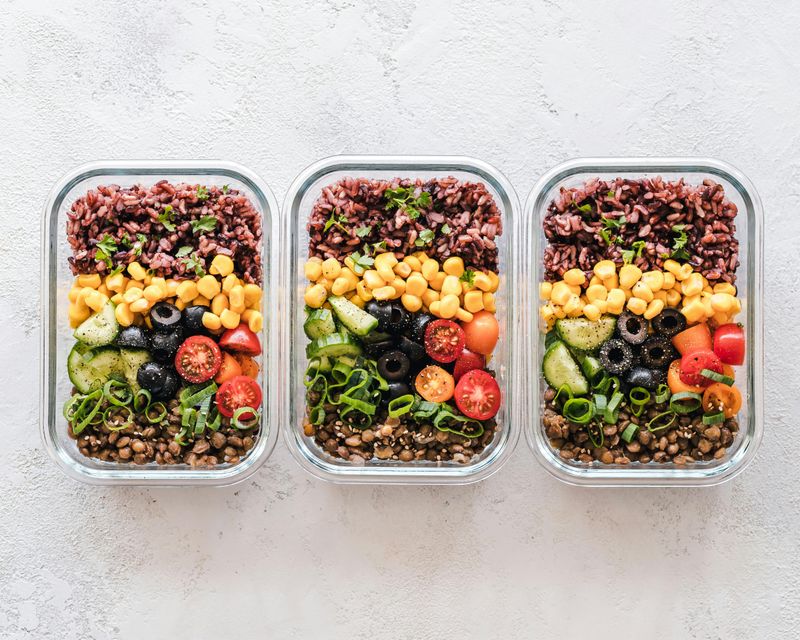
Meal prep is helpful, but meal prep only can trap you in repetition. By Wednesday, those identical containers taste like obligation.
Flexibility lets you pivot when cravings, schedules, and leftovers change.
Batch basic components like grains, proteins, and sauces, then mix and match. Keep room for takeout or spontaneous cooking.
Structure should make your week easier, not feel like culinary prison.
Counting calories
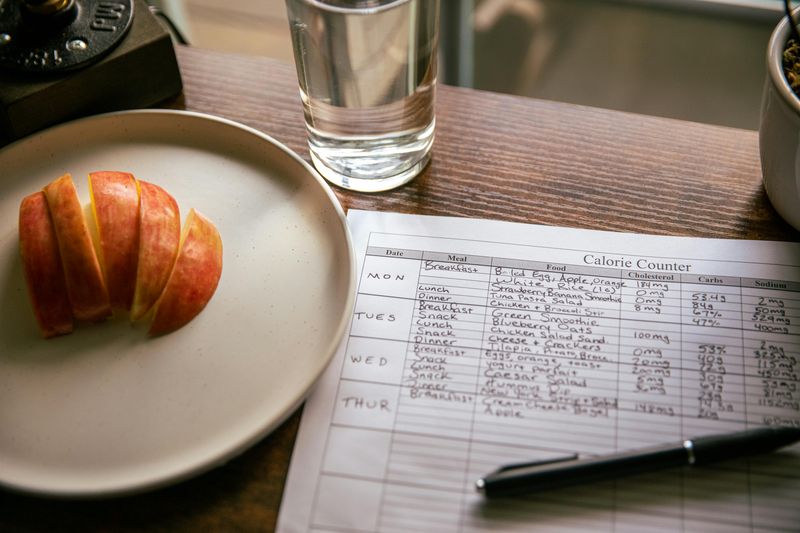
Tracking can be informative short term, but living by numbers can mute hunger cues. You might ignore satisfaction signals just to hit a target.
Food becomes math class instead of nourishment.
Try occasional check ins instead of daily obsession. Focus on protein, plants, and enjoyable movement while noticing fullness.
Progress comes from consistency and kindness, not perfect entries in an app.
Weighing food
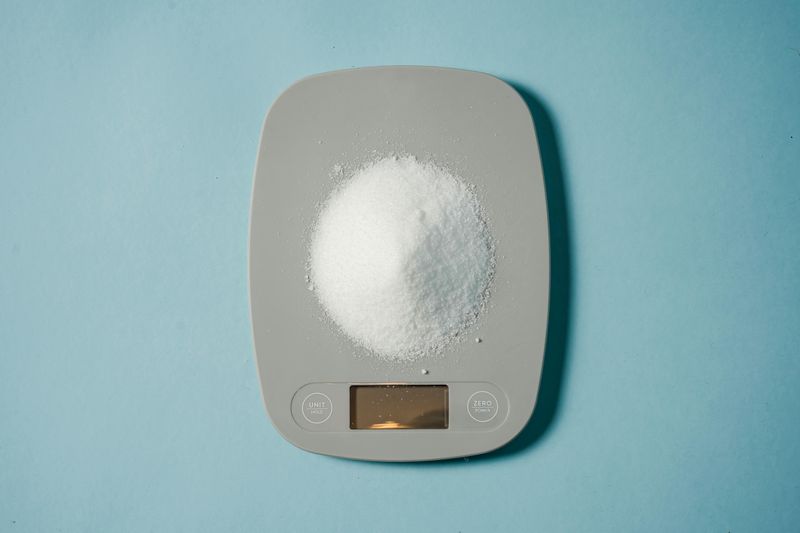
A scale can teach portion awareness, but weighing every bite steals spontaneity. You may stop trusting your eyes, appetite, and satisfaction.
Precision is not always progress when it disconnects you from living.
Use it as a learning tool, then step back. Practice plating balanced meals and adjust based on how you feel.
Freedom grows when numbers support you, not control you.
No snacks
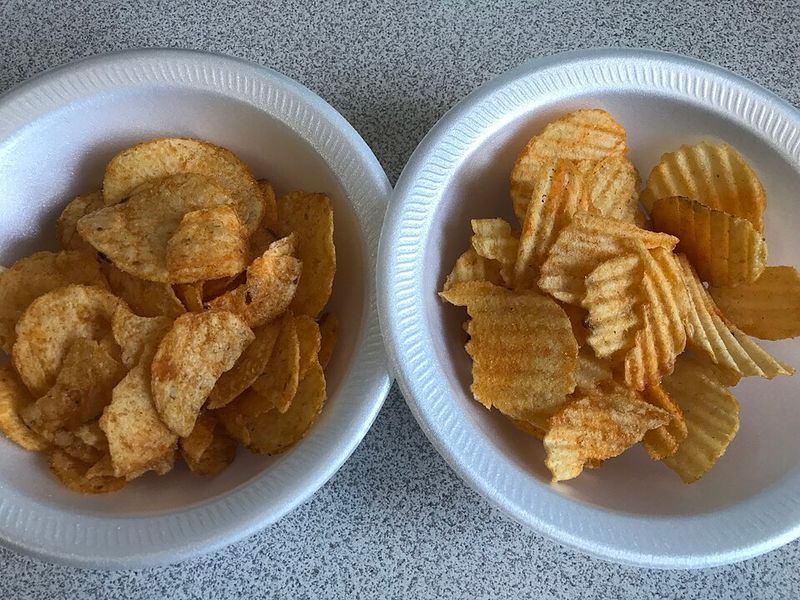
Forcing no snacks can make afternoons feel endless and cranky. A planned snack stabilizes blood sugar and prevents dinner raids.
Rules that ignore hunger teach you to ignore yourself.
Pick snacks with protein, fiber, and flavor like yogurt with nuts or cheese and fruit. Let them bridge long gaps between meals without guilt.
Listening to your body is a skill, not a failure.
No dessert
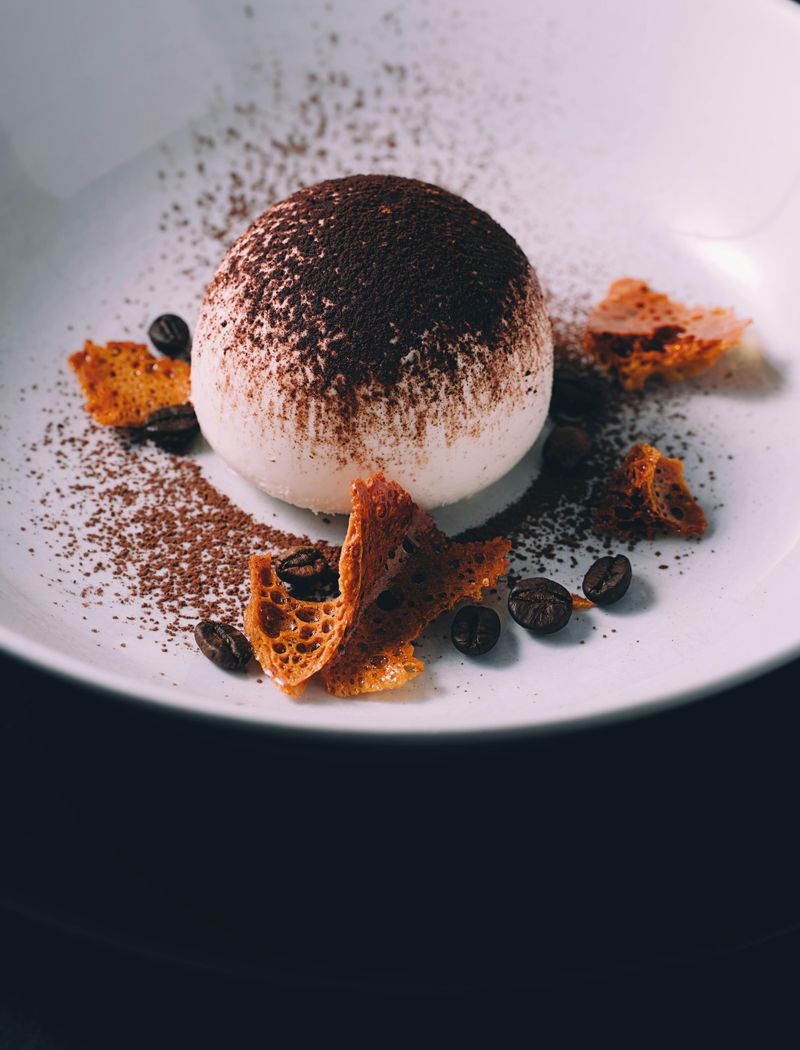
Banning dessert sounds disciplined but often breeds preoccupation. When sweets are off limits, you think about them constantly and overdo it later.
Permission quiets the noise and lets balance return.
Enjoy a small treat most days if it helps you stay consistent. Pair dessert with meals to feel satisfied and avoid grazing.
You can care about health and still savor chocolate.
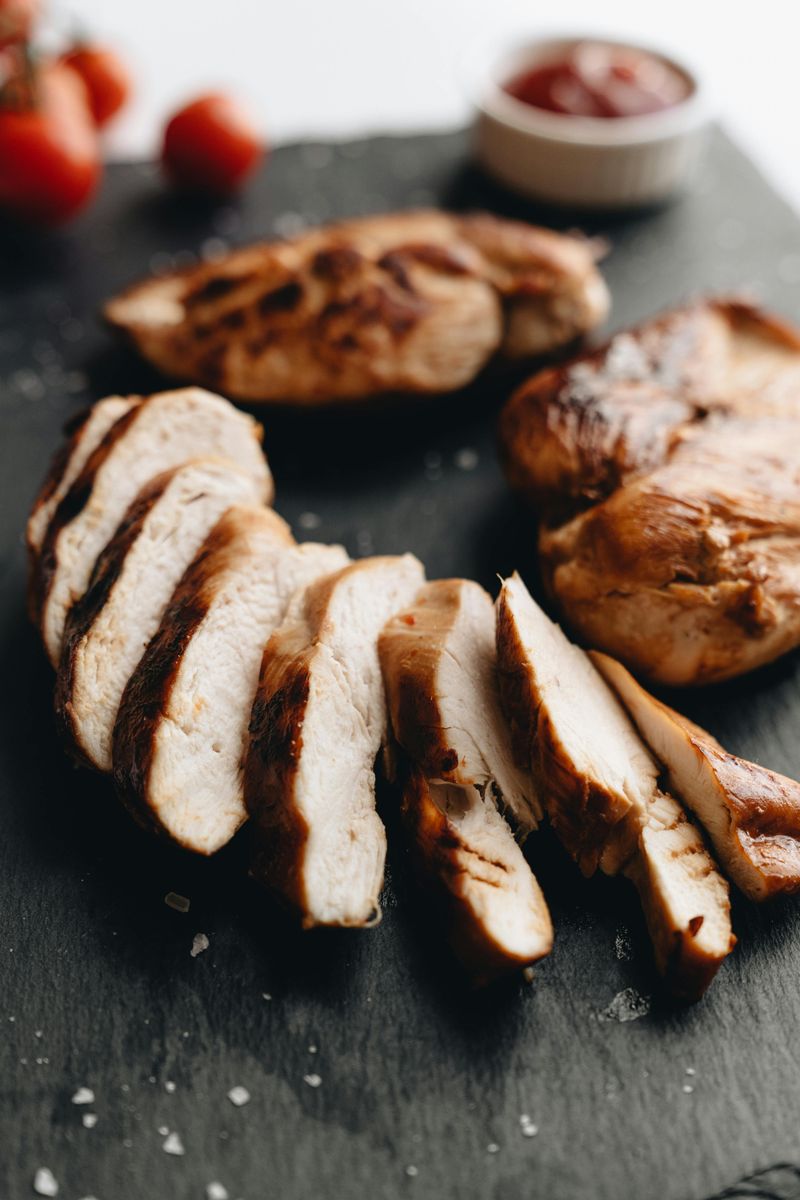
Dry chicken breast
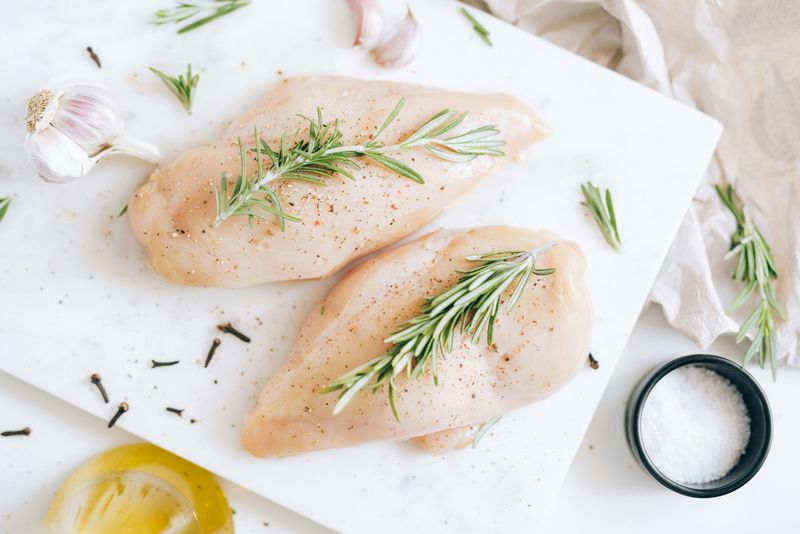
Leaning on dry chicken breast makes meals feel like chores. Fat free cooking strips flavor and satisfaction.
When food is joyless, takeout becomes temptingly loud.
Use marinades, thighs, skin on roasts, and sauces for tenderness. Add herbs, citrus, and a bit of oil to carry flavor.
Satiety rises when meals are juicy, not chalky.
Plain oatmeal
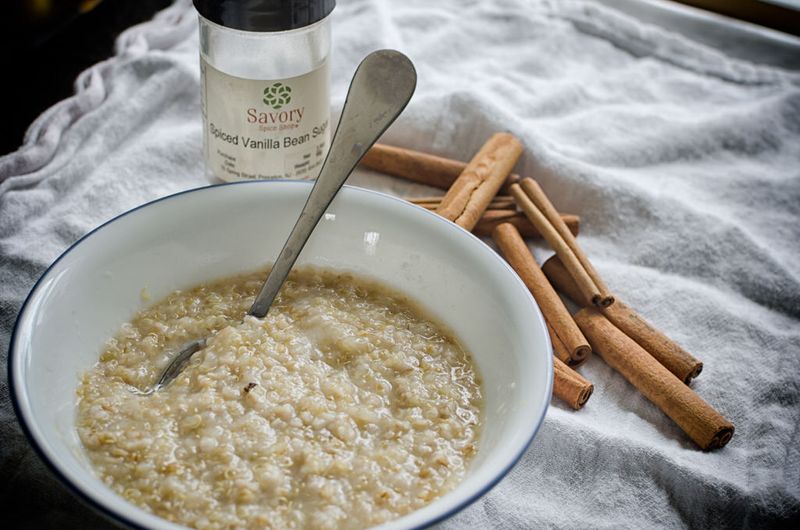
Plain oatmeal can taste like damp cardboard punishment. Add protein and texture to transform it into a meal.
Without toppings, you are hungry an hour later and annoyed.
Stir in eggs or protein powder, top with peanut butter, berries, and seeds. A pinch of salt and cinnamon makes it sing.
Nourishing does not have to be bland or boring.
No eating out
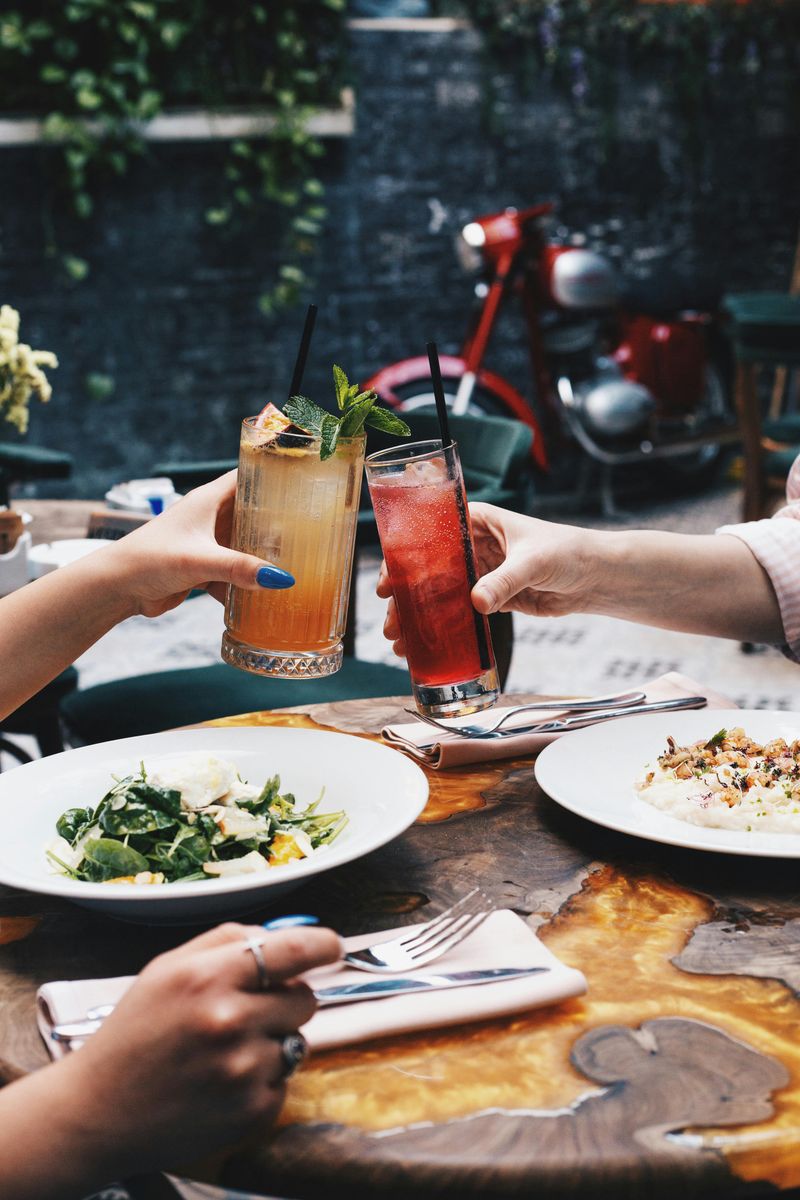
Swearing off restaurants can isolate you from friends and experiences. You end up obsessing over menus and missing birthdays.
Food should connect you to life, not box you in.
Scan the menu for protein and plants, enjoy what you love, and move on. One meal will not make or break your goals.
Memories matter as much as macros.
No late eating

Early dinners can feel good, but banning late eating ignores real schedules. Shift workers, parents, and travelers need flexibility.
What and how much you eat matters more than the clock.
Prioritize balanced meals and limit heavy grazing right before bed if it disturbs sleep. Otherwise, choose a time that supports your life.
Consistency beats curfew style rules.
No carbs
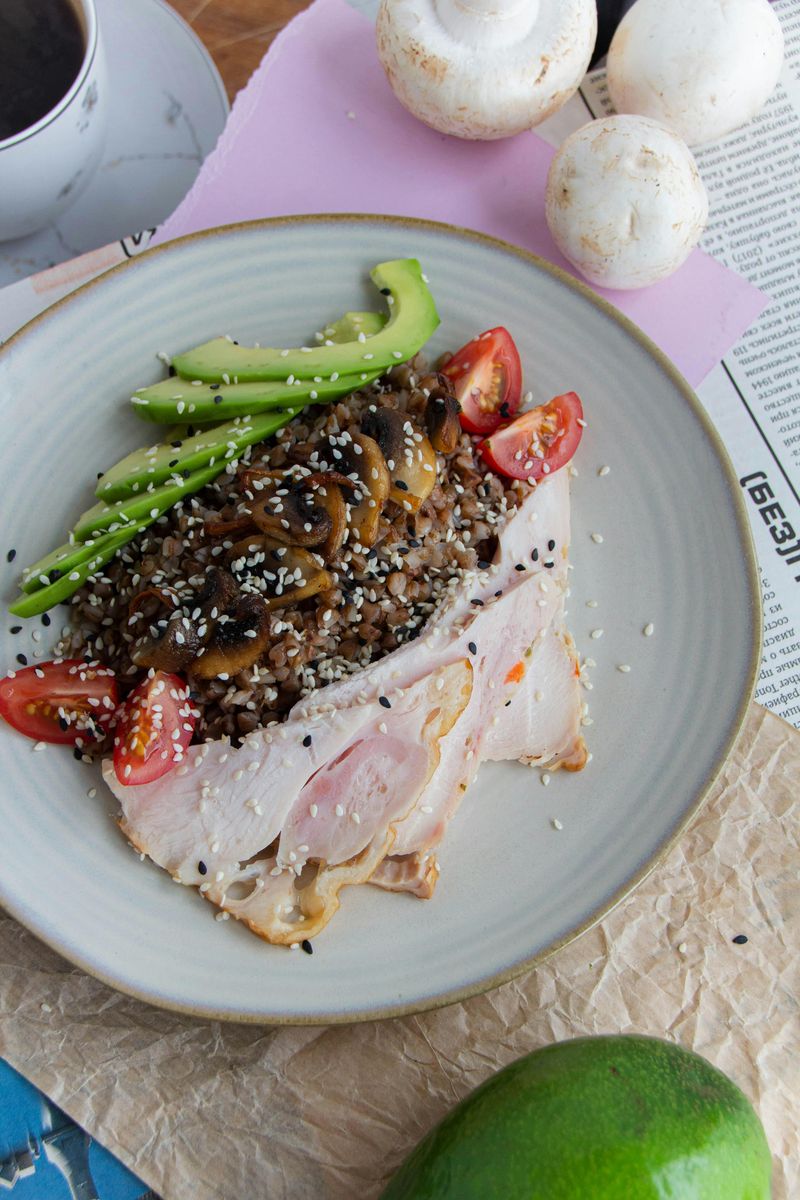
Cutting all carbs sounds powerful until you realize your energy, mood, and workouts tank. Carbs are your brain’s preferred fuel, and removing them entirely can trigger binges later.
Instead, choose slow digesting sources like oats, beans, fruit, and potatoes.
You deserve meals that satisfy, not rules that scare you away from bread. Flexible carb intake supports hormones, recovery, and better sleep.
Balance your plate with protein, fats, fiber, and yes, carbs.
Chewing slowly
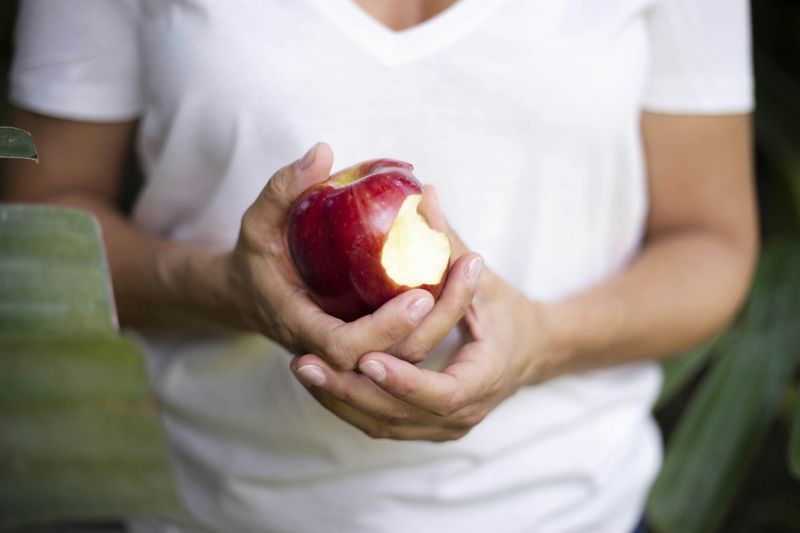
Mindful eating helps, but forcing slow chewing can feel theatrical and awkward. If you count chews, mealtime turns into homework.
The goal is presence, not perfection.
Focus on pausing between bites, tasting your food, and noticing fullness. Some meals will be quick, others leisurely.
Flexibility keeps mindfulness human and sustainable.
Skipping breakfast
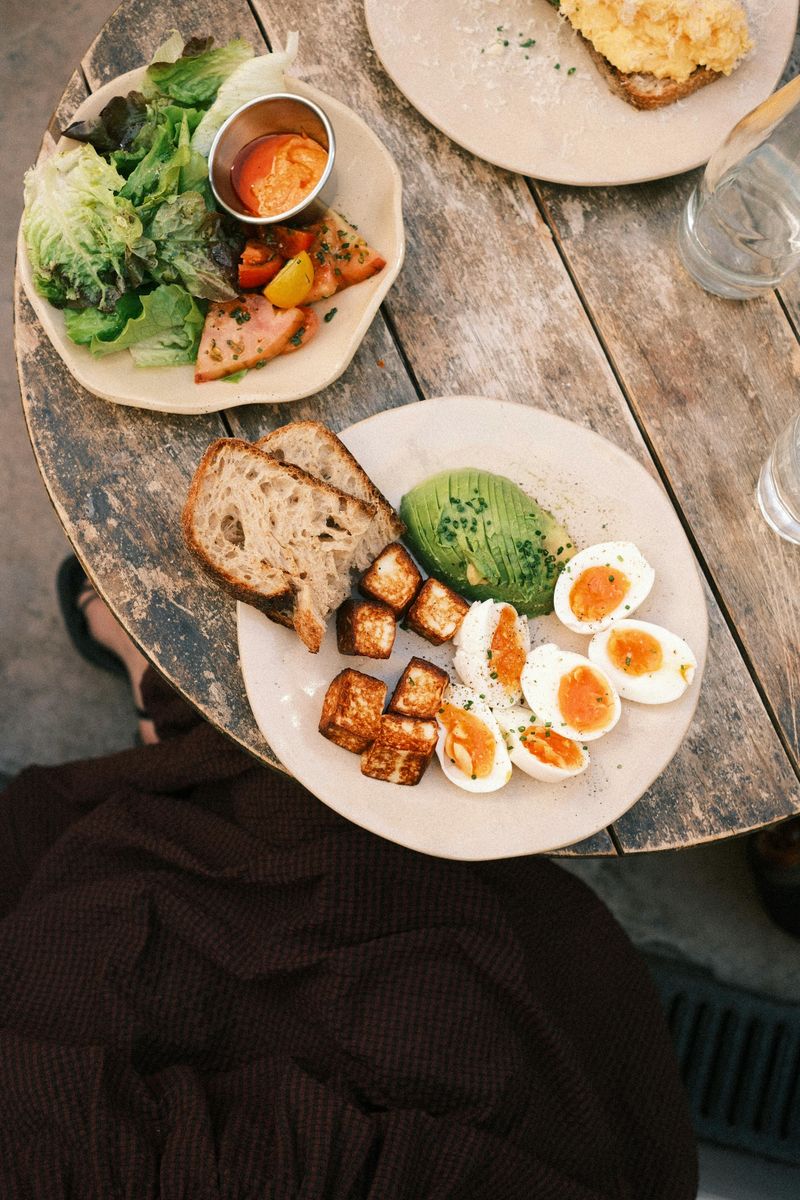
Some thrive with later eating, but skipping breakfast by force can backfire. You might overeat at night because hunger snowballs.
The goal is steady energy, not winning a willpower contest.
If mornings feel better with food, try protein and fiber rich options. If you prefer later meals, make it a choice, not a rule.
Flexibility beats rigidity when it comes to timing.
Enjoyed this story?
Add Fast Food Club as a preferred source to see more of our reporting on Google.