


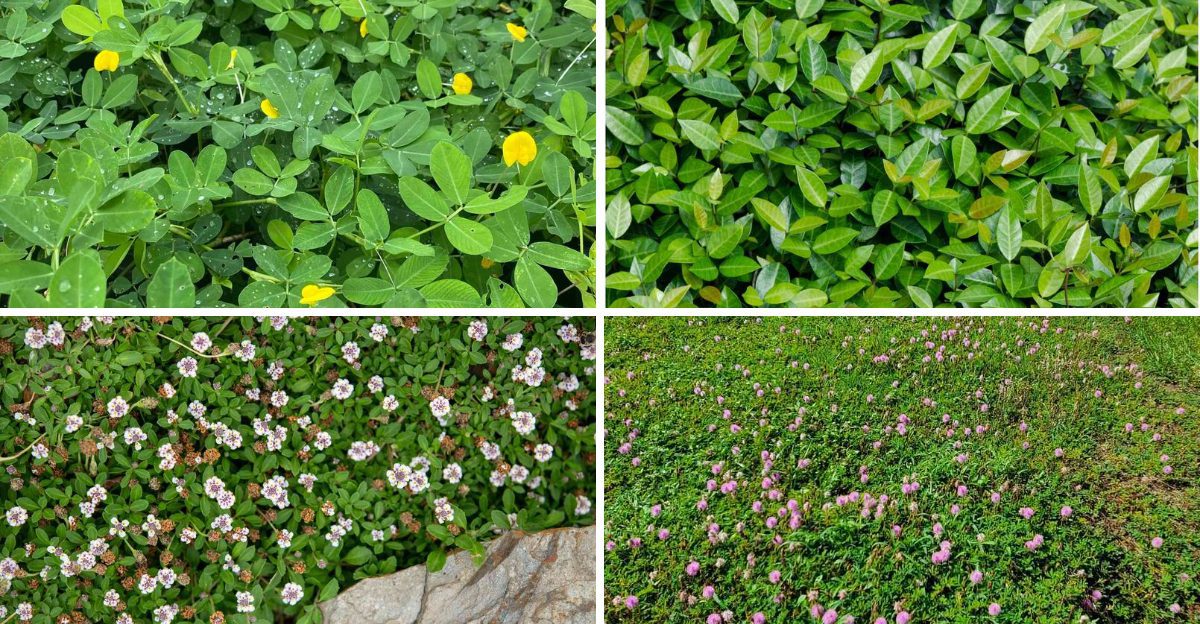
When Florida heat, salt, and shade gang up on your lawn, you need plants that do not quit. These ground covers deliver color, texture, and resilience where turf keeps tapping out.
You will save water, cut maintenance, and still get a yard that looks inviting year-round. Ready to trade brown patches for reliable green and blooms that actually thrive here?
Perennial peanut
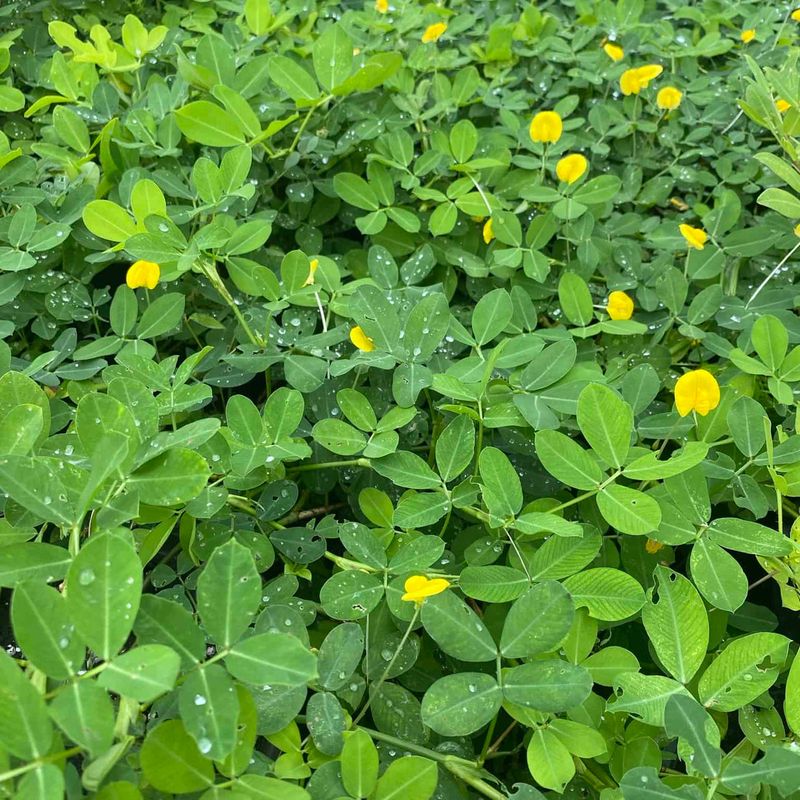
Perennial peanut is the Florida-friendly ground cover you plant once and forget. It thrives in heat, salty breezes, and brutal sun, blooming with cheerful yellow flowers that look like tiny banners.
You get dense, weed-smothering mats with almost no mowing, and it handles sandy or poor soils without complaints. If you want a lawn alternative that saves water, this is your low-input champion.
Plant rhizomes or plugs about a foot apart, water to establish, then let rain do the rest. It stays low, tolerates light foot traffic, and fixes nitrogen, so neighboring plants benefit.
You can even skip fertilizer. Just avoid deep shade, and edge beds to keep it tidy.
You will wonder why you ever fought with turf.
Asiatic jasmine
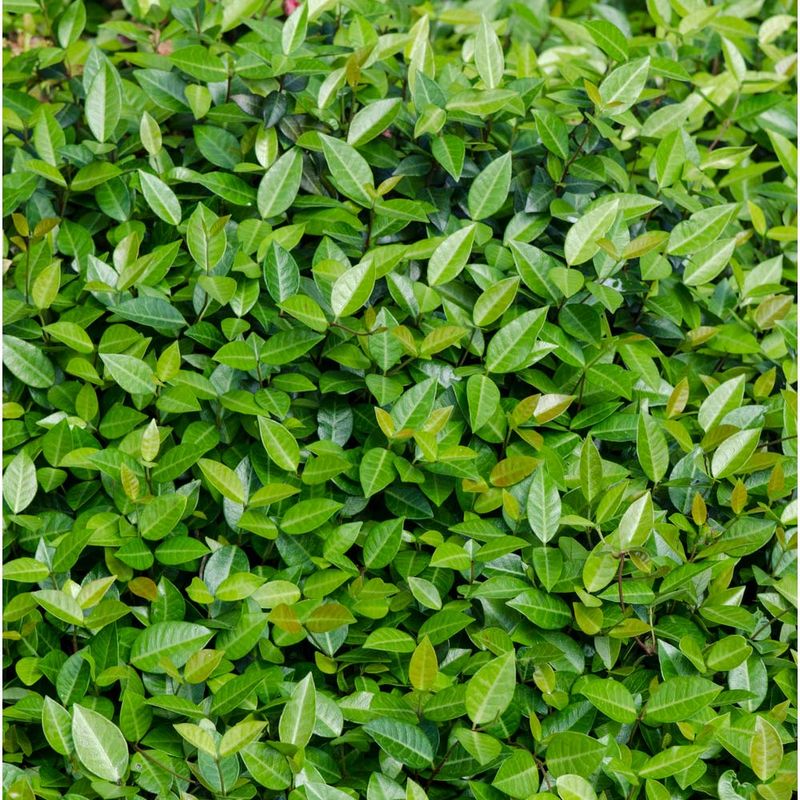
Asiatic jasmine helps when shade laughs at grass. It forms glossy, evergreen carpets that stay neat with almost no effort, perfect under oaks or along foundations.
Once established, it tolerates drought, salt spray, and occasional neglect while blocking weeds like a champ. You can let it ramble or keep it clipped for a manicured look without mowing schedules.
Plant small starters twelve inches apart and mulch while roots settle. Water deeply the first few weeks, then switch to occasional soakings.
It is not fussy about soil, as long as drainage exists. For a tidy edge, run a string trimmer twice a season.
You get year-round texture, fewer bare spots, and a calm, coastal vibe that always feels intentional.
Frogfruit
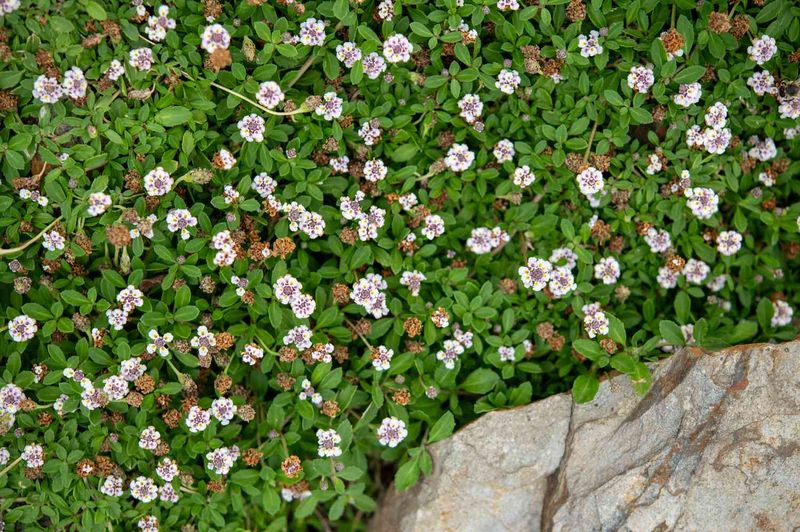
Frogfruit, also called turkey tangle, is a Florida native that shrugs off heat, humidity, and salt. It creeps into a soft, pollinator-friendly mat dotted with tiny button flowers bees adore.
You get quick coverage in swales, between stepping stones, and along driveways where sprinklers never reach. It even tolerates periodic flooding, then bounces back like nothing happened.
Plant plugs close for faster fill, keep soil lightly moist at first, and trim after blooms if you want it neater. Sun brings denser growth, but light shade works fine.
Expect some winter thinning up north, then fresh spring flushes. If you are tired of crunchy brown patches, this living carpet gives color, resilience, and constant backyard buzz.
Sunshine mimosa
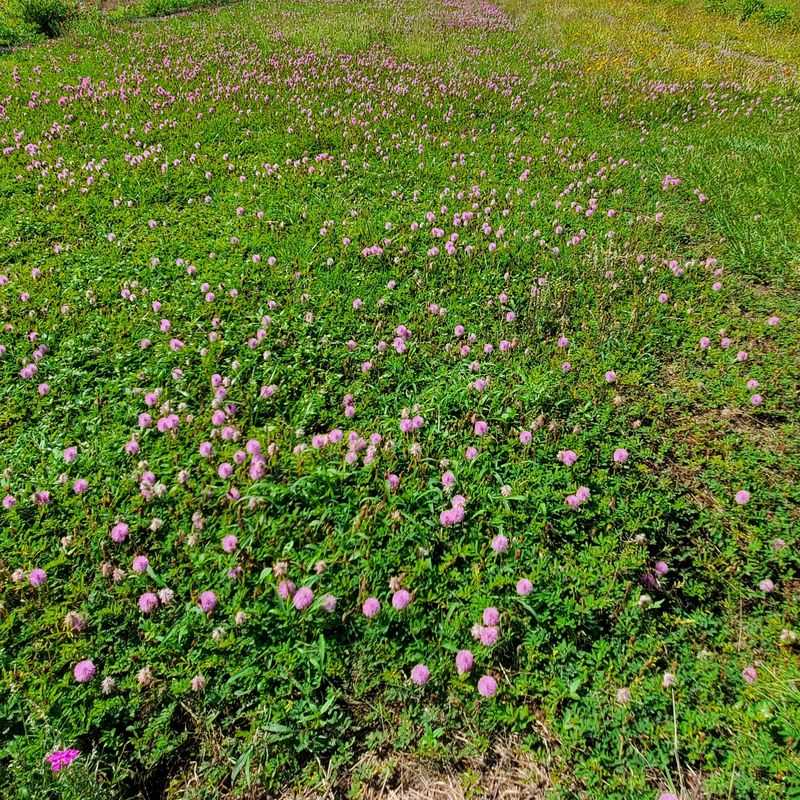
Sunshine mimosa is that fun, touch-sensitive cover that folds its leaves when you brush past. It spreads into a feathery, low mat topped with pink powderpuff blooms from spring through fall.
You will see butterflies visiting daily, and you will barely touch the hose once it roots in. Sandy soils, blazing heat, and roadside salt do not scare it.
Plant where you want movement and texture, spacing plugs a foot apart. Give full sun for best flowering, though bright shade still works.
It does not love constant foot traffic, so keep paths clear or add stepping stones. Mow lightly once or twice a year if needed, and enjoy a playful yard that always feels alive.
Dwarf mondo grass
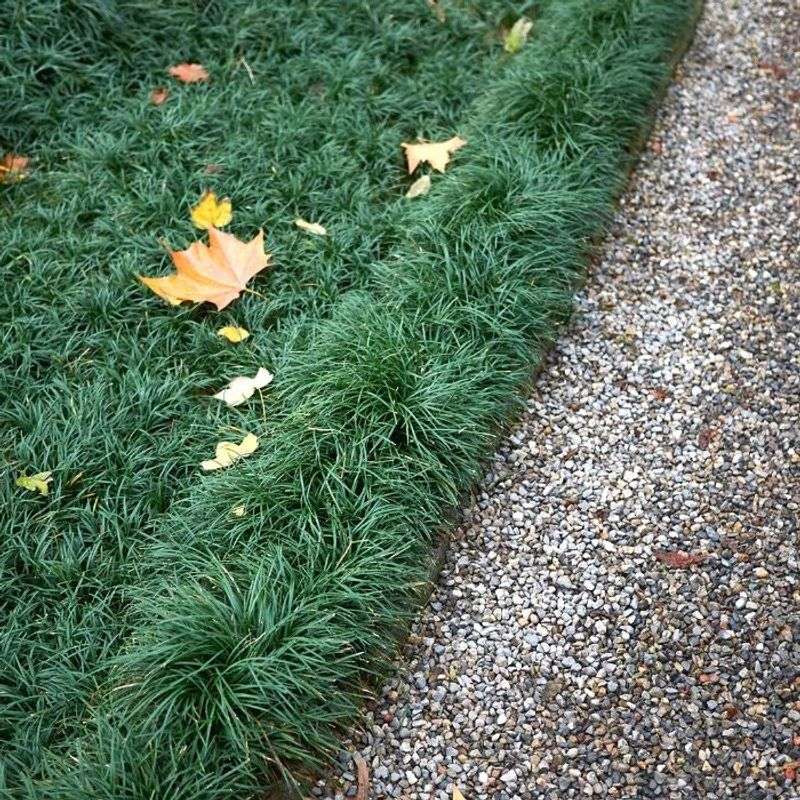
Dwarf mondo grass gives you that tidy, tufted look without real grass headaches. It forms dark green clumps that slowly knit together, perfect for borders, under palms, and shady patches where turf fails.
You get year-round structure, almost no mowing, and easy edging for clean lines. In Florida heat, it appreciates afternoon shade and steady moisture while establishing.
Set small divisions six to eight inches apart, then mulch to hold moisture. Water regularly for a month, and you will see new blades popping.
It tolerates light foot traffic, but use stepping stones for daily routes. Fertilize lightly once a year, and trim ragged tips with shears.
The result is polished, evergreen texture without constant fuss.
Beach sunflower
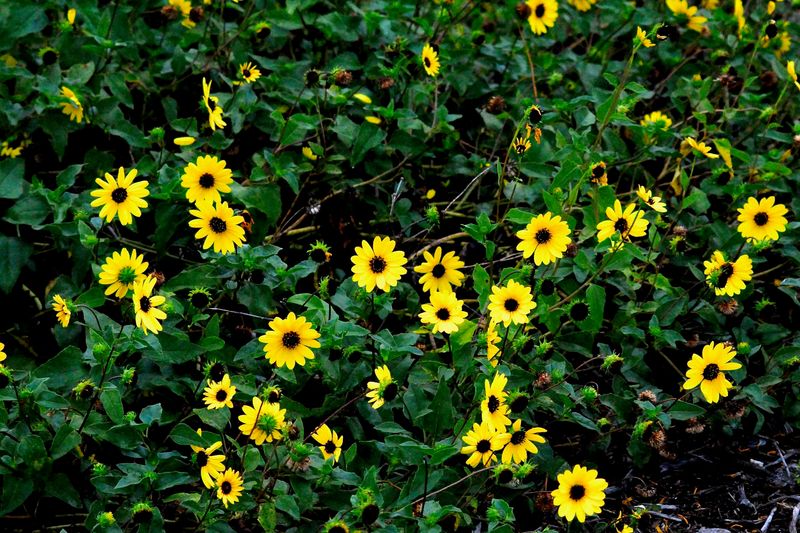
Beach sunflower brings nonstop color and a breezy coastal vibe. It laughs at salty wind, sandy soil, and reflected heat from sidewalks or driveways.
The daisy-like blooms keep coming, feeding butterflies while your yard looks vacation-ready. If you want cheery, low-care energy where grass refuses, this plant shows up daily with sunshine in tow all year along coasts.
Give it full sun, decent drainage, and room to sprawl. Pinch tips to encourage bushiness, or let it tumble naturally for a dune-like look.
Water to establish, then only during extreme drought. It reseeds lightly and spreads, so edge beds if you prefer tidy borders.
Either way, you get bright color, movement, and reliable performance through steamy months.
Creeping fig
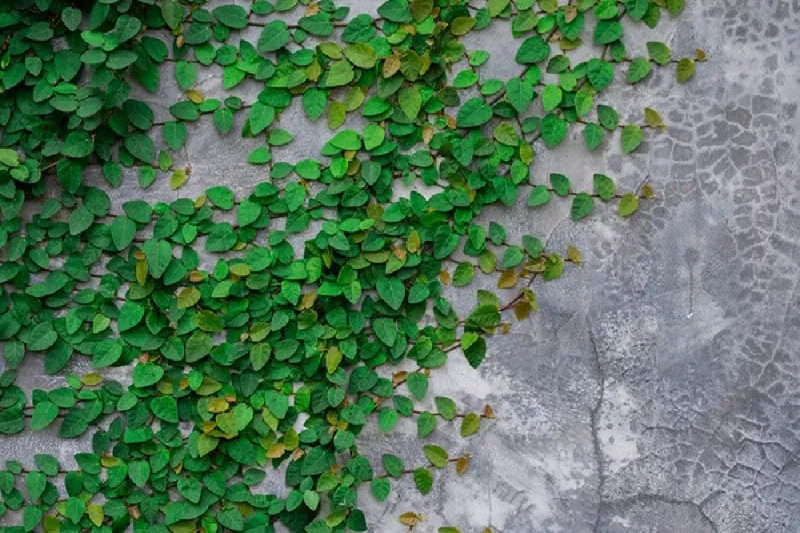
Creeping fig is a vigorous climber and clinger that also makes a tight ground cover when kept low. Those tiny juvenile leaves weave into a living wallpaper across walls, fences, and tough slopes.
You get fast coverage, fantastic erosion control, and a classic courtyard feel without thirsty turf. In Florida, it grows year-round, especially with humidity and morning sun.
Plant cuttings or small pots, then train runners where you want coverage. Trim frequently to prevent it from swallowing structures, and switch to mature-leaf vines if left untended.
As ground cover, mow high or shear to keep it flat. It prefers moisture while establishing, then becomes fairly drought tolerant.
Expect reliable green where grass simply gives up.
Railroad vine
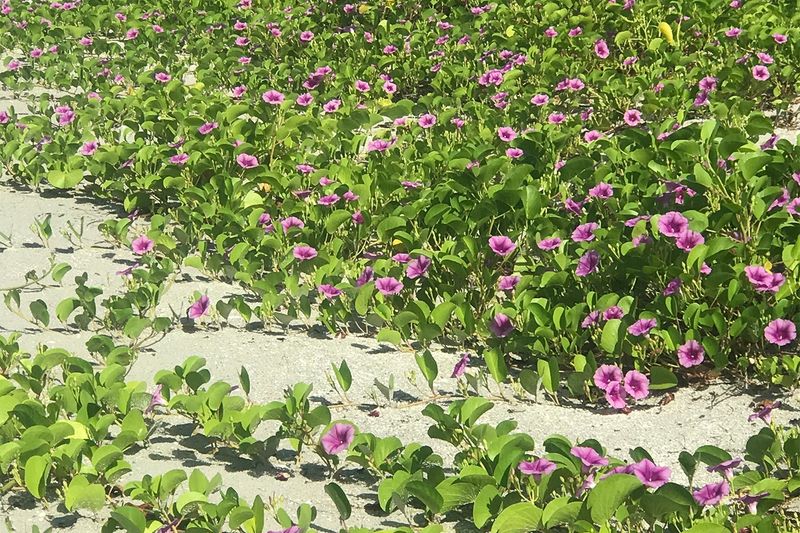
Railroad vine races across sand like a pro, stitching dunes together with thick runners and glossy leaves. Those purple morning glory flowers pop against beaches and coastal yards, signaling true salt tolerance.
It is ideal for stabilizing sunny, sandy slopes or replacing crispy lawn strips near seawalls. Once rooted, it hardly needs watering, even during brutal dry spells.
Install cuttings or nursery starts, burying nodes so they root quickly. Give full sun, space to roam, and sharp drainage to keep stems healthy.
It is not built for constant foot traffic, so guide it around paths. Trim any unwanted runners and enjoy dramatic, fast coverage.
Your toughest, sunniest edges finally look lush without babying at all.
Society garlic
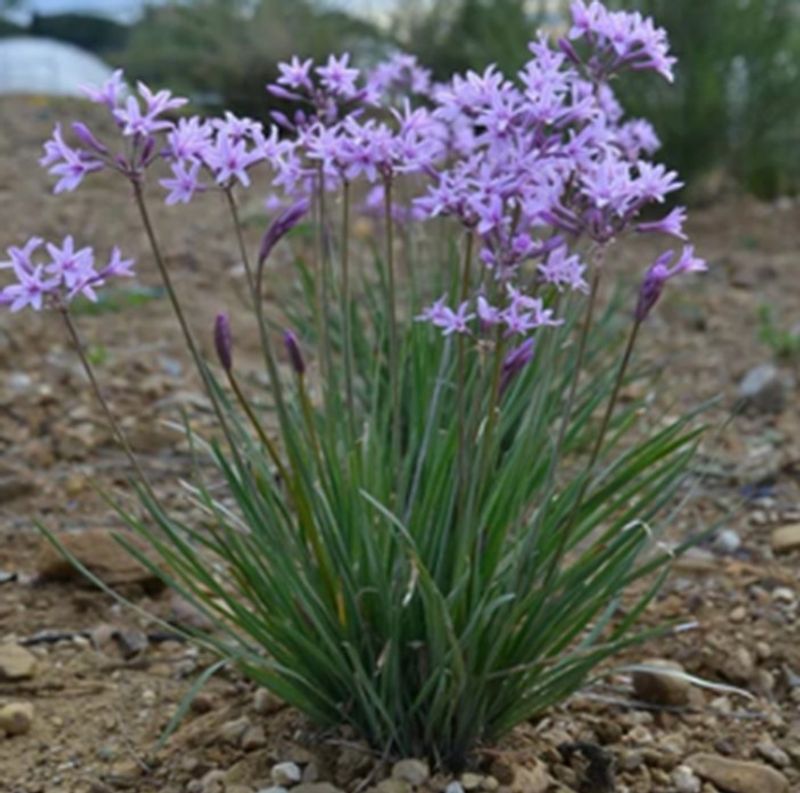
Society garlic brings savory scent and lilac blooms to the spots other plants avoid. It thrives in heat, shrugs off drought, and laughs at sandy soils while deterring nibbling critters.
Clumps stay tidy, with strappy foliage that moves in the breeze and stays evergreen most winters. If you need pockets of interest along drives or pool decks, this works truly beautifully.
Plant bulbs or divisions eight inches apart in sun for best flowering. Water weekly until established, then forget the schedule.
You can shear spent blooms to tidy the clumps, or let seed heads dance. It tolerates salt spray and reflected heat, making coastal sites easy.
Expect fragrance, color, and zero-fuss structure where turf quits.
Periwinkle
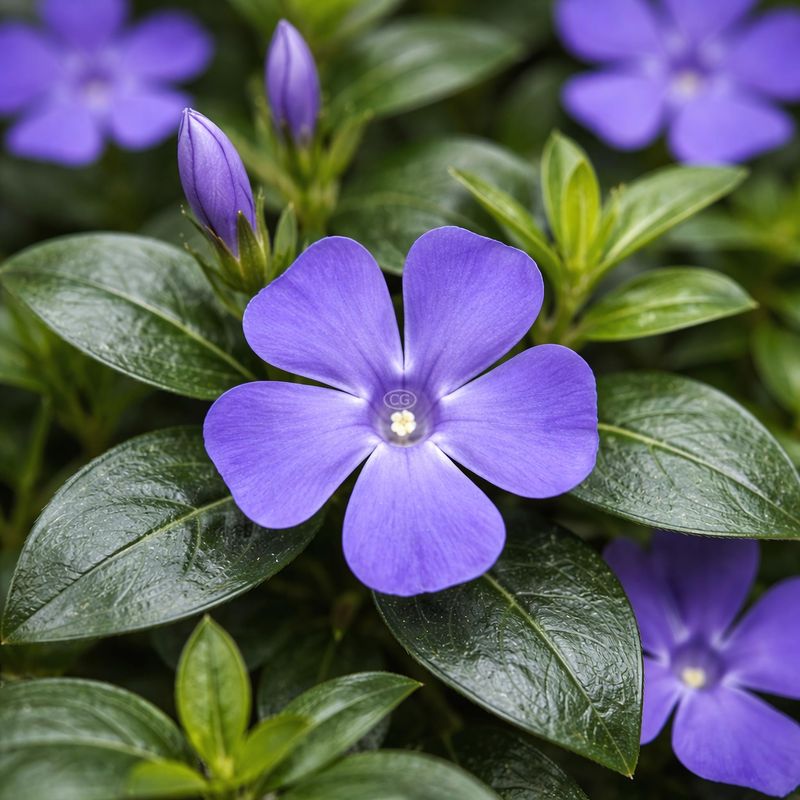
Periwinkle, or vinca, is a classic ground cover for stubborn shade that still wants polish. Glossy leaves and pinwheel flowers create a cool, cottage feel while smothering weeds.
In Florida, it handles humidity and sandy soil, especially with morning sun and afternoon shade. If you want an easy, evergreen quilt under trees, this plant behaves beautifully and reliably here.
Set small pots twelve inches apart, then water to settle roots. Mulch lightly, prune stragglers, and enjoy steady bloom cycles.
It tolerates drought once established, though weekly watering speeds fill-in. Keep it out of natural areas and give it edging so it does not wander.
You get reliable coverage, soft color, and peace where grass failed.