


Spring in Florida is a race against the clock. Once summer heat rolls in, many vegetables struggle to survive the intense humidity and scorching temperatures.
Getting your garden started early in the season gives your plants the best shot at thriving and producing a big harvest. These ten vegetables love Florida’s mild spring weather and will reward you with plenty of fresh food before the heat takes over.
Tomatoes
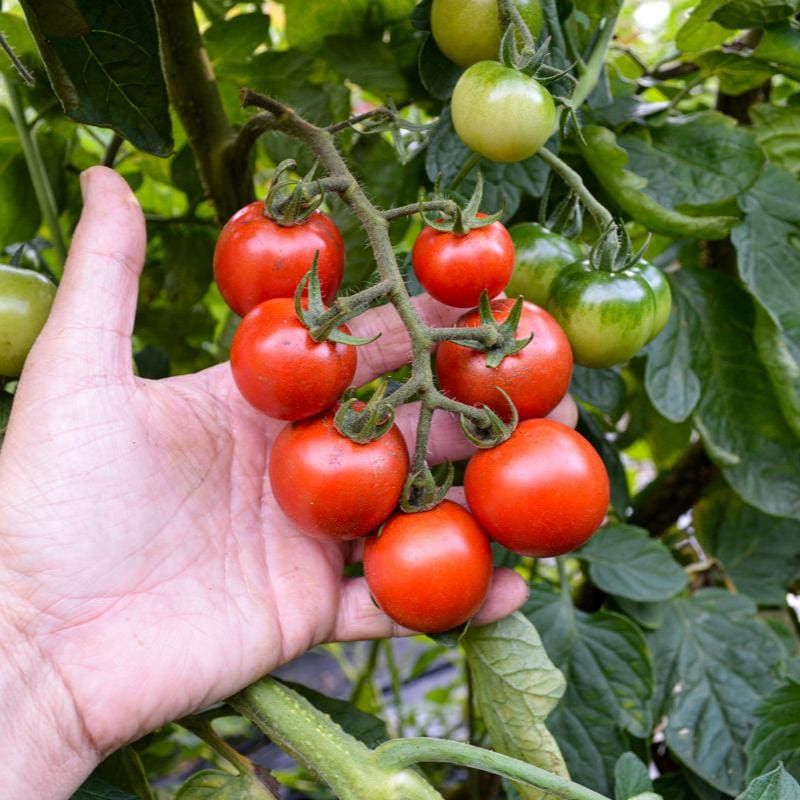
Few things beat the taste of a homegrown tomato, and Florida’s mild spring weather is practically made for growing them. Plant tomatoes as early as February or March to give them enough time before summer heat sets in.
They need full sun and regular watering to stay happy.
Choose heat-tolerant varieties like ‘Solar Fire’ or ‘Heatmaster’ for the best results. Stake your plants early so they stay upright as they grow tall and heavy with fruit.
Cucumbers
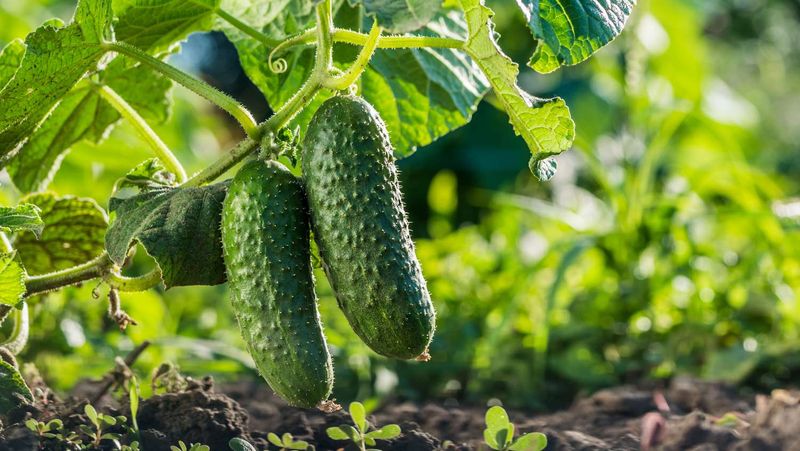
Cucumbers are speed demons in the vegetable world. They go from seed to harvest in as little as 50 days, which makes them a perfect fit for Florida’s short spring growing window before the blazing heat arrives.
Plant seeds directly in the ground in late February or March for the best timing. Give them a trellis to climb and keep the soil consistently moist.
Bush varieties like ‘Spacemaster’ work well for smaller garden spaces.
Squash
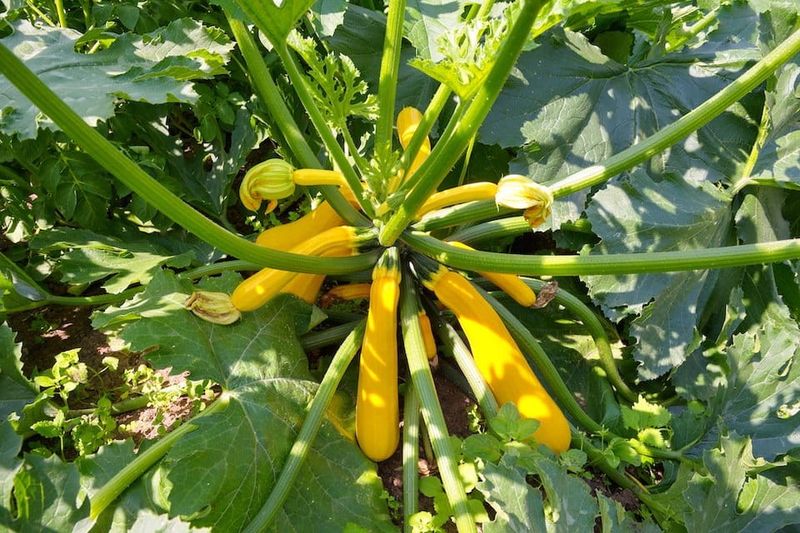
Squash is one of those vegetables that almost seems to grow faster than you can pick it. In Florida, you can plant both yellow squash and zucchini starting in February, giving the plants plenty of time to produce before the heat and pests of summer show up.
Squash loves well-drained soil and full sun. Keep an eye out for squash vine borers, a common pest in Florida that can damage plants quickly if left unchecked.
Beans
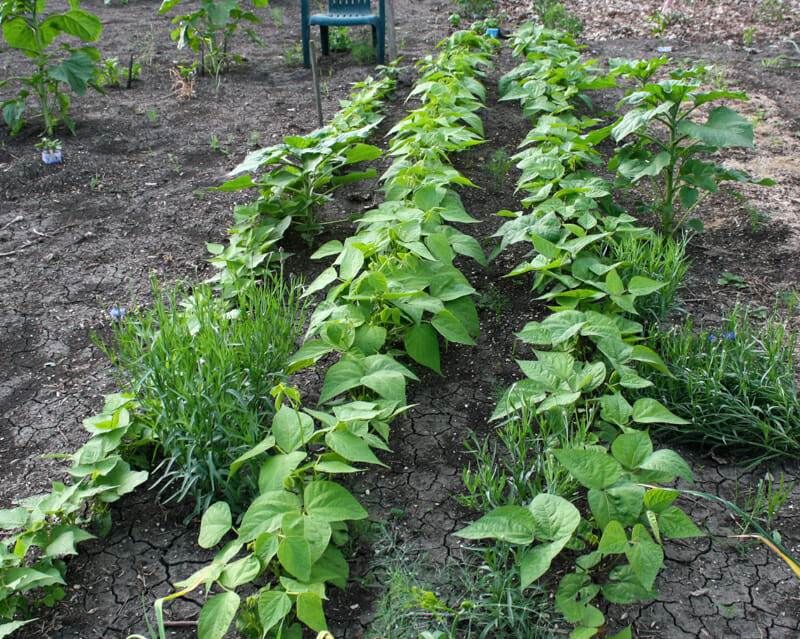
Bush beans are a gardener’s best friend when time is short. They grow fast, need little maintenance, and produce a satisfying harvest in just about 50 to 60 days.
Plant them directly in the ground in late February or early March for a great spring crop.
Unlike pole beans, bush varieties do not need a trellis, making them super easy to manage. Try ‘Contender’ or ‘Blue Lake Bush’ varieties, which handle Florida’s warm spring temperatures especially well.
Peppers
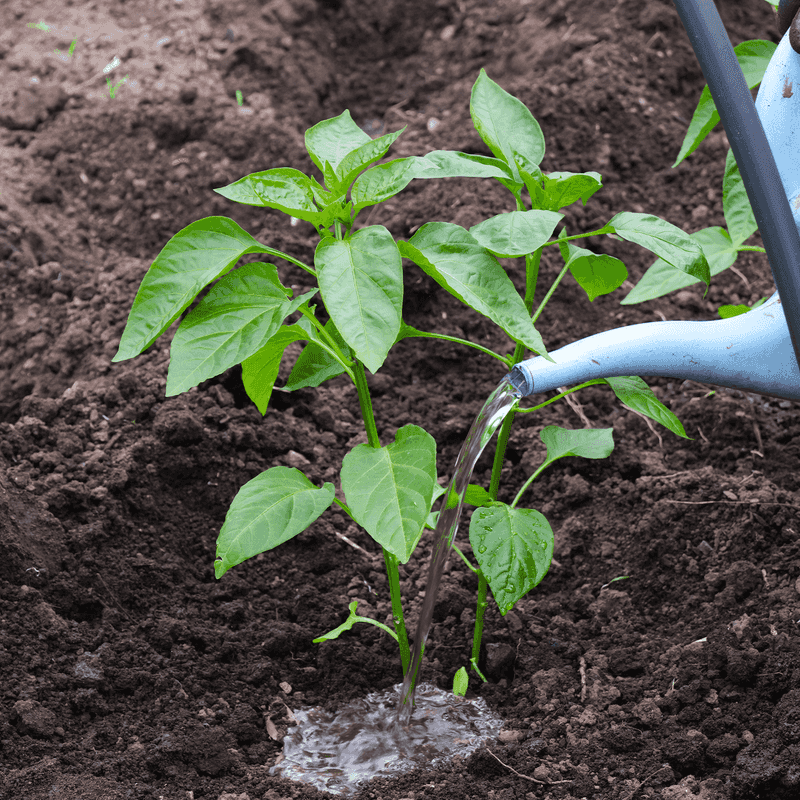
Peppers thrive in warm weather, which makes Florida an ideal home for them in early spring. Start transplants indoors in January and move them outside in February or March once nighttime temperatures stay above 55 degrees Fahrenheit.
Both sweet bell peppers and hot varieties like jalapenos do well in Florida soil. They love heat but actually stop producing fruit when temperatures climb above 95 degrees, so planting early gives you a solid harvest window before midsummer.
Eggplant
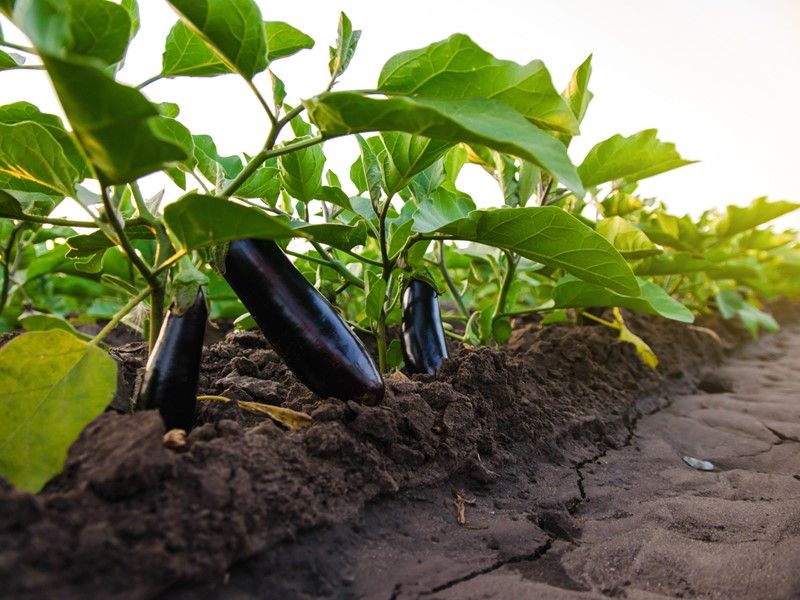
Eggplant is one of the most heat-loving vegetables you can grow, but it still needs a head start before Florida’s peak summer temperatures arrive. Start seeds indoors in January and transplant seedlings into the garden in March for the best results.
Florida-friendly varieties like ‘Florida Market’ and ‘Black Beauty’ are especially well suited to the state’s climate. Eggplant loves full sun and does best in rich, well-draining soil with consistent moisture throughout the growing season.
Sweet Corn
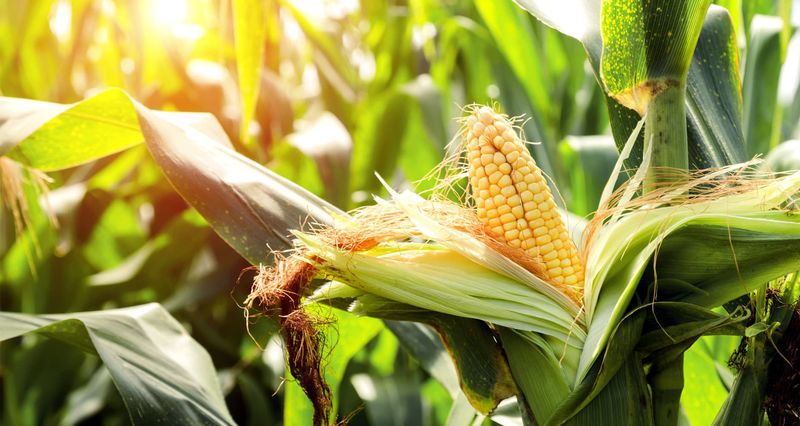
Sweet corn has a reputation for being a bit needy, but the payoff is absolutely worth it. Florida gardeners can plant corn as early as February in the central and southern parts of the state, taking advantage of warm soil temperatures and mild air.
Plant corn in blocks rather than single rows to help with pollination. Varieties like ‘Silver Queen’ and ‘Florida Staysweet’ were practically born for this climate.
Harvest when the silks turn brown for peak sweetness.
Okra
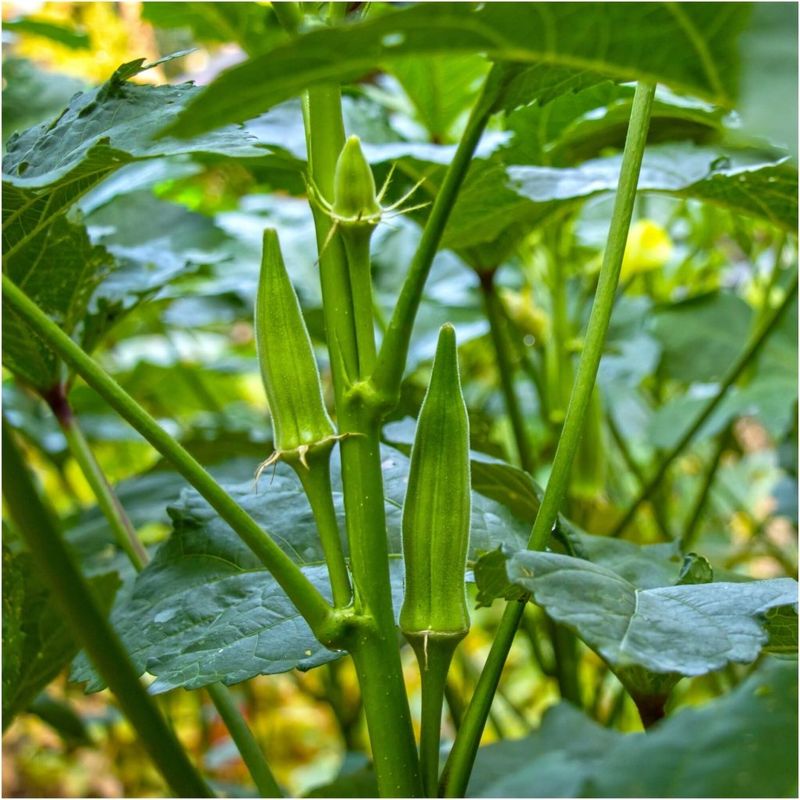
Okra is practically a Florida legend in the garden world. This tough, heat-loving plant handles the intense Florida sun better than almost any other vegetable, making it a smart choice for spring planting when temperatures start creeping upward.
Plant seeds directly in the ground in March or April after the last chance of frost has passed. Okra grows tall and produces abundantly, but you need to harvest pods every two to three days to keep the plant producing at full speed.
Sweet Potatoes
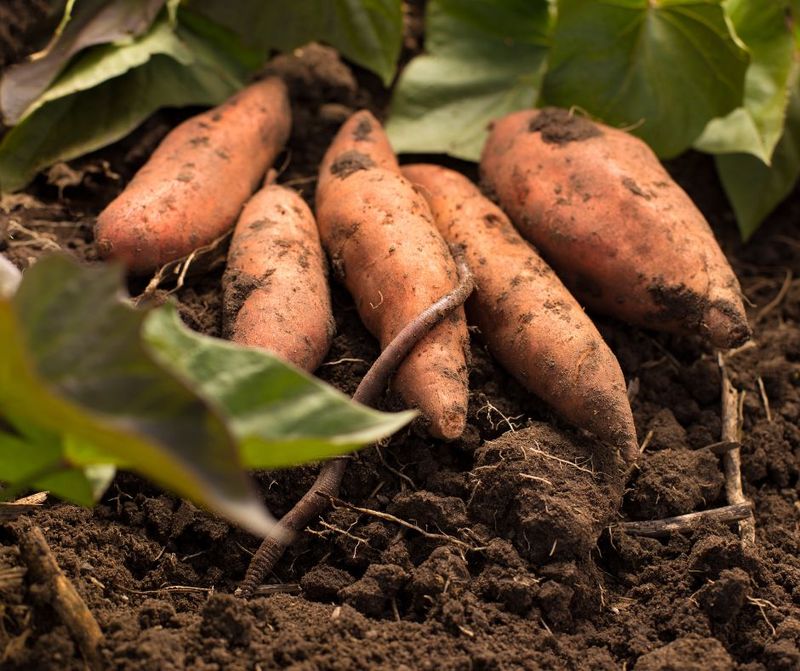
Sweet potatoes are a fantastic long-season crop that you can start in spring and harvest before the weather turns too unpredictable in fall. Plant slips, which are rooted cuttings rather than seeds, in March or April when the soil is warm and ready.
They spread out and cover a lot of ground, which actually helps suppress weeds naturally. Georgia Jet and Beauregard are popular varieties that perform well in Florida’s sandy soil.
Expect to harvest around 90 to 120 days after planting.
Collard Greens
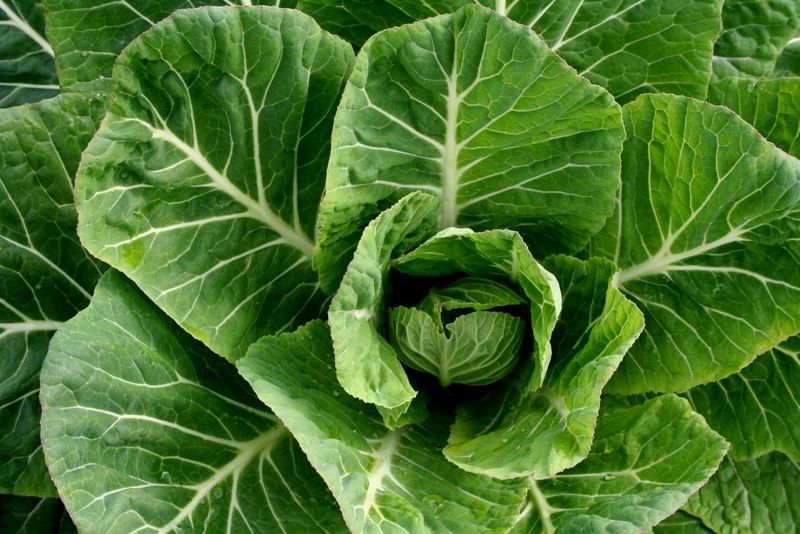
Collard greens have deep roots in Southern cooking, and they happen to be one of the most reliable spring vegetables you can grow in Florida. They prefer cooler temperatures, so getting them in the ground in February or early March is the sweet spot before heat stress kicks in.
Collards are packed with nutrients and taste even better after a light frost sweetens the leaves. Plant them in full sun with rich soil and water consistently to keep the leaves tender and flavorful throughout the season.