


Explore some nostalgic American meals that once reigned supreme but have since slipped from the spotlight. These dishes tell stories of bygone eras, reflecting cultural trends and tastes of their time. Let’s rediscover these culinary treasures.
Liver and Onions
Once a staple in American kitchens, liver and onions boasted a robust flavor profile. Liver was considered a nutritious choice, often paired with caramelized onions.
Despite its popularity in the mid-20th century, the dish’s strong taste and distinctive texture eventually led to its decline.
Many now find it an acquired taste, often recalling it as a childhood memory. Interestingly, while it may not be a favorite anymore, liver and onions still find a place in some traditional diners and family gatherings.
Jell-O Salad
Jell-O salads were once the star of every potluck and holiday feast. These colorful, wobbly concoctions often featured fruit, marshmallows, or even vegetables encased in gelatin.
In the 1950s and 60s, they symbolized creativity and convenience in American cuisine. However, changing tastes and health consciousness gradually moved them out of favor.
Today, Jell-O salads evoke a sense of nostalgia, often remembered fondly by those who grew up with them. Some still find them charmingly quirky, a testament to culinary experimentation.
Chicken à la King
Chicken à la King was a luxurious dish, perfect for special occasions. Creamy and rich, it combined chicken, mushrooms, and peppers in a sherry-infused sauce.
Popular in the early 20th century, it graced the tables of elegant gatherings. Yet, as modern cooking evolved, simpler and healthier options became preferred.
Despite this, it holds a place in the hearts of many who remember its comforting, indulgent taste. A symbol of culinary sophistication, it whispers of an era of opulence and grandeur.
Ambrosia
Ambrosia, named after the food of the gods, was a sweet treat at Southern gatherings. It typically included marshmallows, coconut, and canned fruits.
Its appeal lay in its tropical flavors and easy preparation, making it a party favorite. Over time, preferences shifted towards fresher ingredients, and Ambrosia’s popularity waned.
Yet, it remains a cherished memory for many, a sweet reminder of family picnics and potlucks. A dish steeped in tradition, it still holds a special place in Southern culture.
Beef Wellington
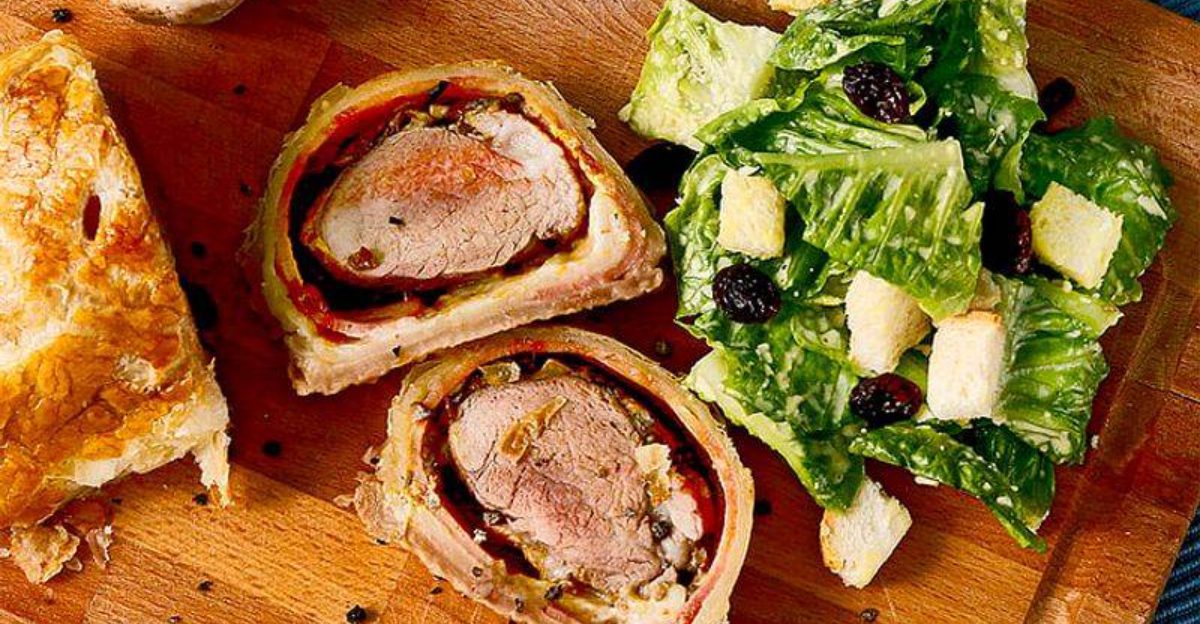
Beef Wellington, a showstopper at dinner parties, showcased culinary skill. Encased in puff pastry with pâté and duxelles, it was a feast for the senses.
In the 1960s and 70s, it represented the height of sophistication. However, its complexity and cost led to a decline in home kitchens.
Despite this, it remains an emblem of elegance, often reserved for special occasions. A dish that speaks of culinary artistry, it continues to inspire chefs and food enthusiasts.
Chicken Divan
Chicken Divan, with its creamy cheese sauce over chicken and broccoli, was a mid-century favorite. Originating from a New York restaurant, it quickly became a casserole classic.
Its rich, comforting flavors made it a household staple. As culinary trends shifted, lighter meals took precedence.
Still, for many, Chicken Divan evokes warmth and nostalgia. It remains a beloved dish for those who appreciate hearty, homemade meals. A symbol of comfort, it resonates with fond memories of family dinners.
Oysters Rockefeller
Oysters Rockefeller dazzled with its decadent blend of oysters, spinach, and breadcrumbs. Created in the late 1800s, it was a luxurious dish reflecting opulence.
As seafood became more accessible, Oysters Rockefeller found its place in fine dining. Yet, shifting tastes and simplicity in home cooking saw its decline.
Nonetheless, it remains a classic in upscale restaurants, a testament to its timeless appeal. A dish that whispers of elegance, it continues to capture the imagination of seafood lovers.
Mock Turtle Soup
Mock Turtle Soup was a clever culinary creation, using calf’s head to mimic turtle meat. This Victorian-era dish offered a touch of novelty and sophistication.
Its complex preparation and unique flavor were appreciated by those seeking an adventurous palate. However, simpler and less time-consuming meals eventually took precedence.
Though rare today, Mock Turtle Soup remains a fascinating glimpse into culinary history. A nod to innovation, it continues to intrigue food historians and adventurous cooks alike.
Waldorf Salad
The Waldorf Salad, with its crisp apples, celery, and walnuts, was born in a New York hotel. Dressed in mayonnaise, it offered a refreshing contrast to heavier dishes.
Its simplicity and elegance made it a favorite at luncheons and upscale gatherings. Yet, as culinary trends evolved, more exotic salads replaced it.
Still, the Waldorf Salad endures as a classic, appreciated for its balance of flavors and textures. A dish that speaks of refinement, it remains a beloved staple in some circles.
Baked Alaska
Baked Alaska, the fiery dessert spectacle, combined ice cream, sponge cake, and meringue. Its dramatic presentation delighted diners.
Popular in the mid-20th century, it showcased culinary creativity and flair. However, its intricate preparation led to a decline in home kitchens.
Despite this, Baked Alaska continues to charm with its theatrical flair. A dish that captures the imagination, it is celebrated by those who appreciate its unique blend of textures and temperatures.