



Buffets can be a delightful culinary adventure, offering a vast array of dishes to suit every palate. However, certain items might pose health risks if not handled properly. Here are ten buffet dishes experts advise you to avoid.
Mixed Salads
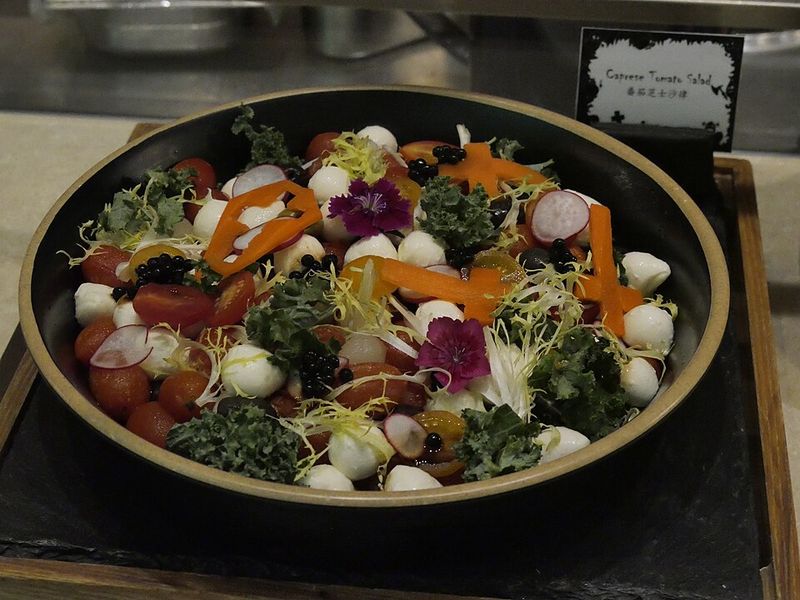
Mixed salads at buffets are often laden with toppings that can spoil quickly. Items like eggs, mayonnaise-based dressings, and cheese are prone to bacterial growth.
The open nature of buffet salads can lead to contamination from multiple hands and utensils. Salad bars often struggle to maintain proper temperature control.
Choose plain greens with your choice of packaged dressing to reduce risk.
Clams and Mussels
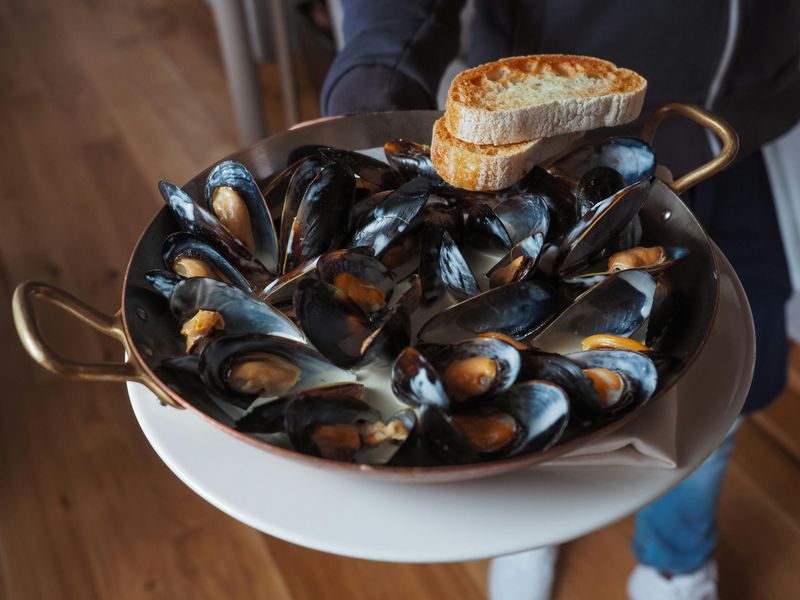
Clams and mussels require careful handling to ensure safety. These shellfish are sensitive to temperature changes and can quickly become unsafe if left out.
Buffet settings often don’t provide the constant refrigeration they need.
Many experts recommend eating these delicacies where freshness and preparation are guaranteed, such as reputable seafood restaurants.
Carved Meats
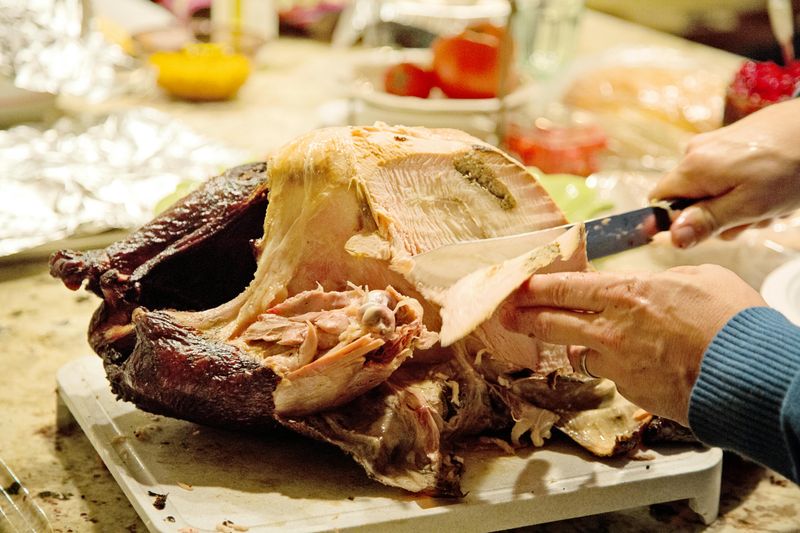
Carved meats can be a highlight at buffets but pose a risk if not kept at the right temperature. Heat lamps often fail to maintain consistent warmth, allowing bacteria to thrive.
Frequent handling by different people can also introduce contaminants.
If you indulge, ensure the meat is steaming hot or skip it for something freshly prepared.
Sushi
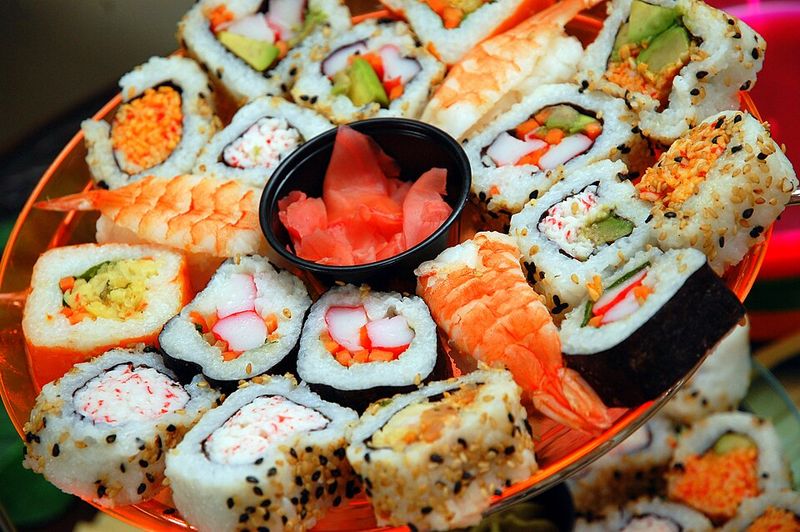
Sushi at buffets can be a gamble. The freshness of raw fish is crucial to avoid foodborne illnesses. Often, buffet sushi sits out for hours, which can lead to bacteria growth.
Another concern is the handling process. With multiple people serving themselves, cross-contamination becomes a risk.
Experts suggest opting for sushi at a dedicated sushi restaurant instead, where preparation meets stringent standards.
Ice Cream Machines
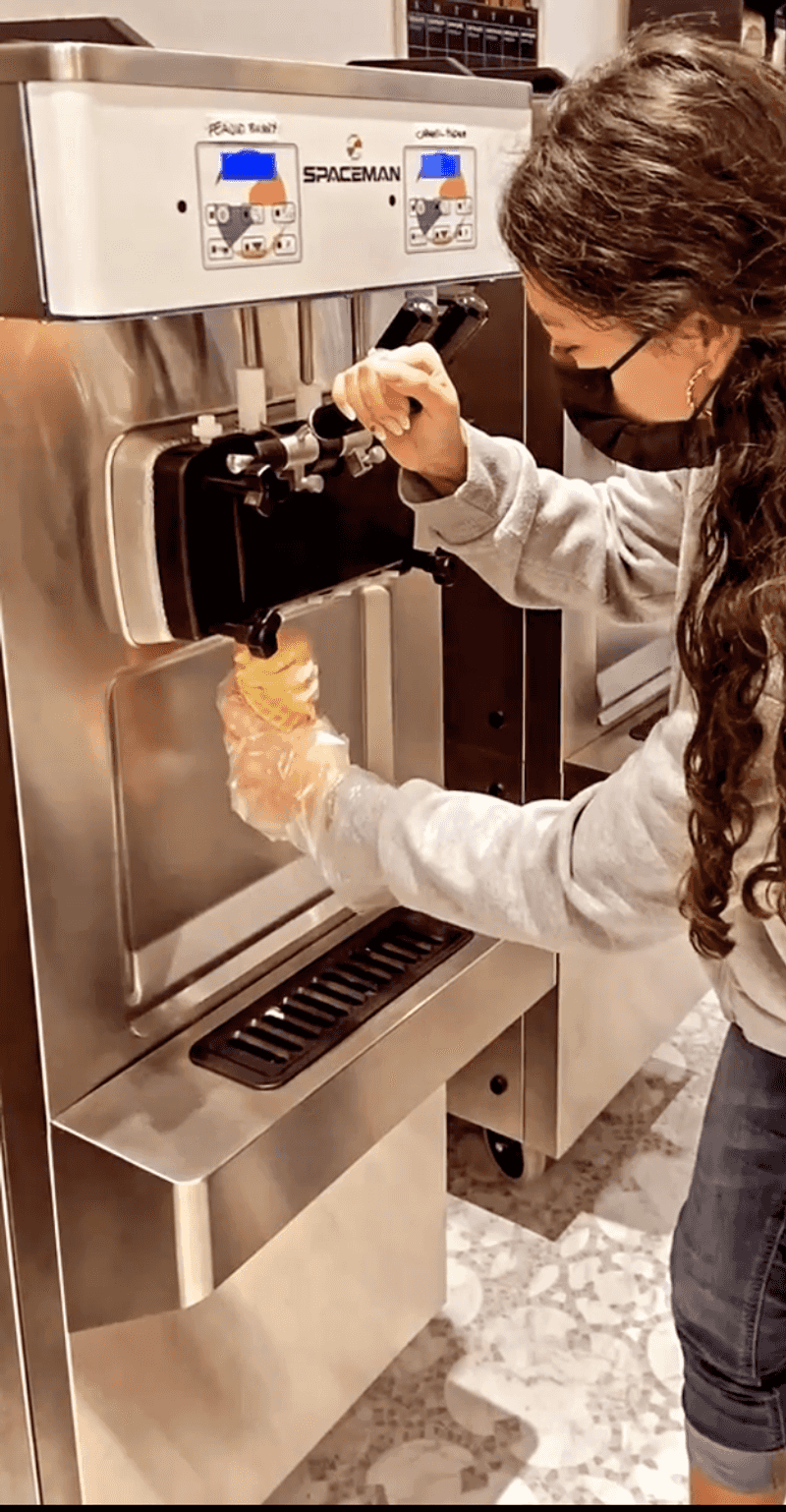
While tempting, self-serve ice cream machines at buffets can harbor bacteria due to irregular cleaning. Leftover mix can spoil inside the machine if not properly maintained.
Toppings, exposed to air and multiple hands, add another layer of risk.
If you must indulge, consider opting for pre-packaged ice cream instead for a safer treat.
Shrimp Cocktail
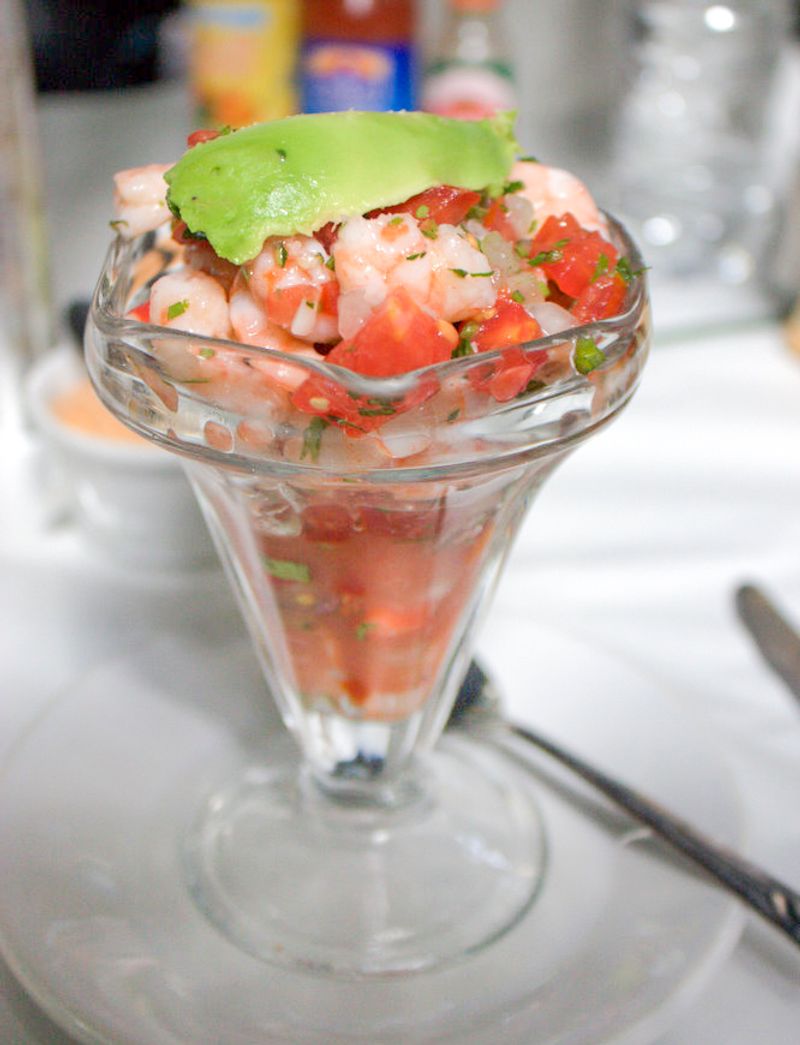
Shrimp cocktail is a classic buffet offering but can pose safety hazards. These shellfish need to be kept extremely cold to prevent bacterial growth.
Buffet presentations on melting ice rarely achieve the required temperature.
Shrimp should be consumed in settings where cold chain maintenance is assured and verified by health standards.
Egg Dishes
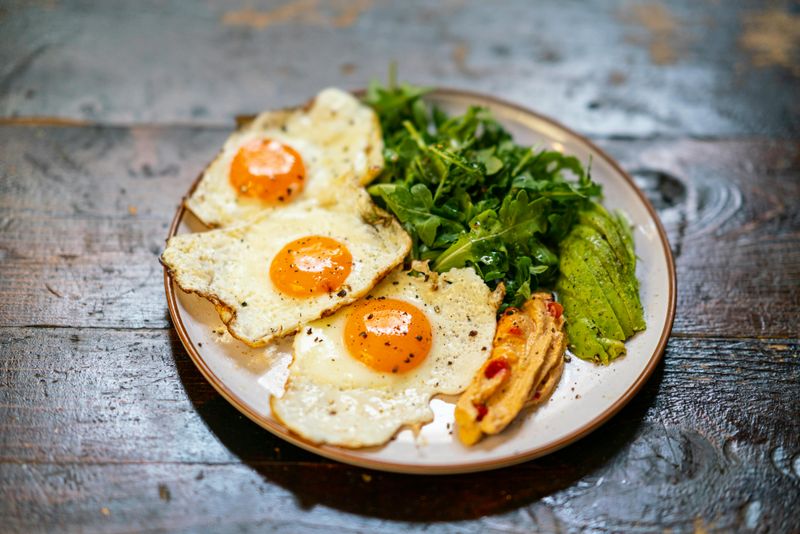
Egg dishes, particularly scrambled eggs, can become a bacterial hotspot if not kept sufficiently hot. Heat lamps often provide uneven heating, creating areas for bacteria to thrive.
Egg dishes are also frequently touched, increasing contamination risk.
Seek freshly cooked eggs or omelets prepared to order rather than questionable buffet offerings.
Cheese Platters
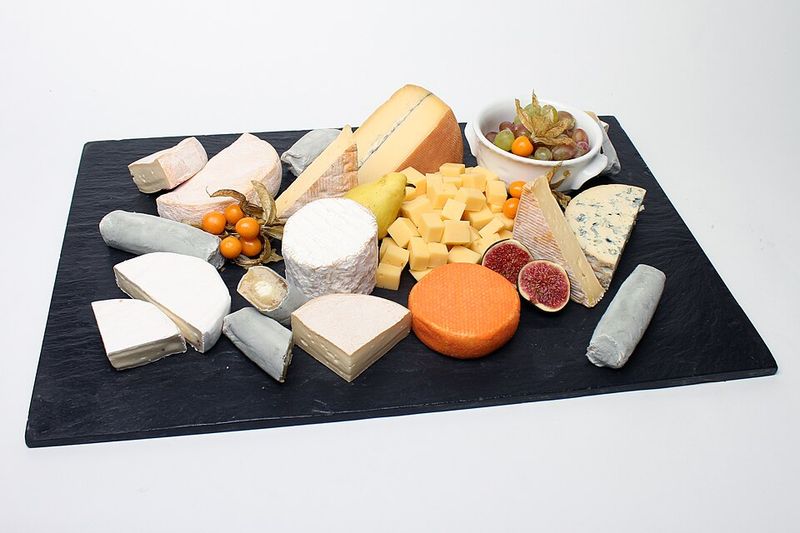
Cheese platters might be a tempting choice but are often left exposed for too long. Soft cheeses, in particular, can develop harmful bacteria if not kept cool.
Buffet displays often lack proper refrigeration, increasing the risk.
If you choose cheese, opt for hard varieties, which are less prone to bacterial growth.
Casserole Dishes
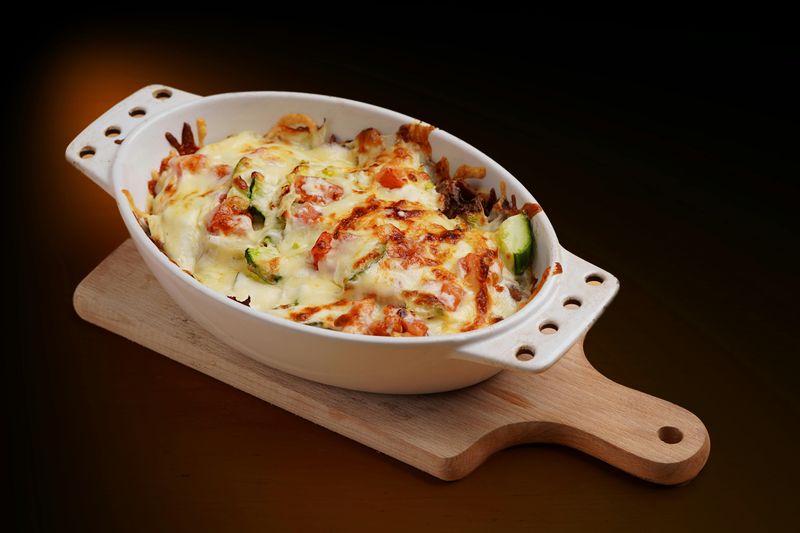
Casseroles are popular buffet items but can be problematic. They are often dense, making it difficult to keep the center hot enough to kill bacteria.
The outer edges might stay warm, but the middle could be in the danger zone.
Look for alternatives that are cooked and served promptly to ensure safety.
Cream-Based Soups
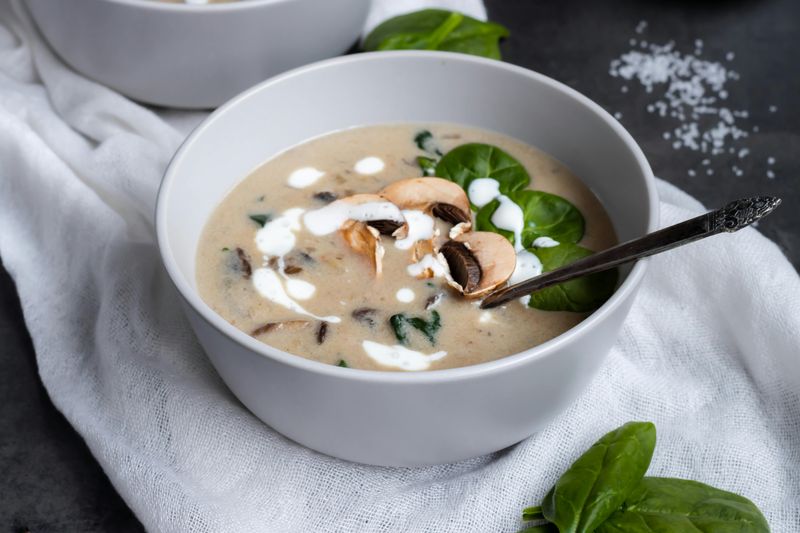
Cream-based soups require careful temperature control to remain safe. Buffets often struggle to maintain the necessary heat, especially over extended periods.
Bacteria thrive in lukewarm settings, making these soups risky.
If soup is a must, look for broths that are less likely to spoil and have been freshly made.