


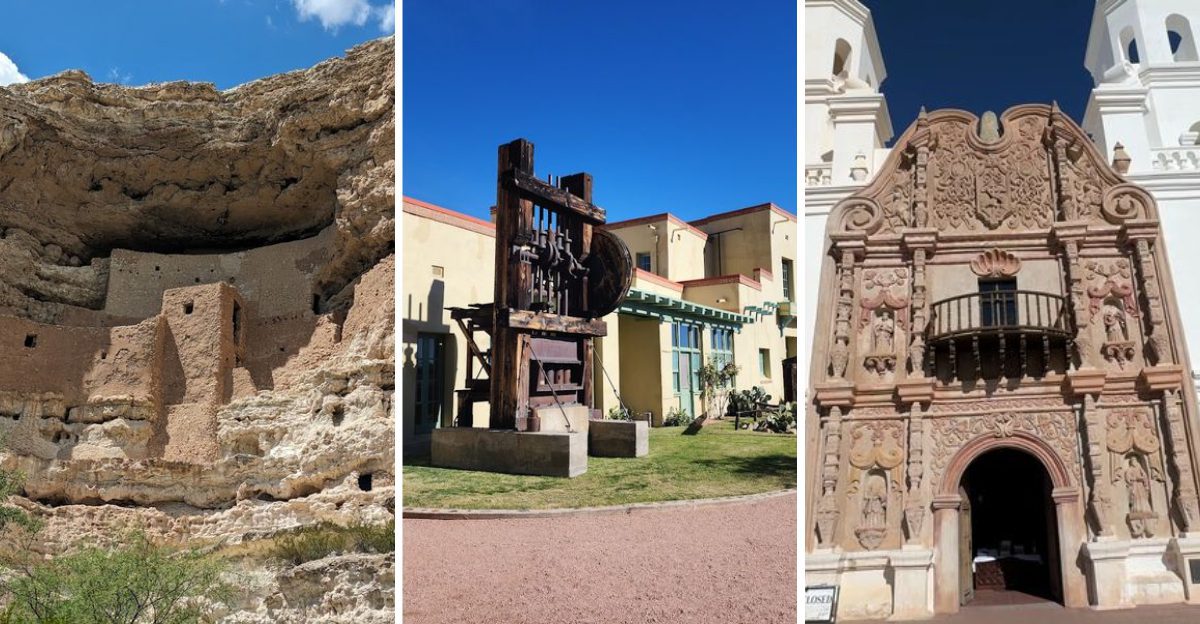
Arizona is home to some of the most fascinating historic sites in the entire country, from ancient cliff dwellings to old frontier prisons. These places carry powerful stories of the people who lived, worked, and survived in the rugged Southwest long before modern times.
Whether you love Native American history, Spanish colonial heritage, or Wild West legends, Arizona has something that will blow your mind. Pack your curiosity and get ready to explore places where history truly comes alive.
Montezuma Castle National Monument – Camp Verde, Arizona
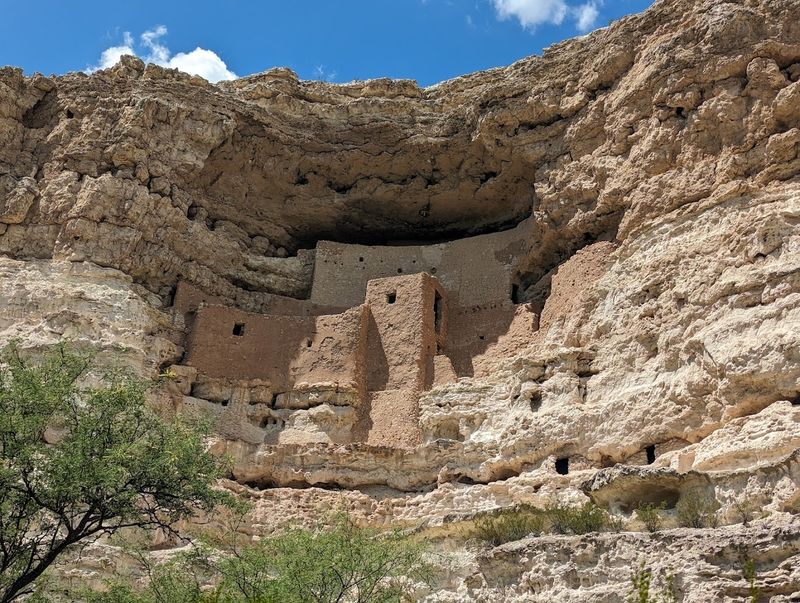
Tucked into a limestone cliff like a secret carved into stone, Montezuma Castle is one of the best-preserved cliff dwellings in North America. Built by the Sinagua people nearly 1,000 years ago, this five-story structure sits 100 feet above the valley floor.
It was mistakenly named after the Aztec emperor, but the Sinagua had no connection to him.
Visitors can view the dwelling from a paved trail below and learn about the people who once called this remarkable place home.
Tuzigoot National Monument – Clarkdale, Arizona
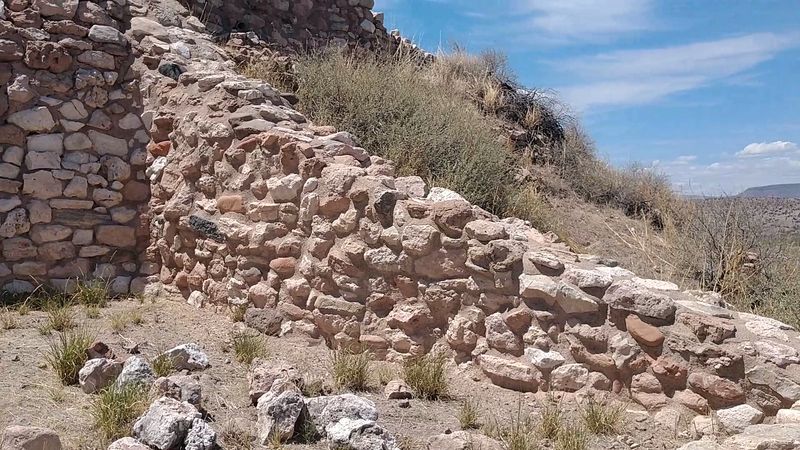
Perched on a rocky ridge above the Verde Valley, Tuzigoot is a sprawling pueblo ruin that once housed over 200 people. The Sinagua people built this settlement between 1000 and 1400 AD, creating a multi-room complex with stunning views in every direction.
Walking through the site feels like wandering through a real ancient neighborhood.
The on-site museum displays pottery, jewelry, and tools recovered from excavations, giving visitors a vivid picture of daily Sinagua life.
San Xavier del Bac Mission – Tucson, Arizona
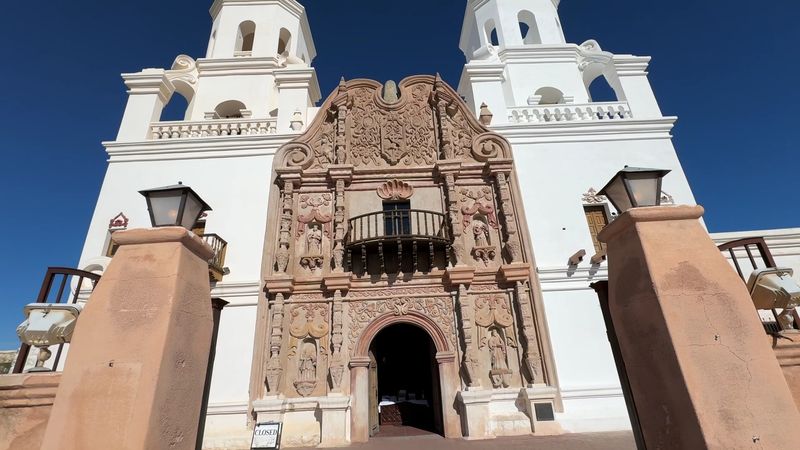
Known as the White Dove of the Desert, San Xavier del Bac is one of the finest examples of Spanish colonial architecture in the United States. Built in the late 1700s by Franciscan missionaries, the mission is still an active church serving the Tohono O’odham Nation today.
The hand-painted murals and carved wooden altars inside are absolutely breathtaking.
Visiting feels like stepping into a living piece of history where faith, art, and culture have blended for over two centuries.
Yuma Territorial Prison State Historic Park – Yuma, Arizona
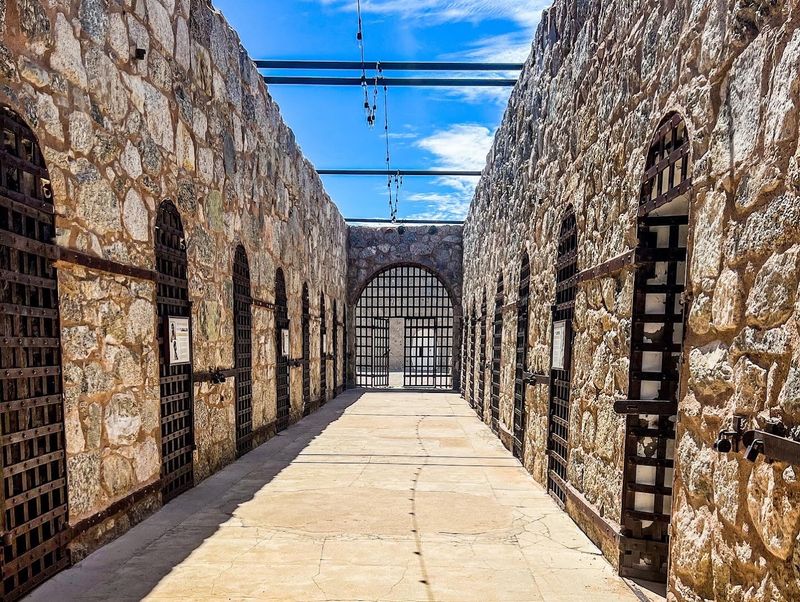
From 1876 to 1909, the Yuma Territorial Prison held some of the most notorious criminals of the Wild West era. Prisoners lived in cramped granite cells during brutal desert summers, with temperatures regularly topping 110 degrees.
Despite its tough reputation, the prison actually had a library and a school, which was considered progressive for its time.
Today, you can walk through the original cell blocks and imagine what life was really like behind those iron bars in the scorching Arizona heat.
Casa Grande Ruins National Monument – Coolidge, Arizona
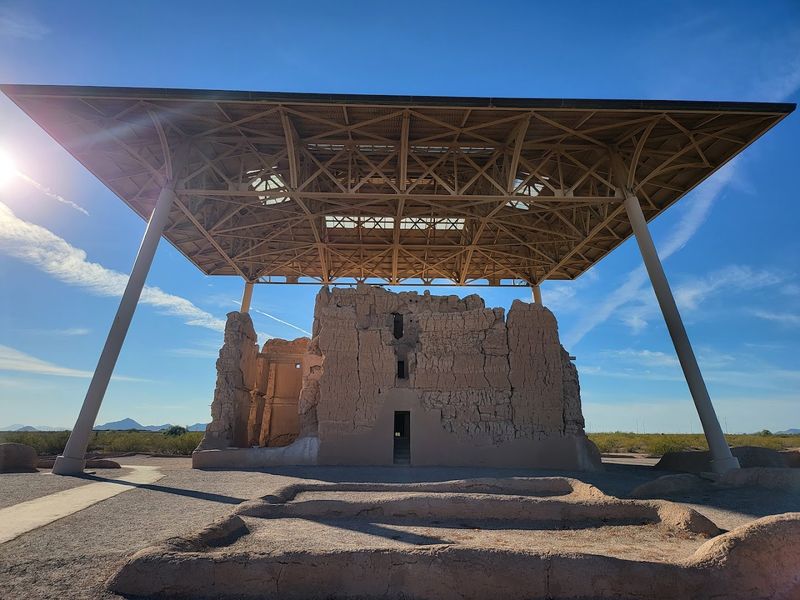
Standing four stories tall in the middle of the Sonoran Desert, Casa Grande is one of the most mysterious prehistoric structures in North America. Built by the Hohokam people around 1350 AD, no one is entirely sure what its original purpose was.
Some researchers believe it served as an astronomical observatory, a ceremonial center, or even a watchtower.
A large protective roof now shields the fragile adobe walls. Rangers offer guided tours that shed light on the brilliant engineering of the Hohokam civilization.
Jerome State Historic Park – Jerome, Arizona
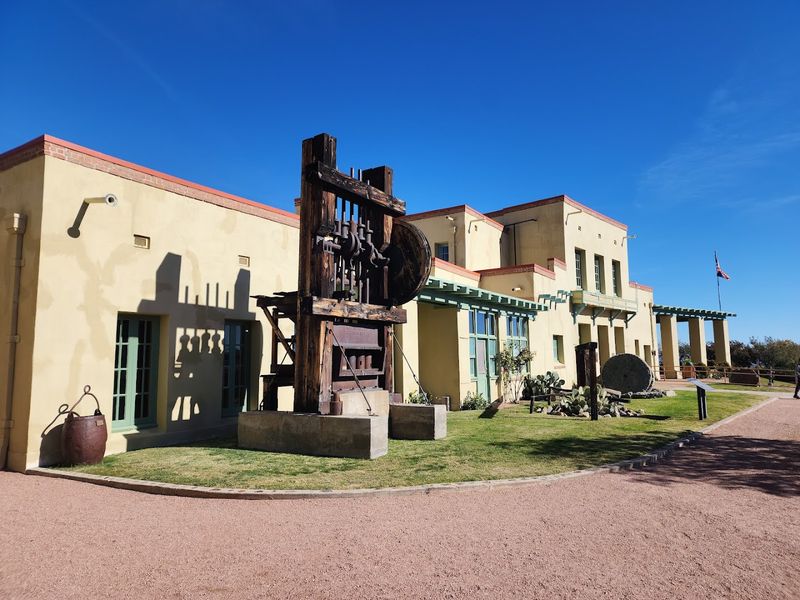
Jerome was once called the Wickedest Town in the West, and its wild copper-mining past is preserved inside the Douglas Mansion, now home to Jerome State Historic Park. Built in 1916 for mining entrepreneur James Douglas Jr., the adobe mansion overlooks the entire town from a dramatic hilltop perch.
Mining equipment, ore samples, and vintage photographs fill the rooms.
Jerome itself is a quirky, artsy town worth exploring after your museum visit. The combination of history and character makes it completely unforgettable.
Fort Bowie National Historic Site – Bowie, Arizona
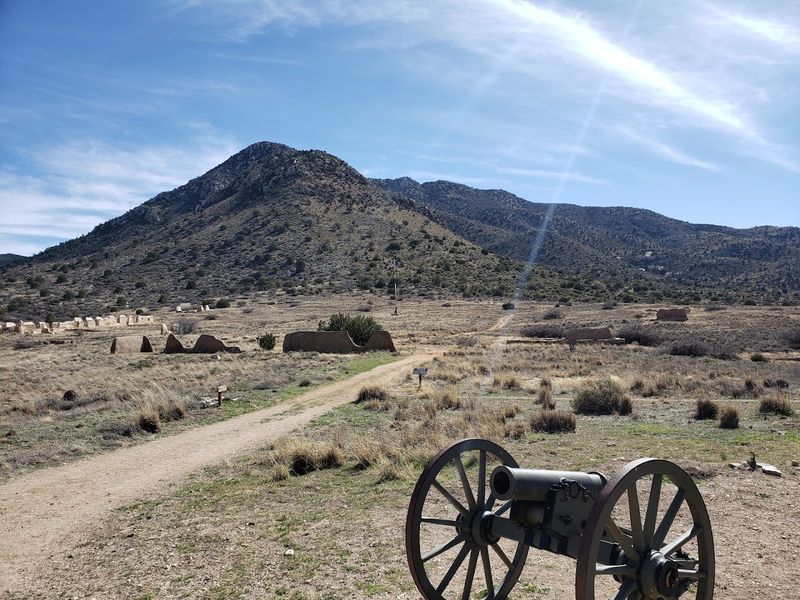
Reaching Fort Bowie requires a 1.5-mile round-trip hike through the rugged Dos Cabezas Mountains, and that journey is part of what makes it so special. The fort was established in 1862 during the long and painful conflict between the U.S.
Army and the Apache people led by Cochise and later Geronimo. Adobe walls still stand at the site, quietly telling stories of hardship and resilience.
The trail also passes Apache Spring, a critical water source that sparked much of the tension in this area.
Hubbell Trading Post National Historic Site – Ganado, Arizona
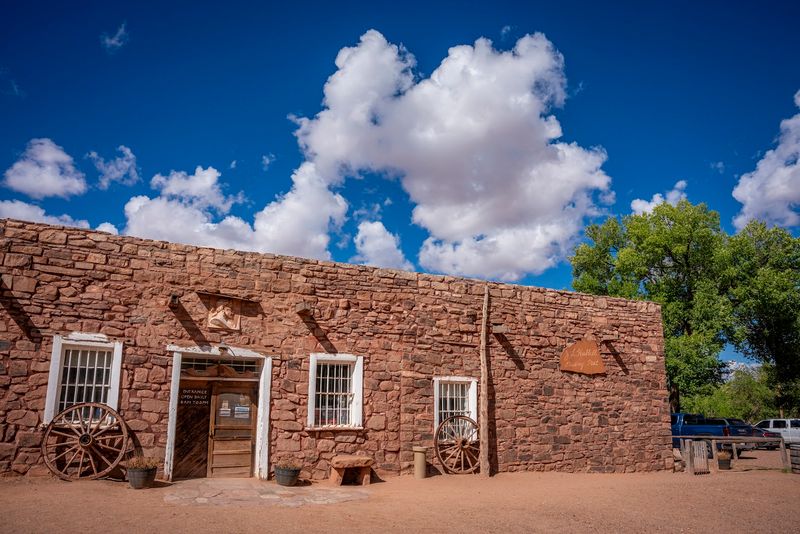
Hubbell Trading Post has been continuously operating since 1878, making it the oldest active trading post on the Navajo Nation. John Lorenzo Hubbell built relationships of trust with Navajo families by offering fair trades and genuine respect during a very difficult period in their history.
The original store still sells authentic Navajo rugs, jewelry, and pottery today.
Walking through the trading post feels like time has barely moved. The Hubbell home and its impressive collection of Southwestern art are equally worth exploring.
Tubac Presidio State Historic Park – Tubac, Arizona
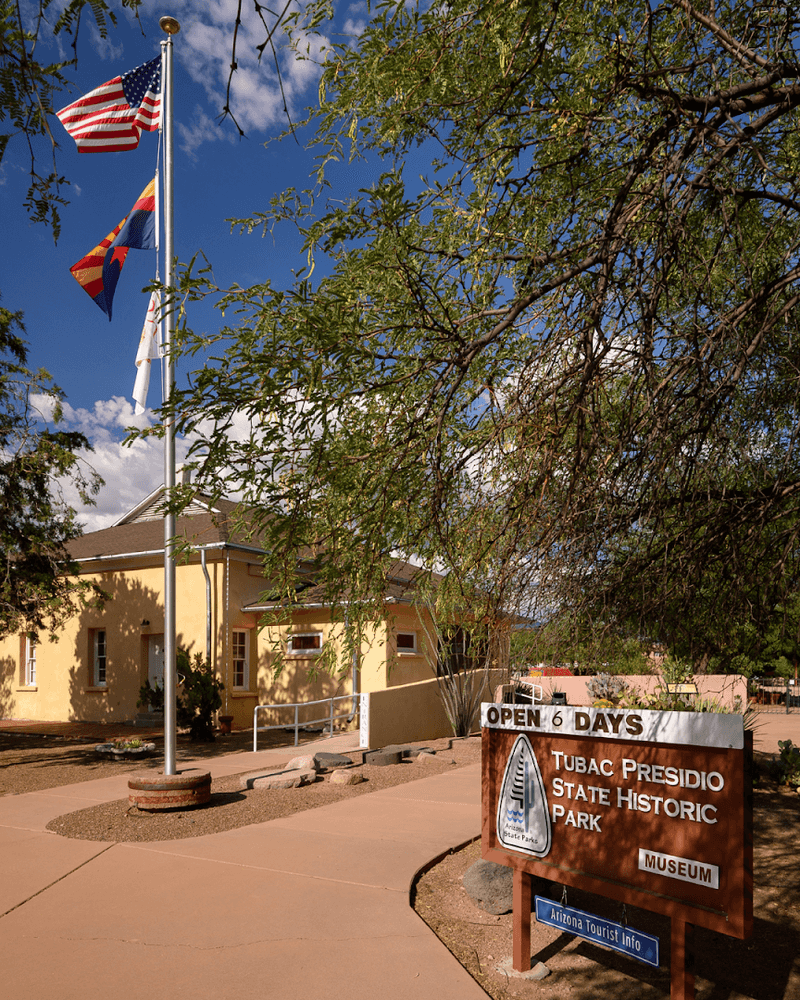
Established in 1752, Tubac Presidio was the first European settlement in what is now Arizona. The Spanish built this military fort to protect settlers and missionaries from raids, and it played a key role in the early colonial history of the Southwest.
Underground, you can actually see the original excavated floor of the old presidio through a viewing area inside the park.
The charming arts village of Tubac surrounds the park, blending modern creativity with centuries of layered history in a really cool way.
Riordan Mansion State Historic Park – Flagstaff, Arizona
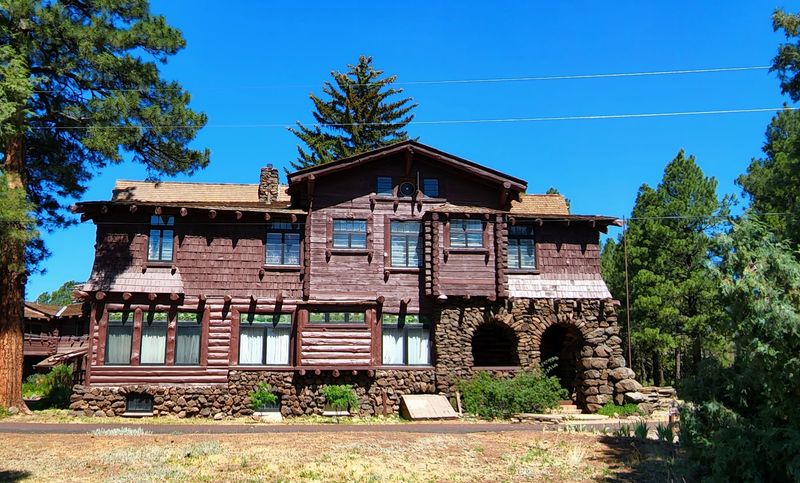
Built in 1904, the Riordan Mansion is a stunning Arts and Crafts masterpiece hidden among Flagstaff’s towering ponderosa pines. Two brothers, Timothy and Michael Riordan, built matching sides of the 13,000-square-foot home and connected them with a shared billiard room called the Cabin.
The structure features hand-split wooden shingles, volcanic stone, and log-slab siding that blend beautifully into the forest surroundings.
Guided tours take you through rooms filled with original furniture and personal belongings, painting a warm portrait of early Arizona family life.