


Gardening in Florida can feel like a battle against blazing heat, humidity, and unpredictable rain. The good news is that some plants are practically built for it.
Choosing the right perennials means you get color and life in your yard without spending every weekend watering, trimming, or replanting. Here are ten tough, beautiful perennials that thrive under the Florida sun with very little fuss.
Gaillardia (Blanket Flower)
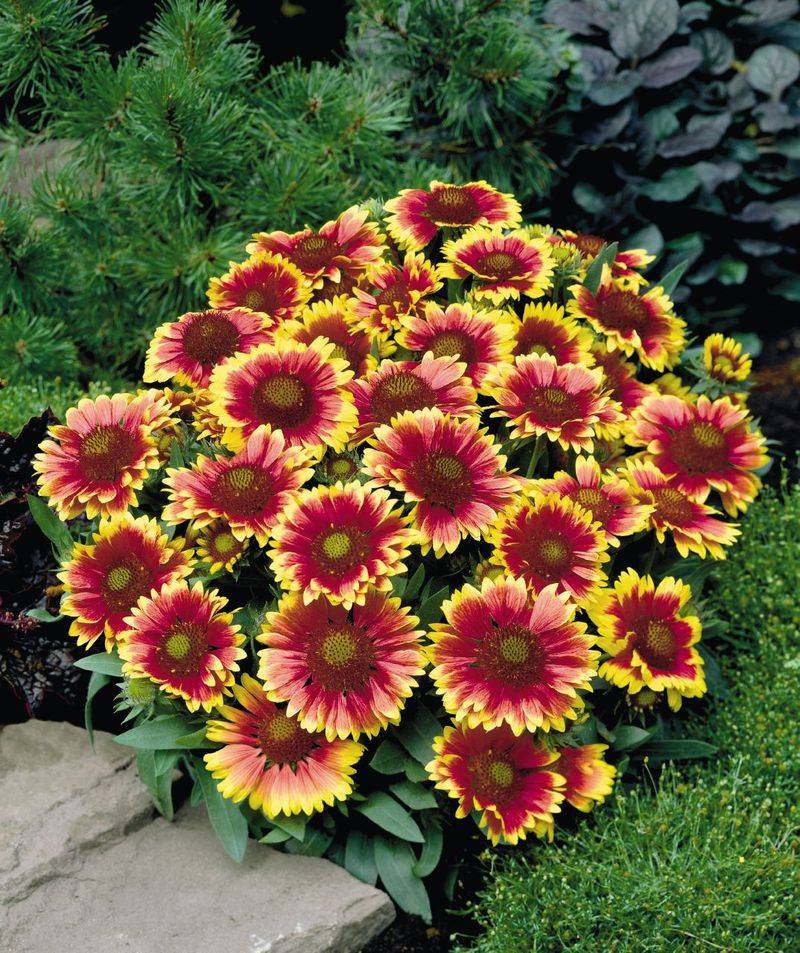
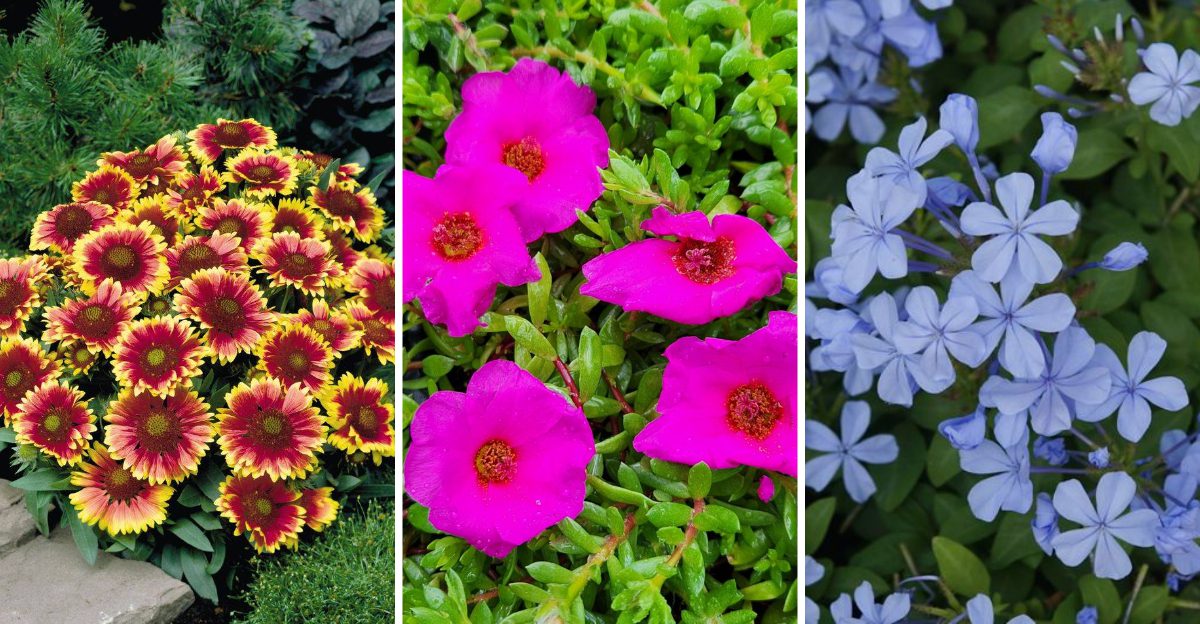
If your garden needs a pop of color that practically takes care of itself, Gaillardia is your answer. These fiery red and yellow blooms look like tiny sunsets and keep flowering from spring all the way through fall.
Blanket flower loves sandy, well-drained soil, which makes it a natural fit for Florida yards. It handles drought like a champ and even attracts butterflies.
Plant it once, and it will reward you season after season with almost zero effort.
Lantana
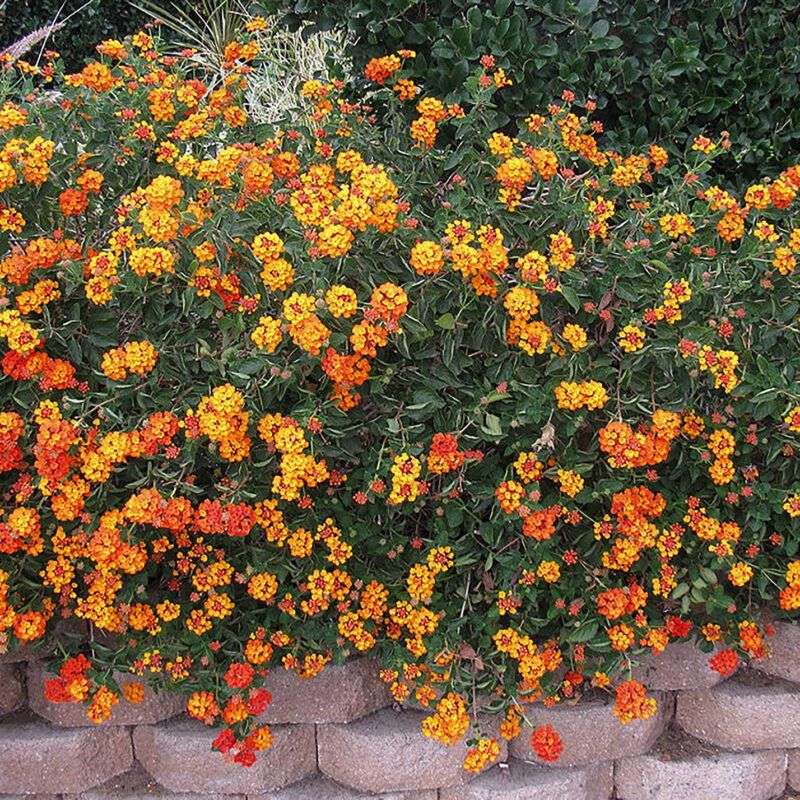
Few plants can match Lantana when it comes to sheer toughness under a Florida sun. This shrubby perennial produces clusters of tiny flowers in a rainbow of colors, from orange and yellow to pink and purple, all summer long.
Butterflies and hummingbirds absolutely love it. Lantana thrives in heat, tolerates drought once established, and even shrugs off poor soil.
Fun fact: it was used in traditional medicine across Latin America for centuries before becoming a garden staple.
Firebush (Hamelia patens)
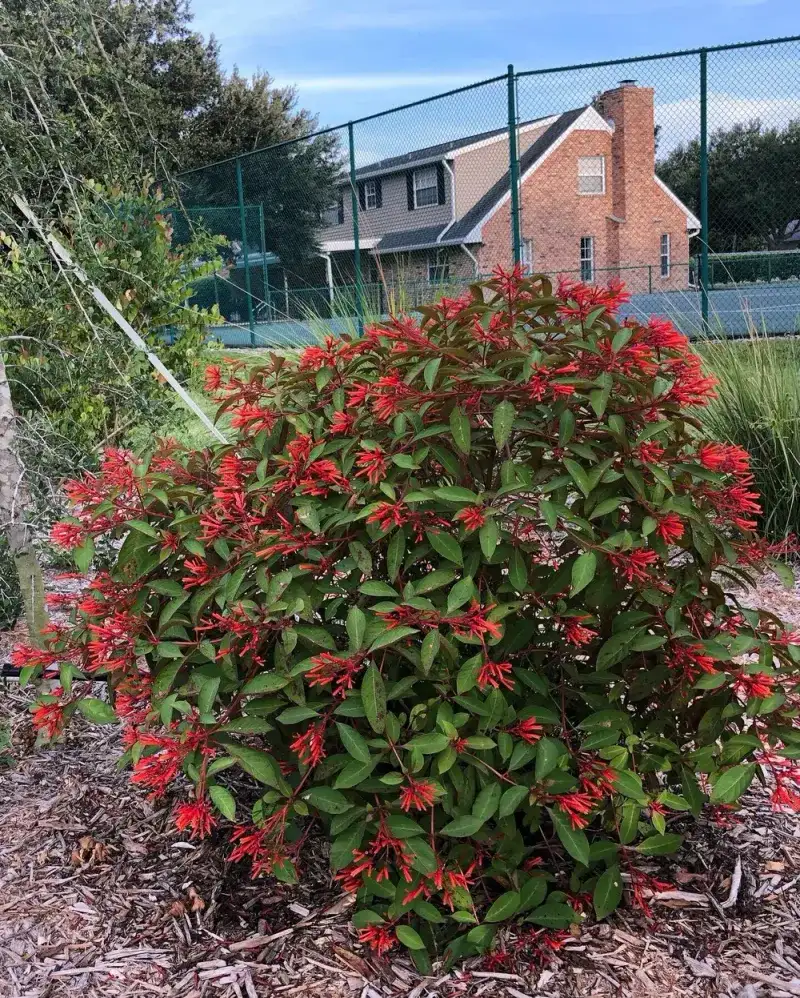
Firebush earns its name honestly. The tubular red and orange flowers blaze against deep green leaves, turning your yard into a wildlife magnet.
Hummingbirds, butterflies, and songbirds all flock to it.
Native to Florida, this perennial shrub is incredibly low-maintenance. It thrives in full sun, handles heat and humidity without complaint, and grows quickly to fill empty spaces.
Cut it back in late winter to keep it tidy, and it bounces right back with fresh growth every spring.
Salvia (Blue Porterweed or Tropical Sage)
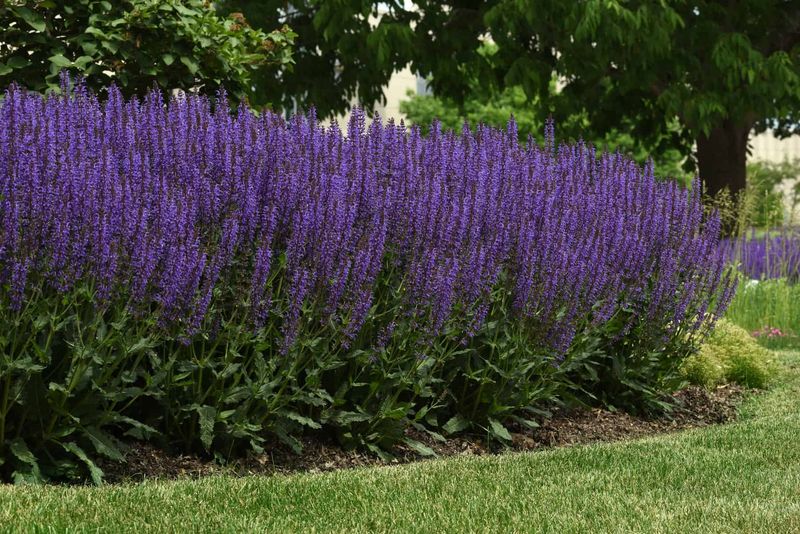
Salvia is one of those plants that makes you look like a skilled gardener without much work at all. The vivid spikes of red or blue flowers stand tall even during Florida’s hottest months.
Tropical Sage is a Florida native that feeds hummingbirds and butterflies from spring through fall. It grows in well-drained soil, needs very little water once settled in, and reseeds itself naturally.
That means more plants next year for free, which is always a win.
Plumbago
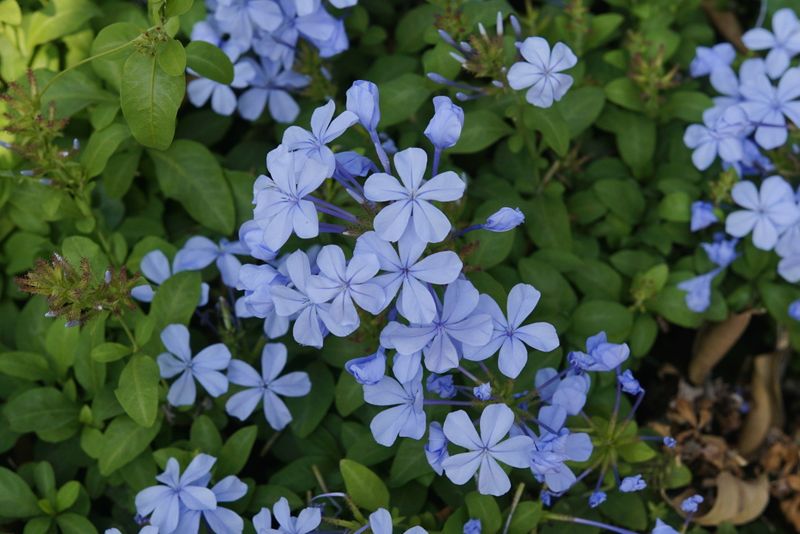
There is something almost calming about Plumbago’s soft, sky-blue flowers drifting across a green shrub. It blooms heavily from spring through fall and provides a cool visual contrast to hotter-colored Florida plants nearby.
Plumbago grows fast, handles full sun without wilting, and tolerates drought once established. It works beautifully as a hedge or border plant.
Butterflies are especially drawn to it. Trim it occasionally to keep it from sprawling too wide, and it stays neat and full all year.
Muhly Grass (Muhlenbergia capillaris)
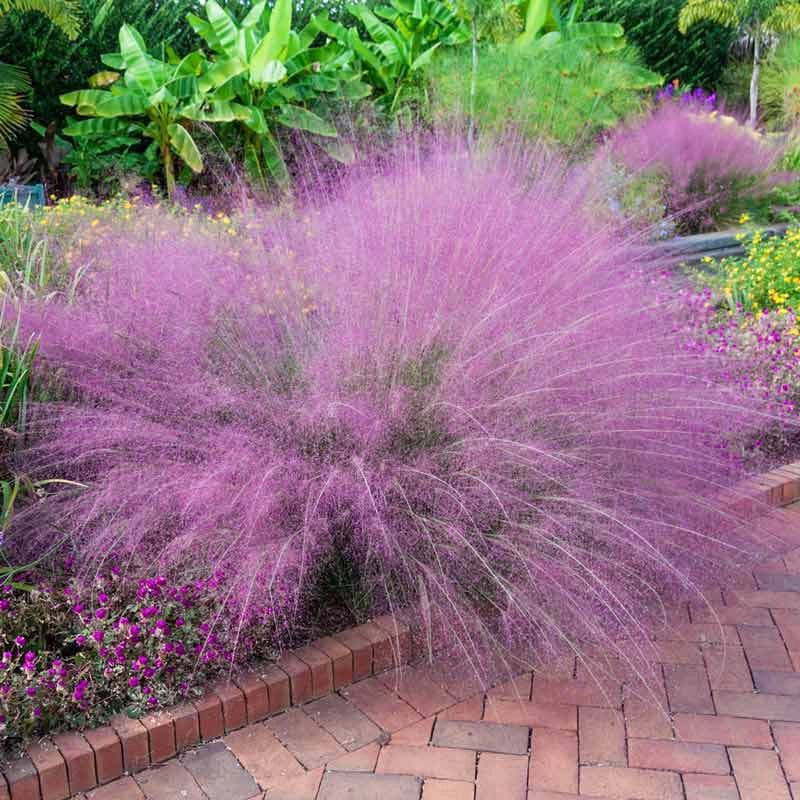
Every October, Muhly Grass puts on a show that stops people in their tracks. The feathery pink and purple plumes float like clouds above the slender green blades, creating a dreamy, soft texture in the landscape.
This Florida native is incredibly tough. It grows in poor, sandy soils, survives drought, and needs almost no fertilizer or pruning.
Plant it in a sunny spot and mostly leave it alone. By fall, it transforms into one of the most striking plants in any yard.
Coontie (Zamia integrifolia)
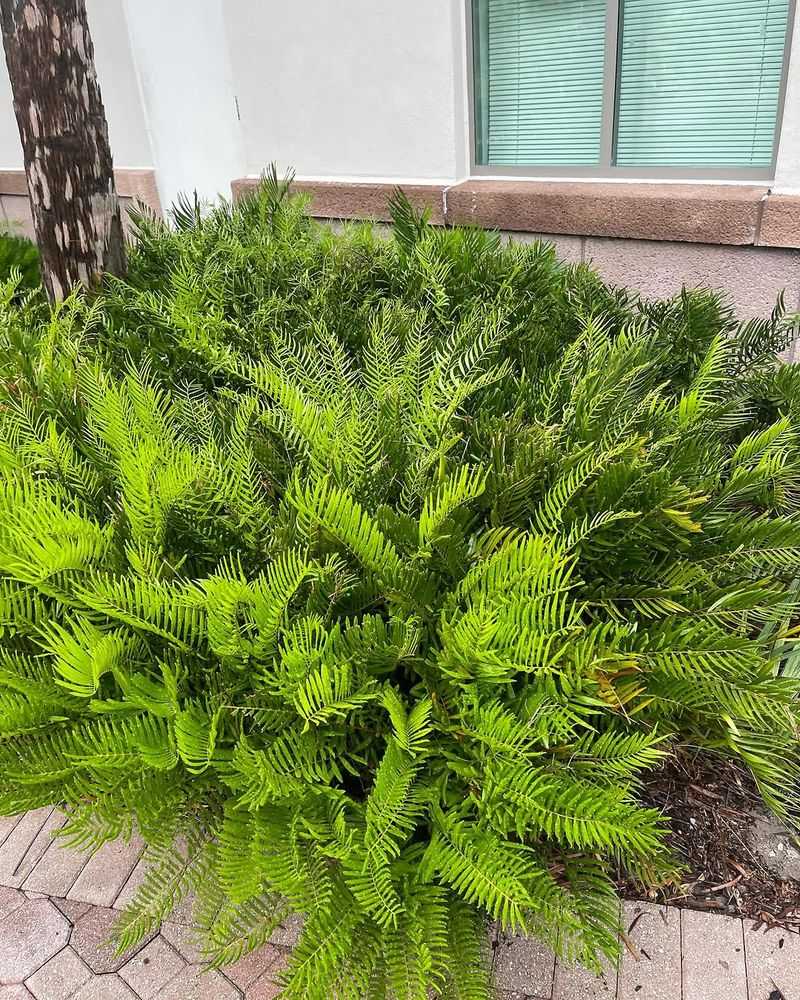
Coontie might look like a small palm, but it is actually a cycad, one of the oldest plant groups on Earth. It has been growing in Florida for thousands of years, long before lawns and landscaping were even a concept.
This slow-growing perennial thrives in full sun or partial shade, handles drought well, and needs no special care once planted. It also serves as the only host plant for the endangered Atala butterfly.
Adding Coontie to your yard is basically doing conservation work while barely lifting a finger.
Portulaca (Moss Rose)
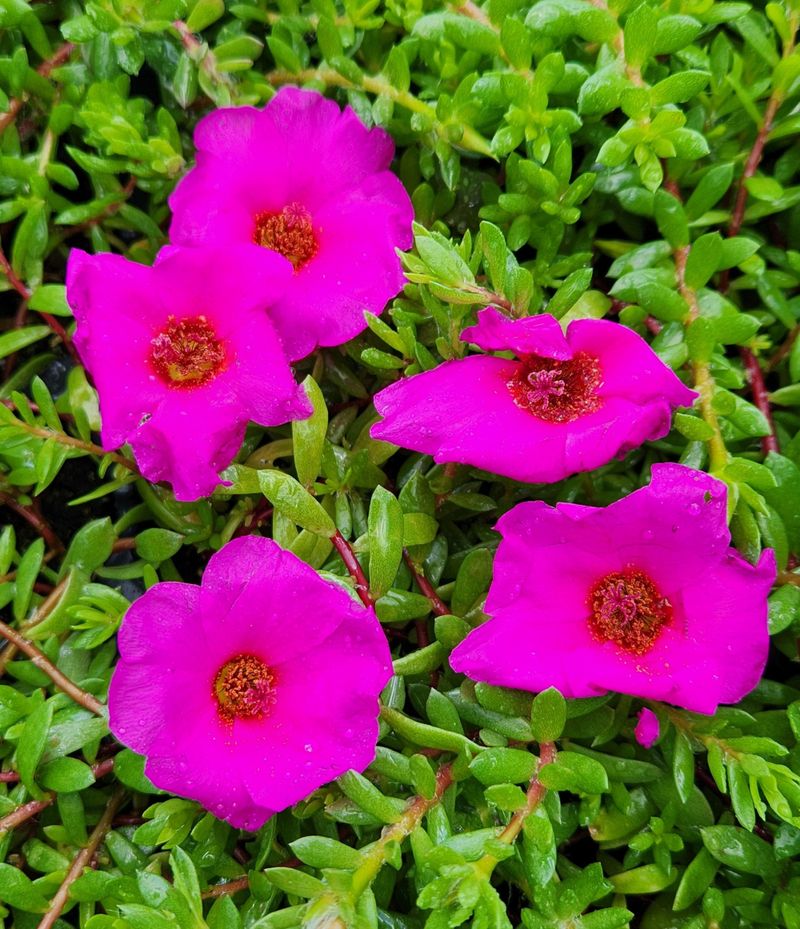
Hot, dry, and full sun? Portulaca could not be happier.
These cheerful little flowers in shades of pink, orange, red, and yellow practically thrive on neglect. They bloom most heavily when conditions seem almost too harsh for other plants.
Moss Rose grows low to the ground and works wonderfully as a ground cover along sidewalks or in rock gardens. It reseeds itself freely, so the same planting often returns each year.
Water it occasionally and let the Florida sun do the rest.
Pentas (Egyptian Star Cluster)
Walk past a Pentas in bloom and you will almost always see butterflies dancing around it. The star-shaped flower clusters come in red, pink, white, and lavender, and they bloom non-stop through Florida’s long, hot summers.
Pentas is easy to grow, tolerates heat and humidity extremely well, and stays tidy without much pruning. It works in garden beds, containers, or borders.
Originally from East Africa, it adapted beautifully to Florida’s climate and has become a go-to plant for low-effort, high-impact color.
Simpson’s Stopper (Myrcianthes fragrans)
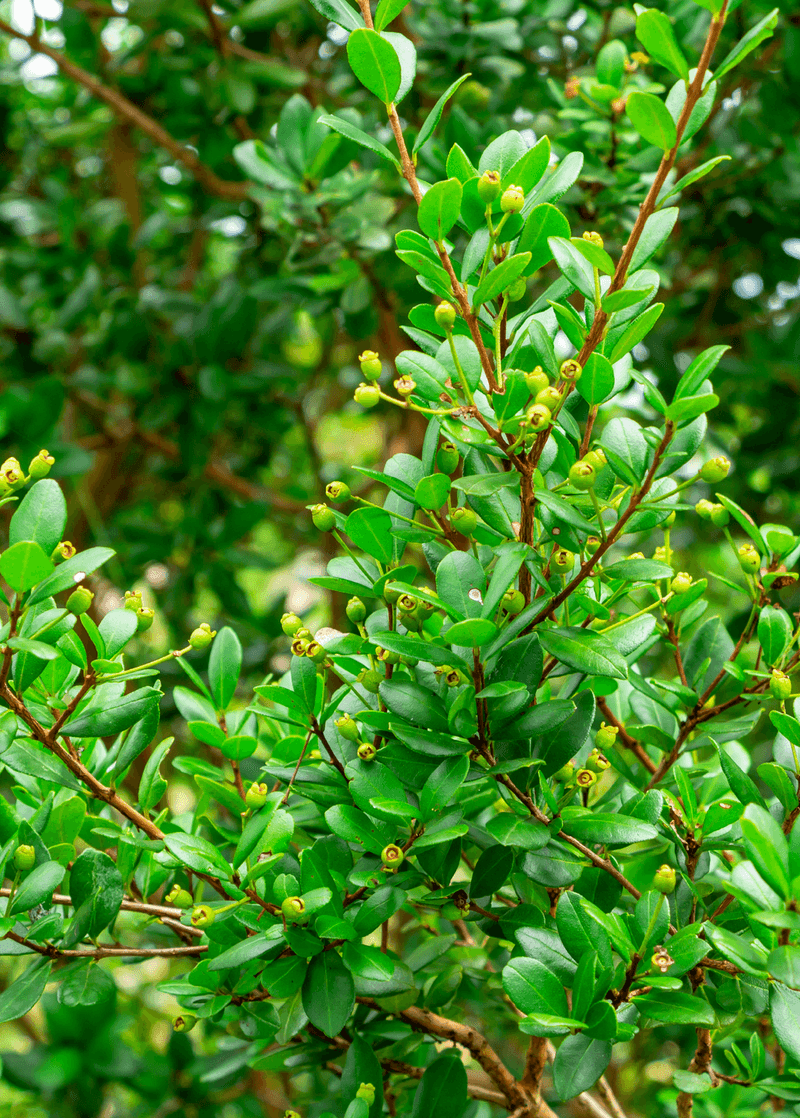
Simpson’s Stopper is one of Florida’s best-kept gardening secrets. This native evergreen shrub produces delicate white flowers with a sweet fragrance, followed by small orange-red berries that birds eagerly snack on throughout the year.
It handles full sun, salt air, and drought without missing a beat, making it ideal for coastal Florida yards. Growth is slow and dense, so it works well as a privacy hedge or foundation planting.
Once established, it needs almost nothing from you except occasional admiration.