



In times of war, creativity often emerged from necessity, especially in the kitchen. People found innovative ways to stretch limited resources, turning humble ingredients into life-sustaining meals. This list explores ten such unusual wartime meals, highlighting the resilience and ingenuity of those who crafted them.
Mock Duck
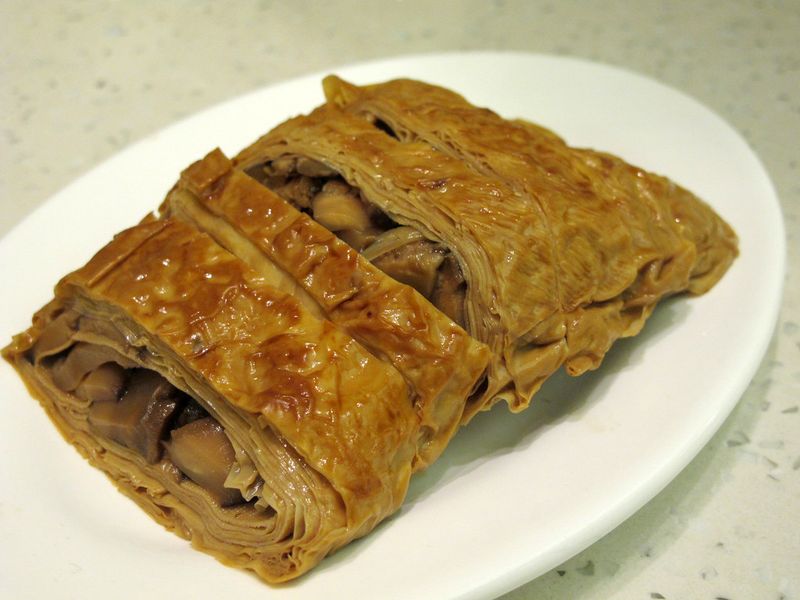
Mock Duck wasn’t your standard poultry but a creation born from scarcity. Made from cabbage leaves, onions, and spices, it mimicked the texture of duck. Served in British households during World War II, this dish provided comfort despite meat shortages.
The clever use of simple ingredients showcased resourcefulness. The cabbage was often rolled and tied to resemble duck skin. Adding gravy enhanced the flavor.
Mock Duck became a beloved alternative during tough times, highlighting the ability to adapt traditional recipes when essentials were limited.
Carrot Candy

Amid sugar rationing, Carrot Candy offered a sweet reprieve. People boiled carrots, then sprinkled sugar to create this treat. The result was both surprising and delightful.
Carrots became a versatile ingredient during the war, praised for their availability and sweetness. This innovation made carrots appealing to children, who missed their usual candies.
These sweet sticks not only satisfied cravings but also demonstrated how limited resources could be transformed into cherished snacks. Such ingenuity made everyday life a bit brighter.
Spam Fritters
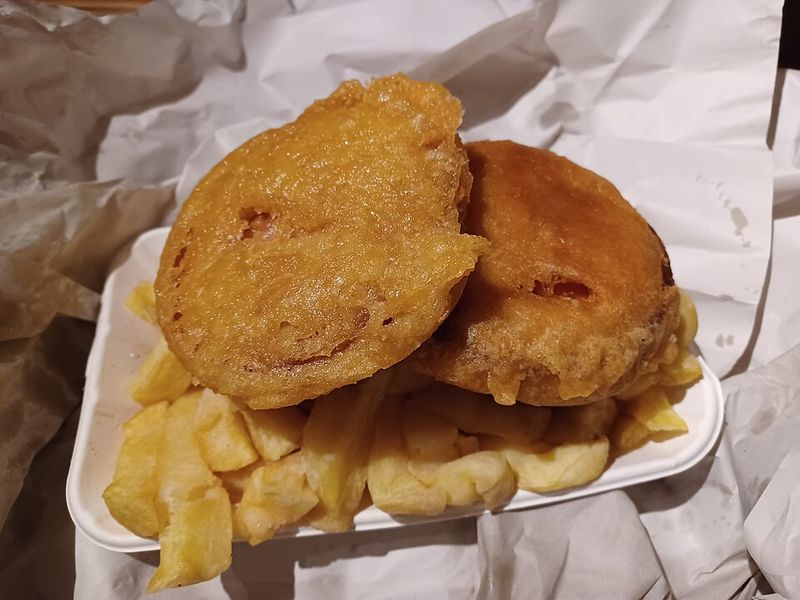
Spam Fritters were a popular treat when fresh meat was scarce. The canned meat, Spam, became a pantry staple. Coated in batter and fried, it provided a flavorful, crispy delight.
Spam was loved for its long shelf life and versatility. The fritters were quick to prepare, adding variety to repetitive menus.
Families embraced this dish, appreciating the taste and convenience. It highlighted how canned goods could transform daily meals, offering comfort when fresh produce was unavailable.
Eggless Cakes
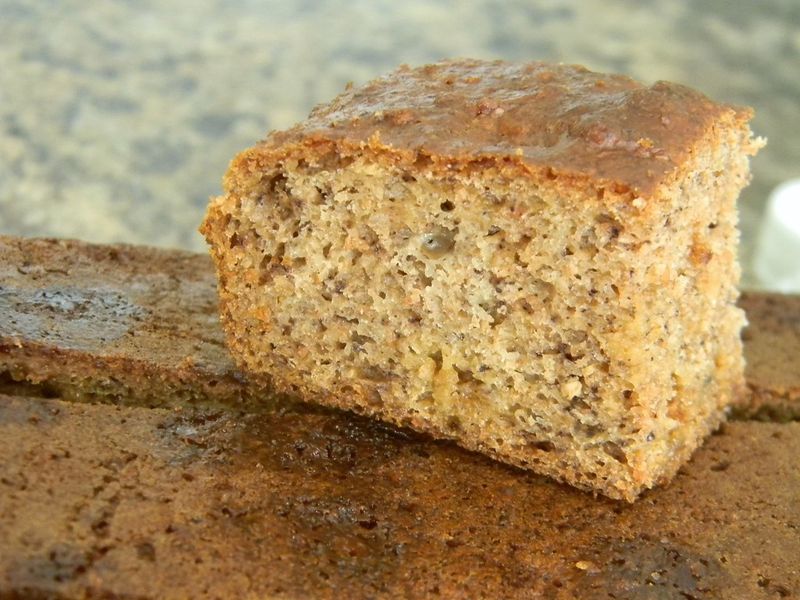
Eggless Cakes became a beloved dessert when eggs were unavailable. Creative bakers used ingredients like vinegar and baking soda to achieve desired texture.
The cakes offered sweetness without luxury, proving that restrictions couldn’t stifle culinary creativity. Chocolate or vanilla flavors were common, adding a touch of indulgence.
This dessert became popular in homes across the United States. It was a testament to adaptability, showing how traditional recipes could evolve to meet the times.
Sausage Pie

Sausage Pie offered a hearty meal when meat was rationed. Combining sausages with mashed potatoes under a crust, it was filling and flavorful.
This dish allowed families to stretch their meat supply. Sausages provided enough taste to satisfy cravings without using too much of the rationed meat.
The pie was baked to golden perfection, making it a comforting presence on dinner tables. It highlighted how simple, accessible ingredients could create satisfying meals amidst scarcity.
National Loaf
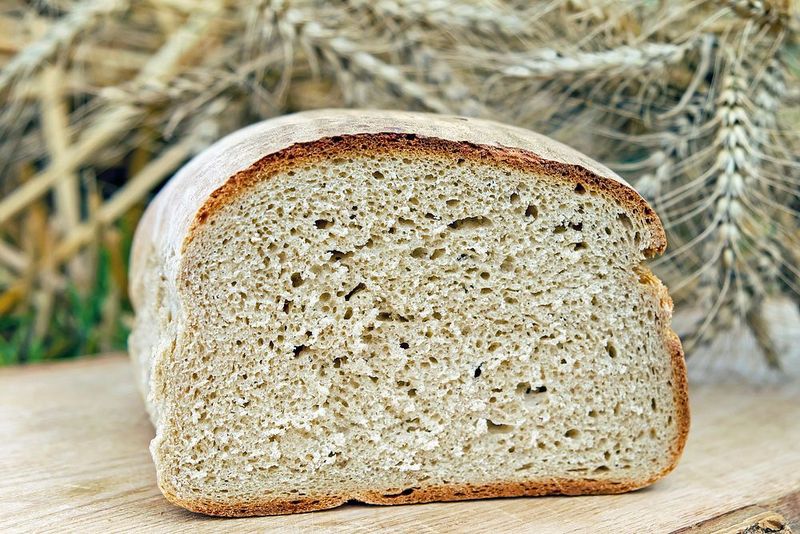
The National Loaf became Britain’s daily bread during the war. Made from wholemeal flour, it was a nutritious and dense staple. Introduced due to white bread shortages, it faced mixed reviews.
The loaf was packed with fiber. Though criticized for its heaviness, it was essential for sustenance. Adding margarine made it more palatable.
This bread was more than just a food item; it was a reflection of adaptation. Its introduction was crucial in ensuring the nation was fed during tough times.
Potato Soup
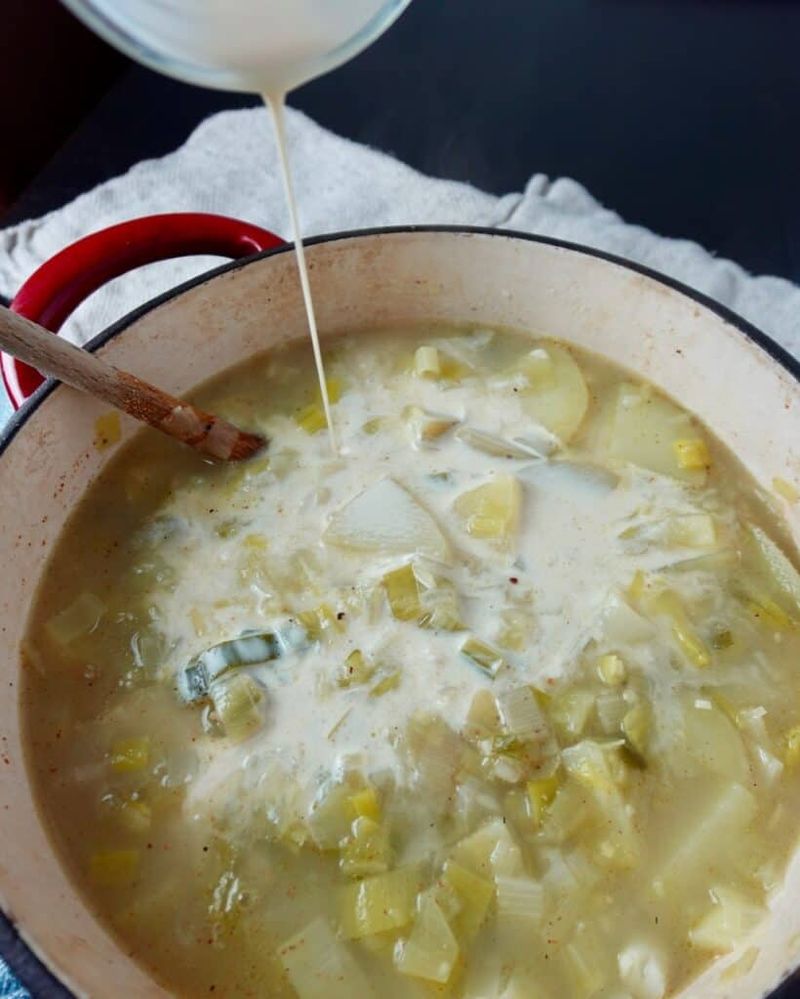
Potato Soup was a lifesaver during rationing. Potatoes, being abundant, were transformed into a nourishing soup. This dish was simple yet hearty, providing warmth and sustenance.
Often seasoned with herbs, it offered a comforting flavor. The soup became a staple in many households, showcasing the art of making the most out of basic ingredients.
Potato Soup symbolized resilience, reminding people that even in scarcity, a humble meal could be both nourishing and satisfying.
Turnip Hash

Turnip Hash emerged as a clever way to use abundant root vegetables. Turnips, onions, and herbs were cooked together, resulting in a flavorful dish.
This hash was a versatile side or main course, appreciated for its simplicity. It highlighted the ingenuity of home cooks during challenging times.
Turnip Hash was a testament to making do with what was available. It provided a sense of nostalgia, reminding families of shared meals and enduring spirit.
Woolton Pie
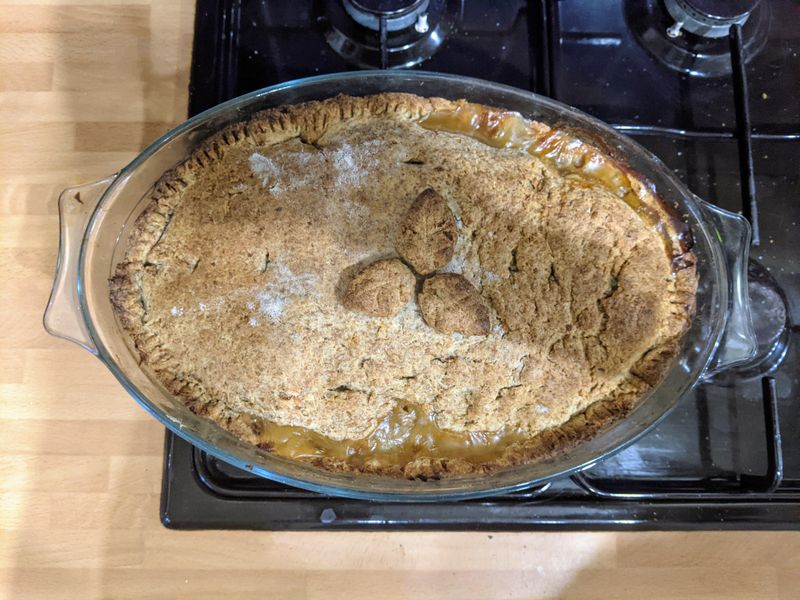
Named after Lord Woolton, this pie was a wartime staple in Britain. It featured a medley of vegetables like potatoes, carrots, and turnips. These were cooked together under a pastry crust.
The dish represented a nation’s resilience, using hearty yet humble ingredients. It was served in canteens and homes alike, becoming a symbol of unity.
The pie’s simplicity was its charm. With no meat required, it was both economical and filling, emphasizing the spirit of perseverance during challenging times.
Dandelion Salad
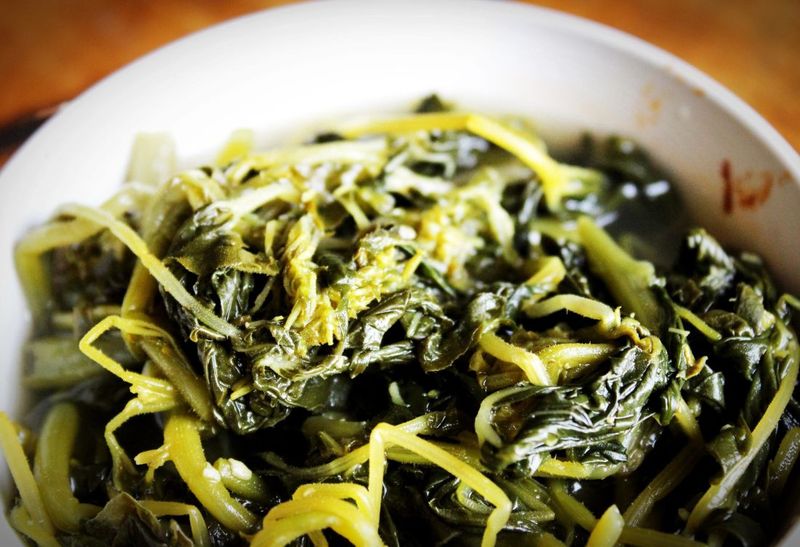
Dandelion Salad was a unique addition to wartime diets. Foraged dandelion greens became an essential ingredient, mixed with a basic vinaigrette.
The salad was both refreshing and nutritious, offering vitamins when fresh produce was scarce. Gathering dandelions became a community activity, adding a social element.
This salad symbolized creativity and resourcefulness, turning a common weed into a valuable food source. It was more than just a dish; it was a mark of ingenuity and adaptability.