



French fries are a beloved dish worldwide, often enjoyed with a variety of condiments. But their history is rich with intriguing tales and surprising twists. Here are 12 fascinating facts about the origins and evolution of this crunchy delight.
Origin Debate
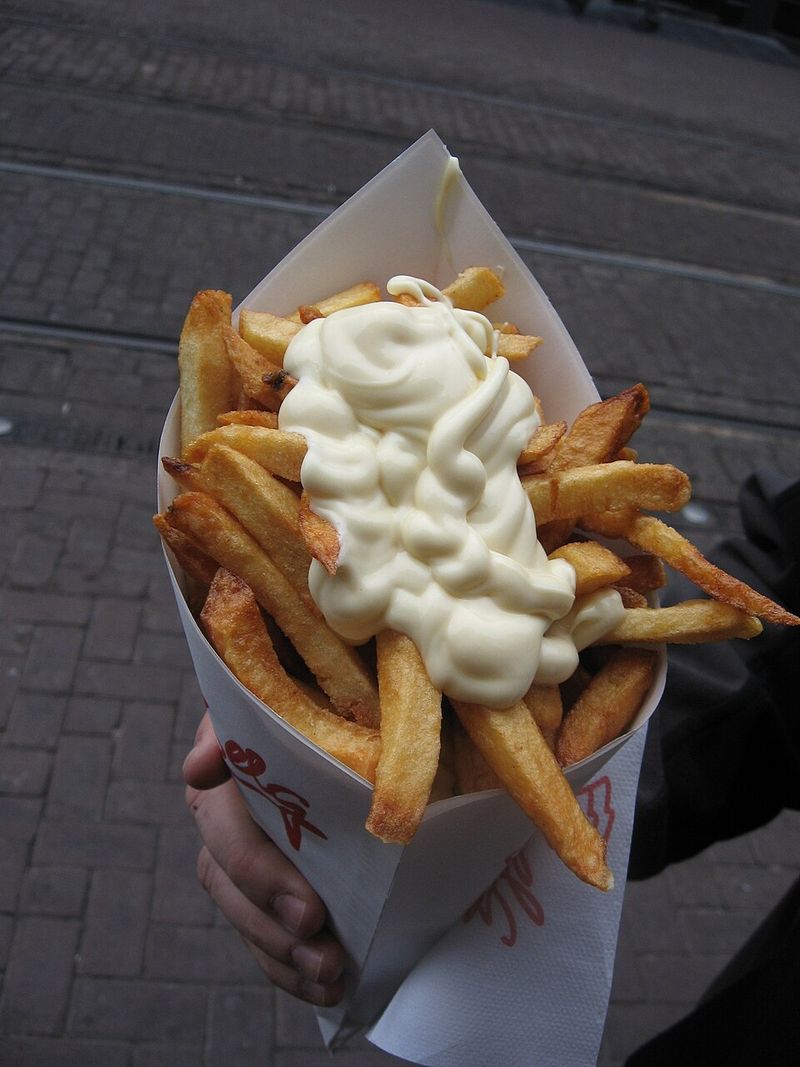
Who first invented the French fry? This question sparks lively debates between Belgians and the French. Belgium claims that fries were born in the Meuse Valley, where villagers fried fish. When the river froze, they turned to potatoes.
France, on the other hand, argues that street vendors in Paris were serving fries by the late 18th century. Each country has its culinary pride, and neither is willing to concede.
This cultural rivalry continues to enrich the story of the French fry, adding flavor to its already crispy history.
Thomas Jefferson’s Influence
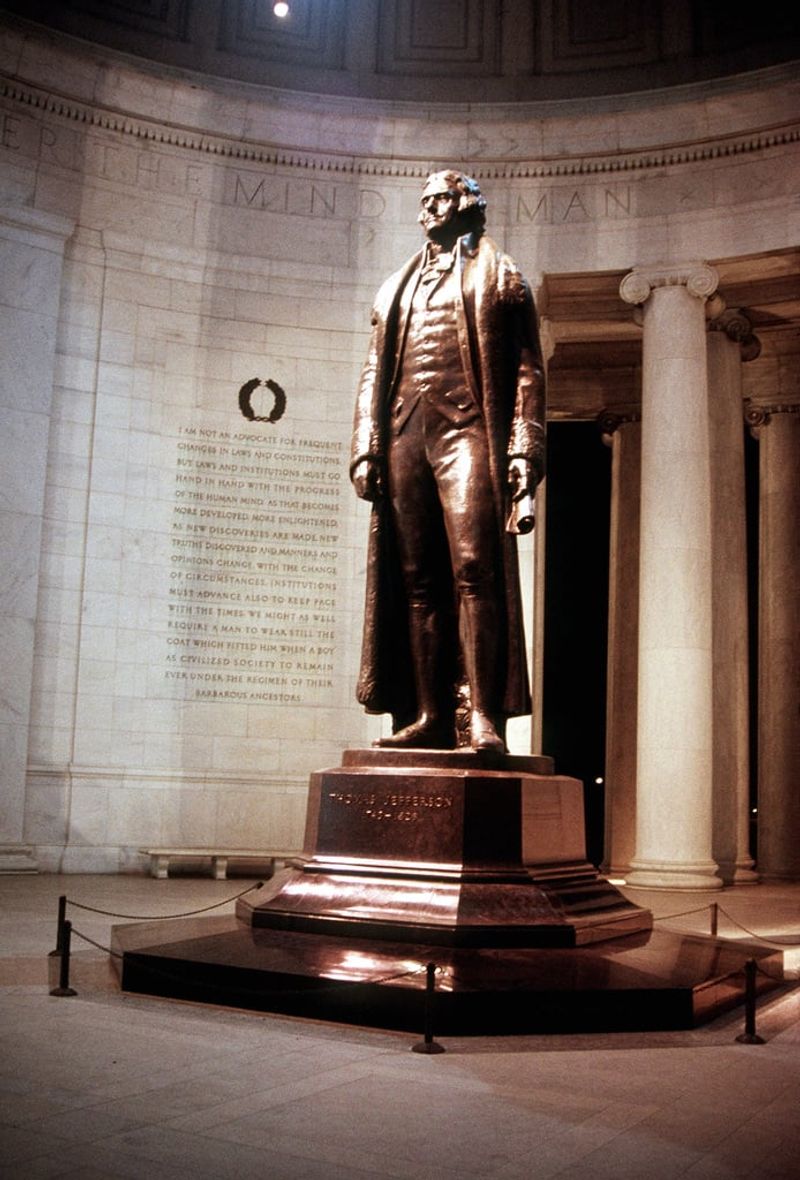
Thomas Jefferson, America’s third president, is credited with introducing French fries to the United States. During his time in France, he developed a taste for “pommes frites.”
Upon returning home, he requested his French-trained chef to prepare them at a White House dinner. This distinct dish quickly gained popularity among the American elite.
Jefferson’s refined palate didn’t just blend political ideas but also culinary delights, which continue to sizzle through American culture.
Not French at All
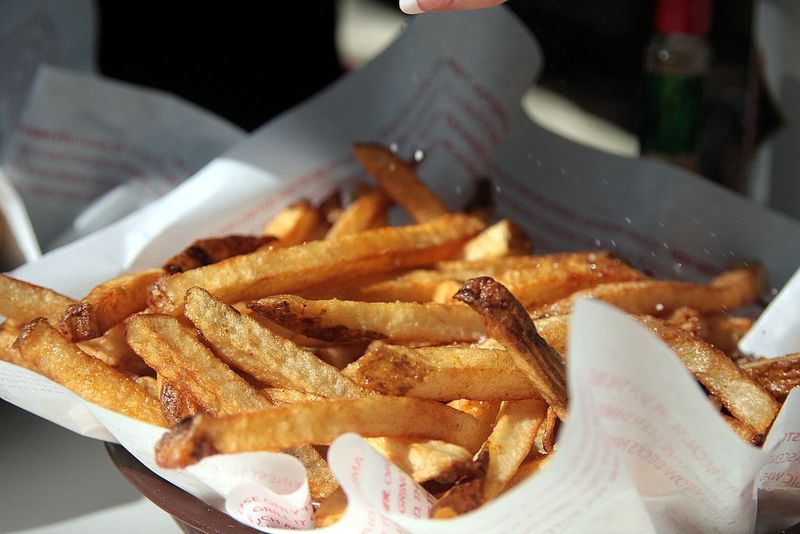
Despite the name, French fries aren’t inherently French. The term “French” refers to the cutting style known as “frenched.”
In the 19th century, the British often referred to them as “French fried potatoes.” The name stuck and spread, painting a somewhat misleading picture of their origin.
This little confusion highlights how culinary terms can sometimes puzzle the palate, adding a sprinkle of mystery to ordinary meals.
WWI Soldiers’ Role
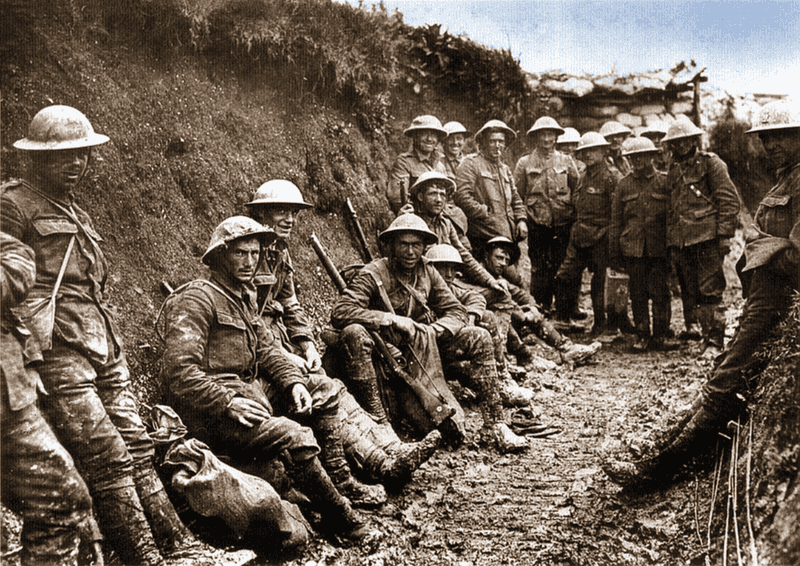
American soldiers returning from World War I played a pivotal role in popularizing French fries. Stationed in Belgium, they tasted the local delicacies known as “pommes frites.”
Upon their return, they carried the memory of these tasty treats, spreading the love for fries across the United States.
This cross-cultural exchange underscores how wartime experiences often leave unexpected imprints on culinary traditions, turning rations into cherished recipes.
The Fast Food Revolution
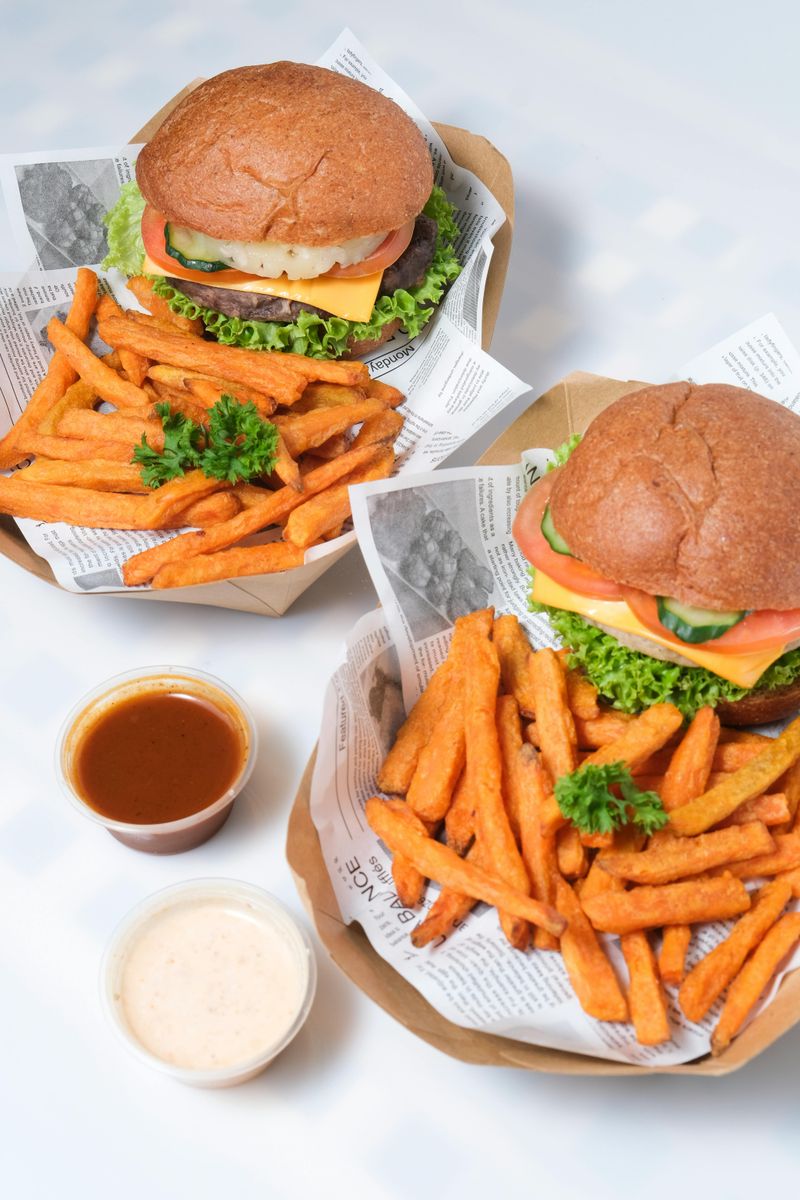
The 1950s marked a turning point for French fries, as fast food chains began to emerge. Fries quickly became a staple alongside burgers and shakes.
This convenience food captured the essence of modern life, offering a quick, delicious escape from home-cooked meals. The golden arches of McDonald’s, along with other chains, propelled fries into the spotlight.
The fast food revolution turned fries into an iconic symbol of American culture, beloved by millions worldwide.
The World’s Largest Fry
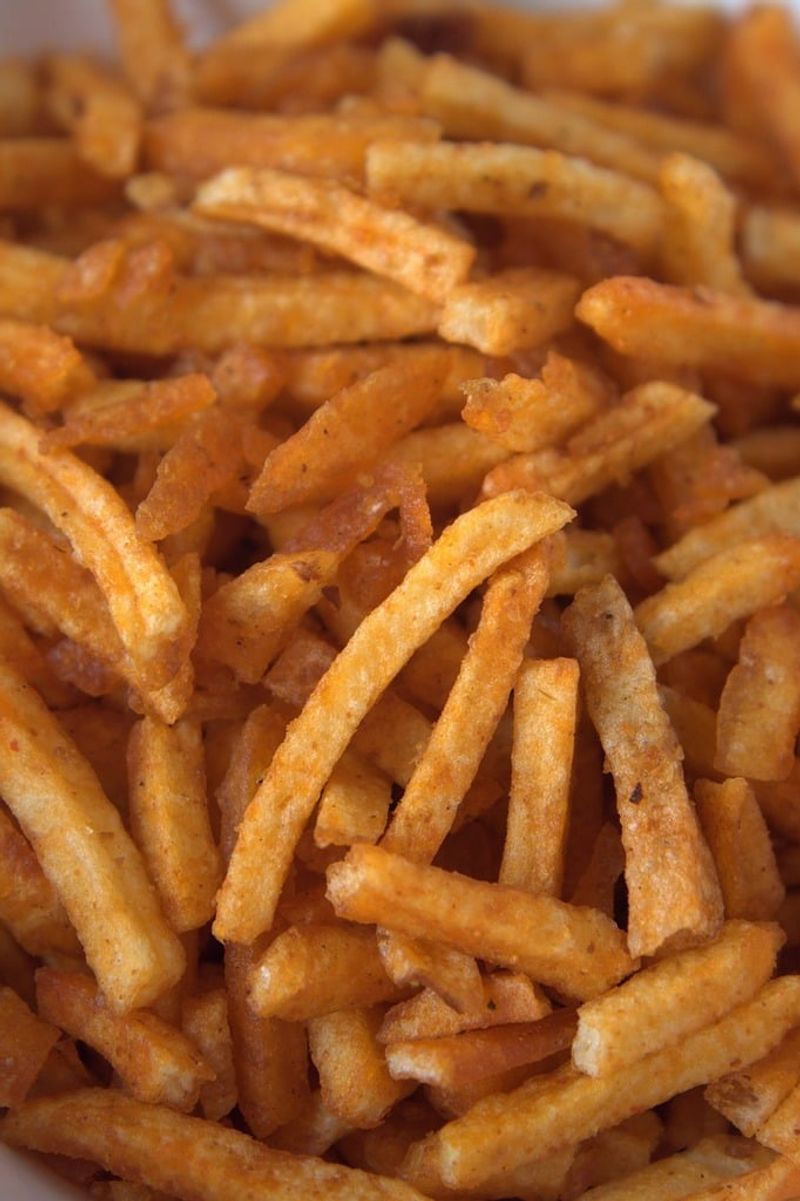
In 2018, a Canadian chef created the world’s largest French fry, measuring over 34 inches long. This Guinness World Record attempt took place at a local fair.
Crafting this colossal fry required ingenuity and a bit of culinary madness. It was a true spectacle, drawing crowds and cameras as it sizzled its way into history.
The event celebrated the playful side of cooking, reminding us that food can be both art and entertainment.
The French Fry Museum
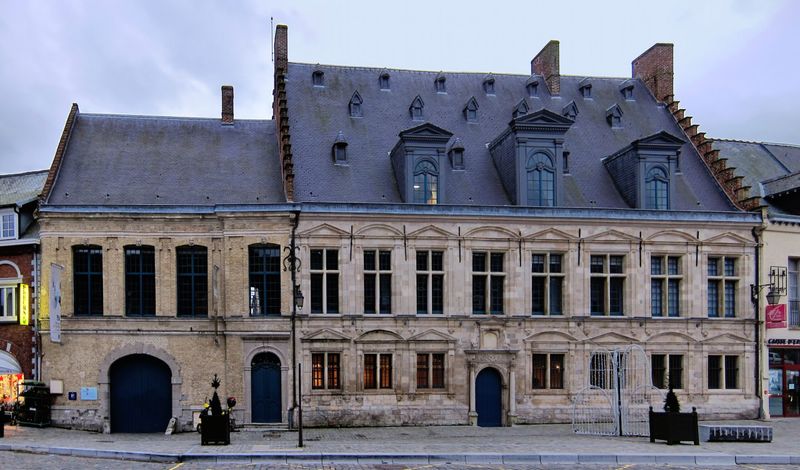
Did you know there’s an entire museum dedicated to French fries? The Frietmuseum in Bruges, Belgium, offers a deep dive into their crispy history.
Visitors can explore exhibits detailing the potato’s journey from tuber to treat. The museum even offers tastings of various fry styles.
This cultural institution celebrates a simple pleasure, showing how a humble snack can capture the imagination and taste buds of generations.
Curly Fries Invention
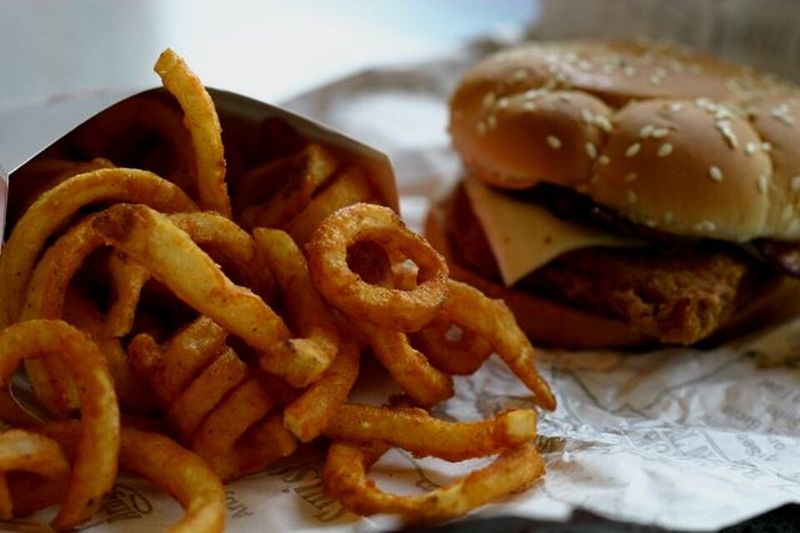
Curly fries add a twist to the traditional French fry experience. Their inception is often attributed to the creative flair of a 1970s chef.
This playful shape enhances crispiness and holds flavors differently, making each bite a delightful surprise. The innovation quickly caught on, becoming a favorite in fast-food menus.
Curly fries remind us how creativity in the kitchen can reinvent even the most familiar dishes, bringing joy to our plates.
Environmental Impact
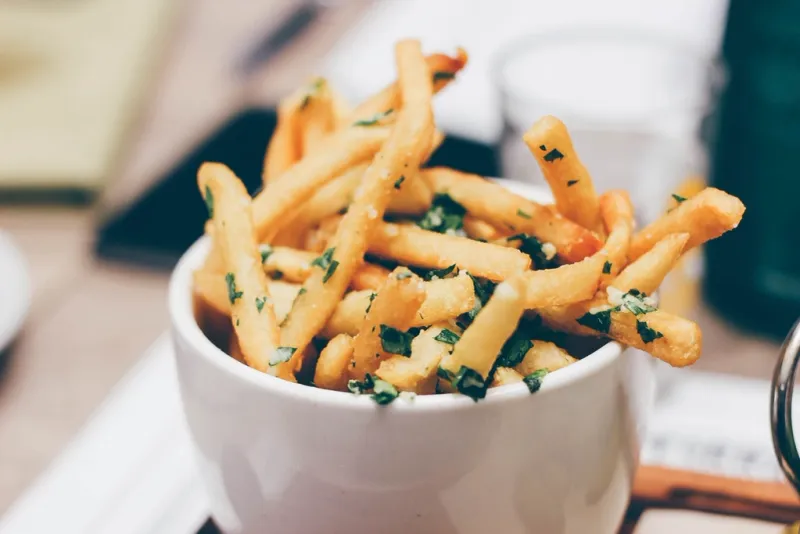
French fry production has seen significant advancements in sustainability. Many companies now focus on reducing waste and energy consumption.
Innovative farming and production techniques ensure that potatoes are transformed into fries with minimal environmental impact. This shift reflects a growing awareness of food’s ecological footprint.
Such efforts highlight the industry’s commitment to preserving our planet, offering a taste that’s both delicious and responsible.
Sweet Potato Fries
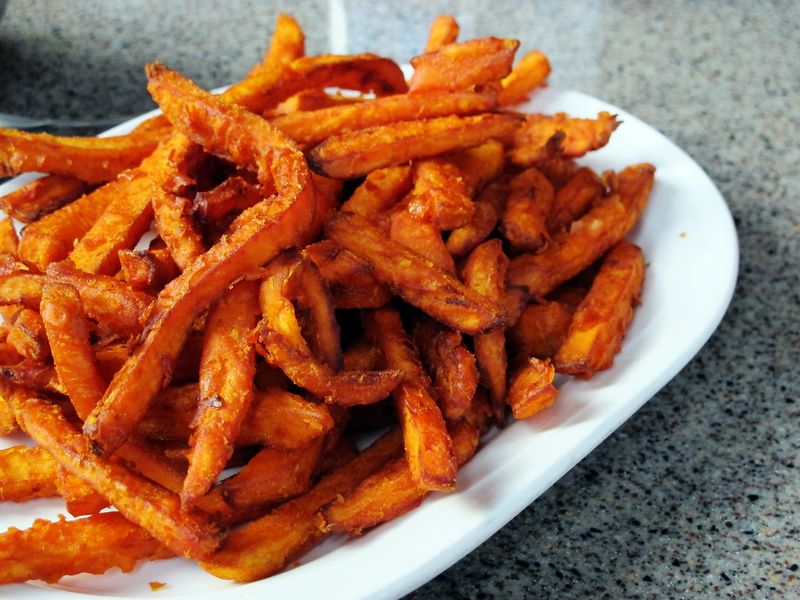
Sweet potato fries offer a colorful alternative to traditional fries. Their rise in popularity mirrors a growing interest in diverse, health-conscious options.
Packed with vitamins and a hint of natural sweetness, these fries cater to those seeking variation without sacrificing taste. Many eateries now offer them as a staple side dish.
This trend exemplifies how culinary traditions can evolve, embracing new ingredients and flavors while honoring classic roots.
Variety of Cuts
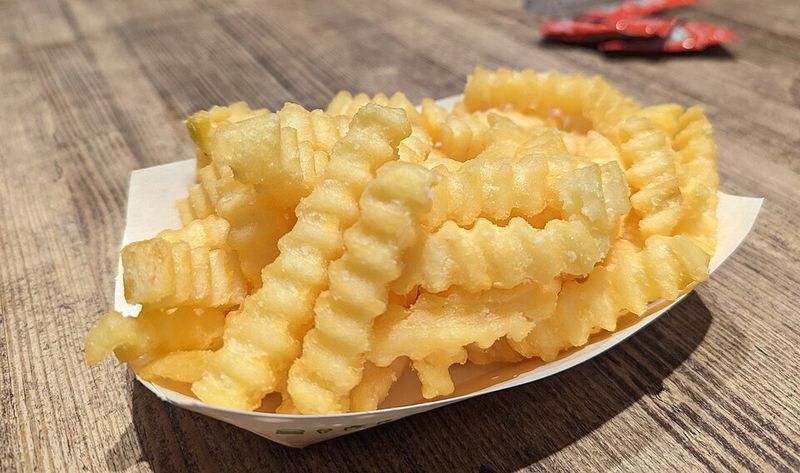
French fries come in various cuts, each offering a unique texture and taste experience. From crinkle-cut to shoestring, the options are endless.
These different styles allow chefs to experiment with seasoning and dipping sauces, creating a personalized fry experience for every palate.
This variety ensures that the simple fry remains endlessly adaptable, a canvas for culinary creativity across cultures and cuisines.
Healthier Fry Alternatives

Healthier alternatives to traditional frying methods are gaining traction. Air fryers and baking offer ways to enjoy fries with less oil.
These techniques reduce calories while maintaining the crispy texture beloved by fry enthusiasts. The trend reflects a broader movement toward mindful eating.
Such innovations showcase the dynamic nature of culinary arts, where tradition meets technology to satisfy both taste and health.