



Cooking can be a joyful exploration, but small errors can transform a delicious dish into a disappointing experience. Understanding these common pitfalls can help keep your culinary creations on track.
Overcrowding the Pan
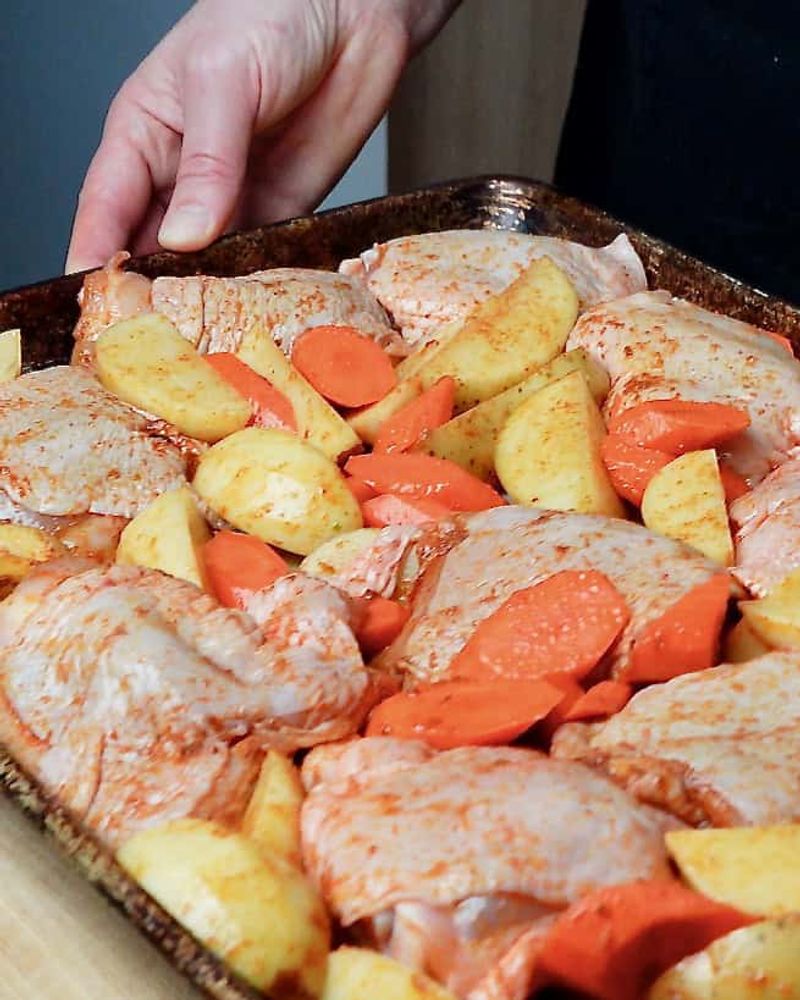
Craving that perfect sear on your steak? Overcrowding the pan might be what’s standing in your way. When too much is added to a pan, it drops the temperature, causing food to steam rather than brown.
This results in a soggy texture instead of a crispy crust. Give your ingredients some elbow room so each piece cooks evenly. A well-spaced pan ensures that heat circulates properly, providing a satisfying, crunchy exterior.
By cooking in batches or using a larger pan, you maintain the heat, leading to better results.
Ignoring Meat Resting Period
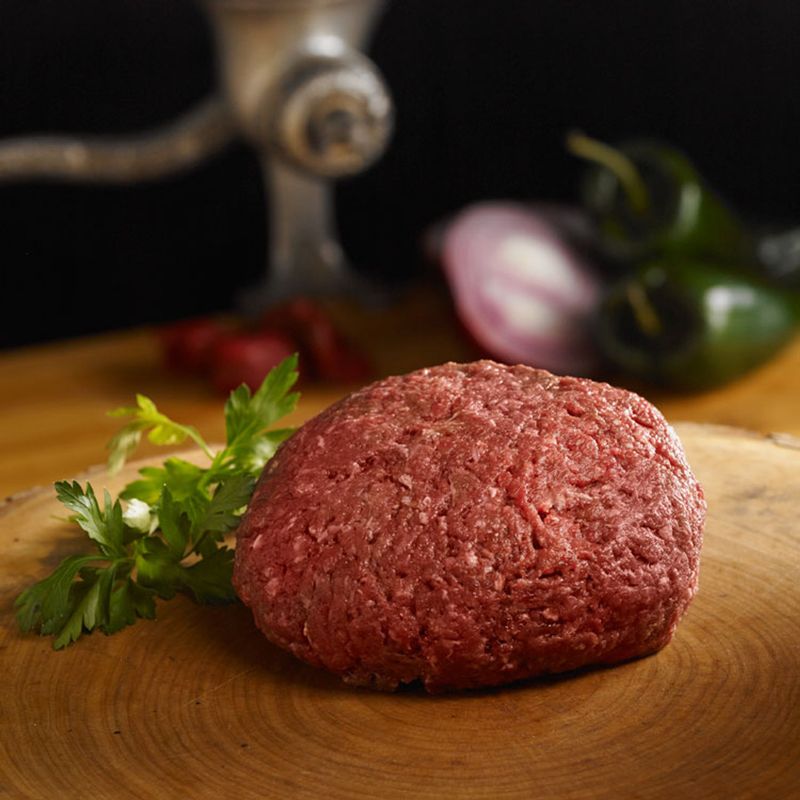
Ever cut into a steak and found it dry? Ignoring the resting period might be the culprit. Resting meat allows juices to redistribute evenly, keeping it tender and moist.
Cutting too soon causes flavorful juices to escape, leaving you with a dry piece of meat. Patience pays off in this case, as a well-rested steak will reward you with a succulent bite.
A simple five to ten minutes of resting can make all the difference, elevating your dish.
Using Cold Ingredients
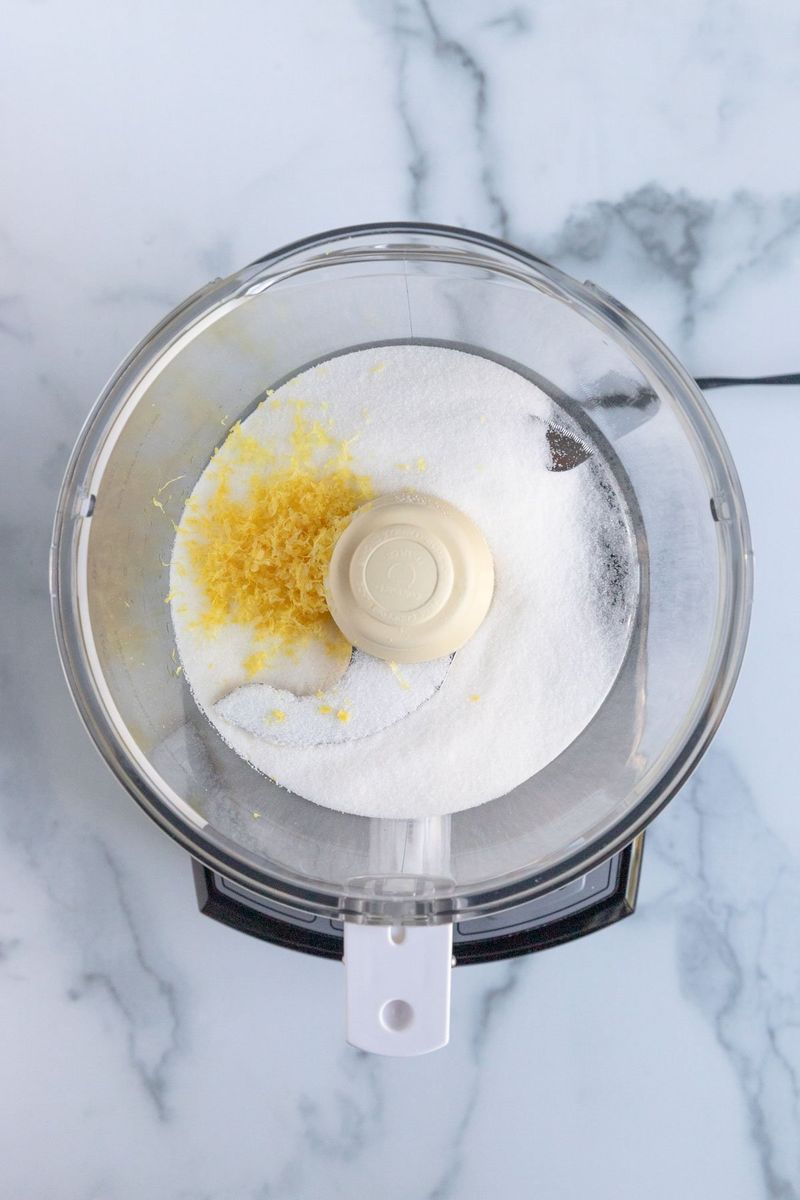
Are your cakes dense instead of fluffy? Cold ingredients might be the reason. Baking with cold butter or eggs can lead to uneven mixing and result in a less-than-perfect texture.
Room temperature ingredients mix more smoothly, leading to better aeration and a lighter crumb. Allowing dairy and eggs to sit out for a short while before baking can transform your baked goods into something spectacular.
This simple step ensures a delightful treat that melts in your mouth.
Skipping Mise en Place
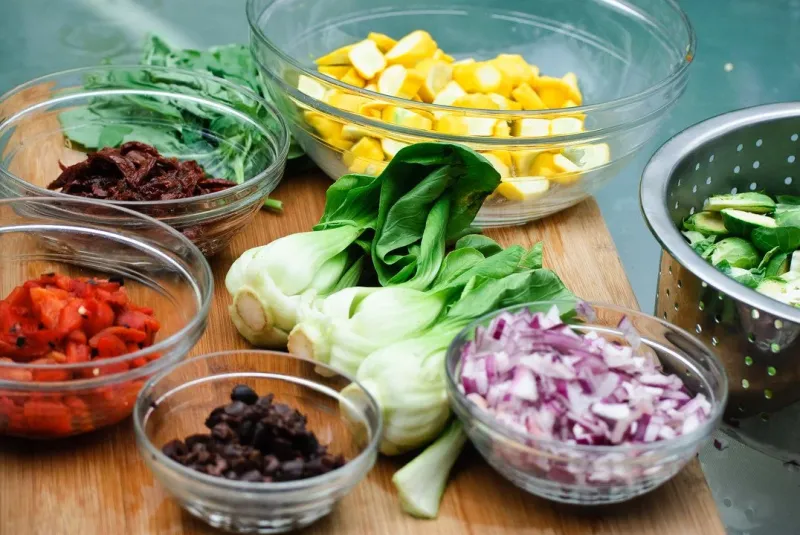
Feeling frantic while cooking can lead to mistakes. Skipping mise en place, or the practice of having everything prepped and ready, often results in chaos.
By organizing and preparing ingredients before starting to cook, you streamline the process and reduce the chance of errors. Keeping a neat workspace allows you to focus on cooking techniques rather than searching for missing items.
This organized approach can turn a stressful task into a joyful experience.
Misreading Recipes
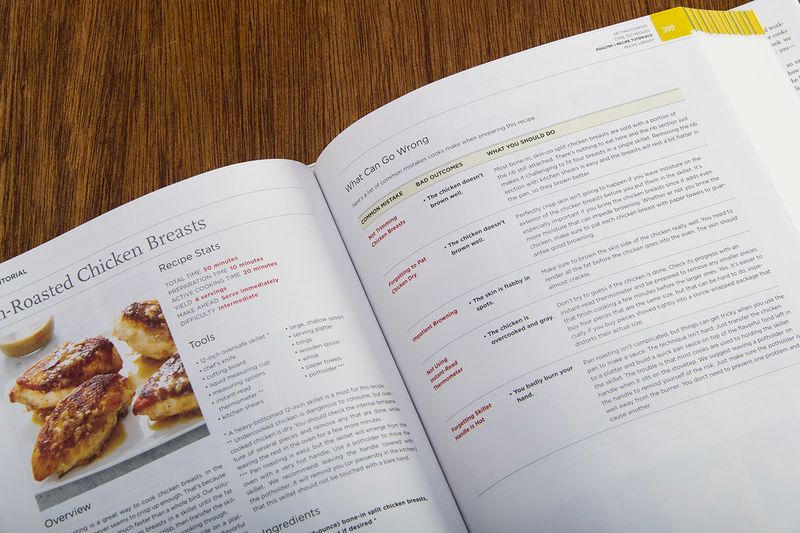
Ever ended up with a dish that doesn’t taste quite right? Misreading recipes can lead to such culinary mishaps. Carefully reading and understanding a recipe before beginning ensures that you have the right ingredients and tools.
Rushing through a recipe can cause you to miss vital steps or make incorrect substitutions, leading to disappointing results.
Taking the time to read thoroughly can make the difference between a successful dish and a culinary flop.
Using Dull Knives
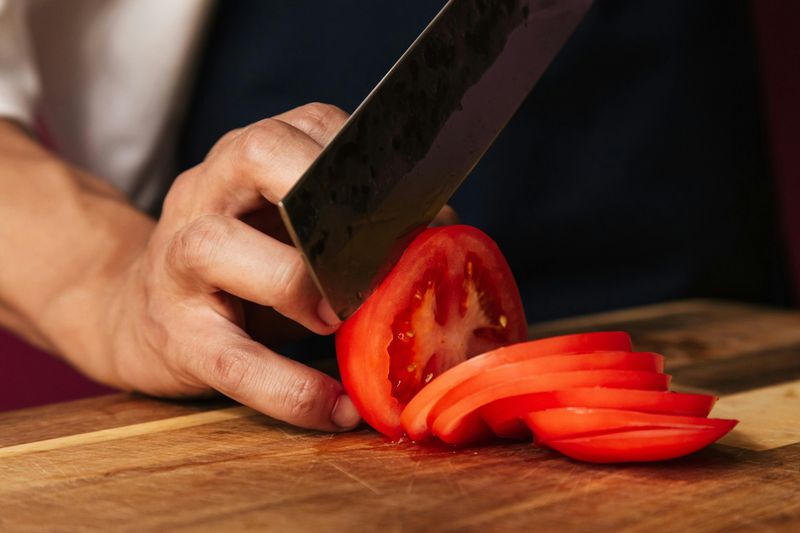
Struggling to chop veggies? Your knife might be dull. Using a dull knife not only makes cutting more difficult but also dangerous. A sharp knife provides better control, allowing precise cuts with less effort.
Dull blades tend to slip, increasing the risk of injury and resulting in uneven pieces that cook unevenly. Regular sharpening keeps your knives in top condition, making cooking safer and more enjoyable.
A sharp knife is a chef’s best friend, enhancing your culinary skills.
Overcooking Vegetables
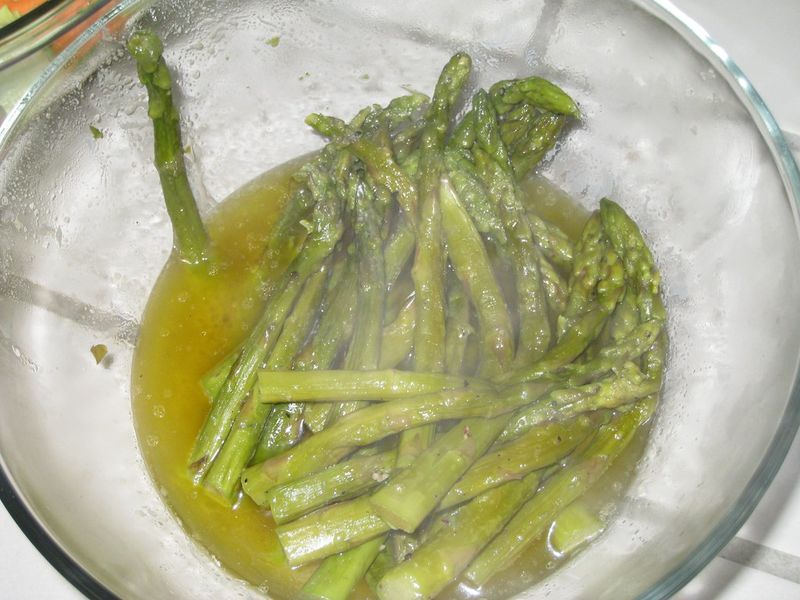
Longing for vibrant, crisp vegetables? Overcooking might be the issue. Cooking vegetables for too long can strip them of their color, nutrients, and texture, leaving them unappealing and mushy.
To preserve their flavor and nutritional value, aim for a tender-crisp texture. Blanching is an excellent technique to achieve this, as it maintains vibrant colors and freshness.
A little attention to timing can transform your vegetables into a delightful side dish.
Ignoring Seasoning
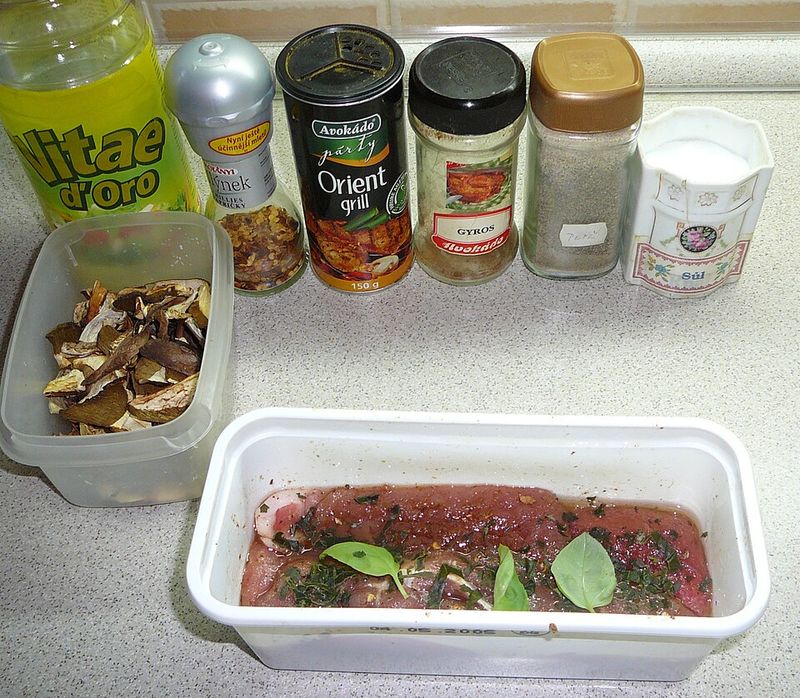
Ever tasted a dish that felt flat? Ignoring proper seasoning might be to blame. Salt enhances flavors and brings out the natural taste of ingredients.
Under-seasoning can lead to a bland dish, while over-seasoning can overpower the flavors. Taste as you cook, adjusting the seasoning gradually for a well-balanced flavor profile.
A pinch of salt at the right moment elevates your dish, making it a culinary delight.
Using the Wrong Oil
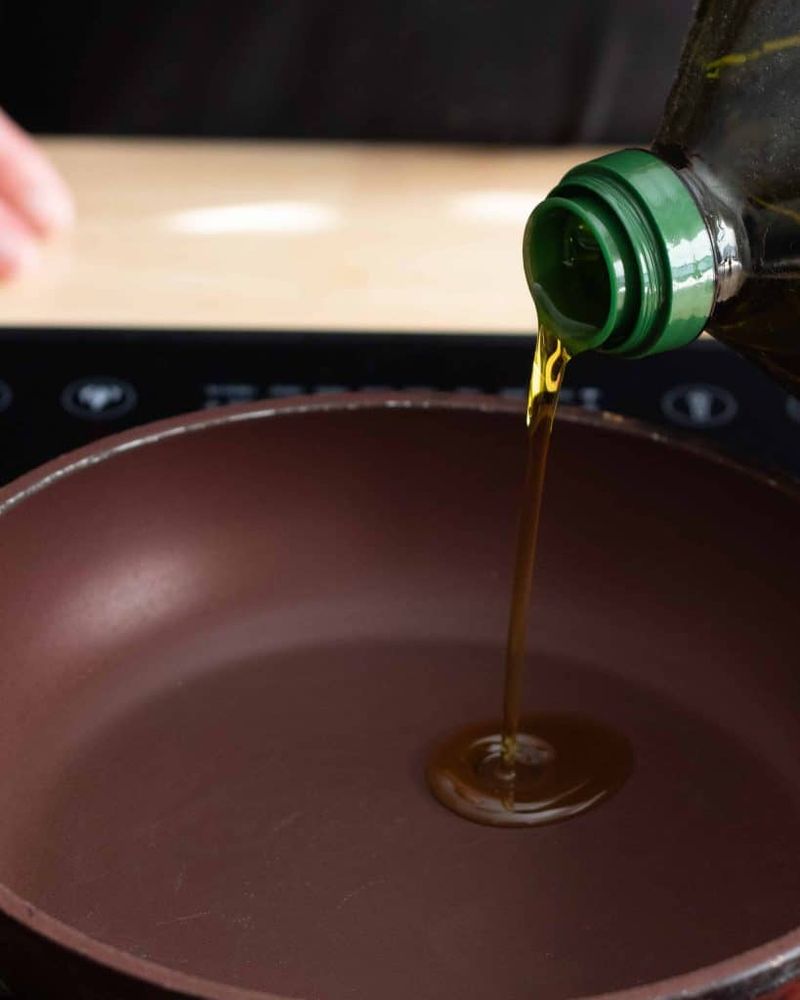
Is your dish smoking up the kitchen? Using the wrong oil might be the culprit. Different oils have varying smoke points, and using one with a low smoke point at high temperatures can lead to burnt flavors.
Understanding the right oil for the cooking method ensures optimal flavor and health benefits. For high heat, oils like canola or grapeseed are ideal, while olive oil suits low to medium heat.
This simple knowledge can enhance your cooking significantly.
Not Preheating the Oven
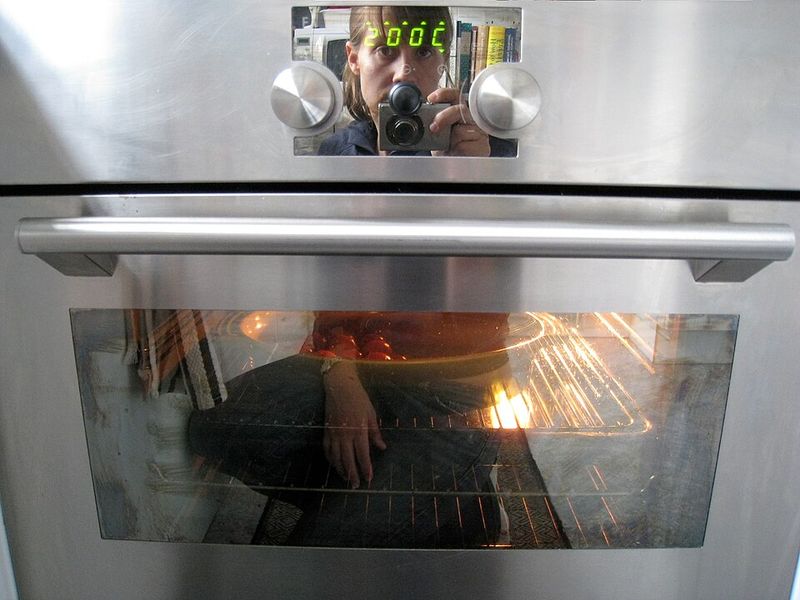
Ever wondered why your cake didn’t rise? It might be because the oven wasn’t preheated. Preheating ensures that your dish cooks evenly and reaches the desired texture.
Baking in a cold oven leads to uneven temperatures, affecting the consistency and appearance of baked goods. Preheating provides the right environment for rising and browning, creating perfect results.
A well-preheated oven is the secret to baking success.
Overusing Garlic
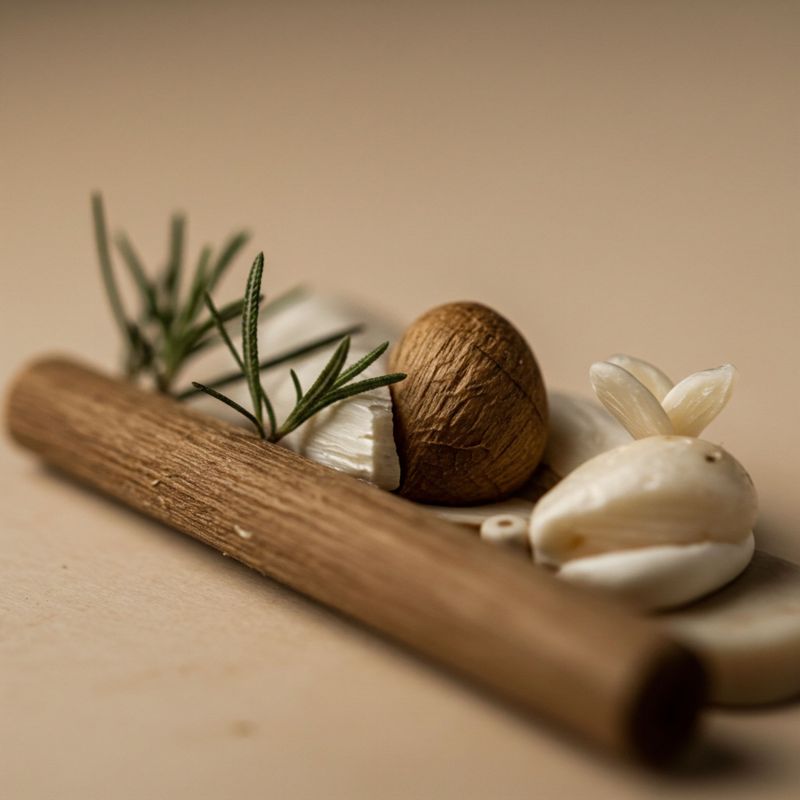
Overwhelmed by garlic flavor? You might be using too much. Garlic is a potent ingredient, and overusing it can overpower other flavors in a dish, leading to an unbalanced taste.
A restrained approach, using garlic to enhance rather than dominate, creates a delightful harmony. Consider the role garlic plays in your recipe and adjust accordingly to suit your taste.
Sometimes, less is more when it comes to this aromatic bulb.
Boiling Instead of Simmering
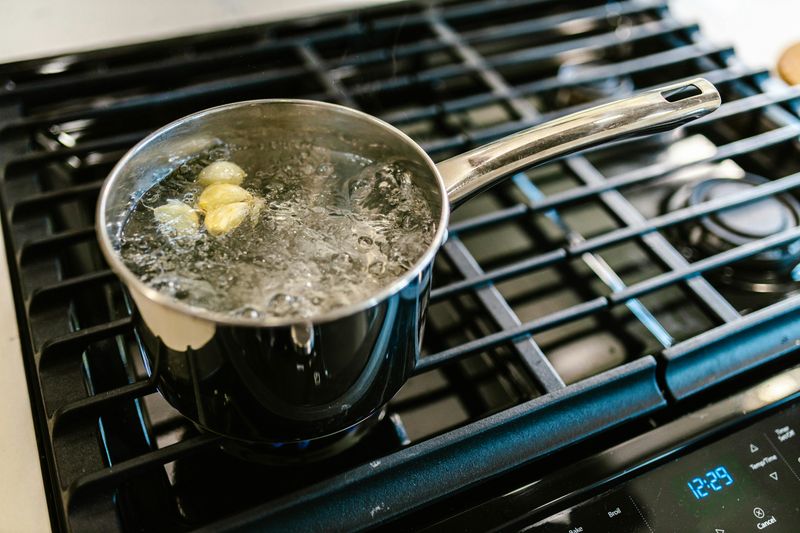
Is your sauce too thin? You might be boiling instead of simmering. Boiling can break down delicate ingredients, leading to a loss of flavor and undesirable texture.
Simmering, on the other hand, gently cooks ingredients, allowing flavors to meld beautifully. It’s the key to a rich, flavorful broth or sauce. Monitor your heat, maintaining a gentle bubble to achieve the perfect consistency.
This subtle difference can elevate your cooking.
Overmixing Batter
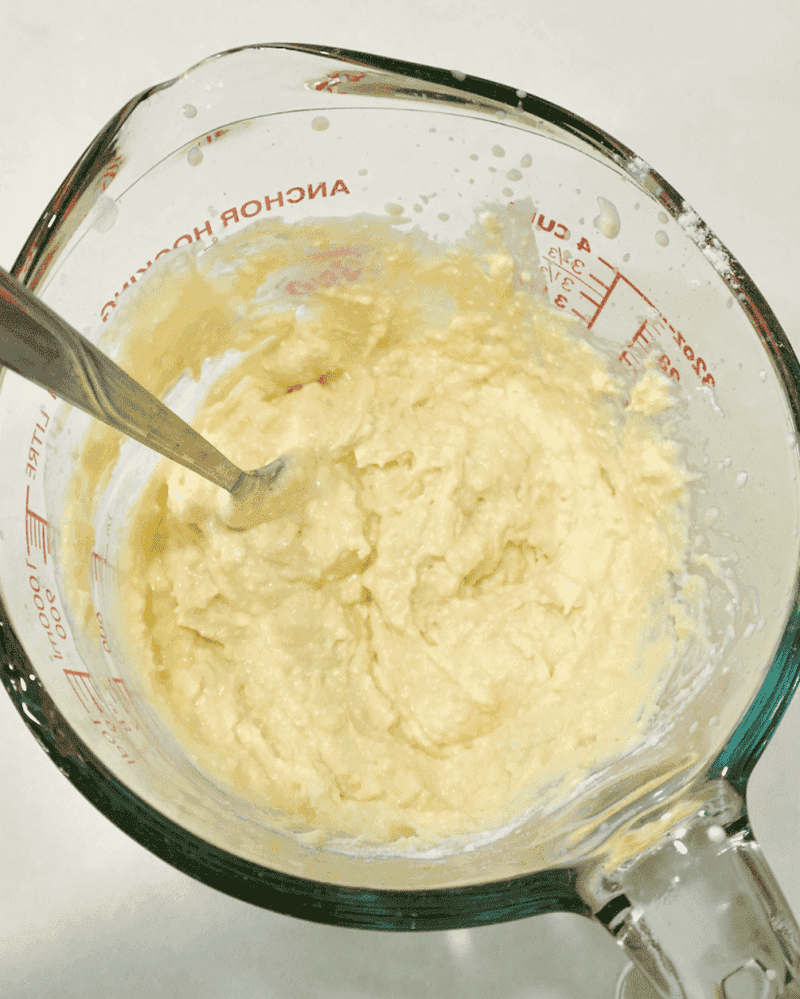
Are your pancakes dense? Overmixing the batter might be the reason. Stirring too much can develop gluten, leading to a tough texture.
A gentle approach, mixing just until combined, keeps baked goods light and airy. Lumps in the batter are okay; they’ll cook out, leading to a tender result.
This careful method ensures your pancakes or muffins turn out fluffy and delicious.
Using the Wrong Pot Size
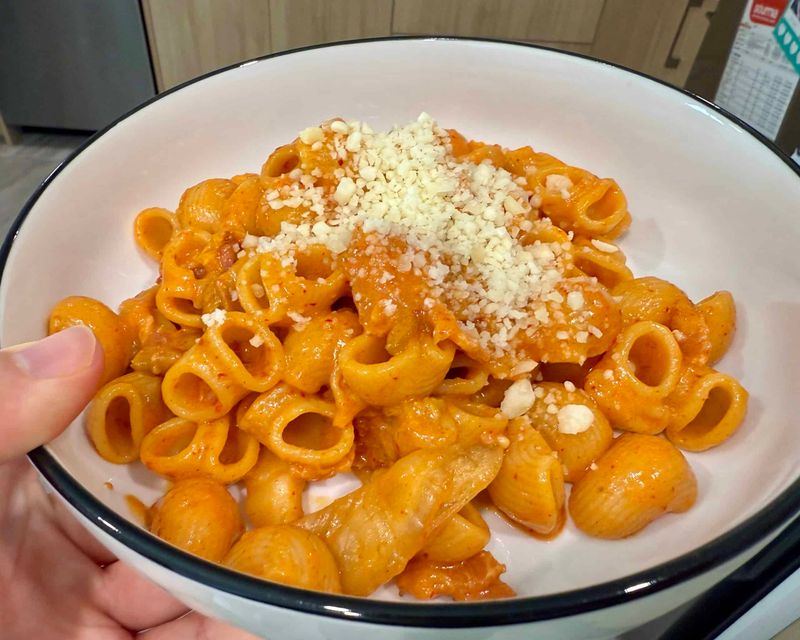
Pasta sticking together? The wrong pot size might be the issue. Cooking with a pot that’s too small restricts movement, causing food to clump and cook unevenly.
Using a pot with ample space allows water to circulate, leading to evenly cooked pasta and reducing the chance of sticking. For best results, choose a pot that accommodates your ingredients comfortably.
This consideration leads to a more enjoyable meal.
Skipping Tasting as You Cook
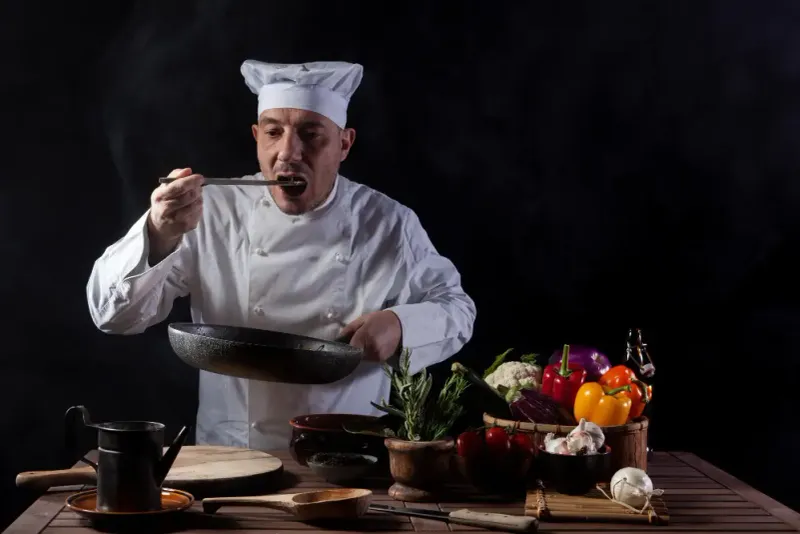
Ever served a dish only to find it lacked flavor? Skipping tasting while cooking might be why. Regular tasting allows you to adjust seasoning and flavors, ensuring the dish meets your taste preferences.
It’s a vital part of the cooking process, helping to avoid surprises at the dinner table. Trust your palate and make adjustments as needed, leading to a balanced, delicious meal.
Your taste buds are your best guide.