


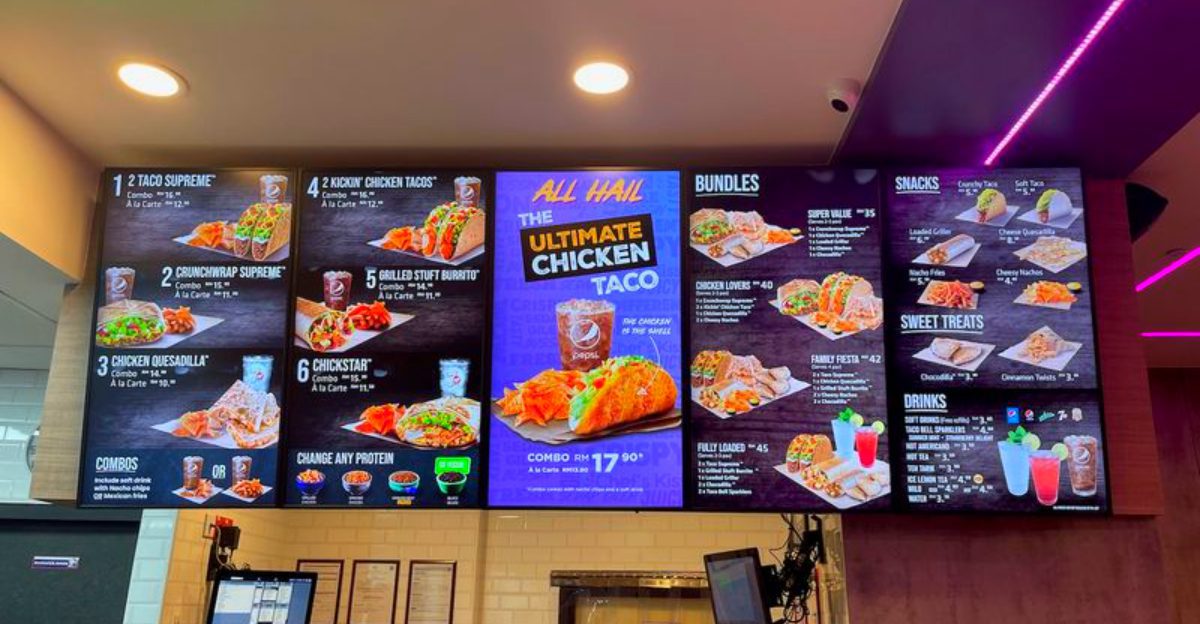
Fast food menus never sit still, and that sparks fierce nostalgia. One change can turn loyal fans into lifelong critics or unexpected champions. You have probably stood at a counter, noticing a missing favorite or a surprising new sign, wondering who approved it. Let’s revisit the most debated shifts that still fuel arguments today.
Old Menu Board

Remember the old menu boards that seemed to capture the essence of a bustling fast food joint? These retro signs, often adorned with vivid colors and classic typography, were a staple in many restaurants.
They displayed simple, straightforward choices: burgers, fries, and shakes. The charm of these boards lay in their simplicity, making choices feel easy and familiar.
For some, they evoke memories of childhood outings or late-night runs, a nostalgic reminder of a simpler time in dining. The old menu board is missed not just for its design but for the memories it holds.
Menu redesign
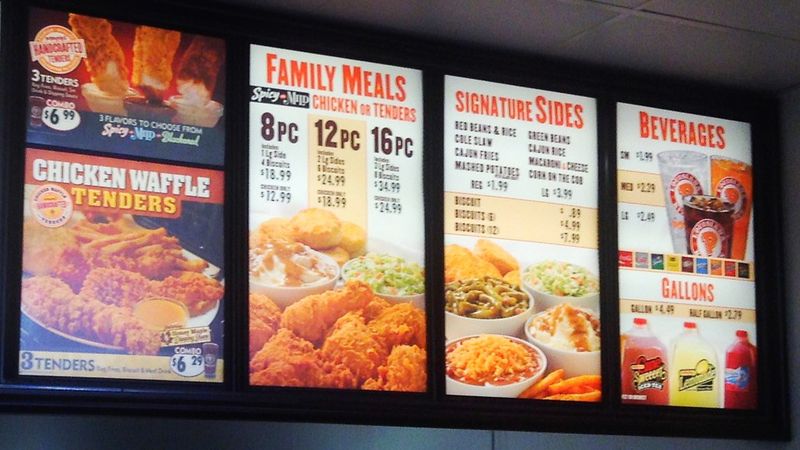
Remember when the menu was a simple board with prices you could memorize? The redesign brought glossy photos, digital screens, and animated upsells that never stop moving. You can feel torn between clearer choices and a sense that something familiar got replaced.
Skeptics argue the new look nudges you to spend more. Supporters say accessibility improved, especially with larger fonts and calorie info. Either way, the vibe changed, and people still debate whether style outshined substance.
Standing in line, you notice how the screen shuffles combos like a slot machine. It dazzles you, but does it inform you?
Removed menu item
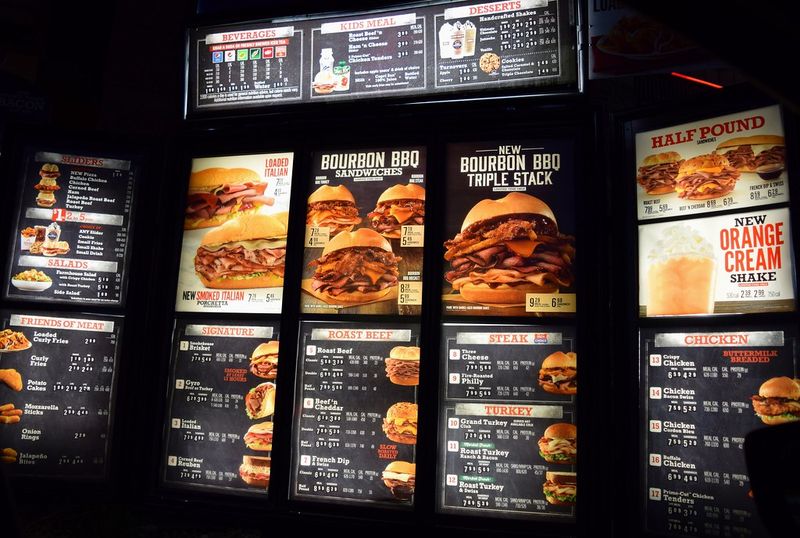
There is nothing like discovering your favorite item vanished overnight. One day it is a cult classic, the next it is a memory whispered in Reddit threads. You feel betrayed, especially when staff suggest a hack that never tastes the same.
Companies say low sales forced the call. Fans counter that poor marketing doomed it first. The fight never ends, and petitions spring up like dandelions.
You hold out hope for a surprise comeback. Then a limited-time tease appears, fueling a frenzy. It proves scarcity can be strategy, not just accounting.
New packaging menu
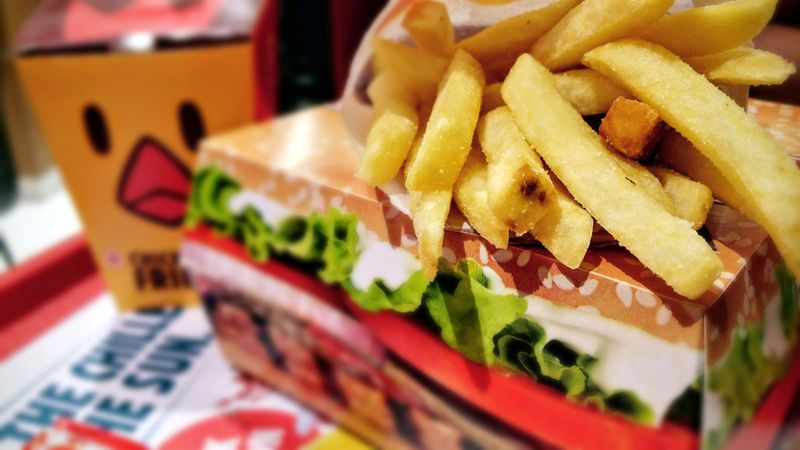
Packaging changes affect how you order and what you expect. New containers promise less mess, better heat retention, and greener materials. You might cheer compostable boxes while wondering if fries will stay crisp.
Some claim packaging is pure branding theater. Others point out that lids, vents, and folds can transform a sandwich on the go. The debate comes alive every time a flimsy box collapses.
Designers insist small tweaks reduce waste and improve speed. You care about the feel in your hand and the temperature when you bite. Both sides have a point.
Breakfast menu sign
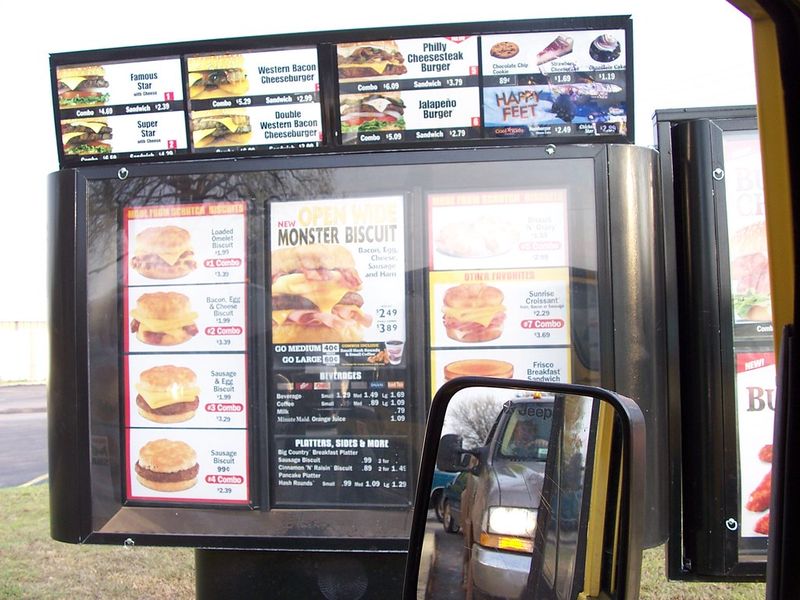
Breakfast signs used to flip like clockwork at a specific hour. Now, digital boards blur the line, teasing all day possibilities without promises. You pull up at 10:35 hoping for a biscuit and hold your breath.
All day breakfast sounded perfect until kitchens struggled with complexity. Operational realities collide with cravings, and you hear both sides at the speaker. The sign feels like a contract you want honored.
When it vanishes, tempers flare online. Nostalgia for predictable hours still battles convenience. You just want your hash browns without a policy lecture.
Combo meal changes
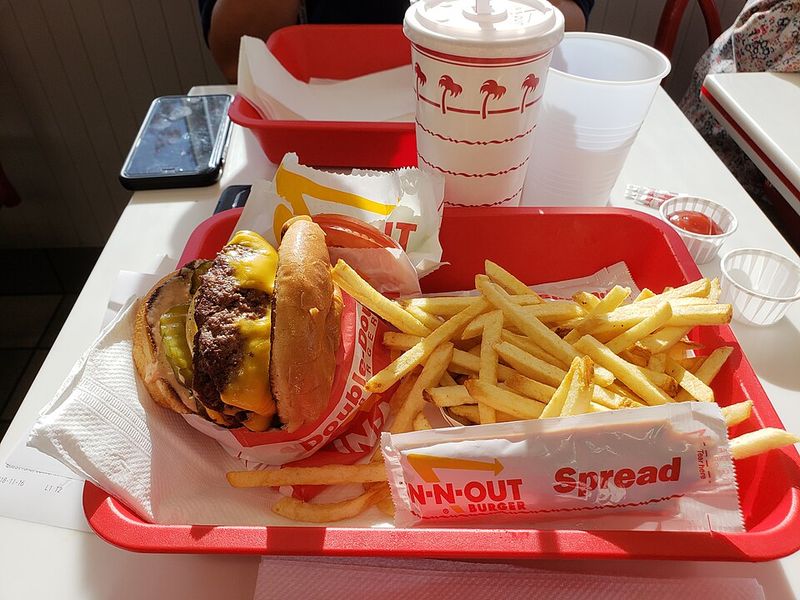
Combos once felt simple: burger, fries, drink. Then came tiers, mix and match sides, and premium upgrades that complicate quick choices. You squint at tiny text trying to compare value across endless permutations.
Fans love customizing, but critics say price per item quietly creeps up. The math becomes a mini puzzle at the counter. You just want the best deal without a spreadsheet.
When combos shift, debates ignite about transparency. Was value improved or obscured? The answer depends on what you order and how closely you calculate.
Dessert menu removal
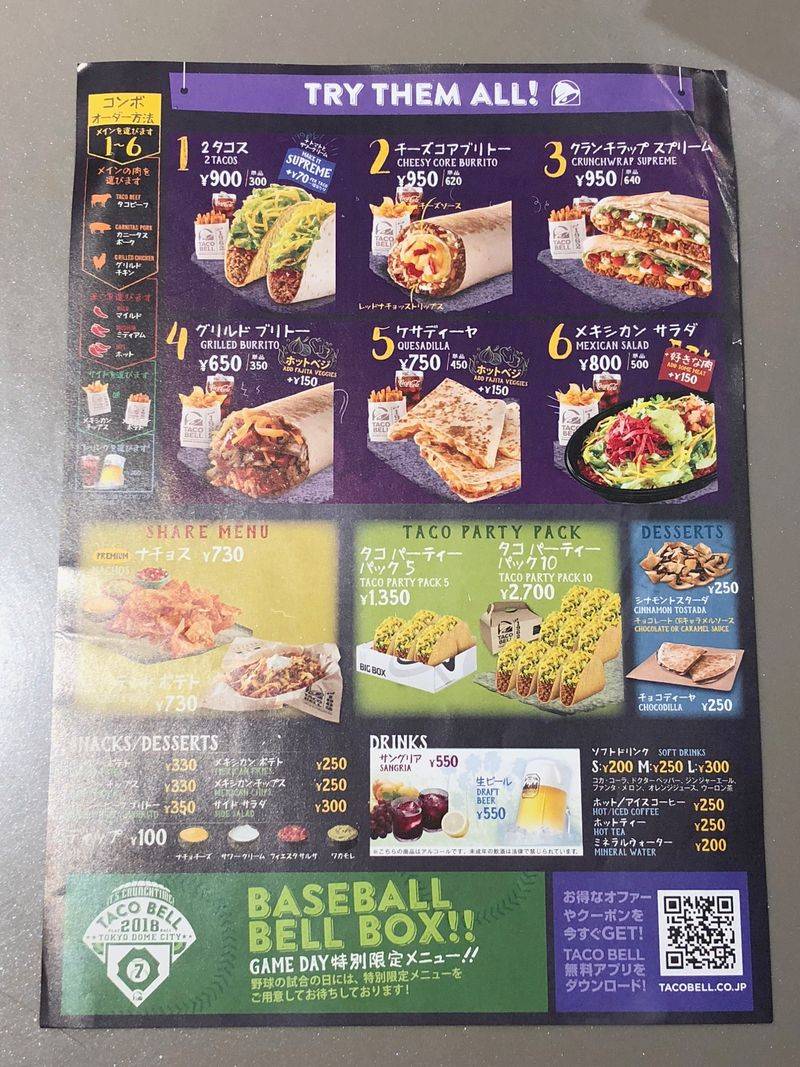
One day the dessert case simply disappeared. No more warm pies or sundaes that crowned a salty meal. You wonder if it was demand or a cost cut that melted the sweet finish.
Some celebrate fewer temptations. Others grieve the ritual of splitting a sundae on plastic spoons. The loss feels bigger than the calories.
Brands cite equipment maintenance and slow turns. Fans cite memories and the perfect balance of hot and cold. In the end, a meal without dessert can feel unfinished for you.
Drink size changes
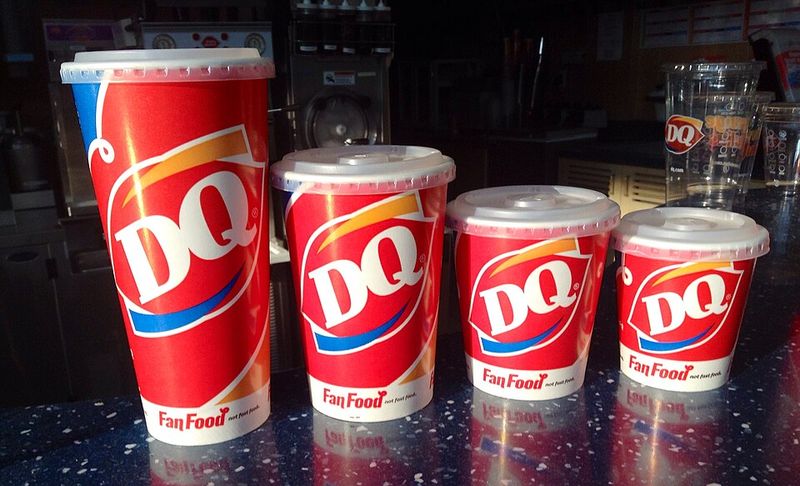
You have watched cup sizes expand, shrink, and rename themselves. A medium from 2005 might be a small today, and that confuses expectations. The label on the board rarely tells your thirst the whole story.
Health advocates push for moderation and clarity. Operators push for margins and fewer SKUs. You end up guessing how much iced soda you are actually buying.
Arguments flare about ounces, refills, and straw sizes. Transparency helps, but marketing names muddle things. You just want a drink that matches the moment without surprise.
Kids menu redesign
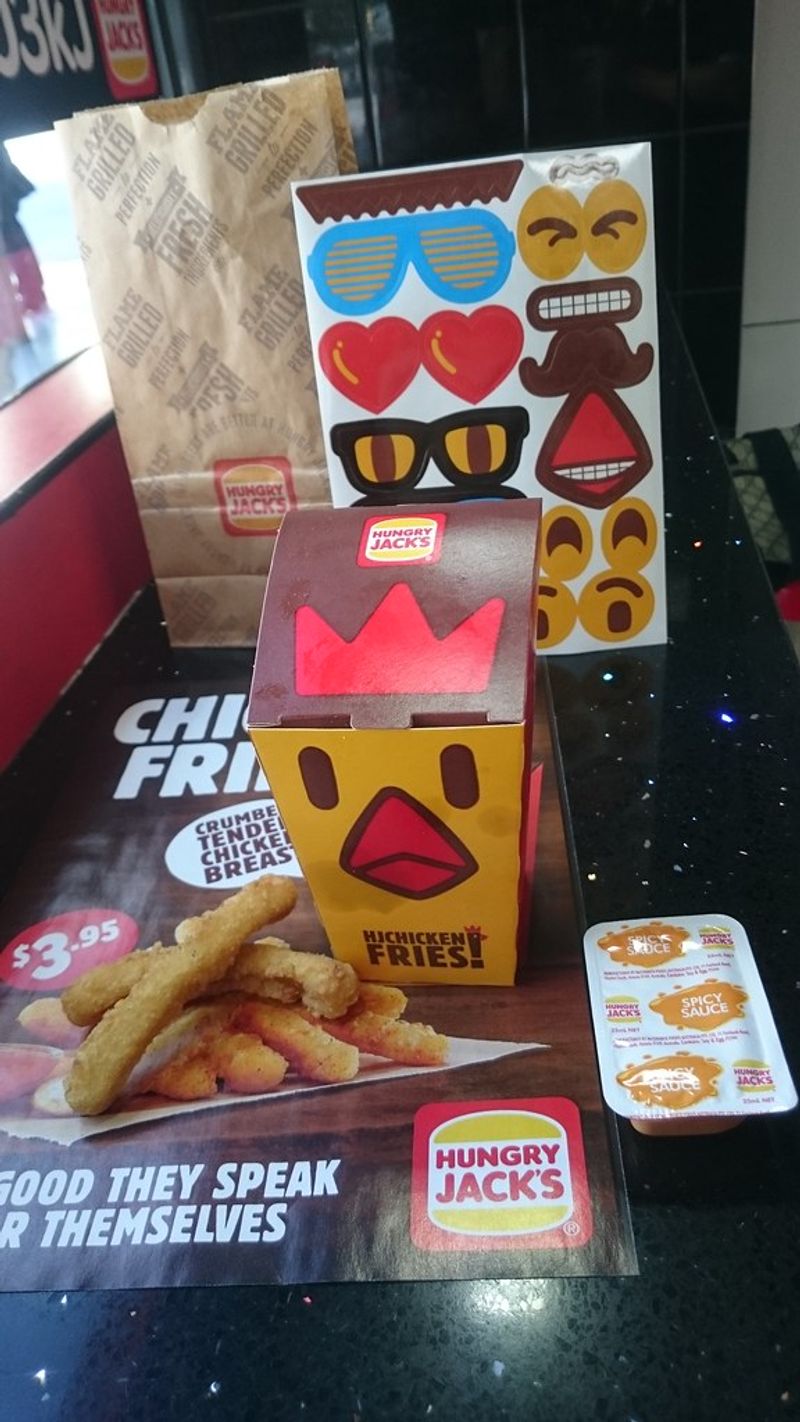
Kids menus changed from nugget heavy lists to balanced offerings with fruit, milk, and whole grains. You appreciate the better options while hoping your kid will actually eat them. Bright mascots still wink from the corners.
Parents argue over freedom versus guidance. Some feel judged by default apples over fries. Others welcome the nudge toward habits that stick.
The redesign often brings portion tweaks and toy policies. It also sparks debates about nutrition labels and allergens. You want happy meals in every sense, not just the collectible inside.
Price increase sign
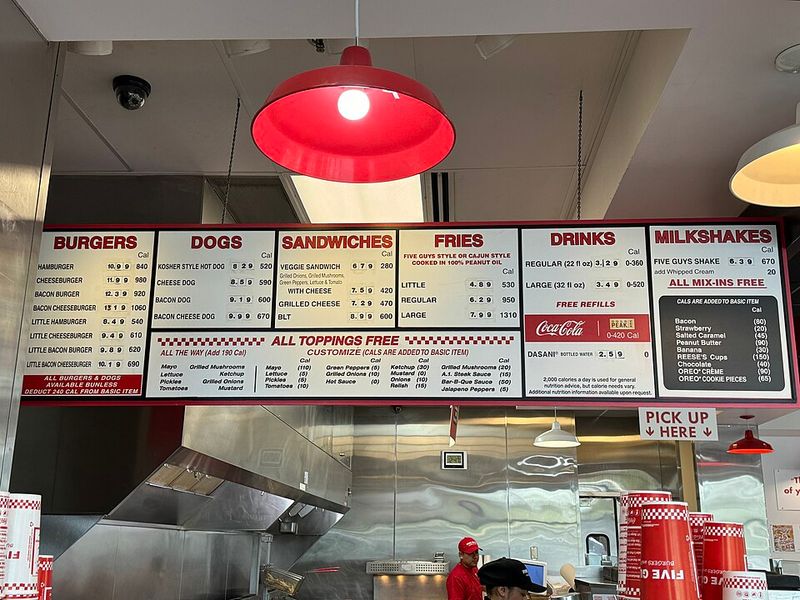
Nothing stirs debate like the taped note: prices increased due to costs. You understand fuel and wages rise, but the timing always stings. The first bite after a hike feels like a test.
Some say quality improved with the price. Others insist portions shrank while bills grew. You check your receipt and do mental math in the parking lot.
Transparency matters. A clear sign softens the blow, but not the budget. Fans argue whether loyalty should earn a break, especially for regulars like you.
Portion size comparison
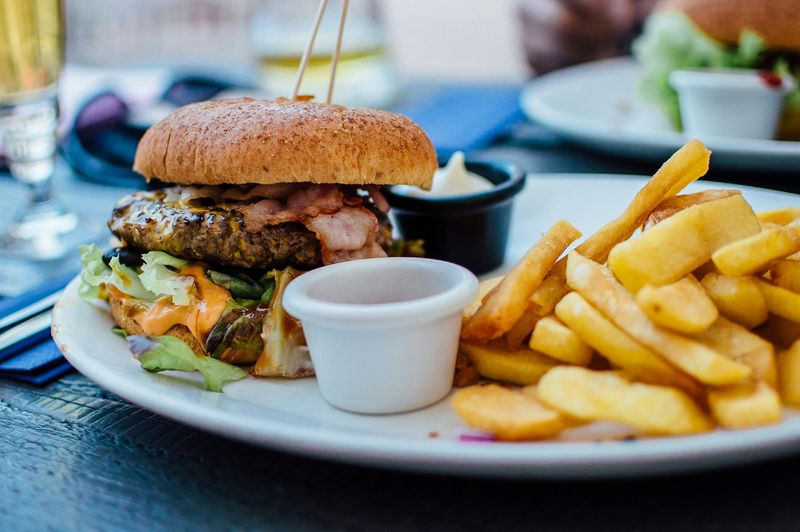
Portion sizes invite forensic analysis. Photos surface of old fries versus new, with rulers proving a quiet shrink. You feel it in your hands before you see it on the board.
Restaurants cite health guidance and waste reduction. Customers suspect shrinkflation doing its stealthy work. The truth might be a mix that depends on the item and season.
Comparisons become a sport online. You scroll, nod, and bring your own memories. Numbers help, but habits tell you when the box feels lighter.
Menu typography change
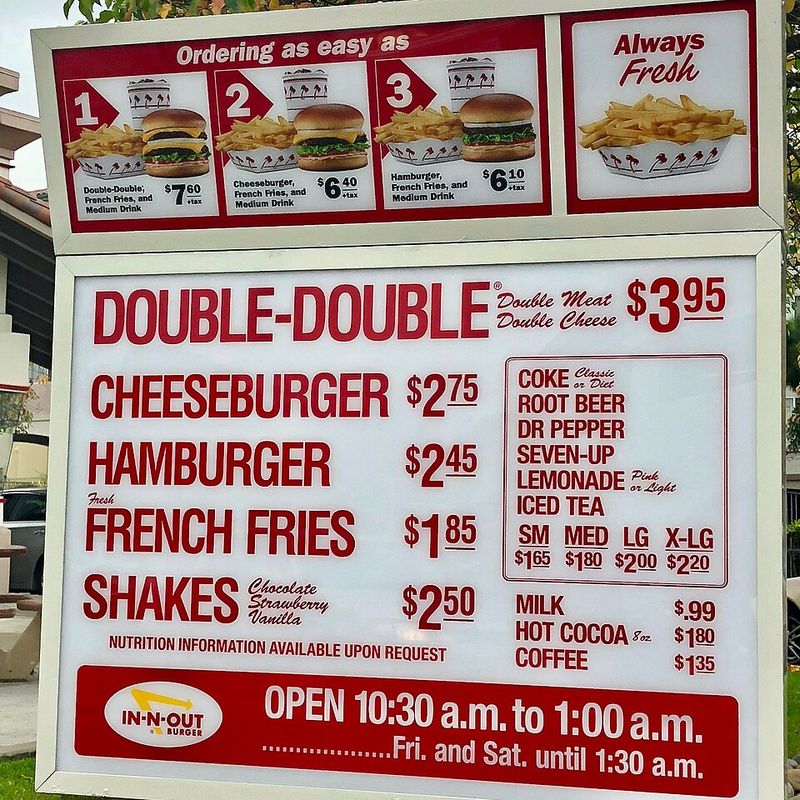
Fonts quietly steer your choices. A bold retro type once shouted value, while clean sans serif now whispers modern trust. You notice prices feel smaller or larger based on spacing alone.
Designers argue readability improved. Skeptics think kerning and weight guide your eyes toward pricier items. The fight happens in pixels before you ever order.
When typography changes, nostalgia clashes with clarity. You want both style and honesty. The best boards let you read fast without feeling nudged too hard.
Seasonal menu sign
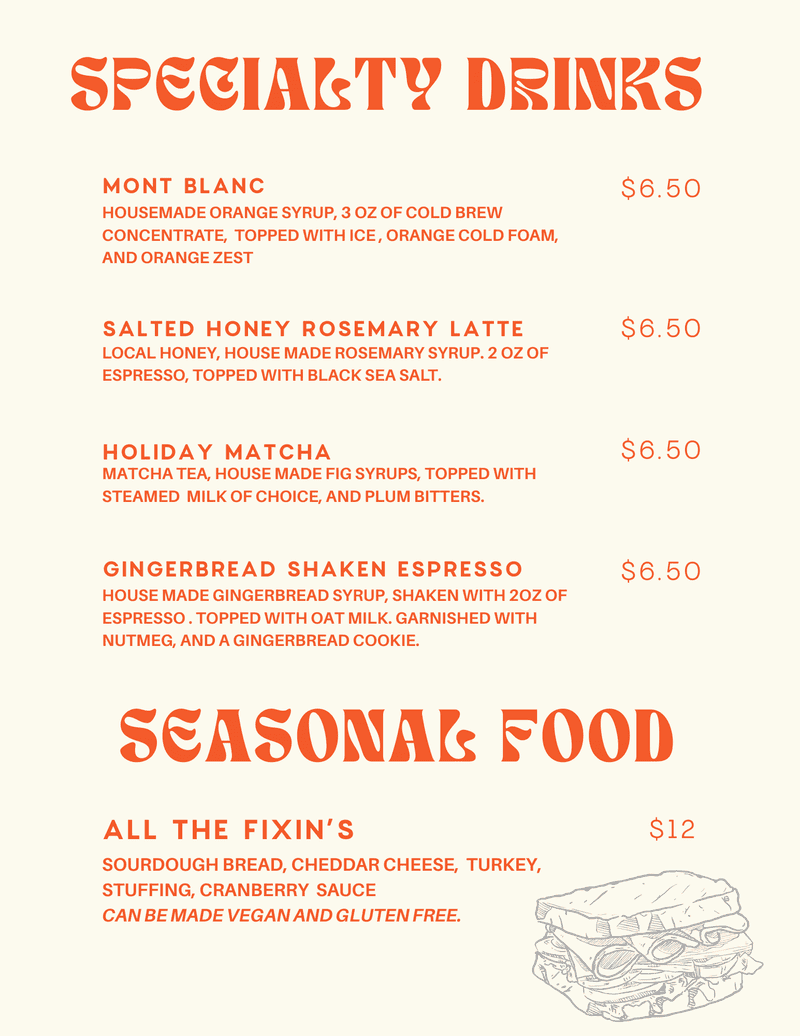
Seasonal signs flip a switch in your brain. Pumpkin, peppermint, or peach appears and suddenly the line doubles. You feel invited to celebrate with a flavor that tastes like a calendar page.
Fans adore the ritual. Critics see it as a sugary distraction that complicates operations. The sign itself becomes a beacon you can spot from the street.
When the season ends, people grieve like it was a holiday. You tuck the memory away for next year. Absence makes the palate grow fonder.
Drive-thru menu board
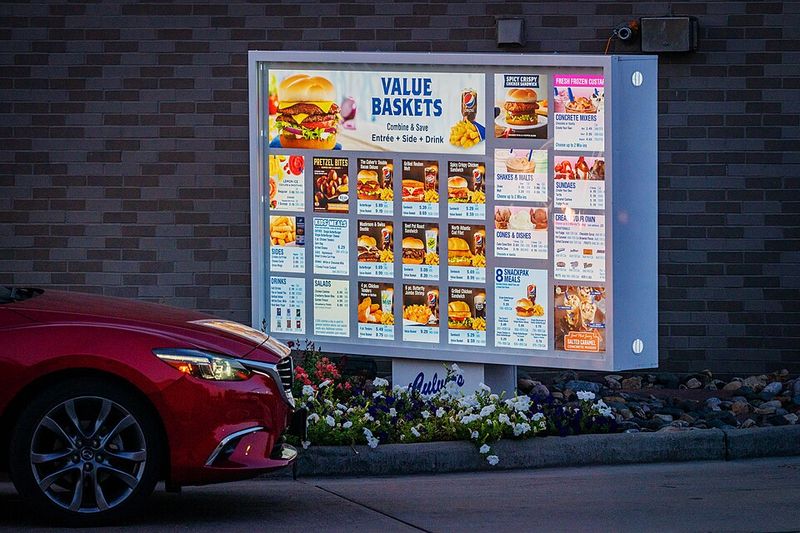
Drive-thru boards evolved from static panels to dynamic screens that respond to weather and time. You have seen breakfast fade into lunch in real time while wipers click on. The glow feels futuristic and a little pushy.
Proponents praise speed and accuracy. Critics fear targeted upsells that profile your order history. You just want the mic to hear you clearly.
When boards glitch, the line crawls and patience thins. Still, the convenience keeps winning. Your car becomes a dining room with a lit billboard guiding choices.
Limited-time menu
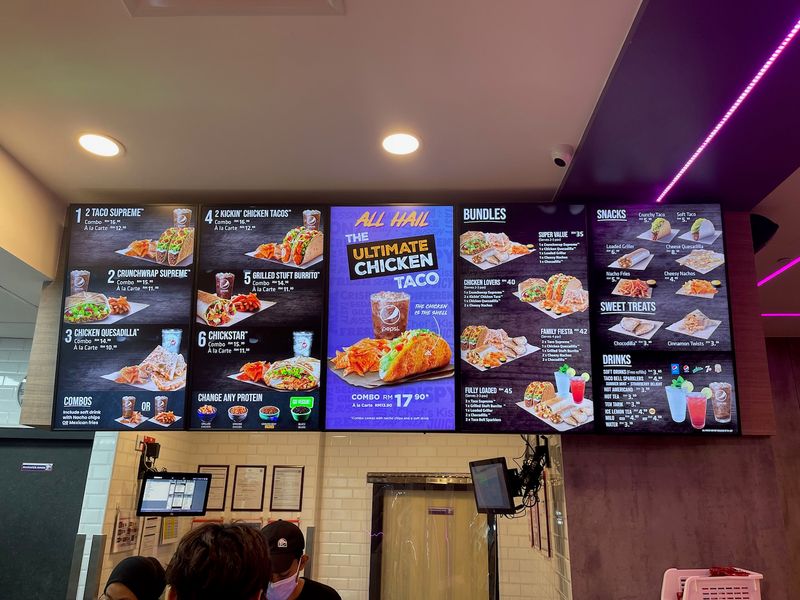
Limited-time menus play with your emotions like a seasonal crush. You rush to try something new before it disappears, knowing you might never taste it again. Scarcity gives it flavor you swear you cannot find elsewhere.
Critics say it is marketing theater designed to spike sales. Fans love the thrill and the lines that come with it. You weigh novelty against reliability every visit.
The debate continues when a hit item returns slightly altered. Was it the same, or just the memory? Either way, your appetite becomes a calendar.