


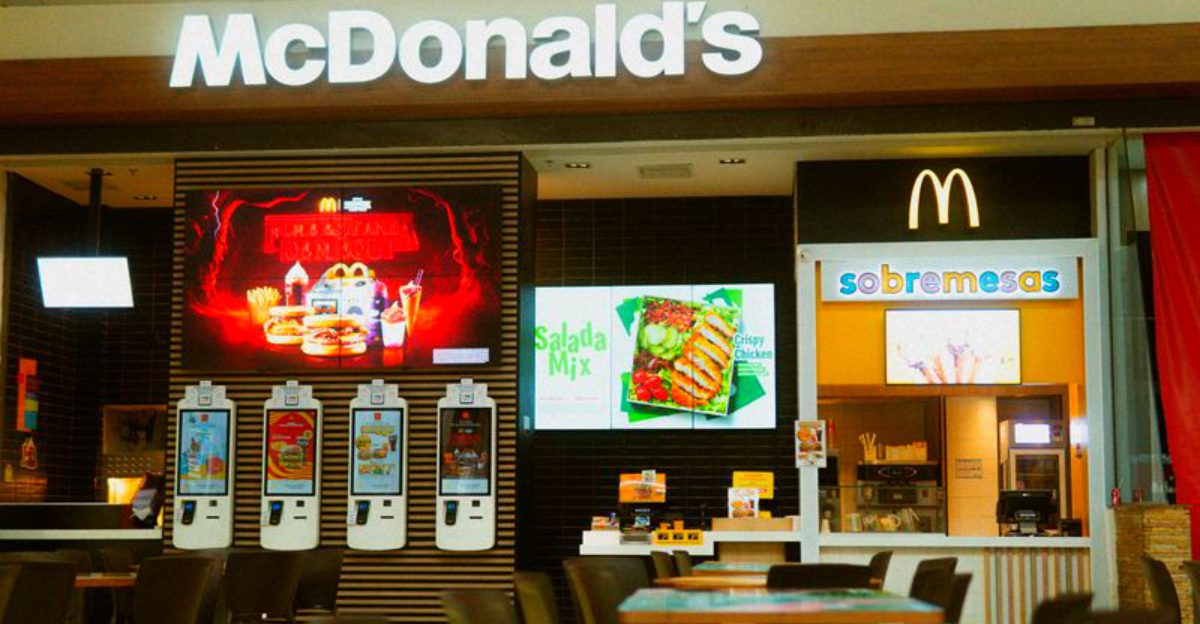
Remember when a quick meal meant speed, heat, and no fuss. Those older fast food rules kept lines moving, prices low, and expectations clear. You got what you came for, and it was hot, consistent, and affordable. Let’s revisit the simple playbook that made those experiences so reliable and satisfying.
Limited menu boards

Short menus kept choices obvious and cooking streamlined, so food came out fast and hot. Fewer options meant kitchen staff repeated the same steps, sharpening speed and consistency. You spent less time deciding and more time eating.
Costs stayed down because inventory was simpler and waste was lower. Vendors supplied a tight list of ingredients that got used daily. It felt reassuring to know exactly what you would get every time.
Fresh fry baskets
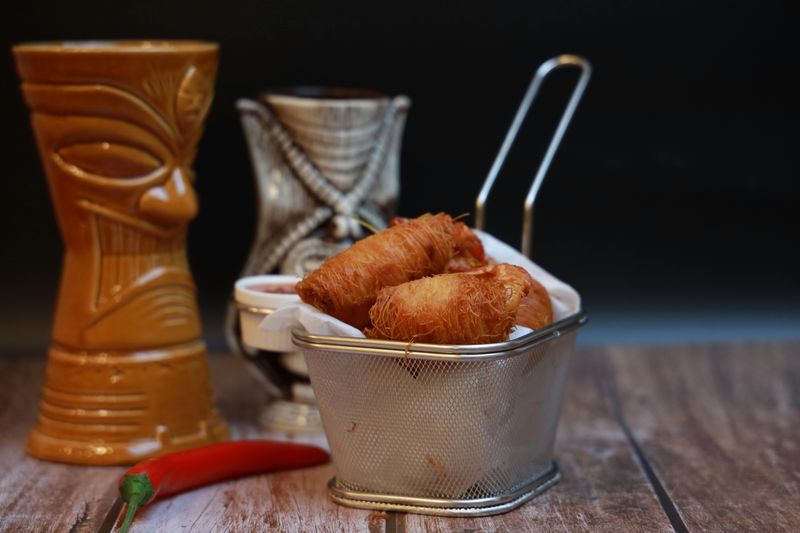
Fries dropped on a schedule or when orders hit, keeping them crisp and steamy inside. Workers timed batches and ditched old ones quickly, knowing limp fries lost customers. You grabbed them hot enough to fog the bag.
Salt was standard, portions were tight, and waste stayed controlled. Those baskets made the difference between perfect and forgettable sides. Fresh meant fast turnover, and guests kept returning.
No customization signs
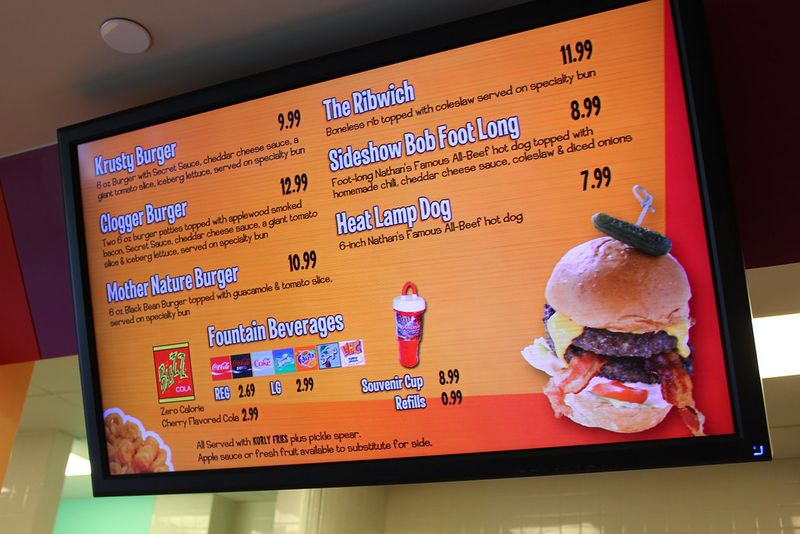
Signs told you plainly that special orders slowed everything down. Standard builds kept assembly lines efficient and prices low. You accepted the house way because it meant dinner arrived quickly and predictably.
There was comfort in the default recipe, tested and timed for speed. Crews moved in rhythm, avoiding pauses for custom tweaks. You either picked it off or learned to love it.
Counter-only ordering
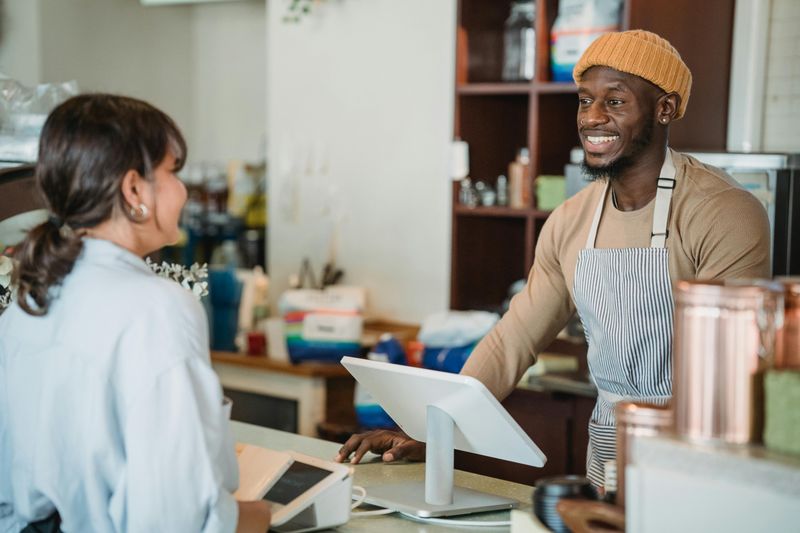
Everything happened at the counter, where eye contact and quick questions sped decisions. You paid, stepped aside, and listened for your tray number. With one focused channel, staff stayed coordinated and lines kept flowing.
No kiosks, no apps, just concise ordering and immediate handoff. The system rewarded clarity and kept mistakes lower. You could be in and out during a short lunch break.
Cash registers
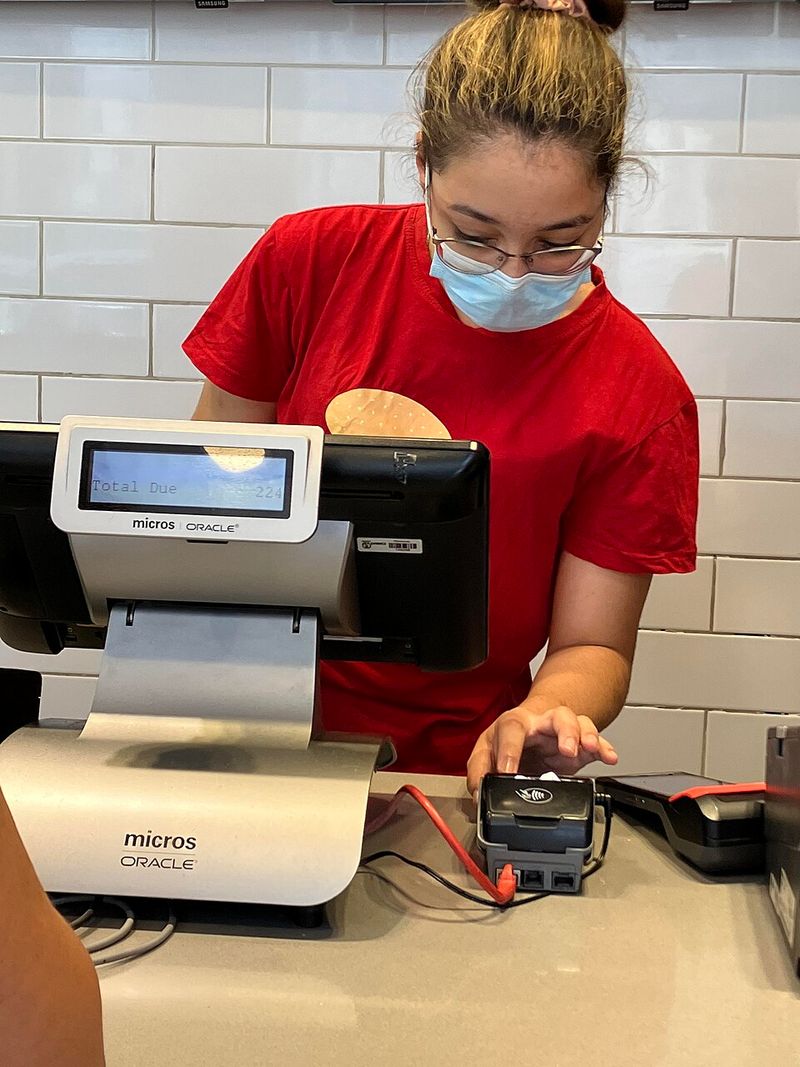
Before tap-to-pay, cash ruled, and big-button registers rang totals fast. Prices were rounded, change counted out loudly, and receipts rolled like clockwork. You knew what you paid and got moving.
Cash kept fees low and systems simple, which helped hold prices down. No network outages, just bills and coins. It felt grounded, quick, and surprisingly reliable at rush hour.
Paper food wrapping
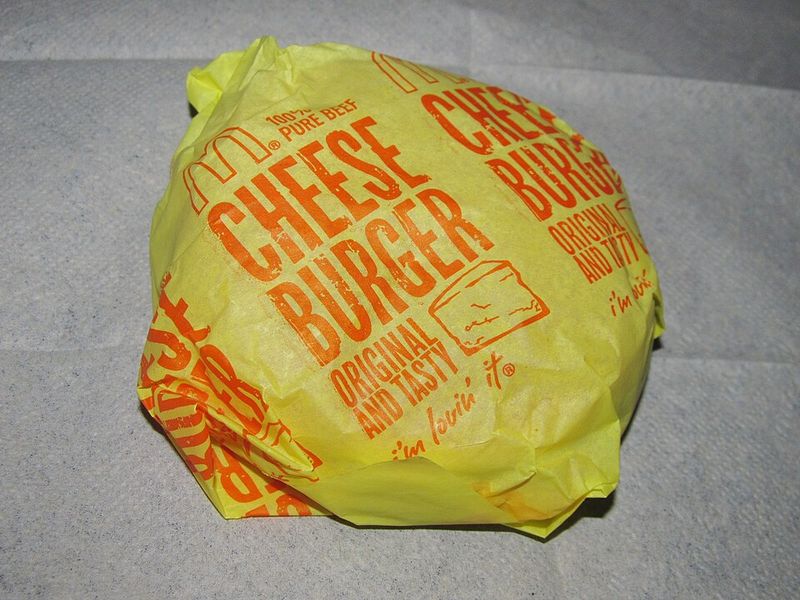
Paper wraps hugged burgers tight and breathed enough to keep buns from sweating. They stacked neatly on trays and traveled well in bags. You could unwrap with one hand and keep rolling.
Paper was cheap, quick to stock, and easy to print with logos. It signaled hot food without trapping steam like plastic. Simple packaging kept costs down while preserving that fresh-off-the-grill feel.
Small drink cups

Smaller cups meant reasonable portions and fewer refills during peak times. Fountain syrup lasted longer, and trash bins filled slower. You sipped what you needed without paying for excess.
Operators saved on cups, lids, ice, and syrup, which stabilized prices overall. It also kept tables tidier and lines moving faster. You got cold, fizzy refreshment without a bucket-sized commitment.
Standard meal combos
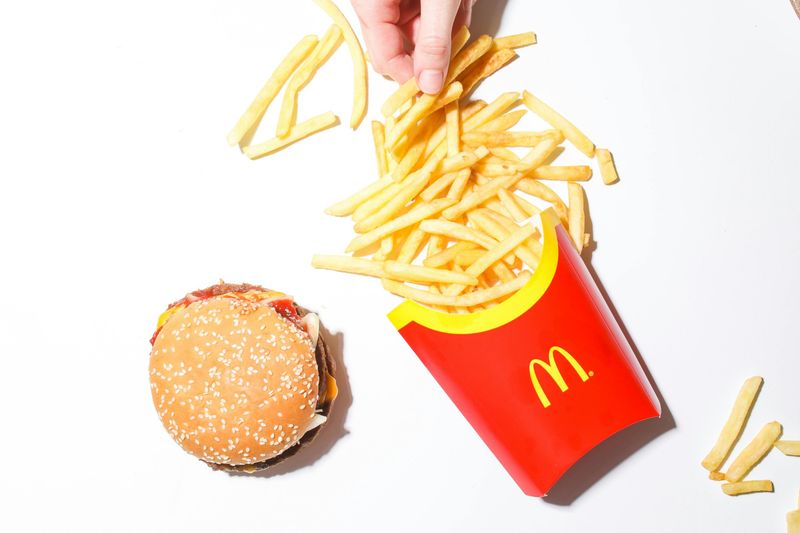
Numbered combos turned ordering into a quick shorthand. Say the number, get the classic set, and move on. The structure simplified pricing, inventory, and training while keeping customers satisfied.
Combos balanced costs across items, helping maintain value. They removed guesswork, so you knew exactly what lunch looked like. Familiarity built speed, and speed kept food hot and prices steady.
Shared condiment stations
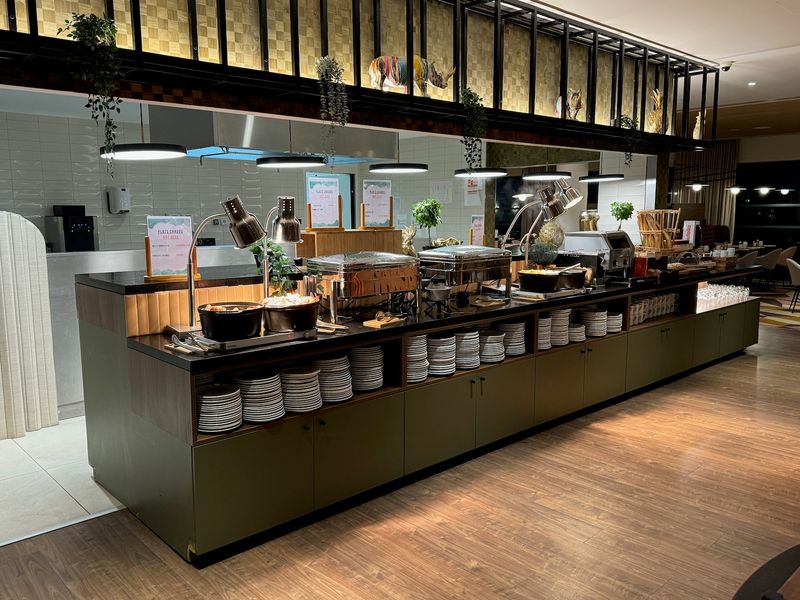
Pump stations let you grab what you needed without slowing the counter. Ketchup, mustard, and pickles were available, simple and predictable. You could tune flavor quickly after the order landed.
Bulk condiments were cheaper and cut packaging waste. Staff refilled in batches, keeping labor tight. The station became a quick pit stop that kept tables cleaner and guests self-sufficient.
Quick table cleanup
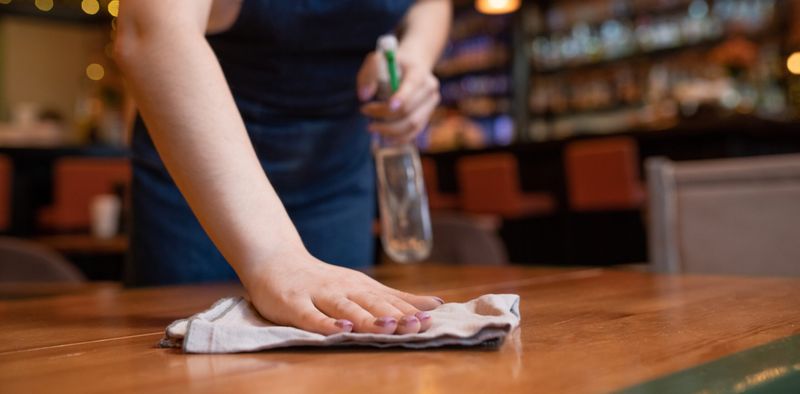
Crews circulated constantly, scooping trash and wiping spills before they spread. Clean tables turned faster, which mattered during lunch rush. You felt welcome to sit because staff kept the room ready.
Speedy resets reduced complaints and kept the whole place humming. Supplies were simple, and routines were drilled. A tidy dining room signaled hot, efficient food behind the counter too.
No delivery service
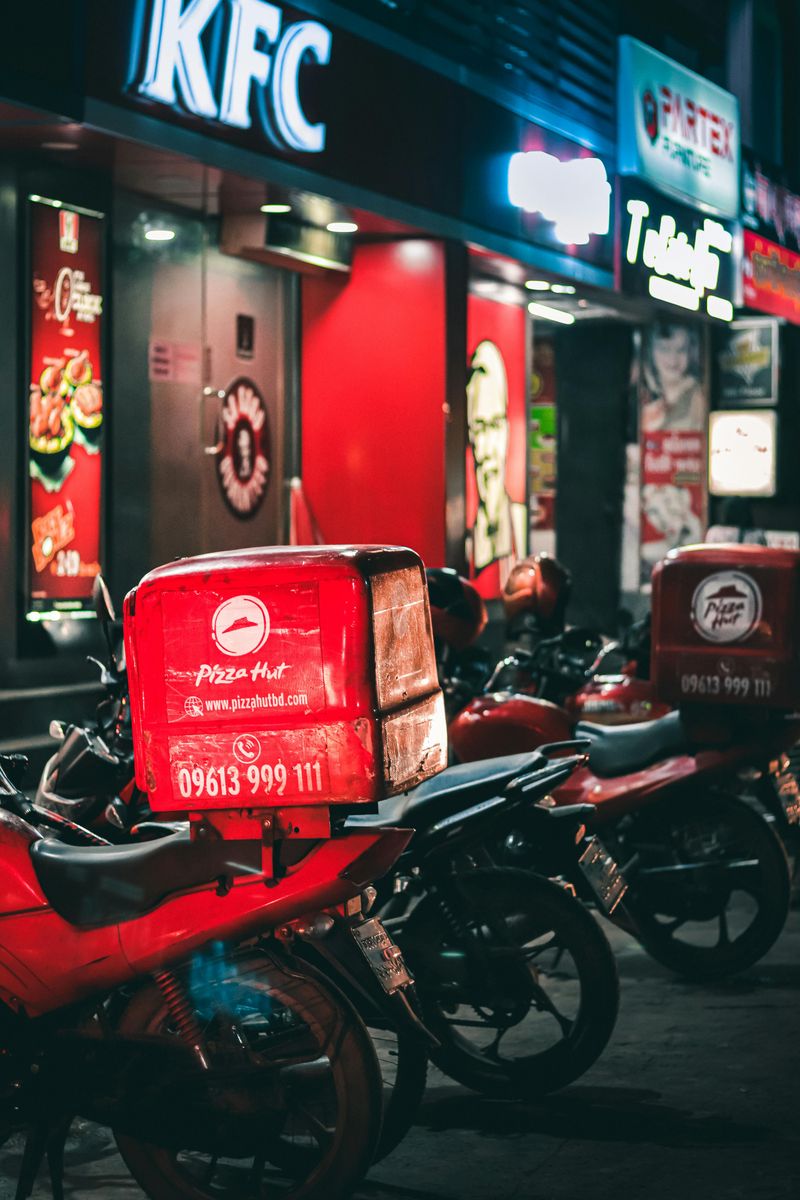
Back then, you came to the counter or drive-thru, period. No delivery meant no couriers, no packaging upgrades, and fewer delays. Food arrived hot because it traveled seconds, not miles.
Operations stayed focused on on-site speed, which held costs down. You controlled timing by showing up, ordering, and eating. The system rewarded spontaneity and kept meals surprisingly affordable.
Eat-in dining rooms
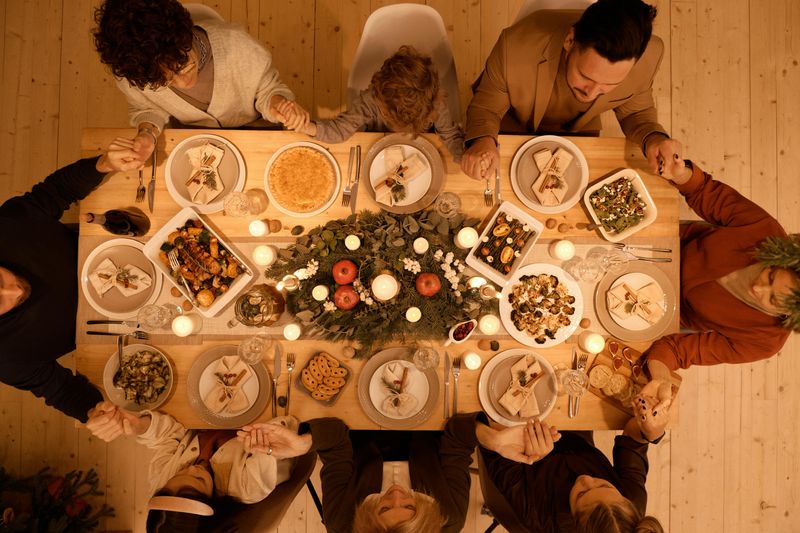
Dining rooms offered a quick place to sit, unwrap, and enjoy food at peak temperature. Booths and tray stands kept traffic flowing and spills contained. You lingered just long enough to recharge.
Keeping customers on site simplified packaging and reduced complaints about soggy fries. Staff monitored quality and kept the space tidy. It felt communal, efficient, and reliably convenient after a long day.
Tray return signs
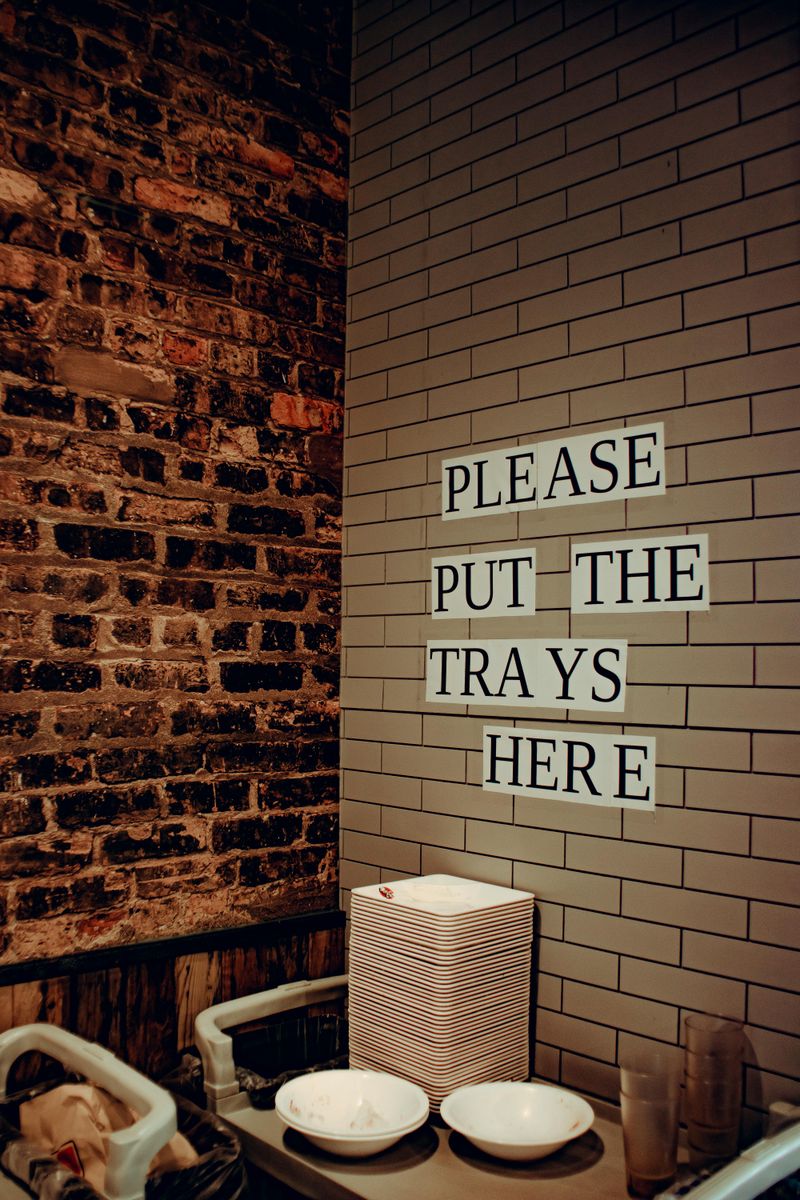
Clear signs nudged everyone to bus their own trays, which sped turnovers. Returning trays reduced labor and kept aisles clear for new guests. You helped the system run smoother without thinking twice.
With trash sorted early, staff focused on cooking and front-counter speed. It was a small habit with a big ripple effect. Clean stations kept the dining room inviting and efficient all day.
Simple pricing boards
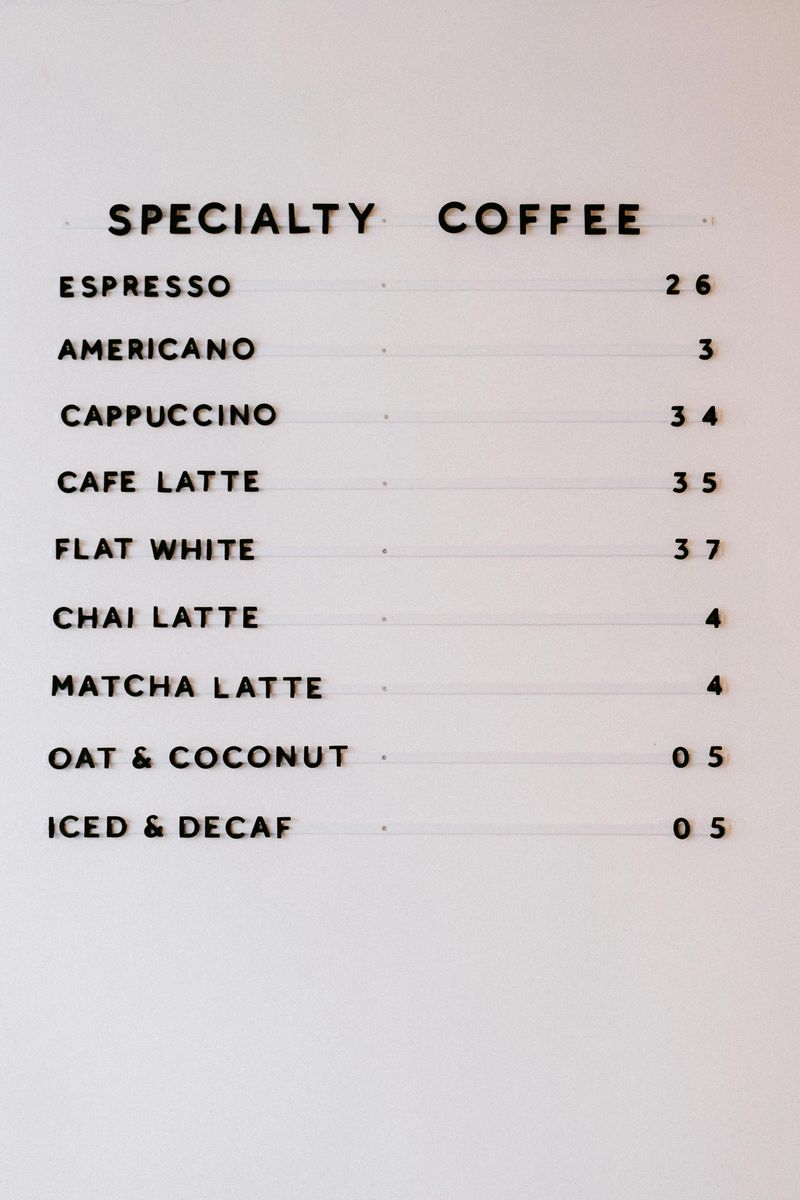
Big numbers, few items, and honest costs were easy to read from the door. You made decisions quickly because everything was obvious. Prices rarely shifted, giving families confidence about total spend.
Clarity kept arguments short and lines short. Staff could quote totals from memory, tightening the flow. Simple boards built trust, speed, and a steady rhythm that kept food hot and affordable.
Made-to-order burgers
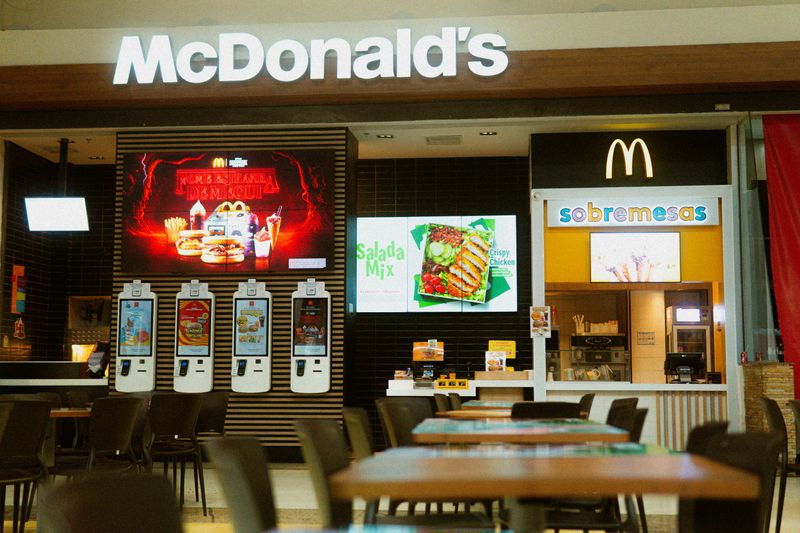
Grills fired when you ordered, so burgers were hot, juicy, and personalized within reason. The aroma hit instantly as patties sizzled, buns toasted, and cheese softened. You could taste the difference between made-now and heat-lamped.
These routines set a quality baseline without slowing the line. Crews mastered timing, so the burger finished with the fries. It felt like a small promise kept every visit.