


Many foods that were once affordable staples have become significantly more expensive over the years. For Boomers, these price hikes are particularly noticeable, turning what was once a commonplace grocery item into a luxury. Here are 15 foods that highlight this dramatic change.
Avocados
In the 1970s, avocados were an exotic treat, often found in California backyards. Today, this creamy fruit is a staple of brunch menus everywhere, driving up demand and prices.
Once cheap enough to be an afterthought, avocados have become a must-have for health enthusiasts. The rise of avocado toast has only added to their allure.
Did you know that avocados were once called “alligator pears” due to their bumpy skin? Now, they could cost you a small fortune with each guacamole craving.
Coffee Beans
Decades ago, coffee was a simple morning ritual for many households. Fast-forward to today, and the coffee industry has transformed, with artisanal blends inflating prices.
The demand for specialty coffee and ethical sourcing has contributed to a surge in coffee costs. From rare beans to unique blends, the coffee market is now a diverse landscape.
A fun fact: the term “coffee break” became popular in the mid-20th century, yet now, a cup of high-end brew can break the bank.
Bacon
Bacon, once a breakfast staple that didn’t break the budget, has become a luxurious indulgence. With rising pork prices and gourmet variations, bacon is no longer just a side dish.
The popularity of bacon has skyrocketed, leading to bacon-themed festivals and products. This demand has driven up prices significantly.
An interesting tidbit: in the 1950s, bacon advertising campaigns played up its ability to “round out” breakfast, but now it rounds out higher grocery bills.
Almonds
Almonds were once a simple snack, often overlooked in favor of other nuts. Today, they’ve become a symbol of healthy eating, driving their cost upward.
The rise in popularity of almond milk and other almond-based products has increased demand. This surge has led to higher prices at the checkout.
Back in the day, almonds were primarily grown in California, a tradition that continues as the state remains a top producer despite water scarcity challenges.
Lobster
Lobster was once considered the “poor man’s protein,” often used as fertilizer or fed to prisoners. Today, it’s a luxury item gracing high-end menus.
This crustacean’s rise in status has made it a symbol of fine dining, with prices reflecting its elite standing. Supply challenges have only added to the cost.
Did you know that lobster shells were once used to make golf balls? Now, a lobster dinner can be a significant investment.
Chocolate
Chocolate bars were once an affordable treat, easily found in every candy aisle. However, the demand for high-quality cocoa and artisanal chocolates has increased prices.
The focus on ethical and sustainable practices in chocolate production has contributed to cost increases. Gourmet chocolate is now a luxury for many sweet lovers.
In the past, chocolate was even used as currency. Today, its rich flavors come with a richer price tag.
Beef
Beef was once a staple of the American diet, affordable and plentiful. Rising production costs and demand for premium cuts have pushed prices higher.
Gourmet burgers and steaks have become culinary stars, further inflating beef prices. The quest for organic and grass-fed options has added to the cost.
In earlier decades, beef was often featured in family dinners without financial concern. Now, a steak night can become a pricey affair.
Eggs
Eggs, a breakfast cornerstone, have seen fluctuating prices due to market demands and production challenges. Once a low-cost protein, eggs have experienced significant price shifts.
The popularity of organic and free-range varieties has further increased costs. Despite being a simple ingredient, eggs can now be a costly addition to the grocery list.
Did you know that eggs were offered as prizes in ancient Rome? Today, they might feel like a prize with their current prices.
Butter
Butter, a baking essential, was once an inexpensive staple in every kitchen. Today, premium brands and organic varieties have inflated its cost.
The demand for artisanal and flavored butters has contributed to the price hikes. Despite its humble beginnings, butter now commands a premium.
A quirky fact: in the 19th century, butter was often made at home, a far cry from today’s gourmet butter options lining store shelves.
Oatmeal
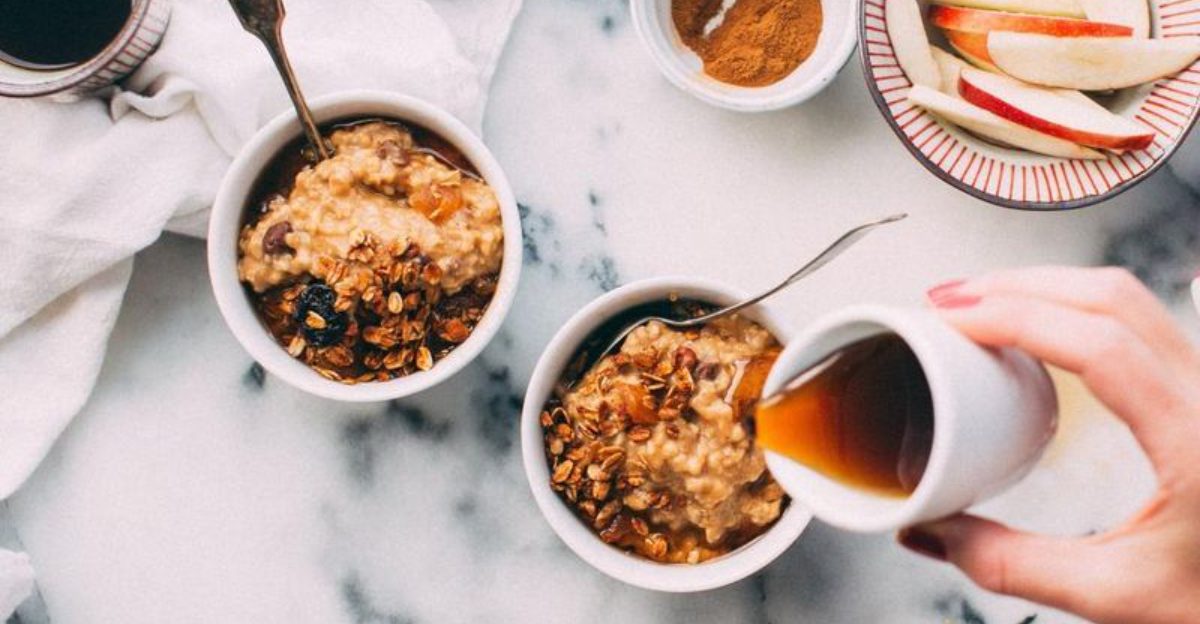
Oatmeal, once a humble breakfast choice, has seen a rise in status, becoming a trendy health food. This change has come with a corresponding price increase.
The popularity of overnight oats and organic options has driven up demand. What was once a basic meal now has gourmet varieties with gourmet prices.
In the early 20th century, oatmeal was a staple in every American home. Today, it can be a more expensive addition to the pantry.
Oranges
Oranges, a symbol of freshness and vitality, were once a simple, affordable treat. Over time, shifts in supply and demand have increased their price.
The trend towards organic produce and changing climate conditions have influenced costs. Oranges, once a common sight in lunchboxes, are now more of a splurge.
In the past, oranges were often given as gifts during the holiday season. Today, they seem like a luxury all year round.
Bread
Bread, the cornerstone of countless meals, was once a budget-friendly staple. The rise of artisan bakeries and specialty loaves has changed its price landscape.
Sourdough and gluten-free varieties have fueled demand for higher-priced options. A loaf of bread is no longer a straightforward purchase.
An interesting twist: during ancient times, bread was used as a form of payment. Now, its price can take a significant bite out of the budget.
Peanut Butter
Peanut butter, the childhood favorite, was once an economical choice for families. Today, premium brands and natural options have pushed prices upward.
The shift towards healthier, organic peanut butters has increased costs. Although once a simple spread, it is now a more sophisticated and expensive choice.
In the early 1900s, peanut butter sandwiches were a novelty. Now, they might require a more thoughtful budget.
Cereal
Cereal, once a breakfast mainstay, has evolved with diverse flavors and health claims. These innovations have contributed to its increasing cost.
The trend towards organic and gluten-free cereals has further inflated prices. What was once a straightforward breakfast is now a more complex and costly decision.
Interestingly, cereal was originally marketed as a health food in the 19th century. Today, it can be a premium part of the morning routine.
Cheese
Cheese, a beloved staple, has seen prices soar with the demand for gourmet varieties. Artisan cheeses have transformed this simple food into a luxury.
The focus on organic and specialty cheeses has driven up costs. What was once a common addition to meals now carries a premium.
In the past, cheese was often homemade, enjoyed simply. Today, a trip to the cheese aisle can be a sophisticated and costly adventure.