


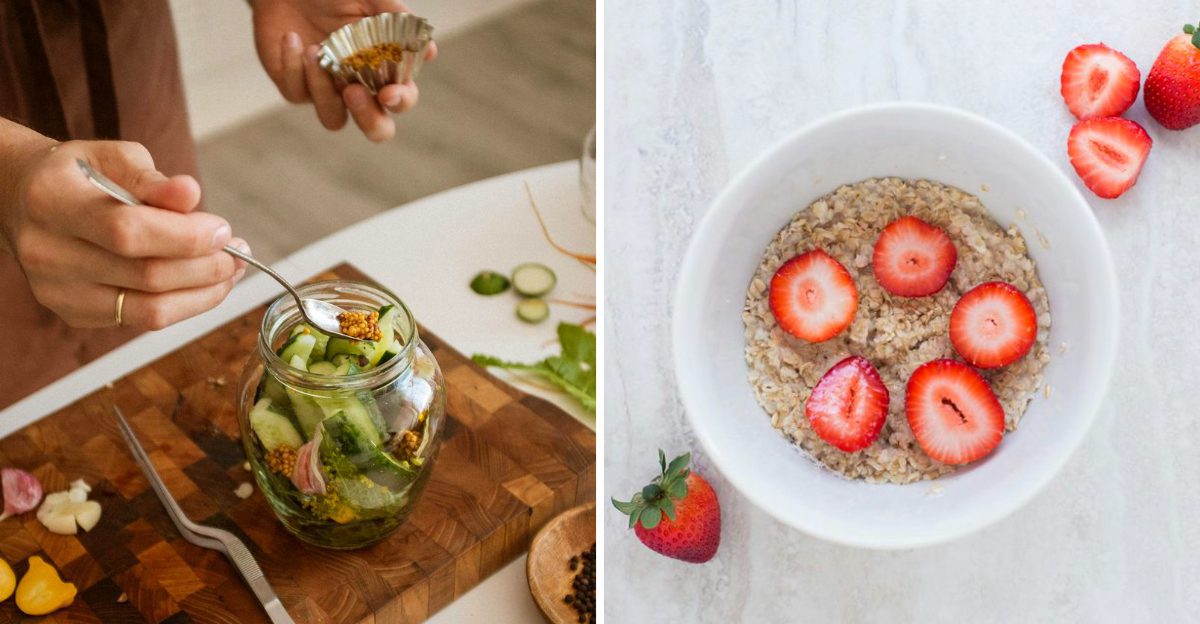
Trendy menus love to act like they discovered simplicity, but many of the coolest foods started as survival staples. These dishes carried families through tight budgets, long winters, and everyday hustle. Now they show up in glossy bowls and curated feeds with price tags to match. Let’s give credit where it is due while celebrating flavor, thrift, and the timeless ingenuity of home cooks.
Avocado
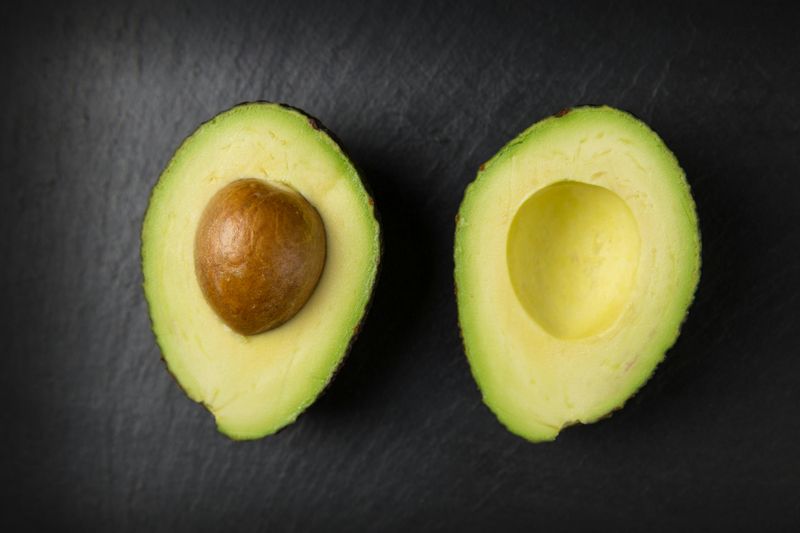
Before avocado toast hit cafes, avocados were backyard fruit and budget friendly nourishment in many immigrant and working class homes. You mashed them with salt, layered them in tacos, or spooned them over rice for richness without fuss. Fatty, filling, and practical, they stretched a meal.
Then wellness buzzwords arrived and prices followed, turning simple slices into a luxury garnish. The flavor never changed, only the framing did. You can still keep it humble with tortillas, beans, and lime.
Lentils
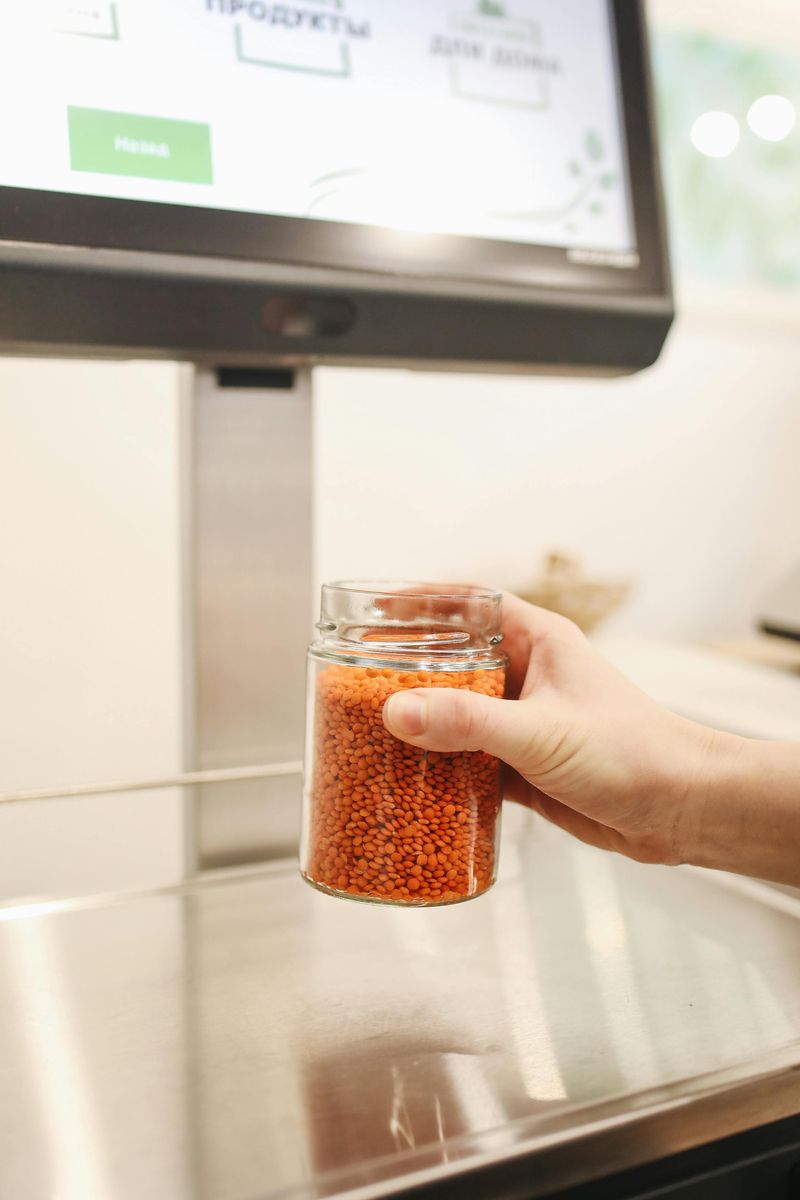
Lentils were the quiet protein that made ends meet, simmered with onions and a cheap bone or extra spices. They cook fast without soaking and taste even better the next day. You could feed a crowd with a few cups and a pot.
Now restaurants sell dal flights and chic salads studded with herbs. The thrift remains, only dressed up. Keep the spirit alive with garlic, cumin, and lemon over rice.
Chickpeas
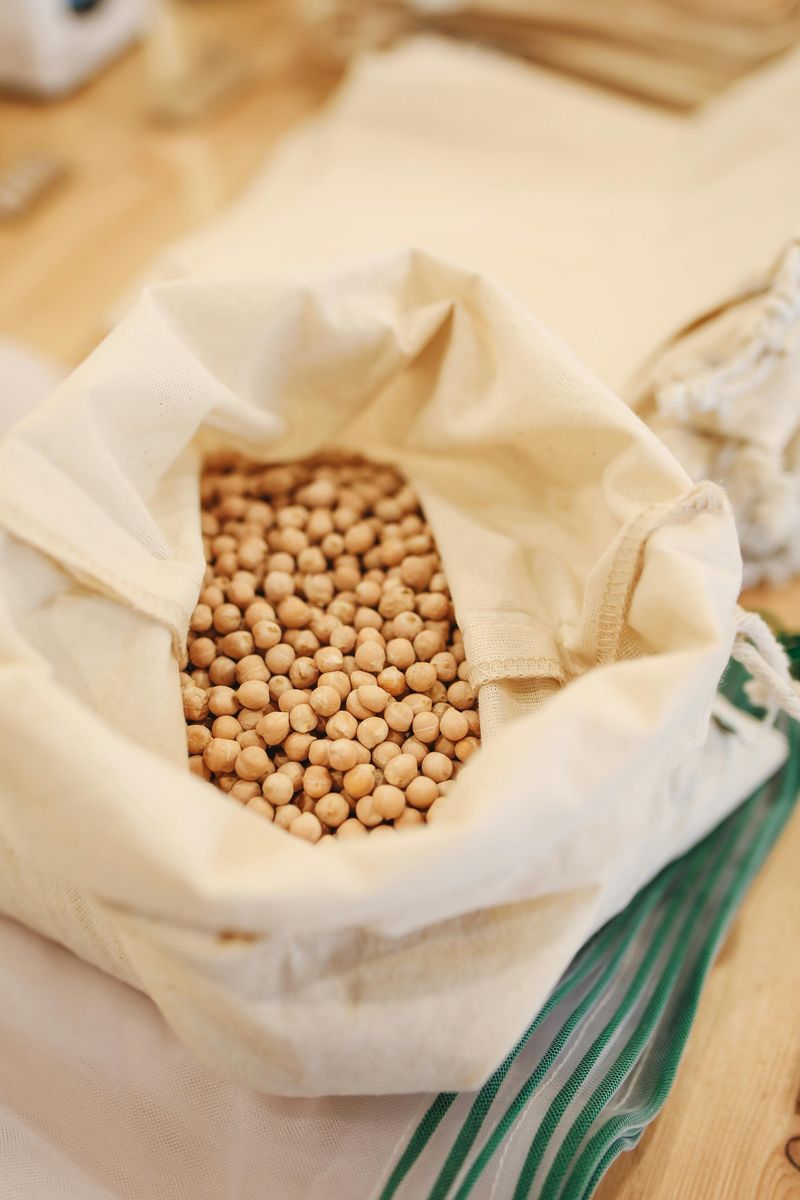
Canned or dried, chickpeas bridged gaps between paychecks and still brought comfort. You stewed them with tomatoes, blitzed them into hummus, or crisped leftovers in a pan. They were hearty, cheap, and endlessly adaptable.
Later, they turned into trendy snacks and gourmet salads with boutique tahini. The core has not changed, only the marketing. Keep yours simple with lemon, paprika, and warm flatbread.
Cabbage
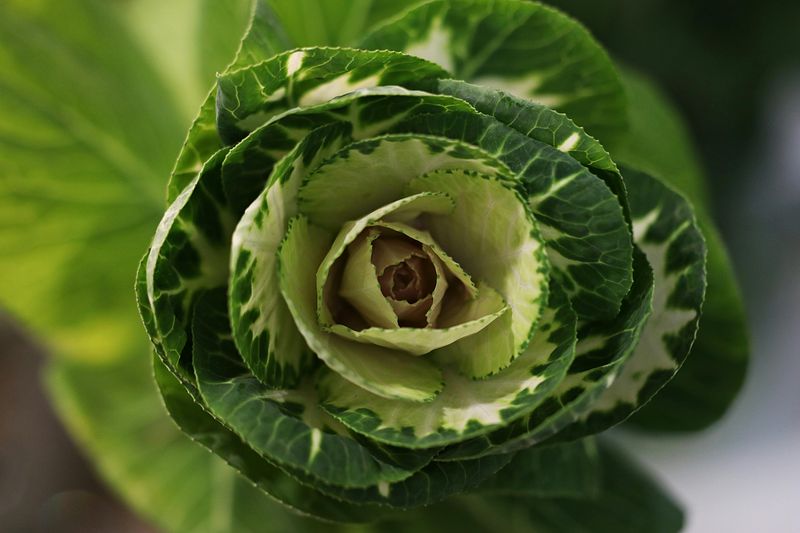
Cabbage stretched meals through lean seasons, staying crisp in cellars when other produce vanished. You braised it with onions, tucked it into dumplings, or turned it into slaw to refresh heavy plates. Pennies bought a week of sides.
Now shaved cabbage appears on haute tacos and luxe roasts. It is still the same resilient leaf. Slice thin, salt generously, add vinegar, and watch it sing.
Sardines
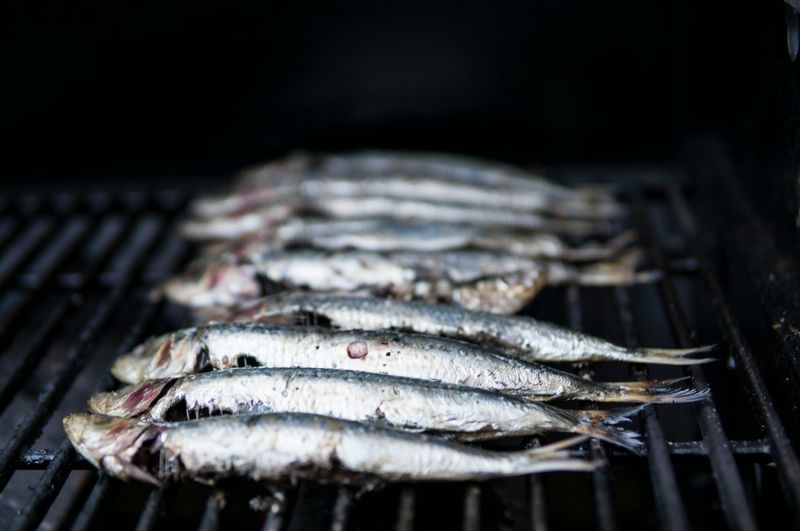
Sardines were sailor fare and worker lunches, rich in protein and calcium for a small price. You opened a tin, added lemon, and piled them on bread. They tasted of the sea and practicality.
Today, colorful tins star in curated pantries and wine bars. The fish remain humble, only the setting changed. Keep it real with hot sauce, onions, and crusty bread.
Polenta
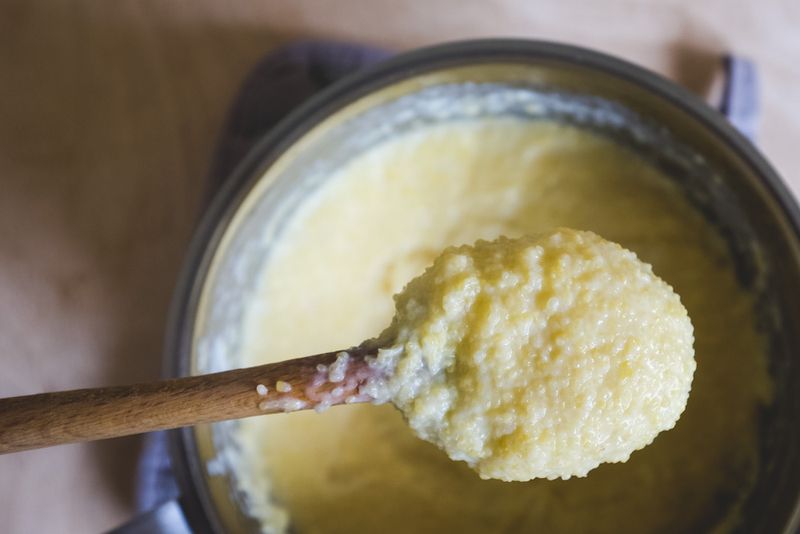
Polenta began as cornmeal porridge that filled bellies when meat was scarce. You stirred patiently, salted generously, and served it with beans or a spoonful of stew. When it cooled, you sliced and pan fried leftovers.
Later, restaurants plated creamy polenta under braises and called it refined. Nothing changed but the price and the porcelain. Stir in butter, add greens, and eat proudly.
Bone broth
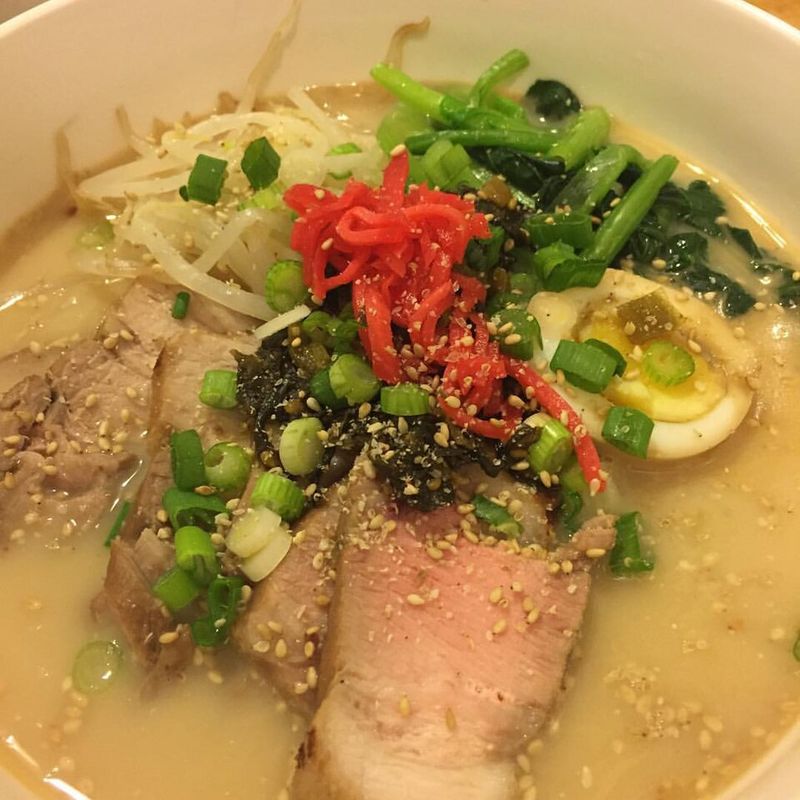
Bones once meant extra meals, not waste, simmered low with scraps to pull out every bit of nourishment. You saved onion ends, carrot peels, and parsley stems to build flavor. The pot whispered thrift and care.
Then wellness trends bottled it with labels and promises. The method remains simple and generous. Roast bones, add salt and vinegar, and let time do the rest.
Kimchi
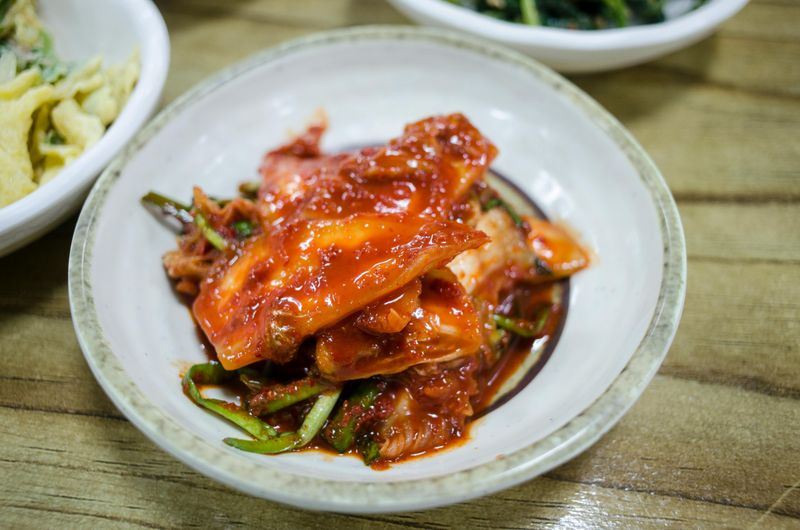
Kimchi preserved harvests through winters, transforming humble cabbage with salt, chili, and time. Families gathered to make big batches, sharing labor and stories. It paired with rice to turn little into plenty.
Now it is a gourmet condiment on burgers and brunch plates. The heart remains community and preservation. Make your own, adjust the heat, and let fermentation guide flavor.
Sauerkraut
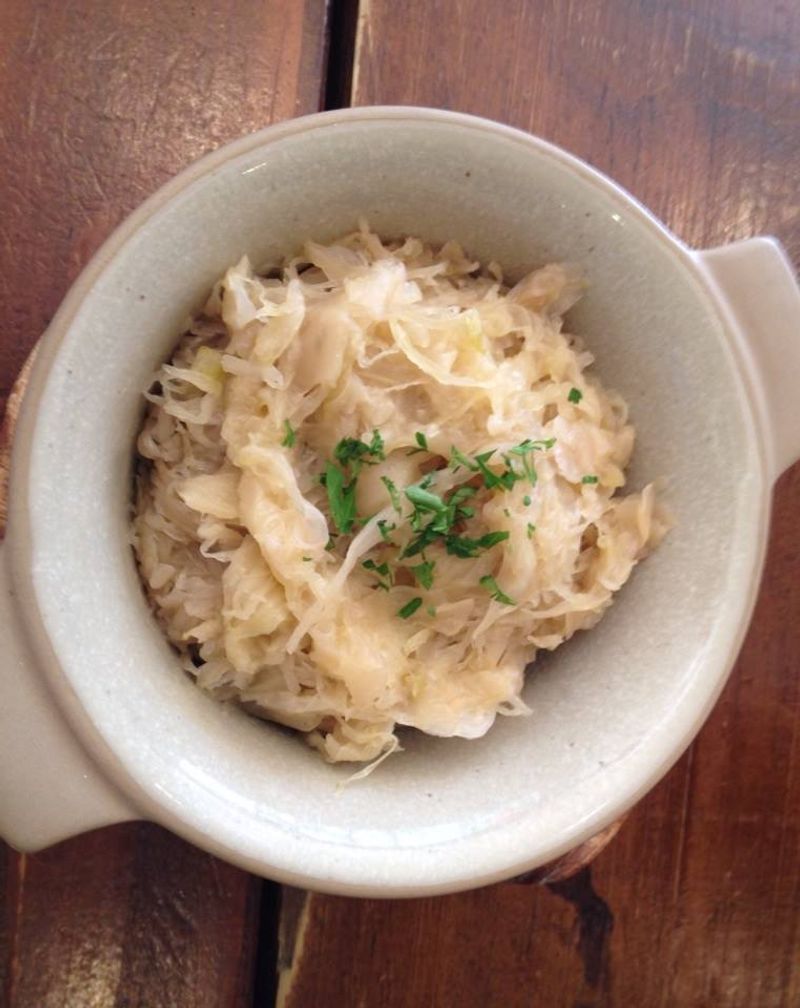
Sauerkraut started as survival science in cold climates, using salt to keep cabbage alive and zingy. You packed jars tight, watched the bubbles, and ate it with potatoes and sausage when fresh produce faded. Cheap, bright, and gut friendly.
Later, craft jars reached specialty shelves with fancy labels. The process is still salt, cabbage, patience. Slice thin, massage with salt, and let the microbes work.
Split pea soup
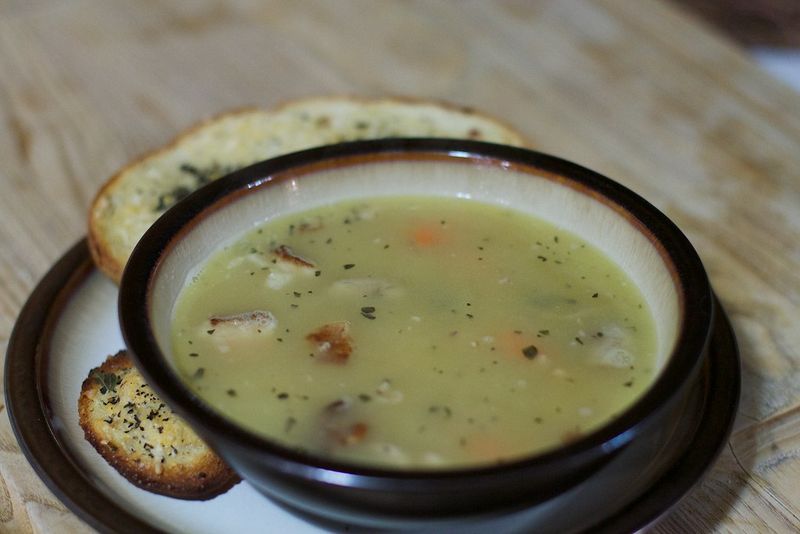
Split pea soup made miracles from odds and ends, especially a leftover ham bone. You simmered until peas melted into creamy comfort, feeding many for little money. It was a weeknight savior and lunchbox standby.
Now it returns as a retro classic in chic cafes. The soul remains the same, soothing and resourceful. Keep a pot going with carrots, bay leaves, and black pepper.
Rice and beans

Rice and beans made a complete protein long before nutrition charts proved the point. You cooked what you had, scented it with garlic, and stretched it for days. Every region has a version, each one comforting.
Trendy bowls now mirror the same wisdom with sleek toppings. The core remains balance, thrift, and flavor. Cook the beans well, season the rice, and finish with lime.
Sweet potatoes
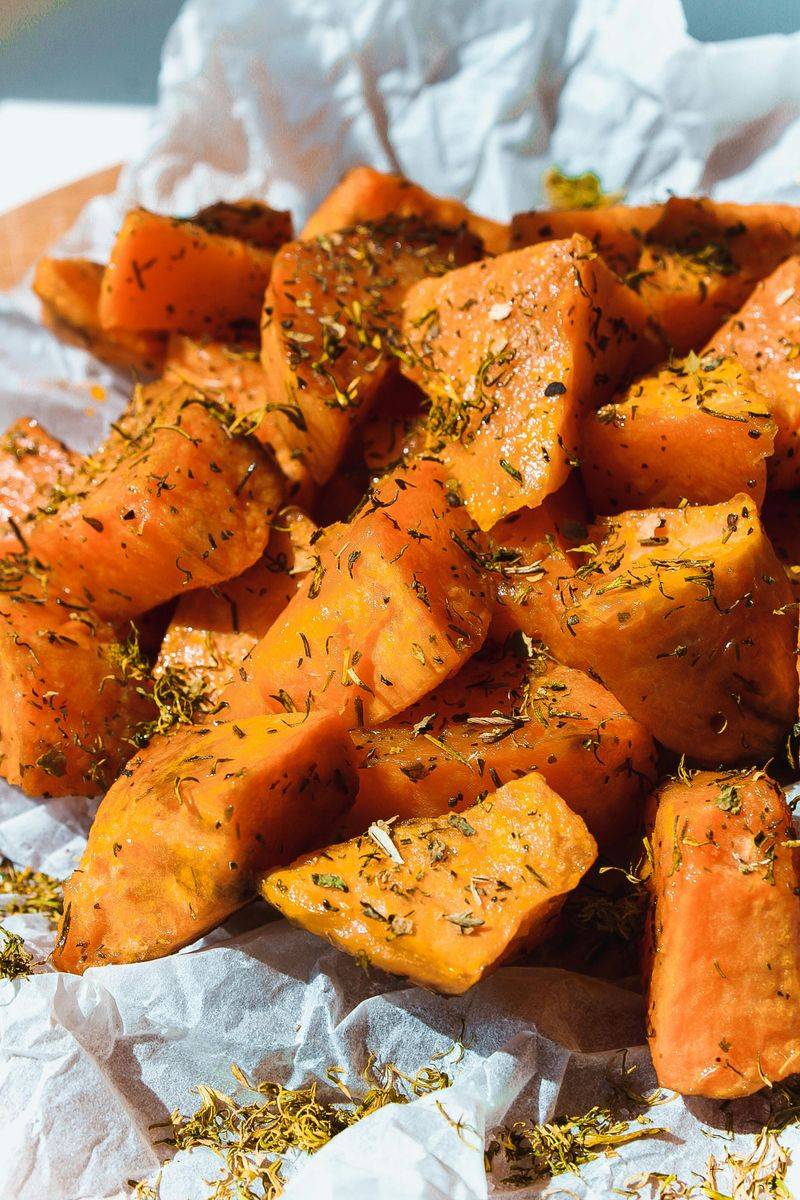
Sweet potatoes were sustenance crops, keeping families fed when other fields failed. You roasted them in ashes, mashed them into breads, or boiled them for stews. Natural sweetness made sugar unnecessary.
Later they appeared as fries and fancy puree under seared meats. The root has always been generous. Roast until caramelized, add salt, and enjoy the simple comfort.
Canned fish
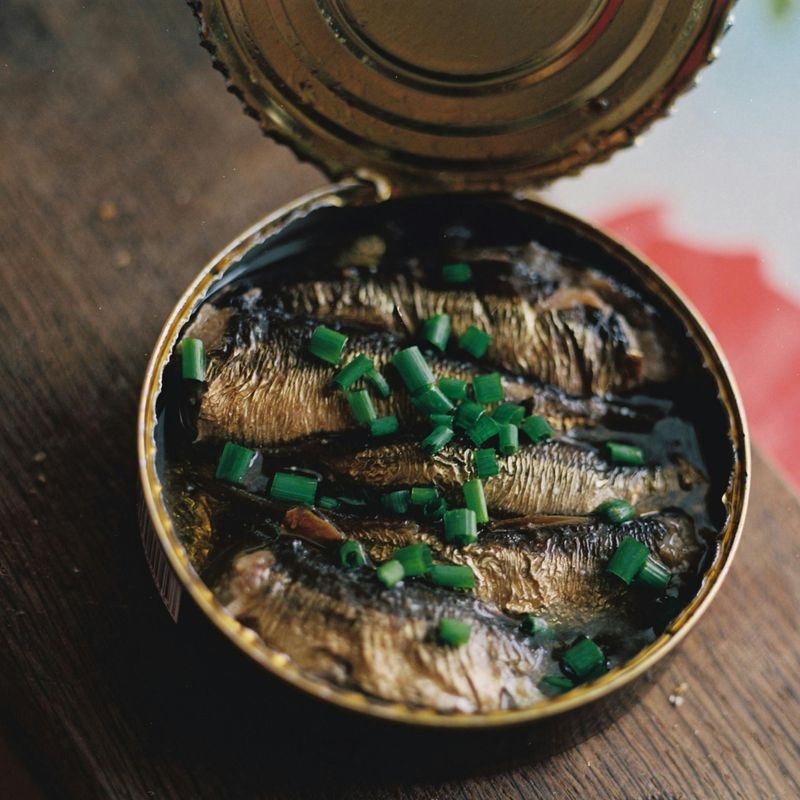
Canned fish kept pantries prepared through lean paychecks and power outages alike. You mixed it with onions for sandwiches, tossed it with pasta, or ate it straight with crackers. Protein, convenience, and thrift in one.
Now tinned fish boards star at wine bars with artful garnishes. The product barely changed, only the presentation. Keep it honest with lemon, mayo, and sharp pickles.
Oatmeal
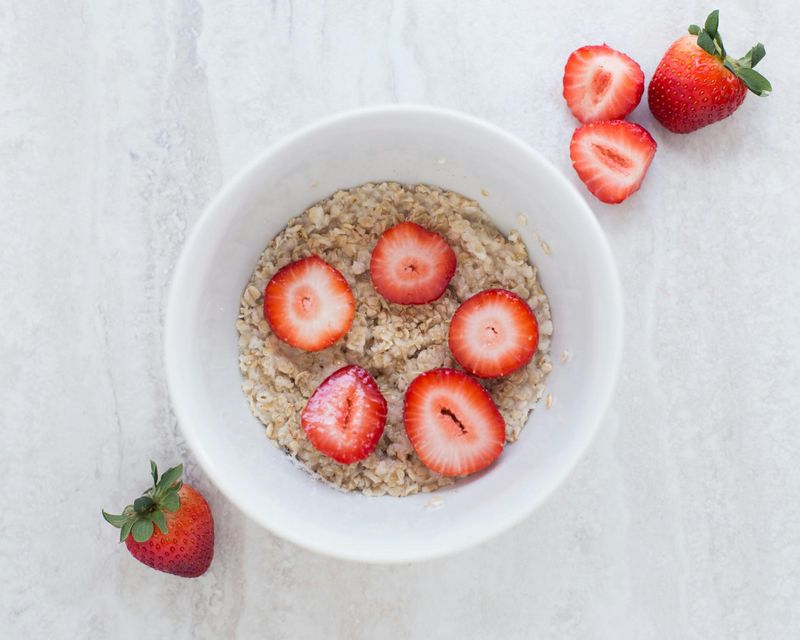
Oatmeal kept mornings warm when money was tight, relying on bulk bags and long simmering patience. You learned to toast the oats, salt the water, and transform the porridge with scraps of fruit or a knob of butter. It was steady energy, not fashion.
Later came oat milk lattes and overnight jars in glossy fridges. The grain stayed the same while marketing got loud. Keep yours simple with cinnamon, apple, and a pinch of salt.
Pickled vegetables
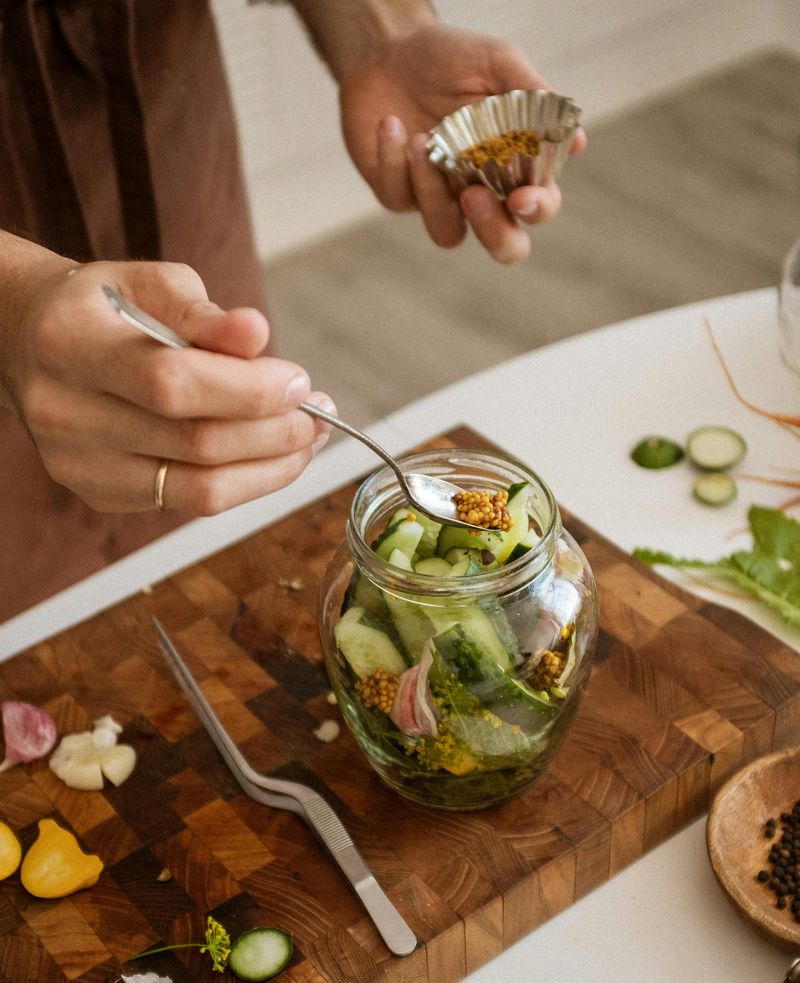
Pickling stretched garden gluts into winter months, saving every carrot, cucumber, and onion. You used vinegar or brine, spices on hand, and patience. Crunch and brightness turned simple meals into something lively.
Later, pickles became artisan jars with seasonal profiles. The craft is still approachable at home. Start with salt, garlic, and dill, and taste as you go.