



Healthy on the front, sneaky on the back. That shiny label might promise protein, fiber, or low fat, but tiny details can flip a good choice into a sugar bomb. If you have ever grabbed a snack that seemed smart and felt sluggish later, you are not alone. Let’s decode those aisle all stars so you can shop with confidence and keep your goals intact.
Granola

Granola looks wholesome, but those crunchy clusters often hide added sugars and oils. A small serving can pack dessert-level calories, especially when honey, cane sugar, or syrup appear early on the ingredient list. Watch for chocolate chips, sweetened dried fruit, and coconut oil boosting saturated fat.
Check serving size because half a cup disappears fast. Choose versions with single-digit sugar per serving and at least three grams of fiber. Better yet, mix plain oats with nuts and unsweetened fruit for control.
Pair with plain yogurt for balance. A sprinkle goes further than a full bowl.
Yogurt cups
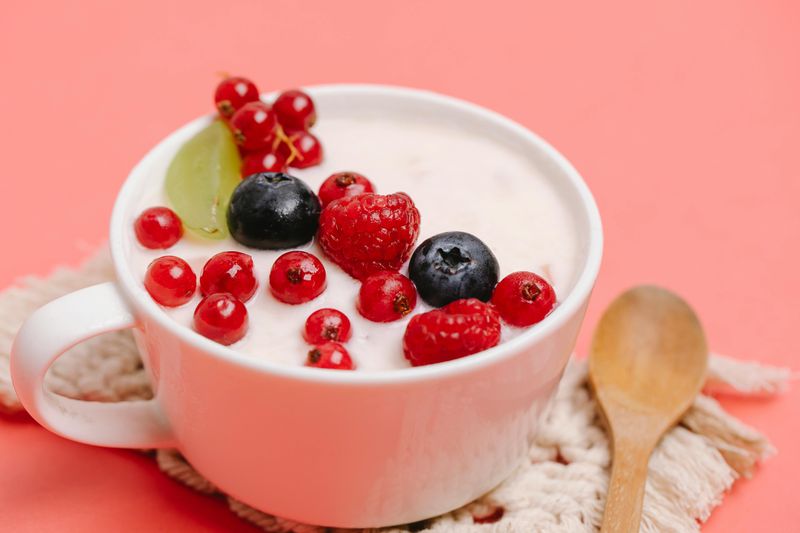
Yogurt cups feel like a slam dunk, but many flavored options are basically dessert. Fruit on the bottom often means syrup plus thickeners, while toppings add candy-level sugar. Some low fat cups remove cream and replace satisfaction with sweeteners that spike cravings.
Flip the cup and find added sugar grams, not just total sugar. Aim for plain Greek yogurt, then add real fruit and cinnamon yourself. Protein should be higher than sugar.
If you want flavor, choose cups sweetened with fruit puree only. Watch serving size since many containers hold two.
Protein bars
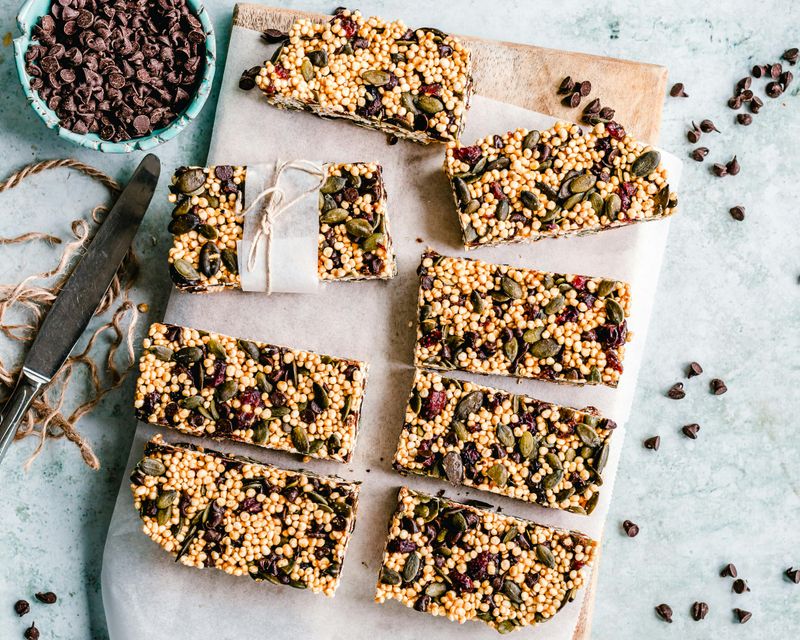
Protein bars promise fuel, but many resemble candy with whey. Coatings, syrups, and crisped rice create palatable energy bombs that vanish quickly. Sugar alcohols can cause bloating, and artificial sweeteners keep tastebuds chasing hyper sweetness.
Scan ingredients for a short list and protein at least 10 to 15 grams with modest sugar. If fiber is high, ask where it comes from. Chicory root can upset some stomachs.
Whole foods travel well too. Consider nuts, jerky, or a banana with peanut butter. Bars are tools, not everyday staples.
Smoothie bottles
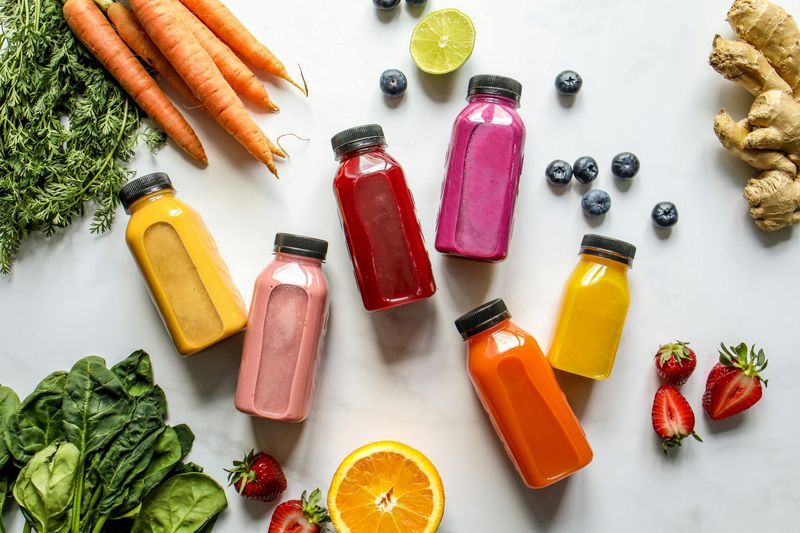
Those bottled smoothies feel like a shortcut to health, but they often strip fiber and concentrate fruit sugars. Multiple servings can hide in one bottle, doubling calories. Additions like sorbet, juice, or agave push it over the edge.
Choose blends listing vegetable bases first and check fiber above three grams. Protein helps steady energy, whether from Greek yogurt or pea protein. Avoid vague words like natural flavor masking sweetness.
When possible, blend at home with whole fruit, leafy greens, and seeds. You will keep the pulp and control sweetness.
Flavored oatmeal
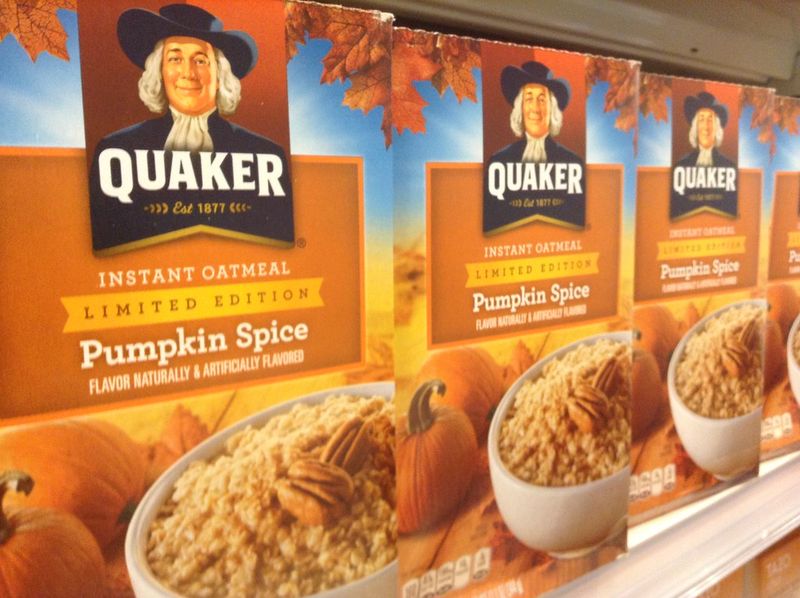
Instant oatmeal packets look cozy and smart, but flavored varieties pack sugar and salt. Tiny portions and fast cooking raise the glycemic hit. Kids versions can be candy in disguise with sprinkles and frosting bits.
Pick plain rolled or steel cut oats and add your own toppings. Mash banana or stir in berries for gentle sweetness. A scoop of peanut butter or chia adds staying power.
Check fiber on the label and avoid artificial flavors. Cinnamon, vanilla, and nuts bring comfort without the crash.
Veggie chips
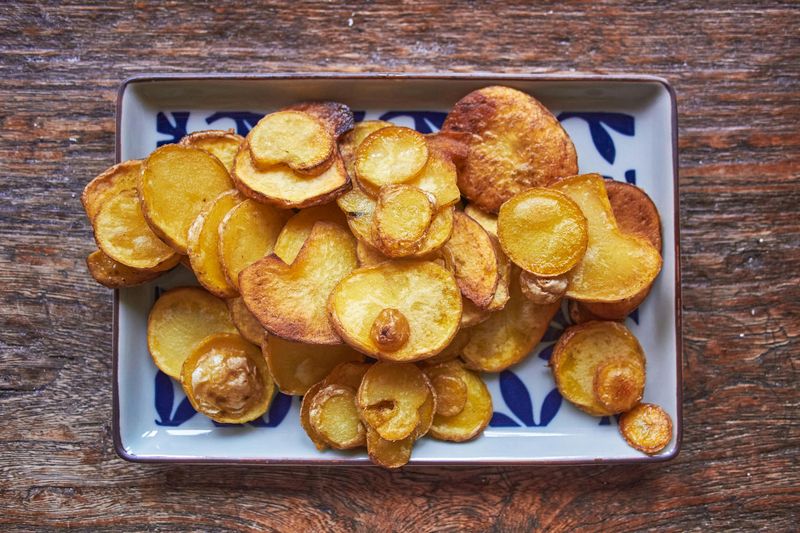
Veggie chips wear a halo, but most are potato starch plus oil with vegetable powders for color. They can match regular chips in calories and sodium. A serving is tiny, so handfuls add up quickly without real vegetable fiber.
Read ingredients for whole slices baked or dehydrated, not reformed starch. Better yet, roast your own veggie slices at home. Popcorn with olive oil can also satisfy crunch.
If you buy them, portion out a serving. Pair with protein like hummus or Greek yogurt dip for balance.
Dried fruit
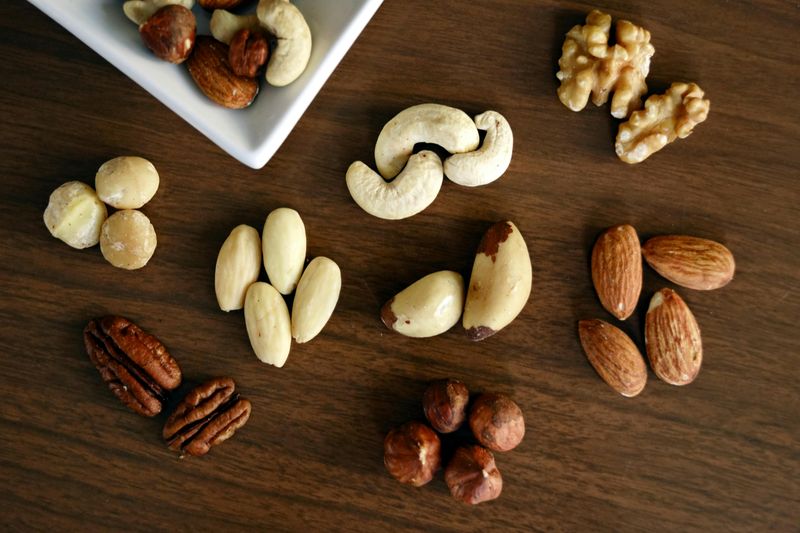
Dried fruit concentrates natural sugar into bite size pieces that disappear fast. Sweetened varieties add even more sugar or oil, turning a handful into a stealthy calorie punch. Sulfites can bother sensitive folks.
Choose unsweetened options and keep servings small. Pair with nuts for better blood sugar balance. Freeze dried fruit has volume and fewer sticky calories.
Consider fresh fruit when possible for fiber and hydration. If craving chewiness, chop pieces into yogurt so it stretches further. Your teeth and energy will thank you.
Nut butter jar
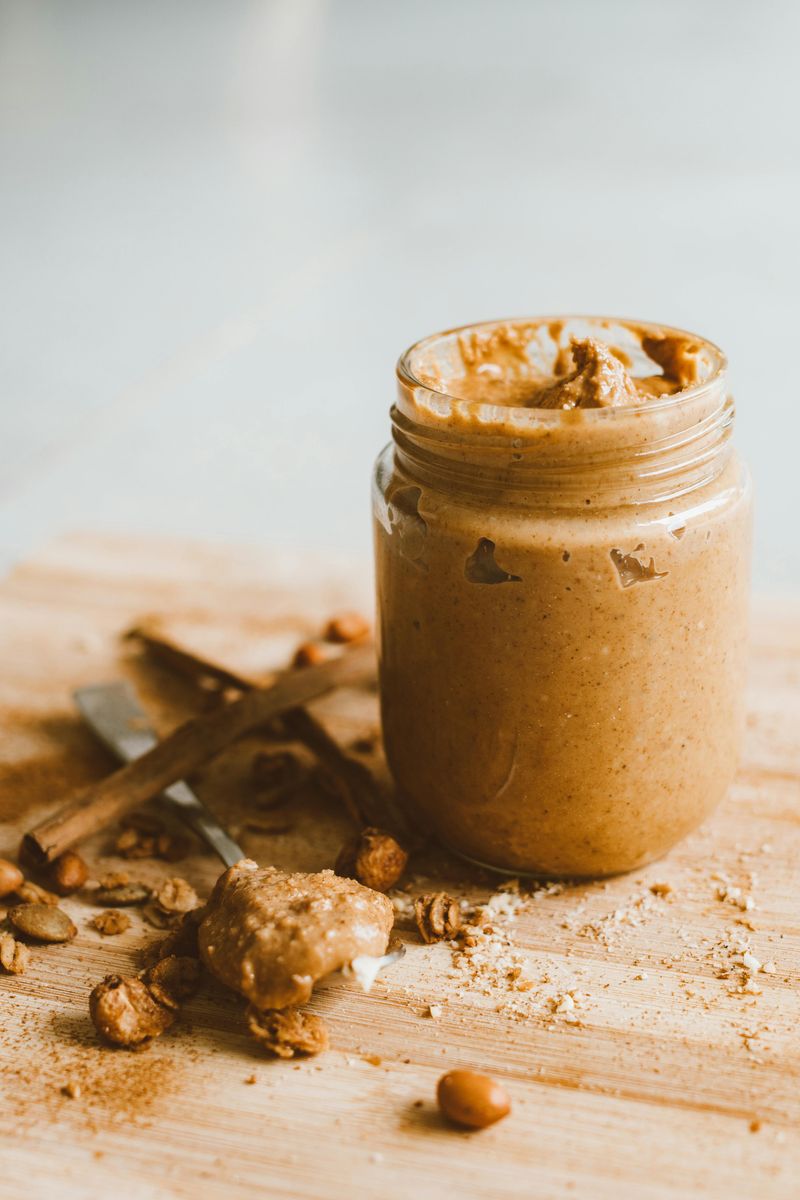
Nut butter is nutrient dense, but jars often include sugar, palm oil, and lots of salt. Two tablespoons vanish quickly, and spoon snacking grows portions silently. Added oils change texture while sneaking in saturated fat.
Look for ingredients that read nuts and maybe salt. Stir natural butter and store upside down to reduce separation. Pair with apple slices for fiber and crunch.
Measure portions occasionally to recalibrate. If you love sweetness, drizzle a little honey yourself and savor slowly. Real nuts plus patience go a long way.
Plant-based burgers
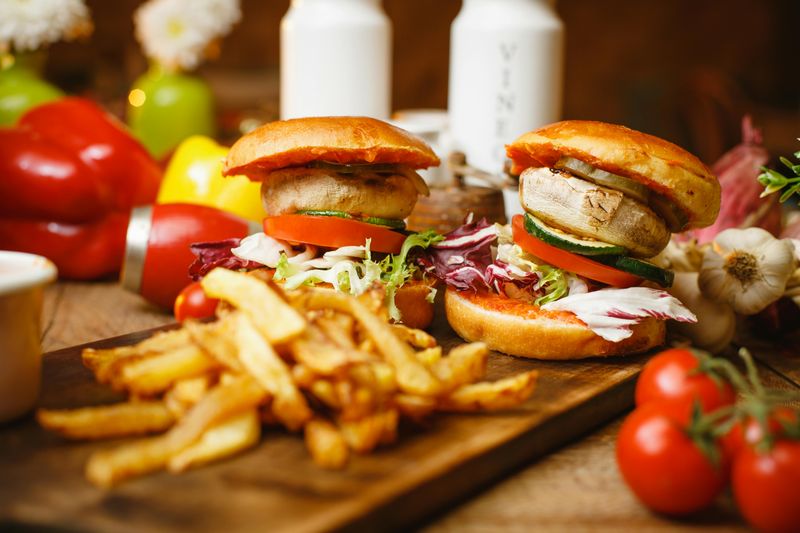
Plant-based burgers can be helpful, yet many are ultra processed with sodium, seed oils, and additives. Protein is respectable, but fiber may be low compared to beans. Some versions add coconut oil, raising saturated fat comparable to beef.
Scan for shorter ingredient lists and lower sodium per patty. Consider bean or lentil burgers with whole ingredients. Dress with veggies instead of sugary sauces.
If meatless is the goal, rotate with tofu, tempeh, or simple black bean patties. You will diversify nutrients and control textures. Balance matters more than branding.
Juice bottles
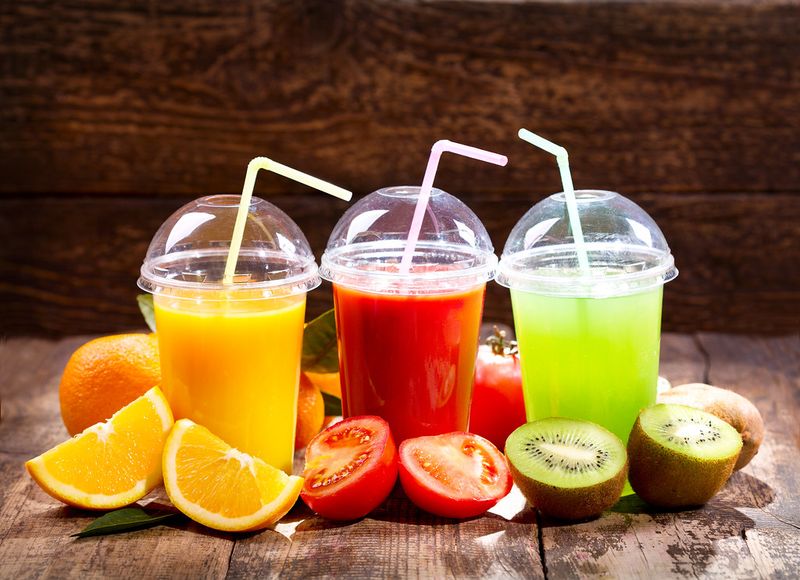
Juice strips fiber and concentrates fruit sugar into a quick gulp. Even cold pressed options can spike blood sugar because the pulp is missing. A whole orange is not equal to a glass of juice.
When choosing, look for blends with vegetables first and small bottles. Better still, dilute with sparkling water and add lemon. Consider eating fruit alongside protein for balance.
If juice is a treat, treat it like one. Sip slowly and enjoy the flavor. Let whole fruit do the daily work.
Cereal boxes
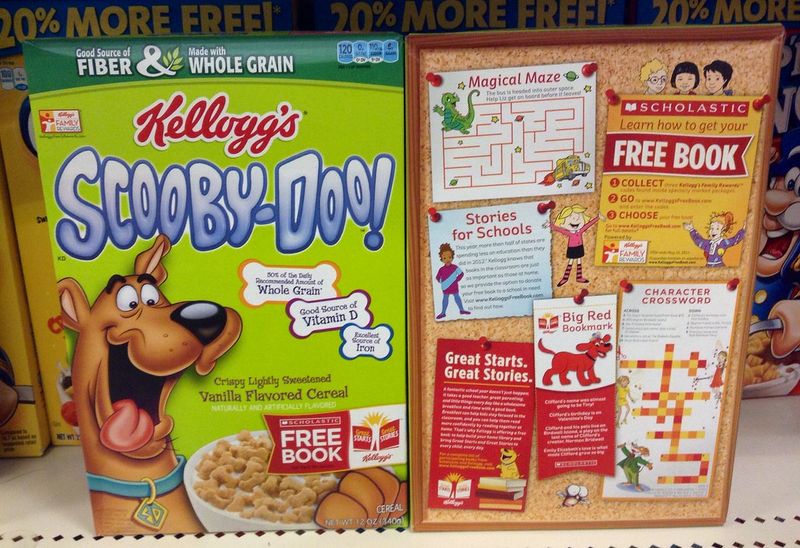
Cereal boxes shout whole grains, but many deliver refined grains with a sprinkle of fiber. Sugar creeps in through syrups, brown rice syrup, or honey. The serving size is tiny, and milk adds more calories quickly.
Choose cereals with at least five grams of fiber and under eight grams of sugar. Ingredient lists should start with whole grains. Add nuts or seeds for staying power.
Alternatively, try muesli or overnight oats with plain yogurt. You control sweetness and texture. The simpler the list, the better your morning feels.
Sports drinks
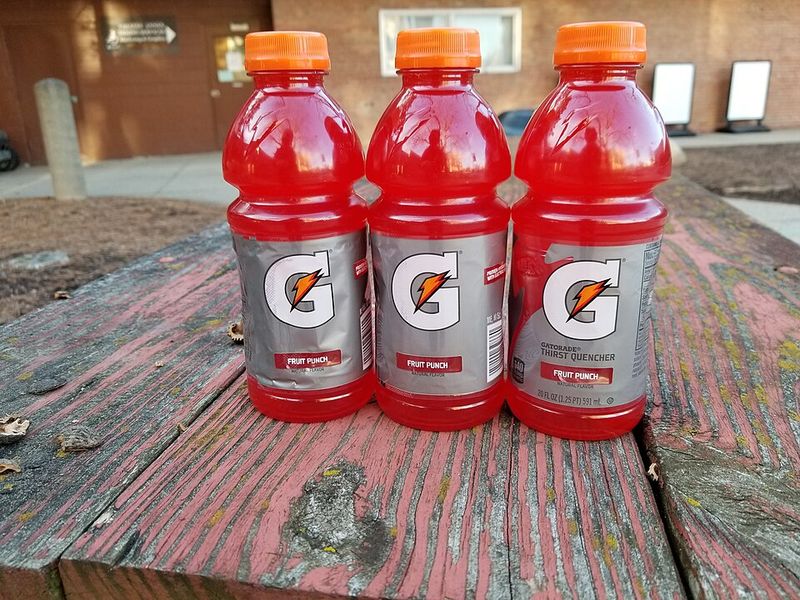
Sports drinks are designed for endurance athletes, not casual workouts. Many bottles deliver as much sugar as soda for flavor and quick energy. Electrolytes help under heat or longer sessions, but most days water works perfectly.
Check the label for serving sizes since some bottles count as two. If training hard, choose lower sugar options or mix your own with salt and citrus. Coconut water is not automatically better either.
For regular gym days, water plus a pinch of salt and a banana covers bases. Save sugary mixes for race days.
“Sugar-free” snacks

Sugar-free snacks can mislead by swapping sugar for sugar alcohols that cause gas or cramps. They keep tastebuds expecting intense sweetness, which can escalate cravings. Calories still count, and portions creep up when the label sounds virtuous.
Scan for erythritol, maltitol, or sorbitol and test tolerance slowly. Pair sweet treats with meals to soften impact. Whole fruit satisfies with fiber and water.
If you enjoy them, treat them like treats, not free passes. Mind hunger and fullness cues. The best snack is one that actually leaves you feeling good after.
Low-fat cookies
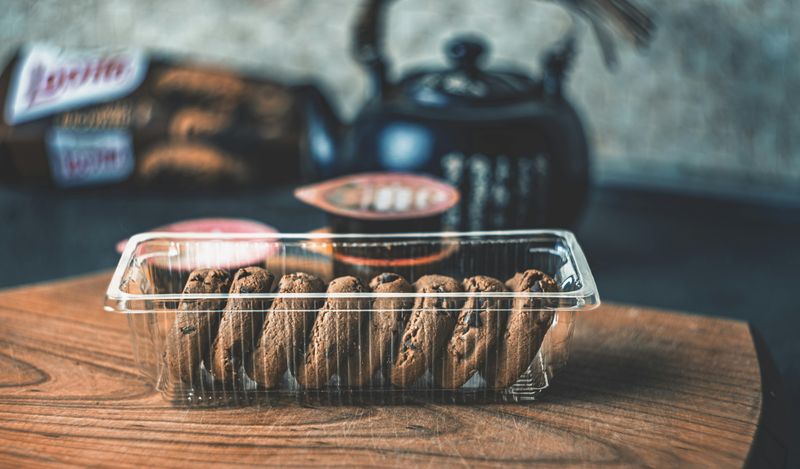
Low-fat cookies often compensate by adding sugar and refined starch to keep texture. The result is more calories than expected, plus a quick crash. You might eat extra because they seem harmless, which defeats the label.
Read the ingredients and compare to the regular version. Sometimes the classic has better balance and satisfaction. Smaller portions beat a whole sleeve of diet cookies.
If cravings hit, pair one or two cookies with milk or yogurt for protein. Or bake at home with oats and nuts. Satisfaction matters as much as macros.
Salad dressing
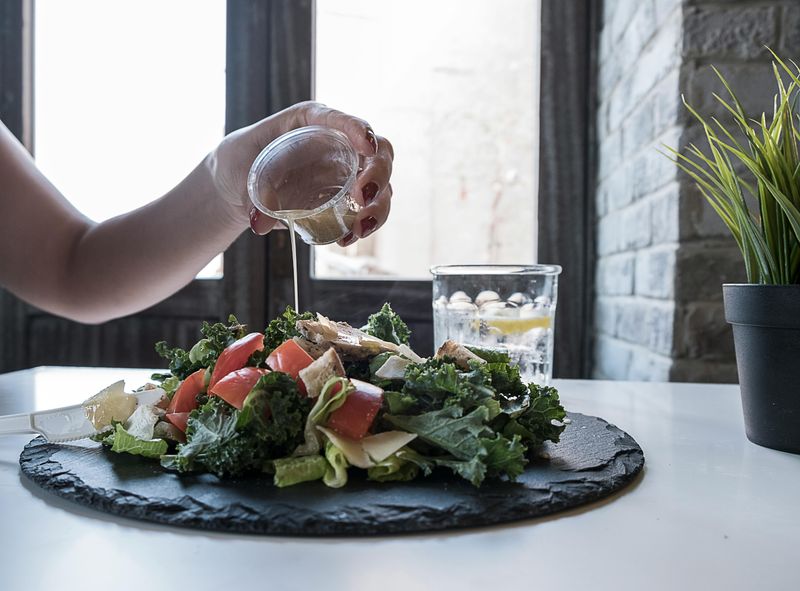
Salads can turn sneaky when the dressing pours on. Many bottles contain added sugar, starches, and sodium that drown crisp vegetables. Creamy versions can rival fast food calories, especially when serving sizes are two tablespoons.
Look for olive oil as the first ingredient and fewer than three grams of sugar. Vinegar based dressings with herbs deliver big flavor. You can whisk your own with lemon, mustard, and extra virgin olive oil.
Toss greens lightly and add avocado or nuts for richness. You will crave less sauce and enjoy texture more.