


Many restaurants rely on the microwave to prepare dishes quickly and efficiently. Here are 15 surprising ways they do it.
Pre-cooked Pasta
Ever wondered why your pasta dish arrives so quickly? Many restaurants use pre-cooked pasta that is briefly reheated in the microwave. This method ensures that the pasta is consistently al dente and served hot.
The microwave’s efficiency allows chefs to meet high demands without compromising on quality. It also helps in reducing the cooking time, ensuring that diners aren’t left waiting.
Though it may lack the texture of freshly boiled pasta, it’s a clever shortcut to satisfy hungry patrons swiftly.
Frozen Desserts
Craving a warm dessert? Many frozen treats are given a quick zap before serving. This method softens the dessert and brings out its flavors.
By using the microwave, restaurants can serve a variety of desserts without the need for lengthy preparation. It’s a handy trick when orders pile up.
The rapid transition from frozen to delightful ensures diners can enjoy their sweet treats without delay.
Steamed Vegetables
Steamed vegetables often owe their quick arrival to the microwave. It’s an efficient tool to steam veggies while preserving their nutrients.
Restaurants often use this method to maintain vibrant colors and textures. It’s a perfect balance of health and speed.
This shortcut allows chefs to focus on other aspects of meal preparation, ensuring a well-rounded dining experience.
Rice Dishes
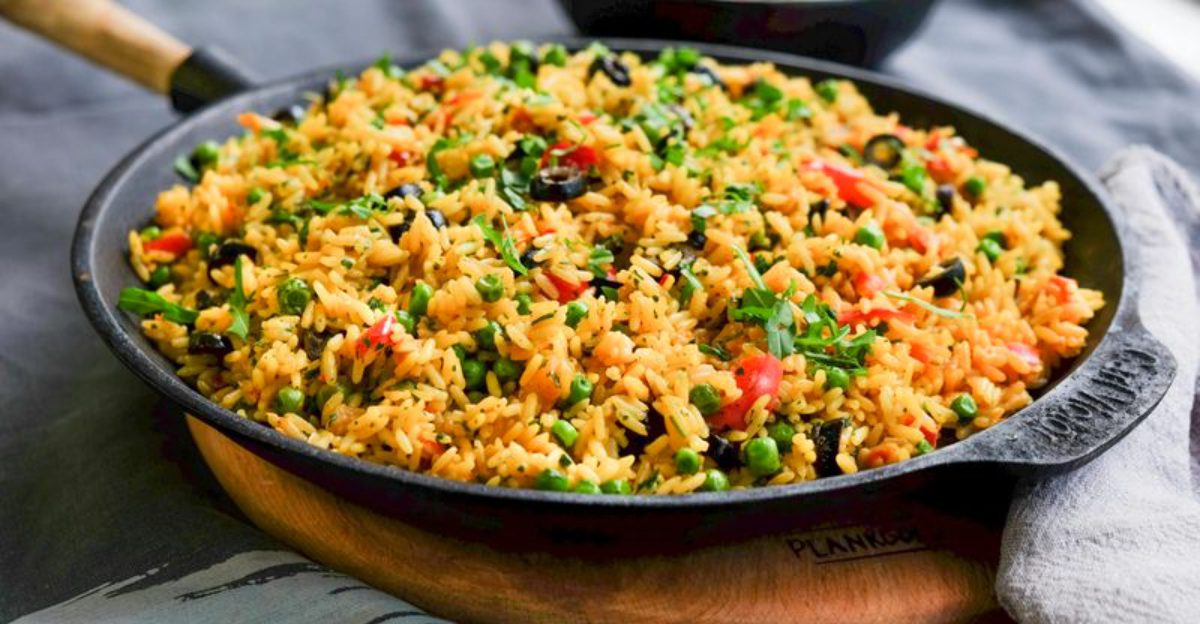
Rice can be a time-consuming dish, but the microwave offers a speedy solution. Many establishments use it to reheat pre-cooked rice.
This method guarantees that rice is fluffy and warm, ready to absorb sauces and flavors. It’s an essential trick for busy kitchens.
By cutting down cooking time, chefs can cater to large parties without compromising on satisfaction.
Sauce Thickening
Have you ever noticed perfectly thick sauces? The microwave can be secret behind it. It’s used to thicken sauces quickly.
This technique helps in reducing sauces without the risk of burning, maintaining a rich flavor. Quick adjustments can be made as needed.
For chefs, it’s a lifesaver during rush hours, ensuring each dish is served with the ideal consistency.
Soufflés
Soufflés are delicate, but some restaurants use the microwave to give them a quick rise. This ensures a fluffy texture without the wait.
Though it’s a risky technique, experienced chefs manage to perfect it. Timing and skill ensure the soufflé remains a crowd-pleaser.
It’s an innovative way to bring a classic dessert to life in record time.
Defrosting Meats
When unexpected orders hit, defrosting meats can become a priority. The microwave serves as a rapid defrosting tool.
This method prevents delays and keeps the menu fully available. However, it requires precision to avoid partial cooking.
Skilled chefs balance time and temperature to keep quality intact, ready to cook meats to perfection.
Reheated Soups
Soups often benefit from a quick microwave reheat, bringing them back to life in moments. This ensures a piping hot serving.
It’s a common practice to keep soups fresh and ready during service hours. Consistency is maintained with ease.
Allowing for quick service, it’s an unnoticeable yet effective way to satisfy soup lovers.
Baked Potatoes
The classic baked potato is often expedited with a microwave. This allows for a tender texture, ready for any topping.
While it might miss the crispy skin from an oven, the convenience compensates for it. It’s a perfect quick addition to any meal.
Restaurants find this trick valuable, ensuring no wait for a satisfying side dish.
Egg Dishes
Egg dishes, especially in brunch settings, benefit from the microwave’s speed. It’s a handy method for poached or scrambled eggs.
This approach ensures eggs are cooked evenly and quickly, catering to the breakfast rush. It’s about efficiency without sacrificing taste.
Chefs find this technique practical, maintaining quality and keeping diners happy.
Melting Cheese
Melting cheese to perfection can be an art, but the microwave simplifies it. It ensures even melting without burning.
This technique is often used for nachos or cheese-topped dishes, providing a gooey, satisfying experience.
It’s a delicious shortcut that maximizes flavor and minimizes wait time.
Bread Warming
Fresh, warm bread often arrives at your table courtesy of the microwave. This quick method rejuvenates soft textures.
Though it lacks the crisp of an oven, the microwave maintains the bread’s warmth and appeal. It’s a delightful start to any meal.
Restaurants appreciate this trick, ensuring bread is always served invitingly warm.
Roasted Vegetables
Roasted vegetables can be time-consuming, but microwaves help speed things up. It pre-cooks veggies before a quick finish in the oven.
This method retains flavors while cutting down on cooking time. It’s an efficient way to serve a nutritious side quickly.
Restaurants use this technique to keep pace with orders, ensuring every dish complements the main course.
Reheating Pizza
Leftover pizzas often find their way back to perfection through the microwave. It reheats slices quickly, ensuring a satisfying bite.
While it might not crisp the crust, it can be paired with a short oven stint for balance. It’s a popular choice for quick service.
This approach keeps customers happy, offering a warm and tasty pizza experience.
Glazing Donuts
Donuts can be quickly glazed with the help of a microwave. It warms the glaze for easy spreading and an even coat.
This technique ensures the glaze is smooth and shiny, enhancing the donut’s appeal. It’s a clever way to prepare treats on demand.
Chefs appreciate the efficiency, keeping the sweets fresh and delectable.