


Ever watch a household declare a food off-limits overnight, then scramble to replace it with something twice as pricey and half as satisfying? These sudden bans can spiral from sensible to silly fast. You deserve nuance, not panic rules taped to the fridge. Let’s look at the foods that got the boot, why it happened, and what actually makes sense for real life.
Whole milk

Whole milk vanished after a podcast declared it the villain. Coffee turned thin and bitter, and cereal felt like cardboard confetti. You tried every milk alternative and learned half of them curdle when heated, a surprise no one wanted.
After the calcium panic, a dietitian quietly said context matters. Portions, activity, and overall diet beat sweeping bans. Whole milk reappeared for weekend lattes, and nobody fainted from fat content. Sometimes creamy is just satisfying, and that was okay.
White bread
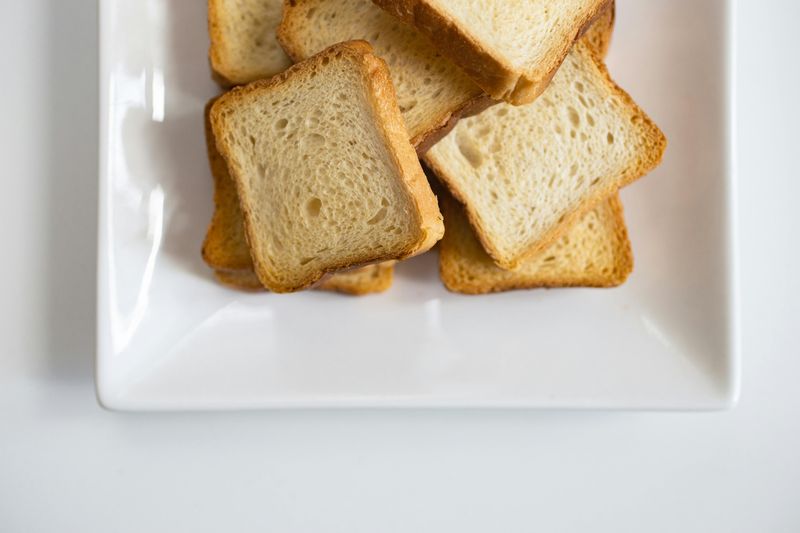
White bread got exiled like it personally offended fiber. Sandwiches lost their childhood magic overnight, replaced with gritty slices that crumbled under peanut butter. You missed softness more than expected, and lunchtime became a negotiation.
Eventually, a middle ground emerged. You kept higher fiber choices for most days but allowed fluffy white bread for grilled cheese or French toast. That compromise worked because it respected pleasure and protein pairings. Bans rarely understand context, but you do now.
Pasta
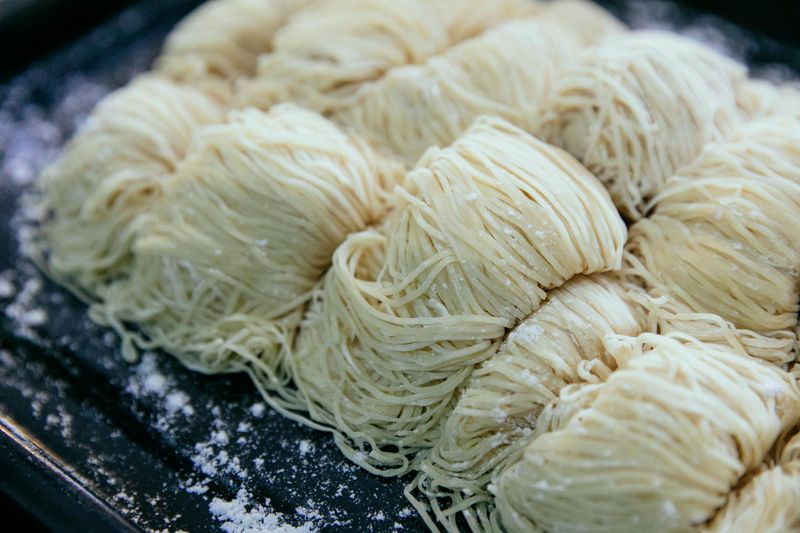
Pasta was blamed for every sluggish afternoon, so it disappeared in a dramatic pantry purge. Spiralizers took over like well-meaning vines. Zucchini noodles squeaked, sauce watered down, and dinner lost its soul.
Then you remembered portion sizes and protein pairing, and suddenly pasta behaved. A modest bowl with veggies and chicken kept energy steady. The ban dissolved, replaced by mindful serving and slower bites. It turns out noodles were never the villain, just the scapegoat of chaos.
Potatoes

Potatoes went out with the low-carb tide, leaving roasted dinners oddly incomplete. Sweet potatoes got the rebound role, even when you wanted crispy Yukon golds. Somehow fries took blame for everything potatoes ever did.
When you brought back boiled, roasted, and air-fried versions, balance reappeared. Add skins, add protein, add greens, and glycemic drama calmed down. The lesson: methods matter as much as ingredients. You did not need a ban, just better cooking and timing.
Eggs

Eggs got banned during a cholesterol scare that felt decades old. Breakfast became complicated and expensive, with protein powders standing in like awkward understudies. Baking turned risky, too, because substitutions are not magic.
Then the context conversation finally landed. For most people, dietary cholesterol is not the main driver. You brought eggs back with veggies and whole grains, and mornings stabilized. Sometimes tradition knows a thing or two about satiety.
Bacon
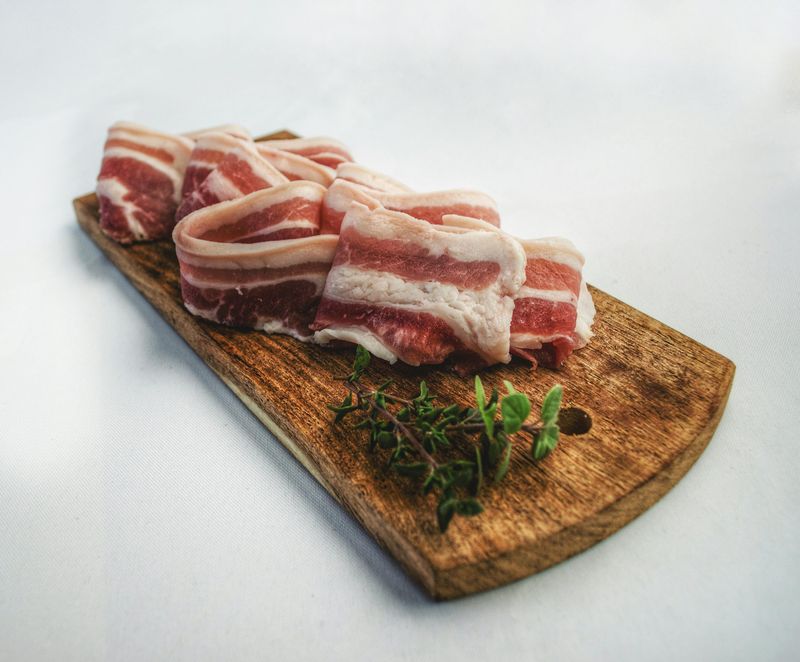
Bacon got blacklisted after headlines shouted processed meat risk. Brunch felt like a funeral with tofu strips pretending. The house was quieter without that unmistakable sizzle and smell.
Instead of forever bans, you saved bacon for special breakfasts and used smaller amounts to season greens or beans. Flavor without overload became the compromise. The kitchen got its soundtrack back, and nobody pretended it was a health food. It just stopped being a daily habit.
Cheese
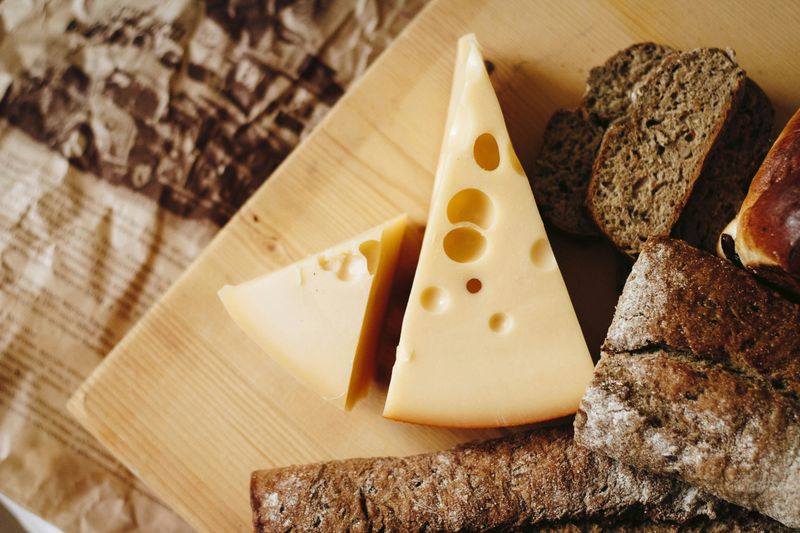
Cheese went on trial for calories, sodium, and dreams. You tried nutritional yeast, which worked sometimes and absolutely did not others. Pizza night became tense negotiations rather than joy.
Then came portion cups and sharper flavors, so a little went far. Strong cheddar, feta crumbles, and parmesan shavings turned into smart accents. You kept satisfaction high and totals reasonable. No ban required, just better choices and restraint that did not feel punishing.
Sugar
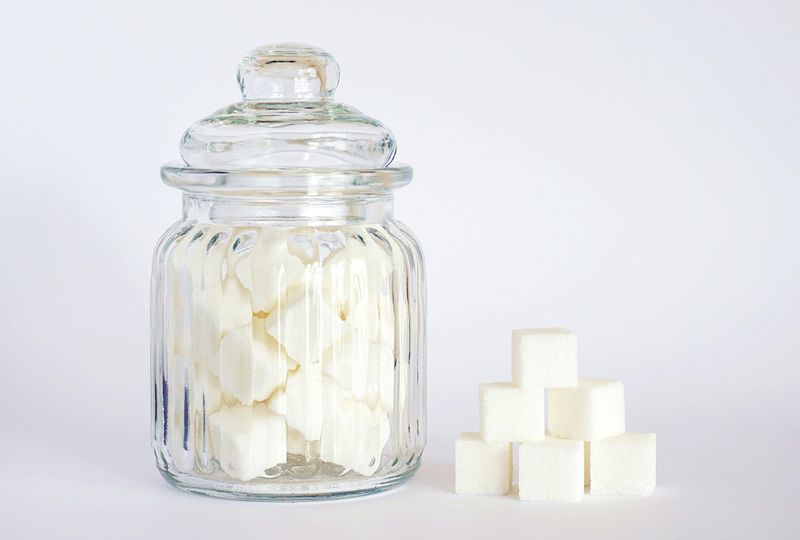
Sugar became the household villain, taped with skulls on the jar. You tried to erase it, then chased sweetness elsewhere with syrups and dates, creating a pricey scavenger hunt. Cravings did not disappear, they adapted.
When you set realistic limits, desserts tasted special again. Fruit showed up more, and baking days were planned, not forbidden. The obsession cooled because nothing was off-limits forever. That mental shift changed everything.
Salt
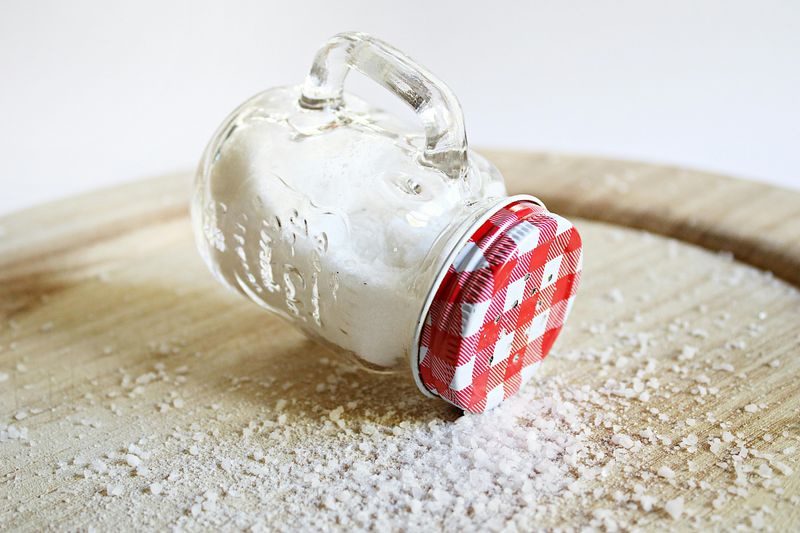
Salt got banished after a blood pressure warning, and dinner went mute. Everyone shook herbs aggressively, as if volume equals flavor. You learned the difference between sodium hidden in packaged food and a mindful pinch at the table.
Cooking from scratch made the biggest dent. A little salt at the right time lifted vegetables and lean meats. You tasted more, measured more, and panicked less. The ban relaxed into skillful seasoning with a watchful eye on labels.
Coffee
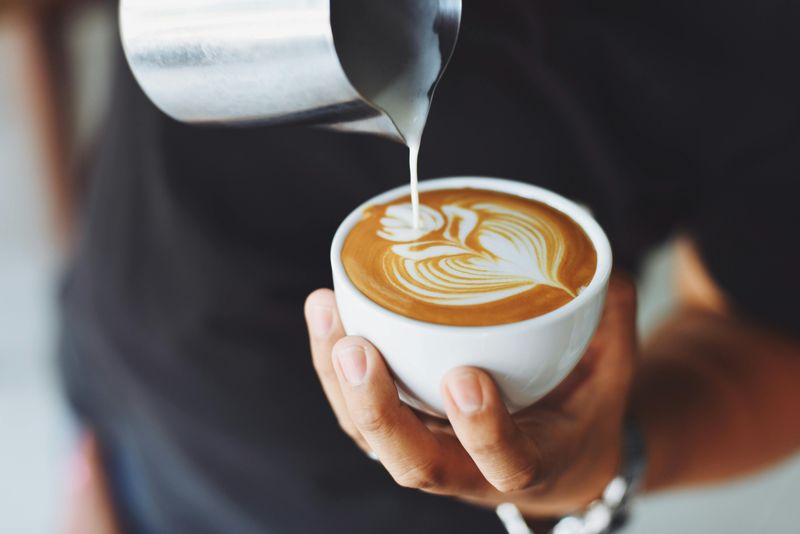
Coffee got cut during a sleep hygiene crusade, and mornings lost their anchor. Tea tried, but the ritual felt off. The headaches were not exactly charming either.
Eventually, timing rules saved the relationship. No late afternoon cups, more water, and a real bedtime. The brew returned, paired with breakfast and sunlight, not doomscrolling at midnight. You discovered caffeine could be a tool rather than a trap.
Chocolate
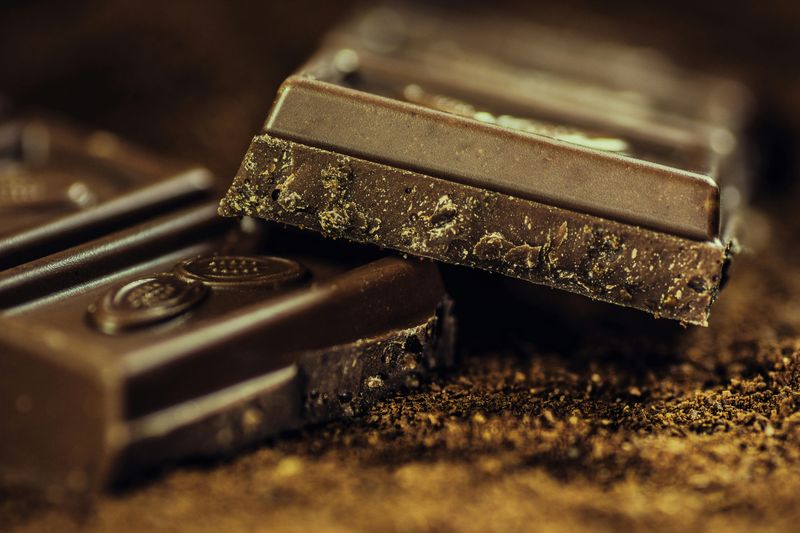
Chocolate left the house after a high-sugar horror story. Then it snuck back in stealthy forms that tasted like regret. The craving never left, it just felt shameful.
Switching to darker varieties, smaller squares, and mindful moments changed everything. You let the piece melt and called it enough, most days. The ban morphed into a ritual, and it felt adult rather than rebellious. Pleasure plus boundaries won.
Rice
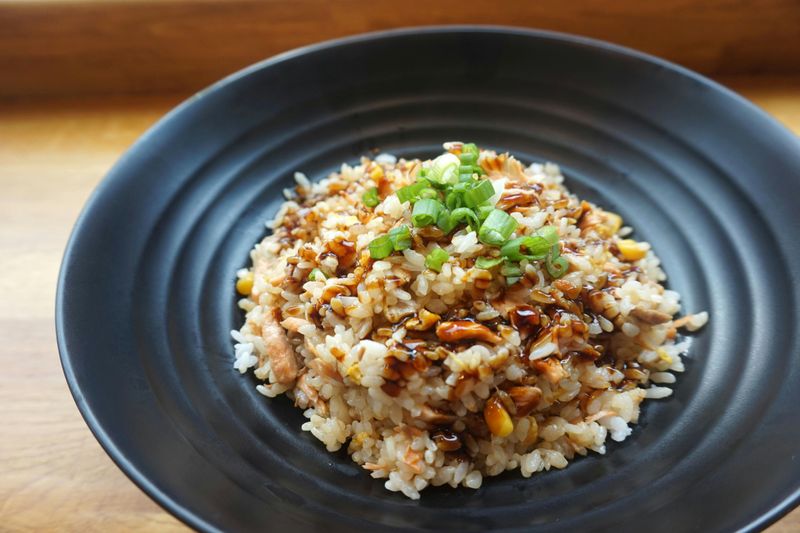
Rice was blamed for carb overload and tossed out like it did not feed half the world. Cauliflower rice tried to fill the void, squeaking sadly in the pan. Meals lost comfort and cultural anchors.
Bringing back rice with portion control, extra veggies, and protein made plates satisfying again. You rotated white, brown, and jasmine depending on the dish. Leftover rice cooled for resistant starch was a smart tweak. No need for drama, just smarter patterns.
Red meat
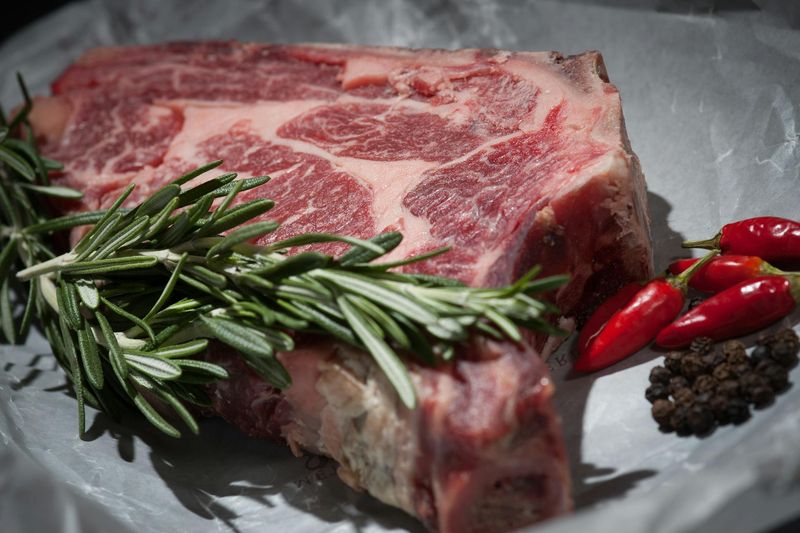
Red meat got axed after a flood of scary headlines. Family cookouts felt like paperwork approvals. The grill gathered dust while everyone performed tofu experiments.
A calmer approach brought it back in modest portions, with lots of vegetables and fiber on the side. Leaner cuts, slower chewing, and fewer charred edges made a difference. You kept it occasional and intentional. Health goals and flavor finally called a truce.
Cooking oil

Cooking oil sparked a war of smoke points and conspiracies. Every bottle got side-eyed like a spy. You bounced between coconut, avocado, olive, and back again, chasing perfection.
Eventually, you picked oils by task. Extra virgin olive oil for salads and low heat, a neutral high-heat option for searing, and that was that. Less drama, better food. Stability, flavor, and budget aligned once the ban mentality disappeared.
Ice cream

Ice cream was exiled for obvious reasons, and joy left the freezer with it. The replacements tasted like frost and promises. Late-night raids shifted to peanut butter jars, which did not help anyone.
When you planned dessert nights instead, everything clicked. A real scoop, a small bowl, and no sneaking. You savored it, then moved on. The ban ended because intentional treats beat secret binges every time.
Butter
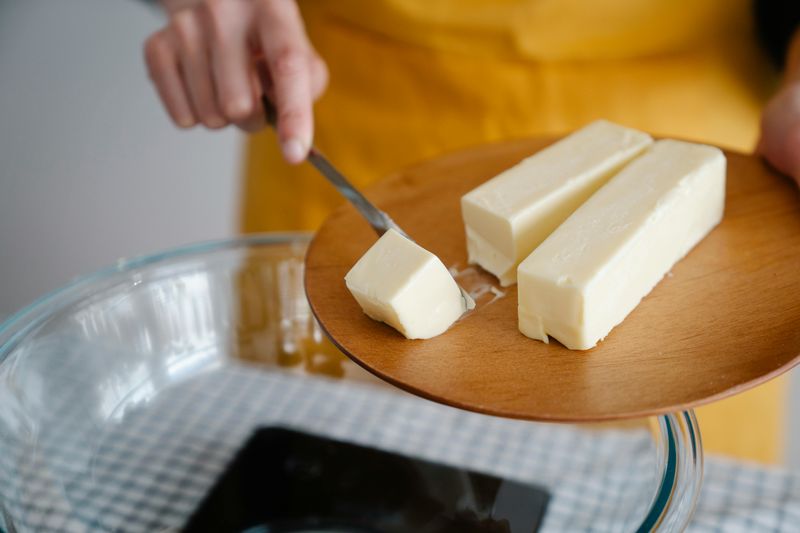
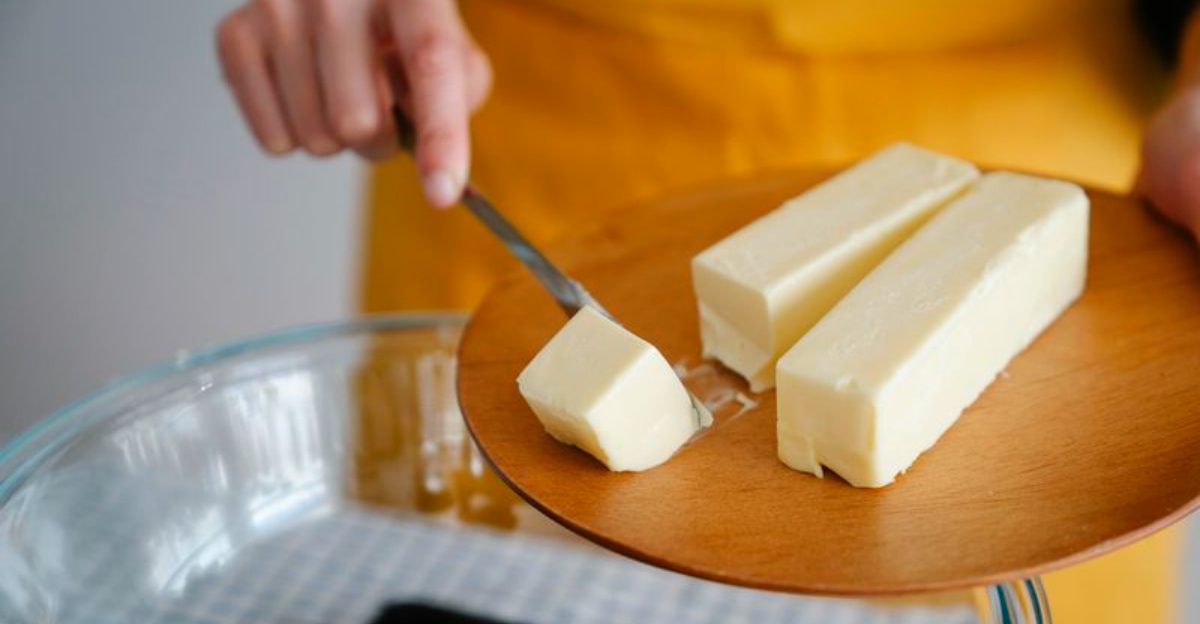
Butter took the fall in a late-night health overhaul, and breakfast got bleak. Toast turned dry, sauces split, and cookies tasted mysteriously sad. You were told margarine was the hero, then told it was not, and who can keep up.
Moderation rarely had a chance because the rule felt simpler than context. You learned to melt olive oil on pancakes, which felt like a dare. Eventually, butter returned in tiny portions, like a celebrity cameo, and balance finally made sense.