


Remember when grocery runs felt routine, not like strategic missions with a calculator? Lately, everyday staples have started acting like luxury goods, creeping up in price while shrinking in size. You still want quality, but the sticker shock can feel personal when it hits breakfast, snacks, and weeknight dinners. Let’s walk through the foods that quietly moved from affordable to fancy, and how that happened.
Eggs carton
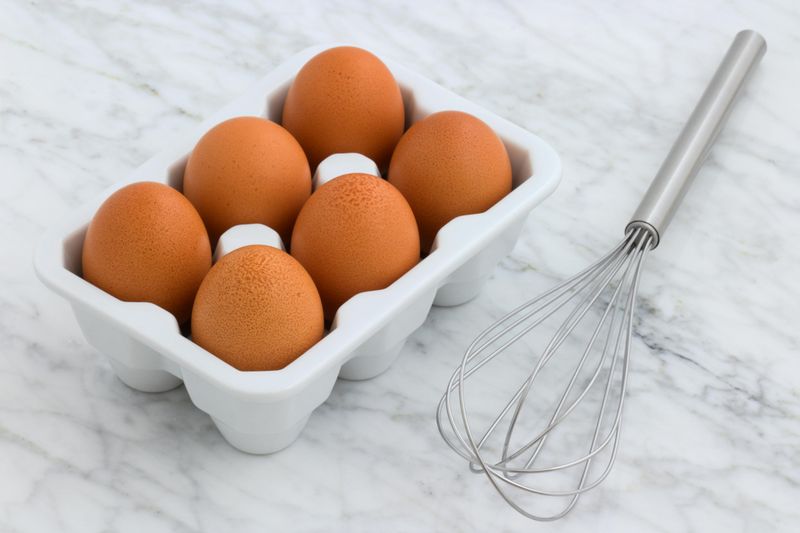
Eggs used to be the reliable budget hero, the breakfast you could count on when money felt tight. Then bird flu outbreaks, feed costs, and supply chain hiccups sent prices soaring like a surprise plot twist. You felt it when baking a cake or meal prepping breakfast sandwiches.
Cartons that once felt cheap started getting locked in plastic cases at some stores. Even store brands crept up, with sales disappearing overnight. You might buy smaller packs or stretch recipes with veggies to cope.
Butter sticks
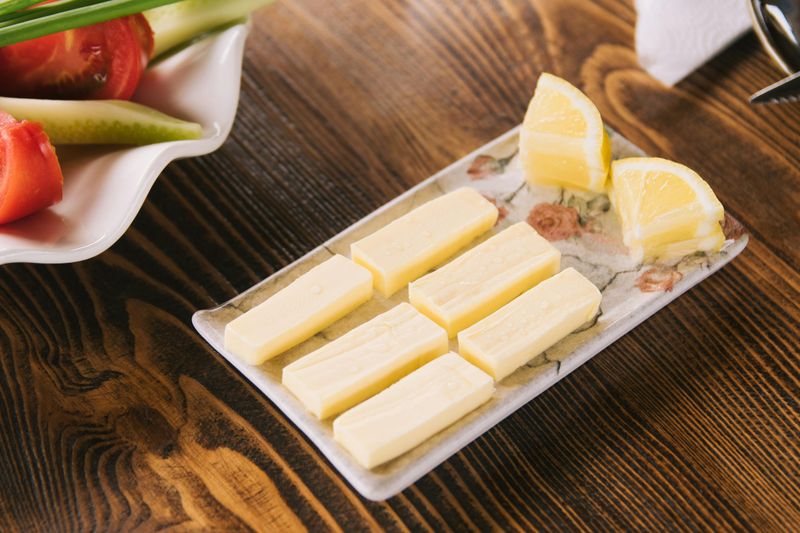
Butter once sat quietly in the fridge, ready for toast, baking, and searing. Then dairy input costs rose, cream supplies tightened, and transport fees piled on. Suddenly, those familiar sticks felt like a splurge, especially around holiday baking season when demand spikes.
You might swap in oil for some recipes, but butter’s flavor hits different. Shrinkflation did not help, with lighter weights sneaking in. Sales cycles now feel like events you plan around.
Olive oil bottle

Olive oil became that friend who went abroad and returned fancy. Droughts in Mediterranean groves and poor harvests squeezed supply, pushing prices to record highs. You notice the jump when drizzling over salads or finishing pasta with that peppery hit.
Smaller bottles suddenly make sense, and you guard every pour. Some switch to blends for cooking, saving the good stuff for dipping. It is a pantry staple turned special occasion guest.
Bacon pack
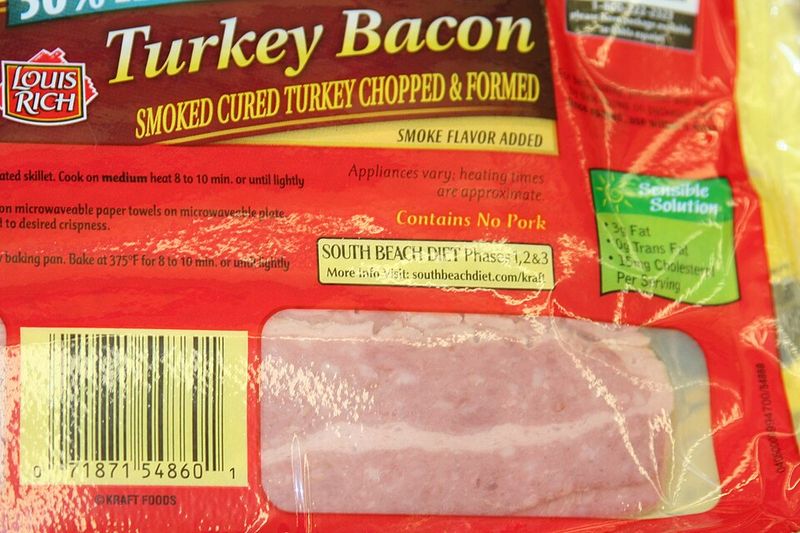
Bacon once felt like an affordable treat for Saturday mornings. Pork supply cycles, processing costs, and labor issues nudged it into the premium zone. You might wait for BOGO deals or freeze multiple packs when the price aligns.
Restaurants quietly raised prices on BLTs and brunch plates, and you noticed. Some swap in turkey bacon or skip entirely, but the smoky crunch haunts cravings. It turned from everyday to sometimes food in one inflationary swoop.
Cheese block
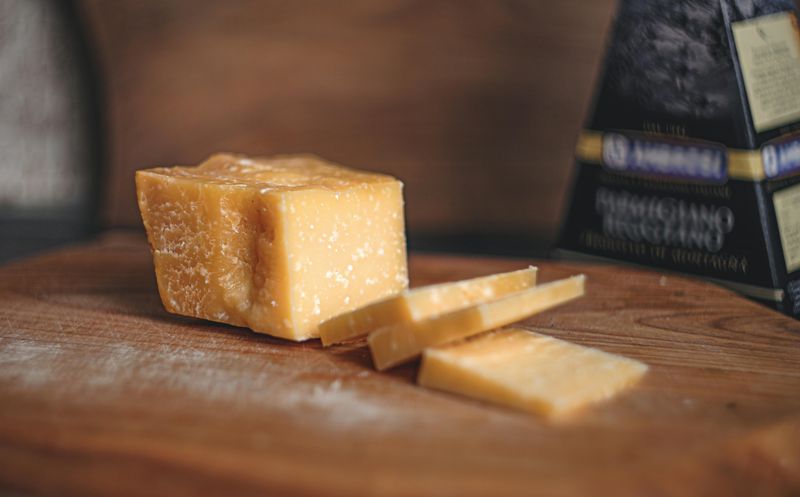
Cheese used to be a chill addition to sandwiches and casseroles. With dairy costs rising and aging times tying up inventory, blocks got pricier and slices thinner. You feel it when grating for tacos or sprinkling on eggs.
Specialty varieties leaned into premium status, and even basic cheddar followed. You might buy larger blocks to shred yourself, chasing value per ounce. Still, that melty pull keeps you coming back despite the hit.
Ground beef
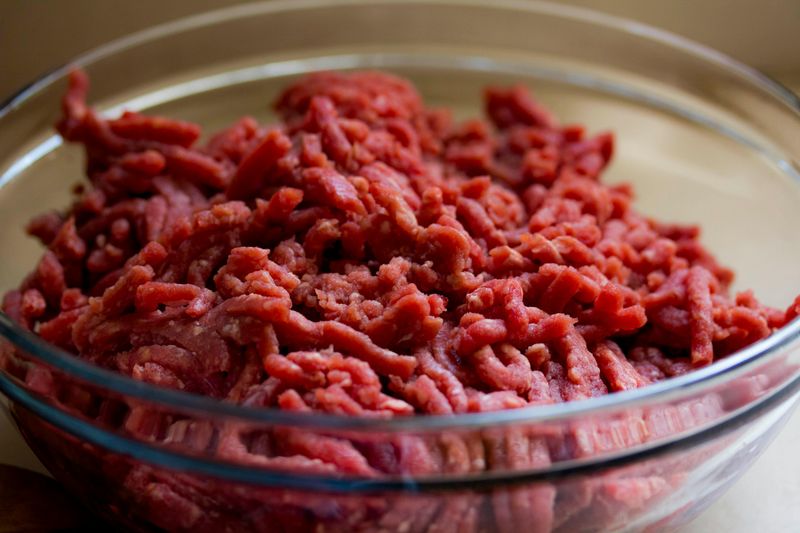
Ground beef used to anchor budget dinners like chili and burgers. Herd cycles, feed prices, drought, and processing constraints pushed it up the chart. Suddenly, the cheapest pound was not so cheap.
You might blend with mushrooms or beans to stretch meals without losing comfort. Buying family packs and freezing portions helps tame the weekly bill. Still, backyard grilling nights remind you why the flavor remains worth strategizing for.
Chicken breasts
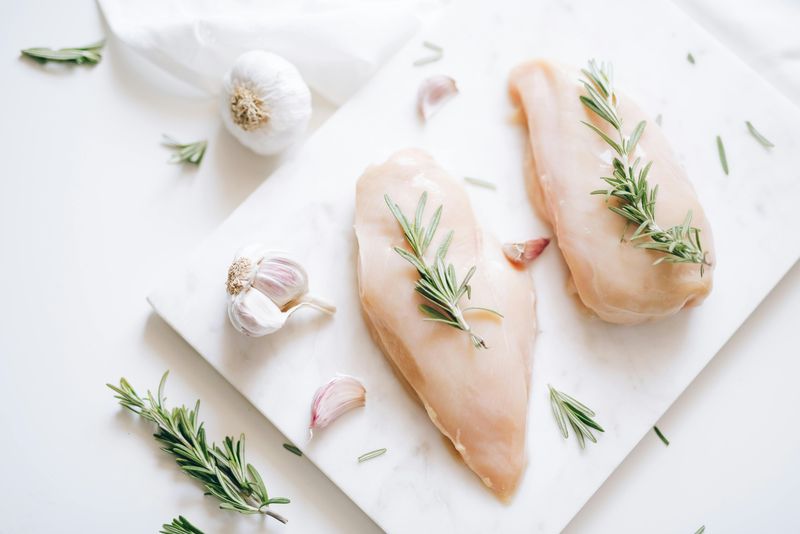
Chicken breasts once felt like the gym-friendly, wallet-friendly protein. Feed and processing costs rose, and demand stayed relentless, nudging prices upward. You noticed meal prep getting pricier even with store brands.
Sales now trigger batch marinades and freezer bags. Some pivot to thighs for value and flavor, searing crispy skin when possible. Breasts still deliver versatility, but you treat them like planned purchases instead of toss-in-the-cart defaults.
Coffee beans
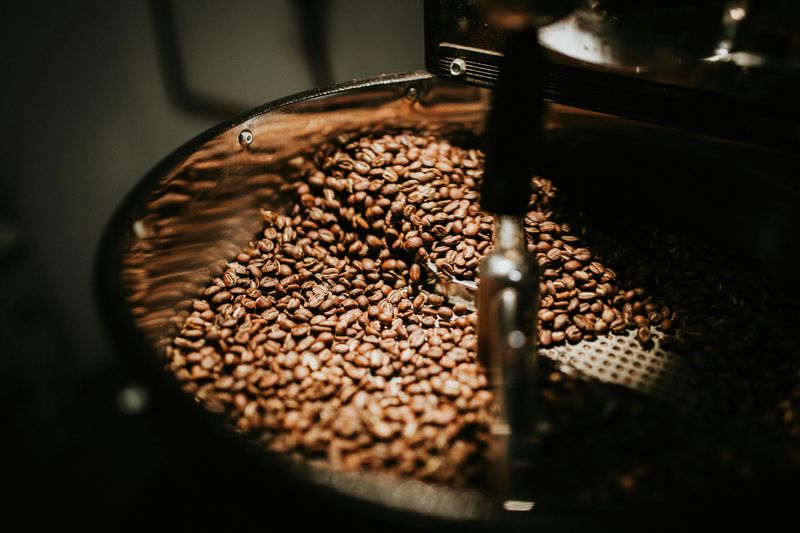
Your morning ritual now costs more, thanks to weather shocks in coffee-growing regions and higher shipping. Arabica shortages and premium branding pushed beans into treat territory. You may experiment with grind size and brew ratios to stretch flavor.
Buying whole beans on subscription can help, but those glossy bags feel pricier. Cafes passed costs along, so at-home brewing became your splurge saver. The aroma still makes the price sting fade, at least for a moment.
Chocolate bar

Cocoa crops faced disease and weather volatility, sending futures soaring. Suddenly that casual checkout aisle chocolate felt like a boutique treat. You noticed smaller bars, higher prices, and marketing leaning into origin stories.
To cope, you savor squares slowly, pairing with fruit or tea. Baking chocolate followed suit, nudging cookies into special-occasion status. Still, a good bar melts stress better than most purchases, so it stays on the list.
Avocados
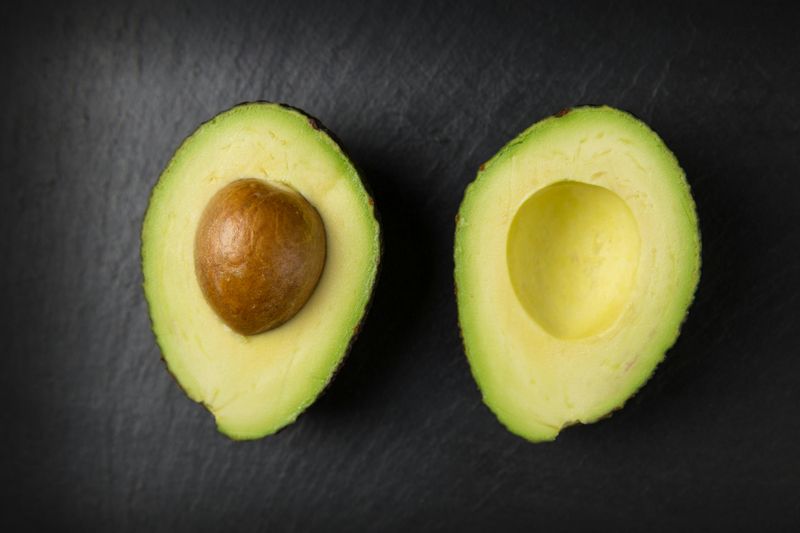
Avocados rode a trend wave straight into luxury vibes. Weather swings, labor, and transport costs made guacamole nights pricier. You might notice fewer two-for deals and more careful ripeness checks to avoid waste.
Some swap in pea or edamame guac for parties, stretching the real thing. When the texture is perfect, though, you remember why the craze stuck. It is toast topping turned occasional indulgence.
Almonds bowl
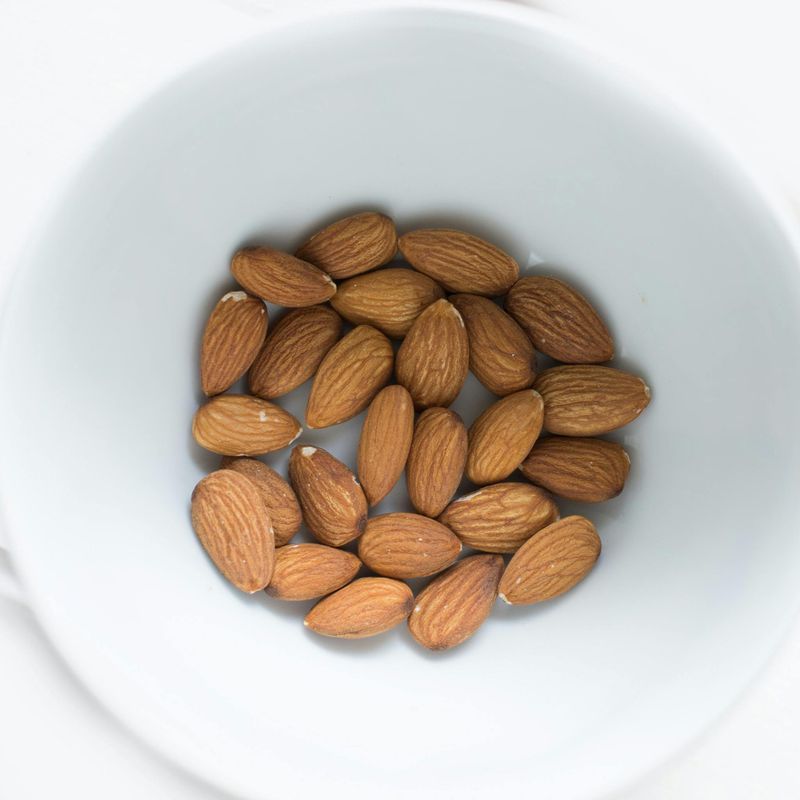
Almonds used to be the responsible snack choice that felt affordable. Water-intensive orchards and pollination costs pushed prices up, and almond milk followed. You probably ration handfuls now, saving them for trail mix boosts.
Buying in bulk helps, but storage matters to keep them fresh. Roasting at home adds value and aroma without extra cost. They remain a crunchy, protein-rich staple, just carefully portioned.
Fresh berries
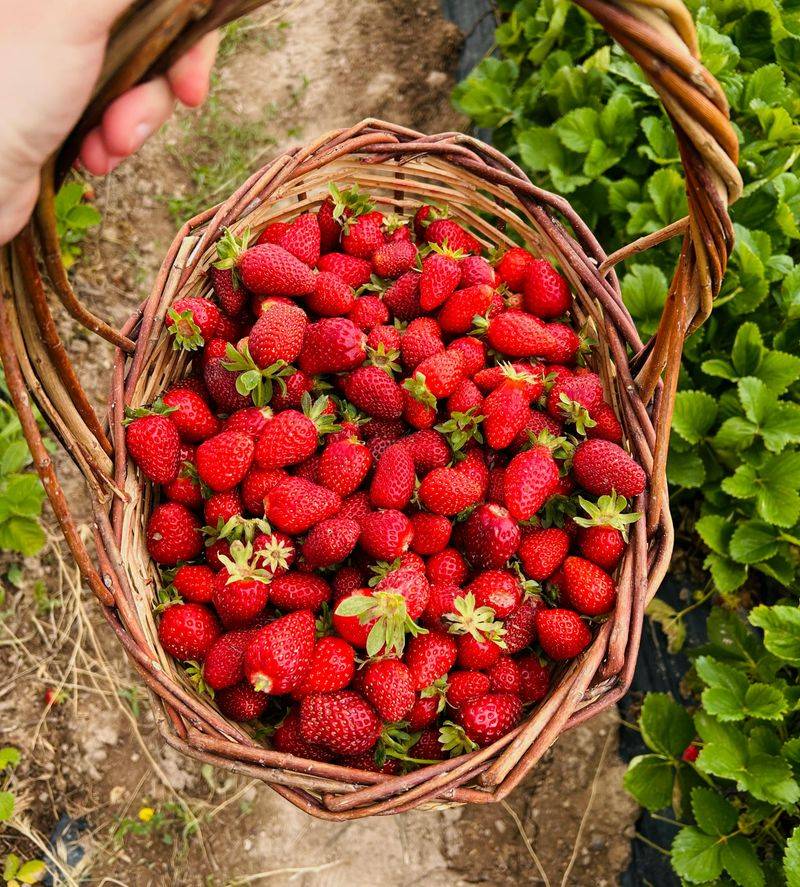
Berries always felt fancy, but there was a time they were doable on sale. Weather disruptions, labor shortages, and delicate transport bumped prices steadily. You now plan berry buys around peak season and flash sales.
Frozen options rescue smoothies and desserts without bruised surprises. When you do splurge on fresh, you rinse gently and savor every pop. They are tiny jewels with larger-than-life price tags lately.
Honey jar

Honey was a cozy pantry staple, but hive stress and production costs changed the math. Authentic, single-origin jars inched up, and even blends got pricier. You might use it more sparingly in tea or marinades.
Local farmers markets offer flavor and traceability, often at a premium. Counterfeit concerns make you read labels closely. It still feels like liquid sunshine, which is hard to replace with plain sugar.
Greek yogurt
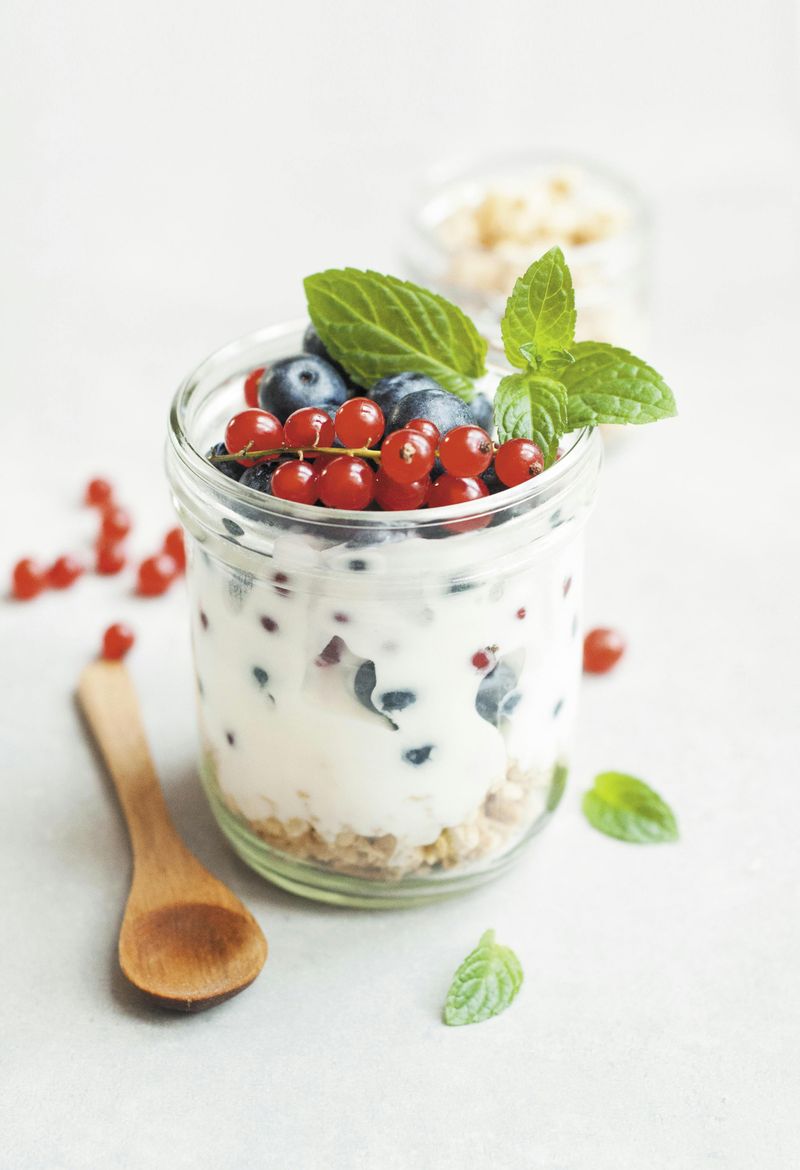
Greek yogurt turned breakfast into a protein party, then crept into premium territory. Straining requires more milk, and dairy costs rose, so cups followed. You feel it when comparing multipacks to regular yogurt.
Plain tubs stretch further, letting you customize with fruit and honey. Store brands help, but once you love that thick tang, it is hard to switch. You pick your spots and enjoy it slowly.
Steak cut
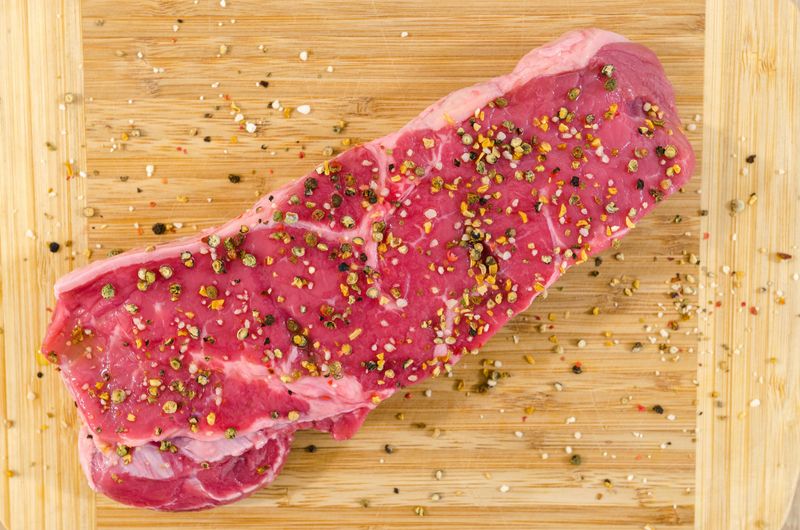
Steak used to be a big weekend splurge that still felt reachable. Tight cattle supplies, feed prices, and restaurant demand pushed cuts higher. Ribeye, strip, even sirloin can feel out of range without a sale.
You hunt markdowns, dry brine, and cook with precision to maximize payoff. Cheaper cuts like chuck eye or hanger become new favorites. When that sear hits, though, the luxury label makes delicious sense.
Fresh salmon
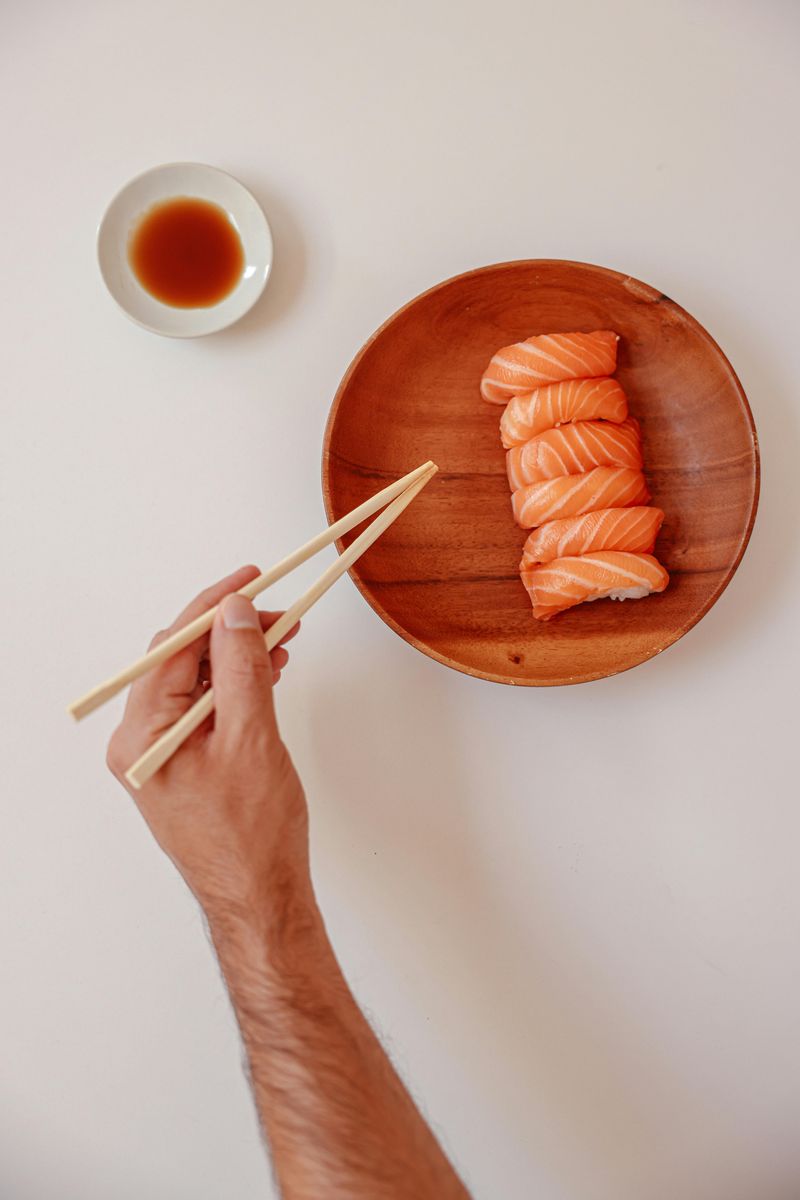
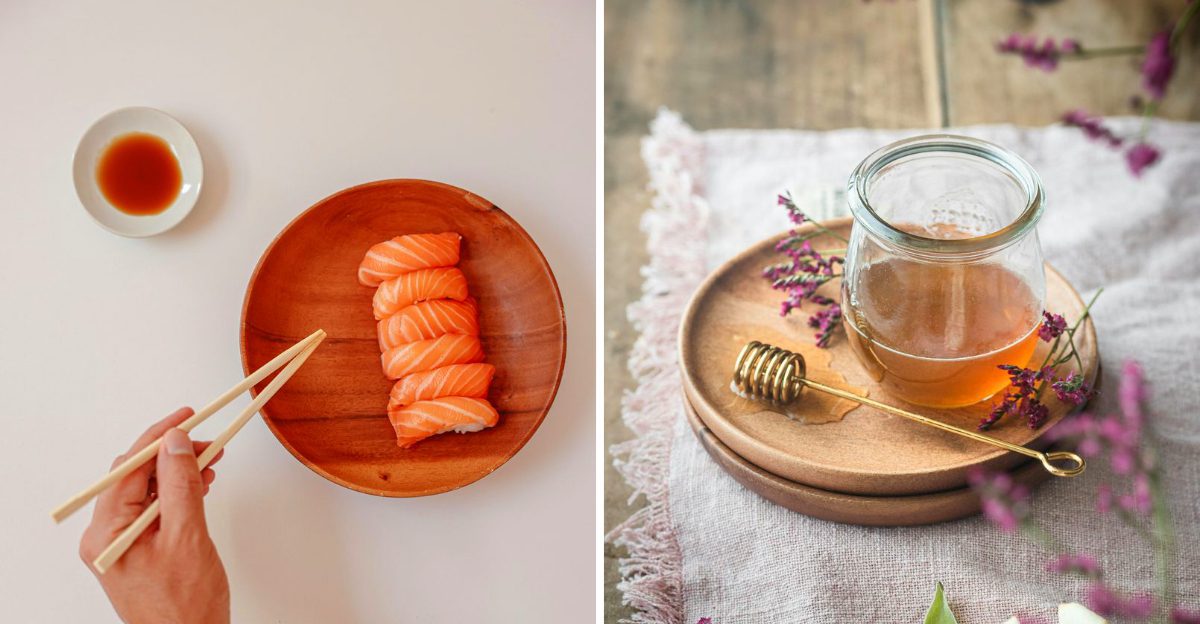
Salmon swam from affordable wellness staple to dinner-party headliner. Ocean conditions, feed costs for farmed fish, and logistics all nudged prices higher. You see it on sushi menus and in seafood cases, where portions feel smaller.
When sales hit, you stock up and freeze carefully. Canned salmon helps bridge the gap for salads and patties. Still, that silky texture and omega-rich glow keep it in occasional rotation.