


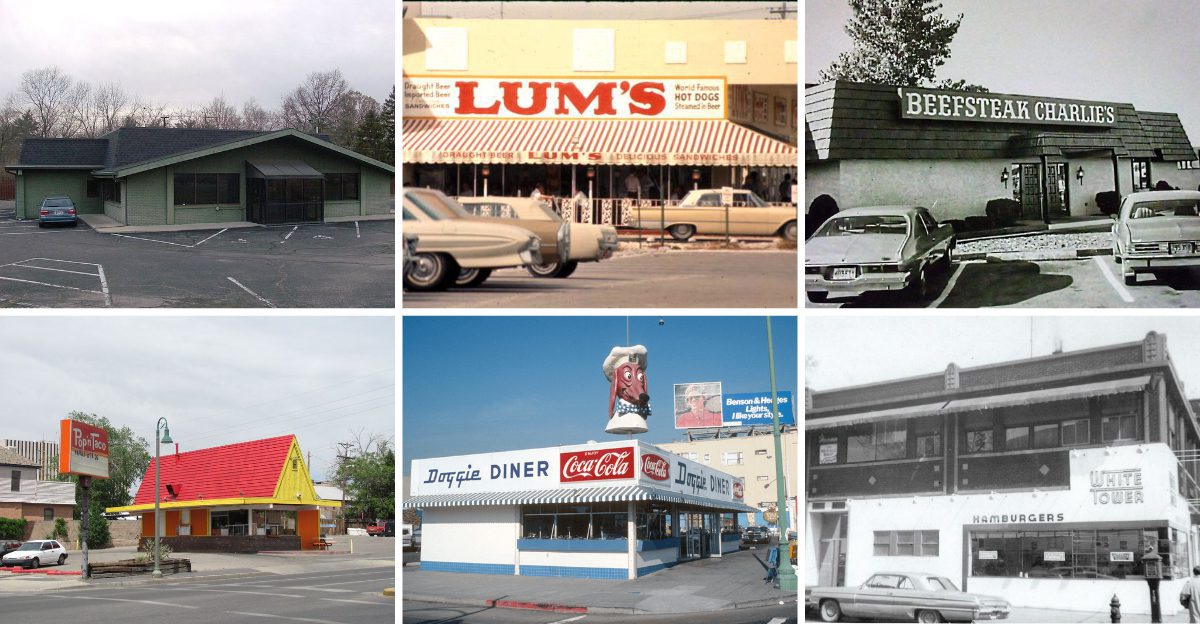
Some restaurants are more than just places to eat — they become part of your memories, your weekends, and your childhood. Over the decades, dozens of beloved restaurant chains have closed their doors, leaving fans craving not just the food, but the whole experience.
Whether it was the quirky decor, the signature dishes, or the feeling of walking in and knowing exactly what to expect, these spots had something special. Here are 16 iconic restaurant chains that left a lasting mark and are still deeply missed today.
Burger Chef – Indianapolis, Indiana
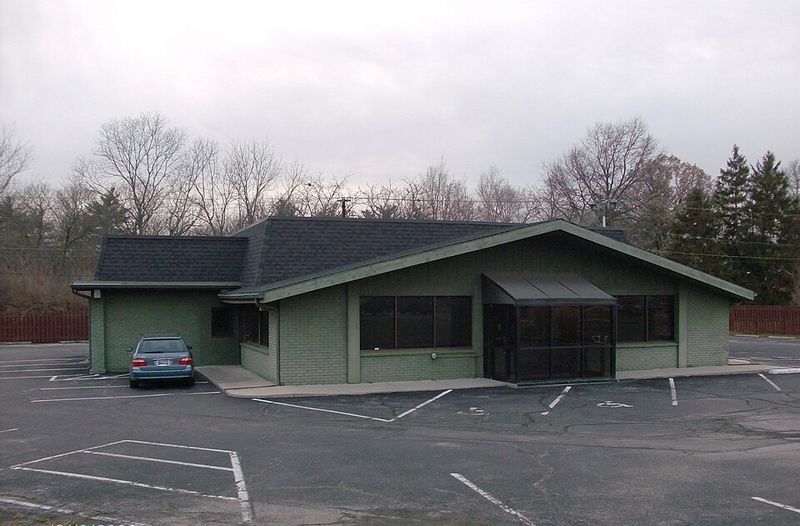
Long before the burger wars heated up between the giants, Burger Chef was quietly winning hearts across America. Founded in Indianapolis, Indiana in 1954, this chain once had over 1,200 locations — making it a serious rival to McDonald’s.
Their “Funmeal” predated the Happy Meal by years, and kids absolutely loved it.
The burgers were affordable, the service was fast, and the atmosphere felt welcoming. Hardee’s eventually acquired most locations in 1982, ending a beloved era.
Fans who grew up with Burger Chef still talk about it with a warm smile and a deep sense of nostalgia.
Lum’s – Miami Beach, Florida
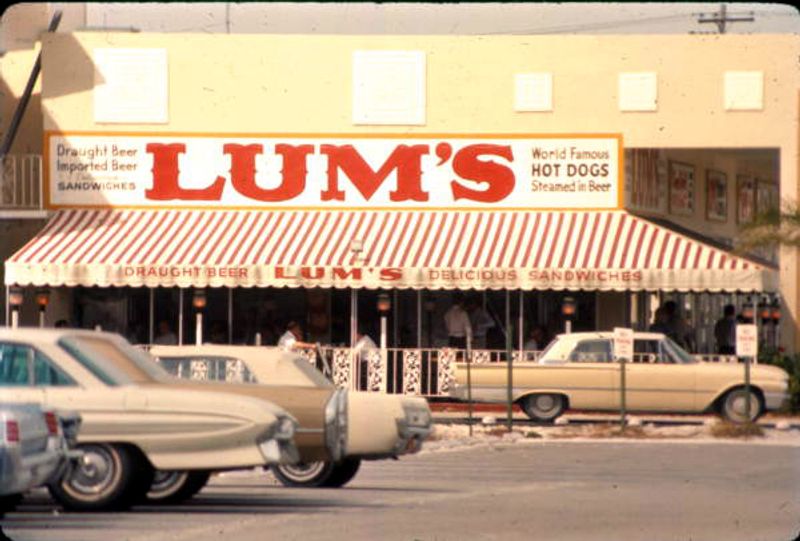
Hot dogs steamed in beer — yes, really. That was the genius idea behind Lum’s, a quirky fast-food chain that got its start in Miami Beach, Florida in 1956.
Brothers Clifford and Stuart Anderson launched the concept, and it quickly became a hit with crowds who wanted something a little different from the usual burger joint.
At its peak, Lum’s had hundreds of locations across the U.S. The casual, fun vibe matched perfectly with Florida’s laid-back energy.
Though the chain faded by the late 1970s, the memory of that beer-steamed dog lives on in food history lore.
Beefsteak Charlie’s – New York, New York
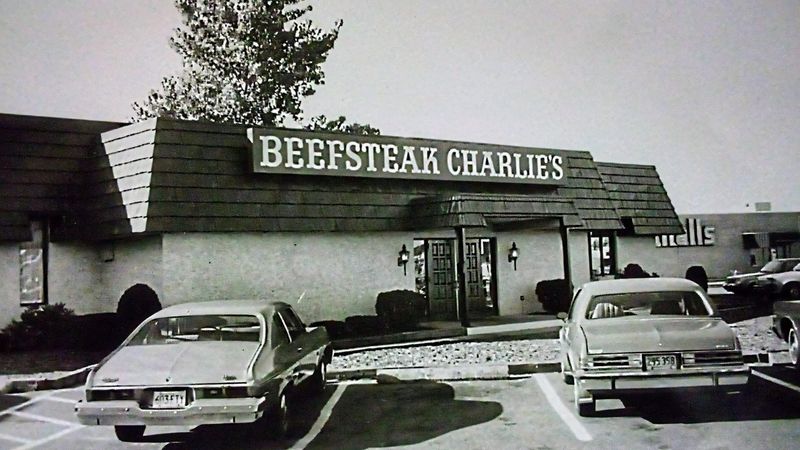
“All you can eat shrimp, all you can drink wine and beer” — Beefsteak Charlie’s practically invented the concept of getting a lot for your money in New York City. The chain was a staple in the Big Apple during the 1970s and 1980s, drawing in families and budget-conscious diners who wanted a hearty meal without breaking the bank.
The unlimited salad bar and bottomless drinks made it feel like a true celebration every visit. Sadly, rising costs and shifting dining trends led to its closure.
New Yorkers who remember it still speak of those meals with fond disbelief at how good the deal was.
Pup ‘N’ Taco – Los Angeles, California
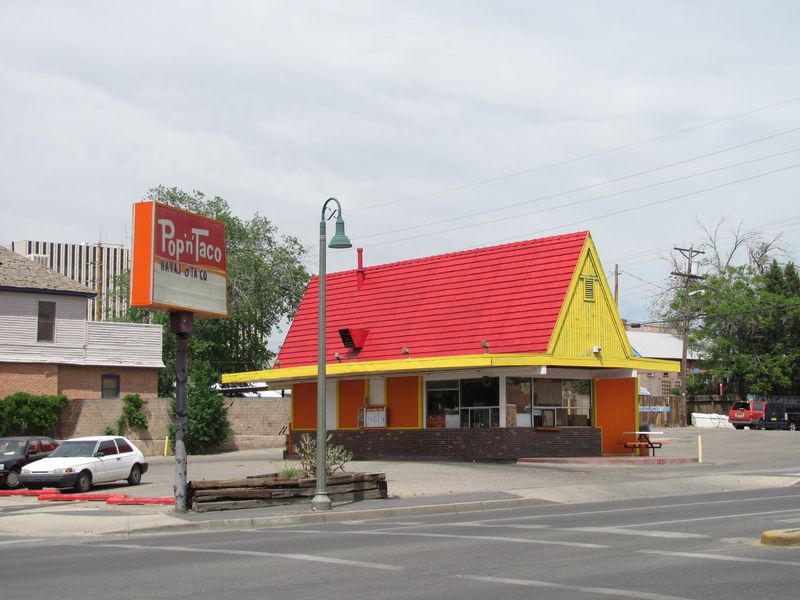
Only in Los Angeles could a fast-food spot serve hot dogs and tacos side by side — and make it work beautifully. Pup ‘N’ Taco launched in the 1960s and became a SoCal institution, beloved for its cheap eats and totally unique menu mashup.
The bright orange buildings were impossible to miss driving down a California boulevard.
Taco Bell eventually bought out most of the locations in 1984, converting them into their own stores. For Angelenos who grew up in that era, Pup ‘N’ Taco wasn’t just food — it was a whole California lifestyle.
The loss still stings a little.
Doggie Diner – Oakland, California
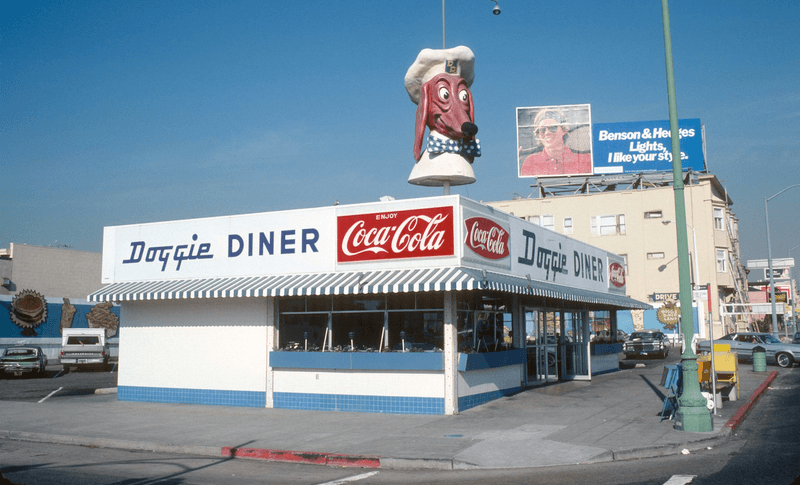
Few restaurant mascots ever achieved the cult status of the Doggie Diner’s giant fiberglass dachshund head perched on a pole. These cartoonish, bow-tied dog heads became landmarks across the San Francisco Bay Area, and the Oakland, California-based chain was a beloved institution from the late 1940s through the 1980s.
The menu featured hot dogs, burgers, and fries — simple, satisfying, and deeply nostalgic. When the last locations closed in 1986, Bay Area residents fought to preserve the iconic signs as historical artifacts.
One surviving dog head still stands in San Francisco today, a proud symbol of a deliciously quirky era.
White Tower Hamburgers – Milwaukee, Wisconsin
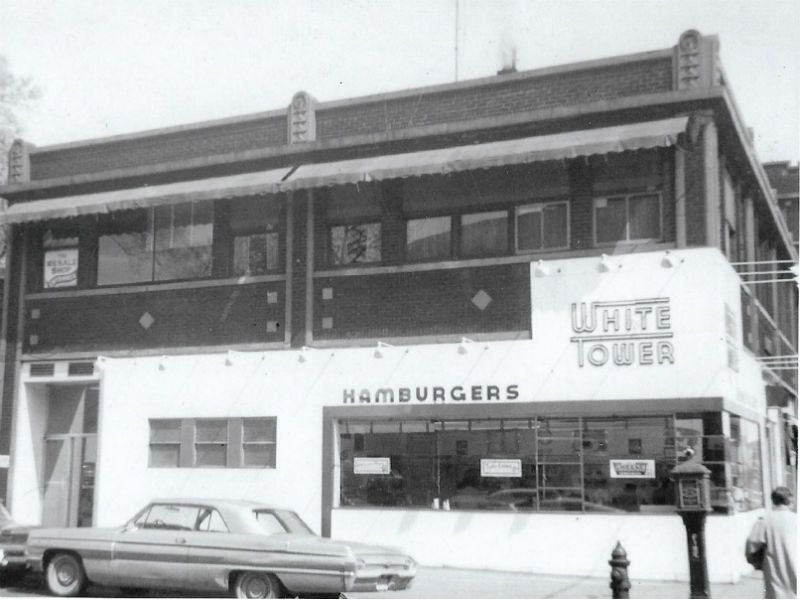
Before White Castle became a household name, White Tower Hamburgers was giving it serious competition. Founded in Milwaukee, Wisconsin in 1926, the chain borrowed heavily from White Castle’s look — small, square burgers and bright white buildings — earning it both loyal fans and a long-running lawsuit.
Despite the legal drama, White Tower built a devoted customer base across the Midwest and East Coast.
The tiny sliders were addictive, cheap, and perfectly greasy in the best possible way. The chain gradually declined through the latter half of the 20th century.
For old-school burger lovers, White Tower remains a fascinating footnote in American fast-food history.
Red Barn – Springfield, Ohio
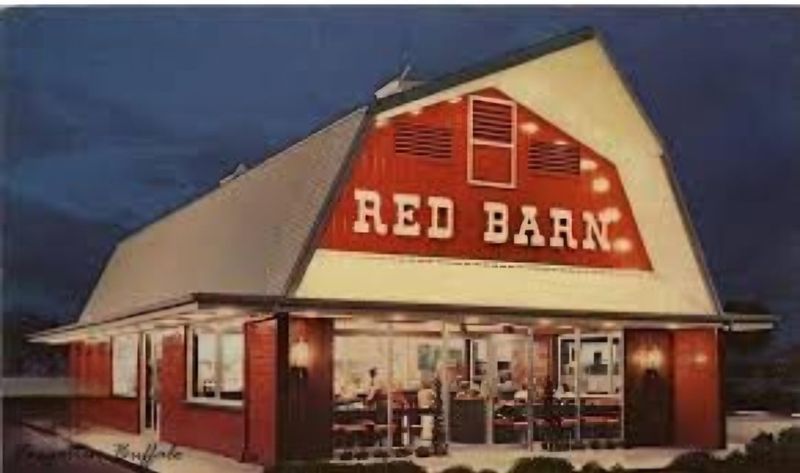
You could spot a Red Barn restaurant from a mile away — because it was literally shaped like a big red barn. Founded in Springfield, Ohio in 1961, the chain leaned fully into its farm-fresh branding with a distinctive building design that made it stand out on any street corner.
Kids thought it was the coolest thing ever.
The menu featured burgers, fried chicken, and fish sandwiches, giving customers real variety. At its height, over 400 locations operated across the country.
The chain shut down in the 1980s, but those barn-shaped buildings left such an impression that many fans still remember their first visit vividly.
Sandy’s Drive-In – Peoria, Illinois
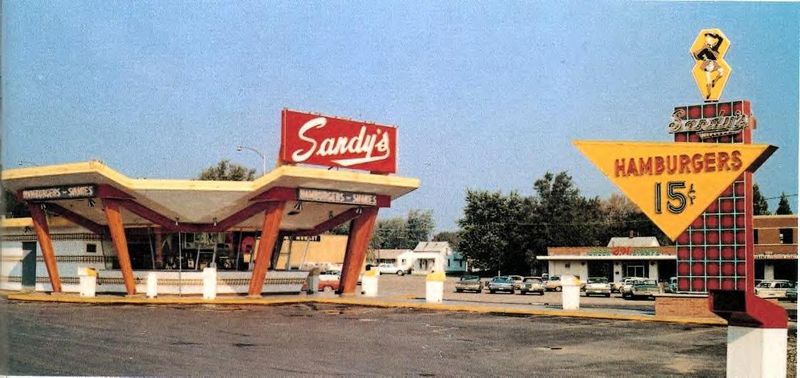
Sandy’s Drive-In had the kind of small-town charm that made every visit feel like a scene from a classic American movie. Launched in Peoria, Illinois in 1956 by the same founders behind Hardee’s, Sandy’s offered burgers, shakes, and fries with a friendly, no-frills approach that resonated deeply with Midwest communities.
The chain expanded to over 100 locations before Hardee’s absorbed most of them in the 1970s, effectively ending the Sandy’s brand. For those who grew up in Illinois and neighboring states, Sandy’s was the after-school hangout, the Friday night spot, and a genuine piece of their hometown story.
Wetson’s – New York, New York
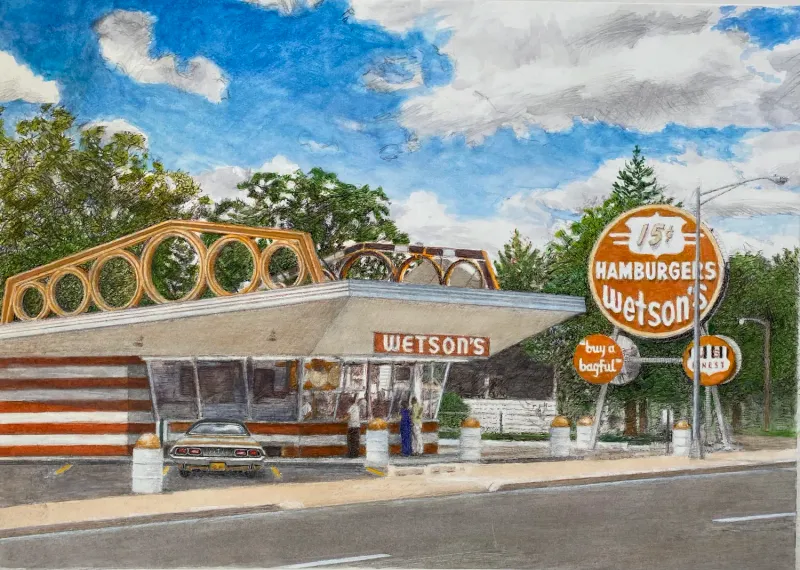
New York City had its own homegrown fast-food hero long before the national chains took over every corner. Wetson’s was founded in 1959 and quickly became a Big Apple favorite, serving up burgers, fries, and shakes at prices that working-class New Yorkers could actually afford.
The chain had a distinctly local personality that felt nothing like the corporate giants.
By the mid-1970s, competition from McDonald’s and Burger King proved too intense, and Wetson’s locations began closing. The brand officially disappeared by 1975.
For many New Yorkers who grew up in that era, Wetson’s is the ultimate “you had to be there” restaurant experience.
G.D. Ritzy’s (chain era) – Columbus, Ohio
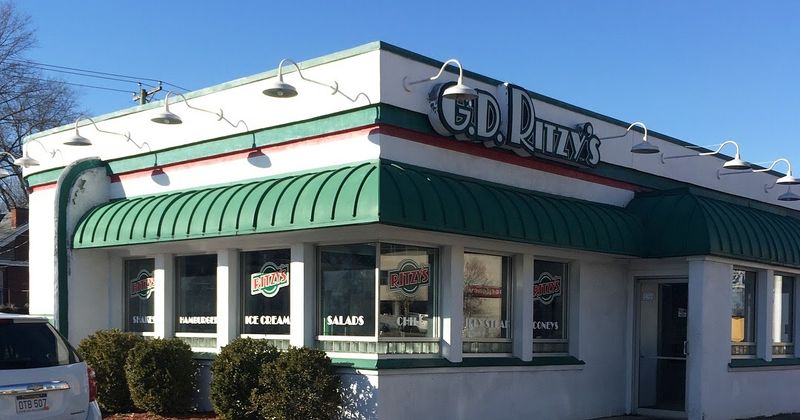
Stepping into a G.D. Ritzy’s felt like time-traveling back to the 1950s — in the best possible way.
The Columbus, Ohio-born chain embraced full-on retro diner vibes with jukeboxes, checkered floors, and a menu packed with handcrafted burgers, thick milkshakes, and fresh-cut fries. Nothing about it felt rushed or mass-produced.
Founded in 1980, the chain grew to over 120 locations before financial troubles hit in the early 1990s. The quality-over-quantity approach earned fierce loyalty but proved tough to scale.
Today, a small number of independent Ritzy’s locations still exist, but the chain era is gone — and greatly missed by those who lived it.
Howard Johnson’s restaurants – Quincy, Massachusetts
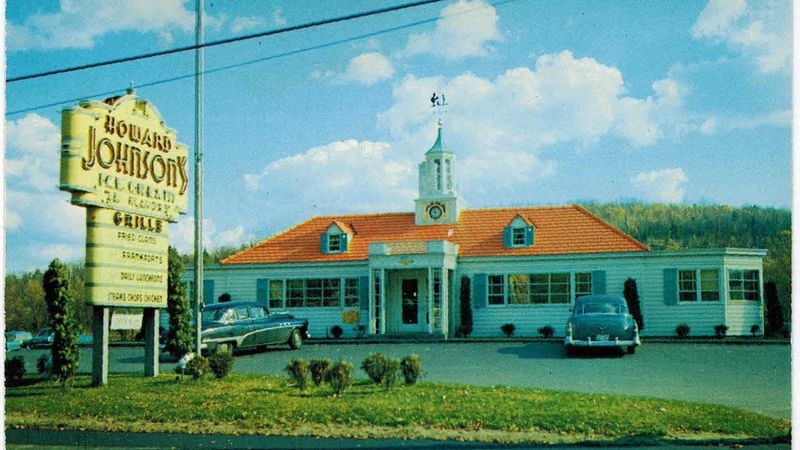
That unmistakable orange roof meant one thing to generations of American road-trippers: comfort, consistency, and 28 flavors of ice cream. Howard Johnson’s, founded in Quincy, Massachusetts in 1925, became the country’s largest restaurant chain by the 1960s, lining highways from coast to coast with its cheerful, recognizable buildings.
The fried clams were legendary, the ice cream was exceptional, and the overall experience felt like a warm hug after a long drive. Changing travel habits and corporate missteps led to a dramatic decline.
The last Howard Johnson’s restaurant closed in 2022, marking the true end of an extraordinary American institution.
Brigham’s – Boston, Massachusetts
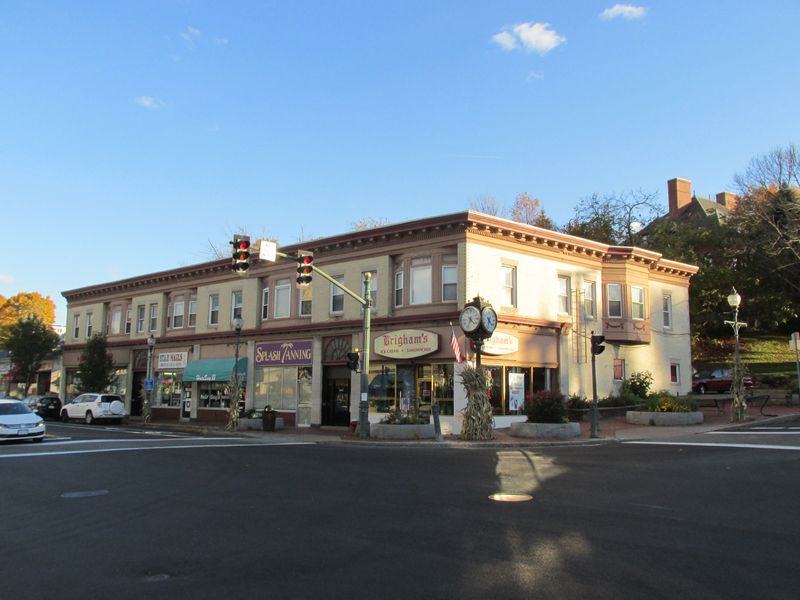
Ask any Bostonian of a certain age about Brigham’s and watch their face light up instantly. This beloved New England chain, founded in Boston, Massachusetts in 1914, was famous for its rich, creamy ice cream and classic sit-down restaurant experience that felt like a neighborhood tradition more than a business.
The hot fudge sundaes were practically legendary.
Brigham’s operated for nearly a century before closing its last restaurant locations in 2009, though the ice cream brand briefly continued in grocery stores. For generations of Massachusetts families, Brigham’s was the reward after a school play, a birthday treat, and a piece of Boston’s sweet identity.
Bugaboo Creek Steakhouse – Providence, Rhode Island
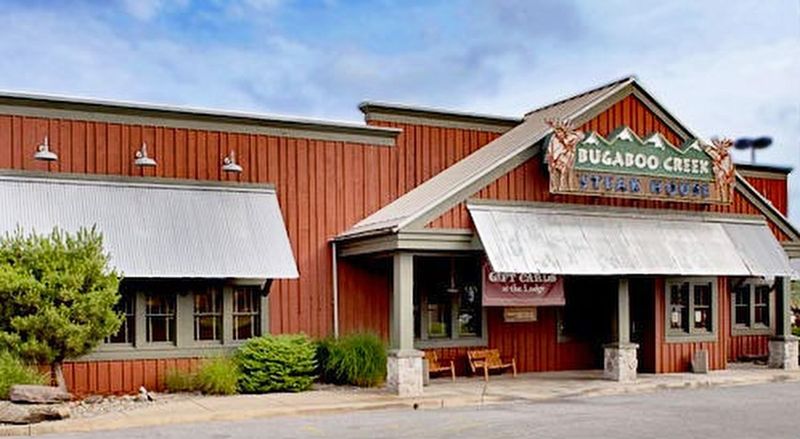
Imagine eating a steak while a mounted moose head on the wall suddenly blinks and talks to you — that was Bugaboo Creek Steakhouse, and it was absolutely wild in the most entertaining way. The Providence, Rhode Island-rooted chain created a full-on Canadian wilderness lodge experience inside a suburban restaurant, complete with animatronic animals and crackling fireplace ambiance.
Kids were thrilled; adults appreciated the solid steaks and warm atmosphere. The chain, operated by Darden Restaurants, peaked in the late 1990s before locations steadily closed through the 2000s.
It was theatrical, fun, and unlike anything else — a truly one-of-a-kind dining adventure that deserved a longer run.
Cheeseburger in Paradise – Maui, Hawaii
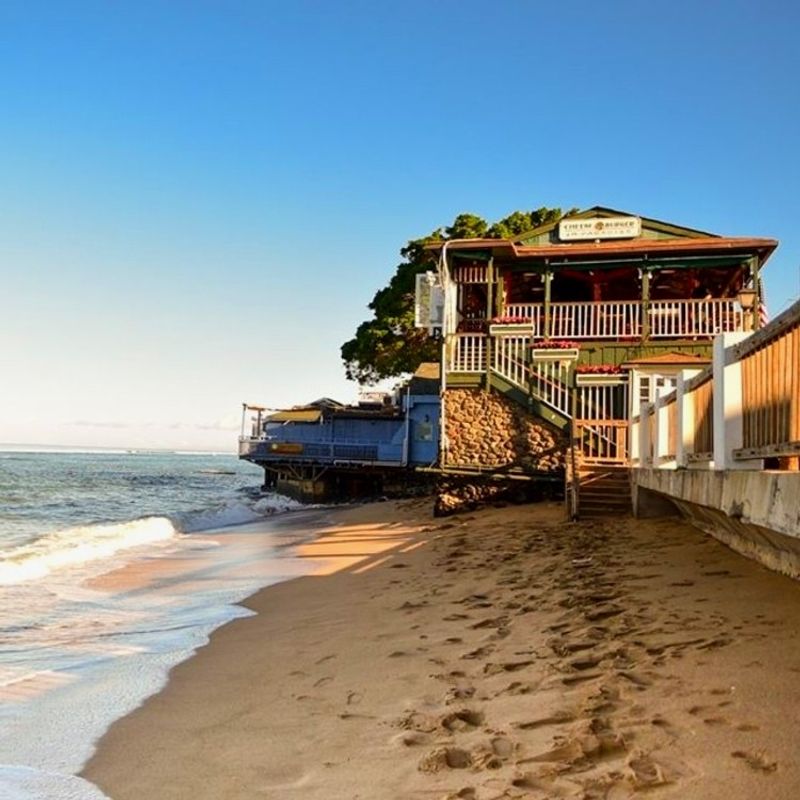
Inspired by Jimmy Buffett’s iconic song, Cheeseburger in Paradise brought a tropical, laid-back island vibe to casual dining in a way that felt genuinely fun rather than forced. The Maui, Hawaii-connected chain served up loaded burgers, tropical drinks, and beach-themed decor that transported diners straight to a sunny shoreline — no plane ticket required.
Landry’s Inc. operated the chain across dozens of U.S. locations, but closures accelerated through the 2010s. The last restaurants shut down around 2017.
For fans of Buffett’s music and island-inspired dining, these restaurants were a little slice of paradise. Losing them felt like the end of a permanent summer vacation.
Chi-Chi’s (original U.S. chain) – Richfield, Minnesota
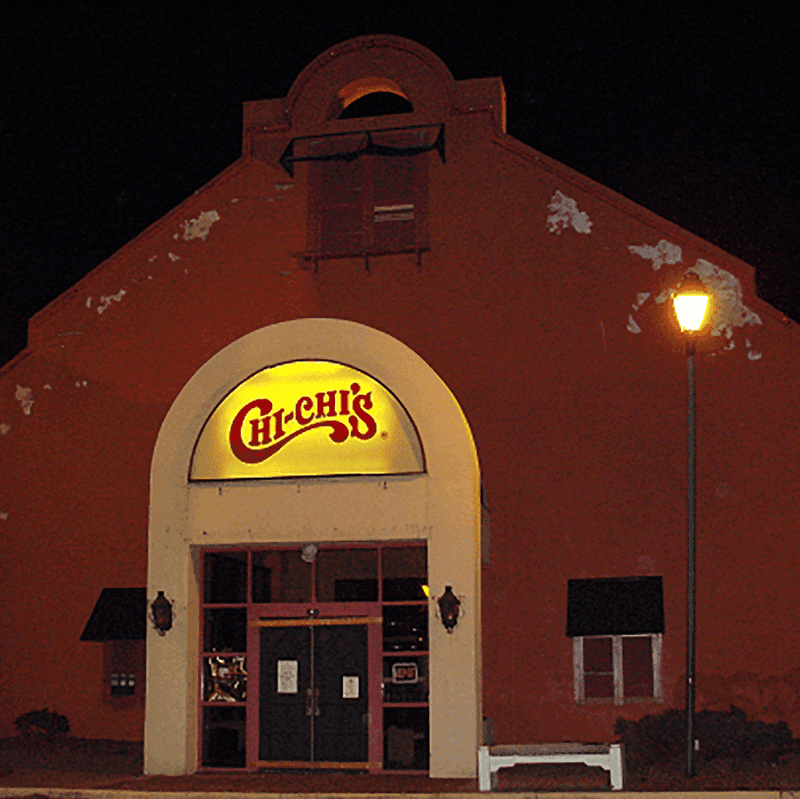
Before every strip mall had a Tex-Mex chain, Chi-Chi’s was the place Americans went to discover Mexican-inspired food in a festive, sit-down setting. Founded in Richfield, Minnesota in 1975 by Marno McDermott and Max McGee, the chain helped introduce mainstream America to dishes like chimichangas and deep-fried ice cream in a way that felt exciting and approachable.
Chi-Chi’s grew to over 200 locations across the country before a devastating hepatitis A outbreak in 2003 effectively ended the U.S. chain. The tragedy overshadowed a genuinely beloved brand.
Many fans still remember the sizzling fajitas, the fresh salsa, and the warm, colorful atmosphere with real affection.
Kenny Rogers Roasters (U.S. chain) – Coral Springs, Florida
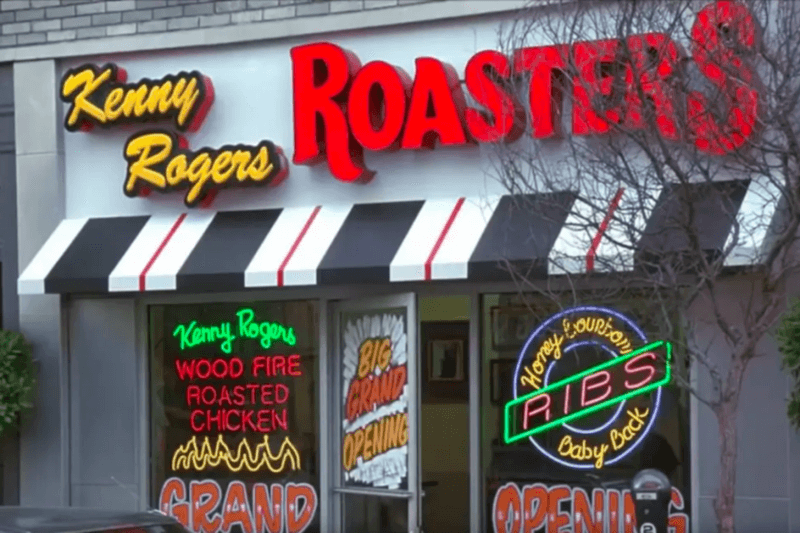
Kenny Rogers Roasters proved that a country music legend could absolutely run a successful rotisserie chicken empire — at least for a while. Founded in Coral Springs, Florida in 1991, the chain offered slow-roasted chicken, hearty sides, and a wholesome, home-cooked feel that stood out in a fast-food landscape dominated by burgers and fries.
At its peak, over 350 U.S. locations operated under that familiar logo. But by the late 1990s, the chain had filed for bankruptcy and most American locations closed.
The brand survived longer in Asia, particularly Malaysia. For fans of rotisserie done right, Kenny Rogers Roasters remains one of the great “what could have been” stories in restaurant history.