



Remember when dinner was simple, satisfying, and didn’t come with a side of guilt? Those familiar plates fed families, fueled busy days, and tasted like comfort without a lecture. Today’s food chatter can make you second guess every bite, but context and portions still matter. Let’s revisit the classics you grew up with and see why they still deserve a place at your table.
Butter on toast
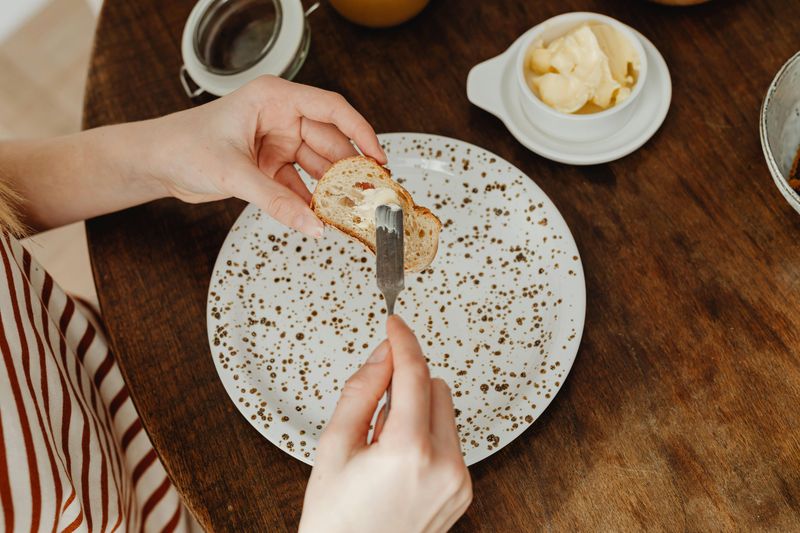
Butter on toast feels like home, doesn’t it? You get crisp edges, a warm center, and that glossy layer that melts instantly. The trick is portion and quality: a thin pat of real butter on hearty bread goes far.
Butter brings fat soluble vitamins and satisfying flavor that can help curb overeating. Pair it with a protein like eggs or yogurt to round things out. You’re not doing anything wrong by enjoying a slice.
Choose whole grain toast for fiber and staying power. Savor the moment, chew slowly, and notice how little you actually need. Simple, balanced, done.
Whole milk
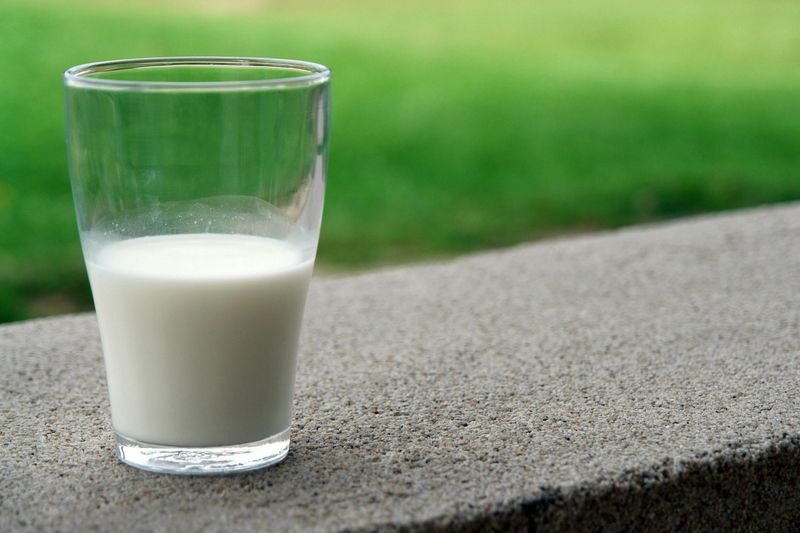
Whole milk got sidelined when low fat everything took over. But a small glass can be perfectly reasonable, especially if it helps you feel satisfied. It carries fat soluble vitamins and makes coffee or oatmeal taste luxurious.
Satiety matters when trying to avoid constant snacking. You can choose pasture raised or organic if that aligns with your values. The key is serving size and overall diet balance.
If dairy suits you, enjoy it without guilt. Pair with fiber or protein for steady energy. Food is more than numbers, and a creamy splash can be part of a healthy day.
Fried eggs
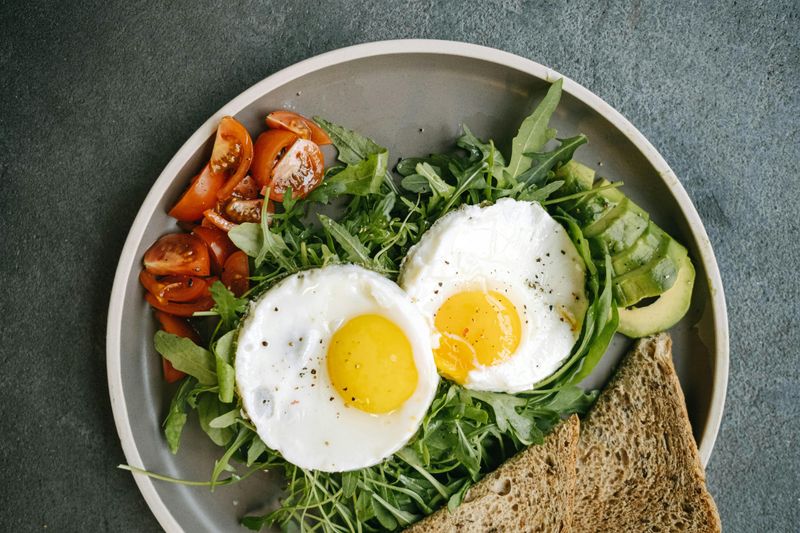
Fried eggs are fast, affordable, and delicious. Cooked in a little olive oil or butter, they deliver protein, choline, and that comforting yolk you love. Keep heat moderate so edges crisp without burning.
Balance the plate with greens, tomatoes, or whole grain toast. The point isn’t fear, it’s good technique and sensible portions. If cholesterol concerns come up, talk with a professional who knows your history.
Most people can enjoy eggs regularly as part of a varied diet. Add herbs, leftover veggies, or salsa for flavor. You’ll feel full, happy, and ready to go.
Mashed potatoes
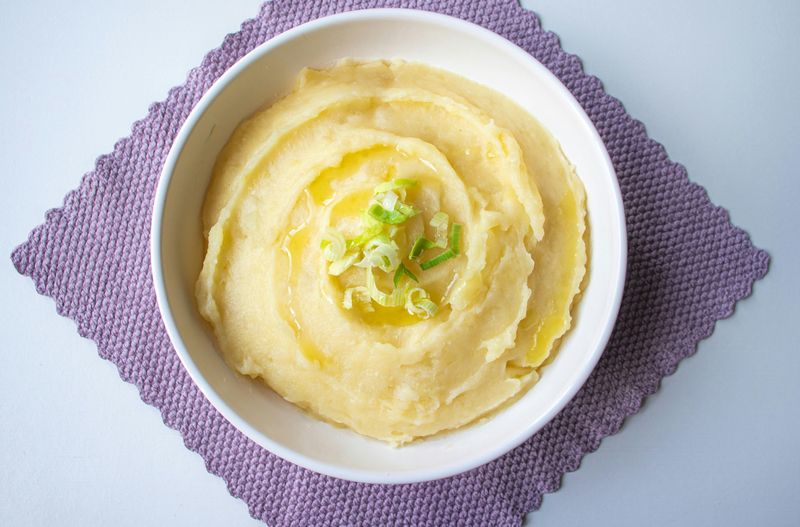
Mashed potatoes got labeled heavy, but they can be wonderfully balanced. Use real potatoes, a splash of milk, and just enough butter for flavor. Leave some skins for extra fiber and texture.
Serve alongside protein and a bright salad to keep portions natural. Potatoes are a potassium powerhouse and satisfy carb cravings without getting fancy. Season with garlic, pepper, and herbs instead of excess salt.
Make them ahead, reheat gently, and enjoy leftovers with an egg on top. You’ll get comfort and nourishment in one scoop. It’s about the plate, not a single side.
Homemade bread
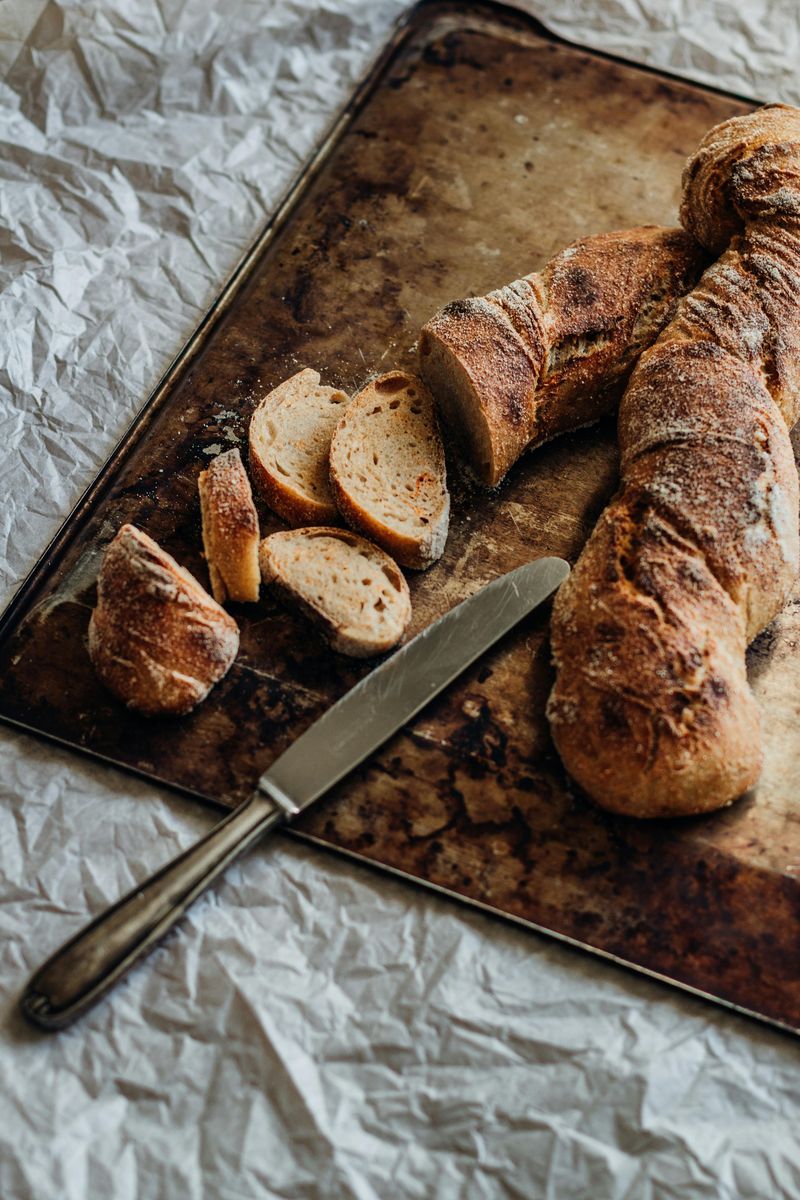
Homemade bread turns basic ingredients into something special. Flour, water, yeast, salt, and time create flavor that packaged loaves can’t match. You control the crust, crumb, and add ins.
Slice it reasonably and pair with protein and vegetables. Whole grain flour boosts fiber and minerals, making it more satisfying. Even white loaves have a place when mindful.
Bread isn’t the enemy, overeating is. Cut thick slices for stews, thin ones for toast, and freeze extras for later. With intention, you get comfort, convenience, and less waste in one warm loaf.
Beef stew
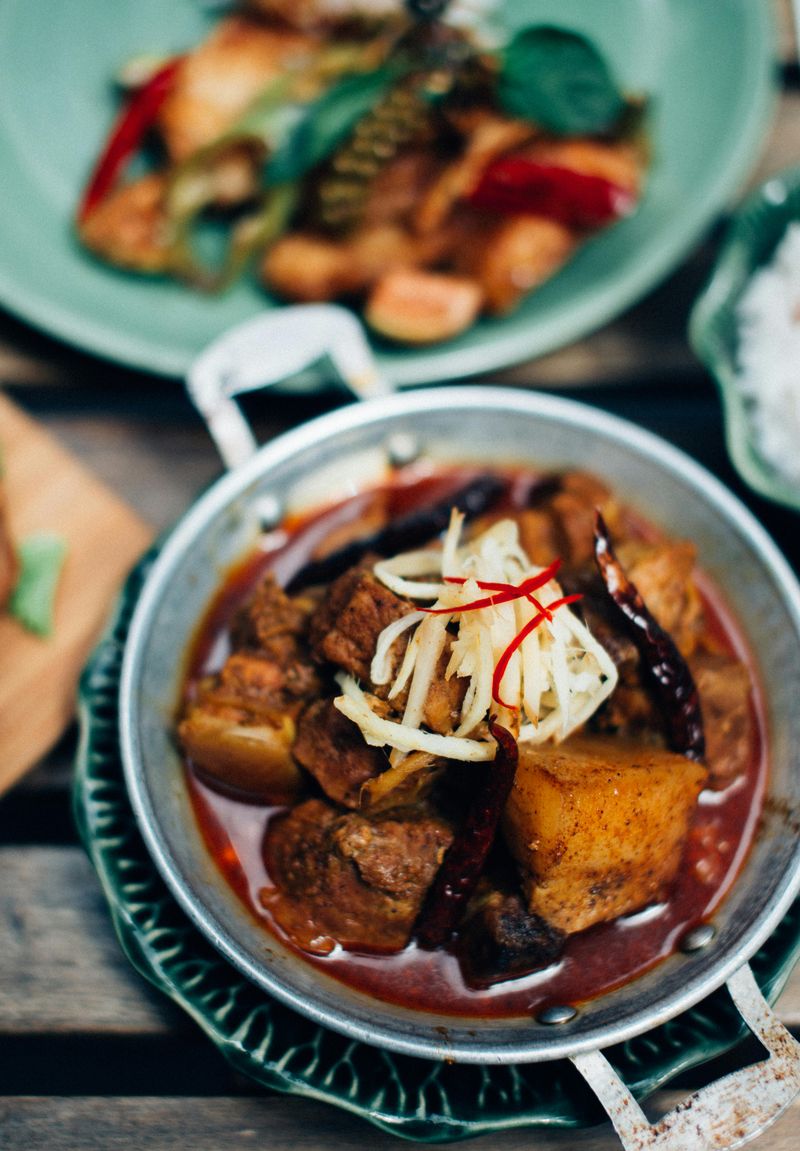
Beef stew is winter in a bowl. Slow simmering turns tougher cuts tender while vegetables soak up savory broth. Skim excess fat, season boldly, and let time do the work.
A small portion with plenty of carrots, celery, and potatoes hits all the notes. Serve with a green salad or a hunk of bread, not both, to keep balance. Leftovers taste even better.
Choose leaner cuts and load the pot with veggies. You get iron, protein, and comfort without overdoing it. This is heritage cooking that still makes sense today.
Chicken soup
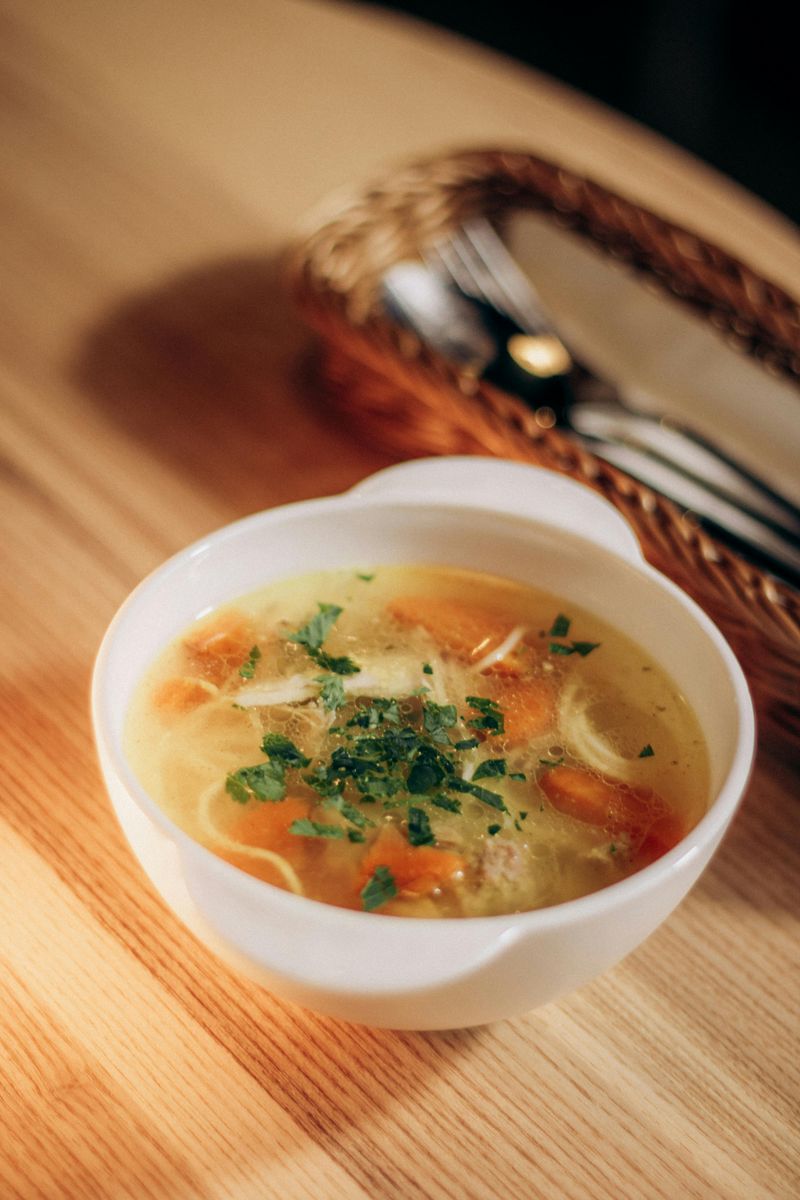
Chicken soup always shows up when you need it most. The broth warms, the noodles comfort, and the vegetables bring color and crunch. A squeeze of lemon brightens everything.
Use leftover chicken to keep it easy. Skim fat from the broth and season with herbs instead of heavy salt. You get hydration, protein, and simple joy.
Portion into jars for quick lunches. Add extra veggies or swap noodles for rice if you like. This classic nourishes body and mood without any complicated rules.
Bacon slices
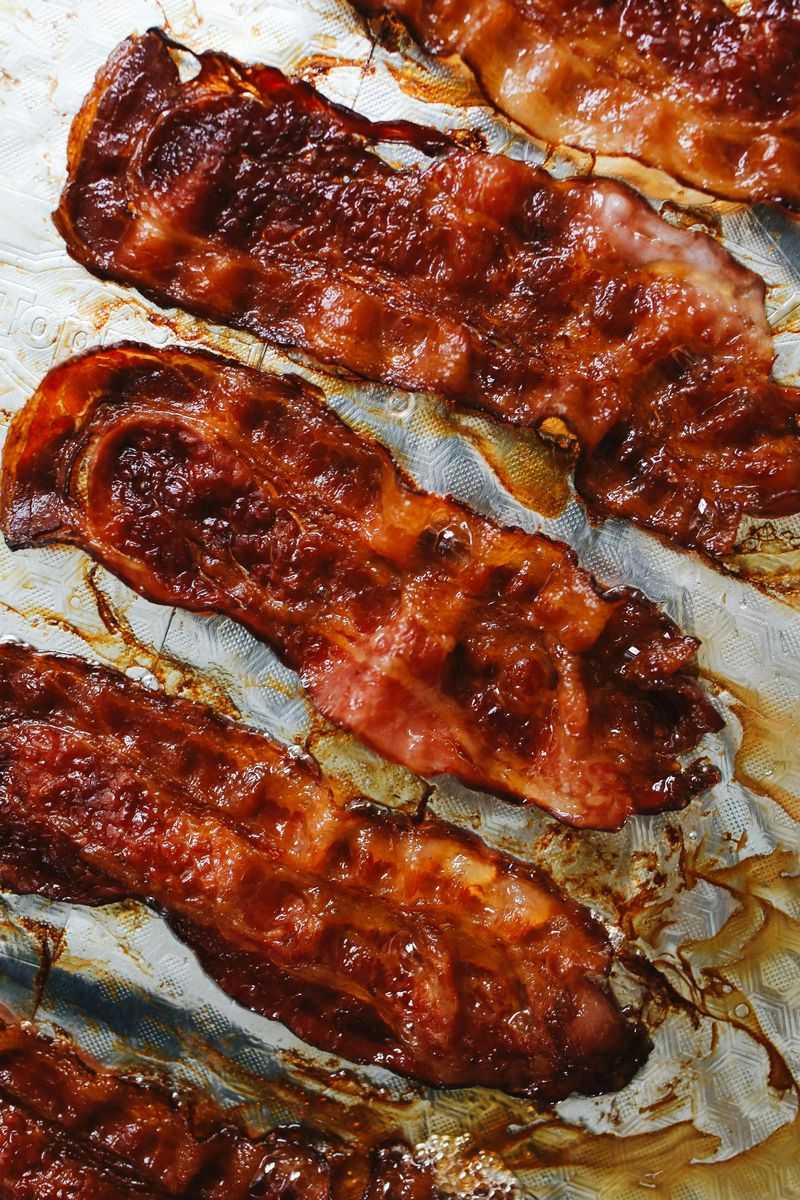
Bacon has big flavor, so a little goes a long way. Two or three slices can transform eggs, greens, or a sandwich. Bake on a rack to let fat drip and keep pieces crisp.
Think of bacon as a garnish, not the whole meal. Pair it with fruit, whole grains, or vegetables to balance richness. You’ll satisfy that smoky craving without overdoing it.
Choose quality and enjoy slowly. The point is pleasure and moderation, not perfection. You’re allowed to love bacon while still caring about health.
Rice pudding
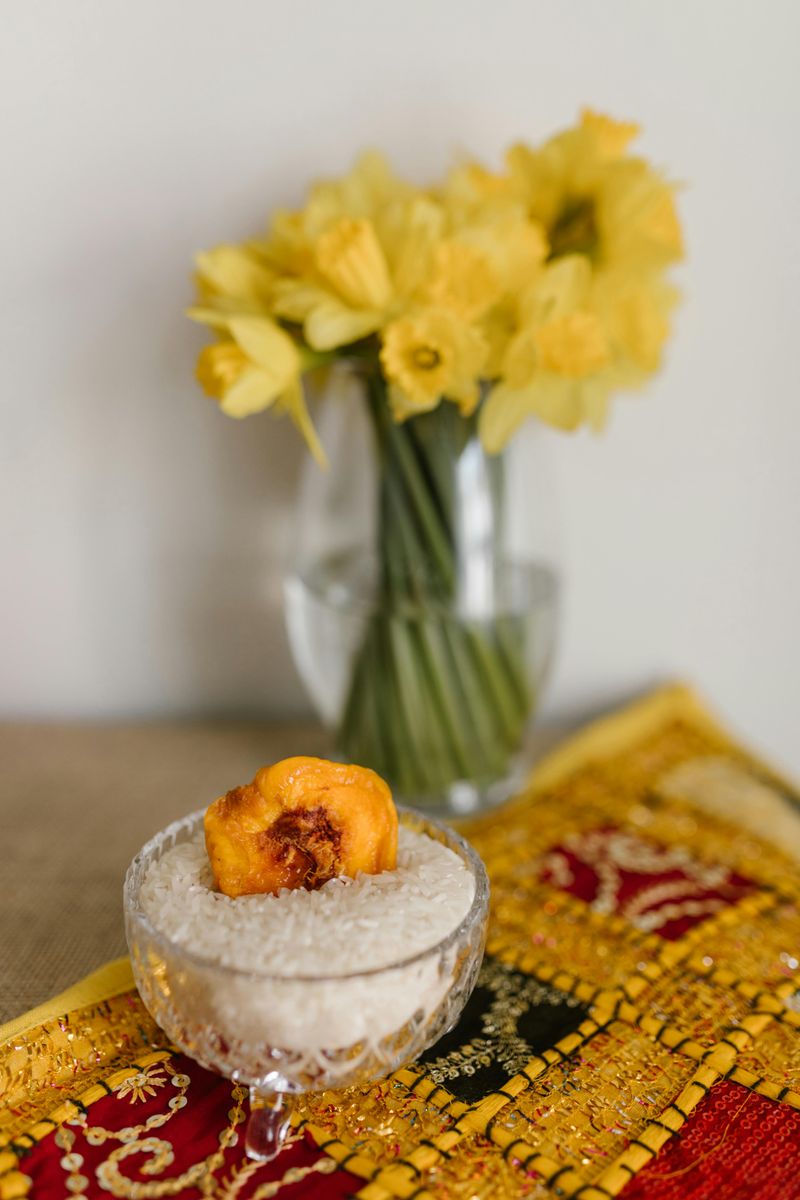
Rice pudding tastes like a hug in dessert form. Milk, rice, and a little sugar create silky comfort that doesn’t need to be huge. Cinnamon adds aroma without extra calories.
Use leftover rice and simmer gently until thick. Stir in vanilla, zest, or raisins if you like. Serve in small bowls and enjoy warm or chilled.
Balance the day by making this your only sweet. Pair with a cup of tea and call it complete. Desserts can fit when you keep portions friendly and flavors honest.
Banana bread
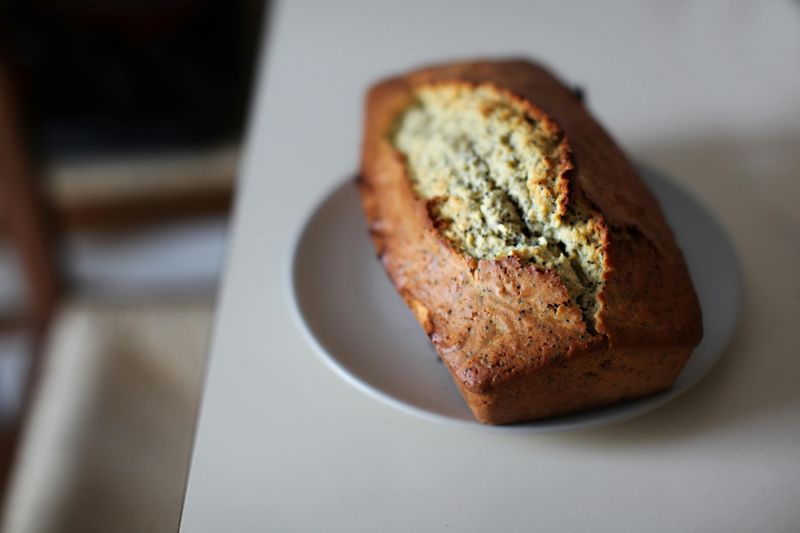
Banana bread rescued many overripe bananas and still deserves love. It can be tender, fragrant, and not overly sweet. Use ripe bananas for natural sweetness and reduce added sugar.
Swap some flour for whole wheat and add nuts for texture and staying power. Bake once, freeze slices, and you’ve got easy snacks for weeks. Toast a piece and enjoy with coffee.
No need to demonize a slice. Eat it slowly, notice the spices, and stop at satisfied. That’s a practical, kind way to enjoy baked goods.
Pasta with butter
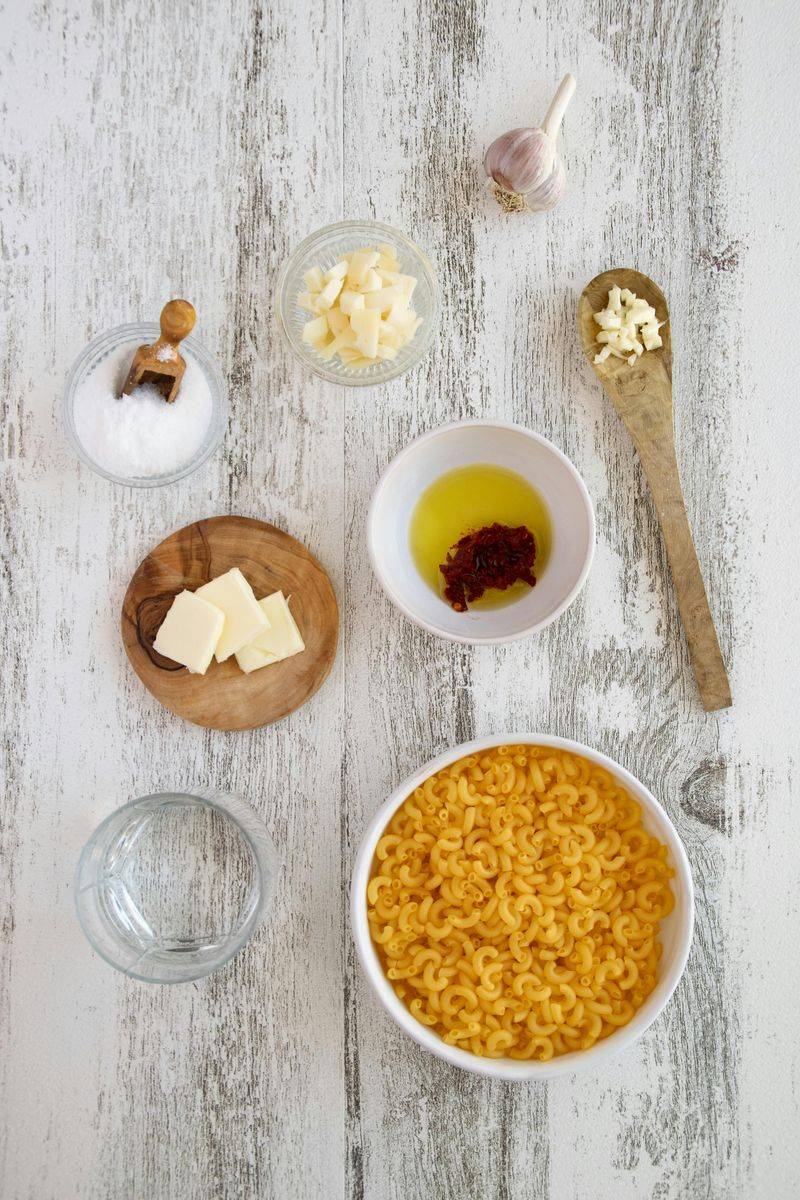
Pasta with butter is simplicity itself. Al dente noodles, a knob of butter, and a dusting of parmesan make a fast, comforting meal. It satisfies when you’re tired and hungry.
Keep portions modest and add a salad or roasted veggies. Quality butter and real cheese make small amounts go further. Salt the water well so flavors pop without excess sauce.
Protein can be as simple as chickpeas or leftover chicken. You’ll leave the table content, not stuffed. That’s smart comfort, not a diet fail.
Cornbread
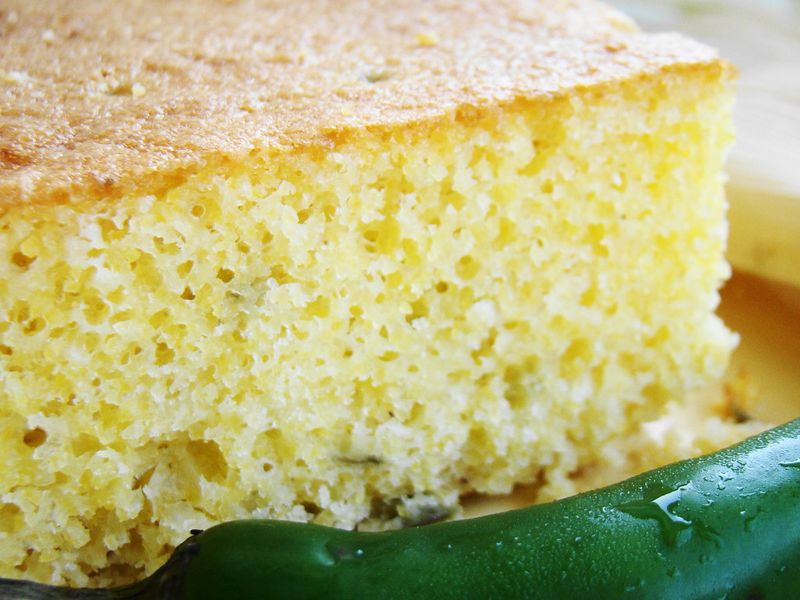
Cornbread brings rustic sweetness and a satisfying crumb. Bake it in a hot skillet for a crackling crust. You don’t need much butter or honey when the corn flavor shines.
Serve a small square with chili, beans, or greens. That combo delivers fiber, protein, and comfort in balance. Use buttermilk for tenderness and restraint with sugar.
Leftovers toast beautifully for breakfast. Freeze wedges to avoid mindless nibbling. Cornbread is a friend when you let it share the plate, not dominate it.
Yogurt bowl
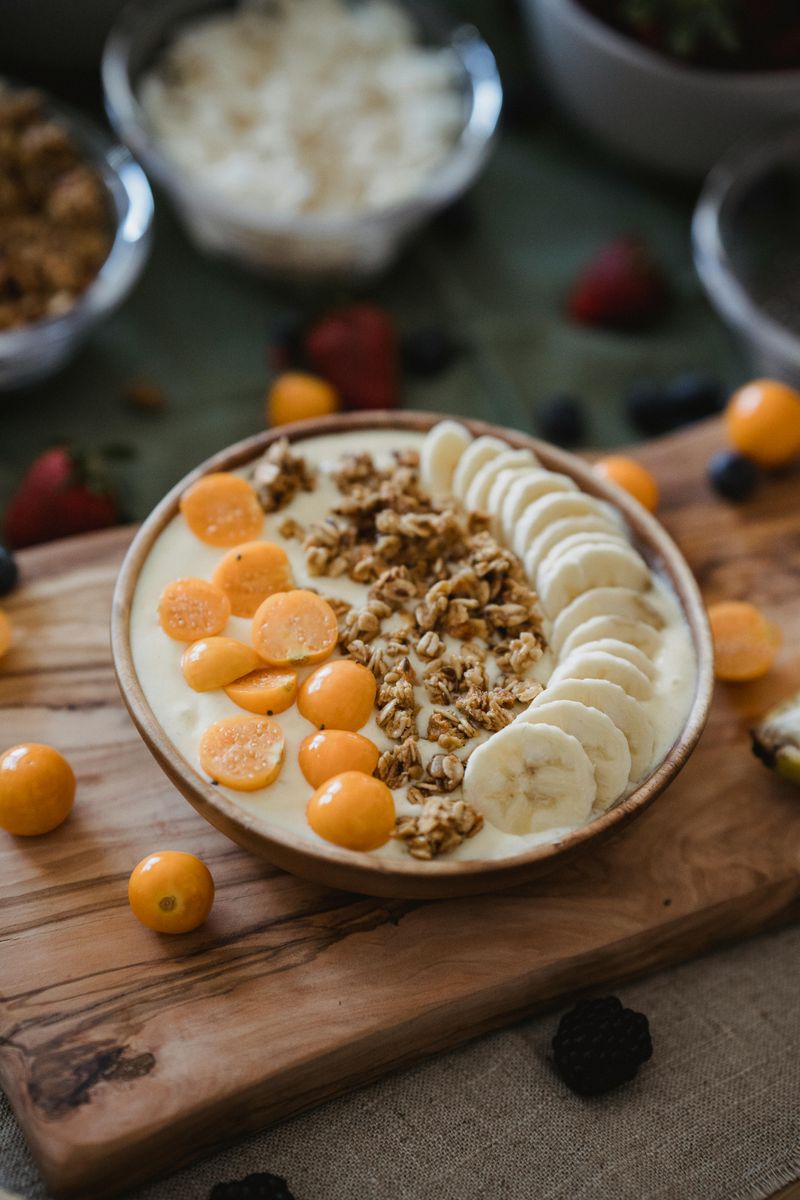
A yogurt bowl is creamy, tangy, and endlessly customizable. Choose plain yogurt to control sweetness and add fruit for brightness. Nuts or seeds bring crunch and staying power.
It’s a quick breakfast or snack that feels like dessert without the sugar rush. Add cinnamon, vanilla, or a tiny drizzle of honey. Keep portions mindful and enjoy slowly.
If dairy works for you, this is easy nourishment. Balance the bowl with fiber and protein, and you’re set. It’s proof that simple food can feel special.
Apple pie
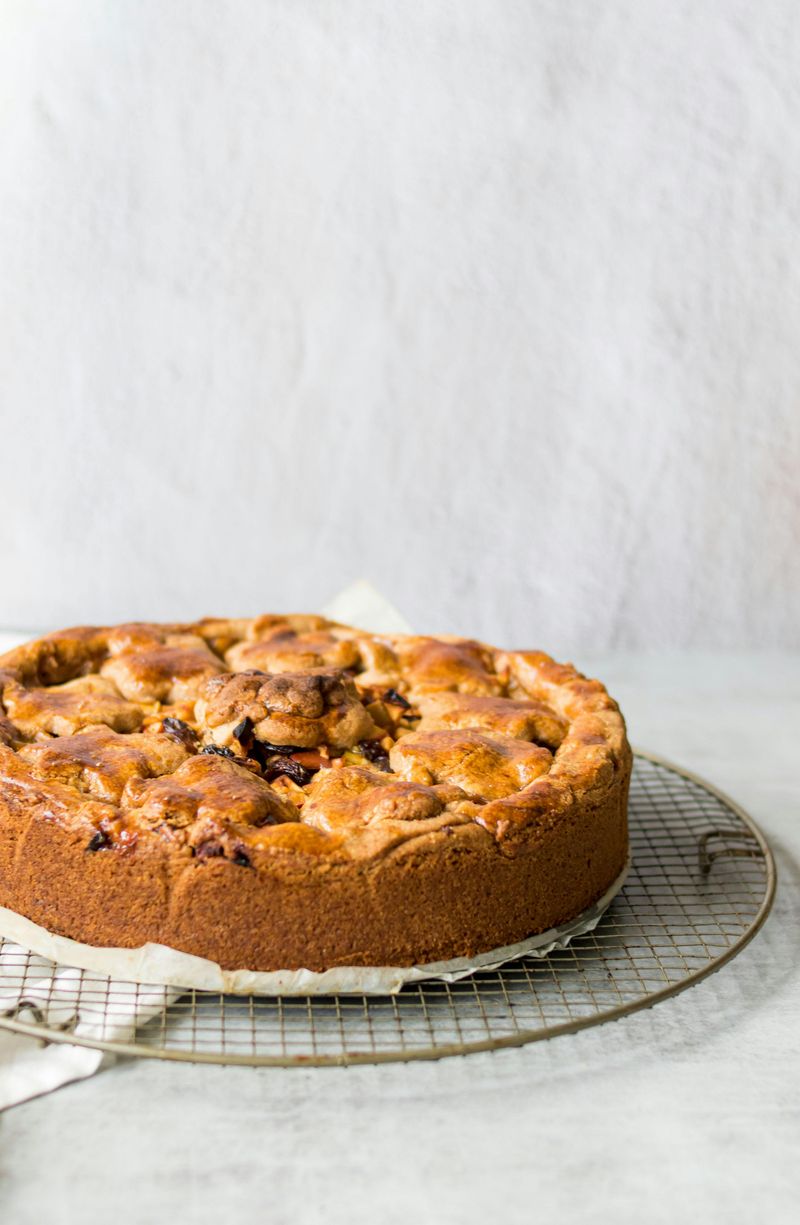
Apple pie shows up at holidays for a reason. The flaky crust, tender apples, and warm cinnamon make memories. A modest slice can fit into a balanced day without stress.
Keep the filling bright with tart apples and less sugar. Serve with plain yogurt instead of ice cream if you want. The goal isn’t to erase joy, it’s to right size it.
Savor the aroma, share a slice, and move on. Food is culture and connection, not just macros. You’re allowed to celebrate without guilt.
Peanut butter sandwich
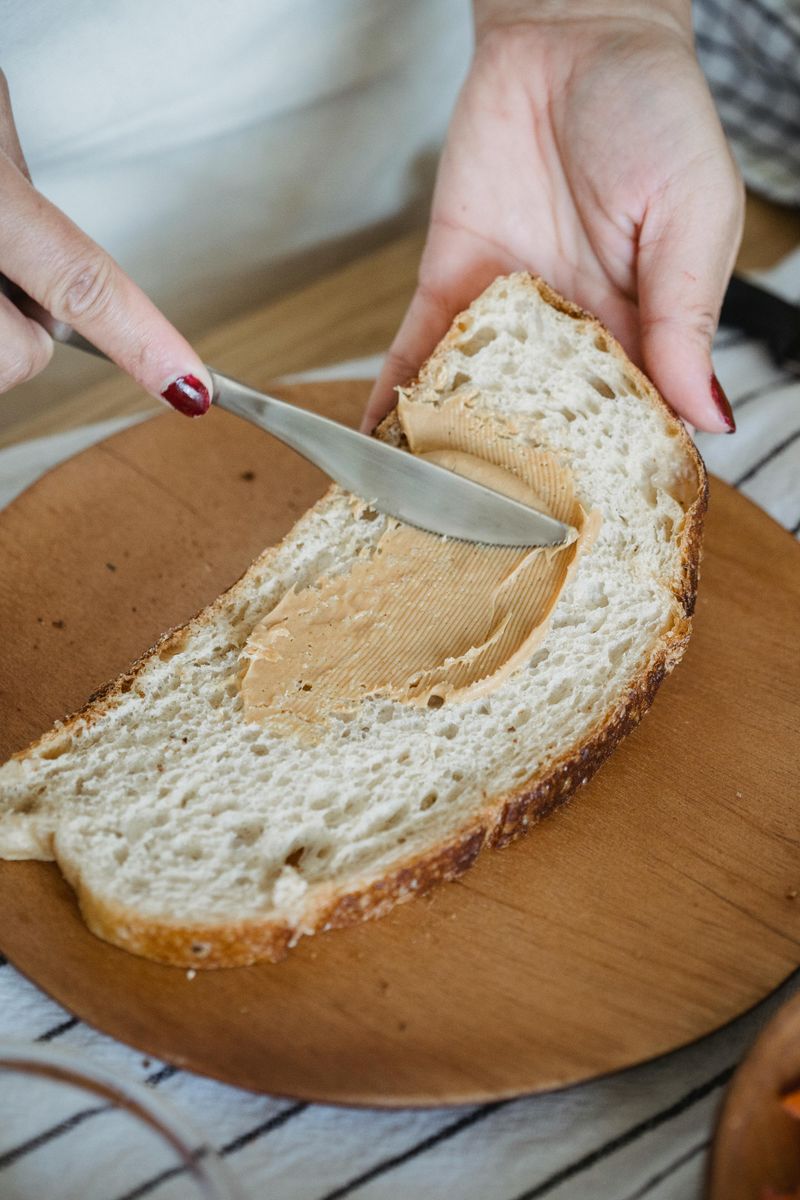
A peanut butter sandwich is timeless for a reason. Protein, healthy fats, and fiber can ride along on two slices of good bread. Go for natural peanut butter and spread reasonably.
Add sliced banana or apple for sweetness and crunch. A sprinkle of salt makes flavors pop without needing jelly. This is after school energy at any age.
Pack it for work, pair with carrots, and you’re done. Simple, filling, affordable, and familiar. No need to overthink a classic that still works beautifully.
Cheese plate
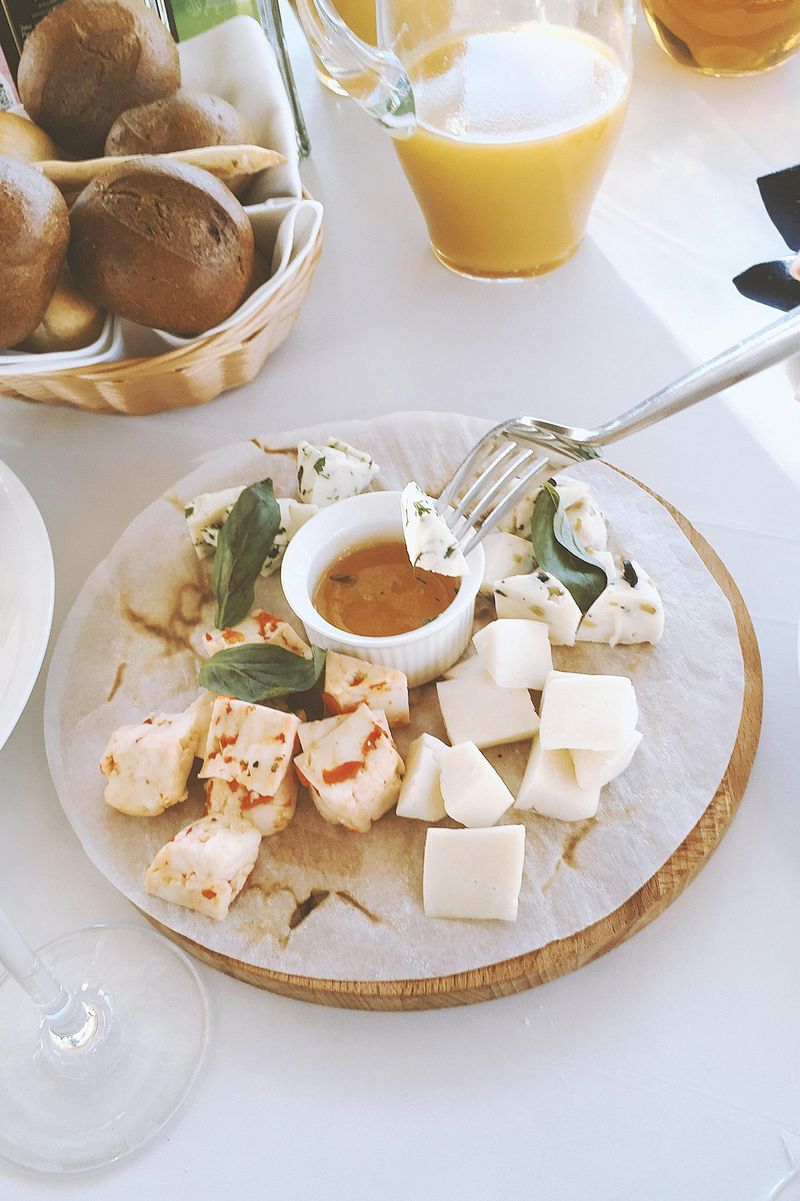
A cheese plate feels indulgent, but it can be purposeful. A few slices alongside fruit and nuts offer protein, fat, and fiber. You get satisfaction in a small, intentional portion.
Pick two cheeses for contrast and stop there. Add apple slices, grapes, or olives to cut richness and keep your palate interested. Crackers or bread are optional, not mandatory.
Slow down and taste. When you actually chew and notice flavor, you need less. That’s the secret to enjoying cheese without turning it into a meal.