


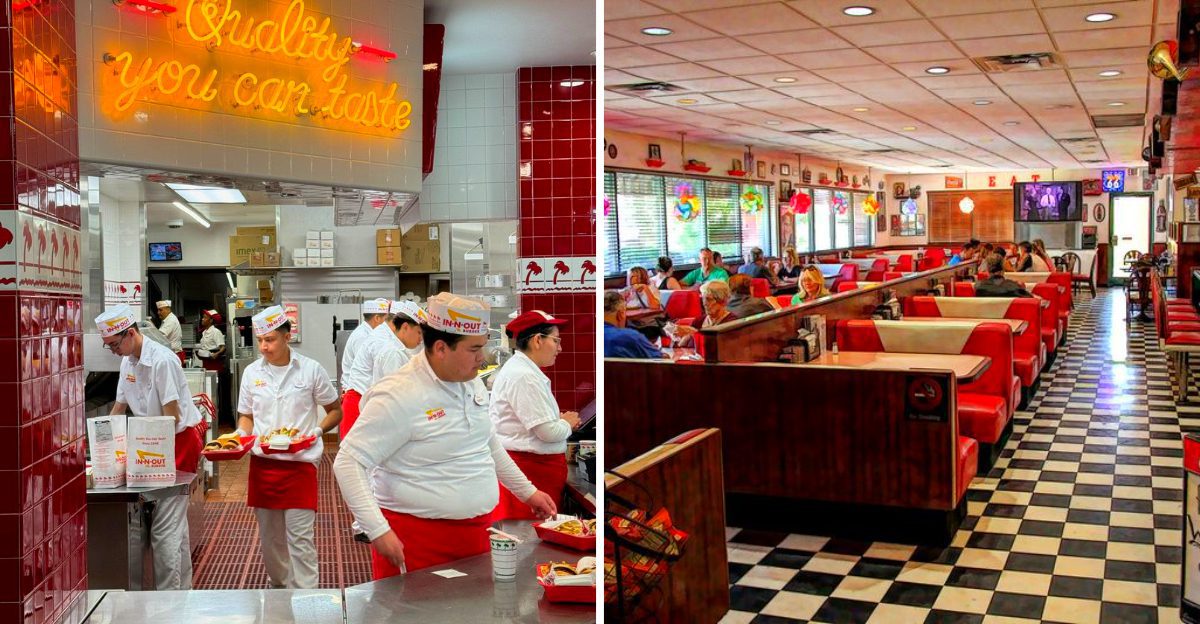
Remember when a drive thru felt like a small adventure instead of a rushed chore. There was a warmth to the food, and to the people handing it over, that stuck with you longer than the fries. You could hear the sizzle, smell the coffee, and trust that what you ordered would taste the same every time. Let’s revisit the small touches that made fast food feel surprisingly special.
Freshly cooked fries
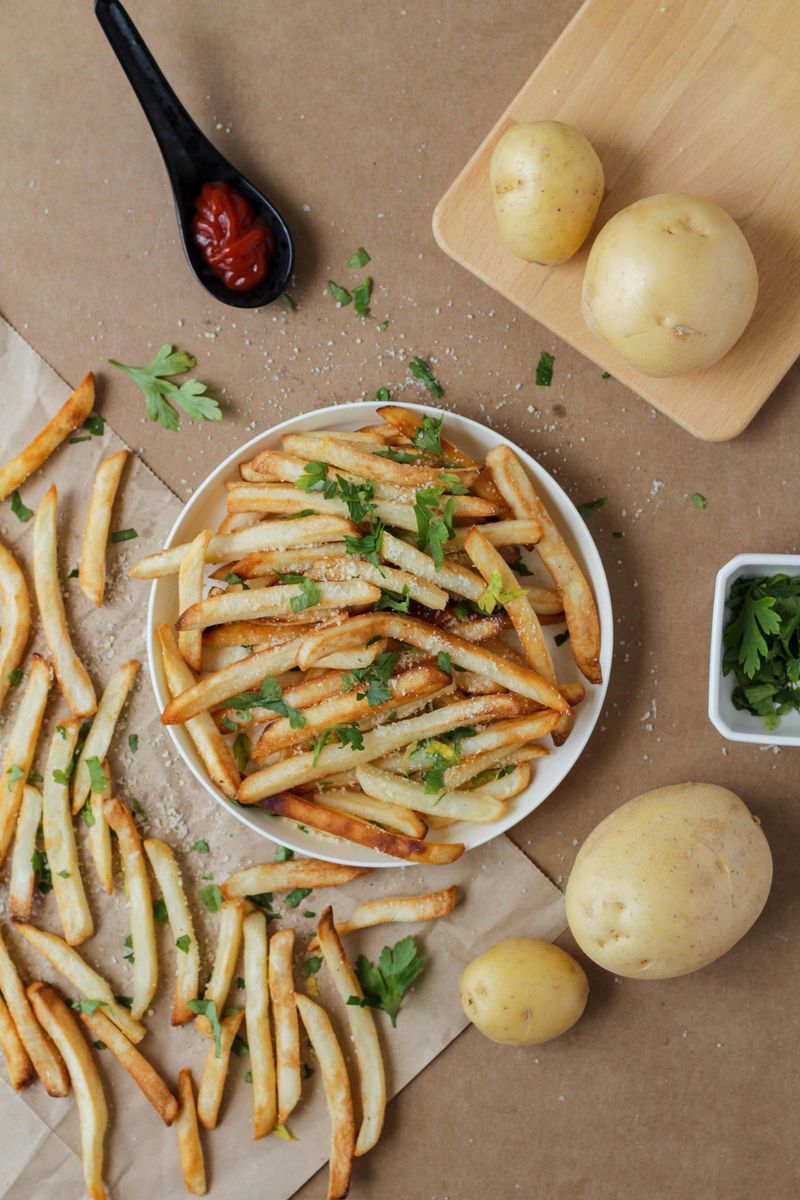
Back then, fries came sizzling, not slumping. You could hear the fryer basket lift and feel the blast of salt as they landed. Crisp edges, fluffy centers, and a heat that dared you to wait were the norm.
You did not need special sauces to make them exciting. The aroma alone told you they were fresh, not tired. When you grabbed a fry, it snapped, then yielded, sending a puff of steam into the air.
Simple burger buns
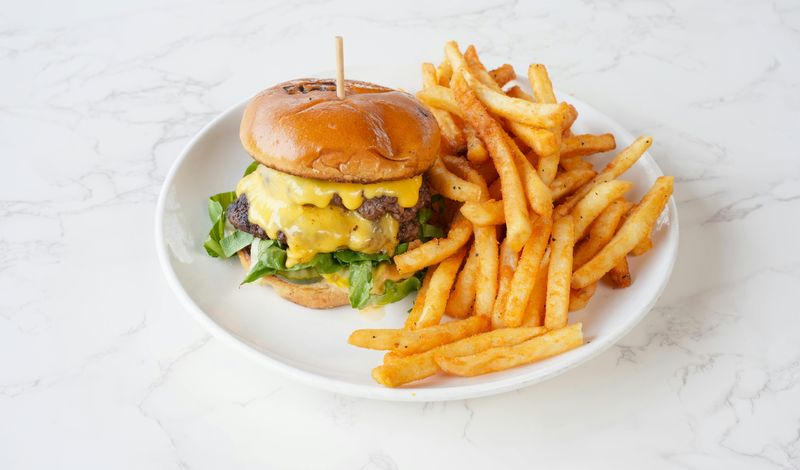
Simple buns used to get the job done without stealing the show. Lightly toasted, soft, and slightly sweet, they cradled the patty and held sauces in place. You bit through bun, then beef, with no gummy distractions.
They toasted buns on the grill, picking up a whisper of flavor that felt homey. No overly chewy crusts, no crumbling fancy bread. Just something warm and steady that kept every bite balanced and clean.
Hand-poured soda
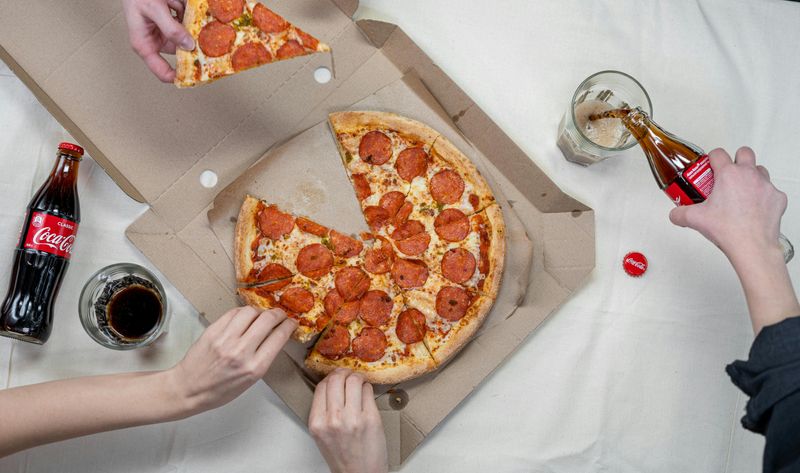
You watched the cup tilt and the syrup meet the fizz, and it felt like a tiny performance. Hand-poured soda meant the ratio was tuned with care. Ice clinked, bubbles darted, and the first sip delivered pure pop.
The fountain hissed, and you knew it was fresh. No flat corners or syrupy sludge. Just cold, lively sparkle that made the meal feel complete and the straw crackle with every pull.
Ice cream cones
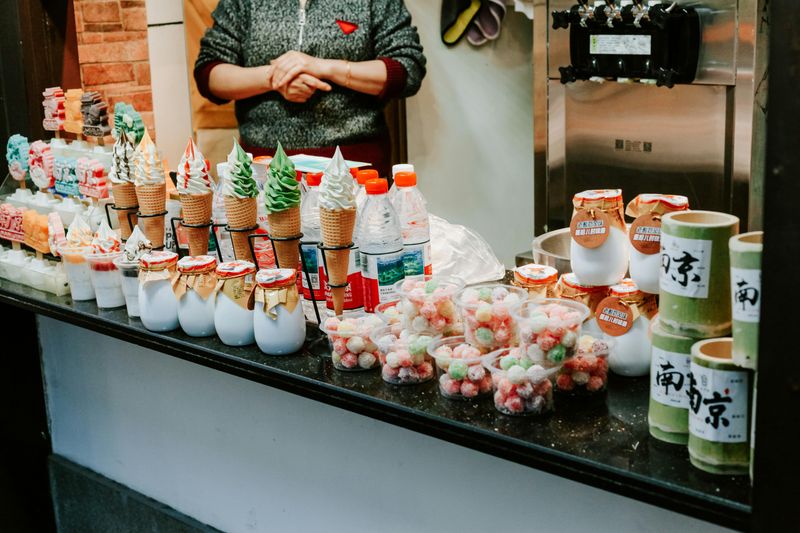
Soft serve used to arrive with a perfect curl that made you smile before the first lick. It was creamy without being heavy, cold without numbing. You could watch the swirl build like a small sculpture.
Cones were crisp and lightly sweet, holding their crunch long enough to finish. No overcomplicated toppings needed. Just a cool treat, handed over with a grin, that turned a quick stop into a small celebration.
Paper food trays
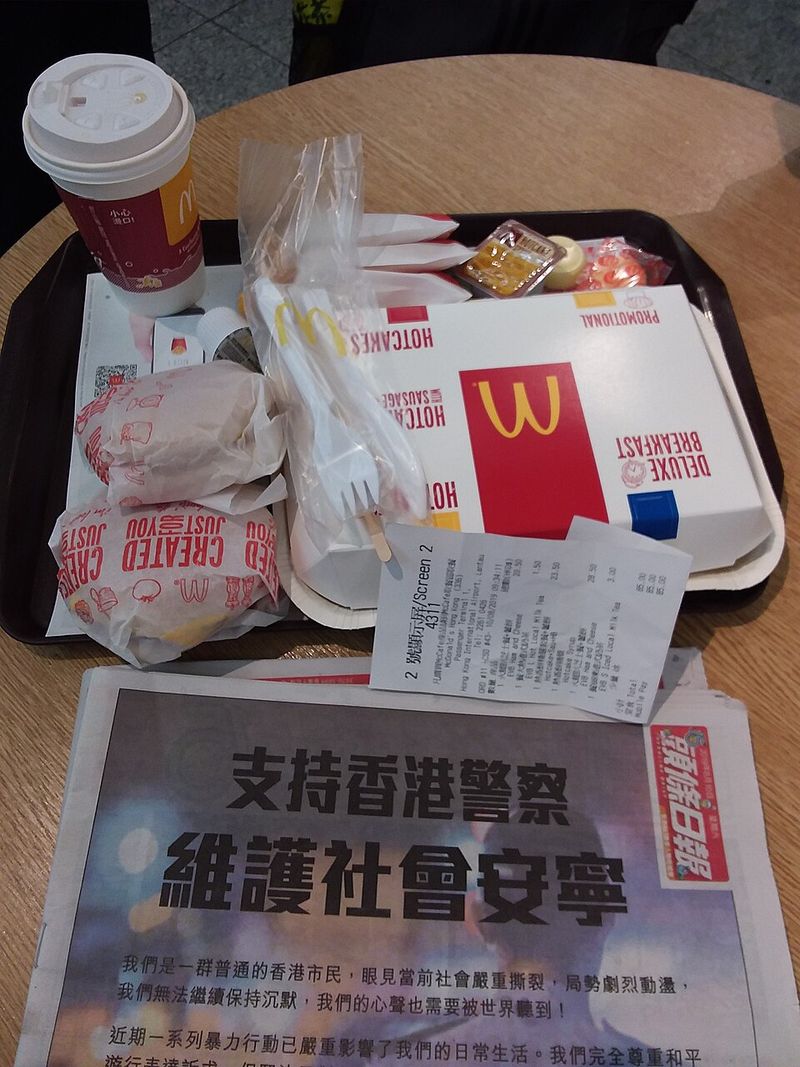
Paper trays felt humble and honest. They soaked up a little grease, kept the table tidy, and made the meal look inviting. You could lay out your fries, park your ketchup, and dig in with both hands.
The graphics were simple, fun, and easy to spot from across the room. No clunky plastics, no awkward stacking. Just a light, useful stage for a lunch that moved at your speed.
Real dining rooms
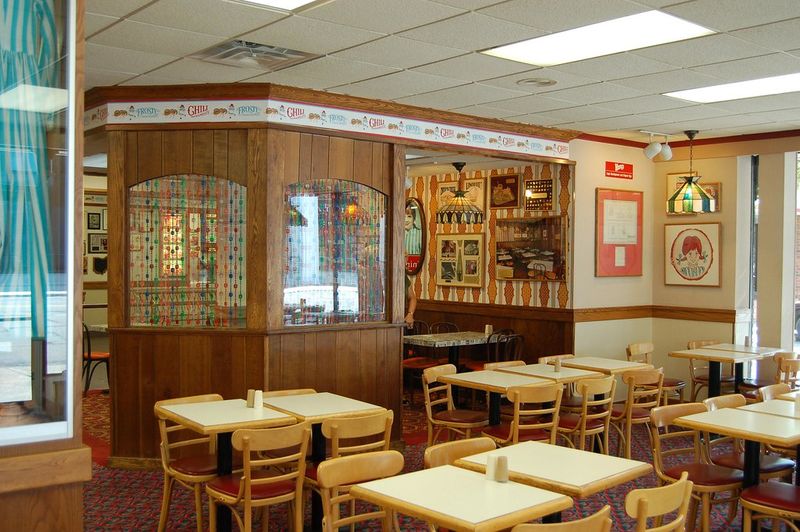
Dining rooms felt like places to linger, not just grab and go. Booths had cushion, windows poured in light, and the room buzzed with conversation. You could sit down, unwrap your meal, and breathe.
Music was present but not loud. Floors shined, tables were wiped, and you could spot the salt shaker without hunting. It felt neighborly, even if you only stayed fifteen minutes.
Counter ordering
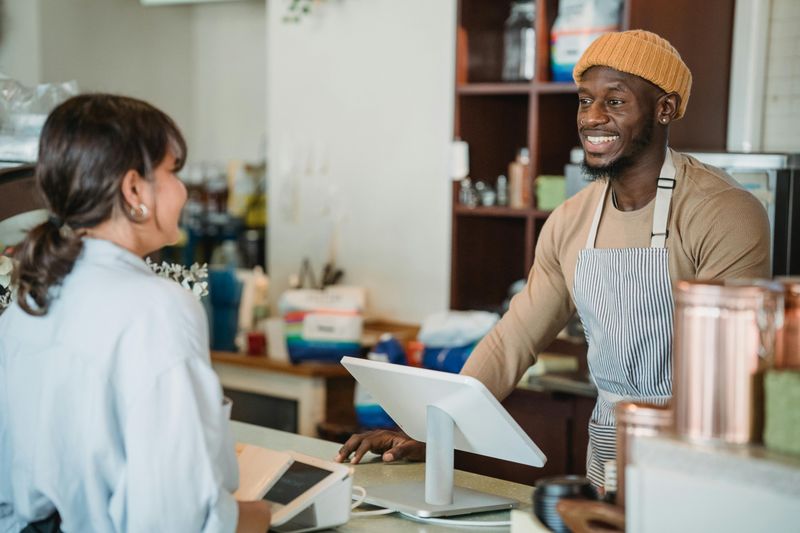
Ordering at the counter used to feel personal. You read the board, asked a quick question, and got a knowing nod. The cashier could suggest a tweak that actually fit your taste.
Things moved fast without feeling rushed. Your order number hit the tray with confidence, and the handoff felt human. You left the counter sure someone had your back and your burger.
Short menus
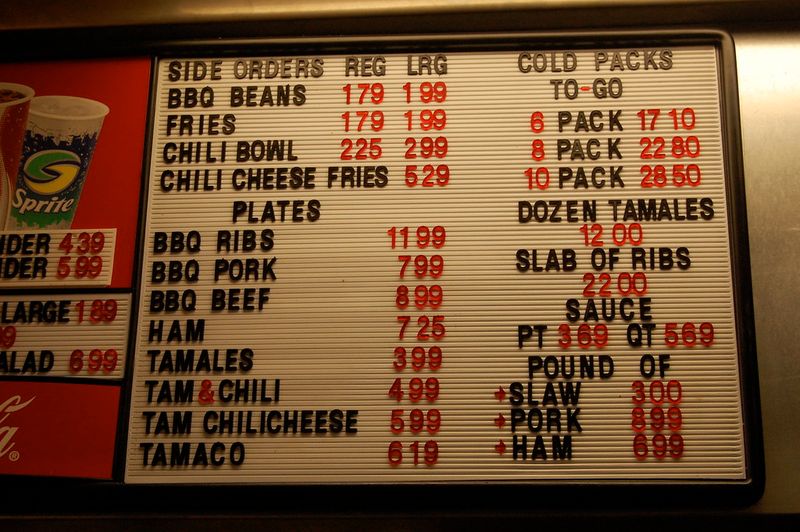
Short menus made decisions easy. A handful of sandwiches, a few sides, and a dessert kept everything tight and consistent. You knew what the place did best and ordered it with zero hesitation.
Less complexity meant fewer mistakes and faster food. The kitchen focused on heat and timing, not puzzle solving. Every item earned its spot and tasted ready, not improvised.
Fresh coffee pots

You could smell the coffee before you saw it. Fresh pots brewed on rotation kept the aroma bright and the taste clean. It poured hot and steady, with a comforting steam that made mornings feel doable.
Staff tossed old batches instead of stretching them. The result was simple and reliable, with no burned edge. You got warmth, not bitterness, and a refill that tasted just as good.
Bigger portions
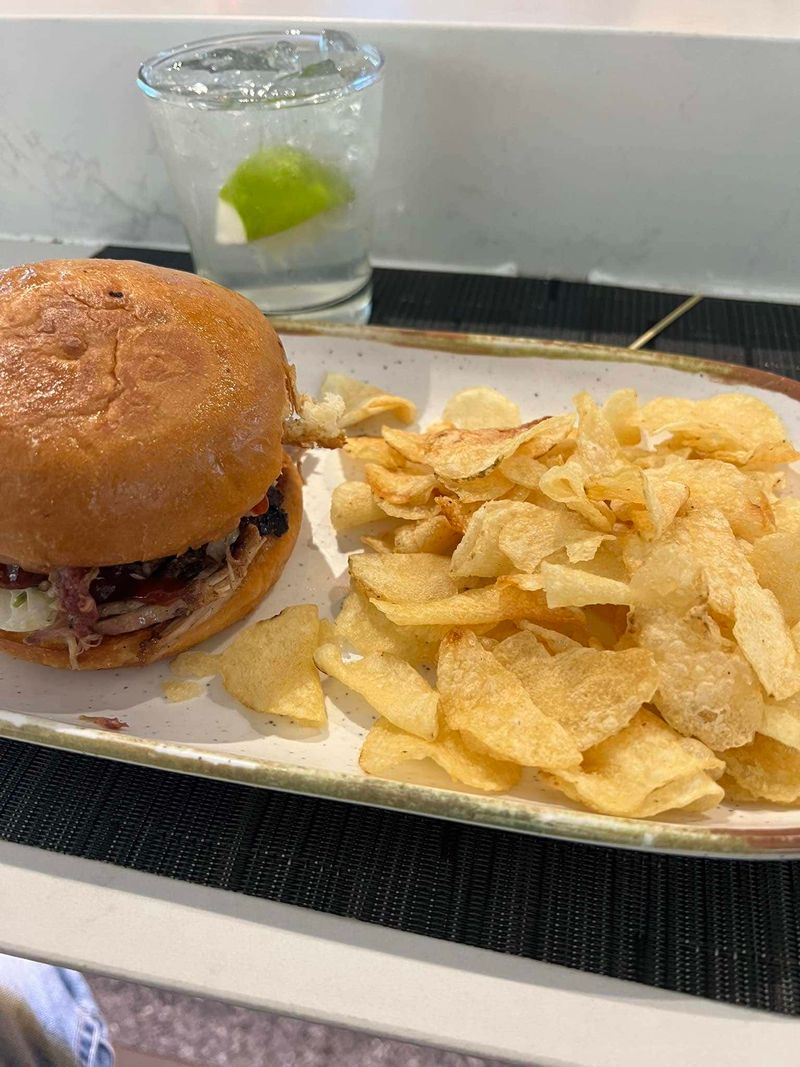
Portions once felt generous without tipping into excess. A large meant you could share or finish with a satisfied sigh. Fries spilled past the cup, and burgers filled the wrapper edge to edge.
You got value that matched the price and the appetite you walked in with. No shrinkflation ghosting your plate. Just food that showed up like it promised.
Thicker milkshakes
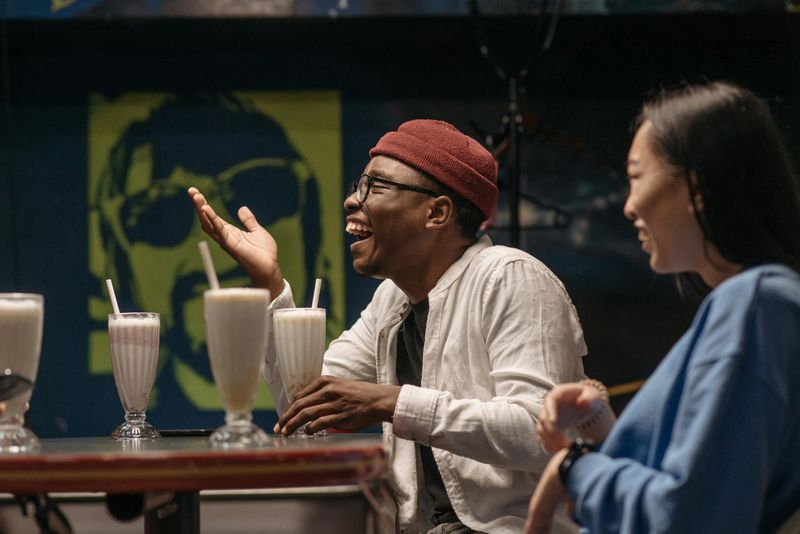
Shakes used to challenge the straw, and that was part of the fun. The first pull took effort, then came rich, velvety reward. Cold, dense, and sweet, they paired with fries like a secret handshake.
No watery slosh or thin aftertaste. Just a steady, creamy stream that stayed frosty to the last sip. You felt the treat in your hands and in your grin.
Warm food packaging
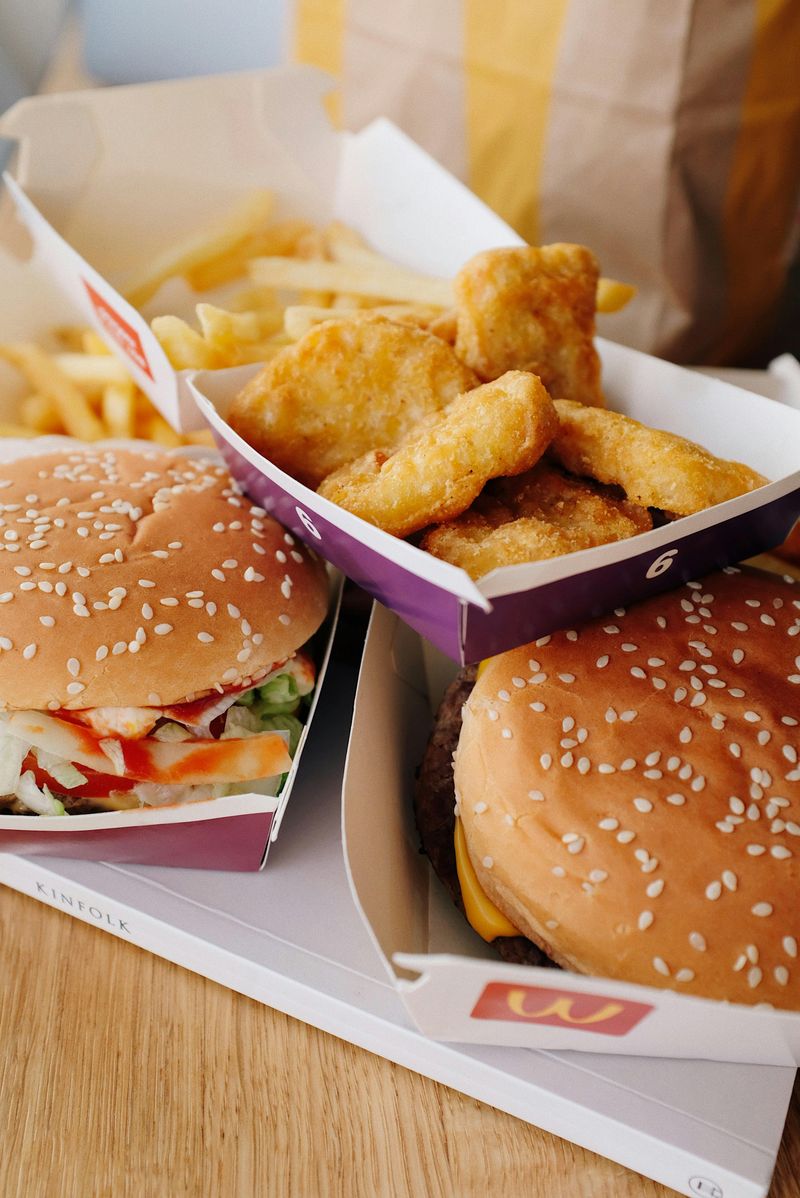
Wrappers held heat without turning burgers into mush. You could feel the warmth through the paper and know the goods were ready. Steam escaped in wisps, not torrents, so buns stayed tender, not soggy.
Packaging felt engineered for comfort, not just branding. It protected crisp edges, kept sauces in their lane, and made the unwrapping satisfying. A small ritual that preserved the bite you were promised.
Table service trays
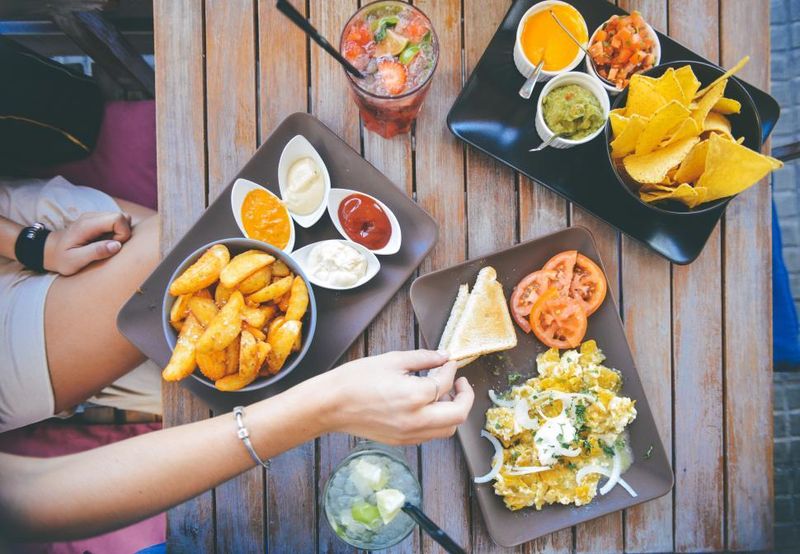
Trays were not just counter clutter. Staff would bring orders to your table when things were busy or when you needed a hand. It felt courteous and kept the flow moving.
The trays themselves were sturdy and balanced, made to travel. Your meal arrived neatly arranged, not jumbled. That extra touch made fast food feel a little like hospitality, not only speed.
Free refills
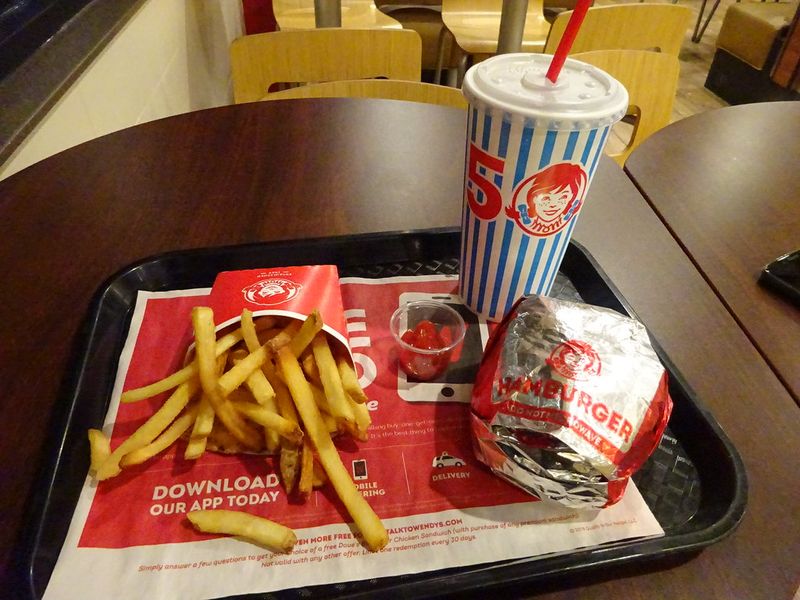
Free refills felt like a small freedom. You could linger, top off the fizz, and get the sweetness just right. It made a modest meal feel a bit more generous.
Stations were clean, well stocked, and easy to use. Ice clattered, soda sang, and you walked back smiling. It was one more reason to choose the place again next week.
Clean tiled floors
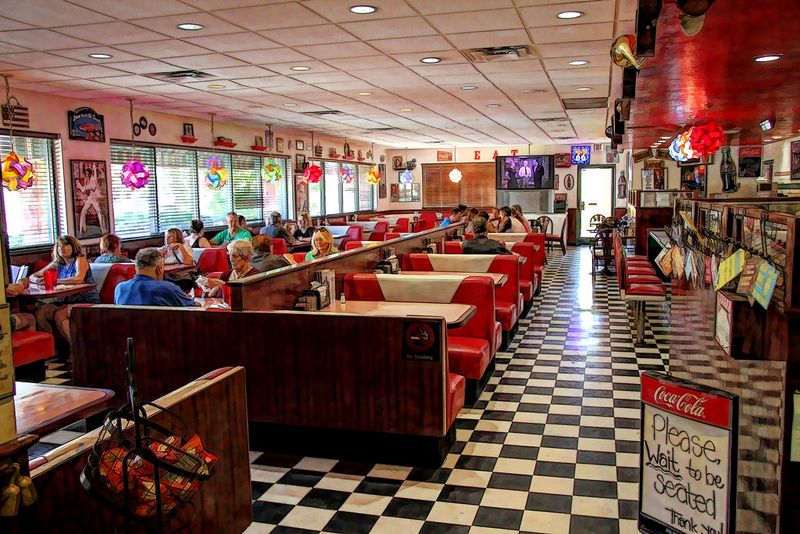
Tiled floors used to gleam like a promise. You noticed the shine because someone cared enough to keep it. It made the room feel fresh and the meal feel safer.
No sticky steps, no mystery crumbs. Just a bright grid underfoot that said welcome. Clean floors signaled standards, and you trusted the rest would follow.
Open kitchens
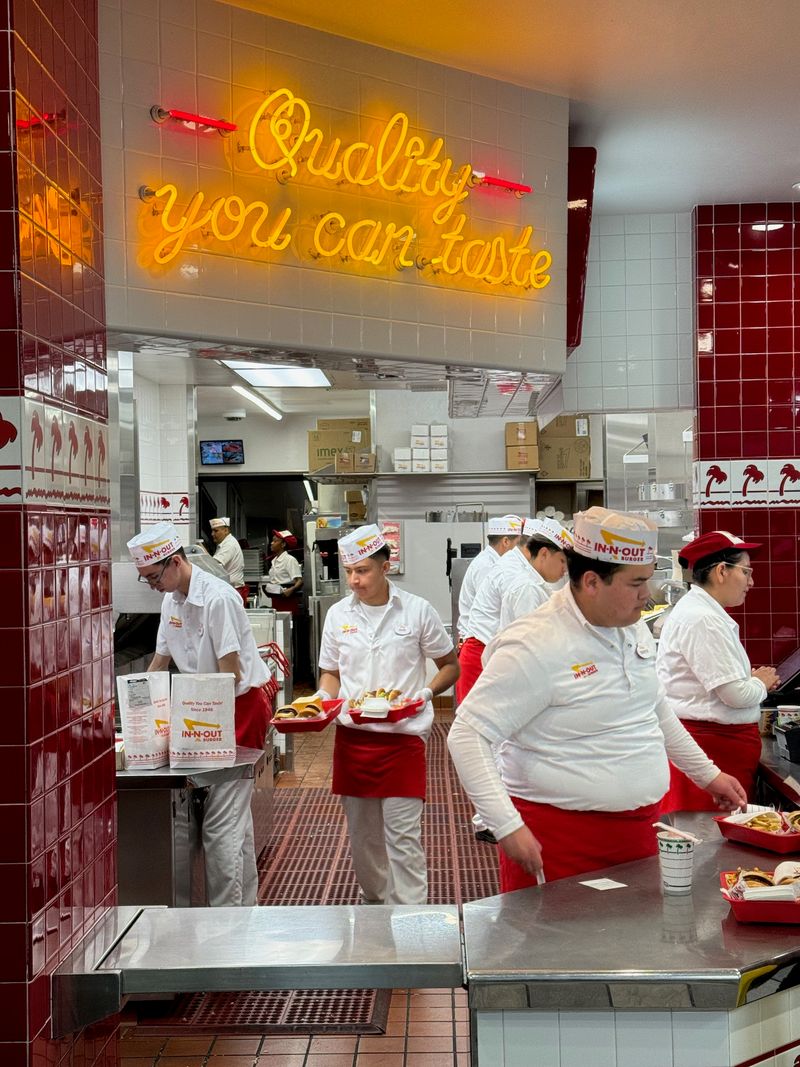
Open kitchens let you see the action and hear the sizzle. It built trust instantly. When you could watch the grill and the fryer, freshness was not a claim, it was proof.
Smells drifted out in the best way, pulling you closer. You saw timing, teamwork, and the quick flip that made it all work. Transparency felt exciting, and dinner tasted better for it.