


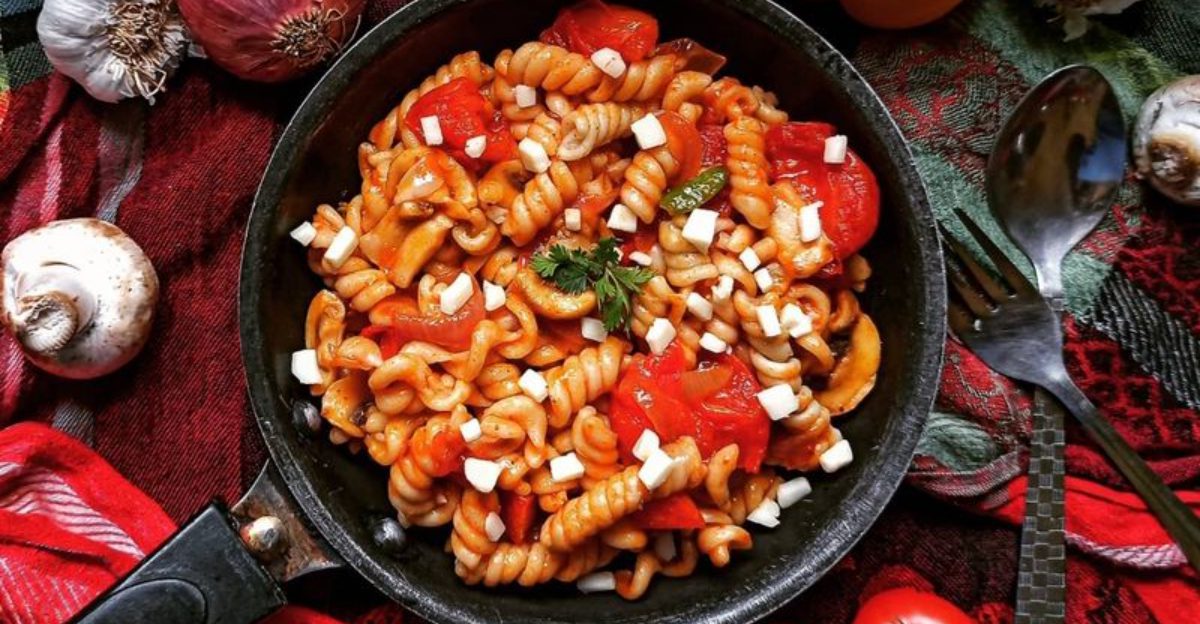
Trendy cooking hacks explode across feeds, promising instant flavor and zero effort. Some look clever on camera, but the taste at the table often tells a different story. Before you toss out real technique for shortcuts, consider what you might sacrifice in texture, depth, and balance. Here is a no-nonsense look at popular hacks that seem smart but usually taste worse.
Mug cake
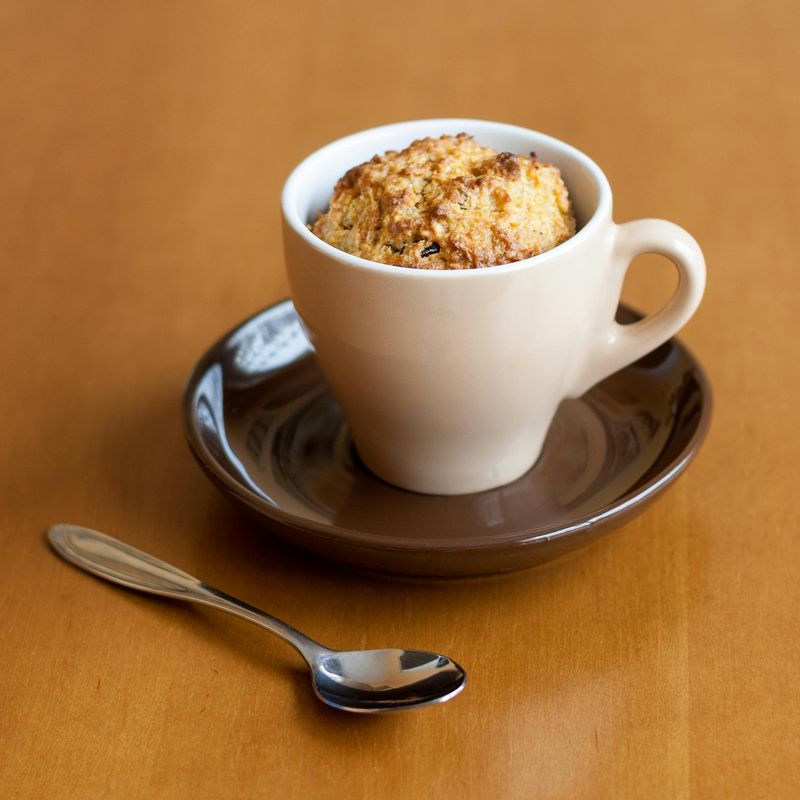
Mug cakes feel like magic, but the texture often betrays the trick. Microwaves heat unevenly, leaving pockets of rubbery crumb and streaks of undercooked batter. Without proper aeration or browning, flavors stay flat and sugary.
You miss the caramelized edges and moist interior balance that ovens provide. Even clever add-ins rarely fix the gummy bite. If a quick sweet tooth strikes, a simple stovetop pudding or fruit saute tastes better and costs less disappointment.
Microwave omelet
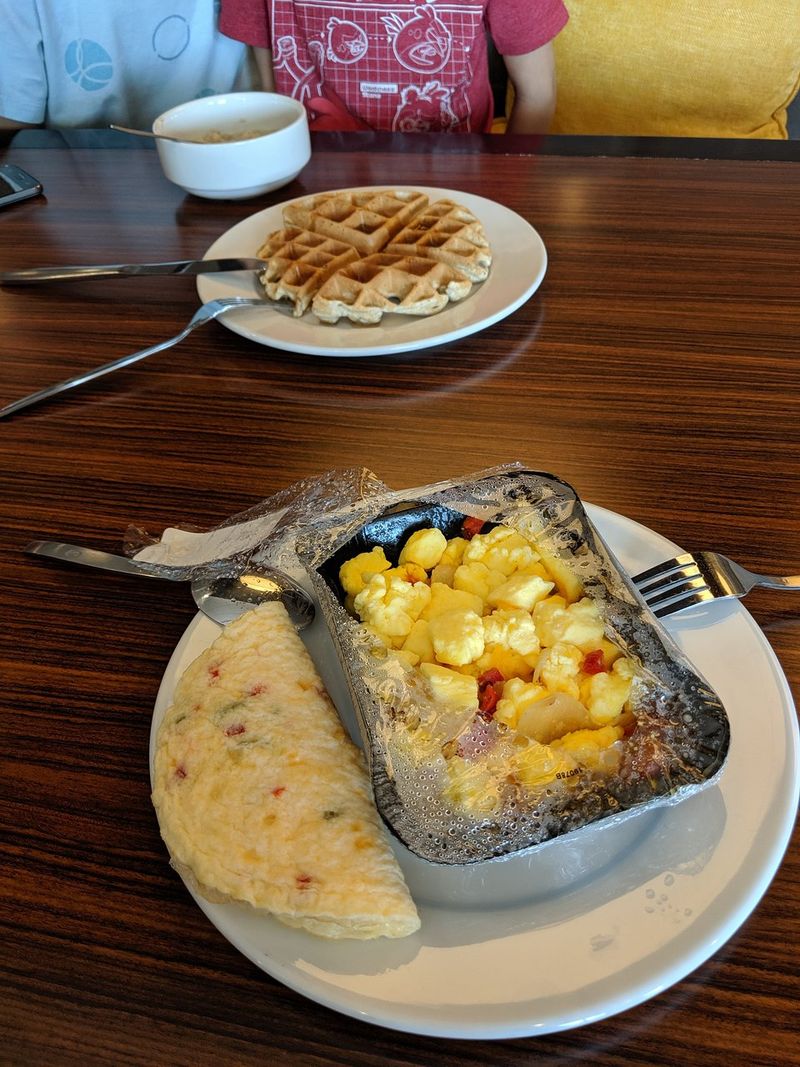
Microwave omelets promise speed, but eggs turn spongy when blasted with inconsistent heat. Curds toughen at the edges while the center steams, leaving a squeaky chew. Browning never develops, so flavor stays timid and watery.
A small nonstick pan takes a minute more and yields tender, custardy folds. Add butter and gentle heat, and you get creamy curds with subtle nuttiness. The microwave might reheat leftovers, but it rarely makes an omelet worth savoring.
Tortilla wrap hack
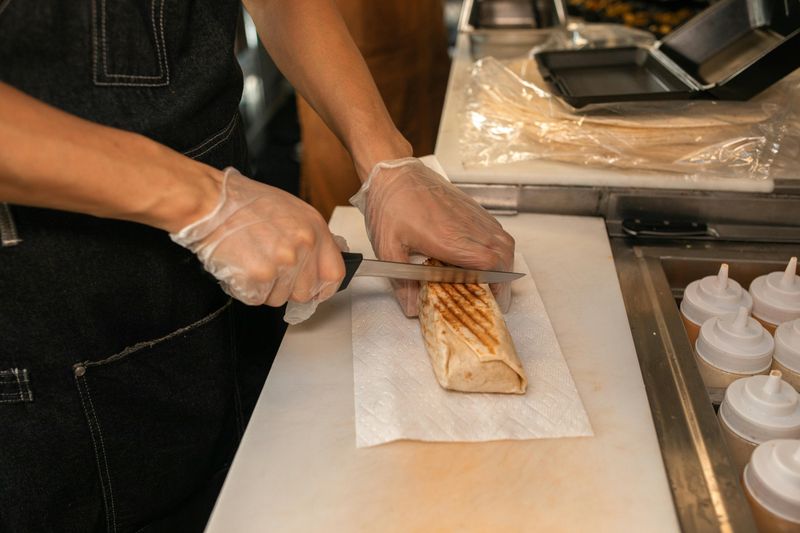
The slit-and-fold tortilla hack photographs well, but layers heat unevenly. Cold cheese hides between hot, wet fillings, leading to soggy seams and torn corners. The fold concentrates moisture where steam cannot escape, dulling crispness.
Pressing in a pan or griddle with modest fillings works better. Build thinner, toast both sides, and add a brief rest for steam to settle. You will get a cohesive bite, not a collapsing wedge that tastes half cold and half mushy.
Cloud bread
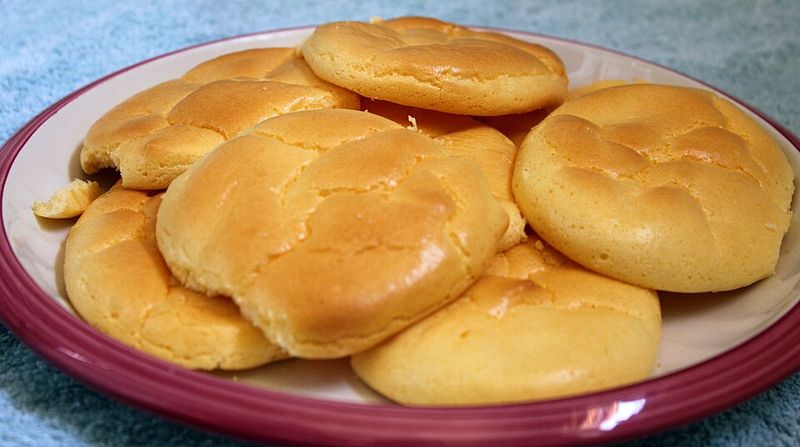
Cloud bread feels whimsical, but eating it is mostly disappointment. The foamy interior tastes eggy and sweet without satisfying chew or crust. There is no Maillard depth, so it reads like meringue pretending to be bread.
For gluten free cravings, try chickpea flatbread or rice flour loaves that develop real structure and flavor. Even a swift skillet soda bread beats cloud bread on taste. Cute for photos, sure, but your mouth wants substance, not flavored air.
Butter board
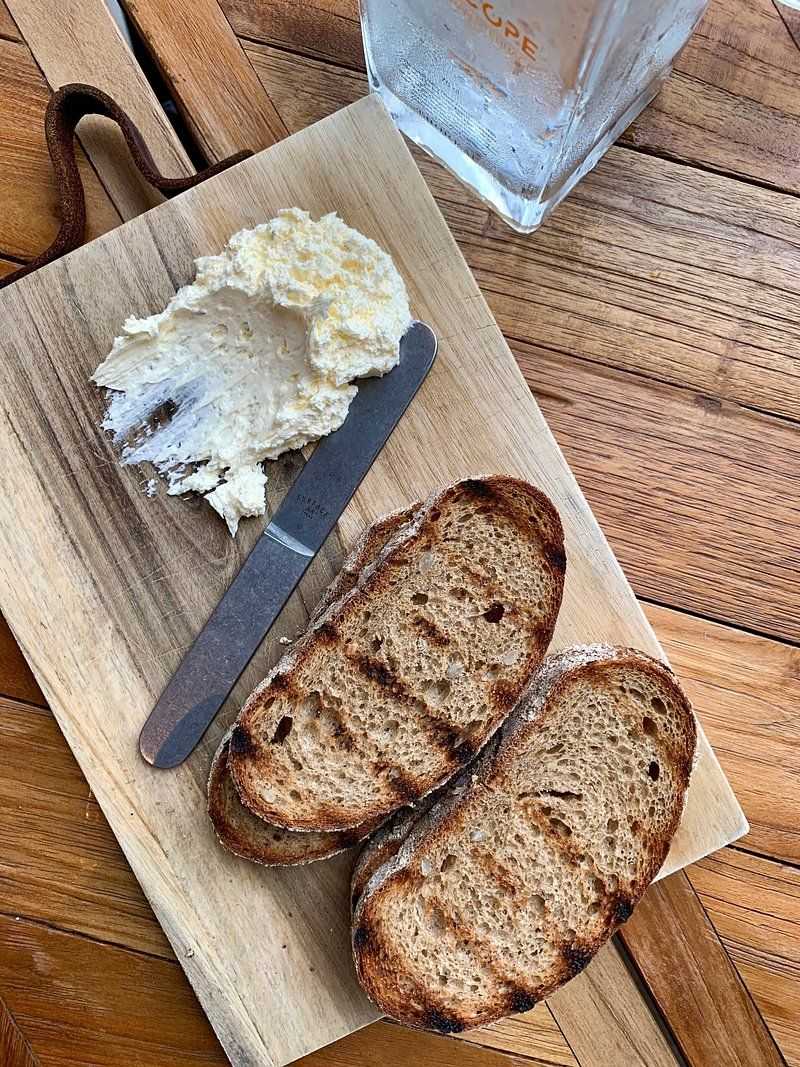
Butter boards are spectacle first, flavor second. Butter warms fast on wood, turning greasy and collecting crumbs. Toppings scatter randomly, so each swipe swings from too sweet to too salty without balance.
Serve cold butter in a shallow dish with crisp radishes, anchovies, or good jam on the side. Let people build each bite intentionally. You will preserve texture, temperature, and the dignity of very good butter, rather than painting it across a cutting board.
Dalgona coffee
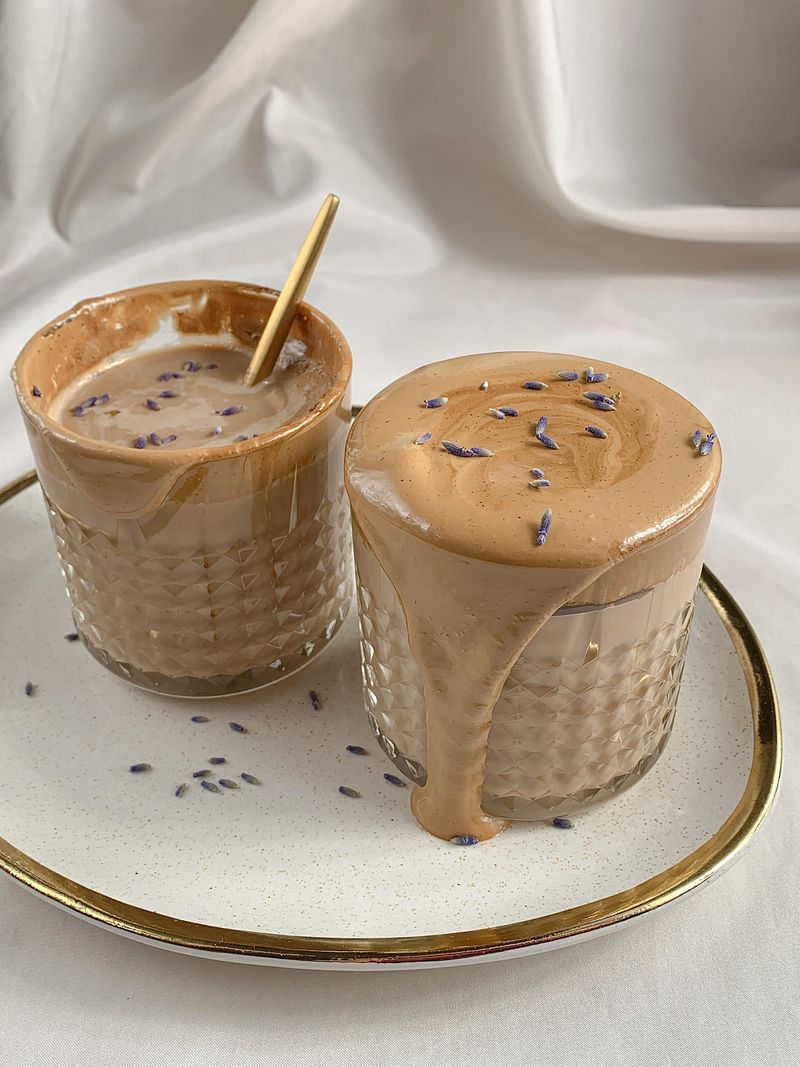
Dalgona coffee is fun to whip but harsh to drink. The foam concentrates instant coffee and sugar, creating bitterness followed by cloying sweetness. Without hot water dilution, flavor sits on your tongue like sticky espresso candy.
Stir it thoroughly or switch to a shaken iced latte for better balance. Freshly brewed espresso or strong brew with simple syrup tastes smoother. Viral foam dazzles the eyes, but your taste buds usually ask for something gentler.
Baked feta pasta
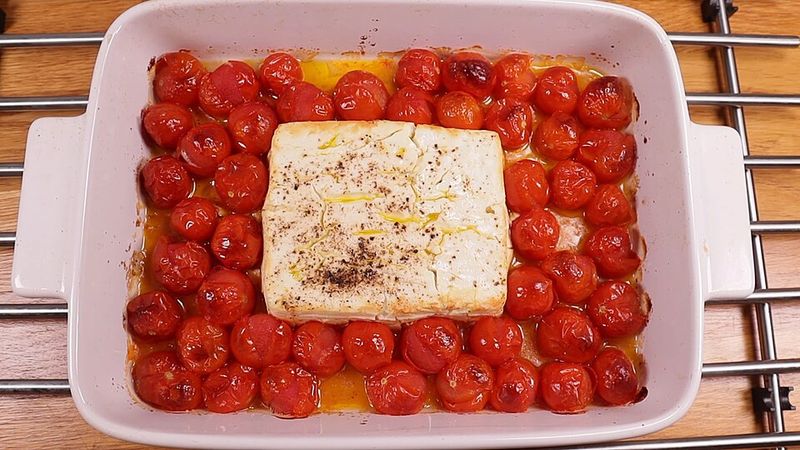
Baked feta pasta leans salty and oily. Roasting yields a briny puddle that struggles to emulsify with starchy pasta water. The cheese does not melt smoothly, so the sauce stays curdled and heavy.
Use creamy ricotta or a smaller amount of feta with olive oil and lemon, then finish on the stove. Add garlic gently cooked and fresh herbs for lift. You will keep tang without the greasy weight, and the pasta will actually shine.
Pancake cereal
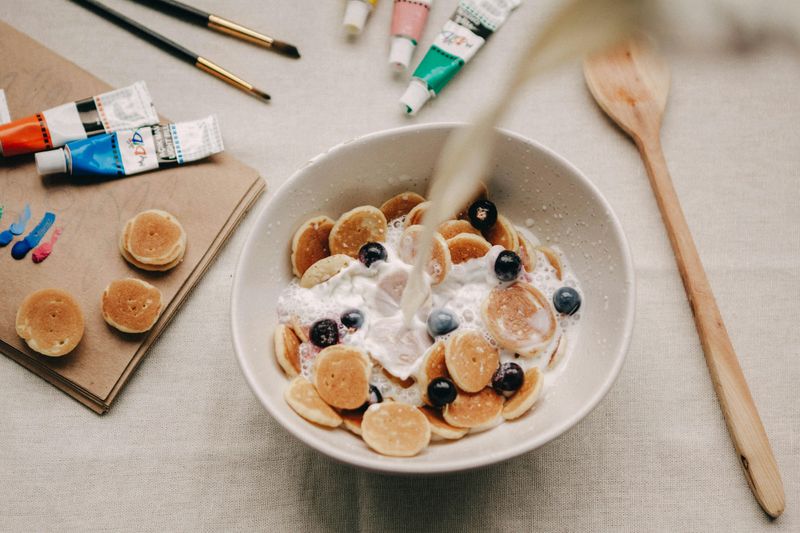
Pancake cereal is adorable until it hits milk. Tiny pancakes turn soggy quickly and lose all griddle character. You also miss the buttery crisp edges that make pancakes special in the first place.
Cook regular pancakes and dice them after, or skip milk and serve bite-size pieces with fruit and yogurt. Keep syrup on the side for dipping to keep texture intact. What looks charming in a bowl often eats like sweet mush.
Croissant cereal
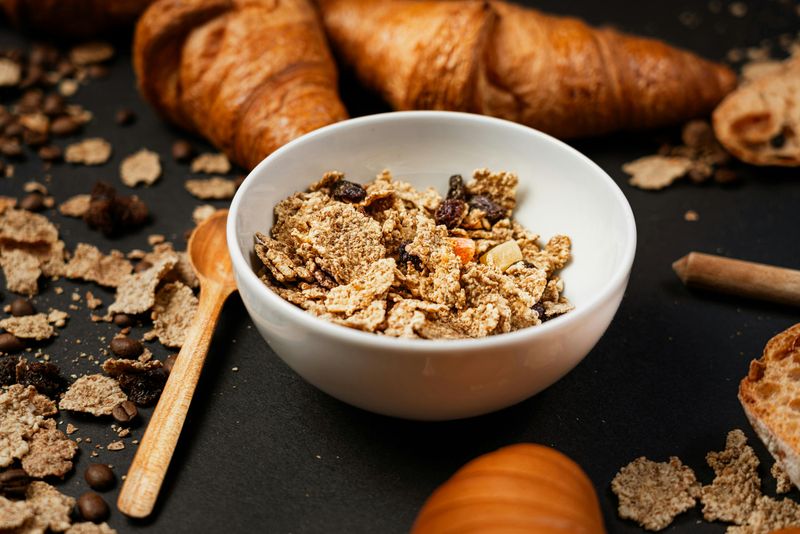
Croissant cereal takes delicate lamination and drowns it. Milk collapses flaky layers into pasty crumbs, killing the buttery lift. The sweetness spirals when sugar joins already rich pastry fat.
If you want crunch, toast torn croissant in the oven and sprinkle with cinnamon sugar, eating dry or with yogurt. Keep milk far away from laminated dough. This trend wastes a good croissant and leaves you with a bowl of regret.
Air fryer bacon
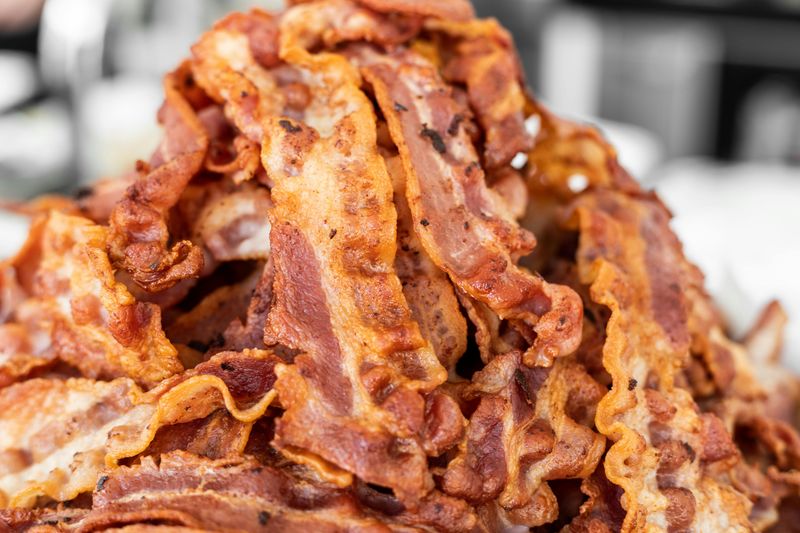
Air fryer bacon sounds tidy, but fat splatters and smoke still happen. Strips curl, tips char, and the middle can go leathery before crisp. The basket design traps grease, coating bacon rather than rendering it cleanly.
Use the oven on a rack set over a sheet pan. You will render fat evenly, minimize mess, and get shatter crisp without burnt edges. Air fryers excel at some things, but bacon is not their best stage.
Viral ramen hacks
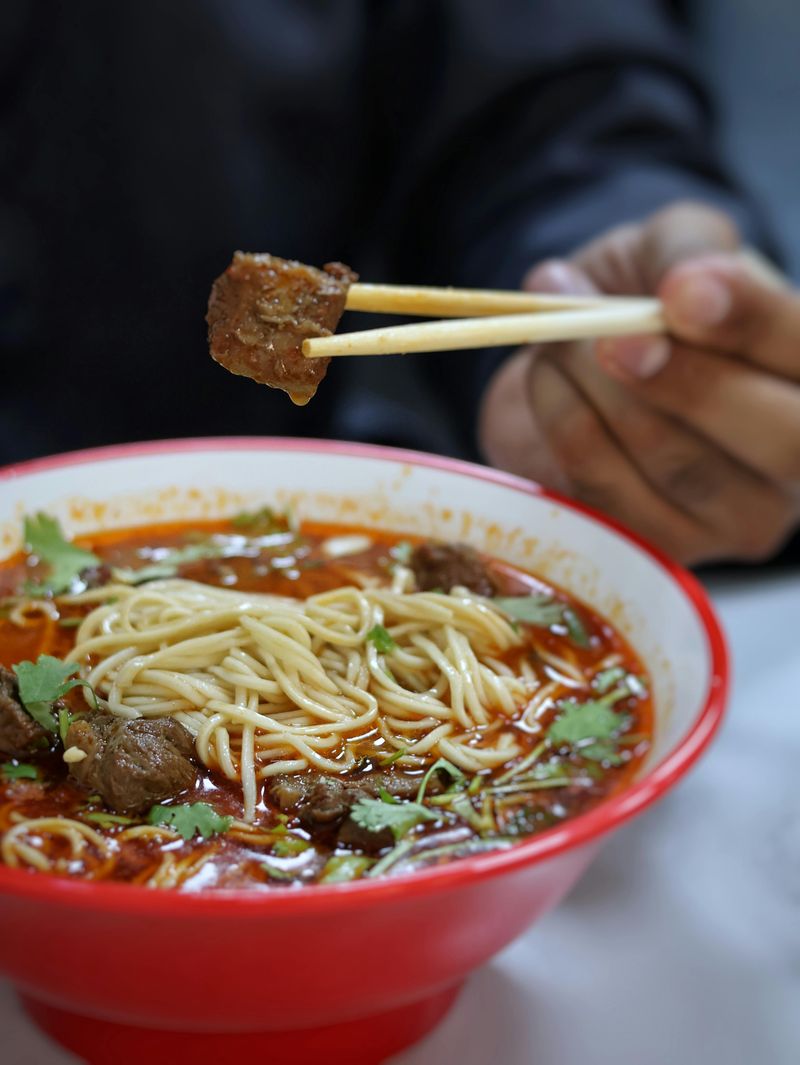
Viral ramen hacks stack flavors without harmony. Sugar, butter, cheese, and soy can fight, yielding a sticky, salty-sweet muddle. Noodles bloat when overcooked in skillet sauces, losing spring.
Keep it simple: cook al dente, reserve broth, and finish with sesame oil, scallion, and an egg. Add acid like rice vinegar or lime to wake it up. Balance beats chaos, and your bowl stops tasting like a dare.
Sushi bake
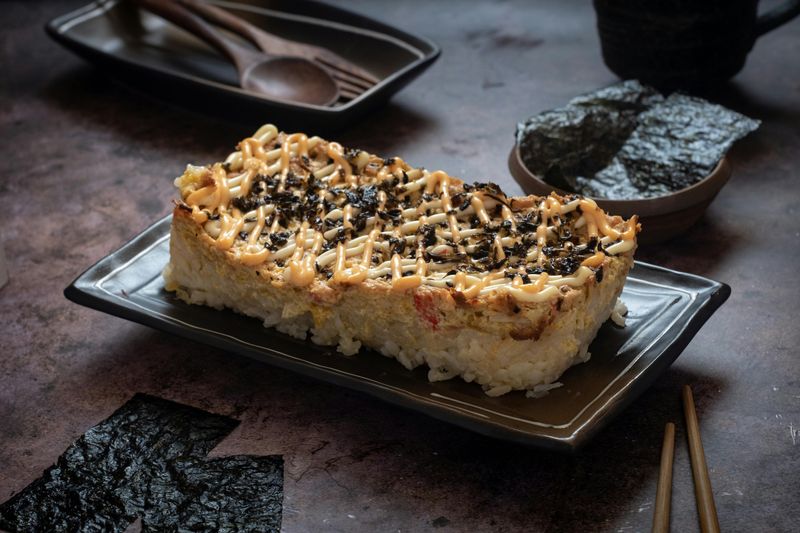
Sushi bake fills a pan, not your sushi cravings. Warm mayonnaise and heavy sauces smother delicate flavors. Rice turns dense without the airy texture and precise seasoning of proper sushi rice.
If you want crowd friendly, make hand rolls with fresh toppings and seasoned rice. Offer nori on the side so crispness survives. The bake feeds many, but it trades freshness for heft and heat that dulls everything.
TikTok pasta chips
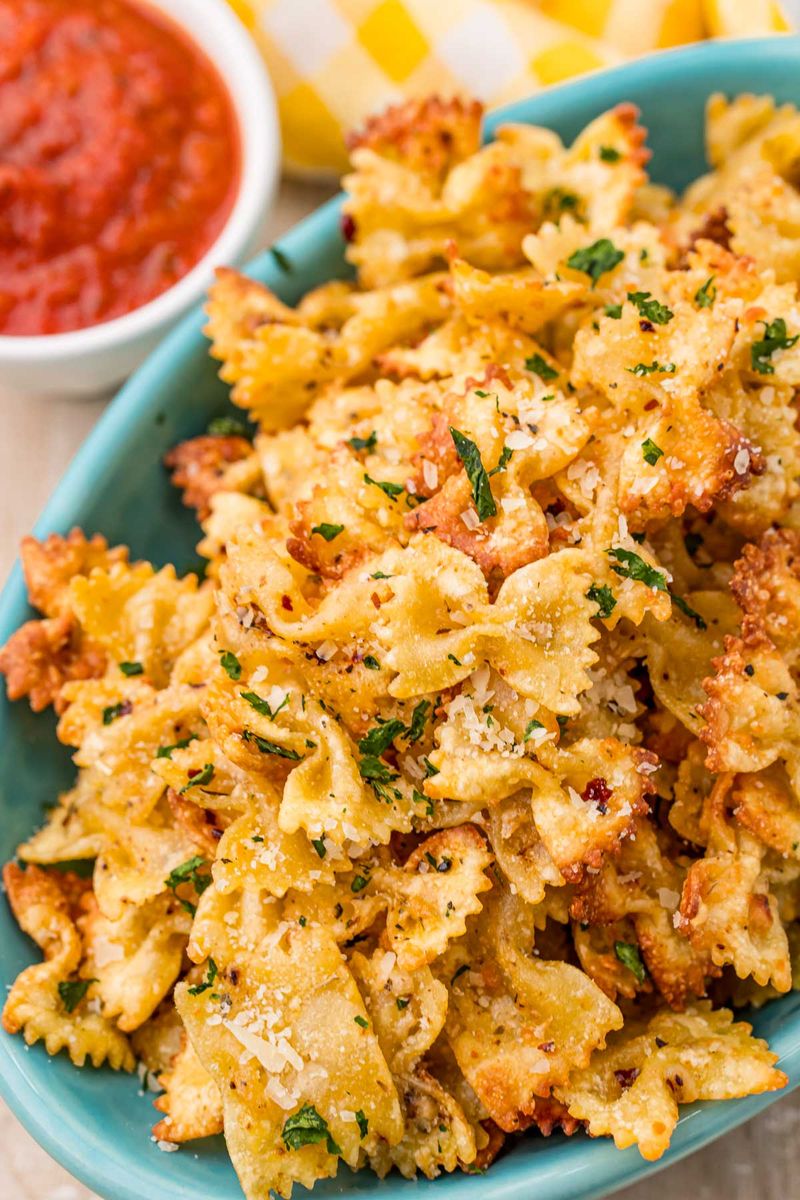
Pasta chips promise crunch but deliver dry starch. Air frying cooked pasta dehydrates it into hollow crisps that taste dusty without dipping sauce. Seasonings sit on the surface like powder, not flavor.
For a snack, roast chickpeas or fry wonton wrappers for better crunch and taste. If you insist, toss with olive oil and grated cheese, then dip into something acidic. Still, it rarely beats real chips or fresh crostini.
Instant pot pasta
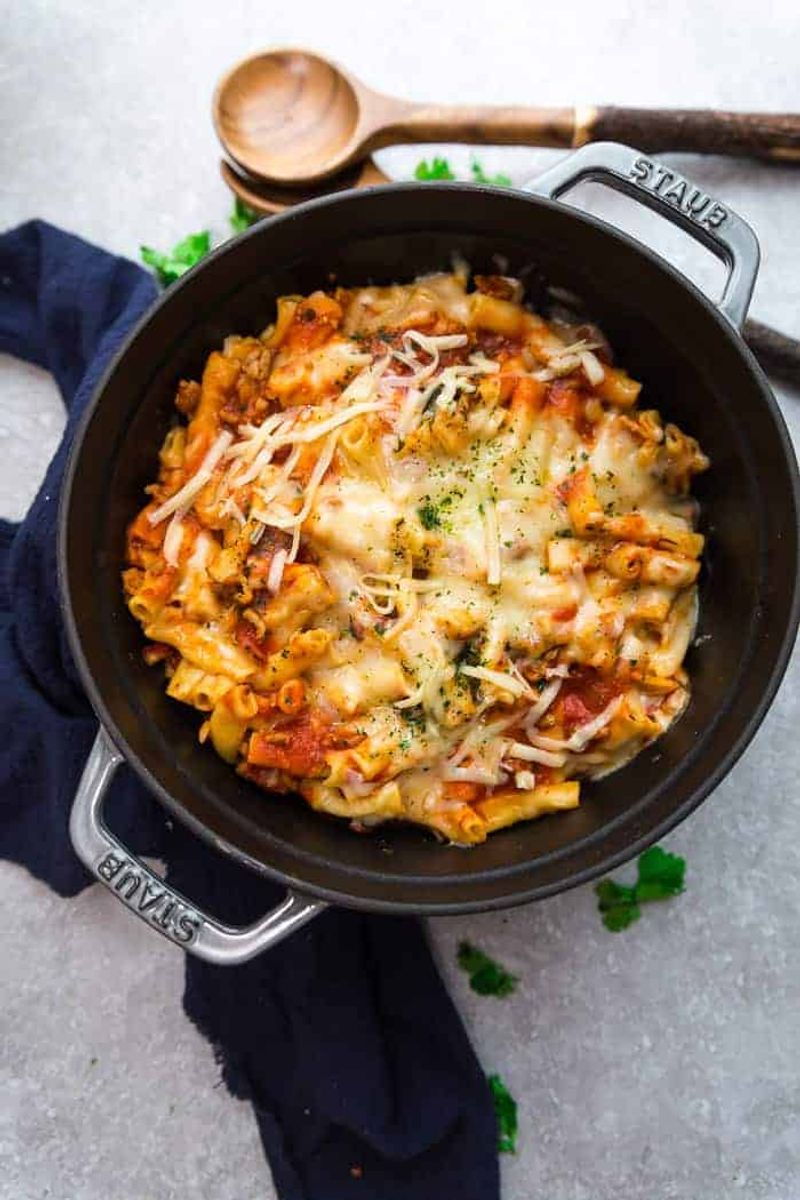
Pressure cooking pasta seems efficient, but control vanishes. Trapped starch thickens sauce too fast while noodles overshoot al dente. Aromatics stew into dullness rather than blooming in oil.
Boil pasta separately and finish under heat with sauce for precision. Use the Instant Pot for braises and beans where pressure helps. Your pasta will taste brighter, and textures will land exactly where you want them.
“Healthy” dessert bowls
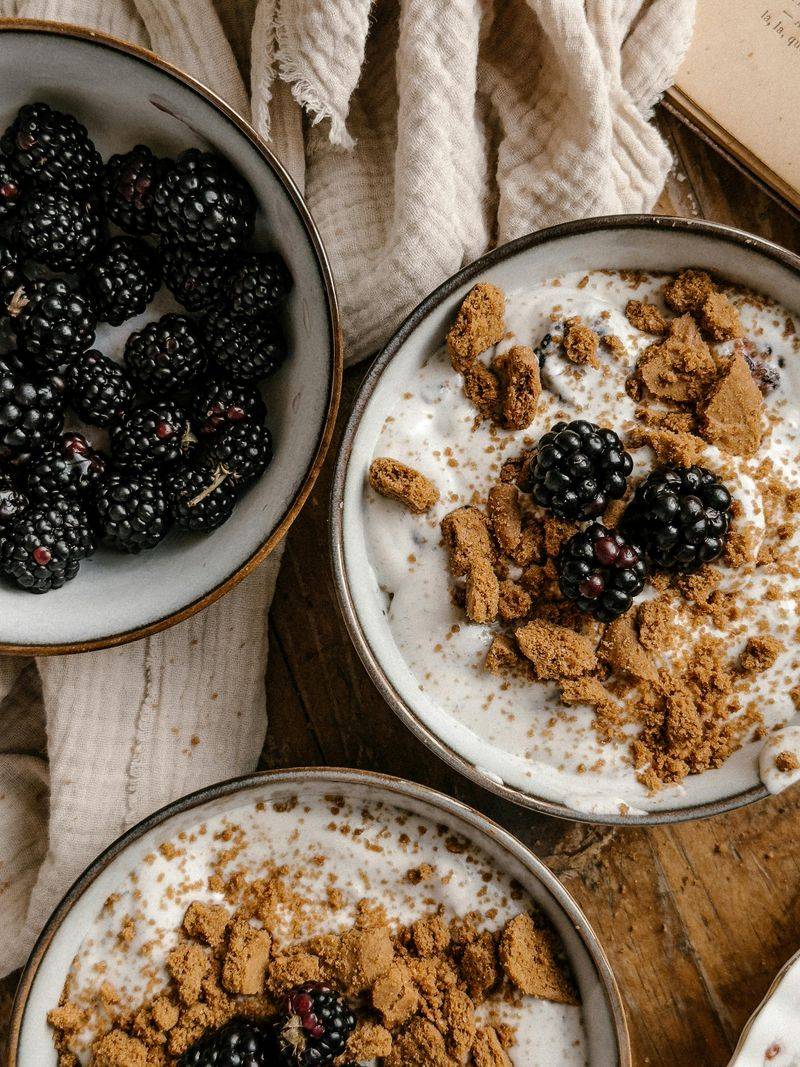
Healthy dessert bowls try to mimic ice cream with frozen bananas, powders, and syrups. The result often tastes chalky, overly sweet, and strangely perfumed. Texture is gummy instead of creamy because fat and churn are missing.
Own the category: make a fruit-forward sorbet, yogurt granita, or small scoop of real ice cream with berries. Portion, not pretense, saves the day. You will satisfy cravings without a bowl of blended disappointment.
One-pan pasta
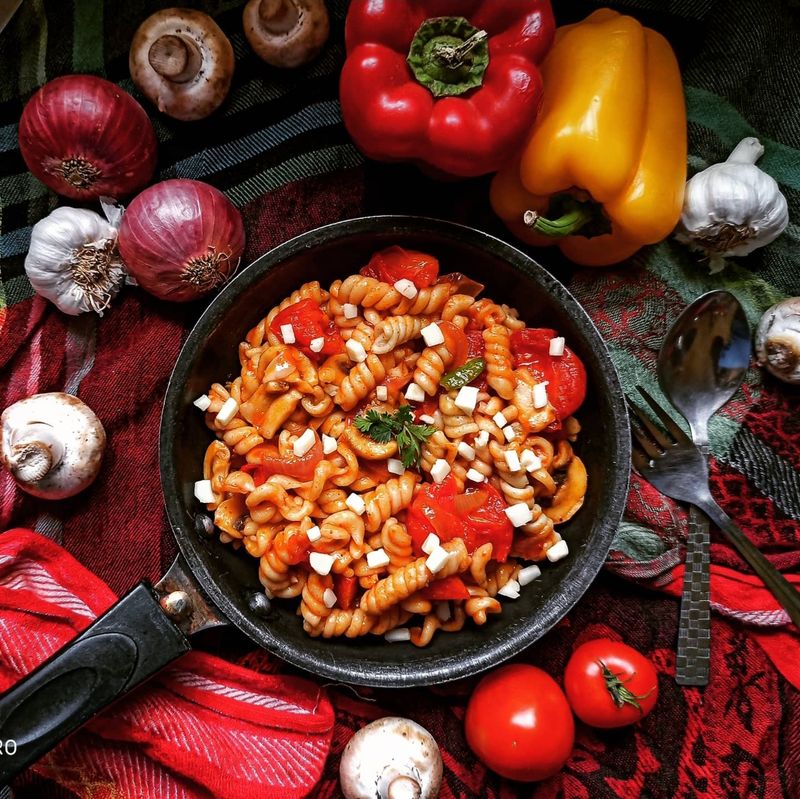
One-pan pasta looks efficient, but starch-heavy water turns the sauce gluey. Pasta releases too much starch when cooked with everything else, so flavors blur and the mouthfeel gets sticky. Vegetables overcook before noodles finish, losing brightness.
Classic methods exist for a reason. Boil pasta separately in salted water, then finish in a pan with concentrated sauce and reserved starchy liquid. You will taste cleaner tomato, better texture, and pasta that actually grabs the sauce instead of drowning in it.