



Some dishes seem easy on paper, yet the moment you start, they suddenly feel like a culinary marathon. You know the ones you crave on a cold night but hesitate to tackle after a long day.
This list breaks down those beloved comfort classics so they feel doable, not daunting. Ready to reclaim simple cooking without sacrificing flavor or sanity?
Homemade bread
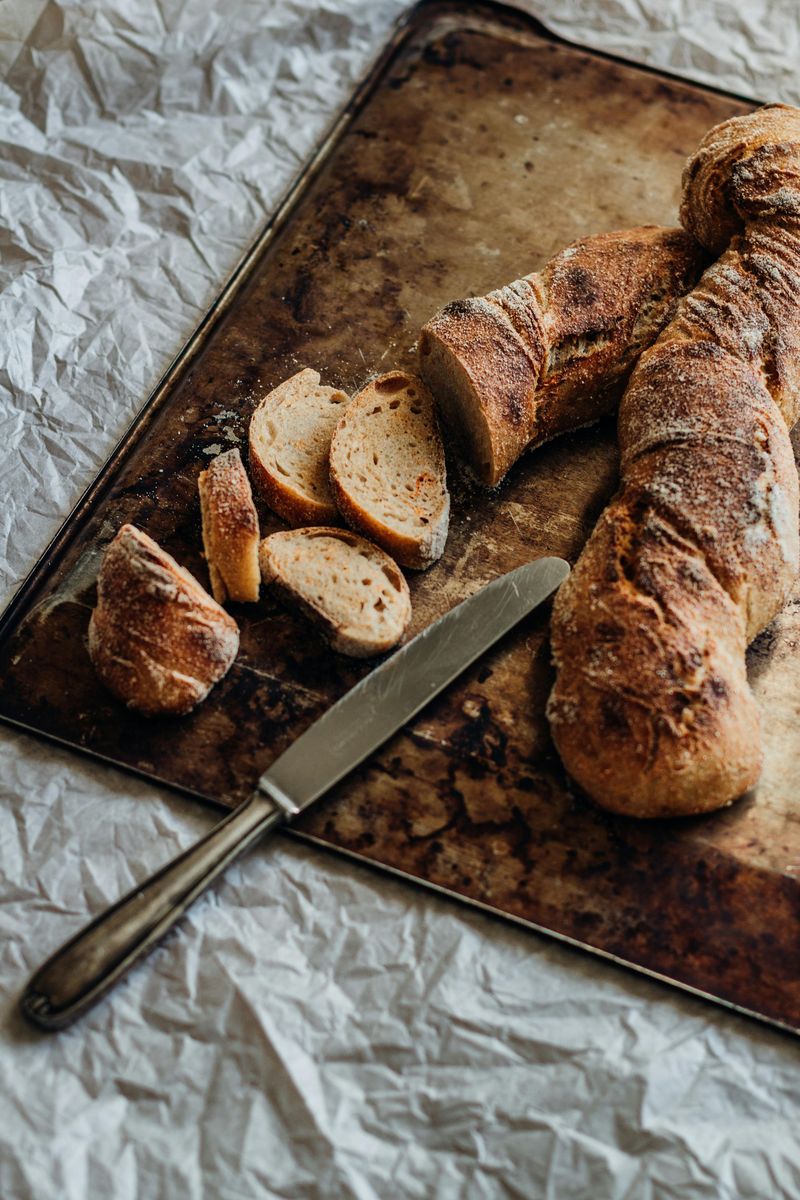
Nothing beats the smell of homemade bread, but it can feel like a time puzzle. You mix, knead, wait, fold, and wait again, hoping the yeast cooperates.
Meanwhile, life keeps calling from every direction.
The trick is embracing the rhythm. Use warm water, patience, and a reliable rise spot like your oven with the light on.
A Dutch oven gives bakery crackle without fuss.
If timing scares you, try an overnight cold rise. The dough works while you rest.
By tomorrow, you get a golden loaf that tastes like effort but felt calm.
Pie crust
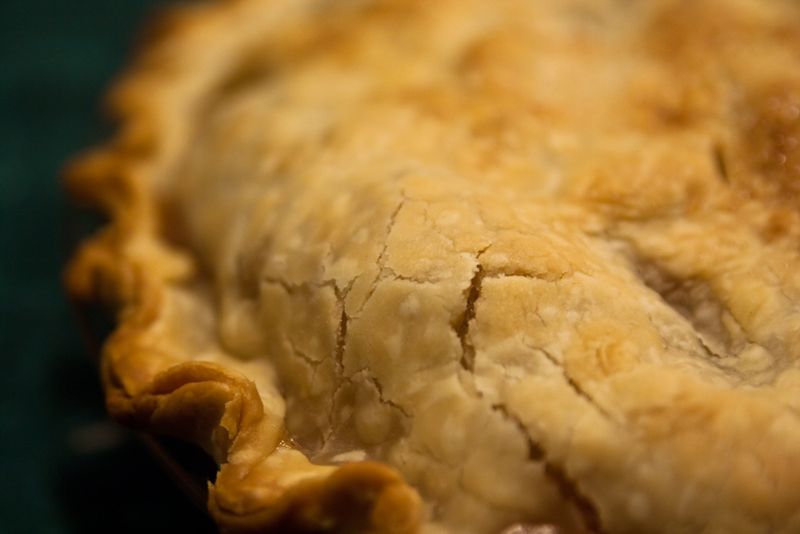
Pie crust looks simple until butter melts in your hands and the dough turns stubborn. You chase flakiness while dodging shrinkage and cracks.
It is a temperature game as much as a recipe.
Keep everything cold: butter, flour, even the bowl. Pulse gently, leaving pea sized bits for layers.
Add water slowly, just until it clumps.
Rest the dough to relax gluten. Roll from center outward, quarter turns, minimal flour.
If it tears, patch with a dab of water and a smile.
Gravy
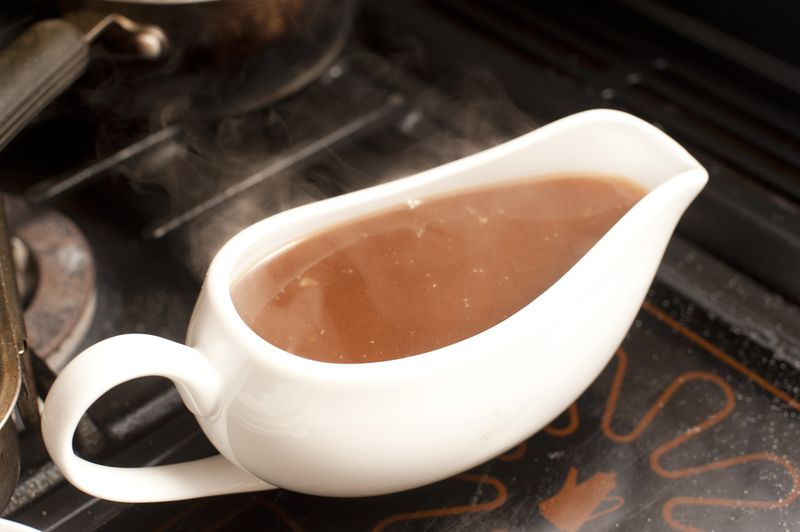
Gravy seems easy until lumps appear and panic follows. You whisk, it clumps, and suddenly dinner loses shine.
The secret is building a roux and controlling heat.
Cook butter and flour until it smells toasty, then add warm stock slowly while whisking. Season late so salt does not concentrate.
Pan drippings add depth you cannot fake.
If lumps happen, do not stress. Blend, strain, or whisk harder and keep going.
A splash of Worcestershire or sherry wakes everything up.
Meatballs
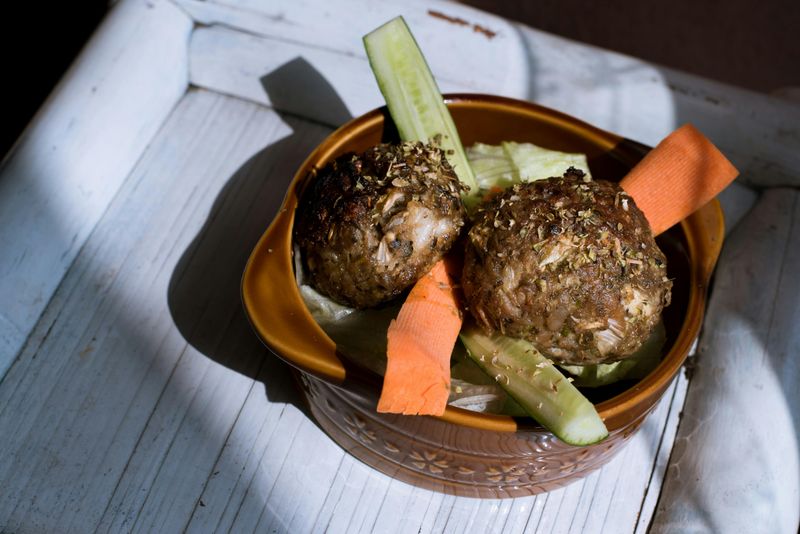
Meatballs sound straightforward until they turn dense or fall apart. You balance flavor, texture, and tenderness with every bowl.
Fat, moisture, and gentle handling are your friends.
Use a panade of bread and milk for softness. Mix lightly, just until combined, and chill before shaping.
Brown in oil or bake for less mess, then simmer in sauce.
Season boldly with garlic, herbs, and cheese. Taste a test patty first.
When they float in rich sauce, serve over pasta or crusty bread.
Roast chicken
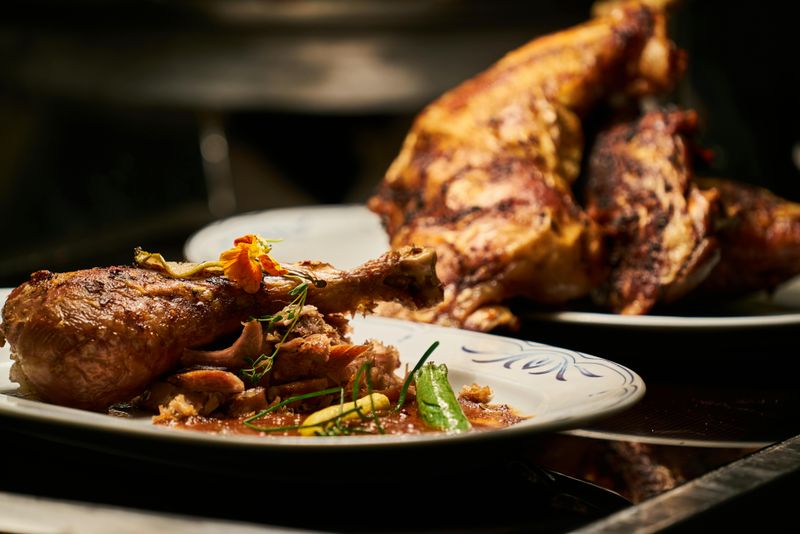
Roast chicken promises weeknight ease yet still triggers second guessing. Is it seasoned enough, trussed, or overcooked under the skin.
You want juicy meat and shatter crisp skin without anxiety.
Dry brine with salt in the morning. Pat dry, tuck wings, and blast with high heat to start, then finish lower.
A thermometer beats guesswork every time.
Rest before carving so juices settle. Spoon pan drippings over everything.
It is the kind of simple that feels luxurious with hardly more than salt and time.
Pot roast
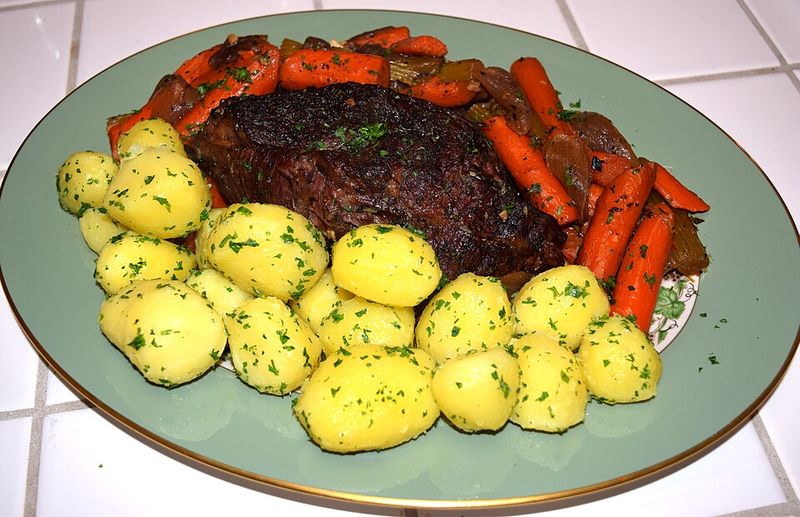
Pot roast seems like set it and forget it, until tough meat tests patience. Collagen needs low, slow heat to melt into velvet.
The payoff is comfort in a bowl.
Choose chuck for marbling. Sear deeply for flavor, then braise with onions, carrots, and stock until fork tender.
Keep the lid snug and the simmer gentle.
Season with Worcestershire and bay leaves. Skim fat, reduce juices into gravy, and serve over mash.
Leftovers transform into sandwiches that taste even better tomorrow.
Beef stew
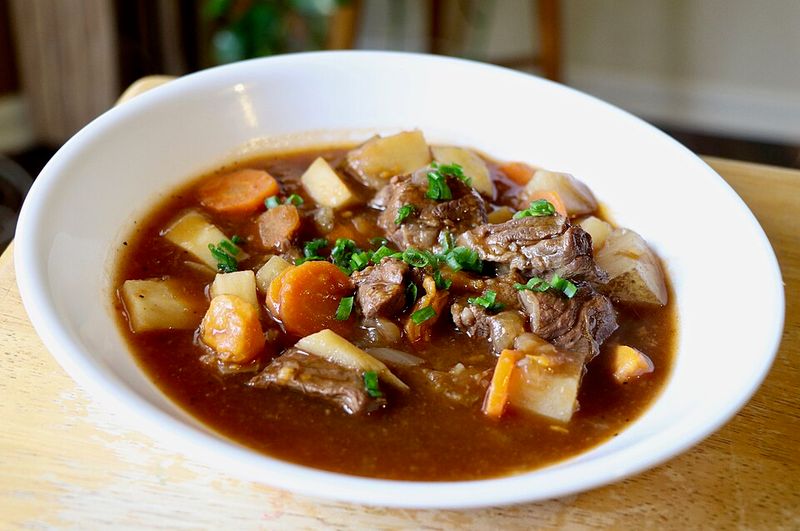
Beef stew can turn watery or tough when rushed. Browning cubes well is everything, building fond that colors the broth.
Then time does the rest.
Use chuck, not lean cuts. Deglaze with wine or stock, scrape the pan bits, and simmer gently.
Add vegetables in stages so they do not collapse.
Thicken with a beurre manié or flour slurry if needed. Finish with vinegar or lemon for brightness.
Serve with bread that happily sops up every drop.
Chicken soup
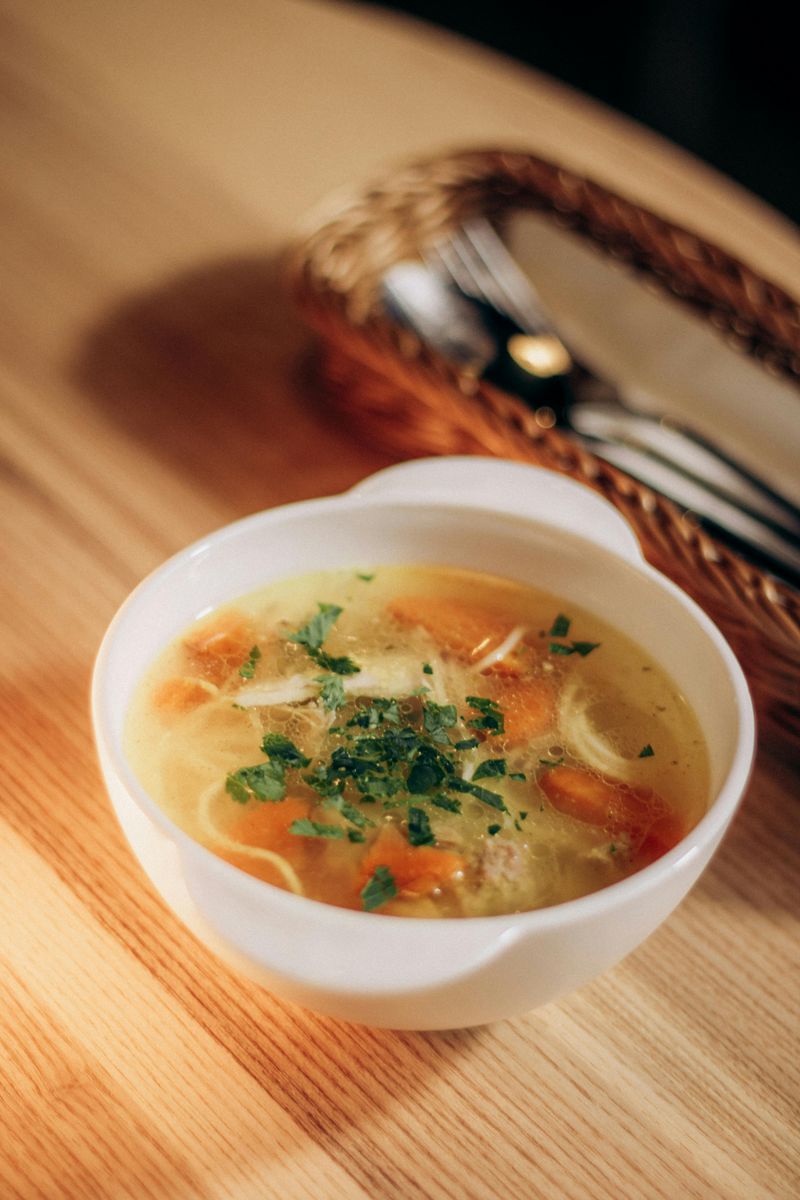
Chicken soup seems easy, but balancing clarity and richness is tricky. You want clean broth with real body, not greasy film.
A whole chicken or bone in thighs make magic.
Start with a cold pot, cover with water, and simmer gently. Skim foam, add aromatics, and let time extract goodness.
Salt slowly and taste often.
Strain, then add noodles separately to avoid cloudiness. Finish with fresh dill, lemon, and black pepper.
It hugs you from the inside out when you need it most.
Stuffed peppers
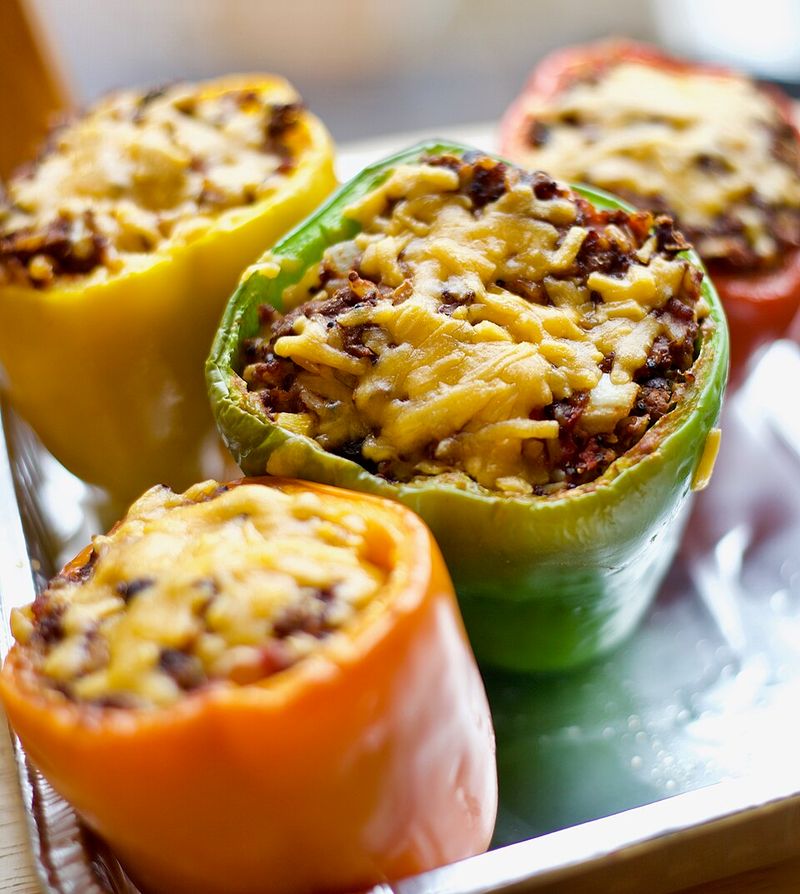
Stuffed peppers look cute but hide timing challenges. Rice needs to cook, filling must be seasoned, and peppers should soften without collapsing.
It is a balancing act that rewards planning.
Par cook rice and brown meat with onions, garlic, and spices. Add tomato sauce and herbs for moisture.
Pre bake the pepper shells briefly for tender bite.
Stuff generously and top with cheese. Bake until bubbling and fragrant.
A squeeze of lemon or vinegar at the end brightens everything beautifully.
Cabbage rolls
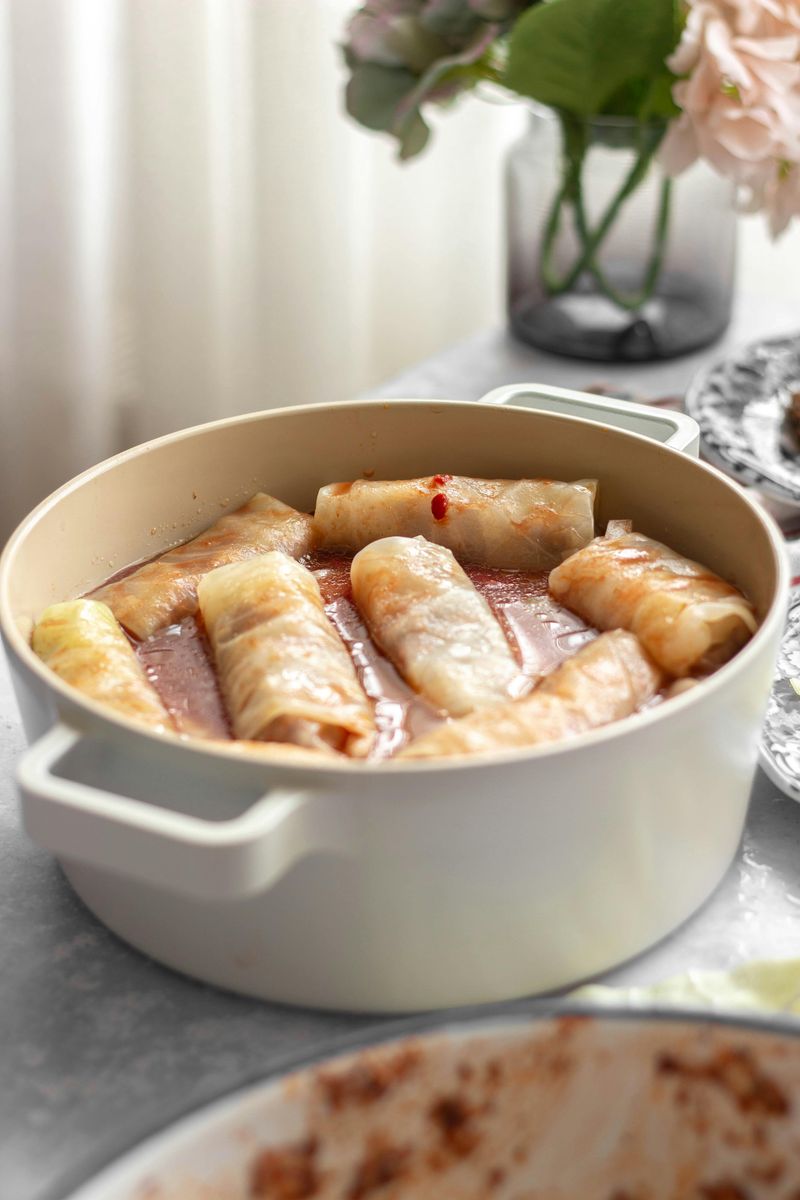
Cabbage rolls feel old school and fiddly, but they deliver deep comfort. The leaves must soften, fill, roll, and simmer without tearing.
It is hands on, yet soothing once you find rhythm.
Steam or blanch the cabbage to loosen leaves. Mix rice, beef, onion, and spices, then tuck snugly and seam side down.
Nestle in sauce and bake covered.
Let them rest before serving so juices settle. A dollop of sour cream and fresh dill does wonders.
Leftovers taste even better the next day.
Cornbread
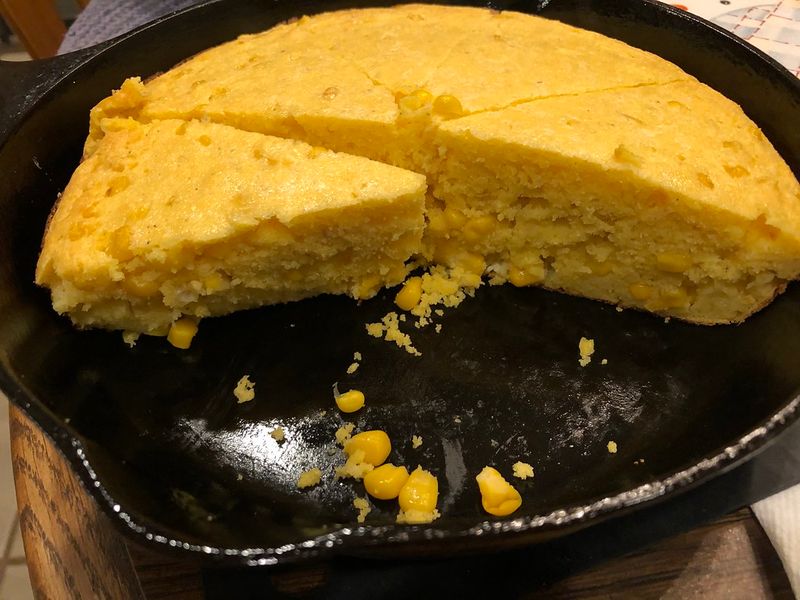
Cornbread seems simple, but texture swings from dry to mushy fast. The cornmeal to flour ratio and fat choice shape the crumb.
Skillet heat gives those craveable edges.
Preheat the pan with butter or bacon fat. Mix wet and dry briefly to avoid toughness.
Fold in corn kernels or jalapeños if you like bite.
Bake until the top springs back and edges pull away slightly. Serve warm with honey butter.
It turns chili night into something special with barely any fuss.
Mashed potatoes
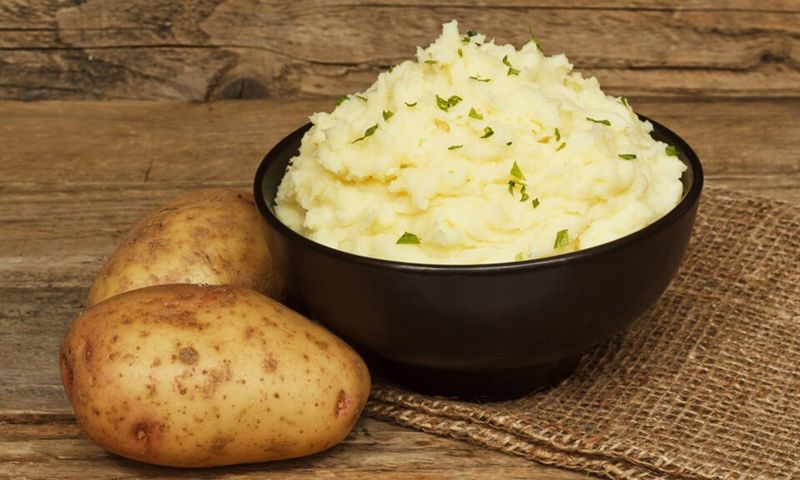
Mashed potatoes can go gluey without warning. Overmixing releases starch that turns them gummy.
The fix is gentle handling and plenty of buttered warmth.
Use Yukon Golds or Russets, cut evenly, and start in cold salted water. Drain well, then dry the potatoes briefly over heat.
Rice or mash, warming milk and butter first.
Salt in layers and finish with pepper. If too stiff, add more warm dairy.
Top with chives, and watch plates come back spotless.
Pancakes
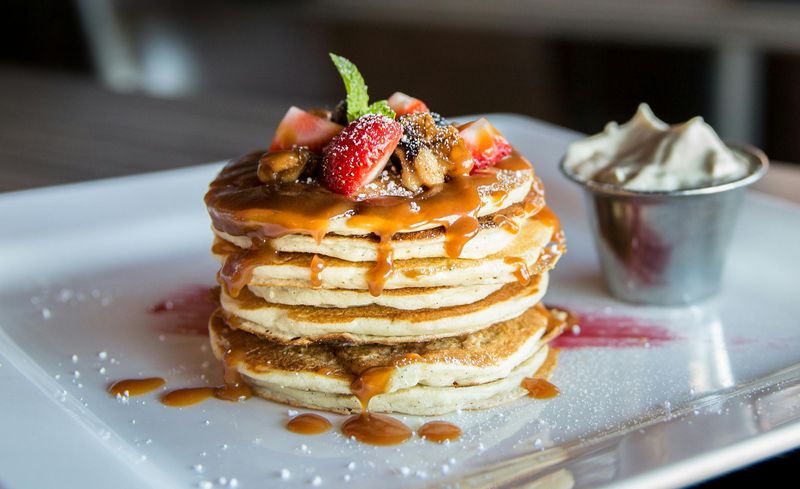
Pancakes look easy until they turn rubbery or flat. Overmixing toughens, and the griddle temperature can sabotage lift.
You want tender middles and golden speckled tops.
Whisk dry and wet separately, then combine with a few lazy strokes. Lumps are fine.
Let the batter rest so bubbles form.
Cook on medium heat and flip when bubbles pop and edges set. Do not press with the spatula.
Serve quickly with warm syrup for peak joy.
French toast

French toast swings between soggy and dry if you rush. The bread, custard, and heat must work together.
Rich slices like brioche or challah hold creamy centers.
Whisk eggs, milk, vanilla, and a pinch of salt. Soak until the bread drinks but does not collapse.
Cook low and slow in butter for custardy insides and caramelized edges.
Finish in the oven if thick slices need more time. A sprinkle of cinnamon and sugar seals the deal.
You will taste weekend even on Tuesday.
Rice pudding
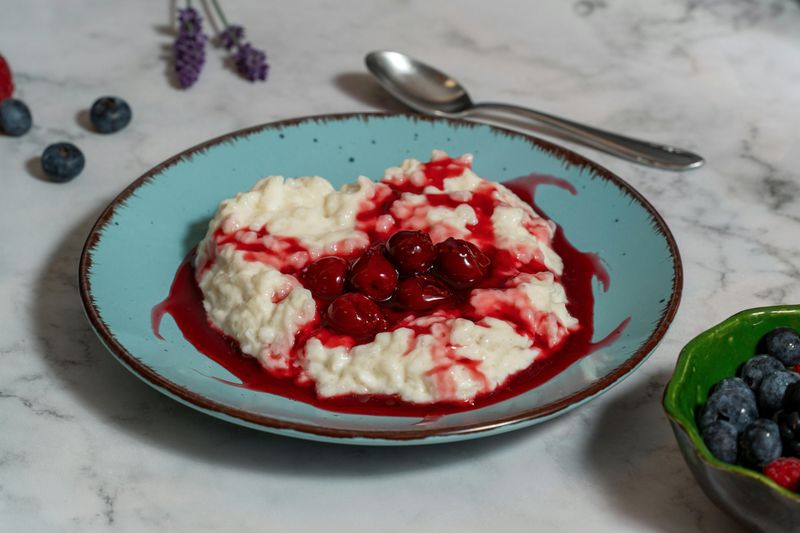
Rice pudding feels like nursery food in the best way, but scorching milk is a real threat. You want silky spoonable comfort, not glue.
The key is low heat and stirring.
Use short grain rice for creaminess. Simmer gently with milk, sugar, and vanilla, stirring often.
Raisins soak plump if added earlier, or stay chewy added late.
Finish with cinnamon and a pinch of salt. Let it thicken off heat as it cools.
Serve warm or chilled, both taste like home.
Bread pudding
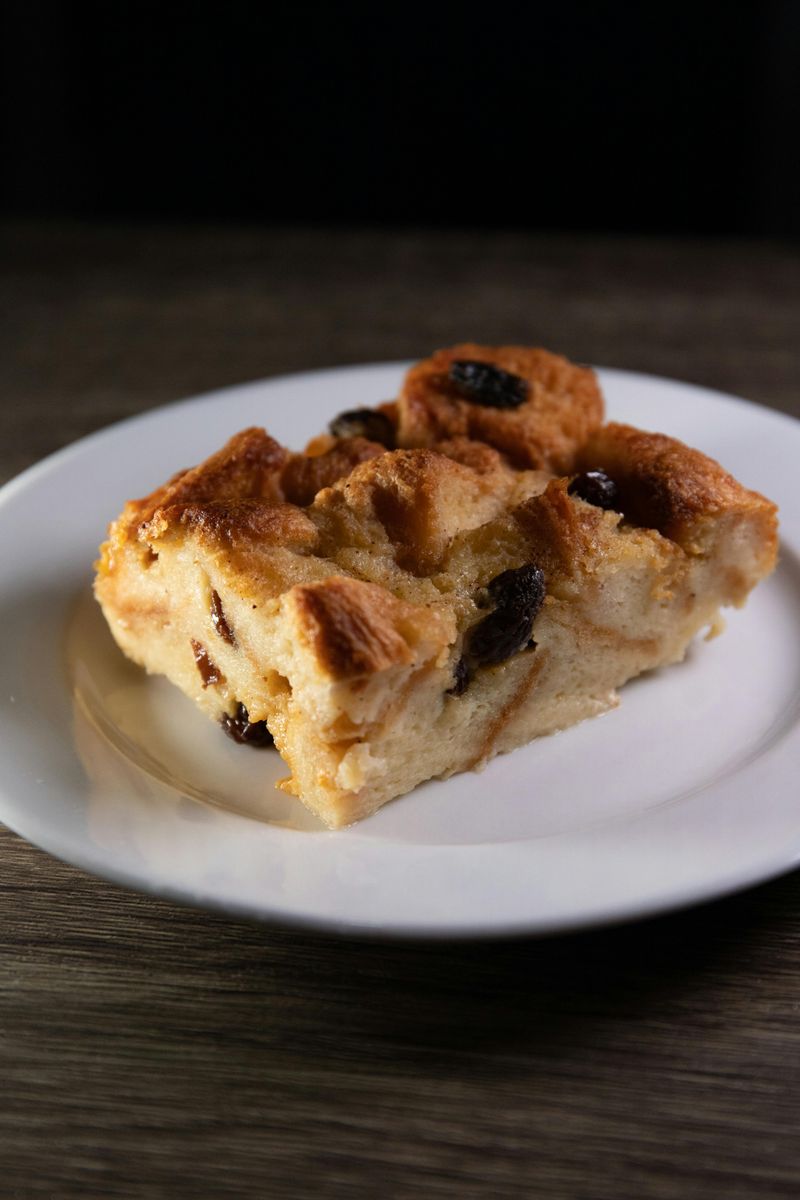
Bread pudding rescues stale loaves but can turn soggy. The goal is custard soaked softness with a caramelized crown.
Good bread and a balanced custard make the difference.
Cube day old bread and toast lightly. Whisk eggs, milk, cream, sugar, and vanilla, then pour and let it soak.
Press gently so every piece drinks.
Bake until puffed and set with jiggle. Rest before serving to firm up.
A rum or caramel sauce takes it from humble to unforgettable.
Lasagna
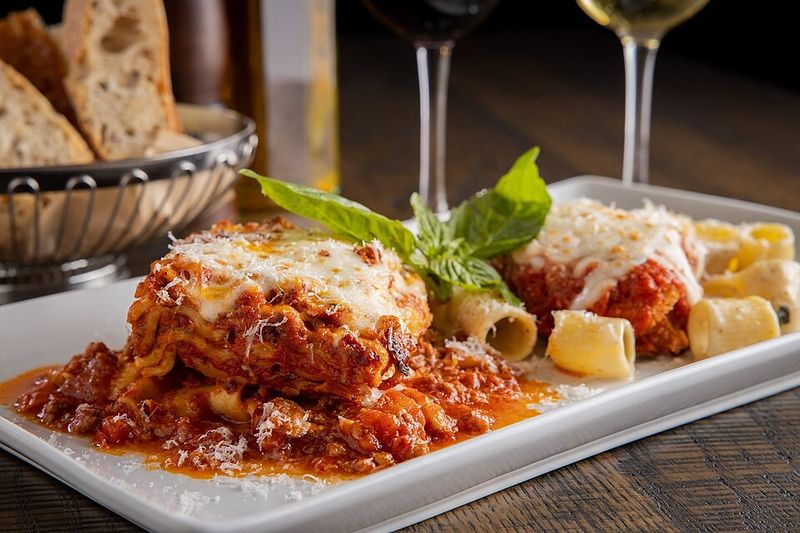
Lasagna is a layering project disguised as easy comfort. Boil or soak noodles, mix ricotta, simmer sauce, then assemble without collapsing.
It is dinner and construction combined.
Use a sturdy sauce and do not over wet the layers. Alternate pasta, ricotta, mozzarella, and meat or vegetables.
A final blanket of cheese ensures golden edges.
Let it rest before slicing so layers set. A sharp knife and patience pay off.
The first forkful tastes like a weekend even on Wednesday.