


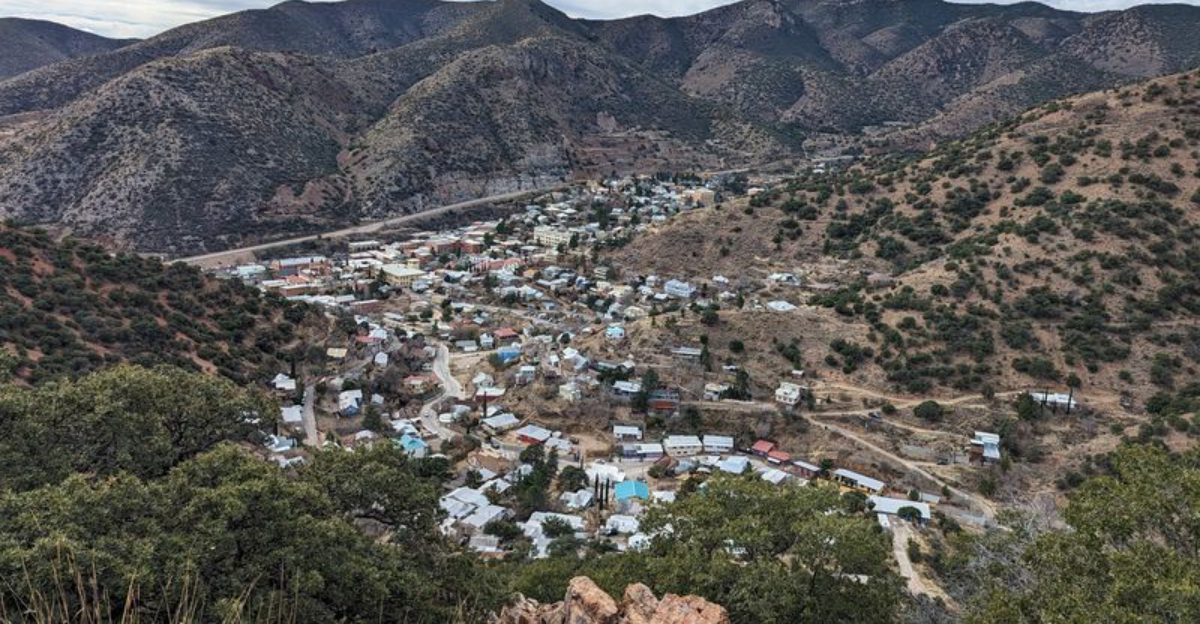
Arizona is home to some of the most history-rich small towns in the entire country, where dusty streets and weathered buildings tell stories of cowboys, outlaws, and frontier life. From copper mining camps to cattle ranching hubs, these towns have held onto their Old West character in ways that feel almost magical.
Whether you love history, photography, or just a great road trip, these places will transport you straight back in time. Pack your boots and get ready to explore the wild side of the Southwest.
Bisbee, Arizona
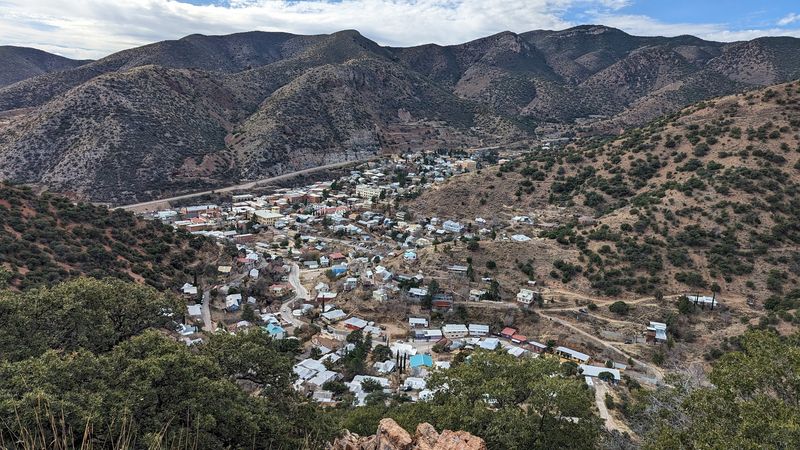
Perched on the side of the Mule Mountains, Bisbee looks like a town that time simply forgot to update. Its winding staircases, colorful Victorian buildings, and old copper mine tunnels give it a personality unlike anywhere else in Arizona.
The Copper Queen Mine tour takes you underground to experience what life was like for miners in the 1880s. Art galleries, quirky shops, and cozy cafes now fill buildings that once housed saloons and trading posts.
Bisbee is genuinely one of a kind.
Jerome, Arizona
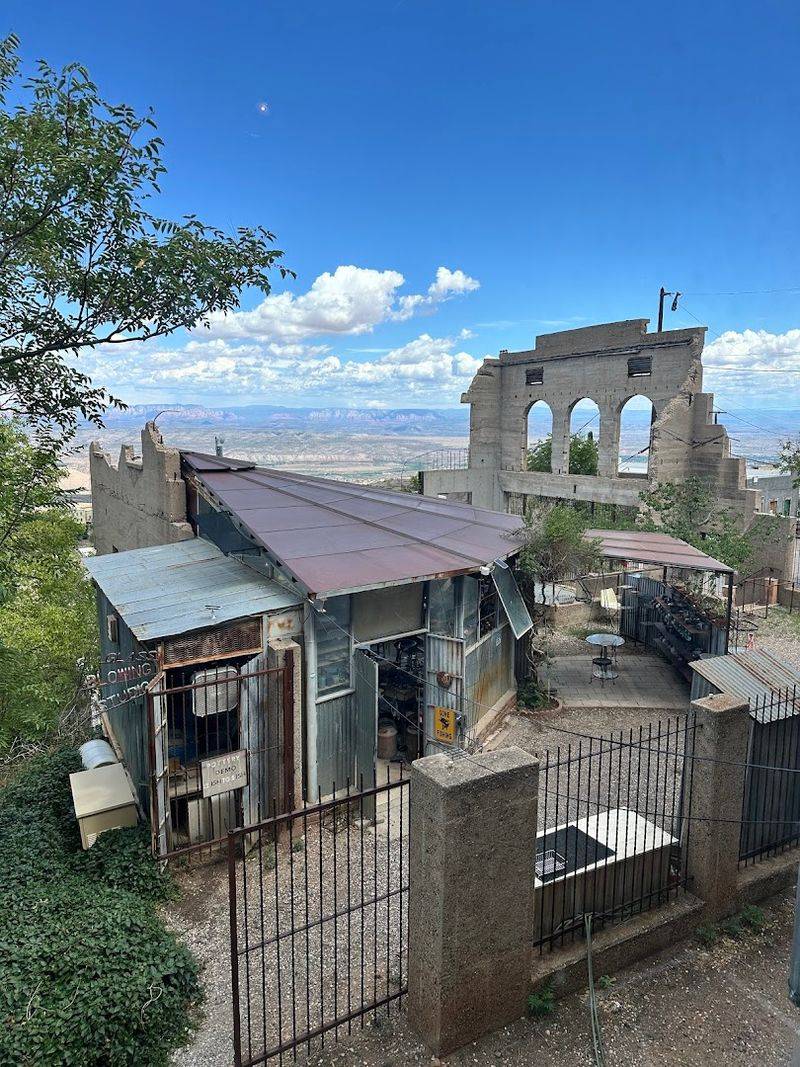
Clinging to the side of Mingus Mountain at nearly 5,000 feet, Jerome has earned its nickname as the “Wickedest Town in the West.” During its copper boom days, it was packed with miners, gamblers, and outlaws living life at full speed.
Today, around 450 people call this former ghost town home, sharing space with artists, wine tasters, and history lovers. Buildings literally slide down the hillside here due to old mine blasts.
Jerome rewards curious visitors with jaw-dropping valley views and fascinating stories.
Tombstone, Arizona
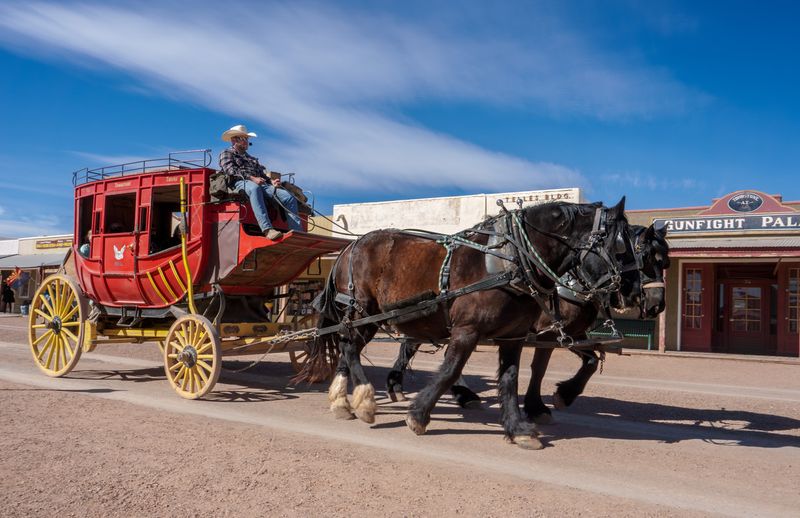
No town on this list carries a reputation quite like Tombstone, the site of the legendary Gunfight at the O.K. Corral in 1881.
Wyatt Earp, Doc Holliday, and the Clanton gang made this small silver-mining town world famous in just 30 seconds of gunfire.
Allen Street still looks almost exactly as it did in the 1880s, complete with wooden boardwalks and saloons. Daily reenactments bring those wild moments back to life.
Tombstone truly lives up to its slogan: “The Town Too Tough to Die.”
Prescott, Arizona
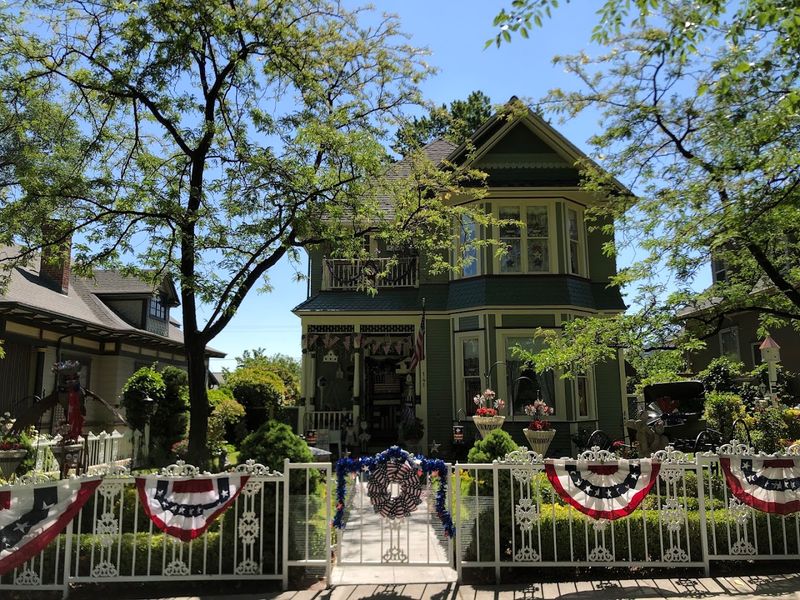
Known for its famous “Whiskey Row,” Prescott once had over 40 saloons lining Montezuma Street, making it one of the rowdiest stops in territorial Arizona. Sitting at 5,400 feet elevation, it also enjoys cooler temperatures than most Arizona towns, which made it a favorite among settlers.
The Victorian architecture around Courthouse Plaza is strikingly well-preserved, giving walkers a genuine sense of stepping back in time. Prescott also hosts the World’s Oldest Rodeo every summer, a proud tradition since 1888.
History feels alive here.
Williams, Arizona
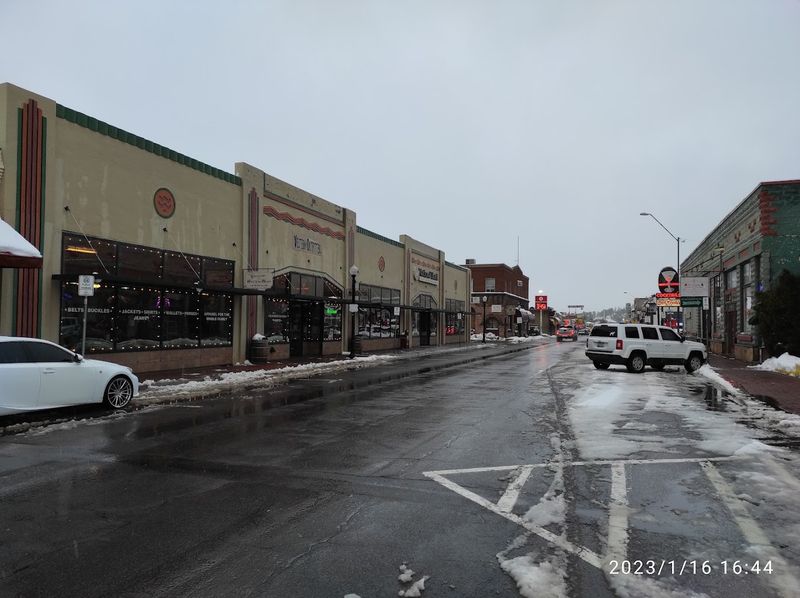
Williams was the last town on Route 66 to be bypassed by the interstate, and that stubbornness paid off. Its main street still feels like a snapshot of mid-century America layered over a genuine frontier cowboy town from the late 1800s.
Gunfight shows happen right on the street during summer evenings, drawing crowds of delighted tourists. Williams is also the southern gateway to the Grand Canyon, making it a natural stop for adventurous road-trippers.
The mountain air and ponderosa pine forests make the whole experience feel wonderfully rugged.
Winslow, Arizona
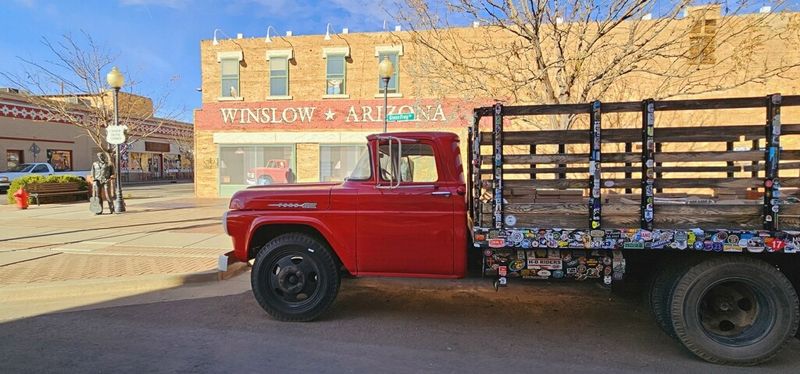
Most people know Winslow from the Eagles song “Take It Easy,” but this small town has roots that go far deeper than a 1970s rock anthem. Founded as a railroad town in the 1880s, Winslow was a major stop for cattle drives and freight heading across the Southwest.
The historic La Posada Hotel, a stunning 1930 Harvey House, is reason enough to visit. Nearby Homolovi State Park adds ancient Hopi history to the mix.
Winslow is a layered town where the Old West and Route 66 nostalgia blend together beautifully.
Cottonwood, Arizona
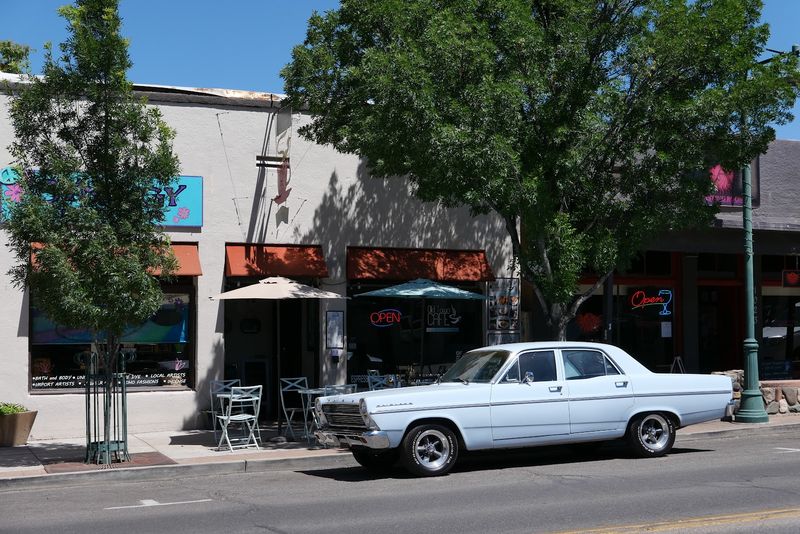
Tucked into the Verde Valley between Sedona and Jerome, Cottonwood started as a small farming and ranching community in the late 1800s. Old Town Cottonwood still has that unhurried, frontier-town feel with its brick storefronts and wide, tree-lined streets.
Wine lovers have discovered Cottonwood in a big way, and local tasting rooms now share space with antique shops and Western-themed galleries. The Verde River runs nearby, adding natural beauty to the historic charm.
Cottonwood feels like a secret the rest of Arizona has been keeping.
Patagonia, Arizona
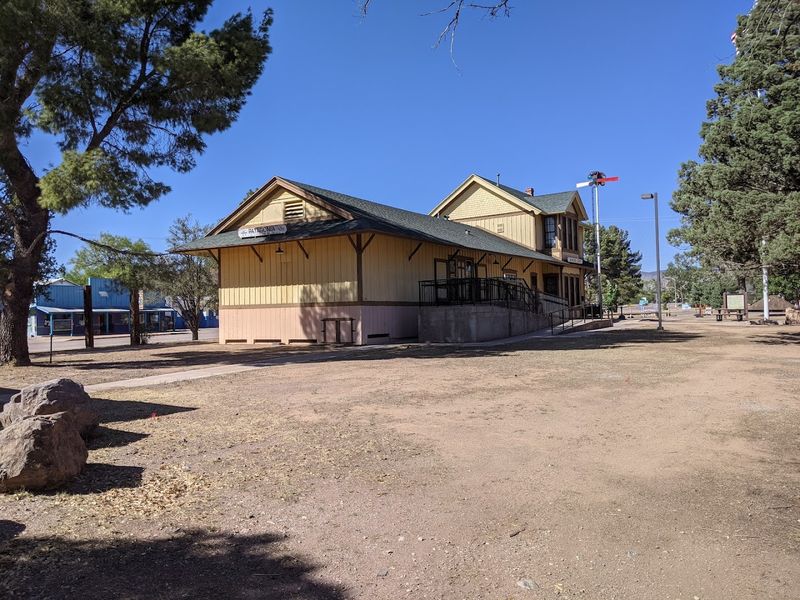
Sitting at 4,000 feet in the Patagonia Mountains near the Mexican border, this tiny ranching town has barely changed since the early 1900s. Cattle ranching still happens on the surrounding grasslands, and the town square has a genuinely unhurried pace that feels like a gift.
Bird watchers from around the world flock here to spot rare species along Sonoita Creek. The historic Stage Stop Inn and local art scene add unexpected depth to this small community.
Patagonia is the kind of place you stumble upon and never quite forget.
Tubac, Arizona
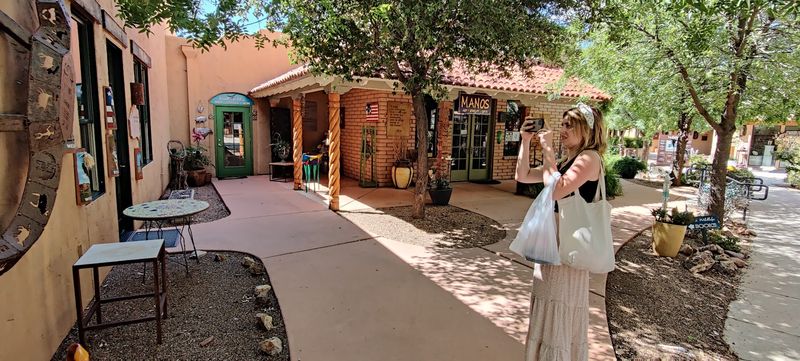
Tubac holds a remarkable claim: it is the oldest continuously occupied European settlement in Arizona, with roots stretching back to a Spanish presidio established in 1752. Long before cowboys and outlaws, Spanish soldiers and missionaries shaped life here in the Santa Cruz Valley.
Today the town is famous for over 100 art galleries and studios tucked between historic adobe buildings. The Tubac Presidio State Historic Park brings that colonial frontier story to life.
Walking through Tubac feels like flipping through centuries of Southwestern history all at once.
Clarkdale, Arizona
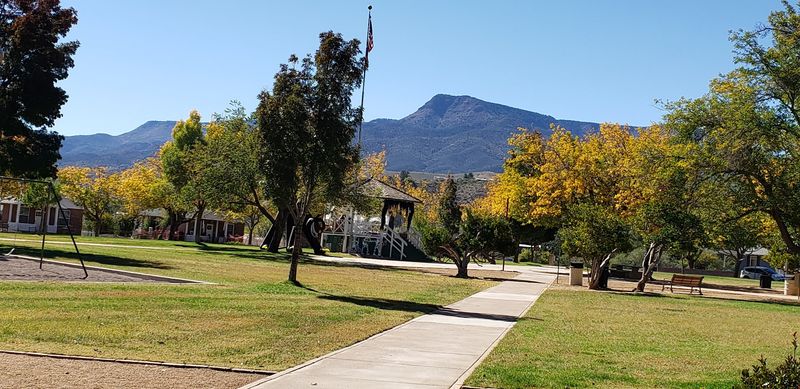
Built in 1912 as a company town to support the United Verde Copper Mine, Clarkdale was carefully planned from the ground up with tree-lined streets and worker cottages that still stand today. It has a compact, well-preserved feel that sets it apart from many Arizona towns.
The Verde Canyon Railroad departs from Clarkdale, offering one of the most scenic train rides in the entire Southwest through remote red-rock wilderness. Bald eagles nest along the canyon cliffs in winter.
Clarkdale is a quiet gem that rewards visitors who take the time to look closer.
Globe, Arizona
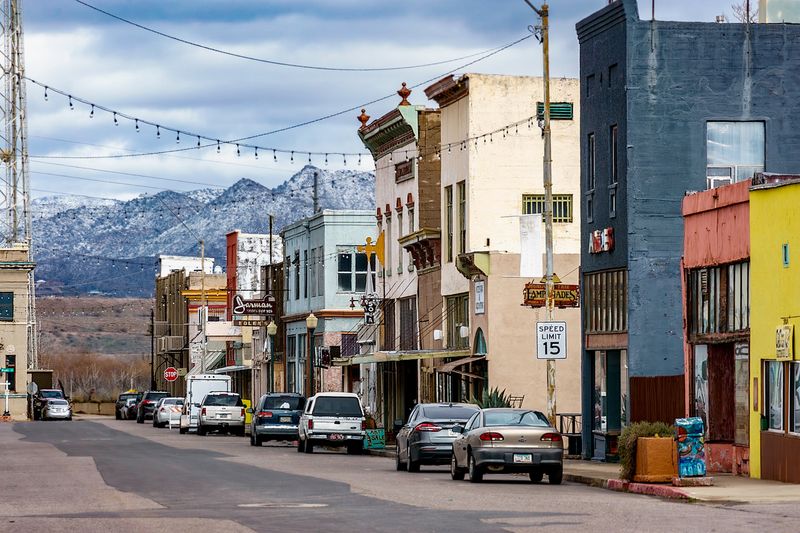
Globe grew up fast and rough after silver was discovered in the 1870s, quickly becoming one of the most important mining towns in Arizona Territory. The downtown historic district still carries that gritty, working-class frontier energy in its old brick buildings and wide streets.
Nearby Besh-Ba-Gowah Archaeological Park reveals ancient Salado people who lived here centuries before the miners arrived. The Cobre Valley Center for the Arts now occupies the old Gila County Courthouse.
Globe is a town where multiple eras of Arizona history stack right on top of each other.
Safford, Arizona
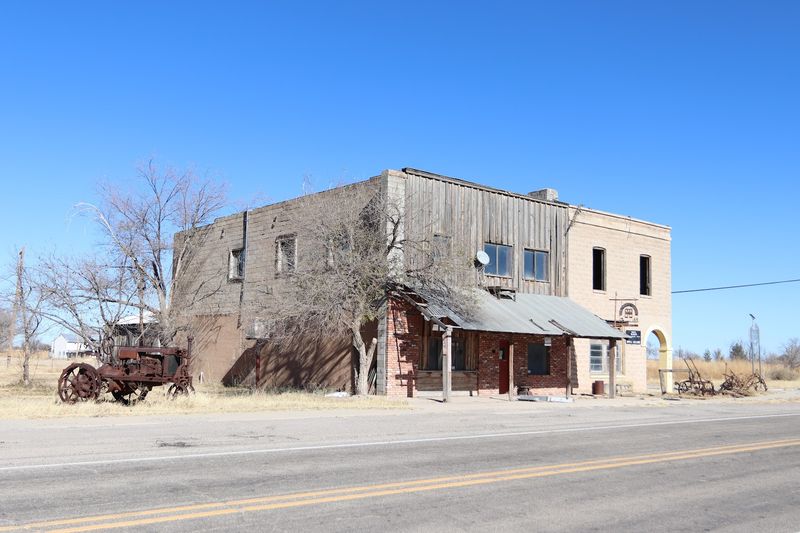
Settled by Mormon pioneers in the 1870s along the Gila River, Safford grew into a quiet agricultural and ranching center surrounded by some of the most dramatic mountain scenery in the state. Mount Graham towers over the valley at nearly 11,000 feet, giving the whole area a grand, wide-open feeling.
Hot spring resorts nearby have drawn visitors since the territorial days. The Graham County Historical Society Museum tells the story of ranching families, Apache history, and frontier life with real depth.
Safford moves at its own pace, and that is part of its charm.
Superior, Arizona
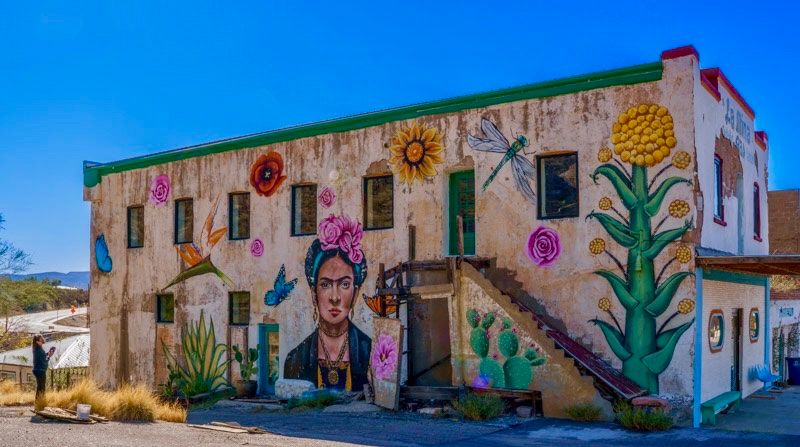
Squeezed between canyon walls along US Highway 60, Superior looks like a town that bulldozed a mountain just to exist. The copper mining industry built this place in the early 1900s, and the streets still carry that proud, hardworking frontier spirit in every storefront and mural.
The Boyce Thompson Arboretum nearby is Arizona’s oldest botanical garden, a surprising and beautiful contrast to the rugged mining landscape. Superior has also become a hub for mountain biking, drawing a new generation of adventurers.
Old grit meets new energy here in the most interesting way.
Wickenburg, Arizona
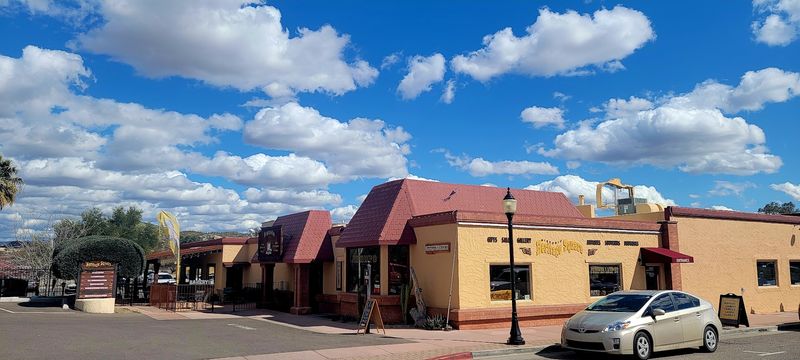
Called the “Dude Ranch Capital of the World,” Wickenburg has been welcoming visitors looking for an authentic cowboy experience since the 1930s. But its roots go much deeper, back to 1863 when Henry Wickenburg discovered the Vulture Mine, one of Arizona’s richest gold deposits.
The famous Jail Tree, an old mesquite where prisoners were chained in the early days, still stands downtown. Desert Caballeros Western Museum is one of the finest Western art museums in the country.
Wickenburg wears its cowboy identity with complete sincerity and zero pretense.
Oracle, Arizona
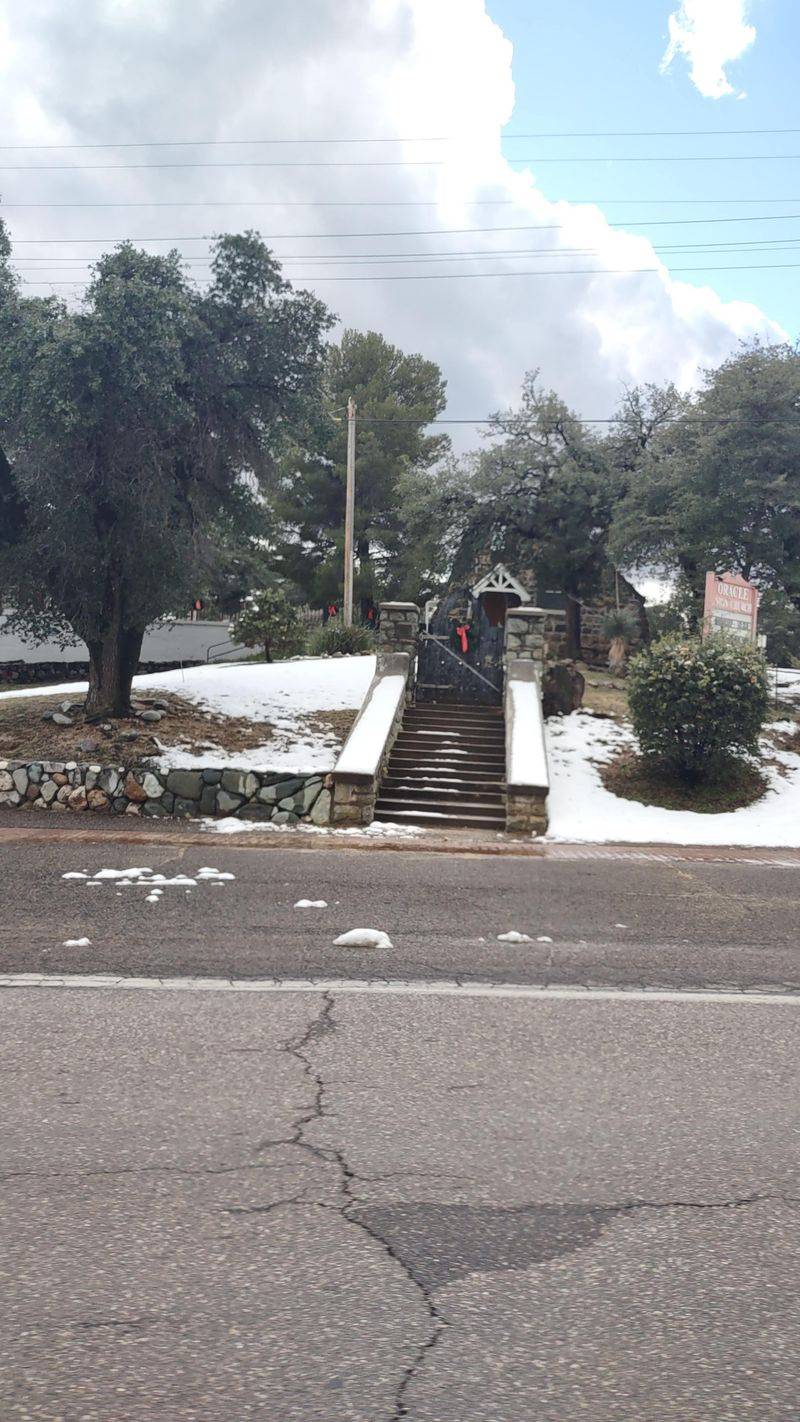
Sitting at 4,500 feet in the Santa Catalina Mountains, Oracle started as a cattle ranching community in the 1880s and has barely changed its quiet, rugged personality since. The mountain setting gives it a cool, forested atmosphere that feels worlds away from the hot desert below.
The Oracle State Park and Wildlife Area preserves thousands of acres of pristine Sonoran Desert grassland and oak woodland. The historic Oracle Inn has hosted travelers since the early 1900s.
Oracle attracts those who want their Old West experience without the tourist crowds, and it delivers every time.
Camp Verde, Arizona
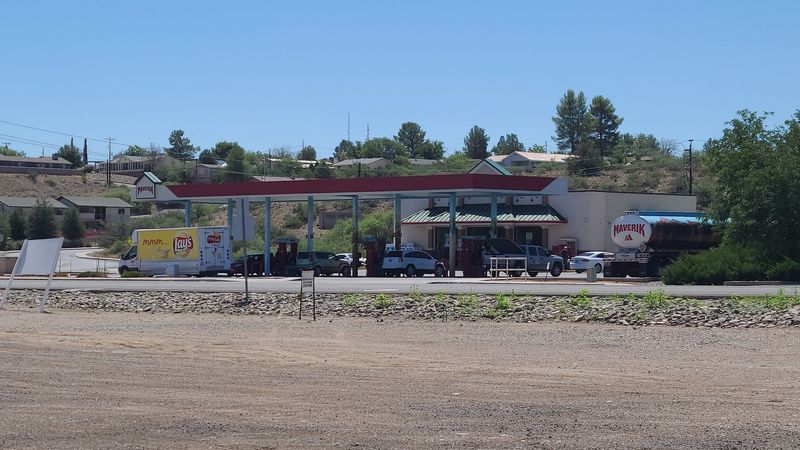
Fort Verde State Historic Park sits right in the middle of Camp Verde, preserving one of the best-surviving examples of an Indian Wars-era military post in the entire Southwest. Army officers chased Apache warriors across this rugged Verde Valley landscape throughout the 1870s and 1880s.
The original adobe buildings still stand, complete with period furniture and artifacts that make the frontier era feel immediately real. The Verde River flows nearby, lined with giant cottonwood trees that blaze gold every autumn.
Camp Verde is a living chapter of Arizona’s most dramatic historical period.
Greer, Arizona
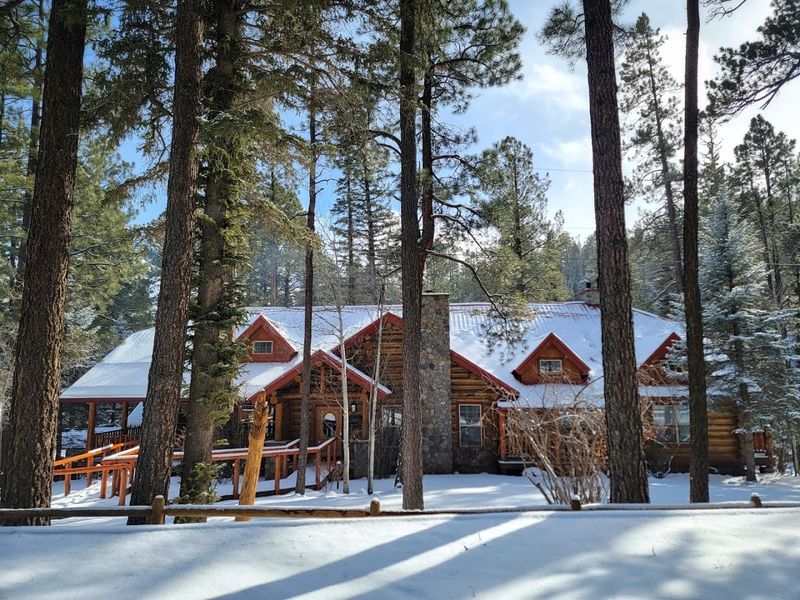
At nearly 8,500 feet in the White Mountains, Greer is about as remote and unspoiled as an Arizona town can get. Settled by Mormon pioneers in the 1870s, it sits in a narrow meadow valley where the Little Colorado River begins its long journey across the Colorado Plateau.
Old log cabins and small ranches still dot the landscape, giving Greer an authentically preserved frontier feel. Elk graze in the meadows at dawn, and the trout fishing is legendary among Arizona anglers.
Greer rewards the long drive with a peace that is genuinely hard to find anywhere else.
Cave Creek, Arizona
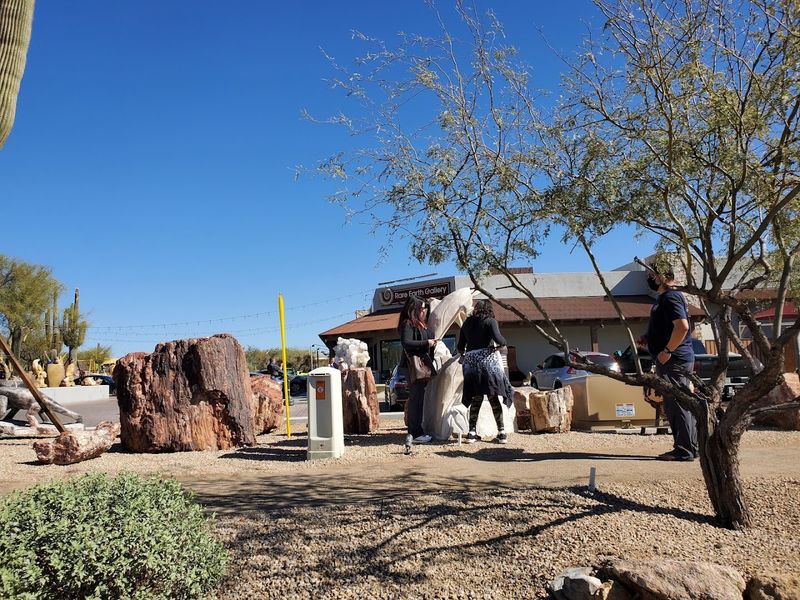
Just north of Phoenix, Cave Creek manages to hold onto its rowdy cowboy-town spirit even as the city creeps closer every year. Gold was discovered here in the 1870s, and the town has never quite shaken that rough-edged, anything-goes frontier attitude, which is honestly a big part of its appeal.
Harold’s Cave Creek Corral is a legendary honky-tonk that has been pouring cold drinks and hosting live country music for decades. Horseback riding trails wind through the surrounding desert.
Cave Creek proves you do not have to drive far to feel the Old West still breathing.