


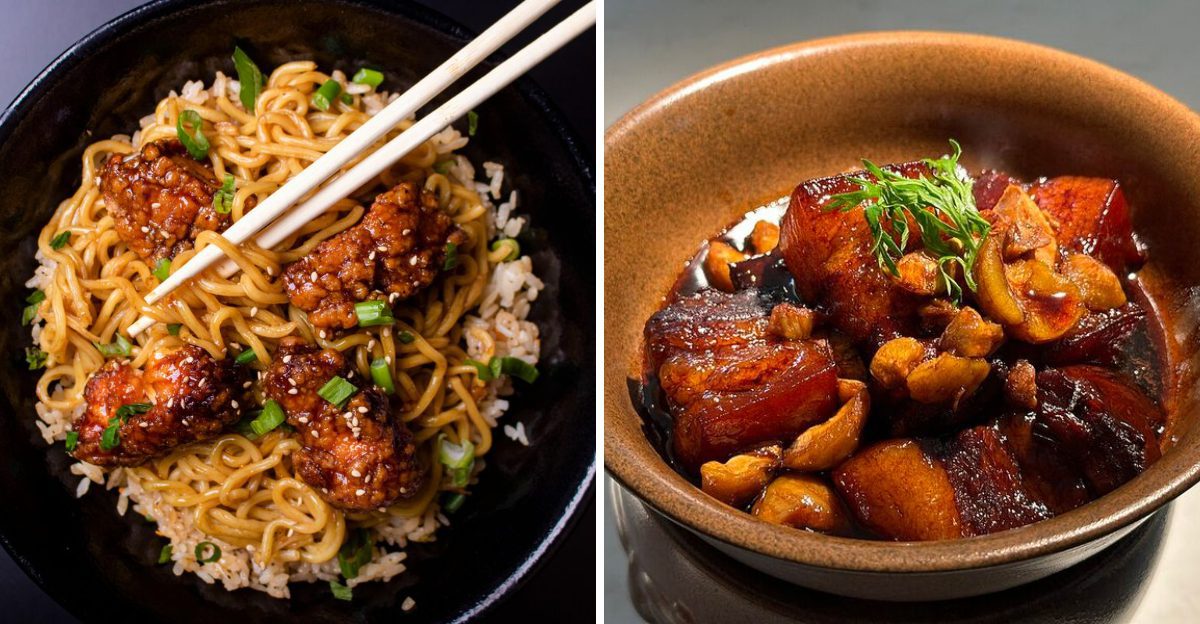
Exploring the rich tapestry of Chinese cuisine, one discovers a world beyond the usual takeout staples. Here, we delve into 18 unique dishes that deserve more recognition on menus. Each offers a distinct flavor profile and historical significance, bringing authenticity and variety to the table. From the savory depth of Dongpo pork to the vibrant kick of Sichuan boiled fish, these dishes promise to elevate your culinary experience.
Sichuan Boiled Fish (Shui Zhu Yu)
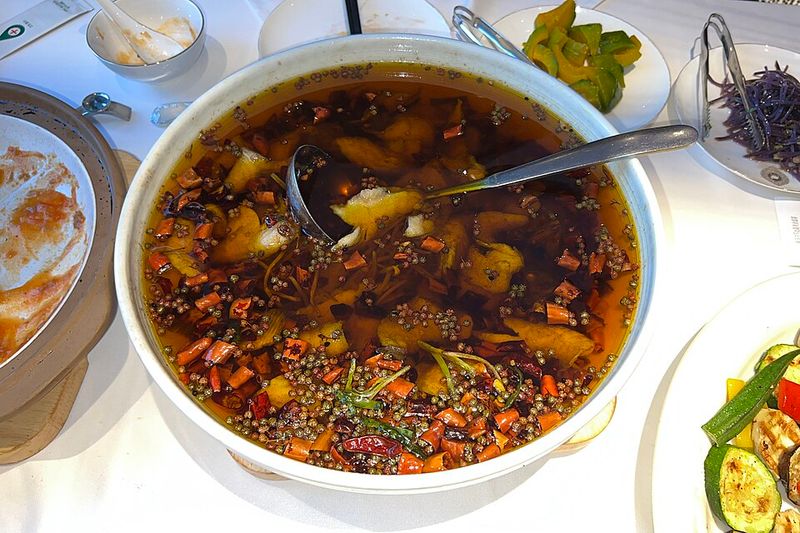
Sichuan boiled fish, or Shui Zhu Yu, is a symphony of flavors and textures. Known for its spicy, aromatic broth, this dish features tender slices of fish immersed in a numbing bath of chili oil and Sichuan peppercorns.
The heat is intense but balanced by the subtle sweetness of the fish. It’s a favorite in Sichuan cuisine, where bold flavors reign supreme. This dish is not just about heat; it’s an exploration of the numbing and pungent tastes that characterize Sichuan’s culinary identity.
Red-braised Pork Belly (Hong Shao Rou)
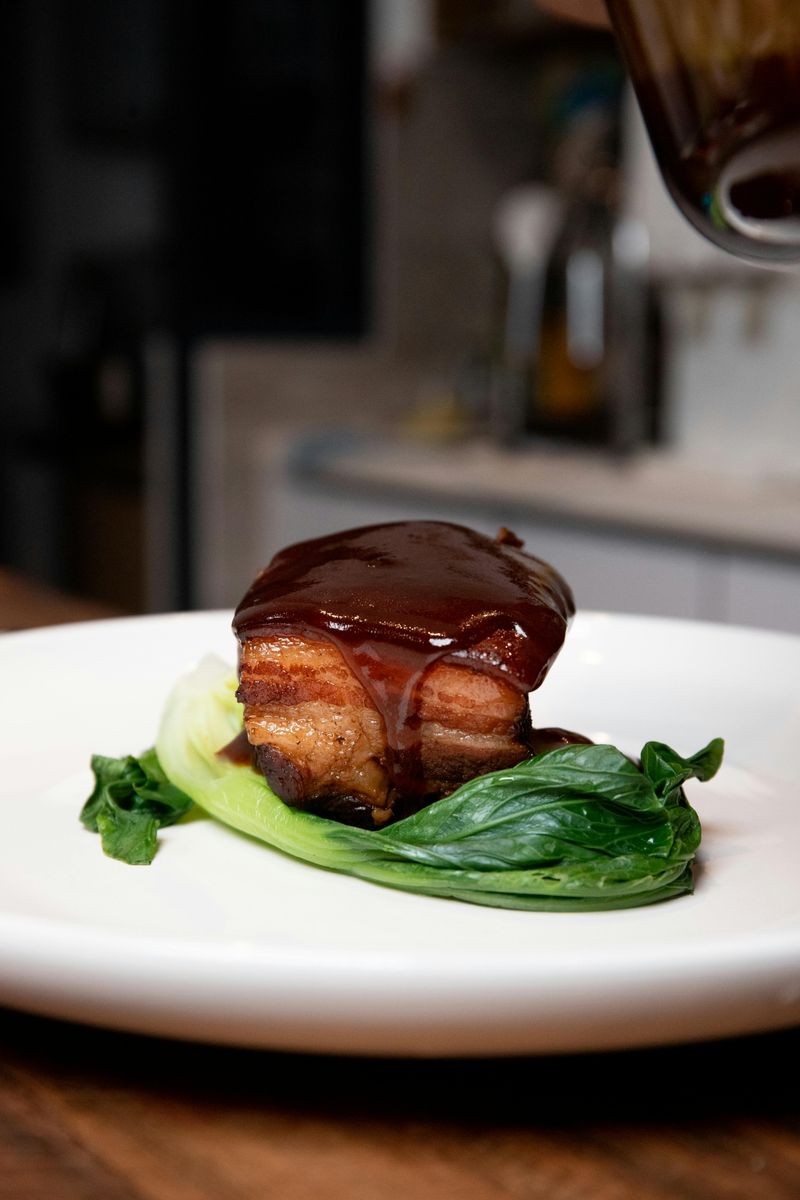
Red-braised pork belly, or Hong Shao Rou, is a beloved staple in Chinese homes. The dish is characterized by its deep, mahogany color and rich, savory flavor. Braised with soy sauce, sugar, and spices like star anise, the meat becomes incredibly tender.
Its sweet, aromatic sauce is perfect for drizzling over rice. A comfort food for many, it represents the warmth and richness of traditional Chinese cooking. Each bite is a reminder of family gatherings and home-cooked feasts.
Tea-smoked Duck
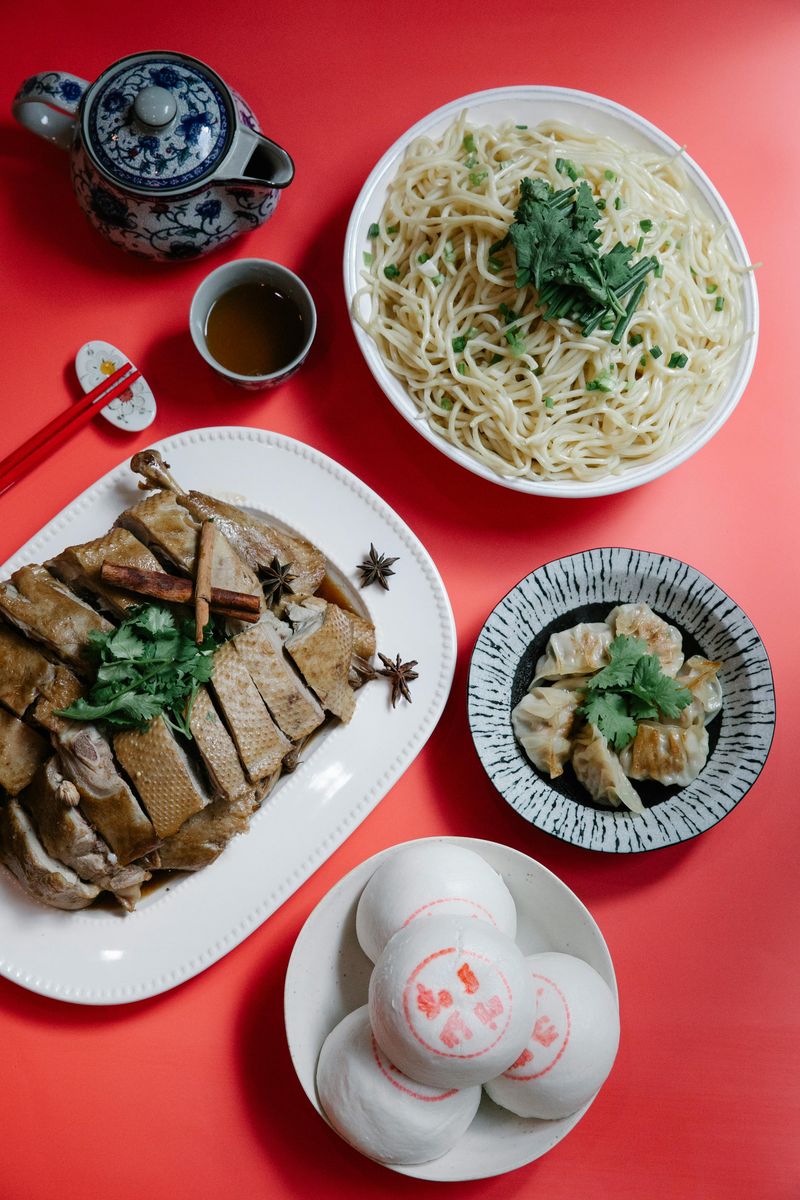
Tea-smoked duck offers a unique twist on the typical roast duck. Infused with the aromatic essence of black tea and spices, it is then smoked to perfection. The result is a tender, flavorful meat with a crispy skin that captivates the senses.
Originally from Sichuan, this dish pairs the delicate smokiness with a hint of sweetness. Tea-smoked duck showcases the innovative use of tea in Chinese cuisine, highlighting the region’s flair for combining familiar flavors in unexpected ways.
Dan Dan Noodles (Authentic Sichuan Style)
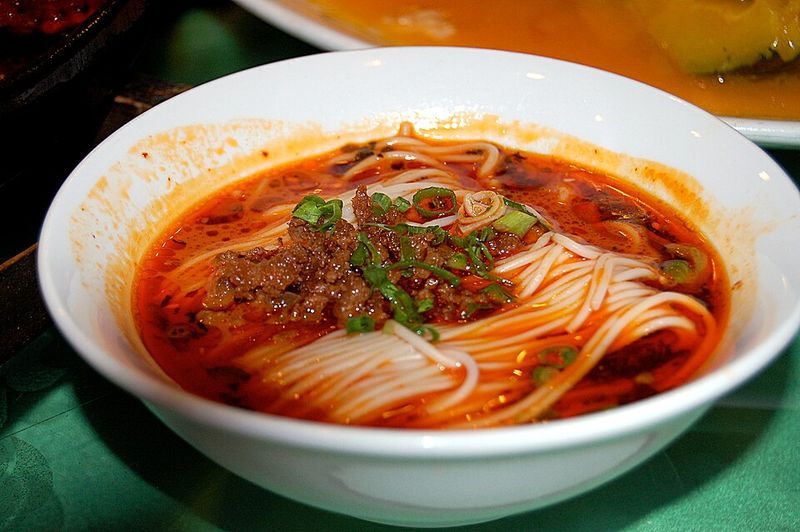
Dan Dan noodles, a street food staple from Sichuan, pack a punch of flavor in every bite. The dish features springy noodles topped with spicy, savory minced pork and crunchy peanuts. The sauce, a blend of chili oil, Sichuan pepper, and fermented vegetables, offers a tantalizing taste.
This dish is perfect for those who crave complexity, with layers of heat and tanginess. Authentic Sichuan style ensures an unforgettable culinary experience, epitomizing the boldness of the region’s cuisine.
Mapo Tofu (Traditional Numbing Version)
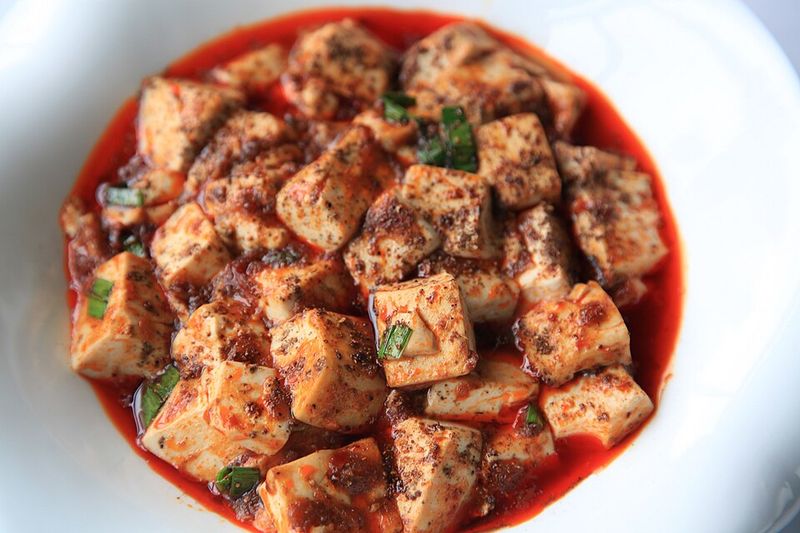
Mapo tofu represents the heart of Sichuan cuisine with its fiery, numbing sensation. The dish combines soft tofu with minced meat in a spicy, vibrant sauce made from doubanjiang and Sichuan peppercorns.
The interplay of textures and flavors is its hallmark, as the silkiness of the tofu balances the intensity of the sauce. This traditional version is celebrated for its complexity, inviting diners to embrace the boldness and craft of Chinese cooking in each mouthful.
Hand-pulled Lanzhou Beef Noodles
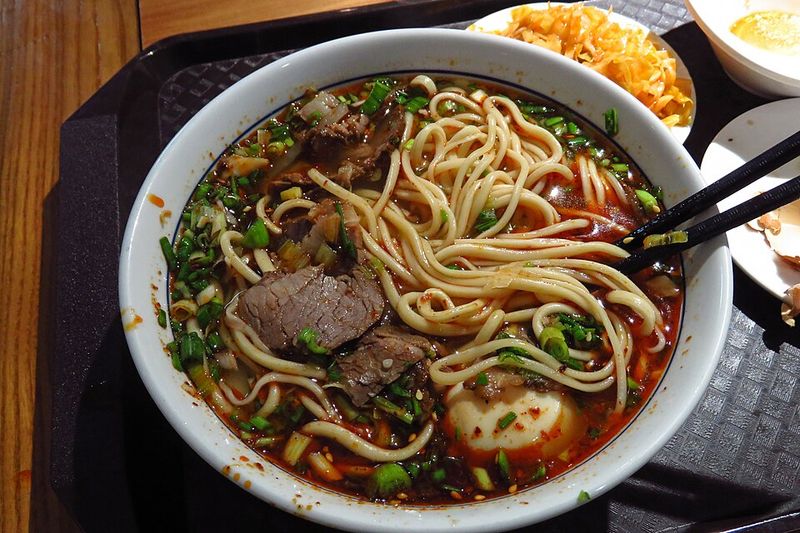
Lanzhou beef noodles are a testament to the artistry of hand-pulled noodles. Originating from the Hui people, this dish features a fragrant beef broth, delicate noodles, and tender slices of beef. Each bowl is garnished with herbs, offering freshness.
The meticulous preparation of the noodles is key, showcasing the skill and tradition passed down through generations. This dish is not only a culinary delight but also a cultural journey into the heart of China’s noodle-making heritage.
Biang Biang Noodles
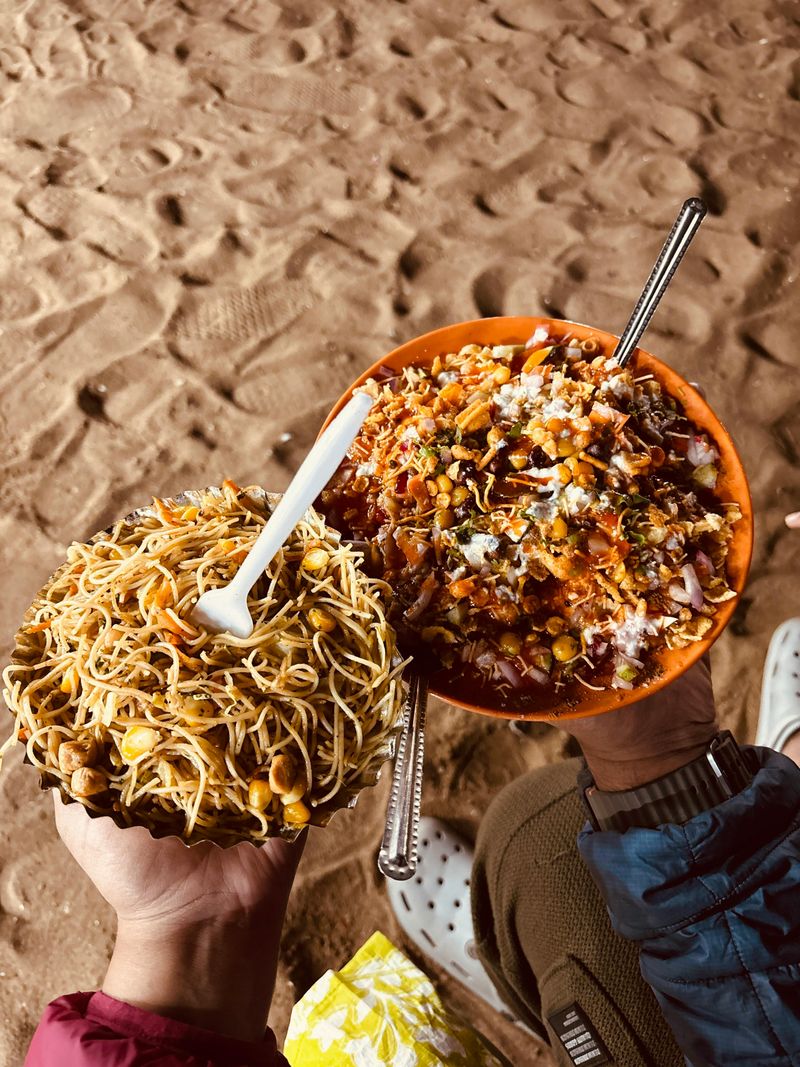
Biang Biang noodles, known for their width and length, are a comfort food from Shaanxi province. These hand-pulled noodles are often served with chili oil, garlic, and scallions, creating a simple yet bold flavor profile.
The name itself is unique, with a complex character symbolizing the slapping sound during preparation. This dish offers a rustic, hearty experience, embodying the essence of Northern China’s culinary traditions and the creativity of its people.
Shanghai Scallion Oil Noodles
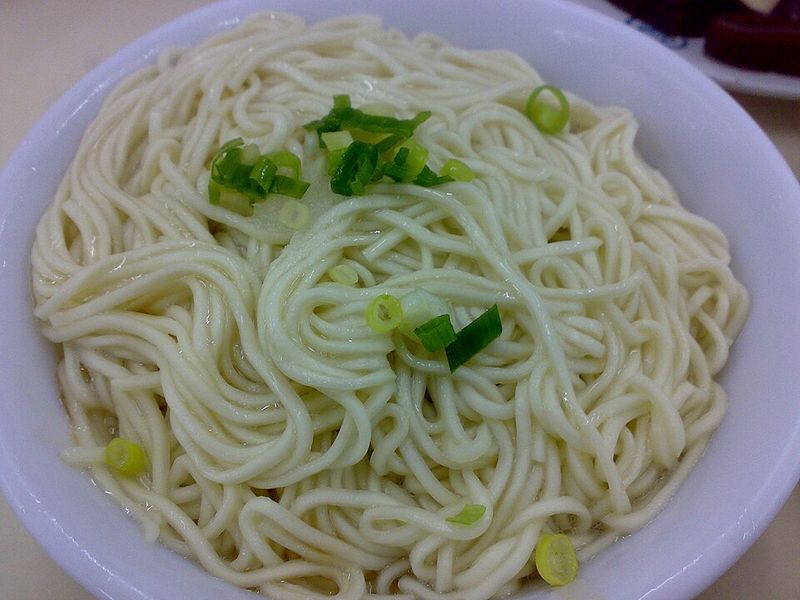
Shanghai scallion oil noodles are a beloved street food known for their simplicity and elegance. The dish features noodles tossed in fragrant scallion-infused oil and dark soy sauce. Crispy scallions add a delightful texture contrast.
This dish is a celebration of minimalism, where few ingredients work harmoniously to deliver maximum flavor. Its unassuming appearance belies the complexity of taste, making it a staple for anyone exploring the culinary landscape of Shanghai.
Sweet Fermented Rice Soup (Jiuniang)
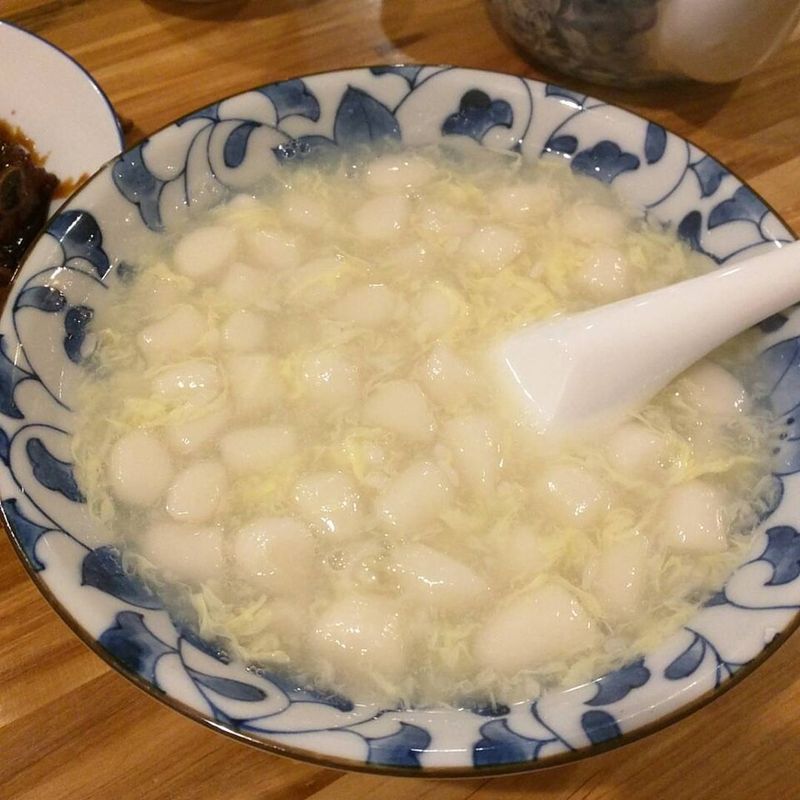
Jiuniang, or sweet fermented rice soup, is a traditional dessert that offers a gentle sweetness. Made from fermented glutinous rice, it has an intriguing, slightly tangy flavor and a comforting warmth.
This dish is often served warm, with a unique texture that soothes the palate. Jiuniang is not just a dessert but a reflection of ancient fermentation techniques, providing a glimpse into the historical aspects of Chinese culinary practices.
Dongpo Pork
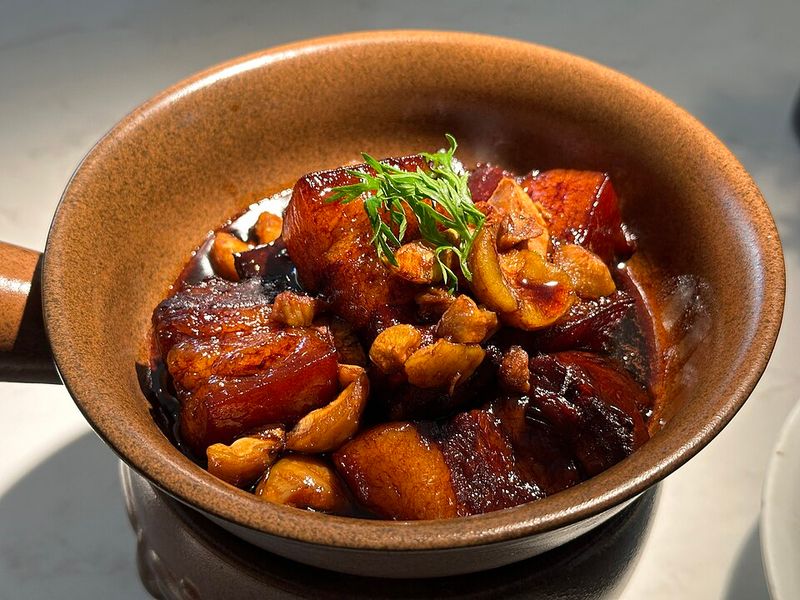
Dongpo pork, a masterpiece of Hangzhou cuisine, embodies the art of slow cooking. The pork belly is braised patiently in a mixture of soy sauce, Shaoxing wine, and sugar, creating tender meat with a rich, caramelized glaze. This dish is named after Su Dongpo, a famous Song Dynasty poet, who is said to have invented it.
The pork’s melt-in-your-mouth texture combined with its savory-sweet flavor makes it unforgettable. Its preparation is a symbol of patience and mastery, reflecting the cultural depth of Chinese culinary traditions.
Lion’s Head Meatballs
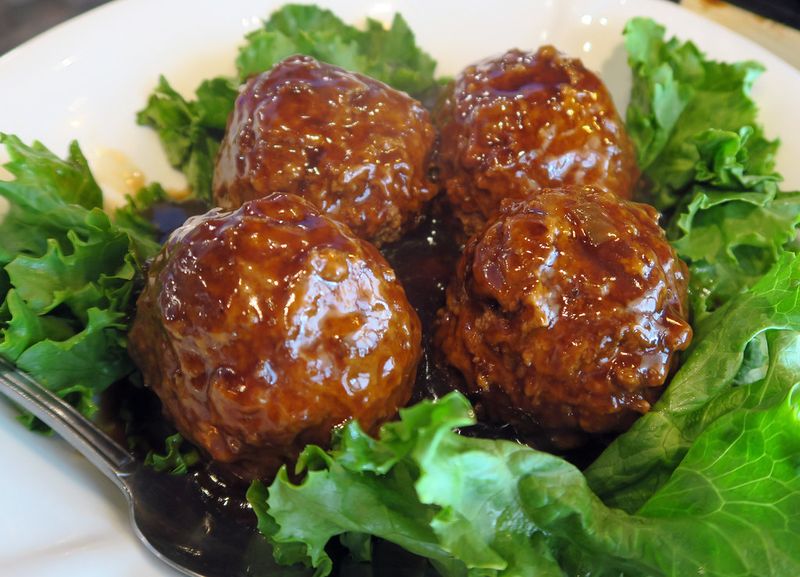
Lion’s Head meatballs are an iconic dish in Jiangsu cuisine, celebrated for their size and flavor. These oversized pork meatballs are braised until tender, served with napa cabbage in a savory broth.
The name reflects both the size and the noble appearance of the dish, reminiscent of a lion’s majestic head. This comforting dish showcases the elegance and depth of Jiangsu’s culinary tradition, making it a must-try for connoisseurs.
Salt and Pepper Shrimp (Head-on)
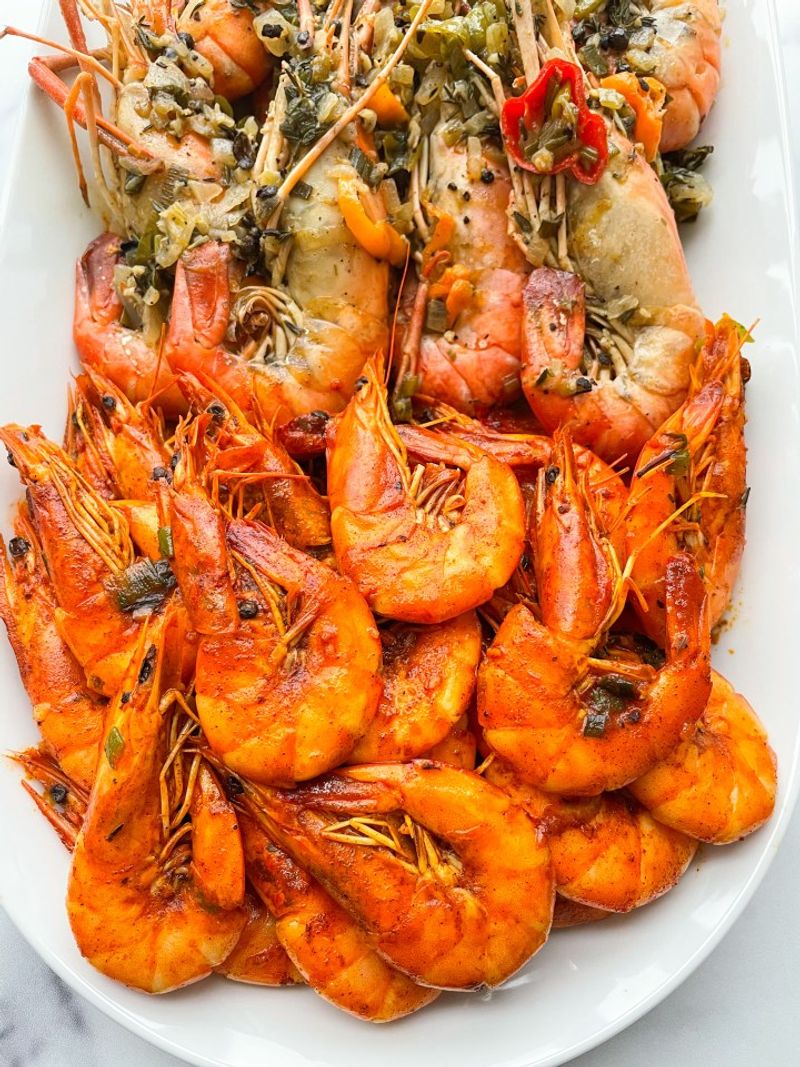
Salt and pepper shrimp is a dish that delights with its simplicity and flavor. The shrimp is fried until crispy, then seasoned with salt, pepper, chili, and garlic. Keeping the head-on adds a richer taste.
This dish exemplifies the use of minimal ingredients to create a flavorful experience. The crispy texture and robust seasoning make it a popular choice for seafood lovers, reflecting the vibrant coastal culinary culture of China.
Steamed Whole Fish with Ginger and Soy
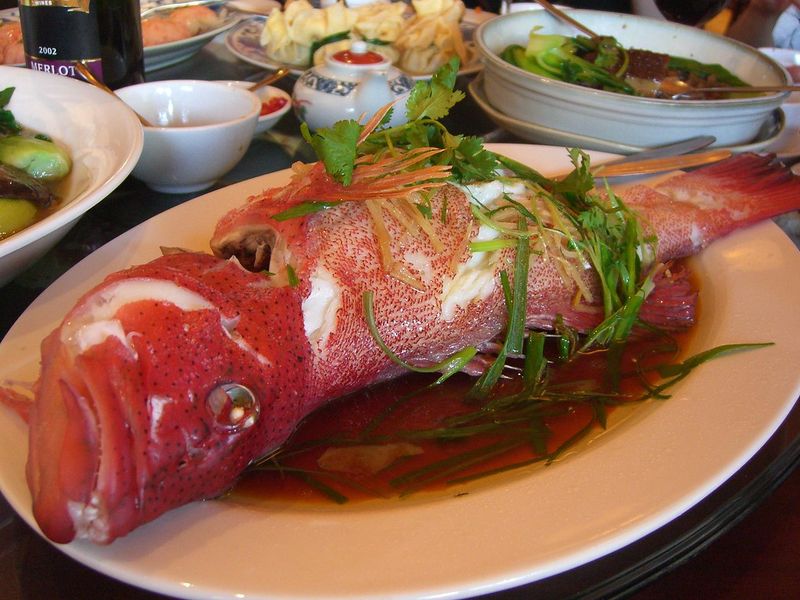
Steamed whole fish with ginger and soy celebrates the natural, fresh flavors of fish. The preparation is simple yet elegant, with ginger and soy sauce complementing the fish’s delicate taste.
This dish is often served at celebratory occasions, symbolizing prosperity and abundance. Its lightness and purity reflect the essence of Chinese cooking, where the quality of ingredients shines through with minimal adornment.
Cumin Lamb Stir-fry
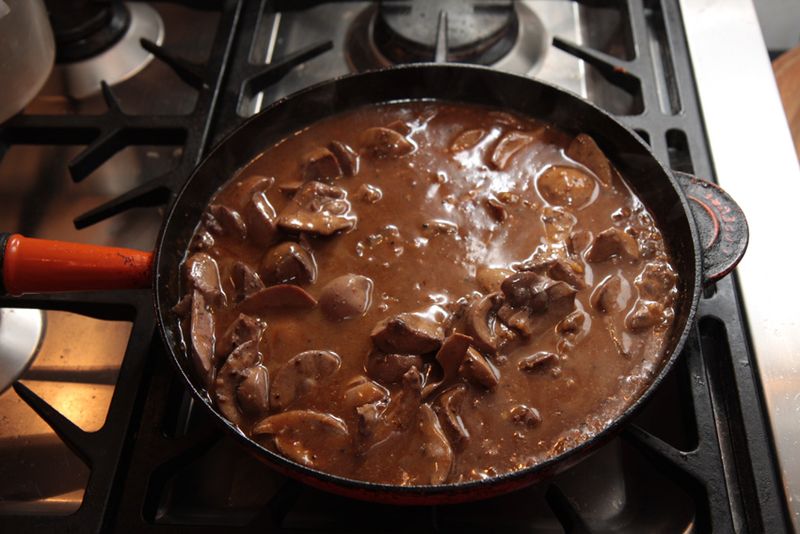
Cumin lamb stir-fry brings together the bold flavors of cumin and chili, creating a spicy, aromatic sensation. The tender lamb slices absorb the robust spices, making each bite a flavorful journey.
This dish is a staple in Northern Chinese cuisine, where hearty, warming flavors dominate. It embodies the regional love for strong spices, offering a taste of the culinary diversity across China’s vast landscape.
Beggar’s Chicken
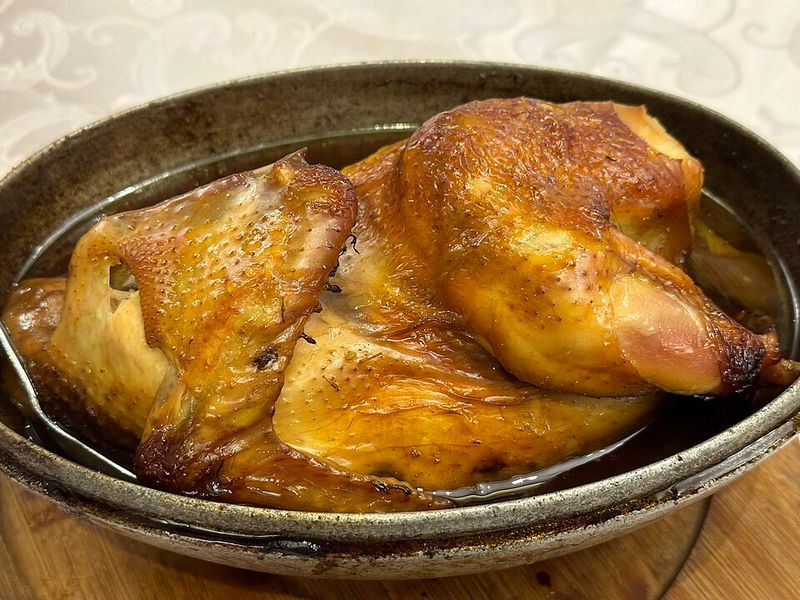
Beggar’s chicken is a dish wrapped in legend and flavor. Traditionally cooked wrapped in clay and lotus leaves, it slowly bakes, allowing the herbs and spices to permeate the meat.
The result is a tender, aromatic chicken that captivates with its rustic charm. This dish is a testament to creativity and resourcefulness, embodying the fusion of storytelling and culinary art in Chinese culture.
Dry-fried Green Beans (Sichuan Style)
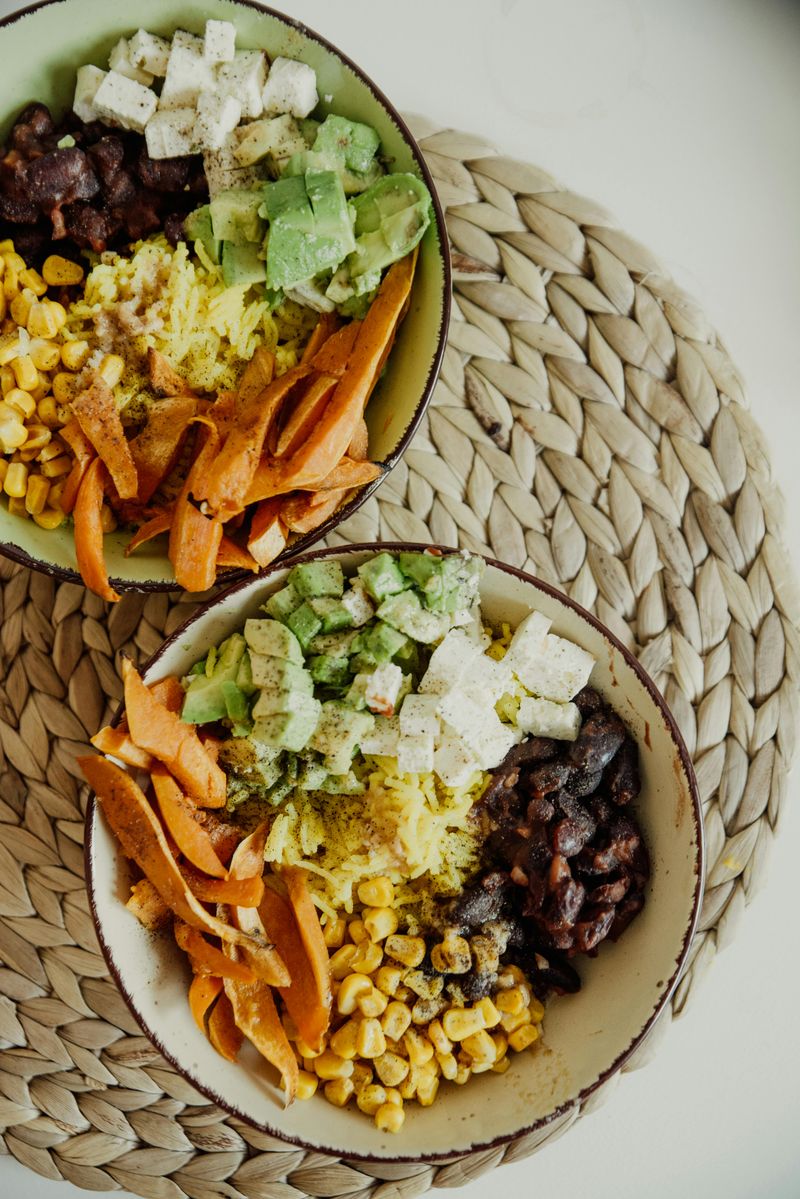
Dry-fried green beans, a Sichuan favorite, elevate humble ingredients into a delightful dish. The beans are fried until blistered, then tossed with minced pork and chili.
This dish highlights the Sichuan flair for bold flavors and textures, where the crispness of the beans contrasts with the savory topping. It’s a culinary exploration of how simplicity can be transformed into something extraordinary through technique and taste.
Hot and Sour Glass Noodle Soup (Suan La Fen)
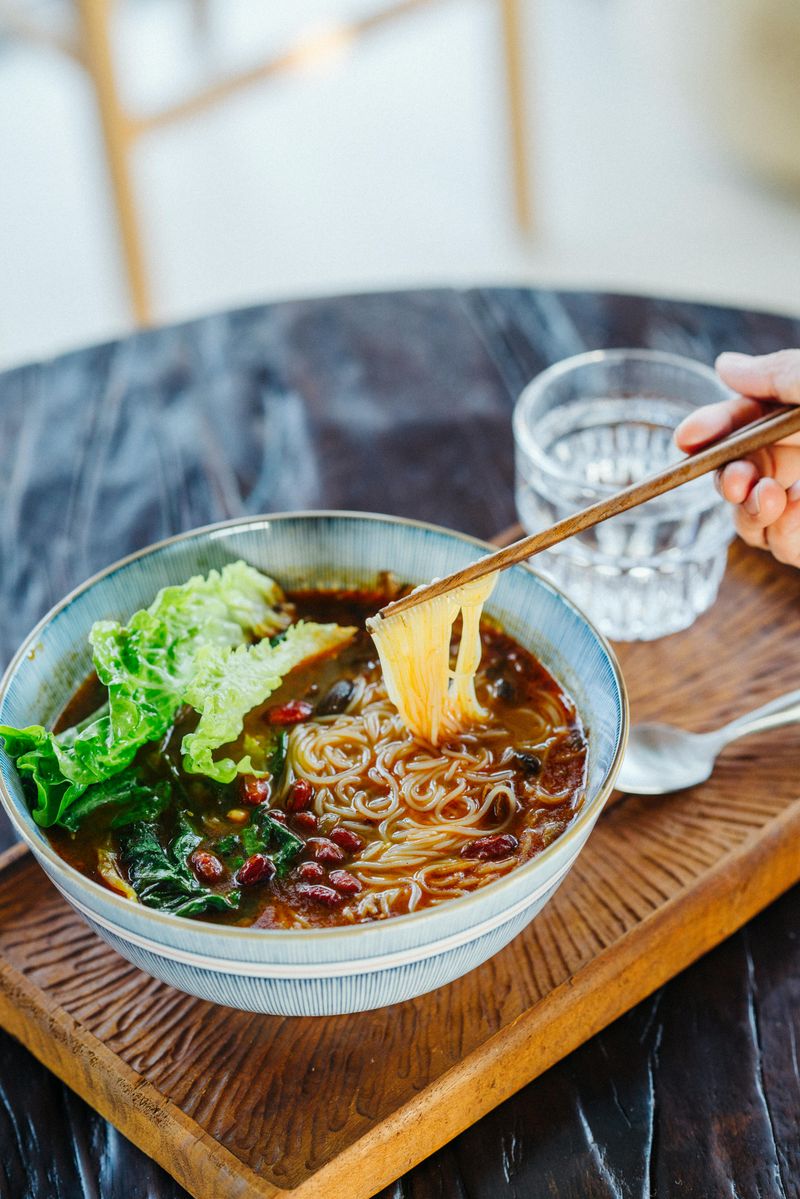
Suan La Fen, or hot and sour glass noodle soup, is a taste explosion in a bowl. The soup features glass noodles in a tangy, spicy broth enriched with mushrooms and vegetables.
This dish is beloved for its contrasting flavors, where heat meets acidity, creating a dynamic taste experience. Originating from Chongqing, it embodies the region’s love for spicy and sour dishes, offering warmth and satisfaction to those who seek bold flavors.
Guilin Rice Noodles
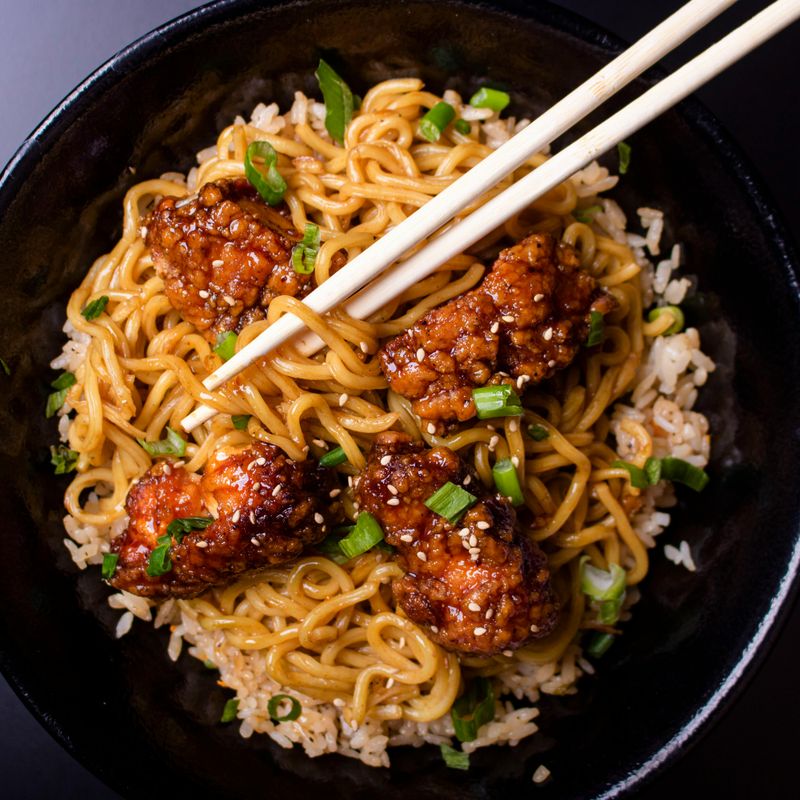
Guilin rice noodles are a staple of Guangxi province, known for their smooth, silky texture. The noodles are served with beef or pork, pickled vegetables, and aromatic herbs.
Each bowl is a harmonious blend of flavors, representing the freshness and richness of the region’s culinary heritage. These noodles offer a comforting, hearty meal, embodying the diverse influences and traditions that make Chinese cuisine so captivating.