



Christmas Eve used to taste like memory, comfort, and a little bit of magic. Over time, many families trimmed menus, simplified routines, and let beloved dishes fade into the background. Now the quiet ache of nostalgia sneaks in when candles are lit and the table feels a touch emptier. Here are the meals and moments many wish they had never let go.
Christmas Eve dinner
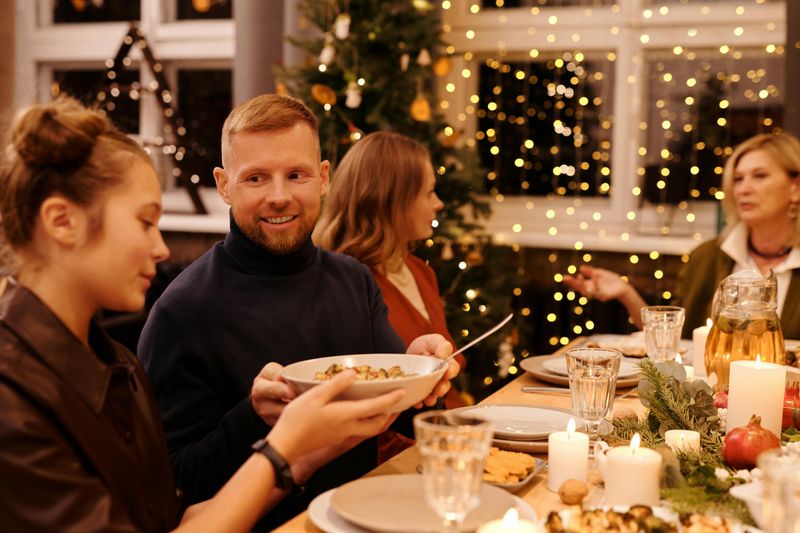
There was a time when Christmas Eve dinner felt like theater, with courses flowing and laughter weaving between servings. You could taste anticipation in every bite, savoring the hush before morning mayhem. When families downsized the menu, the ritual lost its gentle rhythm.
Now there is regret for the dishes that tied generations together, quietly retired for convenience. The night still shines, but it misses that deliberate care. You can bring it back with simple touches, like a planned menu and familiar recipes passed down mindfully.
Fish dinner

Fish dinners once signaled tradition, restraint, and joy, from baked cod to fried smelts. The kitchen smelled briny and bright, with lemon, garlic, and olive oil shimmering under candlelight. When schedules tightened, this ritual slipped away quietly.
The regret comes when a simple roast replaces layers of seafood and patience. You remember how everyone helped, cleaning and frying with stories rolling. Start small again, maybe just two fishes, and build from there, honoring both appetite and meaning without overwhelming yourself.
Family table
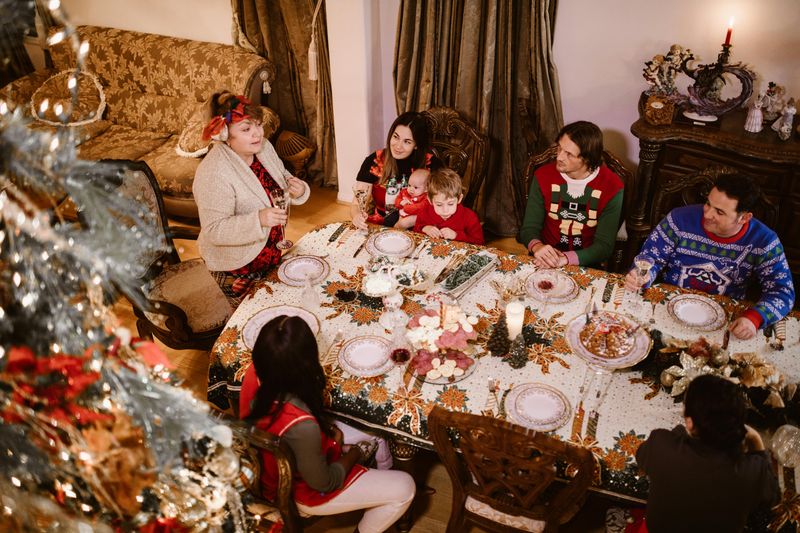
The family table used to stretch like a promise, pulling chairs from every corner. Plates never matched perfectly, but the conversation did. When meals migrated to couches and screens, the ritual of gathering lost its gentle anchor.
People miss the way time slowed when everyone sat eye to eye. You can feel it too, that longing for deliberate presence. Pull the chairs back, set the table even if it is simple, and let the pause become the gift you share.
Candlelight meal
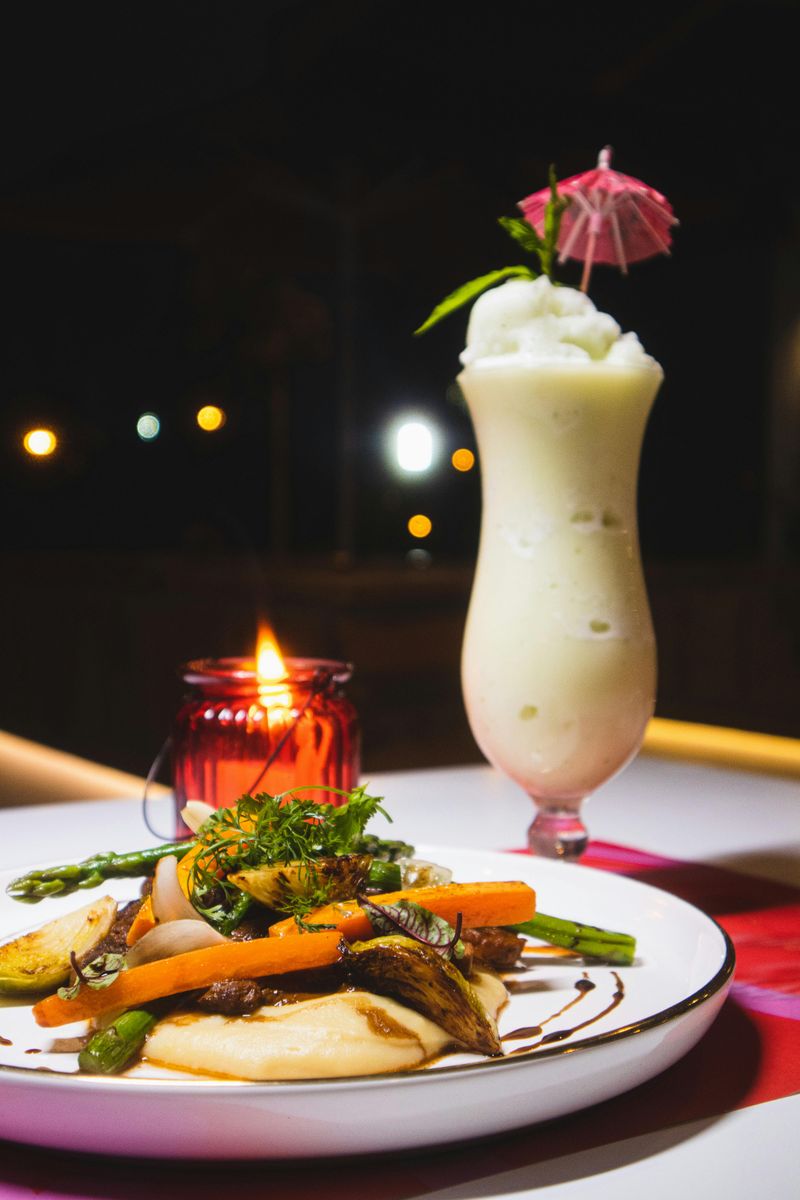
Candlelight once transformed ordinary plates into ceremony. Shadows danced on the walls, whispering that this night mattered. As brighter bulbs and screens took over, the hush of candles faded and so did the slow savoring.
There is regret for losing that tender atmosphere. You can bring it back in five minutes with tapers and matches. Dim the room, let quiet settle, and watch how food tastes deeper when you honor it with glow and intention.
Soup starter

A simple soup starter once signaled patience, inviting everyone to breathe before the main course. It warmed hands and conversation, rounding up wanderers to the table. Over time, rushing trimmed it from the plan.
People miss how soup steadied the evening and made vegetables feel celebratory. You can revive it with one pot and a quiet simmer. Choose a family favorite, serve small bowls, and watch attention gather like steam rising from the tureen.
Homemade bread
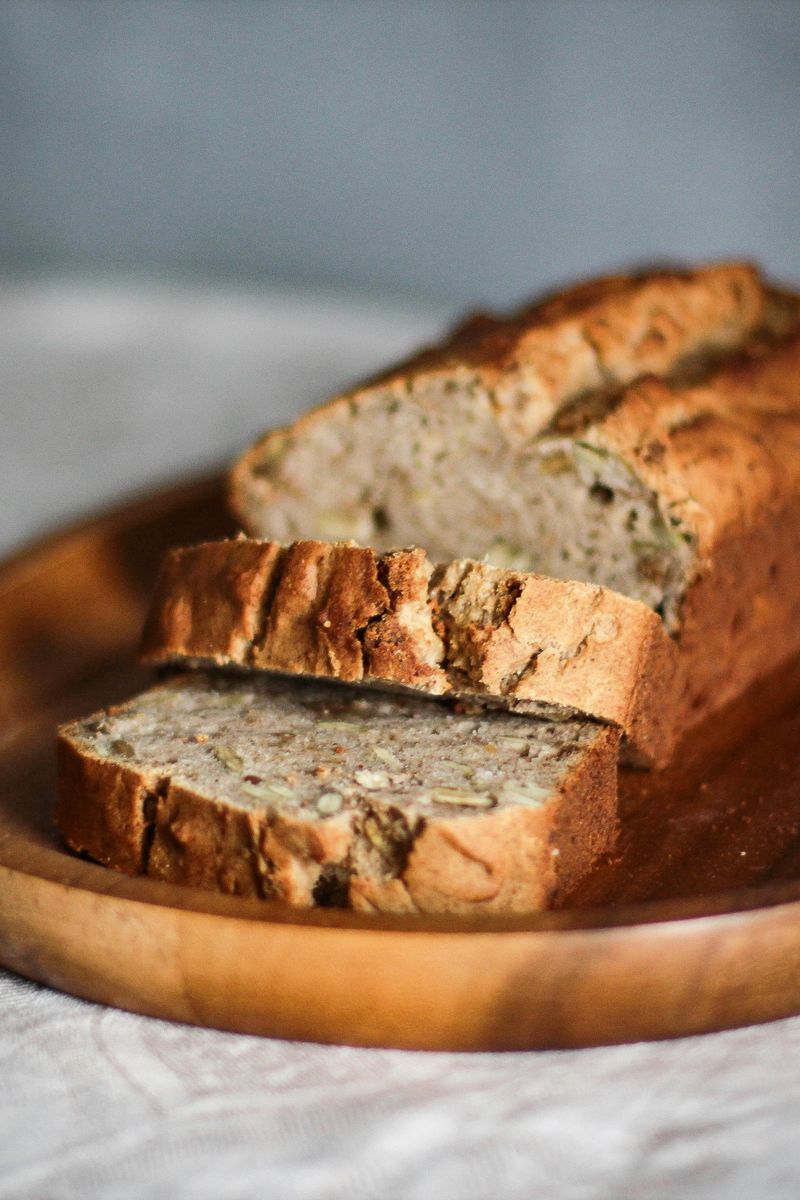
Homemade bread used to thump softly on the table, a warm invitation to linger. The crust crackled, and butter melted into seams like a blessing. Convenience rolls nudged it aside, and the ritual disappeared.
What many regret is not the taste alone, but the pause it required. Kneading made the night tactile and calm. You can rekindle that rhythm with a no-knead loaf, started in the morning, finished at dusk, fragrance turning the house into home.
Traditional meal
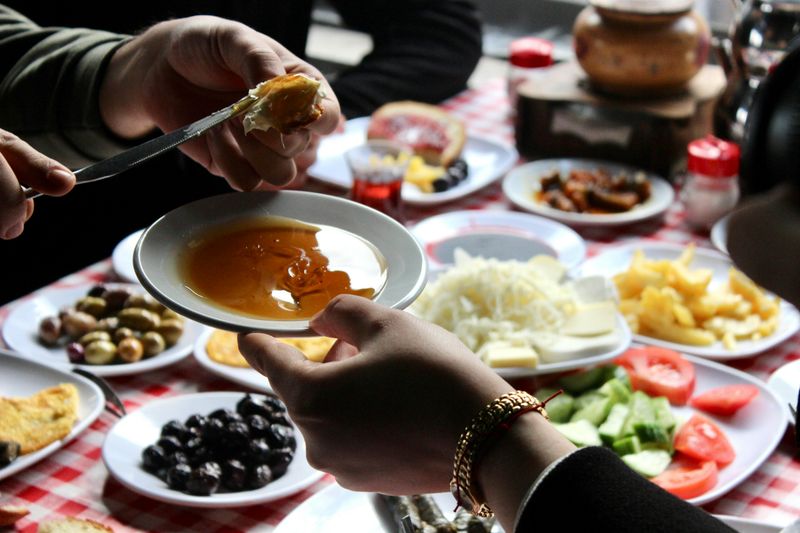
A traditional meal anchored the evening with familiar flavors. Recipes traveled across decades, steady as carols outside the window. When menus shifted to trendy or takeout, something essential went quiet.
Regret sneaks in when leftovers lack the comfort of memory. You can blend old and new, keeping one core dish that says we are home. Let it be the roast, the pierogi, the tamales, whatever carries your story forward.
Kitchen preparation
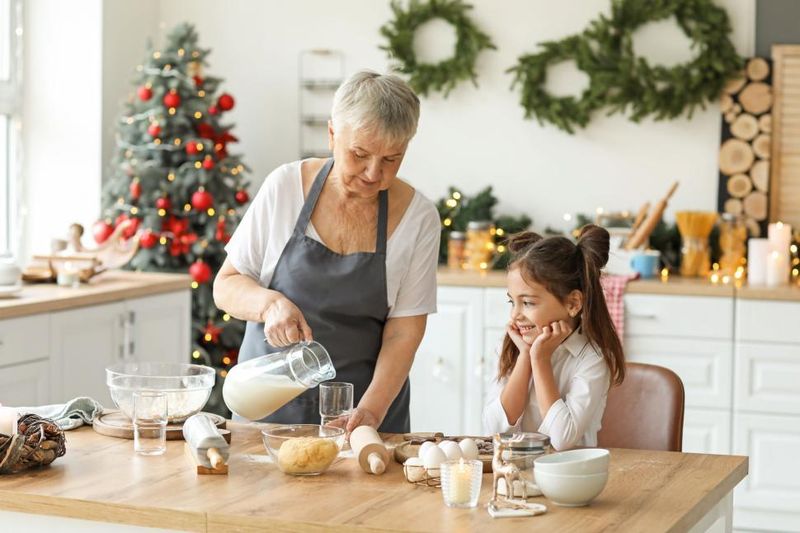
The prep was once half the joy, with onions sizzling and hands passing spices like secrets. Kids snuck tastes, elders corrected seasoning by feel. When everything shifted to pre-made, the dance went missing.
People regret losing that shared apprenticeship where skills and stories mingled. You can invite it back with a short task list and music playing. Assign small jobs, keep the pace gentle, and let conversation season the food naturally.
Festive table
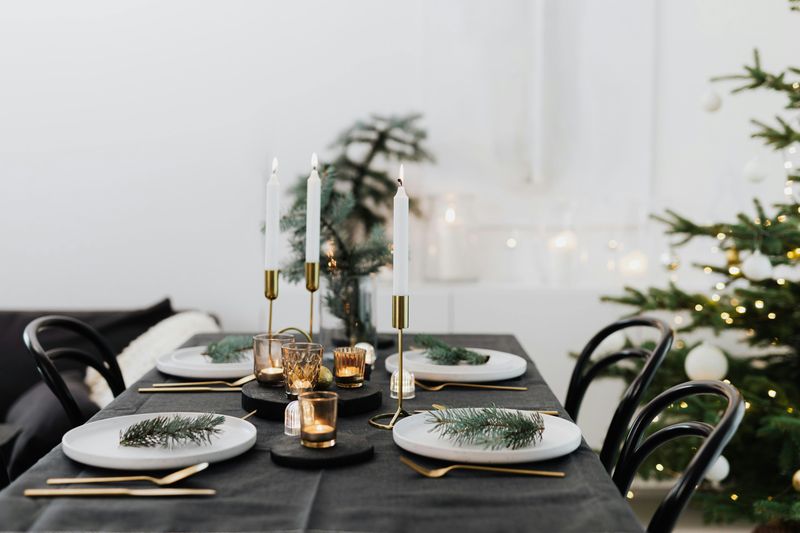
A festive table once bloomed from simple things like garlands and oranges studded with cloves. It signaled welcome before the first bite. Over time, decorating felt overwhelming, so it quietly stopped.
The regret is not about perfection, but about intention. You can do it in fifteen minutes with greenery, candles, and fruit. Keep it low effort and high feeling, and watch the room breathe differently when beauty arrives.
Simple dinner
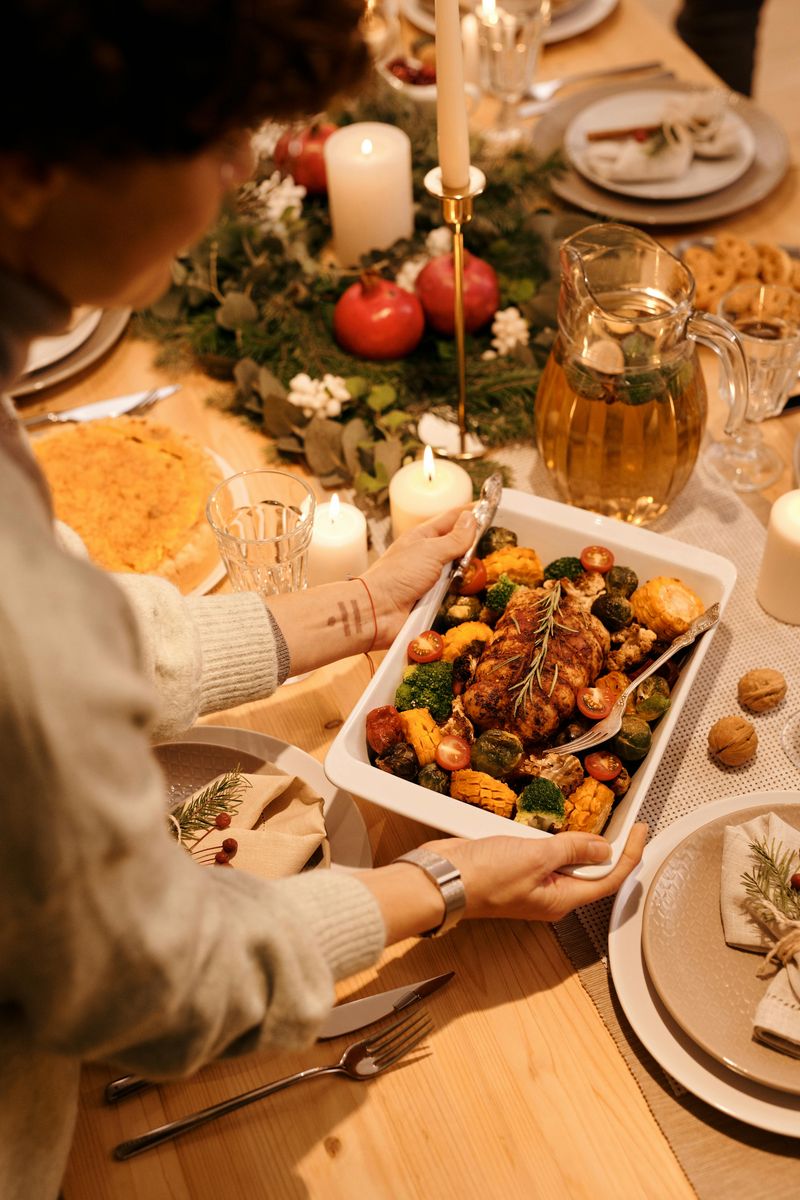
There was beauty in a simple dinner that did not try to impress anyone. A few well made dishes let conversation and quiet carry the night. Then fear of not doing enough crept in, and simplicity slipped away.
Now many regret the stress that replaced ease. You can return to basics and still make it special. Choose quality over quantity, serve hot and unhurried, and leave room for wonder between courses.
Religious meal
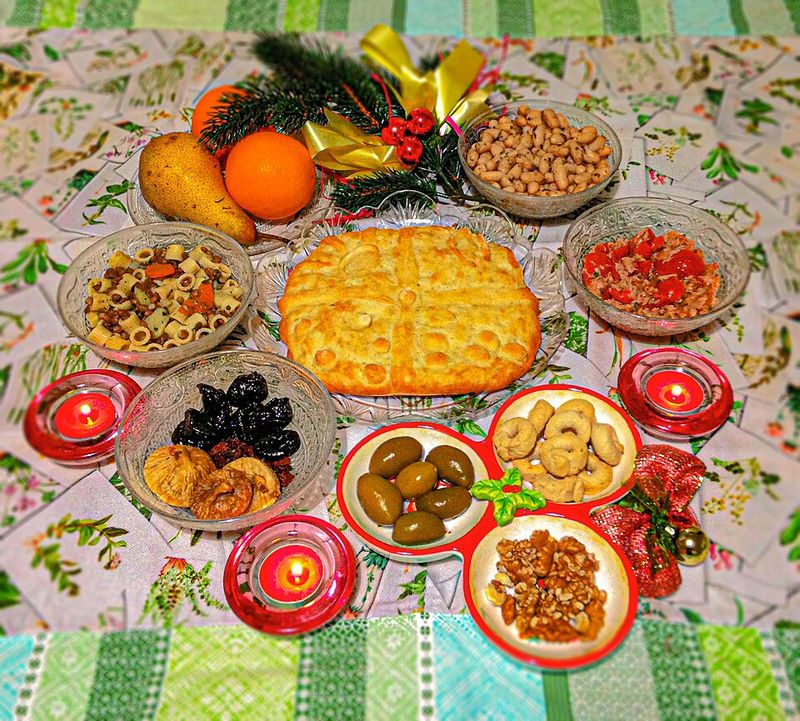
For some, the meal was a gentle fast, guiding hearts toward midnight services. The menu leaned humble, yet felt deeply rich in meaning. As traditions loosened, that mindful hunger disappeared.
There is regret when the night feels busy but not sacred. You can restore the intention without strict rules. Light candles, choose a simpler plate, and leave a chair for remembrance or welcome, letting purpose sit beside you.
Quiet family dinner
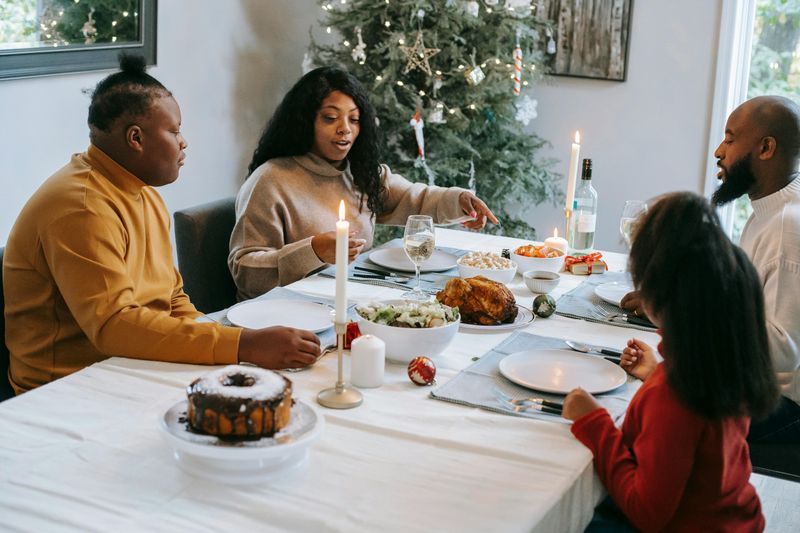
Quiet family dinners used to hush the day before excitement. Voices lowered, time slowed, and attention arrived. When parties replaced stillness, that soft intimacy left the room.
The regret lives in moments that might have been shared. You can reclaim them by planning a short menu and turning off notifications. Let silence punctuate stories and allow the night to breathe around your plates.
Old traditions

Old traditions carried the weight of care, like recipe cards smudged with butter. They stitched generations together across tables and time. When convenience won, those threads loosened.
Regret shows up as a box never opened. You can pull one tradition forward this year. Read the recipe aloud, frame a photo near the stove, and let memory guide your hands while you cook.
Seafood dish
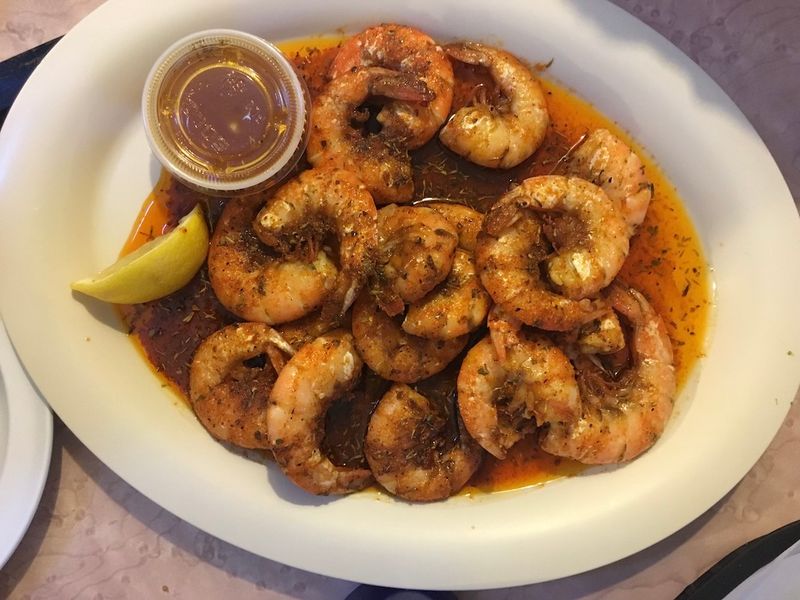
A single seafood dish once made the table feel coastal and celebratory. Shrimp snapped, scallops caramelized, and the room filled with ocean whisper. When budgets tightened or confidence dipped, seafood quietly left the lineup.
People miss the brightness it brings. You can return with a simple recipe and a hot pan. Keep it quick, finish with lemon and herbs, and serve immediately so the magic does not drift away.
Warm kitchen
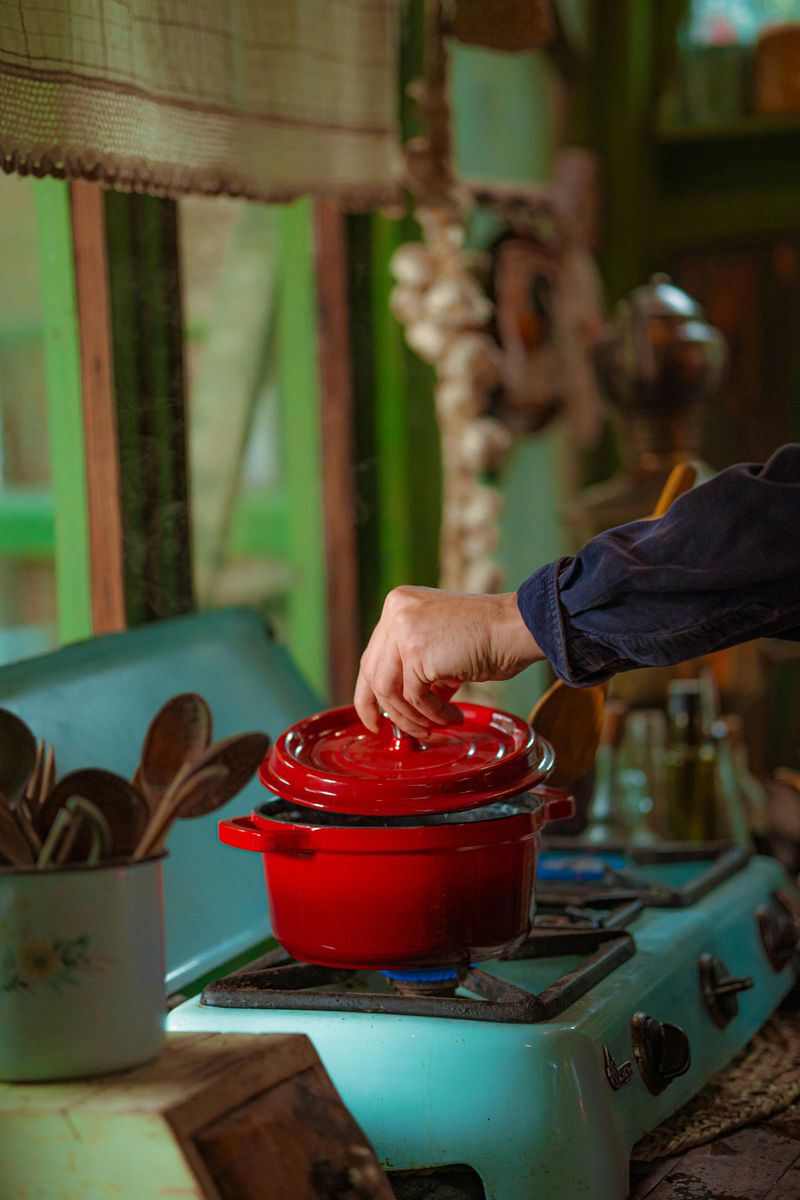
A warm kitchen once signaled safety, with pots gently humming and windows fogged. The heat gathered everyone without calling them. As cooking moved out or became rushed, that hearth-like feeling faded.
There is regret for the coziness that anchored the night. You can rebuild it by simmering cider, preheating the oven early, and letting aromas drift. Warmth invites people to linger and share.
Holiday candles
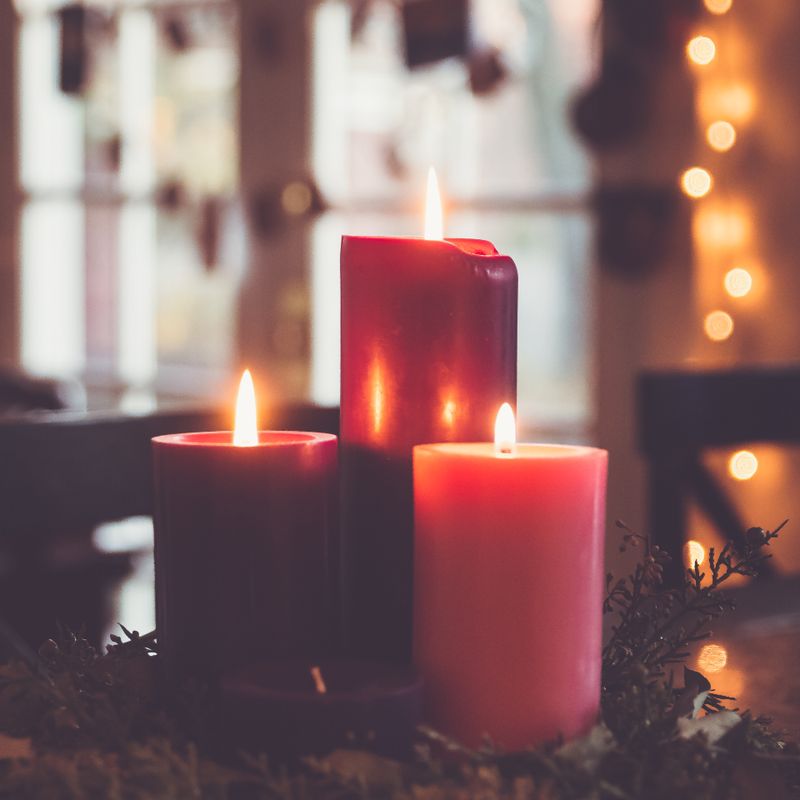
Holiday candles once marked the evening with quiet ceremony. Lighting them together became a pause everyone felt. Over time, scented gadgets replaced flame and the moment passed unnoticed.
The regret is simple. Fire brings presence. Set out a few safe holders, strike a match, and let the glow slow your breathing before you serve.
Classic recipe
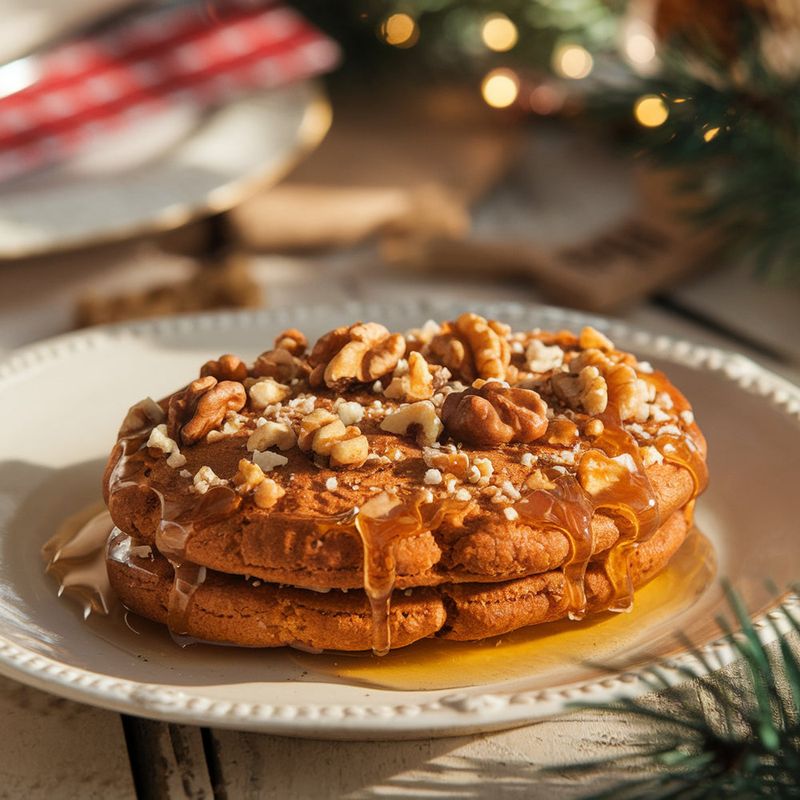
Classic recipes held more than ingredients. They carried names, jokes, and the rhythm of holidays you remember. When they were swapped for faster versions, flavor lost its story.
Regret appears each time you cannot reproduce that taste. You can track it down by calling relatives, comparing notes, and honoring the original steps. Even if imperfect, the attempt brings everyone closer to the table.
Holiday plates
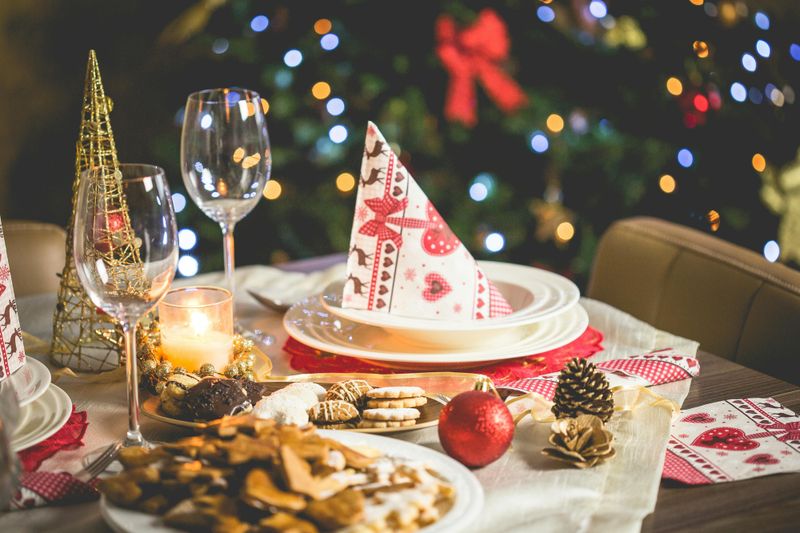
Holiday plates once emerged like old friends, chipped in charming places. Setting them out signaled tradition you could touch. Paper plates simplified cleanup, but erased a tiny ceremony many did not know they loved.
There is regret in losing textures that tell stories. Wash a few by hand, even if the rest go into the dishwasher. Mixing special pieces with everyday dishes keeps meaning alive without exhausting you.